
Best Crosman Benjamin Trail NP XL 725 2026 Pick

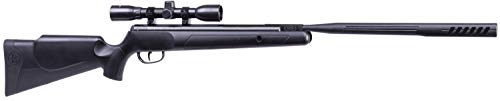
Crosman Benjamin Trail NP XL 725 sits in that serious break-barrel lane where casual plinking starts feeling a little more grown-up. The draw is pretty simple: a nitro piston powerplant, a full-size hardwood-stock feel, and enough punch to make paper targets, cans, and small pest-control chores feel more controlled. Still, it’s not the kind of air rifle someone grabs for five lazy shots before lunch. It has heft, cocking effort, and a learning curve, so yep, it asks for patience.
The big appeal is consistency without the spring twang that older break-barrel rifles can have. A gas piston tends to feel smoother, especially after the shooter settles into the same hold, cheek weld, and trigger rhythm. That matters because break barrels can be fussy little beasts. Hold them differently, and the point of impact may wander like it has weekend plans.
Power and control are the main reasons this model keeps getting attention. The .25 caliber setup favors impact over flat speed, which can be a better fit for closer, deliberate shooting where knockdown energy matters more than bragging about velocity. On the flip side, pellets cost more, the trajectory drops faster, and cheap ammo can make a decent rifle feel worse than it really is. Good pellets aren’t a luxury here, they’re part of the setup.
The stock design gives the rifle a planted, traditional feel, which helps during bench practice or slow standing shots. That extra weight can steady the aim, but it also makes long offhand sessions tiring. Fair trade? For many, yes. For quick, lightweight backyard fun, maybe not.
Noise control is another part of the appeal, though expectations should stay grounded. The shrouded barrel can soften the report, but a powerful piston air rifle still makes mechanical noise, pellet impact noise, and plenty of backyard presence. Neighbors may not hear a sharp crack, but they’ll still know something is happening if the target backstop rings like a dinner bell. A quiet trap matters almost as much as the rifle itself.
The scope setup should be treated with realistic expectations too. Bundled optics can get someone started, but heavy-recoiling piston rifles are rough on scopes and mounts. A careful mount check, proper screws, and a little patience during zeroing go a long way. Skip that part, and frustration shows up fast.
Crosman Benjamin Trail NP XL 725 makes the most sense for someone who wants a sturdy, hard-hitting break barrel and doesn’t mind putting in the work. It rewards steady technique, decent pellets, and a safe shooting lane. It’s not featherlight, not whisper-silent, and not beginner-proof. But handled properly, it has that satisfying, no-nonsense feel that keeps a shooter coming back for “just one more group.”
- ARS Mark8.6
ARS Mark is a ranking system developed by bestairriflescopes.com. ARS Mark has no relationship or impact from any manufacturers or sales agent websites. Learn more
- BrandBenjamin

- ARS Mark8.6
ARS Mark is a ranking system developed by bestairriflescopes.com. ARS Mark has no relationship or impact from any manufacturers or sales agent websites. Learn more
- BrandBenjamin

- ARS Mark8.4
ARS Mark is a ranking system developed by bestairriflescopes.com. ARS Mark has no relationship or impact from any manufacturers or sales agent websites. Learn more
- BrandCrosman

- ARS Mark8.4
ARS Mark is a ranking system developed by bestairriflescopes.com. ARS Mark has no relationship or impact from any manufacturers or sales agent websites. Learn more
- BrandCrosman

- ARS Mark8.2
ARS Mark is a ranking system developed by bestairriflescopes.com. ARS Mark has no relationship or impact from any manufacturers or sales agent websites. Learn more
- BrandBenjamin

- ARS Mark7.8
ARS Mark is a ranking system developed by bestairriflescopes.com. ARS Mark has no relationship or impact from any manufacturers or sales agent websites. Learn more
- BrandBenjamin Sheridan
Last update on 2026-06-07 / Affiliate links / Images, Product Titles, and Product Highlights from Amazon Product Advertising API
Crosman Benjamin Trail NP XL 725 Air Rifle Review
Cheap spring rifles have a funny way of wearing out patience. One day the scope drifts for no reason, the next day the recoil feels like a screen door slamming shut in your shoulder. That frustration pushes a lot of shooters toward the crosman benjamin trail np xl 725 category, especially rifles built around a nitro piston system instead of old-school spring coils. The Benjamin BP2SXS Prowler lands right in that sweet spot where backyard shooting starts feeling more refined without becoming overly expensive or fussy.
Prowler Nitro .22
The Benjamin BP2SXS Prowler carries a personality that leans practical instead of flashy. Its synthetic stock immediately tells the story. Rainy mornings, dusty sheds, muddy truck beds, or humid garages won't beat it up as quickly as softer wood furniture. That matters more than people admit because break-barrel rifles often get tossed into real-world conditions instead of climate-controlled display racks.
The rifle balances fairly well for a .22-caliber break barrel. Some heavier magnum air rifles feel nose-heavy after twenty minutes, especially during standing shots. This one still has enough weight to steady the aim, though it avoids feeling like a boat anchor. That little difference becomes obvious halfway through a long target session.
Nitro Piston Technology changes the shot cycle in a noticeable way. The firing behavior feels less buzzy compared to older spring systems, and the recoil impulse has a smoother push instead of a harsh snap. Shooters transitioning from entry-level springers usually notice tighter consistency once they settle into the rifle's preferred hold.
There’s still a learning curve, though. Break barrels can be stubborn creatures if the grip pressure changes from shot to shot. Clamp down too hard and accuracy may wander. Relax too much and the rifle shifts differently under recoil. The Prowler rewards consistency more than brute force.
Quietfire Suppression In Real Use
QuietFire sound suppression deserves realistic expectations instead of marketing fantasy. No, this rifle isn't whisper silent. Powerful air rifles still create mechanical movement, pellet crack, and impact noise. But compared to older magnum spring guns that bark loudly across a backyard fence, the Prowler feels noticeably calmer.
Backyard shooters dealing with close neighbors usually appreciate that softer report. Early morning target practice feels less obnoxious, especially with heavier pellets that stay below the speed of sound. That detail matters because lightweight pellets can still create a sharp crack at higher velocities.
The noise difference becomes more obvious indoors at a range or inside a barn. Instead of that metallic “sproing” older rifles produce, the nitro piston setup creates a more muted thump. It won’t erase sound completely, but it reduces fatigue during longer shooting sessions.
One tradeoff appears with expectations around pellet impact. Steel traps, fence posts, and hard targets create far more noise than the rifle itself. Funny enough, many shooters blame the gun when the real issue comes from the target setup.
Velocity And Real Shooting Performance
The advertised 950 fps performance sounds impressive on paper, though realistic shooting tells a more nuanced story. Pellet weight matters. Heavier .22 pellets usually deliver slower speeds but noticeably better stability and stronger downrange energy. Lighter pellets may clock faster numbers while sacrificing consistency.
The rifled steel barrel helps maintain respectable grouping once the rifle settles in. Fresh break-barrel rifles sometimes need a tin or two of pellets before accuracy tightens up. Frustration often shows up early because people expect dime-sized groups five minutes after unboxing.
From a practical angle, the rifle performs best within moderate distances. Around backyard pest control ranges or paper-target setups, it feels predictable and satisfying. Stretching too far exposes the natural arc of .22 pellets, especially in windy conditions.
Trigger feel lands somewhere in the middle. It’s usable, though not match-grade by any stretch. Some shooters may notice a little creep before the break, especially compared to more expensive air rifles. Still, after a few sessions, muscle memory tends to smooth things out.
Scope Setup And Mounting Experience
The included 4x32 scope gives new owners a starting point instead of forcing an immediate optics purchase. That said, bundled scopes on break barrels always deserve cautious optimism. Nitro piston recoil moves differently than firearm recoil, and weaker optics sometimes struggle over time.
Mounting becomes part of the experience here. Screws need proper tightening, and occasional rechecks help prevent zero drift. A loose mount can make even a good rifle look wildly inaccurate, which sends many shooters down unnecessary rabbit holes blaming pellets or barrel quality.
The fixed 4x magnification works surprisingly well for common backyard distances. Simpler optics often feel quicker and less distracting during casual target work. Overpowered scopes can actually make close-range shooting slower because every tiny wobble becomes exaggerated.
One example worth noting is break action air pistol setups that share similar recoil sensitivity. Mount security and optic durability become far more important than fancy magnification numbers in real-world shooting.
Strengths That Actually Matter
Weather resistance stands out immediately. Synthetic stocks may lack the warm charm of wood, but they shrug off rough handling with far less stress. Scratches, moisture, and temperature swings feel less dramatic with this setup.
Ease of maintenance also deserves credit. Nitro piston rifles don't require the same spring concerns associated with older coil systems. Leaving the rifle cocked briefly during setup doesn't create the same anxiety some spring gun owners constantly worry about.
The cocking effort stays manageable for most adults without feeling flimsy. Some magnum break barrels fight back aggressively after a dozen shots, turning practice into a shoulder workout. The Prowler avoids crossing into that exhausting territory.
Pellet flexibility helps too. Heavier domed pellets tend to tighten groups nicely, while hollow points offer satisfying impact for close-range pest situations. The rifle isn't unusually picky once the shooter finds a pellet style it likes.
Weaknesses And Frustrations
Scope durability remains the biggest question mark long term. Some bundled optics hold up reasonably well, while others gradually lose consistency after repeated recoil cycles. Shooters expecting premium glass right out of the box may feel underwhelmed.
The trigger could definitely use refinement. Fast shooting exaggerates the slight creep, and precision shooters will notice it during slow bench sessions. It’s workable, just not especially polished.
Weight distribution may bother smaller-framed shooters during extended offhand practice. The rifle isn't outrageously heavy, though several hours of standing shots can still wear down the support arm. Bench shooters probably won’t care much.
Break-barrel technique frustrates impatient shooters sometimes. Resting directly on hard surfaces or changing grip pressure can throw groups unexpectedly. People used to PCP rifles often need a short adjustment period before everything starts clicking consistently.
Daily Ownership Experience
Long-term enjoyment usually comes down to routine. The Benjamin Prowler feels most satisfying during calm evenings, slower target sessions, and practical backyard shooting rather than rapid-fire chaos. Its personality leans measured and deliberate.
Cleaning stays fairly straightforward since the rifled barrel doesn’t require obsessive maintenance. Overcleaning actually creates problems with many air rifles. A lightly maintained barrel often performs more consistently than one scrubbed constantly.
Pellet experimentation becomes part hobby, part science experiment. Some shooters swear by heavier domed pellets for tighter groups, while others prefer lighter hunting rounds for flatter close-range trajectories. Half the fun comes from figuring out what the rifle personally prefers.
The rifle also teaches patience in a weirdly satisfying way. Slow down, settle the hold, breathe properly, and the groups usually tighten. Rush everything, and the target paper starts looking like it survived a hailstorm.
Crosman Benjamin Trail NP XL 725 Hunting Review
Pellet rifles can get weirdly frustrating once the honeymoon phase wears off. Loose scopes, noisy spring slap, random flyers, and barrels that seem picky about every pellet under the sun tend to test patience fast. That’s partly why the crosman benjamin trail np xl 725 lineup keeps pulling attention from shooters who want more consistency without jumping into expensive PCP territory. The Benjamin BP7SXS Prowler takes that familiar break-barrel formula and leans heavily into speed, smoother recoil, and practical backyard handling.
Prowler Nitro .177
The first thing that stands out about the BP7SXS Prowler is its lightweight synthetic build. Some air rifles look pretty in catalog photos but become annoying after thirty minutes of standing shots. This one feels easier to carry around fences, barns, sheds, or rough backyard terrain without turning the whole session into shoulder therapy.
The black synthetic stock won’t win beauty contests against walnut furniture, though honestly, that’s not really the point here. Scratches, moisture, dirt, and temperature swings barely seem to bother it. For shooters who leave rifles in truck cabs or garage corners, that low-maintenance design becomes surprisingly valuable.
Nitro piston technology changes the shooting feel more than most first-time buyers expect. Traditional spring guns often produce a buzzy recoil pulse with a metallic twang afterward. The Prowler feels cleaner. There’s still movement, obviously, but the shot cycle lands with a softer push that feels less chaotic.
Speed is another major talking point. The rifle advertises up to 1200 fps, which sounds dramatic, though lightweight alloy pellets are usually responsible for those top-end velocity claims. Real-world shooting with heavier lead pellets tends to feel more balanced and consistent, especially for accuracy work.
Backyard Shooting Experience
Quiet afternoons with paper targets are where this rifle starts making sense. The QuietFire suppression system helps tone down the report enough to avoid sounding obnoxious in tighter neighborhoods. It’s not movie-scene quiet, though. Mechanical movement and pellet impact still create noise, particularly against metal traps.
Heavier pellets help tame the sound profile even more. Lightweight pellets crossing the sound barrier can create a crack that defeats the whole “quiet rifle” expectation. Shooters chasing smoother backyard sessions usually end up preferring medium-weight domed pellets anyway because they stabilize better downrange.
Handling feels fairly nimble for a break-barrel rifle in this power range. Some magnum air rifles become exhausting after a few magazines worth of shooting, especially during standing practice. The Prowler avoids that bulky feel, which makes quick repositioning easier around fences, feeders, or pest-control spots.
Grip texture deserves a little credit too. The foregrip doesn’t become slippery once hands get sweaty during hot afternoons. That small detail sounds boring until humidity kicks in and cheaper stocks start feeling like bars of soap.
Accuracy And Pellet Behavior
Accuracy with the BP7SXS comes down to patience and pellet matching more than raw rifle power. Break-barrel rifles can behave stubbornly if the shooter grips too tightly or changes hold pressure constantly. Once the technique settles in, groups tighten noticeably.
The rifled steel barrel handles common pellet styles reasonably well, though certain domed pellets usually outperform ultra-light alloy options. Chasing maximum velocity often sacrifices consistency, and this rifle feels much happier once accuracy becomes the priority instead of flashy speed numbers.
Wind drift shows up quickly with lightweight .177 pellets outdoors. Calm mornings feel dramatically different compared to breezy afternoons. That’s normal for high-speed .177 shooting, but newer shooters sometimes mistake environmental drift for scope issues.
From a practical angle, a relevant reference is best CO2 air rifle for pest control discussions where shot placement matters far more than exaggerated power claims. Pellet choice and consistency almost always outweigh raw fps numbers during real shooting sessions.
Scope And Mounting Concerns
The included 4x32 scope works well enough for getting started, especially for backyard target distances. Simpler optics actually fit this rifle nicely because the recoil impulse from piston rifles can punish weaker scopes over time. Fancy oversized optics sometimes become more trouble than they’re worth.
Mount security matters a lot here. Break-barrel recoil moves both backward and forward, which can loosen screws if they aren’t tightened properly. Shooters blaming poor accuracy often discover the real issue sitting right on top of the receiver.
Glass clarity stays acceptable during daylight shooting. Late evening sessions expose some limitations around brightness and edge sharpness, though that’s fairly common for bundled optics in this category. Most casual shooters probably won’t lose sleep over it.
Scope eye relief feels forgiving enough for quick shoulder mounting. That little convenience becomes noticeable during pest-control situations where fast target acquisition matters more than benchrest perfection.
Pros That Hold Up Over Time
Low maintenance ownership gives the Prowler a practical advantage. Nitro piston systems avoid some of the fatigue concerns older coil-spring rifles deal with after extended use. That smoother mechanical behavior also makes the rifle feel less harsh during repeated sessions.
The lighter frame helps reduce fatigue during long afternoons outdoors. Several competing magnum rifles feel powerful for ten shots and exhausting by shot fifty. This one keeps things manageable without feeling flimsy.
Weather resistance adds another layer of convenience. Humidity, dusty barns, muddy ground, and changing temperatures rarely create panic with synthetic furniture. Wood stocks look gorgeous, sure, but they demand more babying.
The cocking effort lands in a reasonable middle ground. It still requires deliberate force, but it avoids the brutal resistance some high-powered break barrels create. Younger or smaller-framed shooters may still notice fatigue eventually, though it won’t feel punishing right away.
Cons Worth Knowing Early
Break-barrel sensitivity frustrates impatient shooters pretty quickly. Resting directly on hard surfaces or squeezing the grip differently between shots can shift impact points unexpectedly. Precision comes easier once the rifle gets treated consistently.
The trigger feels usable rather than refined. There’s a bit of creep before the break, especially noticeable during slow target work. Hunters or casual plinkers may not care much, but precision-minded shooters usually notice it early.
Pellet experimentation becomes unavoidable. Cheap lightweight pellets may produce flashy speed but inconsistent groups, while heavier pellets slow the rifle slightly yet often tighten accuracy. That trial-and-error phase costs time and ammo.
Noise expectations sometimes get exaggerated online. QuietFire technology definitely softens the report, though nearby neighbors will still hear target impacts and mechanical movement. A poorly designed backstop creates more noise than many people expect.
Real Ownership Habits
Daily use with the BP7SXS tends to settle into a rhythm. Load pellet, break barrel, settle the hold, squeeze slowly, repeat. Shooters who enjoy that slower mechanical process usually bond with break-barrel rifles faster than people chasing rapid-fire excitement.
Cleaning routines stay simple. Overcleaning actually causes more problems for many pellet rifles because barrels often shoot best with a light layer of lead seasoning. Constant aggressive scrubbing tends to create inconsistent groups temporarily.
Backyard pest control is where this rifle feels most practical. Small nuisance targets at moderate ranges fall comfortably inside its performance zone without requiring bulky PCP tanks or compressors. That simplicity is part of the appeal.
Oddly enough, the rifle also teaches discipline. Fast sloppy shooting usually scatters pellets all over the place. Calm breathing, relaxed grip pressure, and proper follow-through tighten things considerably, which makes every good shot feel earned instead of accidental.
Benjamin Trail NP XL 1500 Review
Some break-barrel air rifles feel exciting for the first ten shots, then start showing their little annoyances. Heavy cocking, jumpy recoil, vague optics, and that sharp backyard crack can turn a promising rifle into a patience test. The crosman benjamin trail np xl 725 search often points toward rifles built for more power and field use, and the Benjamin Trail NP XL 1500 fits that heavier, harder-hitting lane with a hardwood stock, nitro piston power, and a scope package aimed at longer, more deliberate shooting.
Benjamin Trail NP XL 1500
The Benjamin Trail NP XL 1500 has a different attitude from lighter plinking rifles. It feels like a serious break barrel, not a casual can-bouncer that gets passed around at a cookout. The checkered hardwood stock gives it that traditional rifle feel, with enough grip texture to keep the hold steady when hands get damp or cold. That extra size and weight can help settle the aim, though it also reminds the shooter that this isn’t built for lazy one-handed handling.
The .177-caliber nitro piston powered break barrel setup is the center of the whole experience. Instead of a coiled spring slapping forward, the gas piston system creates a smoother firing cycle with less of that old-school vibration. The result feels cleaner on the shoulder and less distracting through the scope. Still, break-barrel technique matters, and sloppy grip pressure can make even a capable rifle act moody.
Power sits high on the spec sheet, with the rifle rated at up to 1500 fps. That number sounds bold, but pellet choice changes the real shooting personality quite a bit. Lightweight pellets can chase speed, while heavier lead pellets often feel more controlled and predictable. For small game use, shot placement and pellet consistency carry more weight than a flashy velocity claim.
The rifle’s rifled steel barrel gives it the foundation needed for better accuracy, especially once the barrel has settled and the shooter has tested a few pellet types. Fresh air rifles sometimes need a little patience before groups tighten up. That’s normal. The Trail NP XL 1500 rewards the person who takes time with pellet matching instead of blaming the rifle after one random tin of ammo.
Power, Noise, And Field Handling
The supplied description notes 70% less noise, and that matters for a rifle with this much energy. A strong break barrel can sound sharper than expected, especially near barns, fences, sheds, or hard backstops. The noise reduction helps soften the report, but it won’t make the rifle silent. Pellet impact, target material, and the piston’s mechanical movement still create sound.
Field handling is where the smooth cocking and less recoil claim becomes meaningful. A hard-kicking spring rifle can wear down focus after a dozen shots, especially from awkward positions. The nitro piston system makes the rifle feel more composed during the shot cycle. Not featherlight, not effortless, but more manageable than many harsh magnum-style springers.
The hardwood stock adds a little old-school charm, and honestly, that matters more than specs sometimes. Synthetic stocks are easier to baby less, sure, but hardwood gives the rifle a planted feel against the shoulder. The checkering helps during outdoor use, especially when gloves, sweat, or cold fingers get involved. The tradeoff is simple: wood looks and feels better, but it needs more care around moisture and rough storage.
Small game use calls for realistic distance judgment. The Trail NP XL 1500 has the punch for field work, but .177 pellets are lighter and can drift more in wind than larger calibers. Calm conditions, careful range estimation, and the right pellet style make a big difference. In some cases, a related hunting reference can be found in best shotgun choke for pheasant hunting, where pattern control and distance judgment matter in a similar practical way.
Scope And Shooting Feel
The included CenterPoint 3-9x40mm scope gives this rifle a more useful optics package than the basic fixed-power scopes often bundled with entry-level air rifles. Adjustable magnification helps at different distances, while the adjustable objective supports clearer focus as range changes. That said, piston air rifles can be rough on optics. Mount security, screw checks, and careful zeroing are not optional little chores here.
The range estimating reticle adds value once the shooter learns how the chosen pellet drops. A fast .177 pellet can look flat at first, then drop more than expected once distance stretches out. The reticle helps make those holdover decisions less like guesswork. Still, the shooter has to do the boring work first: sight-in, shoot groups, note distance, and repeat.
Trigger behavior deserves a grounded take. This rifle is built for power and practical field use, not match-grade benchrest perfection. The trigger may take a little getting used to during slow precision shooting. A steady pull, consistent cheek weld, and patient follow-through will matter more than trying to muscle the rifle into accuracy.
The recoil profile feels more controlled than a harsh springer, but it still moves. That’s the part newer shooters sometimes underestimate. Rest the stock directly on a hard surface and groups may open up. Use a repeatable hold, let the rifle recoil naturally, and the accuracy potential becomes easier to understand.
Pros And Cons In Real Use
The strongest benefit is the blend of high velocity, smoother piston behavior, and field-ready handling. The rifle gives enough power for small game work while avoiding some of the buzz and jumpiness of traditional spring systems. The hardwood stock also gives it a more substantial feel than many plastic-stock rifles. For someone who likes a rifle that feels steady and deliberate, that’s a real plus.
The scope package is another meaningful strength. A 3-9x40mm adjustable objective scope gives more flexibility than a simple 4x optic, especially when distances vary. The range estimating reticle also fits the rifle’s purpose well. It doesn’t remove the need for practice, but it gives the shooter better tools once the pellet trajectory is understood.
The downsides are just as real. The rifle is not the easiest pick for short, casual plinking sessions because cocking effort, weight, and technique sensitivity can wear on impatient shooters. The .177 caliber reaches impressive speed, yet lighter pellets can become noisy or less stable depending on conditions. Power without discipline can turn into scattered groups and wasted pellets.
Maintenance expectations stay reasonable, but the hardwood stock does need more care than synthetic furniture. Wet grass, damp sheds, and careless storage won’t ruin it overnight, but wood deserves basic respect. Scope screws and mounts also need occasional attention because piston recoil can loosen things slowly. Ignoring that detail often leads to mysterious accuracy problems that aren’t really mysterious at all.
Who It Fits Best In Practice
The Benjamin Trail NP XL 1500 makes the most sense for deliberate shooters who enjoy the break-barrel process. Cock, load, settle, breathe, squeeze. That rhythm is part of the appeal. Anyone expecting rapid follow-up shots or PCP-like smoothness may feel boxed in by the single-shot design.
Backyard target work can be satisfying with the right backstop and pellet choice. The reduced noise helps, but hard targets can still ring loudly enough to annoy people nearby. A softer pellet trap changes the whole experience. Funny how often the target makes more racket than the rifle.
For small game hunting, accuracy and pellet selection deserve priority over the biggest velocity number. Heavy, consistent pellets usually make more sense than chasing maximum fps. The rifle has the power side covered, so the real work becomes learning distance, wind, and holdover. That’s where the CenterPoint scope and reticle can actually earn their keep.
The biggest mismatch would be someone wanting a light, low-effort rifle for quick backyard fun. This model asks for more from the shooter. It gives back power, a steadier hardwood feel, and smoother nitro piston behavior, but only after technique catches up with the hardware.
Benjamin Trail NP XL 725 Review
Heavy break-barrel rifles have a way of separating casual curiosity from real patience. The cocking stroke, the slower loading rhythm, the need for a safe backstop, and the demand for steady technique all show up fast. That’s where the crosman benjamin trail np xl 725 earns attention, not as a backyard toy, but as a .25-caliber nitro piston air rifle built for controlled shots, deeper pellet impact, and practical small-game use. The Benjamin Trail NP XL 725 brings a wood stock, rifled steel barrel, included 3-9x40 mm scope, and a slower, heavier-hitting personality than lighter .177 break barrels.
Benjamin Trail NP XL 725
The Benjamin Trail NP XL 725 feels like a rifle made for deliberate shooting rather than quick plinking. Its wood stock and foregrip give it a more traditional, planted feel in the hands, which helps during slow target work or careful field positioning. The tradeoff is weight. After a while, standing shots can feel like a little workout, especially for anyone used to light synthetic-stock rifles.
The .25-caliber setup changes the whole mood of the rifle. Smaller calibers often chase flatter speed, but this one leans into heavier pellet impact and close-to-moderate range usefulness. That heavier pellet arc demands better range judgment, though. Miss the distance by too much, and the pellet drop will remind you who’s boss.
Nitro piston power gives the rifle a smoother feel than many old-school spring break barrels. The shot cycle still has movement, of course, but it avoids some of the harsh buzz and spring chatter that can make long sessions annoying. That smoother firing behavior helps the shooter stay settled behind the scope. Still, technique matters every single shot.
The rifle’s personality fits calm hands and repeatable habits. A rushed cocking cycle, uneven cheek weld, or changing grip pressure can throw off results fast. That’s not a flaw unique to this model. It’s the break-barrel bargain: keep the rhythm steady, and the rifle starts acting much more predictable.
Power And Pellet Impact
The listed up to 900 fps velocity gives the Trail NP XL 725 plenty of energy for its intended role. Since this is a .25-caliber air rifle, the appeal isn’t just speed on paper. The heavier pellet carries more authority on target than smaller pellets at similar ranges. That matters most where clean placement and dependable impact are the priority.
Speed claims always deserve a little common sense. Pellet weight, pellet shape, temperature, and shooting setup can all change real-world behavior. Lightweight pellets may push velocity higher, while heavier pellets often feel more stable and predictable. For this rifle, chasing the biggest number usually makes less sense than finding a pellet it groups well.
The rifled steel barrel is one of the more important features because power without control gets old quickly. A good barrel gives the pellet a better chance to stabilize, but it still needs decent ammunition and steady handling. Cheap pellets with inconsistent skirts can make any rifle look worse than it is. Better-fitting pellets often tighten groups without changing anything else.
Recoil behavior deserves respect. A nitro piston may feel smoother than a spring, but a hard-hitting break barrel still moves during the shot. Resting the rifle too rigidly or gripping it like a centerfire firearm can widen groups. Letting the rifle recoil consistently often works better than trying to overpower it.
Scope Use And Field Practicality
The included 3-9x40 mm scope gives the rifle more flexibility than a fixed low-power optic. Lower magnification works well for closer targets, while the higher end helps with more careful aiming at distance. The larger objective also fits the rifle’s slower, more deliberate shooting style. It’s not just decoration on top of the receiver.
Scope mounting still needs attention because piston air rifles can be rough on optics. The recoil impulse moves differently than many firearms, which can loosen screws or shift zero if the setup isn’t secure. A stable mount, patient sight-in, and occasional checks prevent a lot of head-scratching later. Many “accuracy problems” begin with a scope that quietly moved.
Range estimation matters more with .25 caliber than some people expect. The pellet hits hard, but it doesn’t fly as flat as lighter .177 pellets. That makes the adjustable scope useful, especially once the shooter understands holdover at common distances. Guessing works until it doesn’t.
From a practical angle, a related reference sits in best air rifles under 300 for field and target because field shooting and target work both reward the same boring habits: steady holds, smart pellet choice, and realistic distance limits. The Trail NP XL 725 fits that mindset better than it fits rapid-fire backyard messing around.
Pros Worth Noticing
Hard-hitting .25-caliber performance is the biggest strength here. The rifle gives a more substantial feel on target than smaller-caliber break barrels, especially at sensible ranges. That extra pellet mass gives the Trail NP XL 725 its serious character. It feels less like a casual plinker and more like a tool that expects responsible handling.
The wood stock brings a classic feel that many synthetic rifles just don’t match. It settles into the shoulder nicely and gives the rifle a more grounded presence. Wood also makes the gun feel less hollow in the hands. The downside, naturally, is that moisture and rough storage deserve more attention.
Nitro piston operation is another major advantage. Less spring vibration helps the shooting experience feel cleaner, especially during longer sessions. The smoother cocking and reduced recoil feel can also make field handling less tiring. It’s still not effortless, but it’s more civilized than some harsh magnum-style springers.
The scope package adds practical value right away. A 3-9x40 mm optic gives more room to work than a basic bundled scope, especially for shooters dialing in groups or working across varied distances. It won’t replace premium glass, but it makes the rifle more usable out of the box. For many owners, that matters.
Cons And Tradeoffs
The rifle’s size and cocking effort may surprise anyone coming from lighter airguns. This isn’t the kind of break barrel that feels playful after shot fifty. The weight helps stability, but it also makes long standing sessions more demanding. A shooting rest or seated position can make the experience much more pleasant.
.25-caliber pellets cost more and drop faster than smaller pellets. That’s the price paid for heavier impact. Casual target shooters who burn through tins quickly may notice the ammo cost sooner than expected. Also, pellet selection may be narrower depending on local availability.
The wood stock looks and feels good, but it isn’t as carefree as synthetic furniture. Wet grass, damp sheds, and rough transport can leave marks if the rifle gets neglected. That doesn’t make wood a weakness by itself. It just means the rifle asks for a little more care after field use.
Noise expectations should stay grounded too. A powerful nitro piston rifle can still sound serious, even if it’s smoother than an old springer. Target impact, especially on metal traps or hard backstops, can create more noise than the rifle’s report. A quiet shooting setup involves more than the airgun itself.
Handling In Real Use
Daily shooting with the Benjamin Trail NP XL 725 develops a slower rhythm. Break the barrel, load the pellet, close it firmly, settle behind the scope, breathe, and squeeze. That routine feels satisfying for people who enjoy mechanical simplicity. It may feel too slow for someone chasing rapid follow-up shots.
The rifle rewards a relaxed but consistent hold. Too much grip pressure can make the point of impact wander, while sloppy support can do the same thing from the other direction. A soft rest and repeatable shoulder pressure usually help. Little details matter more than brute strength.
Small game hunting is where the rifle’s strengths line up best with its design. The .25 caliber pellet gives useful impact, while the rifled barrel and scope support more careful aiming. Still, ethical use depends on knowing distance limits and shot placement. Power doesn’t replace judgment.
Backyard target shooting can be satisfying too, though the rifle needs a safe and sturdy backstop. The pellet carries meaningful energy, so casual setups won’t cut it. A sloppy target area is asking for trouble. Treated with care, the Trail NP XL 725 brings a steady, old-school shooting routine with enough punch to keep each shot interesting.
Best Fit And Realistic Expectations
The crosman benjamin trail np xl 725 makes the most sense for shooters who want impact over speed bragging. It doesn’t behave like a lightweight .177 plinker, and that’s the whole point. The rifle has a slower, heavier, more deliberate feel. Some will love that, while others may decide it’s more rifle than they actually need.
Technique will shape the experience more than the spec sheet. A careful shooter with the right pellet can get far more out of this rifle than someone who rushes every shot. The rifled barrel, nitro piston system, and included scope create a solid foundation. The person behind the trigger still has to do the work.
The biggest mismatch is casual all-day plinking. Cocking effort, pellet cost, and rifle weight make that less appealing than with lighter airguns. For measured practice or field use, though, those same traits become more acceptable. Funny how the same feature can be either a benefit or a bother depending on the day.
Realistic expectations keep this rifle enjoyable. It’s powerful, traditional-feeling, and capable within sensible distances. It also needs safe handling, decent pellets, scope checks, and a steady shooting routine. Ignore those basics, and the Trail NP XL 725 will feel stubborn fast.
Benjamin Vaporizer Nitro Piston Elite Review
Quiet air rifles can promise a lot and still leave the shooter dealing with slap, vibration, awkward grip angles, and scope fiddling after the first few sessions. The crosman benjamin trail np xl 725 search often pulls in rifles built for stronger backyard control, and the Benjamin Vaporizer Nitro Piston Elite takes a different path with a black and grey synthetic design, SBD sound suppression, adjustable trigger, open sights, and a CenterPoint 3-9x40mm scope. It feels less traditional than a wood-stock magnum break barrel, but more weather-ready and easier to live with when conditions get messy.
Benjamin Vaporizer Nitro Elite
The Benjamin Vaporizer Nitro Piston Elite has a modern look that matches its job. The all-weather synthetic stock doesn’t ask for the same babying as hardwood, which matters when the rifle gets carried through damp grass, stored in a garage, or handled with dusty hands. Black and grey styling keeps it practical rather than fancy. That suits a break-barrel rifle meant to be used, not admired from across the room.
The stock shape feels more forgiving than many basic synthetic designs. Soft touch inserts give the hands a better grip without making the rifle feel sticky or overdone. The rubber recoil pad also helps the shoulder stay comfortable during longer practice sessions. Small comfort details like that become more noticeable after a tin of pellets, not during the first five shots.
The rifle uses .177-caliber pellets, so its personality leans toward flatter shooting and easier pellet availability. That caliber works well for target practice, skill building, and careful small pest work at suitable ranges. Still, .177 pellets are lighter than larger calibers, so wind and pellet selection can change results quickly. Cheap pellets can turn a good session into a guessing game.
Sound Control And Backyard Manners
SBD sound suppression technology is one of the biggest talking points here. A powerful piston air rifle still makes mechanical noise, but sound suppression can make backyard shooting feel less harsh. The report has less sharpness than a bare-barrel setup would likely produce. Target impact, though, can still make plenty of racket if the backstop is metal or poorly padded.
The quieter shot profile pairs nicely with the nitro piston action. Traditional spring rifles can have that buzzy twang that feels cheap after a while, especially indoors or under a covered shooting bench. This model feels more composed, with less distracting vibration through the stock. Not silent, not magic, just calmer.
Noise control also helps the shooter stay focused. Loud rifles can create a flinch even when recoil is mild. With the Vaporizer, the softer shooting feel encourages steadier follow-through and less shoulder tension. That can matter more for accuracy than people expect.
Trigger, Sights, And Scope Setup
The two-stage adjustable trigger gives the rifle a useful advantage over simpler break-barrel setups. A trigger that can be tuned to feel more predictable makes slow shooting less frustrating. It won’t turn the rifle into a match gun, but it helps reduce that mushy, uncertain pull that ruins groups. For careful target work, that matters.
The sight package is flexible. The rifle includes an adjustable rear sight and fixed front sight, which keeps it usable even before the scope gets dialed in. Open sights also make sense for closer-range shooting where magnification feels unnecessary. Plenty of shooters forget how handy simple irons can be until a scope starts acting fussy.
The included CenterPoint 3-9x40mm scope adds more reach and precision potential once properly mounted. Variable magnification gives room to work across different distances, while the larger objective helps with a clearer sight picture in normal daylight. Scope screws still need attention because piston rifles can loosen mounts over time. A shifting zero can make the rifle look inaccurate when the real issue sits on top.
Handling In Real Use
The ergonomic stock gives the Vaporizer a friendlier feel than many blocky budget air rifles. It sits naturally enough in the shoulder, and the grip angle doesn’t force the wrist into an odd position. That sounds small, but awkward stock geometry gets old fast. Comfort keeps practice from feeling like a chore.
Sling mounts included is a practical touch that fits field use. A sling makes carrying the rifle easier around a property, through brush edges, or between target setups. Break-barrel rifles aren’t always light, and a sling can save the support arm during longer walks. That’s the kind of feature people appreciate after using the rifle outside, not just reading the spec list.
The rifled steel barrel gives the pellet a proper foundation for accuracy, but the shooter still has to meet the rifle halfway. Break barrels like a consistent hold. Changing grip pressure, resting the forearm too hard, or rushing the trigger can open groups quickly. The Vaporizer rewards routine, not muscle.
Pros And Cons Worth Noting
The biggest strength is the combination of SBD sound suppression, nitro piston smoothness, and practical synthetic construction. That blend makes the rifle easier to live with for regular backyard target shooting and field practice. It feels designed around repeat use rather than display-case looks. Wet weather and rough handling won’t feel quite as stressful as they would with a nicer wood stock.
The trigger and sight system also stand out. A two-stage adjustable trigger, open sights, and a variable scope give the shooter several ways to tune the experience. From a field-use angle, a related reference sits in best straight wall deer rifles because distance control, sight setup, and shot discipline matter across very different hunting tools. The connection isn’t about power matching, but about practical shooting judgment.
The downsides start with the usual break-barrel limits. Single-shot loading slows everything down, and cocking effort can become tiring during long practice sessions. The .177 caliber shoots flatter, but it doesn’t carry the same pellet weight as .22 or .25 options. Wind can push lighter pellets around, especially beyond easy backyard distances.
The included scope is useful, but expectations should stay grounded. Bundled optics can help right away, yet piston recoil is tough on mounts and cheaper glass. Regular screw checks are part of ownership. Ignore that, and accuracy problems may sneak in little by little.
Best Use And Real Expectations
The Benjamin Vaporizer Nitro Piston Elite fits best as a practical target and field air rifle for measured shooting. It has enough features to feel more refined than a bare-bones break barrel without becoming complicated. The synthetic stock and sound suppression make it especially sensible for outdoor use where dust, moisture, and noise matter.
Pellet choice will shape the experience more than the box description suggests. Medium-weight domed pellets usually make sense as a starting point for accuracy, while very light pellets may chase speed at the cost of consistency. The rifle’s .177-caliber platform can be accurate, but it doesn’t forgive sloppy ammo forever. A few pellet tins can tell the real story.
Technique remains the hidden price of admission. A steady cheek weld, relaxed front support, smooth trigger pull, and consistent follow-through matter every time. The Vaporizer gives useful tools, including adjustable trigger control, open sights, a variable scope, and a more comfortable stock. The shooter still has to bring patience to the bench or field.


12 Best 22 Pcp Air Rifle For Hunting of 2026 With Quiet Power

7 Best 22 Pcp Air Rifle Under 300 of 2026 For Backyard Pest Control

10 Best 22 Break Barrel Air Rifles of 2026 For Backyard Pest Control

10 Best 30 Caliber Pcp Air Rifle of 2026 For Medium Game

Top Best 177 Air Rifle Under 100: Budget-Friendly Picks for 2026

How to Safely Reload Shotgun Shells at Home

11 Best Co2 Air Rifle For Pest Control of 2026 To Ensure Humane Dispatch

12 Best Inexpensive Air Rifles of 2026 For Dependable Backyard Accuracy






