
Crosman F4 Air Rifle 2026: Best Value Breakdown

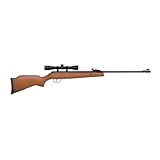
The crosman f4 air rifle keeps pellet shooting refreshingly straightforward. Break the barrel, load a .177 pellet, close it, settle behind the scope, and take the shot. Its Nitro Piston powerplant replaces the familiar coiled mainspring found in many traditional break barrels, which helps cut down on the twang and vibration that can make inexpensive air rifles feel rough. That matters after a long afternoon of paper targets because a calmer firing cycle is simply easier to live with.
Power is one of the F4's headline traits, with advertised velocity reaching up to 1,200 fps depending on pellet type and shooting conditions. That number sounds exciting, but raw speed isn't the whole story. Pellet weight, shape, and fit can change accuracy and impact noticeably, so chasing the lightest pellet just to hit a bigger velocity figure often misses the point. Consistent pellet performance usually matters more than a flashy number printed on the box.
The included 4x32 scope makes the package more convenient because there isn't an immediate need to shop for basic optics before shooting. Fixed four-power magnification is simple enough for ordinary backyard targets and short-range practice, and it avoids the extra knobs and adjustments that can turn a casual session into a fiddling contest. Still, the bundled scope has limits. A more demanding setup may eventually benefit from clearer glass, finer adjustment, or variable magnification, but the supplied optic gets the rifle into action without another purchase right away.
The synthetic stock fits the F4's practical character nicely. Rainy air, dusty benches, sweaty hands, and the occasional bump around a garage or shed aren't situations where fancy wood furniture feels especially relaxing. Synthetic construction takes some of that worry out of regular handling, and cleanup stays simple. The tradeoff is obvious, though, because anyone who likes the warmth and balance of a traditional wood stock may find the F4's utilitarian feel a little plain.
QuietFire technology is another useful part of the package, especially where repeated backyard shooting can become irritating to nearby ears. It helps tame the report, but quieter doesn't mean silent, and expecting movie-level stealth will only lead to disappointment. Mechanical noise, pellet impact, and the sharpness of the shot are still part of the experience. Even so, reducing unnecessary report makes casual practice more comfortable and less intrusive than a bare, louder muzzle arrangement.
The single-shot break-barrel format also changes the pace in a good way for certain sessions. Every shot requires another cocking cycle and another pellet, so there isn't much temptation to burn through a tin without thinking. That slower rhythm encourages a steadier hold, a cleaner trigger press, and more attention to what happened after each shot. On the flip side, anyone wanting quick follow-up shots or rapid plinking may find the routine tedious after a while.
A two-stage adjustable trigger adds welcome flexibility. Triggers on affordable air rifles can feel heavy or vague, and that often exposes poor technique rather than helping it. Some adjustment gives the F4 room to feel more predictable without turning the rifle into a complicated tuning project. The trigger still belongs in a value-oriented platform, so expectations should stay realistic, but having adjustment available is better than being locked into a single factory feel.
Overall, the F4 makes the most sense as a practical rifle for measured target sessions, informal plinking, and learning the rhythm of a break barrel. It isn't built around rapid fire, elaborate customization, or match-style refinement. Instead, Nitro Piston operation, bundled optics, synthetic furniture, and simple single-shot mechanics keep ownership uncomplicated. That's a useful balance for anyone tired of buying a basic rifle only to discover that half the setup still needs to be purchased separately.
- ARS Mark8.7
ARS Mark is a ranking system developed by bestairriflescopes.com. ARS Mark has no relationship or impact from any manufacturers or sales agent websites. Learn more
- BrandCrosman

- ARS Mark7.9
ARS Mark is a ranking system developed by bestairriflescopes.com. ARS Mark has no relationship or impact from any manufacturers or sales agent websites. Learn more
- BrandCrosman
- ARS Mark8.2
ARS Mark is a ranking system developed by bestairriflescopes.com. ARS Mark has no relationship or impact from any manufacturers or sales agent websites. Learn more
- BrandCrosman

- ARS Mark8.1
ARS Mark is a ranking system developed by bestairriflescopes.com. ARS Mark has no relationship or impact from any manufacturers or sales agent websites. Learn more
- BrandCrosman

- ARS Mark7.9
ARS Mark is a ranking system developed by bestairriflescopes.com. ARS Mark has no relationship or impact from any manufacturers or sales agent websites. Learn more
- BrandCrosman

- ARS Mark9.6
ARS Mark is a ranking system developed by bestairriflescopes.com. ARS Mark has no relationship or impact from any manufacturers or sales agent websites. Learn more
- BrandCrosman
- ARS Mark8.6
ARS Mark is a ranking system developed by bestairriflescopes.com. ARS Mark has no relationship or impact from any manufacturers or sales agent websites. Learn more
- BrandCrosman

- ARS Mark9.7
ARS Mark is a ranking system developed by bestairriflescopes.com. ARS Mark has no relationship or impact from any manufacturers or sales agent websites. Learn more
- BrandCrosman
Last update on 2026-08-13 / Affiliate links / Images, Product Titles, and Product Highlights from Amazon Product Advertising API
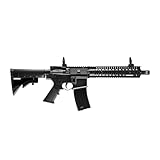
Crosman Full Auto R1 CO2 BB Air Rifle
Rapid-fire fun can lose its charm fast if the rifle feels toy-like, runs through ammunition awkwardly, or forces constant interruptions between short bursts. The crosman f4 air rifle keyword may suggest a traditional break-barrel platform, but the Crosman CFAR1B R1 described here is a very different animal, built around CO2 power, selectable semi-auto or full-auto operation, and a detachable 25-round magazine. That difference matters because the R1 is less about deliberate single-shot pacing and more about responsive handling, quick strings of fire, and a realistic control layout. Its combination of adjustable furniture and substantial feel also gives practice sessions more structure than a lightweight plastic plinker.
Crosman Full Auto R1 CO2 BB Air Rifle
The headline feature is easy to spot: full-auto and semi-auto firing modes give the R1 two very different personalities. Semi-auto lets each trigger press send one BB, which naturally encourages a slower rhythm and makes the 25-round magazine last longer. Switch to full auto and the rifle is rated for an intense 1,400 rounds per minute, though that figure describes cyclic capability rather than how long one magazine can sustain continuous firing. With only 25 BBs in the magazine, full-auto bursts are necessarily short, and that's actually a useful reality check for anyone imagining endless trigger time.
Power comes from two 12-gram CO2 cartridges, with advertised velocity reaching up to 430 fps. CO2 isn't included, so the rifle can't be treated as a completely ready-to-run package straight from the box. Temperature also matters with CO2-powered airguns because cold conditions can reduce pressure and make performance feel less consistent, while rapid firing can cool the cartridges further. That makes the R1 better suited to measured bursts than simply holding the trigger down until the magazine empties every time.
The supplied 25-round drop-out magazine is compatible with traditional 4.5mm steel BBs, keeping ammunition straightforward and widely familiar. A removable magazine also makes loading more organized than pouring BBs into an internal reservoir, especially during a session where several reloads are likely. Still, 25 rounds disappear very quickly in full-auto mode, so the magazine capacity is both a strength and a limitation. It supports realistic handling and quick changes, but anyone expecting long uninterrupted bursts will run into the mathematics almost immediately.
Realistic Handling Without Overcomplicating Things
The R1 leans heavily into realistic weight and feel, and that can make basic handling practice more engaging than it is with a featherweight recreational airgun. The adjustable stock helps accommodate different shoulder positions without requiring permanent modifications, while the quad forearm provides mounting space for compatible accessories. Those features matter most when consistency is the goal because a rifle that fits awkwardly tends to encourage sloppy positioning. A more natural length of pull and repeatable cheek position can make controlled recreational shooting feel less improvised.
Customization is useful, but there's a sensible limit. The quad forearm and adjustable stock give the R1 room for accessories, yet piling equipment onto a CO2 BB rifle can quickly make the setup heavier and more complicated than necessary. A simple sighting arrangement usually keeps the balance closer to the rifle's original intent. Separately, the unrelated laser pointer reference doesn't change the R1's core strengths and shouldn't be treated as an essential part of this air-rifle setup.
That realistic construction also introduces a tradeoff: extra weight can feel convincing but less forgiving during long unsupported sessions. A lighter plinker is easier to hold casually, while the R1's more substantial feel rewards a stable stance and deliberate support. For shorter practice strings, that heft can make controls and transitions feel more grounded. After extended use, though, the same characteristic may become tiring, especially if accessories are added to the forearm.
CO2 Performance And Full-Auto Tradeoffs
CO2 power keeps the firing cycle simple because there's no break-barrel cocking stroke between shots. Load the magazine, install the required cartridges correctly, and the R1 can cycle repeatedly through trigger presses or controlled bursts. That convenience is the opposite of the slower routine associated with a single-shot break-barrel air rifle. The tradeoff is dependence on consumable CO2 cartridges, which adds an ongoing supply requirement that manually cocked air rifles don't have.
Rapid fire also changes the way CO2 behaves. Successive shots can cool the cartridges, so full-auto performance may feel less uniform during aggressive strings than during spaced semi-auto fire. That's not a flaw unique to this model; it's part of the practical character of CO2 propulsion. A slower cadence gives the system more opportunity to stabilize, while repeated bursts prioritize entertainment and responsiveness over maximum consistency.
The advertised 430 fps maximum velocity gives a useful ceiling, but it shouldn't be treated as a guaranteed speed for every BB, temperature, or cartridge condition. The supplied specifications don't provide a fixed shot count per pair of cartridges, and inventing one would create a misleading expectation. How quickly CO2 is consumed depends heavily on firing style, temperature, and the frequency of full-auto use. Someone who favors short semi-auto strings will naturally experience the system differently from someone who spends most of the session firing bursts.
Where The R1 Feels Strongest
The R1's strongest feature is the way several practical ideas work together rather than any single specification stealing the show. Selectable firing modes, a detachable magazine, adjustable stock, and accessory-ready forearm create a platform that can shift between slower practice and faster recreational shooting without requiring a different airgun. That flexibility is genuinely useful because mood and purpose can change during the same session. A few deliberate semi-auto strings can easily give way to short bursts without changing the basic setup.
Its realistic handling also helps separate the R1 from basic BB guns built mainly around low weight and simplicity. Controls, magazine changes, shoulder positioning, and stock adjustment all add more interaction between shots. That doesn't make it a substitute for professional instruction or specialized training equipment, but it can make safe handling routines more deliberate. The important distinction is that realism adds responsibility along with enjoyment, particularly with steel BBs that can ricochet from hard surfaces.
Backyard use therefore deserves more thought than the phrase "backyard fun" might suggest. Steel BBs can rebound from unsuitable targets, so a proper backstop, eye protection, controlled firing direction, and awareness of everything beyond the target remain essential. Full-auto capability makes those precautions even more important because multiple projectiles can leave the muzzle in a very short interval. The R1's fast cycling is entertaining precisely because it responds so quickly, but that responsiveness leaves little room for careless setup.
Limitations Worth Knowing Before Use
The most obvious limitation is operating cost. Unlike a manually powered rifle, the R1 relies on two CO2 cartridges plus 4.5mm steel BBs, and neither consumable is included according to the supplied description. Full-auto firing can also empty the 25-round magazine in a blink, which means loading interruptions may happen much more often than the 1,400-round-per-minute specification initially suggests. The fast firing rate sounds dramatic, but magazine capacity is the practical number that shapes the actual rhythm of a session.
Another tradeoff is that the R1's design prioritizes recreational responsiveness over deliberate single-shot simplicity. Anyone who enjoys the slow break-barrel cycle of loading one pellet, settling into position, and concentrating on a single shot may find the R1 almost too busy. Its personality favors magazine handling, trigger control, and quick transitions between shots. That makes it distinctly different from what someone searching specifically for the crosman f4 air rifle may originally have had in mind.
Accessory compatibility can be appealing, yet restraint pays off. The adjustable stock and quad forearm already give the rifle flexibility without turning it into an equipment project, and unnecessary additions can upset balance or make storage awkward. Keeping the setup simple also makes inspection and safe handling easier because there are fewer attachments to snag, loosen, or obstruct controls. The R1 works most coherently as a fast, magazine-fed CO2 BB rifle whose appeal comes from realistic handling and selectable firing modes rather than from piling on extras.
Crosman 1077 RepeatAir CO2 Pellet Rifle
A single-shot routine can feel slow once every pellet requires another cocking cycle, especially during casual target practice where keeping a steady rhythm matters. The crosman f4 air rifle sits in a different mechanical category, while the Crosman 1077 RepeatAir reviewed here uses CO2 power and a 12-round pellet magazine to reduce interruptions between shots. That distinction shapes nearly everything about the experience, from trigger cadence to maintenance habits. The 1077 trades the self-contained simplicity of a break barrel for faster follow-up shots and easier repeat firing.
Crosman 1077 RepeatAir CO2 Pellet Rifle
The 12-round pellet magazine is the feature that gives the 1077 its relaxed, repeating character. Instead of opening the barrel after every shot, the rifle feeds .177-caliber pellets from its magazine while CO2 supplies the propellant. That setup makes paper-target sessions flow more naturally because attention stays on stance, sight alignment, and trigger control rather than constant reloading. The downside is equally clear: once those 12 pellets are gone, the magazine needs attention before the rhythm starts again.
Crosman lists the rifle at velocities of up to 780 fps, which provides a useful manufacturer-rated ceiling without promising that every pellet will leave the barrel at exactly that speed. Pellet weight, CO2 pressure, ambient temperature, and firing pace can all influence how a CO2 air rifle behaves. The supplied information doesn't specify shot counts per cartridge or accuracy groups, so those figures shouldn't be invented. What can be said confidently is that the 1077 combines repeating operation with a velocity rating that sits well above many low-powered recreational pellet guns.
The rifled steel barrel is another meaningful detail because pellets benefit from spin stabilization rather than simply traveling through a smooth tube. That design choice fits the rifle's role better than a basic BB-oriented barrel would, particularly during deliberate paper-target work. Still, a rifled barrel doesn't erase the importance of pellet consistency, proper sighting, or steady technique. Hardware helps, but repeatability still comes down to more than the barrel alone.
A water-resistant synthetic design keeps maintenance relatively uncomplicated around normal outdoor use. Synthetic furniture doesn't demand the same level of cosmetic care as traditional wood, and minor moisture exposure is less likely to become a source of anxiety during a backyard session. There's a tradeoff, naturally, because synthetic stocks tend to feel more utilitarian than wood. For a rifle centered on practical repetition rather than display-piece aesthetics, though, that choice makes sense.
CO2 Power Changes The Shooting Rhythm
CO2 removes the cocking stroke that defines many break-barrel rifles, and that difference becomes obvious within a few shots. The semi-automatic repeating system allows a faster sequence without repeatedly breaking open the action, which can make short practice sessions feel less interrupted. That's especially noticeable after several magazines, where the repetitive physical effort of a break barrel would otherwise add up. The tradeoff is dependence on disposable CO2 cartridges, and the cartridges aren't included with the rifle.
Temperature deserves some attention because CO2 performance is sensitive to environmental conditions. Cooler weather can reduce pressure, while rapid strings can chill the cartridge and affect consistency as the session progresses. That doesn't make CO2 troublesome by default, but it does mean the rifle's behavior isn't completely isolated from the weather. A manually powered air rifle avoids that particular dependency, which is one practical difference between the 1077 and a platform such as the F4.
The repeating action also encourages a different pace. Twelve available shots can tempt anyone into rushing, yet the rifled barrel and pellet format make more sense when each trigger press still gets a proper sight picture. Slowing the cadence slightly can also reduce the rapid cooling associated with CO2 use. So while the rifle removes the mechanical delay of cocking, it doesn't necessarily reward spraying pellets downrange without thought.
Consumables are part of ownership here. The rifle requires .177-caliber pellets and CO2, and neither is included according to the provided specifications. That means operating cost doesn't stop with the rifle itself, unlike a break barrel that can function indefinitely with pellets and manual effort alone. From a practical angle, a related air-rifle category reference appears at best air rifles under 500, where different power systems naturally involve different ongoing supplies and handling routines.
Handling And Everyday Practicality
The synthetic construction gives the 1077 a straightforward personality. Its water-resistant stock suits routine handling around a covered patio, outdoor bench, or controlled backyard target area without making cosmetic preservation the center of attention. Dirt and fingerprints are less emotionally painful on synthetic furniture than on polished wood, frankly. That practical attitude fits a repeating pellet rifle meant to be handled frequently rather than admired from across the room.
The crossbolt safety adds a familiar mechanical control intended to support proper handling. A safety doesn't replace muzzle discipline, a secure backstop, eye protection, or awareness of what lies beyond the target, but it's still a useful part of the control layout. The repeating action makes deliberate handling especially important because another pellet can be ready without the obvious break-barrel cocking step between shots. That convenience deserves the same level of respect as any other mechanical advantage.
Magazine capacity strikes a reasonable middle ground. Twelve pellets provide enough shots to establish a consistent rhythm without turning the rifle into an endlessly fed platform. A 12-shot cycle also creates natural pauses for checking targets, reassessing the shooting area, or adjusting technique. Some people will appreciate those pauses, while others may see magazine reloading as another chore compared with a large-capacity BB reservoir.
The 1077 isn't built around elaborate customization in the supplied description, and that's actually a useful distinction. Its strengths center on repeat firing, pellet compatibility, synthetic durability, and CO2 convenience rather than accessory rails or tactical furniture. Anyone expecting a highly configurable platform may find the design restrained. Someone tired of constantly adjusting gear, on the other hand, may appreciate a rifle that keeps the mechanical concept relatively simple.
Pros And Cons In Real Use
Pros: The repeating design removes the need to cock the rifle between every shot, while the 12-round magazine keeps practice moving at a comfortable pace. The rifled steel barrel is appropriate for .177 pellets, and the synthetic stock reduces worries about routine moisture exposure. A manufacturer-rated velocity of up to 780 fps also gives the rifle more energy potential than many very low-powered recreational pellet platforms, though actual velocity depends on conditions and ammunition.
Pros: CO2 power can make the rifle feel approachable because there's no heavy barrel-breaking motion before each shot. That matters during longer sessions where repeated cocking effort can become tiring or distracting. The crossbolt safety is simple in concept, and the repeating mechanism allows attention to stay on position and trigger discipline between shots. For structured target practice, that uninterrupted rhythm is arguably the 1077's most distinctive benefit.
Cons: CO2 introduces an ongoing consumable requirement that a manually powered break barrel doesn't have. The cartridges aren't included, and performance can vary with temperature and firing pace, so CO2 dependence is both the source of convenience and the main compromise. Anyone who dislikes keeping cartridges on hand may prefer a self-contained power system. The 1077 also doesn't offer the one-shot mechanical simplicity that makes traditional break barrels easy to understand and maintain.
Cons: Twelve shots can disappear quickly if the trigger cadence speeds up, meaning magazine handling becomes a recurring part of the session. The supplied specifications also don't claim adjustable stocks, elaborate accessory mounting, or other customization features, so expectations should stay centered on the rifle's core repeating design. Finally, local sales restrictions matter because the item isn't available in certain ZIP codes according to the provided information. That limitation isn't about performance, but it is a practical constraint attached to this specific product.
How It Differs From The Crosman F4
The biggest difference is mechanical rather than cosmetic. The crosman f4 air rifle is associated with a break-barrel, manually cocked shooting cycle, whereas the 1077 relies on CO2 and a repeating pellet magazine. One asks for physical input before every shot; the other uses stored gas pressure to keep the sequence moving. That single distinction affects pace, operating cost, temperature sensitivity, and the feel of an entire practice session.
Break barrels appeal because their power source is self-contained. Once pellets are available, there's no separate cartridge supply to manage, which gives the F4-style approach a certain grab-it-and-go simplicity. The 1077 answers with faster follow-up shots and less repetitive cocking effort, but it can't escape its dependence on CO2. Neither layout is automatically better because the inconvenience simply moves from physical effort to consumable management.
The 1077 also stays firmly in the pellet-rifle lane with its .177-caliber compatibility and rifled steel barrel. That's useful for someone who prefers pellets over steel BBs and wants a repeating format without moving to a more elaborate compressed-air system. Its 12-round magazine adds convenience without eliminating the natural pause that comes with reloading. In practice, that lands the rifle somewhere between the slow ritual of a single-shot break barrel and the much faster pace of higher-capacity repeating airguns.
Safety remains a meaningful part of that faster rhythm. A crossbolt safety is provided, yet repeat capability means proper backstop selection and controlled muzzle direction deserve constant attention because another pellet doesn't require a visible cocking motion first. Hard surfaces can create dangerous ricochets, and pellets shouldn't be treated casually simply because the rifle uses CO2 rather than combustion. The 1077's convenience is most useful when that convenience stays paired with deliberate, controlled handling.
Crosman 1077TAC Multi-Shot CO2 Air Rifle
Stopping after every shot to reset a rifle can turn relaxed target practice into a stop-start routine, especially once the novelty wears off. The crosman f4 air rifle represents a very different style of airgun, while the Crosman 1077TAC leans into semi-auto convenience with a 12-round pellet magazine and CO2 power. That repeating setup keeps the pace moving without demanding a cocking stroke between shots, which is a meaningful difference during longer paper-target sessions. Still, convenience brings its own tradeoffs, particularly the need to keep CO2 cartridges and .177-caliber pellets on hand.
Crosman 1077TAC Multi-Shot CO2 Air Rifle
The heart of the 1077TAC is its 12-round pellet magazine, and that's what gives the rifle its more relaxed shooting rhythm. Loading several pellets at once means fewer interruptions between shots, so attention can stay on sight alignment, trigger control, and consistent positioning instead of repeated manual cocking. For casual plinking or structured target practice, that smoother cadence can make a session feel less mechanical. The magazine isn't huge, though, so regular reload pauses are still part of the experience.
CO2 provides the energy, with Crosman specifying velocities of up to 780 fps. That's a manufacturer-stated maximum rather than a promise that every pellet will travel at exactly that speed, since pellet weight, temperature, cartridge condition, and firing pace can influence performance. The supplied information doesn't include a fixed number of shots per cartridge, so there isn't a responsible way to attach a precise endurance figure here. What is clear is that CO2 operation removes the physical cocking effort associated with many break-barrel rifles.
The rifled steel barrel pairs naturally with .177-caliber pellets rather than steel BBs. Rifling gives the pellet rotational stability as it travels down the barrel, which suits deliberate target work better than a smoothbore arrangement. That doesn't guarantee tiny groups by itself, of course, because consistent pellets and steady technique still matter. The barrel is simply one sensible piece of a rifle designed around repeatable recreational shooting.
A water-resistant synthetic design keeps the rifle practical around ordinary outdoor use. Synthetic furniture doesn't demand the same cosmetic care as finished wood, so minor moisture, dusty benches, or frequent handling aren't quite as nerve-racking. The tradeoff is a more utilitarian look and feel, which won't appeal equally to someone who prefers traditional wood stocks. For regular practice, though, low-maintenance construction fits the 1077TAC's straightforward personality.
Sights Keep The Setup Simple
The sighting arrangement deserves attention because Crosman includes a fiber-optic front sight paired with an adjustable rear sight. Bright front references can be easier to pick up against common paper or informal targets, especially compared with a plain black post that disappears against a dark background. The adjustable rear sight also gives the setup room for basic zeroing without immediately adding separate optics. That simplicity keeps the rifle focused on fundamentals rather than turning the first session into an accessory project.
Open sights can also expose technique in a useful way. A clear front-sight reference encourages a consistent sight picture, while the rear adjustment allows corrections without changing the entire setup. There's less magnification to hide behind, so small inconsistencies in head position or trigger press become easier to notice. For skill-building sessions, that can be more instructive than simply bolting on extra equipment from day one.
The limitation is just as practical: open sights won't give the same target enlargement as a scope. At smaller target sizes, the fiber-optic front element may cover more of the aiming area than a fine optical reticle would. That doesn't make the sight system poor, it simply defines the rifle's character. The 1077TAC feels more naturally suited to approachable recreational distances and basic marksmanship work than to highly magnified precision setups.
From a maintenance perspective, fewer accessories also mean fewer mounting points and adjustments to monitor. The factory sight arrangement keeps things tidy, and there's less concern about adding weight or changing balance before understanding how the rifle already handles. A separate reference appears in how to tie a flat knot, though that topic is unrelated to the air rifle and doesn't affect its setup or performance. Keeping unrelated equipment decisions separate makes the actual strengths of the 1077TAC easier to judge on their own.
Semi-Auto Convenience Has Real Tradeoffs
The most noticeable advantage of the 1077TAC is the way semi-auto operation changes the tempo. A loaded magazine allows successive shots without manually breaking the barrel open after every trigger press, which can make repeated target drills feel less interrupted. That reduction in physical effort is especially noticeable after several magazines. The rifle still asks for disciplined pacing, though, because faster shooting can empty twelve pellets surprisingly quickly.
CO2 also behaves differently from a self-contained spring or gas-piston powerplant. Temperature sensitivity is part of the system's nature, and cooler conditions can reduce pressure while repeated firing can chill the cartridge. That means the convenience of a repeating action comes with some environmental dependence. A break-barrel setup avoids that issue, but it asks the shooter to supply the mechanical energy for every shot instead.
The 1077TAC therefore swaps one inconvenience for another. There's no repeated cocking stroke, but CO2 cartridges are consumables, and they're not included according to the provided specifications. Pellets are also sold separately, so the rifle needs both ammunition and a propellant source before it can be used. Anyone who values absolute simplicity may prefer a manually powered platform, while someone tired of repetitive cocking may appreciate the trade.
The 12-round capacity also creates natural pauses. Rather than feeding from a very large reservoir, the detachable pellet magazine breaks the session into manageable strings where it's easy to stop, inspect a target, or reset the shooting area. That cadence can be helpful during deliberate practice. On the flip side, someone who wants long uninterrupted strings may view twelve shots as modest rather than generous.
Handling And Safety Features
Crosman includes a crossbolt safety, giving the rifle a familiar mechanical control intended to support proper handling. A safety is only one layer, though, and it doesn't replace careful muzzle direction, secure storage, eye protection, or a suitable backstop. The repeating mechanism deserves extra respect because another pellet can be ready without an obvious cocking step between shots. That smoothness is convenient, but it also means handling habits need to stay deliberate from the first magazine to the last.
The synthetic stock reinforces the practical theme. A weather-resistant exterior is easier to live with around normal backyard or range conditions than a finish that demands constant babying. Wiping down exposed metal after use still makes sense, especially around the rifled barrel and other steel components. Water resistance doesn't mean the rifle should be stored wet or treated as maintenance-free.
Weight and balance aren't specified in the information provided, so making claims about how light or heavy the rifle feels would be guesswork. What can be said is that the semi-auto layout and synthetic construction are clearly aimed at straightforward recreational handling rather than ornate presentation. The sights, magazine, and CO2 system all reinforce that same practical direction. There's little here that feels designed merely for decoration.
Restrictions also deserve a place in the ownership picture even though no location-specific details were provided for this version. Airgun rules can differ by jurisdiction, and local legal requirements may affect where a pellet rifle can be purchased, transported, stored, or used. That's not a performance limitation, but it can matter just as much as magazine capacity or sight design in everyday ownership. Responsible use starts with understanding those boundaries before a backyard target ever goes up.
Where The 1077TAC Differs From The F4
The mechanical contrast with the crosman f4 air rifle is substantial. The F4-style break-barrel concept relies on a manually powered shot cycle, while the 1077TAC uses CO2 and a repeating magazine to eliminate repeated cocking between shots. That changes the entire flow of a practice session. One emphasizes a slower one-shot routine, while the other keeps several pellets immediately available.
Operating requirements differ too. A break barrel mainly needs pellets and physical effort, whereas the 1077TAC depends on CO2 cartridges plus .177 pellets. That makes the repeating rifle easier on the arms but more dependent on supplies. Neither arrangement is automatically better because the inconvenience simply appears in a different place. The right fit comes down to whether uninterrupted shooting rhythm matters more than having a self-contained power source.
Sighting philosophy separates them further. The 1077TAC's fiber-optic front and adjustable rear sights create a simple, open-sight setup that keeps attention on basic alignment and trigger control. That can feel refreshingly uncluttered during casual sessions. Someone who expects magnified optics from the start may see that simplicity as a limitation instead, particularly for small targets where visual precision matters more.
The strongest case for the 1077TAC is therefore fairly specific: repeating operation, low-effort shot cycling, rifled pellet compatibility, and straightforward factory sights all work together to reduce interruptions during recreational practice. Its weaknesses are just as concrete, including reliance on CO2, moderate 12-shot capacity, and performance characteristics that can vary with temperature and firing pace. Those aren't hidden flaws so much as the normal tradeoffs of the system Crosman chose. Understanding them makes the rifle easier to evaluate without leaning on exaggerated claims or pretending one airgun format suits every shooting routine.
Crosman Classic C362 .22 Variable Pump Air Rifle
Keeping an air rifle useful without relying on CO2 cartridges or a separate compressed-air setup has a certain appeal, especially when every extra supply adds another thing to remember. The crosman f4 air rifle represents a different powerplant approach, while the Crosman Classic C362 uses a variable-pump, single-shot system built around .22-caliber pellets. That means each shot requires manual pumping and loading, but the rifle doesn't depend on disposable gas cartridges. The tradeoff is obvious from the start: more physical involvement between shots in exchange for a self-contained power source.
Crosman Classic C362 .22 Variable Pump Air Rifle
The defining feature is the variable-pump action, which lets the rifle generate its shooting energy through manual pumping rather than CO2 or a pre-charged air reservoir. That design keeps the operating routine straightforward because pellets are the primary consumable once the rifle is in service. There's no cartridge temperature issue to think about and no external tank involved. On the other hand, the pumping cycle naturally slows the pace and makes repeated shooting more physically demanding than a repeating CO2 platform.
Crosman lists the C362 as capable of sending .22-caliber pellets at up to 875 fps. That figure is a manufacturer-provided maximum, not a guarantee for every pellet weight or pumping condition, so it shouldn't be treated as a fixed velocity for every shot. Heavier pellets, different pellet designs, and variations in the pumping cycle can all change actual performance. Still, the supplied specification clearly places the rifle in a more powerful category than low-energy recreational plinkers.
The .22-caliber format is another important distinction. Compared with smaller .177 pellets, .22 pellets are generally heavier and create a different balance between velocity and projectile mass. That doesn't automatically make one caliber better in every setting, but it does explain why the C362 has a different character from many lightweight target-oriented air rifles. The provided description specifically positions it around controlled outdoor shooting and small-game-oriented skill development.
A single-shot layout keeps the feeding system mechanically simple. Every pellet is loaded individually, so there isn't a magazine to index, fill, or troubleshoot during a session. That simplicity can be useful for deliberate target practice because each shot naturally creates a pause for resetting position and checking technique. The downside is speed, plain and simple, because anyone who prefers quick follow-up shots will notice the interruption immediately.
Manual Pumping Shapes The Whole Experience
The C362 asks for more participation than a CO2 rifle. Each firing cycle includes manual pumping, pellet loading, aiming, and firing, so the rifle encourages a slower rhythm rather than rapid strings. That pace can feel methodical in a good way during paper-target practice, especially where attention to sight alignment matters more than volume of fire. After enough repetitions, though, pumping effort can become the part of the session that stands out most.
Crosman describes the frame as having easy pumping effort, which helps address one of the familiar complaints about multi-pump air rifles. Even so, "easy" is relative because a manually pressurized system still requires repeated physical input. The practical benefit is independence from CO2 cartridges, while the practical cost is time and effort between every shot. That's a very different compromise from the crosman f4 air rifle, where break-barrel cocking supplies the energy in a single mechanical movement.
Variable-pump operation also means the rifle's behavior is tied closely to how consistently the pumping routine is performed. A repeatable routine supports more predictable shooting, while changing the number or quality of pump strokes can alter performance. The supplied information doesn't specify an exact recommended pump count or detailed velocity curve, so inventing those figures would muddy the picture. What matters here is that consistency in preparation is part of consistency downrange.
No external propellant supply is needed, and that's a meaningful ownership difference. A CO2 rifle can offer faster follow-up shots, but cartridges eventually run out and may behave differently as temperatures change. The C362 instead relies on human-powered compression, making the system more self-contained at the cost of a slower shooting cycle. From a broader equipment perspective, a related category reference appears at best big bore air rifles, though those larger-caliber platforms differ substantially from this compact .22-caliber pump rifle.
Rugged Synthetic Construction
The rifle uses a rugged, water-resistant synthetic frame, which fits the practical nature of a manually pumped outdoor air rifle. Synthetic furniture tends to demand less cosmetic attention than traditional wood when exposed to damp benches, dirt, or routine handling. That doesn't make the rifle maintenance-free, of course, because exposed metal components still deserve basic care. The benefit is simply that the stock itself isn't something that needs constant babying.
Durability matters more on a rifle that may be carried between a garage, a backyard shooting lane, or a controlled outdoor practice area. The synthetic construction handles those ordinary environments without turning every scratch into a minor tragedy. A wood-stock enthusiast may miss the warmer feel and more traditional appearance, though. The C362 favors function over decoration, and there's really no mystery about that design choice.
Compact dimensions are mentioned in the supplied description, but exact measurements aren't provided, so assigning a precise length or weight would be guesswork. The useful takeaway is that Crosman characterizes the C362 as a compact .22-caliber single-shot rifle. That positioning suggests a design intended to stay manageable rather than oversized. Without verified dimensions, however, it would be misleading to claim exactly how it balances or fits a particular body size.
The frame's water resistance also shouldn't be confused with waterproof construction. Moisture resistance helps with routine outdoor exposure, but storage should still favor a dry environment and sensible care of metal parts. Leaving any air rifle wet after use is asking for unnecessary problems. The synthetic stock lowers one maintenance concern without eliminating basic ownership responsibilities.
Adjustable Sights Keep The Setup Straightforward
The C362 includes a fully adjustable rear sight, giving the rifle a built-in way to correct point of impact without immediately adding an optic. That's useful on a simple single-shot platform because the rifle can stay uncluttered while still allowing basic sight adjustment. Open sights also keep the focus on front-and-rear alignment rather than magnification. For deliberate practice, that stripped-down setup can be surprisingly satisfying.
Adjustability matters because pellet trajectory and point of impact can shift with different ammunition. A rear sight that can be adjusted allows basic corrections once a consistent pellet and shooting distance have been established. The provided information doesn't describe adjustment increments or sight material, so those details shouldn't be filled in from assumption. The important supplied fact is that the rear sight isn't fixed in one immutable position.
Open sights also come with limitations. Small targets can become harder to resolve visually as distance increases, and a conventional sight picture won't offer the target enlargement of magnified optics. That puts more responsibility on consistent sight alignment and stable shooting technique. In a rifle built around slower, individual shots, that isn't necessarily a drawback, but it does shape the kind of practice experience the C362 provides.
The sighting system fits neatly with the rifle's overall philosophy. There's no emphasis in the supplied specifications on elaborate accessory rails or multiple electronic aiming aids. Instead, manual pumping, a single-shot chamber, and an adjustable rear sight create a fairly traditional sequence of preparation and firing. That simplicity can feel refreshingly direct, though someone wanting a highly configurable platform may see it as too restrained.
How It Differs From The Crosman F4
The biggest mechanical difference lies in how each rifle stores energy. The crosman f4 air rifle uses a break-barrel system, while the C362 relies on a variable-pump pneumatic action. Both are manually powered and avoid CO2 cartridges, but the physical routine isn't the same. One uses a barrel-cocking movement, while the other builds pressure through repeated pump strokes.
Caliber also separates the two concepts. The C362 supplied here is a .22-caliber pellet rifle, while F4 configurations are commonly associated with smaller-caliber break-barrel shooting. That difference affects pellet size, projectile mass, and the general feel of each platform. It doesn't justify exaggerated claims about effectiveness, but it does make the C362 a distinctly different proposition rather than a minor variation on the same rifle.
The C362 also leans into single-shot simplicity with no magazine in the provided specifications. That means fewer feeding components to manage but more handling between shots. For someone who enjoys a measured pace, that isn't necessarily a weakness. For someone who dislikes stopping after every trigger press, it may become the rifle's most noticeable drawback.
Power-source independence remains one of the clearest practical strengths. The rifle doesn't require CO2 cartridges, and the supplied information doesn't mention an external charging pump or tank, so manual pumping provides the operating energy. The cost is effort, repetition, and a slower cadence. That's the core bargain of the C362, and understanding that tradeoff says more about the rifle than any oversized velocity headline ever could.
Practical Strengths And Limitations
Strength: The self-contained pump system removes dependence on disposable gas cartridges. That can simplify supply management because the rifle's propulsion isn't tied to keeping CO2 on hand. The single-shot action also keeps the loading mechanism basic, with fewer magazine-related parts involved in ordinary operation. Those traits favor deliberate shooting rather than high-volume firing.
Strength: The combination of a water-resistant synthetic frame and adjustable rear sight suits regular outdoor practice without making the rifle overly elaborate. The stock material is practical, while the sight adjustment gives enough flexibility to account for point-of-impact changes. Crosman's stated maximum of 875 fps provides a useful performance reference without requiring unsupported assumptions about accuracy or shot-to-shot consistency. The .22-caliber chambering also gives the rifle a clearly defined identity among manually powered pellet rifles.
Limitation: Every shot requires another pumping and loading cycle. That can become tiring during a long session, and the slower cadence won't appeal to anyone accustomed to magazine-fed CO2 or PCP rifles. The manual workload is inseparable from the self-contained design. There's no honest way to praise the cartridge-free operation without acknowledging the effort that makes it possible.
Limitation: The supplied information doesn't include pellets, exact dimensions, confirmed shot-group data, or detailed pumping specifications. That leaves several performance questions open rather than filling them with assumptions. The rifle also remains a projectile-launching device, so eye protection, a secure backstop, controlled muzzle direction, safe storage, and compliance with local rules remain part of responsible use. Those practical boundaries matter just as much as velocity or caliber in any real shooting environment.
Crosman Vapor Max .177 Variable Pump Air Rifle
A rifle can look straightforward on paper and still become annoying once the little details start getting in the way. The crosman f4 air rifle follows a different powerplant approach, while the Crosman Vapor Max centers its design on variable-pump operation, a rifled steel barrel, and a 10-shot rotary magazine. That combination changes the pace noticeably because the shooter still supplies the power manually, yet magazine feeding cuts down on the constant need to handle loose pellets between every shot. It sits in an interesting middle ground, slower than CO2 repeaters but less fussy than a true single-shot routine.
Crosman Vapor Max .177 Variable Pump Air Rifle
The 10-shot rotary magazine is the feature that gives the Vapor Max most of its practical personality. Instead of loading a loose pellet directly into the breech before every shot, the magazine keeps multiple .177 pellets ready in sequence. That helps a practice session feel more organized, especially when attention is better spent on sight alignment and trigger control than on fumbling with tiny pellets. The tradeoff is that magazine management becomes another part of the routine, so simplicity isn't absolute.
A variable-pump powerplant keeps the rifle independent from CO2 cartridges and external compressed-air equipment. That matters because the rifle's operating energy comes from manual pumping rather than a consumable gas source. The upside is fewer supplies to keep stocked, while the downside is obvious after repeated strings because every shot still requires physical pumping effort. That give-and-take defines the Vapor Max more clearly than any flashy accessory could.
The rifled steel barrel supports the rifle's pellet-focused design by imparting spin to the projectile as it travels down the bore. Rifling doesn't magically solve poor technique, but it gives the platform a more purpose-built foundation for repeatable pellet shooting than a smoothbore tube would. Consistent ammunition and a steady hold still matter, naturally. The barrel is one piece of the accuracy equation, not a shortcut around fundamentals.
The supplied information doesn't include a verified maximum velocity, exact pump count, or shot-group data, so assigning those figures would be guesswork. That's worth keeping in mind because variable-pump rifles are often judged by numbers before anyone considers the actual routine of using them. The Vapor Max's core strengths are mechanical independence and magazine convenience, not an unsupported claim about speed or precision. That makes the design easier to evaluate on what is actually known.
The Stock Is Built For Everyday Handling
The all-weather synthetic stock and forearm give the Vapor Max a practical, low-fuss character. Synthetic furniture handles routine moisture and frequent handling more gracefully than finishes that need constant cosmetic attention. A damp bench, dusty garage, or humid afternoon doesn't suddenly turn the stock into the most delicate part of the rifle. That doesn't eliminate basic maintenance, but it does remove some of the worry associated with more traditional materials.
Utility is the main theme here. The stock isn't presented as decorative, and that suits a rifle built around repeated pumping, magazine changes, and regular target use. A synthetic forearm also makes sense on a variable-pump design because that area gets handled over and over during operation. Repeated contact is simply easier to live with when the surface is built around durability rather than appearance.
There is, of course, a tradeoff in feel. Some shooters prefer the warmth and balance of wood, while synthetic construction can feel more utilitarian. That isn't automatically a weakness, but it changes the experience. The Vapor Max leans toward function first, and anyone expecting the character of a traditional wood-stock air rifle may find the design a little plain.
The provided description doesn't list dimensions or total weight, so claims about balance, compactness, or how it shoulders would go beyond the available information. What can be said is that the stock and forearm are designed for all-weather use, which fits the rifle's role as a practical recreational platform. That kind of honesty matters because handling impressions depend heavily on measurements that weren't supplied. Better to leave those questions open than fill them with invented details.
Fiber Optic Sights Keep The Setup Direct
The fiber optic front sight gives the rifle a bright reference point without requiring a separate optic. That can make sight acquisition easier against certain target backgrounds, particularly where a plain dark post tends to blend into the scene. Open sights also keep the rifle's setup simple, which suits a manually pumped platform nicely. There are fewer parts to mount, adjust, or keep track of before shooting begins.
Fiber optics aren't perfect for every type of target work, though. A brighter front reference can be quick to pick up, but the front element may cover more of a small aiming point than a fine reticle would. That becomes more noticeable as target size shrinks or precision demands increase. For ordinary recreational use, the system stays uncomplicated and easy to understand.
The sight arrangement also pairs naturally with the rifle's slower cadence. Since each shot already involves pumping, there isn't much incentive to rush the aiming process afterward. A clear open-sight picture encourages deliberate alignment and a more measured trigger press. That rhythm can be helpful for skill development because the rifle naturally builds pauses into every firing cycle.
The supplied specifications don't describe the rear sight, so it would be misleading to invent adjustment details that aren't provided. The confirmed sighting information is limited to the fiber optic front sight. That leaves some open questions about the full factory sight system, but it doesn't change the practical value of having a visible front reference built into the rifle. The design still keeps the basic aiming setup straightforward.
The Dovetail Mount Leaves Room For Optics
A dovetail receiver mount gives the Vapor Max a useful degree of flexibility without forcing an optic into the package. That means the rifle can remain simple with its factory sight arrangement or support compatible accessories later. The value here is choice rather than necessity. Someone satisfied with open sights doesn't have to add anything, while the receiver still provides a mounting path if magnification becomes useful.
Mounting an optic changes the character of a variable-pump rifle more than it may seem. Added weight can affect balance, and repeated pumping means the rifle is handled more actively between shots than a bench-rested system. A lightweight optic setup may preserve the rifle's practical feel better than loading the receiver with heavy equipment. That isn't a recommendation for a specific scope, just a realistic reminder that accessory weight matters.
The dovetail also keeps customization fairly restrained. This isn't a platform described around large tactical rails or a pile of attachment points. The receiver mount provides a focused option for sighting equipment, which suits the rest of the rifle's uncomplicated design. From a practical angle, a related category reference appears at best air rifle under 250, where mounting flexibility and powerplant choices often separate otherwise similar recreational rifles.
The mount is best viewed as a useful extra rather than the centerpiece of the Vapor Max. The rifle's identity still comes from manual pumping, pellet feeding, synthetic furniture, and open-sight usability. Adding an optic can change how targets are viewed, but it won't alter the physical pumping cycle or magazine routine. Those core mechanics stay exactly where the real day-to-day experience lives.
Magazine Feeding Changes The Pace
A rotary magazine sounds like a small detail until several shots are fired back to back. The 10-shot capacity reduces pellet handling between individual shots, which can make practice feel less fragmented. That doesn't make the rifle fast in the same way as a CO2 semi-auto, because pumping still sits between each firing cycle. What it does is remove one repetitive step, and that alone can make a session feel noticeably smoother.
Ten shots also create a natural rhythm. There's enough capacity to settle into a pattern without stopping constantly, but the magazine still forces periodic pauses for reloading. A moderate magazine size can actually help keep a session organized because there are obvious moments to inspect targets or reset position. Anyone expecting long uninterrupted strings, though, may see ten rounds as modest.
Magazine-fed systems bring their own maintenance considerations. A rotary magazine adds another component that needs to be kept clean, loaded correctly, and treated with a bit of care. That's still less repetitive than handling a loose pellet before every shot, but it isn't as mechanically bare-bones as a single-shot breech. The benefit is convenience, and the cost is a little extra complexity.
The provided description doesn't specify whether additional magazines are included or available, so there isn't enough information to make claims about reload speed or spare-magazine convenience. What is certain is that the 10-shot rotary design separates the Vapor Max from basic single-shot pump rifles. That distinction matters because it improves shooting flow without changing the manual nature of the powerplant. It's a practical middle path rather than a full leap into rapid-fire operation.
How It Differs From The Crosman F4
The biggest difference comes from the power system. The crosman f4 air rifle uses a break-barrel mechanism, while the Vapor Max relies on a variable-pump pneumatic design. Both avoid disposable CO2 cartridges, but the physical routine is different. The F4 stores energy through a barrel-cocking action, while the Vapor Max builds pressure through repeated pumping strokes.
Feeding separates them further. The Vapor Max uses a 10-shot rotary magazine, which can reduce pellet handling between shots even though manual pumping remains necessary. A traditional break-barrel platform typically keeps the sequence more strictly single-shot. That means the Vapor Max offers more continuity in ammunition handling while still preserving a deliberate firing pace.
The sighting and mounting setup also gives the Vapor Max a distinct flavor. A fiber optic front sight and dovetail receiver mount allow the rifle to start simple while retaining room for compatible optics. That flexibility suits someone who prefers to begin with basic sights and adjust the setup later. The F4 and Vapor Max may share the Crosman name, but their shooting routines and equipment layouts aren't interchangeable.
The practical choice between them comes down to which inconvenience feels easier to live with. A break barrel asks for one cocking motion and one pellet per shot, while the Vapor Max adds multiple pump strokes but reduces repeated pellet handling through its magazine. Neither system removes effort; each simply puts that effort in a different place. That's the real difference, and it's far more useful than pretending one format automatically beats the other.
Strengths And Weaknesses Worth Noticing
Strength: The variable-pump system keeps the rifle independent from disposable gas cartridges, while the 10-shot magazine reduces the repetitive chore of loading loose pellets for every firing cycle. That combination is unusual enough to matter because it blends self-contained power with multi-shot convenience. It won't deliver rapid-fire speed, but it can make a slower practice routine feel better organized. The setup favors deliberate shooting without making every shot a full loading ritual.
Strength: The rifled steel barrel, all-weather synthetic stock, and fiber optic front sight form a practical foundation for regular recreational use. None of those features is flashy on its own, yet together they solve everyday annoyances such as moisture-sensitive furniture, poor front-sight visibility, and a barrel design unsuited to pellet stabilization. The dovetail receiver mount adds some room for customization without overwhelming the rifle with accessories. That balance is probably the most coherent part of the design.
Weakness: Manual pumping still limits the pace and can become tiring over a long session. The rotary magazine doesn't eliminate the physical work; it only removes repeated pellet insertion between shots. Anyone expecting magazine-fed convenience to feel like a semi-auto rifle will quickly notice the difference. The powerplant remains slow by nature, even though the feeding system is more streamlined.
Weakness: Several important specifications aren't included in the supplied information, including confirmed velocity, exact pump requirements, overall dimensions, weight, and detailed sight adjustment. Those omissions make it impossible to judge performance consistency, handling balance, or pumping effort with precision. The honest read is that the Vapor Max offers a practical mechanical layout with a useful magazine and straightforward sighting features, while some of the finer performance questions remain unanswered by the provided details.


12 Best 22 Pcp Air Rifle For Hunting of 2026 With Quiet Power

7 Best 22 Pcp Air Rifle Under 300 of 2026 For Backyard Pest Control

10 Best 22 Break Barrel Air Rifles of 2026 For Backyard Pest Control

10 Best 30 Caliber Pcp Air Rifle of 2026 For Medium Game

Top Best 177 Air Rifle Under 100: Budget-Friendly Picks for 2026

How to Safely Reload Shotgun Shells at Home

11 Best Co2 Air Rifle For Pest Control of 2026 To Ensure Humane Dispatch

12 Best Inexpensive Air Rifles of 2026 For Dependable Backyard Accuracy






