
Crosman Model 400 2026 Best Vintage Co2 Pick

Crosman model 400 sits in that sweet, slightly dusty corner of airgun history where wood stocks, metal parts, and mechanical charm still matter. It’s a vintage .22 caliber CO2 repeater, not a modern plastic backyard blaster, and that difference shows the second condition, seals, and parts availability enter the conversation. The appeal isn’t only power or speed, although the old 10-shot repeater design still has plenty of personality. The real pull is the feeling that a rifle can be useful, collectible, and a little fussy all at once.
Vintage CO2 air rifles can be rewarding, but they don’t forgive lazy buying. A clean exterior doesn’t always mean the seals are healthy, and a rifle that “held gas last year” may still need attention before it behaves. That’s where patience pays off. A well-kept Crosman Model 400 can make casual target sessions feel slower, calmer, and more deliberate, while a neglected one can turn into a bench project before the first full magazine is finished.
The 10-shot inline magazine gives the rifle its grin factor. Loading pellets one by one into a single-shot airgun gets old fast, especially during relaxed plinking, so the repeater setup feels surprisingly practical for its age. Still, it’s not a spray-and-pray tool. Pellet fit, magazine condition, and smooth cycling matter, so rough handling can turn a neat feature into a jammy headache.
CO2 performance also brings tradeoffs that shouldn’t be brushed under the rug. Cold weather can make shots feel softer, and two cartridges add running cost compared with pump pneumatics. But, well, that’s part of the deal. The rifle rewards steady use in mild conditions, where the shot cycle feels smoother and the old-school design has room to show its charm.
Collectors usually care about originality, and shooters usually care about function. The Crosman Model 400 sits right between those two moods, which makes buying one a balancing act. Refinished wood may look handsome but reduce collector interest. Original finish may show honest wear but tell a better story.
Parts support still matters because these rifles are decades old. Seals, valve work, sights, and magazine pieces can decide whether the rifle is a weekend pleasure or a shelf queen. That doesn’t make it a bad pick. It simply means the smartest buy is the one described honestly, priced fairly, and checked with clear photos or hands-on inspection.
For backyard paper targets, tin cans, and slow-paced plinking, the Model 400 has a warmth modern rifles often miss. It’s not the lightest, fastest, or easiest choice to service for someone who wants zero tinkering. But for anyone tired of disposable-feeling gear, its metal-and-wood character feels like a breath of fresh air. Just keep expectations grounded, because vintage charm always brings a little homework.

- ARS Mark9.0
ARS Mark is a ranking system developed by bestairriflescopes.com. ARS Mark has no relationship or impact from any manufacturers or sales agent websites. Learn more
- BrandCrosman

- ARS Mark9.0
ARS Mark is a ranking system developed by bestairriflescopes.com. ARS Mark has no relationship or impact from any manufacturers or sales agent websites. Learn more
- BrandCrosman
- ARS Mark8.8
ARS Mark is a ranking system developed by bestairriflescopes.com. ARS Mark has no relationship or impact from any manufacturers or sales agent websites. Learn more
- BrandCrosman

- ARS Mark8.4
ARS Mark is a ranking system developed by bestairriflescopes.com. ARS Mark has no relationship or impact from any manufacturers or sales agent websites. Learn more
- BrandCrosman

- ARS Mark8.4
ARS Mark is a ranking system developed by bestairriflescopes.com. ARS Mark has no relationship or impact from any manufacturers or sales agent websites. Learn more
- BrandCrosman

- ARS Mark8.2
ARS Mark is a ranking system developed by bestairriflescopes.com. ARS Mark has no relationship or impact from any manufacturers or sales agent websites. Learn more
- BrandCrosman

- ARS Mark8.0
ARS Mark is a ranking system developed by bestairriflescopes.com. ARS Mark has no relationship or impact from any manufacturers or sales agent websites. Learn more
- BrandCrosman

- ARS Mark7.8
ARS Mark is a ranking system developed by bestairriflescopes.com. ARS Mark has no relationship or impact from any manufacturers or sales agent websites. Learn more
- BrandCrosman
- ARS Mark6.8
ARS Mark is a ranking system developed by bestairriflescopes.com. ARS Mark has no relationship or impact from any manufacturers or sales agent websites. Learn more
- BrandCrosman
Last update on 2026-06-07 / Affiliate links / Images, Product Titles, and Product Highlights from Amazon Product Advertising API
Crosman CAK1 Full Auto BB Air Rifle Review
Rapid-fire air rifles usually sound exciting right up until the CO2 starts freezing, magazines jam halfway through a session, or the whole thing feels like a hollow plastic prop after ten minutes. That’s where the crosman model 400 crowd often gets split into two camps. Some want old-school craftsmanship and slower pacing, while others just want loud backyard fun with enough recoil feel and magazine capacity to keep boredom away. The Crosman CAK1 Full or Semi-Auto CO2-Powered 4.5mm BB Air Rifle clearly leans toward the second category, and honestly, it doesn’t pretend otherwise.
CAK1 BB Rifle
Full-auto air rifles usually live or die by one thing: whether they stay fun after the novelty wears off. The CAK1 keeps its momentum surprisingly well because the firing cycle feels aggressive without becoming uncontrollable. Semi-auto mode slows things down enough for tighter groups on cans or paper, while full-auto turns backyard plinking into pure chaos in the best possible way. A lot of people underestimate how much the firing sound and vibration shape the experience, but this rifle has enough punchy feedback to avoid feeling sterile.
The advertised rate of over 1400 rounds per minute sounds ridiculous at first, and yeah, it kind of is. CO2 drains fast during full-auto bursts, especially in cooler weather, so expecting endless mag dumps without performance dips would be unrealistic. Still, short controlled bursts keep the rifle lively and more consistent. That balance matters because emptying a mag in seconds gets expensive if every session burns through cartridges recklessly.
The 430 FPS velocity lands in a sweet spot for casual BB shooting. It’s fast enough to smash cans, shred cardboard, and keep reactive targets entertaining without turning the rifle into something overly serious. Backyard ranges feel more satisfying with that extra snap behind the BBs, especially compared with slower entry-level CO2 rifles that sometimes feel sleepy. Then again, accuracy takes a backseat once full-auto enters the conversation.
One thing that catches people off guard is the weight distribution. The rifle doesn’t feel featherlight, which actually helps during rapid fire. The synthetic body avoids the cheap toy sensation that ruins some tactical-style airguns, although anyone expecting steel-and-wood realism similar to vintage Crosman rifles may feel the difference immediately. This is modern tactical styling through and through.
Rapid Fire Fun And Real Tradeoffs
Full-auto shooting burns through ammunition so fast it almost becomes hilarious. Twenty-eight BBs disappear before your brain fully catches up, especially during long trigger holds. That creates a strange mix of excitement and frustration because the rifle is incredibly entertaining while quietly draining both BB reserves and CO2 cartridges. Plenty of owners end up using semi-auto more often than expected simply to stretch shooting sessions longer.
CO2 cooldown shows up faster during rapid strings. That’s normal for this category, but the CAK1 makes it obvious because the firing pace is so aggressive. Velocity can dip after repeated mag dumps, and the sound softens noticeably until the cartridges warm back up. Patience helps, though let’s be real, patience isn’t usually why someone buys a full-auto BB rifle.
The 28-round drop-out magazine feels satisfying to handle. Reloading has enough tactile feedback to mimic firearm-style training without becoming complicated or awkward. Magazine swaps stay simple even during fast-paced shooting sessions, which keeps the rifle approachable for casual use. At the same time, BB loading can still get tedious if someone expects nonstop shooting without prep time.
Noise levels deserve mention because this thing isn’t subtle. Full-auto mode creates a sharp mechanical chatter that echoes harder than many people expect from a BB rifle. Neighbors close by probably won’t appreciate repeated mag dumps on a quiet evening. Semi-auto softens the chaos and gives the rifle a more controlled personality.
Stock Design And Tactical Feel
The adjustable buttstock changes the experience more than expected. Smaller shooters can shorten the setup for easier handling, while taller users get enough extension for a more comfortable shoulder position. That flexibility matters during longer sessions because awkward stock length gets irritating fast with tactical-style rifles. The folding function also helps with storage, especially in tighter spaces where full-length rifles become annoying to stash.
The pistol grip and quad rail setup lean heavily into military-inspired styling. Some people love that aggressive appearance, while traditional airgun fans may roll their eyes at it. Either way, the rails provide enough room for optics or accessories without making the rifle feel cluttered straight out of the box. A simple red dot usually fits the CAK1 better than oversized scopes.
Synthetic construction helps keep maintenance simple. Humidity, light rain, or dusty backyard conditions won’t stress the rifle the same way delicate wood furniture sometimes does. That practicality matters for people who toss gear into trunks, garage corners, or camping bins without babying every surface. Scratches still happen, but cosmetic wear looks less painful on tactical polymer builds.
Grip texture feels decent without shredding hands during longer use. Some budget tactical rifles overdo aggressive texturing, which gets uncomfortable surprisingly fast. Crosman kept things more balanced here. It’s functional rather than fancy, and honestly, that fits the rifle’s personality.
Accuracy Expectations Need A Reality Check
BB air rifles rarely become precision machines, and the CAK1 definitely prioritizes fun over tiny group sizes. Semi-auto mode gives respectable results for cans and casual targets within normal backyard distances, but full-auto spreads shots quickly. That’s not necessarily a flaw. The rifle was built around fast-paced shooting rather than benchrest accuracy.
Steel BBs naturally bounce and scatter more than pellets, so target choice matters. Hard surfaces create ricochet risks that inexperienced shooters sometimes underestimate. Softer reactive targets, hanging cans, or proper BB traps make sessions safer and more satisfying. Frustration usually starts when expectations drift too close to pellet rifle territory.
Trigger feel stays acceptable for this category. It’s not crisp like a tuned target rifle trigger, but it also avoids the mushy toy-grade sensation found on some cheaper full-auto airguns. Semi-auto mode benefits most from that balance because controlled shots feel easier to manage. During full-auto bursts, trigger refinement barely matters anyway.
One practical detail worth noting is cleaning frequency. Rapid firing dumps residue and grime through the system faster than slower rifles. Regular maintenance keeps feeding smoother and prevents sluggish cycling over time. Neglect catches up eventually, especially after heavy full-auto sessions.
Pros And Cons That Actually Matter
Pros include the addictive firing speed, satisfying recoil feel, and realistic magazine handling. The rifle keeps casual plinking lively instead of repetitive, especially during group shooting sessions where reactive targets matter more than tiny shot groups. Semi-auto and full-auto flexibility also give it broader appeal than single-mode BB rifles. The adjustable stock adds comfort that cheaper fixed-stock designs sometimes miss.
Cons show up mostly around CO2 efficiency and practical shooting costs. Full-auto mode eats cartridges fast, and cooldown becomes noticeable after repeated bursts. Accuracy stays decent for plinking but won’t impress someone expecting pellet-rifle precision. Noise levels also limit where and when the rifle feels appropriate.
Durability lands somewhere in the middle. The rifle feels sturdy enough for regular recreational use, but it’s still a CO2-powered BB platform with moving internals under rapid cycling stress. Rough handling, cheap BBs, or neglected maintenance can shorten its lifespan quicker than slower-paced airguns. Expectations matter here.
From a practical angle, a relevant reference is Crosman 1377 C, especially for shooters who prefer slower single-shot precision over high-speed BB spraying. The difference between those platforms says a lot about shooting style preferences. One leans toward deliberate control, while the other thrives on noise, movement, and fast trigger time.
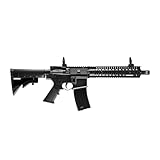
Crosman CFAR1X R1 Full Auto BB Air Gun Review
Fast shooting gets old pretty quickly if the rifle feels flimsy, burns through CO2 like crazy, or rattles apart after a weekend of backyard use. Plenty of tactical-style BB rifles fall into that trap, honestly. The crosman model 400 crowd usually leans toward slower vintage shooting experiences, but the Crosman CFAR1X Full Auto R1 CO2-Powered BB Air Gun heads in the opposite direction with pure rapid-fire chaos, synthetic AR styling, and enough firing speed to empty a magazine before your brain catches up.
CFAR1X R1 BB Rifle
Dual-action firing changes the personality of this rifle more than expected. Semi-auto mode settles things down enough for controlled backyard target shooting, while full-auto turns aluminum cans into confetti almost instantly. That flexibility keeps the rifle from feeling like a one-trick gimmick. Some full-auto BB guns lose their appeal after a few magazines, but the R1 stays entertaining because the firing modes genuinely feel different.
The first thing many shooters notice is the sound signature. Full-auto mode creates a sharp mechanical buzz mixed with rapid CO2 discharge, and yeah, it sounds rowdy. That energy adds excitement during plinking sessions, though neighbors in tight suburban areas might not appreciate prolonged mag dumps. Semi-auto mode feels more practical for smaller spaces.
430 FPS velocity sits comfortably in recreational territory. The rifle hits hard enough for reactive targets, spinning cans, and cardboard drills without drifting into serious hunting or precision shooting expectations. Steel BBs already have limitations compared with pellets, so Crosman made the right move leaning into speed and fun instead of pretending this thing belongs on a precision bench.
One overlooked detail is the rhythm of shooting. The R1 almost encourages shorter bursts because the firing pace feels so aggressive. Emptying the magazine in one pull gets expensive fast, while controlled bursts stretch CO2 life and make the experience feel less wasteful. Funny enough, people often start using semi-auto more than they expected after the first few sessions.
Handling And Real Feel
Full-size dimensions help the rifle avoid that undersized toy-like feel common in cheaper tactical airguns. Shoulder positioning feels natural, especially with the six-position adjustable stock. Smaller shooters can shorten the setup for easier handling, while taller shooters get enough extension to stay comfortable during longer sessions. That adjustability sounds minor on paper but matters a lot after an hour of shooting.
The synthetic body keeps weight manageable without making the rifle feel hollow. Crosman balanced things reasonably well here. Some polymer-heavy rifles feel awkwardly front-heavy or too light overall, but the R1 stays stable enough during rapid fire to avoid feeling sloppy. The extra control helps when transitioning between targets quickly.
Pistol grip ergonomics deserve some credit too. The grip texture avoids the overly aggressive patterning that tears up hands during extended use. Sweaty palms still maintain decent control, and the shape feels familiar for anyone used to AR-style platforms. Small details like that quietly improve shooting comfort over time.
The rifle also shoulders quickly. That might sound obvious for a tactical-style platform, but balance affects target acquisition more than many people realize. Fast transitions feel smoother here than on bulky CO2 rifles with awkward stock geometry. During rapid-fire plinking drills, the handling actually becomes part of the fun.
Red Dot Performance And Targeting
The included red dot sight gives the rifle an immediate usability boost. Budget optics often feel like throwaway extras tossed into combo packages, but this one works well enough for close-range BB shooting. Target acquisition feels faster compared with traditional iron sights, especially during fast-paced drills or reactive target sessions.
Brightness settings stay usable in normal daylight, although extremely bright sunlight can wash the dot out slightly. That’s fairly typical at this price point. Indoors or during evening backyard sessions, the optic becomes much easier to appreciate. Quick sight alignment makes semi-auto mode noticeably more satisfying.
Accessory rail space adds flexibility without forcing unnecessary extras onto the rifle. Some shooters may add flashlights or lasers, while others will keep the setup simple with just the included optic. Either way, the rail system supports customization without cluttering the rifle straight from the factory.
Accuracy expectations still need to stay realistic. Steel BBs naturally scatter more than pellets, and full-auto bursts widen groups quickly. The red dot helps with faster alignment, but it can’t magically turn the rifle into a precision target platform. Reactive shooting feels far more natural than chasing tiny paper groups.
CO2 Usage And Shooting Costs
Dual CO2 cartridge operation helps maintain stronger cycling during rapid fire, but it also introduces a recurring expense people sometimes underestimate. Full-auto mode drains gas quickly, especially during back-to-back magazines. Cold weather makes things even tougher because CO2 pressure drops as temperatures fall. That combination means winter sessions often feel weaker and shorter.
The cooldown effect becomes obvious after aggressive firing strings. Velocity softens, firing tone changes, and recoil feel drops until the cartridges recover temperature. Short pauses between bursts help stabilize performance, though patience usually disappears once the full-auto switch gets involved. The rifle practically dares people to empty magazines recklessly.
The 25-round drop-out magazine loads fairly smoothly once the process becomes familiar. Feeding stays reliable with quality steel BBs, although cheaper ammo can occasionally create headaches. Magazine swaps feel satisfying too, adding a little extra realism during casual drills or backyard shooting games.
CO2 maintenance stays straightforward overall. Keeping seals lubricated properly and avoiding long-term storage with loaded cartridges helps preserve performance. Neglected CO2 guns tend to develop leaks faster, especially on platforms designed for rapid cycling like this one. Basic care goes a long way here.
Strengths And Weak Spots
Pros start with the firing experience itself. Full-auto mode feels loud, energetic, and genuinely entertaining without requiring complicated setup or advanced shooting skills. The adjustable stock improves comfort across different body sizes, while the included red dot makes target acquisition faster right out of the box. Semi-auto mode also gives the rifle more versatility than single-mode full-auto platforms.
Cons mostly revolve around operating cost and realistic accuracy limits. CO2 disappears quickly during rapid-fire use, and steel BB shooting naturally lacks the precision of pellet rifles. Noise levels can also become an issue in tighter neighborhoods. Long bursts create noticeable cooldown too, especially in colder weather.
The rifle lands in an interesting middle ground between realism and recreational fun. It looks tactical enough to scratch the AR-style itch without becoming overly heavy or mechanically complicated. At the same time, anyone expecting firearm-level recoil or match-grade precision will probably walk away disappointed. The R1 works best when treated like what it is: a fast-paced backyard BB platform built for movement, noise, and reactive targets.
In some cases, a relevant reference is best target compound bow for beginners, especially for people who enjoy recreational target practice but want a completely different pace and shooting rhythm. The contrast is pretty interesting. One platform rewards patience and slow precision, while the other thrives on speed and controlled chaos.
Crosman CFAR1B Full Auto R1 BB Rifle Review
Backyard plinking can turn stale fast when every shot feels slow, flat, and predictable. A rifle like this exists for the person who wants more movement, more noise, and a little controlled mayhem without stepping into firearm territory. The crosman model 400 name often brings vintage CO2 charm to mind, but the Crosman CFAR1B Full Auto R1 CO2-Powered BB Air Rifle takes a much louder route. It’s modern, tactical-looking, and built around rapid fire rather than quiet old-school patience.
Crosman CFAR1B R1
The Crosman CFAR1B R1 feels like a rifle made for people who get bored after five careful shots at paper. The full-auto mode is the obvious headline, but semi-auto keeps the rifle from becoming a one-note backyard toy. Switching between controlled shots and fast bursts gives the platform more personality than a basic CO2 BB rifle. That mix of speed, handling, and repeat shooting is where it earns most of its appeal.
The listed 1400 rounds per minute firing rate sounds wild because, frankly, it is. A 25-round magazine disappears quickly if the trigger stays pinned down, so discipline becomes part of the fun. Short bursts feel better than long dumps because they stretch CO2 life and keep the rifle from cooling down too fast. Full-auto is a blast, but it’s not free entertainment.
The rifle runs on two 12-gram CO2 cartridges, which helps power the rapid cycling. That setup gives the R1 enough gas volume to feel lively, especially during fresh cartridge use. Still, CO2 has moods. Cooler weather, fast firing, and back-to-back magazines can all soften performance quicker than some buyers expect.
Velocity reaches up to 430 FPS, which fits casual target use, can plinking, and backyard drills. It’s not trying to be a pellet rifle with surgical accuracy, and that’s fine. Steel BBs naturally favor fast fun over tight precision. Treat it like a reactive target rifle and it makes a lot more sense.
Real Feel And Handling
Realistic weight and feel make this rifle more satisfying than lightweight BB guns that feel hollow the second they hit your shoulder. The CFAR1B has enough presence to feel planted during rapid fire. That extra heft helps steady the rifle during short bursts, especially when moving between targets. Too light, and full-auto rifles can feel jumpy in a cheap way.
The adjustable stock gives the rifle a better fit across different arm lengths and shooting stances. Six-position adjustability matters during longer sessions because awkward stock length gets annoying fast. A shorter position works better for compact handling, while a longer setup gives a more natural shoulder pocket. Small comfort details can make a big difference after a few magazines.
The synthetic build keeps maintenance simple and avoids the babying that wood-stock rifles sometimes demand. Scratches and scuffs won’t feel like a tragedy on a tactical-style BB rifle. That said, durable synthetic design doesn’t mean indestructible. Rough drops, poor storage, and careless magazine handling can still create problems over time.
The quad forearm gives the rifle room for accessories without making the setup feel locked into one style. Lights, grips, or basic aiming aids can fit the personality of the rifle. From a practical angle, best laser sight for 22 rifle sits in a related accessory lane, though the CFAR1B’s BB platform has its own limits and mounting needs. Accessory choices should stay realistic instead of turning the rifle into an overloaded showpiece.
Magazine Setup And Shooting Rhythm
The 25-round drop-out magazine is one of the rifle’s most enjoyable features because it makes reloads feel cleaner and more deliberate. Traditional 4.5mm steel BB compatibility keeps ammo simple and widely available. Loading still takes time, of course, and full-auto empties the magazine faster than expected. That contrast creates the classic rapid-fire tradeoff: more excitement, more reloading.
Magazine handling feels more realistic than tube-fed or trapdoor-style BB systems. That matters for backyard drills where rhythm and handling are part of the experience. Dropping the mag, refilling BBs, and seating it back into place adds a little training flavor without getting overly technical. The drop-out magazine gives the rifle much of its modern appeal.
Feeding reliability depends heavily on BB quality and basic care. Cheap, dirty, or misshapen BBs can make any rapid-fire platform act cranky. The R1 rewards cleaner ammo and a little routine attention. Skipping that step may save a minute upfront, but it can cost a whole session once feeding gets inconsistent.
The firing rhythm changes depending on how the rifle is used. Semi-auto feels more measured and gives targets a fair chance. Full-auto, meanwhile, turns a short range session into a noisy little event. The best fun usually sits between those extremes, with short controlled bursts instead of constant mag dumping.
Pros Worth Noticing
The biggest strength is pure entertainment value. The CFAR1B does what many tactical-style BB rifles only promise: it makes plinking feel animated. Cans jump, targets react quickly, and the rifle keeps the session lively. That immediate feedback matters when paper punching starts feeling a little too polite.
Semi-auto and full-auto modes give the rifle two useful personalities. Semi-auto works better for aiming practice, shot control, and making CO2 last longer. Full-auto brings the grin factor, especially for reactive targets at safe backyard distances. Having both modes keeps the rifle from becoming tiring after the first few magazines.
The customizable forearm adds flexibility for people who like tweaking their setup. A basic optic or grip can make handling feel more personal without requiring major modification. The adjustable stock also improves fit, which helps the rifle feel less like a one-size-fits-all toy. Comfort matters more than flashy add-ons once shooting actually starts.
Skill development is possible here, though not in the precision-rifle sense. The R1 helps with stance, target transitions, trigger discipline, and safe handling habits. Its realistic feel makes it more engaging than tiny entry-level BB guns. Just don’t confuse fast BB shooting with formal marksmanship training.
Cons And Honest Limits
CO2 consumption is the tradeoff nobody should ignore. Two cartridges give the rifle enough gas to cycle hard, but full-auto use drains them quickly. Repeated bursts also cause cooldown, which can lower velocity and make the rifle feel weaker. Warm weather helps, but physics still has the final word.
Accuracy limits are baked into the platform. Steel BBs and rapid fire don’t produce pellet-rifle groups, especially once full-auto mode enters the chat. Semi-auto shooting can keep things respectable for cans and larger targets. Tiny bullseyes at longer distances are not where this rifle shines.
Noise can become a real issue in tight neighborhoods. The mechanical chatter and CO2 blast sound fun behind the trigger, but nearby ears may disagree. Backyard safety also needs more attention because steel BBs can ricochet from hard surfaces. Proper targets and a safe backstop aren’t optional details.
Accessory temptation can get out of hand too. The quad rail makes add-ons easy, but piling on gear can make the rifle awkward and front-heavy. A simple setup often feels better than a cluttered one. The CFAR1B works best when accessories support handling rather than just adding visual drama.
Best Use Cases And Fit
Backyard plinking is where the CFAR1B feels most at home. Cans, spinners, and safe reactive targets make the rifle far more enjoyable than plain paper alone. The firing speed gives each session a little bite. Slow, careful target work is possible, but it’s not the main reason this rifle exists.
The rifle also fits casual training-style drills where handling, stance, and target transitions matter. The realistic weight and adjustable stock make those drills feel more grounded than smaller BB guns. Still, it’s a recreational air rifle, not a replacement for professional instruction or firearm training. Expectations need to stay in the right lane.
Apartment-style spaces, tiny yards, and noise-sensitive neighborhoods may not be the best match. The R1 wants room, a proper backstop, and a setting where its sound won’t become a problem. That doesn’t make it impractical. It simply means the rifle rewards a thoughtful setup.
The Crosman CFAR1B R1 suits fast-paced plinking better than slow collector-style shooting. Compared with the vintage mood tied to crosman model 400, this one is louder, cheaper-feeling in materials, and far more action-oriented. That difference is the whole point. It’s built for rapid BB fun, not quiet nostalgia.
Crosman Legacy 1000 Pellet And BB Rifle Review
Pumping an air rifle between shots isn’t everyone’s idea of fun, but there’s a certain satisfaction in controlling the power yourself instead of feeding CO2 cartridges all afternoon. The pace feels slower, sure, yet it also feels more deliberate. The crosman model 400 name brings vintage CO2 repeaters to mind, while the Crosman CLGY1000KT Legacy 1000 goes for a different kind of backyard rhythm with variable pump control, dual ammo use, and a basic scope package built around casual accuracy.
Crosman Legacy 1000
The Crosman Legacy 1000 is a pump rifle for people who don’t mind doing a little work before each shot. That sounds like a drawback until the benefit kicks in: no CO2 cartridges, no temperature-sensitive gas pressure, and no sudden performance drop because the rifle got cold. Each pump gives the shooter more control over how hard the rifle hits. That makes the rifle feel more involved than a simple grab-and-shoot BB gun.
The listed 750 FPS to 1000 FPS variable power range gives the rifle a broader personality than many entry-level plinkers. Lower pump counts suit easy backyard practice, while higher pump counts bring more snap for longer target lanes. That flexibility helps stretch one rifle across different moods and spaces. Still, full-power pumping gets tiring if every shot needs maximum effort.
.177-caliber pellet and BB compatibility gives the Legacy 1000 practical range. Pellets make better sense for accuracy because the rifled steel barrel can actually work with their shape. Steel BBs are cheaper and faster for casual can popping, but they won’t reward careful aiming the same way. That split personality is useful, as long as expectations stay grounded.
The rifle includes a built-in 850 BB reservoir, which sounds generous because it is. Long plinking sessions become easier when spare BBs ride inside the rifle instead of bouncing around in a pocket or tin. The 17-round spring-loaded BB magazine also keeps repeat shots moving quicker than single-loading every BB. Pellets still use the side-load chamber, so pellet shooting remains slower and more intentional.
Power Control And Pump Effort
Variable pump control is the feature that gives this rifle its everyday usefulness. A few pumps can handle close targets without overdoing noise or effort. More pumps add velocity when cans sit farther out or paper targets need cleaner impact marks. That control feels old-school in a good way.
Pump effort is the tradeoff hiding behind the performance numbers. At lower power, the rifle feels easy enough for relaxed shooting. At higher pump counts, fatigue creeps in, especially during longer sessions. The rifle rewards patience, but it won’t suit anyone who wants fast follow-up shots with almost no physical input.
Consistency depends on using the same pump count and the same ammo type. Switching between BBs, pellets, and random pump levels can make groups look messy fast. A steady routine helps the rifle behave better. Same pumps, same pellets, same distance, and suddenly the Legacy 1000 feels more predictable.
The lack of CO2 also makes storage and upkeep less fussy in one important way. There are no cartridges to remove after every session, and cool weather doesn’t punish the rifle the same way it punishes gas guns. Seals and moving parts still need sensible care, but the power system feels less moody. That’s a real plus for people who shoot occasionally rather than every weekend.
Accuracy Setup And Sights
The rifled steel barrel is one of the stronger reasons to use pellets in this rifle. BBs can be fun, but pellets usually give cleaner grouping because the barrel can stabilize them better. That matters for paper targets, small spinners, and any session where accuracy feels more rewarding than noise. The rifle becomes more satisfying once pellet choice gets dialed in.
The included fiber-optic sights are useful right away. Bright sight dots help with quick alignment outdoors, especially against darker targets or shaded backstops. They’re not fancy, but they keep the rifle usable without mounting anything. For many casual plinking sessions, those sights may feel more practical than the bundled scope.
The 4 x 15 mm scope adds value on paper, though it should be viewed as a basic starter optic. It can help at modest distances, but it’s not the kind of glass that turns a budget pump rifle into a precision tool. Eye relief and clarity may feel limited compared with better scopes. Still, it gives beginners a simple way to learn sight picture, adjustment, and steady hold.
Accuracy also depends on the shooter’s willingness to slow down. Pumping, loading, shouldering, breathing, and squeezing the trigger all affect the shot. Rushing the process makes this rifle feel less capable than it is. Used calmly, the Legacy 1000 can make backyard target practice feel surprisingly focused.
Build Feel And Daily Handling
The waterproof synthetic design makes the rifle easier to live with than wood-stock models that need more careful handling. Damp grass, garage storage, and light outdoor messes don’t feel as stressful. The black synthetic body also hides small scuffs better than glossy finishes. It’s practical rather than pretty, and that fits the rifle’s job.
The overall feel lands in the budget-friendly utility zone. Nobody should expect heirloom charm or the metal-heavy personality of older Crosman rifles. Compared with the vintage mood tied to crosman model 400, this one feels more like a working backyard tool. That difference isn’t bad, but it’s noticeable.
Weight and balance make the rifle manageable for casual target shooting. It isn’t so heavy that short sessions become a chore, yet it has enough length and presence to feel like a real rifle. The pumping motion does add physical repetition, which smaller or younger shooters may notice after a while. Shared use may require breaks instead of nonstop shooting.
The crossbolt safety adds a familiar handling step. It’s simple, visible, and easy to understand, which matters on a rifle likely to be used around new shooters. Safety still depends on habits, backstop choice, and muzzle control. A mechanical safety helps, but it never replaces discipline.
Pros That Stand Out
The biggest advantage is low running cost compared with CO2 rifles. No cartridges are needed, so more of the budget can go toward pellets, BBs, and targets. That matters over time because rapid-fire CO2 guns can quietly become expensive to feed. The Legacy 1000 keeps things simpler.
Ammo flexibility gives the rifle more room to grow. BBs suit fast, casual plinking with the 17-round magazine and large reservoir. Pellets suit more careful shooting through the side-load chamber. Having both choices in one rifle makes it easier to match the session instead of owning separate platforms.
The variable power system also helps in different spaces. Lower pump counts can reduce effort and keep shooting calmer for close targets. Higher pump counts add punch when the backstop and distance allow it. That range of control makes the rifle feel more adaptable than fixed-power budget airguns.
From a practical angle, best bolt action air rifles for huntling sits in a related airgun discussion, though the Legacy 1000 is better framed as a plinking and target practice rifle. The comparison shows how different action types change pacing. Pump rifles reward patience, while bolt-action platforms often lean harder into steady shot placement.
Cons And Realistic Limits
Pumping effort is the first drawback people feel. A few shots may seem easy, but a long session at higher power can wear out arms quicker than expected. That’s the tradeoff for avoiding CO2. The rifle saves cartridge cost, but it asks for physical work instead.
The included scope is another mixed point. It helps introduce basic aiming with magnification, but it’s still a small 4 x 15 mm optic. Serious clarity, wide view, and fine adjustments shouldn’t be expected. Many shooters may eventually prefer the fiber-optic sights or a better aftermarket optic.
BB accuracy has limits, even with a rifle that can also shoot pellets. Steel BBs are fun for cans, but they’re not the best path for tight groups. Pellets usually make the rifle feel more capable, especially at moderate distances. Anyone judging the Legacy 1000 only with bargain BBs may miss its better side.
Reloading pellets slows the pace because each pellet goes through the side-load chamber. That’s fine for careful target shooting, but it won’t satisfy someone craving fast repeat fire. The rifle’s personality is measured, not frantic. That slower rhythm is either part of the charm or the reason to pick something else.
Best Fit And Use Cases
Backyard plinking is the natural home for this rifle. Cans, paper targets, spinners, and safe pellet traps all suit its strengths. The variable pump system lets the shooter tune power to the setup instead of blasting every target at the same level. That makes sessions feel more controlled and less wasteful.
Skill building is another strong angle. Pumping between shots slows the pace enough to reinforce stance, sight alignment, trigger control, and patience. The rifle doesn’t let sloppy habits hide behind rapid fire. A shooter has to reset, aim, and think a little before each shot.
Small-yard use requires sensible power choices and a proper backstop. Higher velocity potential doesn’t mean every shot should be pumped to the max. Close-range shooting often feels better with fewer pumps, less noise, and easier follow-through. The rifle gives that choice, which is part of its appeal.
The Crosman Legacy 1000 won’t feel as exciting as full-auto CO2 rifles, and it won’t carry the collector charm of older classics. Its value sits in control, simplicity, and flexible ammo use. For slow plinking, casual accuracy practice, and low-cost shooting without cartridges, it has a practical streak that’s hard to ignore.
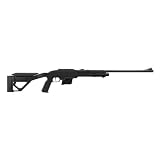
Crosman Classic C362 .22-Caliber Air Rifle Review
A slow single-shot rifle can feel boring on paper, but that slower pace is exactly where better habits start showing up. Instead of spraying BBs around the yard and calling it practice, the crosman model 400 conversation takes a different turn with the Crosman Classic C362 .22-Caliber Variable Pump Single-Shot Air Rifle. It favors patience, control, and useful power over noise and speed. That makes it a more serious backyard tool than the flashy full-auto stuff, though it asks for more effort between shots.
Crosman Classic C362
The Crosman Classic C362 has a plainspoken personality. No fake tactical drama, no magazine dumps, no CO2 cartridges hiding in the budget. It’s a .22-caliber variable pump rifle built around one shot at a time, and that gives every trigger pull a little more weight. Miss the target, and there’s no quick burst to cover sloppy technique.
The rifle’s biggest draw is its mix of single-shot control and stronger .22-caliber pellet impact. Compared with lighter .177 plinkers, the larger pellet gives more authority on reactive targets and small-game practice setups where legal and appropriate. That doesn’t make it magic. Shot placement still matters more than raw velocity, especially with a pump rifle that rewards calm handling.
The listed 875 FPS pellet speed gives the C362 enough bite for serious target work and small-game learning scenarios. Power like that deserves a proper backstop, not a casual fence board or a half-crushed soda can sitting in the wrong place. The rifle may look simple, but it shouldn’t be treated casually. More power means more responsibility, plain and simple.
Compared with vintage models tied to crosman model 400, this rifle feels more practical than collectible. The synthetic frame doesn’t carry old wood-and-metal charm, but it handles damp grass, garage storage, and rougher field conditions better. That tradeoff makes sense for a rifle meant to be used rather than admired from across the room. Function beats nostalgia here.
Power Control And Pump Feel
Variable pump control gives this rifle its useful range. Fewer pumps can handle closer paper targets or quiet practice sessions, while more pumps bring stronger pellet energy for longer shots. That flexibility helps the shooter match power to the setup instead of blasting every target at full effort. It’s old-school, but it’s practical.
Pump effort stays manageable by design, though repeated full-power shooting can still wear on the arms. That’s the honest cost of avoiding CO2 cartridges. The C362 doesn’t need disposable gas, but it does ask the shooter to put in work every single shot. Some folks will like that rhythm, while others may get tired after a long afternoon.
Consistency matters more than people expect with pump rifles. Five pumps for one shot and eight pumps for the next can make grouping look worse than the rifle deserves. A steady pump count, a steady hold, and the same pellet type will usually tell a much fairer story. The rifle rewards routine, not guesswork.
The slower pace also improves discipline. Loading one pellet, pumping carefully, settling into the sight picture, then squeezing the trigger creates a cleaner shooting loop. There’s no rapid-fire shortcut here. That makes the C362 surprisingly useful for building stronger habits before stepping into more demanding air rifles.
Sights And Shot Placement
The fully adjustable rear sight is one of the more important features on this rifle. Simple open sights can teach a lot, especially when the shooter takes time to understand windage, elevation, and consistent sight alignment. A scope might feel tempting, but the included sight setup keeps things honest. Bad fundamentals show up quickly.
The .22-caliber pellet gives better impact feedback than many smaller BB rifles. Cans move harder, spinners react more clearly, and paper targets show cleaner holes with the right pellets. That kind of feedback keeps practice from feeling dull. Still, pellet choice can change the rifle’s behavior, so random bargain tins may not show its best side.
Single-shot loading slows everything down, but that isn’t automatically a weakness. The pause between shots gives the shooter time to reset stance, breathing, and trigger control. Rushing this rifle makes no sense. It’s built for careful work, not frantic backyard noise.
Accuracy expectations should stay practical. The C362 can be rewarding at normal air rifle distances, but it isn’t a benchrest competition setup. Pump consistency, pellet fit, and sight adjustment all play a role. A sloppy shooter won’t be rescued by the spec sheet.
Build Quality And Field Use
The rugged synthetic frame gives the rifle a working-tool feel. It won’t make collectors swoon, but it handles moisture and everyday knocks better than a delicate finish would. That matters around sheds, barns, wooded lots, and backyard benches where gear rarely stays spotless. The C362 feels built for use, not pampering.
The compact shape helps in tighter outdoor spaces. Moving through brush, carrying it around a property, or setting up near a target lane feels less awkward than handling a long, heavy rifle. That said, compact doesn’t mean careless. A powerful .22 pellet rifle still needs safe muzzle control and a proper shooting area.
Water-resistant construction adds peace of mind during damp mornings or light outdoor messes. Nobody wants a rifle that feels fragile the moment humidity rises. The C362’s synthetic build keeps maintenance expectations reasonable, although moving parts and seals still need sensible care. Rugged doesn’t mean maintenance-free.
The overall handling has a no-nonsense flavor. It doesn’t feel flashy, and it doesn’t need to. The value sits in a practical pump system, useful pellet power, and a sight setup that encourages real aiming. That’s a different kind of satisfaction from full-auto BB rifles.
Pros That Make Sense
The strongest advantage is low running cost. No CO2 cartridges are needed, so the rifle avoids one of the most annoying expenses tied to gas-powered airguns. Pellets still cost money, of course, but the shooting budget stays easier to manage. That matters during regular practice.
.22-caliber performance gives the C362 a more serious feel than many entry-level BB rifles. The pellet hits with more authority, especially on proper reactive targets. That stronger impact helps make practice feel purposeful instead of toy-like. For small-game learning where laws and safety allow, the platform has a practical lane.
The adjustable rear sight is another real strength. It gives the shooter room to tune point of impact without immediately depending on an optic. Learning with open sights can be frustrating at first, but it builds better habits. Once those fundamentals settle in, the rifle becomes more rewarding.
A relevant reference is best break barrel air rifle under 100, mainly because break barrels and pump rifles solve the same low-cartridge-cost problem in very different ways. The comparison highlights a useful split. Break barrels favor one cocking stroke, while the C362 gives adjustable power through repeated pumping.
Cons And Practical Limits
Pumping effort is the drawback that shows up first. A few shots feel fine, but a long session at higher power can become tiring. The rifle trades CO2 convenience for physical input. That’s fair, but it’s not something to ignore.
Single-shot loading also slows the pace. Anyone coming from magazine-fed BB rifles may feel impatient at first. The C362 wants deliberate shooting, not fast follow-up shots. That makes it less exciting for casual plinking parties where speed keeps everyone entertained.
The lack of included pellets means the first session requires a separate ammo choice. That sounds minor, but pellet selection affects accuracy and feel more than many beginners expect. Cheap pellets may shoot inconsistently, while better-fitting pellets can tighten groups noticeably. The rifle deserves a little experimentation.
Small-game use requires sober expectations. The rifle has useful power, but ethical shooting depends on distance, pellet choice, local rules, and clean shot placement. Poor judgment turns any air rifle into the wrong tool. The C362 can support skill development, but it doesn’t replace practice or responsibility.
Best Fit And Use Cases
Backyard target practice is an easy match for the C362. Paper targets, pellet traps, and safe reactive setups suit its slower rhythm. The pump system lets the shooter adjust power for the space, which is handy in smaller yards. Full-power shots should still be reserved for safe distances and serious backstops.
The rifle also makes sense for learning basic field-style shooting. It teaches patience because every shot takes effort. That effort naturally encourages better stance, cleaner breathing, and more careful trigger work. Fast rifles often let bad habits hide, but this one doesn’t.
Beginner small-game preparation is part of the product’s identity, though it works best as a skill-building step rather than a shortcut. The adjustable sights, single-shot design, and .22 pellet format all support careful shooting habits. Still, new shooters need supervision, safe target placement, and realistic limits. Responsible practice matters more than the rifle’s velocity number.
The Crosman Classic C362 fits people who prefer control over speed. It won’t satisfy the craving for full-auto noise or magazine-fed convenience, and it won’t charm collectors the way older Crosman rifles might. Its appeal is quieter than that. It’s a practical pump rifle with enough punch, enough adjustability, and enough old-fashioned discipline to make each shot count.


12 Best 22 Pcp Air Rifle For Hunting of 2026 With Quiet Power

7 Best 22 Pcp Air Rifle Under 300 of 2026 For Backyard Pest Control

10 Best 22 Break Barrel Air Rifles of 2026 For Backyard Pest Control

10 Best 30 Caliber Pcp Air Rifle of 2026 For Medium Game

Top Best 177 Air Rifle Under 100: Budget-Friendly Picks for 2026

How to Safely Reload Shotgun Shells at Home

11 Best Co2 Air Rifle For Pest Control of 2026 To Ensure Humane Dispatch

12 Best Inexpensive Air Rifles of 2026 For Dependable Backyard Accuracy






