
Crosman Optimus CO1K77X 2026 best backyard pick

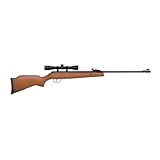
Crosman Optimus CO1K77X sits in that sweet spot where a pellet rifle feels serious without getting fussy. The spring-powered break-barrel setup keeps things simple, which matters when tinkering with pumps, cartridges, or batteries sounds like one more chore. Its .177 caliber design, rifled barrel, and included 4x32 scope make it feel built for steady target practice rather than casual plinking that gets old after one weekend. Sure, the cocking effort takes some muscle, but that’s part of the tradeoff with a traditional spring-piston rifle.
The hardwood stock gives the rifle a more classic feel than the usual hollow synthetic frame. That extra heft can make longer sessions feel steadier, especially when the goal is cleaner groups instead of quick, sloppy shots. At about 45 inches long and a little over 7 pounds, it’s not a tiny backyard toy, and that’s worth knowing before expecting something featherlight. Still, the balance feels more planted than awkward once a consistent hold settles in.
Break-barrel air rifles can be picky, and the Optimus is no exception. Pellet choice, grip pressure, scope mounting, and follow-through all matter more than people expect. The included scope is helpful for getting started, though patient sight-in work pays off far more than rushing the first tin of pellets. Honestly, a calm bench, decent pellets, and a few practice sessions will do more for accuracy than blaming the rifle too early.
The advertised velocity grabs attention, but real satisfaction comes from repeatable shots. Alloy pellets may reach higher numbers, while lead pellets often feel more consistent for paper targets and backyard cans. That’s the little detail that saves frustration: speed sounds exciting, but predictable impact points make practice fun. Also, the fiber-optic front sight and adjustable rear sight offer a useful backup if the scope needs fine-tuning or removal.
Crosman Optimus CO1K77X makes the most sense for patient plinkers, careful target shooters, and anyone who likes a classic wood-stock rifle without jumping into higher-priced gear. It won’t be the quietest choice, and it won’t suit tiny spaces or careless handling. But for a straightforward .177 pellet rifle with a real shoulder feel, simple mechanics, and enough power to stay interesting, it earns its place. Not flashy. Just sturdy, familiar, and pretty satisfying once it’s dialed in.
- ARS Mark9.0
ARS Mark is a ranking system developed by bestairriflescopes.com. ARS Mark has no relationship or impact from any manufacturers or sales agent websites. Learn more
- BrandCrosman

- ARS Mark8.4
ARS Mark is a ranking system developed by bestairriflescopes.com. ARS Mark has no relationship or impact from any manufacturers or sales agent websites. Learn more
- BrandCrosman

- ARS Mark8.4
ARS Mark is a ranking system developed by bestairriflescopes.com. ARS Mark has no relationship or impact from any manufacturers or sales agent websites. Learn more
- BrandCrosman

- ARS Mark8.4
ARS Mark is a ranking system developed by bestairriflescopes.com. ARS Mark has no relationship or impact from any manufacturers or sales agent websites. Learn more
- BrandCrosman

- ARS Mark-
ARS Mark is a ranking system developed by bestairriflescopes.com. ARS Mark has no relationship or impact from any manufacturers or sales agent websites. Learn more
- BrandCrosman

- ARS Mark8.0
ARS Mark is a ranking system developed by bestairriflescopes.com. ARS Mark has no relationship or impact from any manufacturers or sales agent websites. Learn more
- BrandCrosman
Last update on 2026-06-07 / Affiliate links / Images, Product Titles, and Product Highlights from Amazon Product Advertising API
Crosman Optimus CO1K77X Air Rifle Review
Backyard shooting gets frustrating fast once loose groupings, cheap scopes, and awkward balance start eating into the fun. Plenty of pellet rifles look decent on paper, then wobble through real use after a few weekends. The Crosman Optimus CO1K77X, also sold as the Crosman Optimus Air Rifle (.22) with Scope, leans into a more traditional setup with a hardwood stock, spring-piston powerplant, and enough weight to feel planted instead of flimsy. That old-school feel changes the entire shooting rhythm, especially during slower target sessions where consistency matters more than flashy specs.
Optimus CO1K77X
The hardwood stock stands out immediately because so many entry-level air rifles now rely on lightweight synthetic shells that feel hollow in the hands. Crosman went in a different direction here. The wood stock adds a little heft, but it also gives the rifle a steadier shoulder feel during longer practice sessions. That extra weight helps absorb some movement, particularly for shooters who tend to jerk shots while adjusting their breathing.
The overall length sits around 45 inches, which makes this rifle feel more like a traditional hunting rifle than a compact plinker. Tight indoor ranges or cramped backyard corners can make it feel slightly cumbersome at first. Out in open space, though, the longer frame settles down nicely once the shooter finds a comfortable stance. The balance point lands closer to the center than expected, so it doesn’t constantly tip forward during aiming.
Break-barrel cocking feels firm but manageable after a short adjustment period. New shooters sometimes underestimate spring-piston resistance, then get surprised halfway through the cocking cycle. The barrel locks up securely once reset, and that mechanical snap gives the rifle a reassuringly solid character. Nothing fancy. Just direct mechanical feedback that many air rifle fans still prefer over more electronic or gas-assisted systems.
Noise levels land somewhere in the middle. Alloy pellets moving closer to the advertised 950 fps velocity can crack louder than expected, while standard lead pellets near 800 fps tend to keep things calmer. Backyard neighbors probably won’t love repeated rapid firing, especially in smaller suburban lots. Slow-paced target sessions work much better than dumping pellets nonstop.
Scope Setup And Real Accuracy Expectations
The included 4x32 scope gives the package decent out-of-the-box usability, although patience matters during setup. Spring-piston recoil moves differently from firearm recoil, so rushed scope mounting can lead to wandering zero after a few sessions. Tightening everything carefully and using proper pellet selection changes the experience dramatically. Cheap pellets usually create more frustration than the rifle itself.
Accuracy improves once the shooter stops fighting the rifle. Spring-piston guns tend to reward a relaxed artillery hold rather than a death grip. That adjustment trips up plenty of beginners because tighter grip pressure feels instinctively correct. Instead, letting the rifle recoil naturally often tightens groupings more effectively than endlessly adjusting the scope.
Lead pellets generally provide more predictable consistency compared to ultra-light alloy rounds chasing higher velocity numbers. Sure, seeing “950 fps” looks exciting on the box, but real-world accuracy matters far more during paper target practice. Pellets with slightly heavier weight tend to settle down the firing cycle and reduce random flyers. That tradeoff feels worthwhile once tighter groupings start appearing.
The fiber-optic iron sights deserve a little credit too. Plenty of shooters ignore them completely after mounting the scope, but they work surprisingly well during quick practice sessions. Interestingly enough, a related sighting discussion appears naturally in best iron sight for ar 15, especially for shooters who appreciate backup sight systems instead of relying entirely on optics.
Daily Use Feels More Traditional Than Tactical
The shooting rhythm here feels deliberate. One pellet at a time. One cocking cycle at a time. That slower pace actually becomes part of the appeal after a while. Instead of spraying shots carelessly, the rifle nudges shooters toward breathing control, trigger discipline, and more thoughtful pacing.
Trigger pull quality sits somewhere in the acceptable range rather than exceptional territory. It has noticeable take-up and a somewhat firm break, particularly compared to higher-end match-style triggers. Still, after a few sessions, muscle memory starts compensating naturally. Casual target shooters probably won’t obsess over it, though precision-focused users may eventually crave an upgrade.
Spring-piston recoil surprises people expecting completely dead recoil movement from an air rifle. There’s a quick forward-and-back motion unique to this platform, and it changes how follow-through works. The rifle punishes rushed shots more than people expect. Smooth trigger pressure and staying on target after the shot matter quite a bit.
The cocking effort can wear down smaller shooters during extended sessions. Fifty shots in a row feels very different from ten relaxed shots on a quiet afternoon. That’s one of the realistic tradeoffs buyers should understand upfront. The power and simplicity come with physical effort, and there’s really no shortcut around it.
Where The Optimus Fits Best
Crosman built this rifle for people who enjoy traditional shooting mechanics more than rapid-fire convenience. The rifle feels most comfortable during backyard target practice, pest-control situations where legal and appropriate, and skill-building sessions focused on consistency. Fast-paced tactical shooting simply isn’t its personality.
Maintenance stays refreshingly simple. No air tanks to refill. No CO2 cartridges to stockpile. Pellet tins, occasional cleaning, and scope checks cover most routine upkeep. That straightforward ownership experience becomes especially appealing after dealing with equipment requiring constant accessories or charging cycles.
The hardwood appearance also ages better visually than many low-cost synthetic alternatives. Minor scuffs blend naturally into the finish rather than standing out harshly. Some shooters actually prefer that slightly worn look because it gives the rifle more character over time. It starts feeling like a tool instead of disposable gear.
Expectations matter, though. The Optimus won’t magically replace precision competition rifles or premium gas-ram systems costing significantly more. What it does provide is a stable, satisfying shooting platform with enough power for meaningful practice and enough traditional charm to stay interesting long after the novelty phase disappears.
Crosman Vantage NP .22 Air Rifle Review
Cheap pellet rifles have a nasty habit of sounding promising right until the trigger breaks for the first time. Harsh recoil, flimsy stocks, rattling scopes, and awkward balance can turn a relaxing afternoon into pure aggravation. The Crosman CVAN82W Vantage NP avoids some of those headaches by leaning into a more grounded setup with a wood stock, nitro piston powerplant, and single-shot break-barrel action. That combination gives the rifle a calmer personality compared to spring guns that snap and buzz every time the trigger gets squeezed.
Vantage NP .22
The nitro piston system changes the shooting feel immediately. Traditional spring rifles often produce that familiar twang after firing, almost like loose metal vibrating through the stock. Crosman’s Nitro Piston setup softens that sensation and creates a smoother firing cycle instead. The recoil still exists, obviously, but it feels more controlled and less jumpy.
The wood stock also helps the rifle feel more substantial in the hands. Synthetic stocks certainly save weight, though they sometimes feel toy-like on entry-level rifles. This one carries a more classic profile, and the extra density settles the rifle during slow target sessions. After an hour or two of shooting, that steadier shoulder feel becomes surprisingly noticeable.
Break-barrel loading keeps the entire process simple. One pellet goes in, the barrel locks back into place, and the rifle is ready to fire again. No magazines to misfeed. No cartridges rolling around the garage floor. Simplicity matters more than people think once repeated maintenance starts wearing thin.
Single-shot operation naturally slows things down, which honestly works in the rifle’s favor. Instead of rushing through pellets mindlessly, the pacing encourages steadier breathing and more deliberate shot placement. That rhythm feels especially satisfying during quiet backyard practice sessions where consistency matters more than speed.
Handling And Real Shooting Feel
The overall dimensions lean toward a traditional rifle experience rather than a compact tactical platform. Package measurements list the height at roughly 121.4 cm, so storage space deserves a little thought beforehand. Tight closets and cramped trunks may feel awkward once the scope and rifle case enter the equation. Out in open space, though, the longer profile helps stabilize aiming.
The balance point feels surprisingly natural for a .22 caliber break-barrel rifle. Some pellet rifles become front-heavy once optics are mounted, creating arm fatigue faster than expected. The Vantage NP distributes weight more evenly through the stock and receiver area, which helps maintain steadier sight alignment during longer sessions. That doesn’t magically eliminate fatigue, but it certainly delays it.
Cocking effort lands somewhere in the moderate range. Nitro piston systems usually feel smoother through the cocking stroke compared to old-school spring rifles, although repeated shooting still requires physical effort. Fifty pellets later, shoulder and forearm fatigue become real. Casual shooters probably won’t mind, but marathon sessions definitely remind you this isn’t a lightweight plinking toy.
Trigger control plays a huge role with this rifle. Smooth pressure and patient follow-through tighten groupings considerably more than frantic scope adjustments. Plenty of beginners blame the rifle too quickly while rushing shots or gripping the stock too aggressively. A relaxed hold often delivers noticeably cleaner accuracy.
Accuracy Depends On Patience More Than Hype
The .22 caliber setup gives pellets a heavier feel in flight compared to smaller .177 rounds. Shots land with a more satisfying impact on steel targets, cans, and backyard spinners. Wind drift also becomes slightly less annoying at moderate distances. That extra pellet weight changes the overall shooting experience in subtle but very noticeable ways.
Pellet selection matters quite a bit. Cheap bulk pellets can create frustrating flyers that make the rifle seem inconsistent even when it isn’t. Domed lead pellets generally settle into tighter groups more reliably than ultra-light novelty rounds chasing speed numbers. Slow testing sessions with different pellet styles usually pay off better than endlessly adjusting optics.
Scope setup deserves patience too. Nitro piston recoil creates a unique movement pattern that can loosen mounts over time if everything isn’t secured properly. Careful mounting and periodic checks help avoid wandering zero problems later on. That small bit of maintenance saves a surprising amount of aggravation.
Conversations about pellet weight and trajectory often overlap with broader ammo discussions, and some additional perspective appears naturally in best ammo for 177 air rifle, especially for shooters transitioning between calibers and trying to understand how pellet characteristics influence consistency.
Daily Ownership Tradeoffs
Noise levels stay relatively manageable compared to louder powder-burning rifles, though the Vantage NP certainly isn’t whisper quiet. Hard surfaces and enclosed backyards can amplify the report more than expected. Early morning shooting sessions might not earn much neighborhood appreciation. Open outdoor areas suit this rifle far better.
Maintenance stays refreshingly straightforward. No compressed air tanks. No CO2 cartridges. No battery charging routines cluttering up storage shelves. Occasional barrel cleaning, screw tightening, and proper pellet storage handle most ownership needs without turning the rifle into a constant project.
The wood finish gives the rifle a bit more personality over time as minor wear develops naturally. Small handling marks blend into the grain instead of standing out like scratches on glossy synthetic stocks. Plenty of long-term owners actually appreciate that worn-in appearance because it makes the rifle feel lived-in rather than disposable.
Cold weather performance also benefits from the nitro piston design. Spring rifles sometimes stiffen noticeably during chilly mornings, while gas piston systems tend to maintain more stable behavior. That consistency matters during outdoor sessions where temperature swings usually create annoying surprises.
Where The Vantage NP Makes Sense
The Crosman CVAN82W feels best suited for shooters who enjoy slower, more traditional target practice rather than rapid-fire backyard chaos. The rifle rewards patience, decent technique, and realistic expectations. Anyone expecting effortless precision without practice will probably grow frustrated quickly. Shooters willing to settle into the rifle’s rhythm tend to appreciate it far more.
Backyard paper targets, metal spinners, and occasional pest-control situations all fit naturally within this rifle’s comfort zone where legal and appropriate. Compact indoor ranges, meanwhile, can feel cramped because of the rifle’s longer profile and cocking movement. Space matters more than many first-time buyers realize.
The shooting character ultimately feels calmer than many spring-powered alternatives. Less vibration, smoother firing behavior, and a more planted stock create a steadier overall experience once the shooter adapts to the break-barrel rhythm. The rifle doesn’t pretend to be flashy. Instead, it leans heavily into reliability, mechanical simplicity, and old-school shooting satisfaction.
Crosman Legacy 1000 Air Rifle Review
Small frustrations add up fast during casual backyard practice: soggy weather, limited storage space, loose sights, and pellets that never seem to land where they should. A rifle that handles both BBs and pellets can make those sessions feel less boxed in, especially when the mood shifts from casual can shooting to slower paper-target work. The Crosman CLGY1000KT Legacy 1000 brings that flexible approach into a black synthetic, variable-pump design with a rifled steel barrel, an 850 BB reservoir, a side-load pellet chamber, and a basic 4 x 15 mm scope. It’s not a delicate showpiece, and honestly, that’s part of its charm.
Legacy 1000
The synthetic build gives this rifle a practical, no-drama personality. Rainy air, damp garage storage, and dusty backyard tables won’t make it feel as precious as a wood-stock rifle. The waterproof design matters because casual plinking rarely happens in perfect showroom conditions. It’s the kind of setup that can sit near the gear shelf without making every scuff feel like a tragedy.
The rifled steel barrel is especially useful when shooting .177-caliber pellets. BBs are convenient for fast, casual shooting, but pellets usually make more sense for tighter target work. That dual-ammo design gives the rifle two different moods in one frame. Some days call for quick BB fun, while others call for a slower pellet session where every shot gets a little more attention.
A built-in 850 BB reservoir helps reduce the constant stop-and-reload hassle that can break the rhythm of a relaxed session. The 17-round spring-loaded BB magazine keeps things moving without turning the rifle into a careless spray-and-pray setup. Pellets load through the side chamber, so the process naturally slows down when precision matters more. That small shift in pace is actually useful because it encourages better aim and cleaner habits.
The variable-pump system gives the Legacy 1000 a hands-on feel. More pumps mean more power, with the listed velocity range running from 750 fps to 1000 fps depending on setup and ammo type. That control sounds simple, but it changes how the rifle fits different spaces. Lower pump counts can feel more reasonable for short-range practice, while higher pump counts make sense when the session calls for more punch.
Power Control Without Extra Cartridges
Variable pump control is the big practical advantage here. No CO2 cartridges. No battery charging. No air tank sitting in the corner like another piece of gear waiting to be maintained. Just pump, load, aim, and shoot.
That freedom comes with a tradeoff, of course. Pumping takes effort, and repeated shots can wear on the arms during longer sessions. Younger or smaller shooters may enjoy the first few rounds, then start feeling the work after the novelty fades. The rifle rewards patience more than speed.
The 750 to 1000 fps range gives the Legacy 1000 enough flexibility for different plinking routines. Still, chasing the highest number every shot isn’t always the smartest move. More power can mean more noise, more effort, and sometimes less consistency if the shooter gets tired. Steady technique usually matters more than maxing out the pump count.
From a reviewer’s seat, the pump system feels best for people who like being involved in the process. Some rifles remove nearly all effort, which can be nice, but also a little dull. This one makes each shot feel earned. That won’t suit everyone, but it gives the rifle a more deliberate rhythm.
BB And Pellet Flexibility
Dual-ammo compatibility makes the Legacy 1000 easier to live with than a rifle locked into one shooting style. Steel BBs work well for informal plinking, especially with cans, spinners, and reactive backyard targets. Pellets suit slower sessions where accuracy and repeatable placement matter more. Having both options means the rifle doesn’t get boring as quickly.
The BB reservoir is a convenience feature with real value. Pouring BBs into storage and feeding from the spring-loaded magazine feels much quicker than handling one small round at a time. That said, BBs are not the best route for every situation. Ricochet awareness matters, and safe backstops are non-negotiable with steel ammo.
Pellets bring a different feel. They require more attention during loading, but they tend to pair better with the rifled barrel. The slower loading pace also pushes better shooting discipline. Funny how a tiny pellet can make someone slow down, breathe better, and stop slapping the trigger.
Ammo conversations can get surprisingly specific once sight picture, recoil habits, and target distance enter the picture, and a related firearm-accessory reference appears in best laser sight for glock 17 for readers sorting through sighting tools in a different category.
Sights, Scope, And Aiming Feel
The included fiber-optic sight is a useful part of the package because it gives the rifle a simple aiming system before the scope even enters the conversation. Bright sight dots can help during casual daylight shooting, especially when targets are close and quick alignment matters. They’re not fancy. They’re just easy to pick up.
The 4 x 15 mm scope adds a basic optic for shooters who want a more focused sight picture. It’s not something to mistake for a premium scope, and expecting too much from it will only create grumbling. For starter use, though, it gives enough magnification to make paper targets more engaging. Careful mounting and a bit of patience during sight-in are still required.
Accuracy expectations should stay realistic. A variable-pump rifle that shoots both BBs and pellets isn’t trying to be a match rifle. The best results usually come from using pellets, keeping pump counts consistent, and shooting from a steady rest. Random ammo changes and rushed pumping will make groups look messier than they need to be.
The crossbolt safety adds another layer of proper handling. It doesn’t replace safe habits, but it does support a more controlled routine. Load carefully, keep the muzzle pointed safely, and treat each shot with respect. That plain advice matters more than any accessory included in the box.
Handling, Storage, And Real Use
The black synthetic frame gives the Legacy 1000 a rugged everyday feel. It won’t have the warm character of wood, but it also won’t demand the same level of babying. For garages, sheds, covered patios, and mixed-weather use, that material choice makes sense. Practical beats pretty on more days than people admit.
The rifle’s layout suits plinking more than benchrest obsession. It feels comfortable enough for casual sessions, though the pump action naturally breaks up the pace between shots. That interruption can be a blessing in disguise. It keeps shooting from becoming careless and gives the shooter a second to reset before firing again.
Storage convenience depends on how much room is available. This isn’t a tiny compact air gun, and the pumping motion requires enough space around the shooter. A cramped corner can make loading and pumping awkward fast. Open backyard setups, garage ranges with safe backstops, and outdoor practice areas fit the rifle much better.
Maintenance stays fairly simple as long as the rifle isn’t treated like a throwaway toy. Keep the barrel clean, avoid careless impacts, store ammo properly, and don’t force the pump mechanism. The Legacy 1000 feels happiest with basic respect rather than obsessive tuning. That’s a nice balance for casual use.
Strengths And Tradeoffs
The biggest strength is flexibility. BBs, pellets, variable power, fiber-optic sights, and an included scope all sit in one package. That makes the rifle appealing for mixed practice routines where the plan changes from one afternoon to the next. It gives enough variety without dragging in complicated gear.
The main weakness is effort. Pump rifles make the shooter work, and that can interrupt the fun during long sessions. Anyone expecting quick repeat shots may get tired of the routine. For slower plinking, though, that same effort becomes part of the experience.
The scope is useful, but it should be viewed as a starter optic. It helps introduce aimed shooting, but it may not satisfy someone who already has strong preferences about glass clarity and adjustments. The fiber-optic sights help balance that limitation. Having both aiming options gives the rifle more room to adapt.
The Legacy 1000 fits best where practical use matters more than polished presentation. It handles casual plinking, basic marksmanship practice, and flexible ammo choice with a workmanlike attitude. It’s not trying to impress with luxury details. It’s built around simple fun, controlled power, and enough adjustability to keep backyard shooting from feeling stale.
Crosman Optimus CO1K77X Review
A pellet rifle can look tough on a product page, then feel fussy the moment cocking effort, scope setup, and shot consistency start getting in the way. That’s where the crosman optimus co1k77x makes a stronger case for itself, because it sticks with a simple .177-caliber spring-powered break barrel design, a handsome hardwood stock, and a CenterPoint 4x32mm scope. It isn’t trying to be overly complicated or loaded with gimmicks. It feels more like a straightforward backyard target rifle for people who’d rather spend time shooting than babysitting extra gear.
Optimus CO1K77X
The spring-powered break barrel setup gives the Crosman Optimus CO1K77X a clean, old-school rhythm. Break the barrel, load one pellet, close it up, settle your aim, and take the shot. That process naturally slows everything down, which can be a blessing for anyone trying to build better habits instead of rushing through a tin of pellets. The rifle rewards patience, and honestly, that’s not a bad thing.
The .177-caliber format fits casual target practice well because pellets are easy to handle and common enough for regular shooting sessions. Crosman lists velocities up to 1200 fps, though real-world feel will still depend on pellet choice, technique, and setup. Speed sounds exciting, sure, but tight, repeatable shots usually matter more than chasing the biggest number. A consistent hold often tells the truth faster than any spec sheet.
The hardwood stock gives this rifle a more traditional feel than many black synthetic air rifles. It brings a warmer look, a steadier shoulder presence, and a little more personality on the rack. That said, wood can show dings and handling marks more clearly than synthetic material. Some folks like that lived-in character, while others may prefer something they can toss around without thinking twice.
Light cocking force is one of the details that makes the Optimus easier to live with during longer practice sessions. A break barrel rifle can wear out the forearm if every shot feels like a wrestling match. This one is described as comfortable and easy to use, which matters because fatigue can turn decent shooting into sloppy shooting fast. Less strain also makes the rifle feel more approachable without making the process feel flimsy.
Stock Feel And Handling
The wood stock changes the first impression before a pellet ever leaves the barrel. It gives the rifle a classic sporting-goods look instead of the tactical styling found on many modern air rifles. That traditional shape helps the Optimus feel familiar in the shoulder. Simple, solid, and not trying too hard.
Balance matters more than people expect with a break barrel rifle. Since the barrel moves during cocking, the rifle needs to feel stable once everything locks back into place. The Crosman Optimus CO1K77X has the kind of layout that suits slower shots from standing, seated, or supported positions. It won’t feel like a compact plinker, but that longer, classic feel can help during measured target practice.
Handling comfort depends partly on how much repetition is involved. A few shots in the backyard feel easy. A longer session can expose every awkward edge in a rifle’s design. The lighter cocking effort helps here, especially for anyone who wants to focus on sight picture and trigger control instead of fighting the barrel after every shot.
The finish and shape are practical rather than flashy. The hardwood stock brings charm, but it also asks for basic care. Damp storage, careless knocks, and rough transport can leave marks over time. Keep it stored sensibly, and the rifle should hold onto that classic look better than a neglected garage gun.
Scope And Sight Picture
The CenterPoint 4x32mm scope gives the rifle a useful starting point for aimed shooting. It’s a sensible match for backyard target work because it adds enough magnification without making the setup feel overly complex. A scope also helps newer shooters see how small movements affect impact. That kind of feedback can sharpen technique quicker than guessing with open sights.
Scope setup still deserves patience. Break barrel air rifles have their own movement pattern, and sloppy mounting can create frustrating shifts. Tighten the mount carefully, keep the rifle steady during sight-in, and avoid blaming the optic too quickly after only a few rushed shots. Most accuracy problems start with hurried setup or inconsistent form.
The 4x magnification works best at modest target distances. It’s enough to make paper targets easier to read, but it won’t turn the rifle into a precision benchrest machine. That’s a fair tradeoff for a simple package. The scope supports the rifle’s practical personality instead of pretending to be something much fancier.
Eye placement can take a short learning curve, especially for someone newer to scoped air rifles. A steady cheek weld helps the sight picture settle down. Once that repeatable position clicks, shot-to-shot consistency usually improves. Funny thing, the rifle often gets blamed before the shooter’s head position does.
Power, Control, And Pellet Choice
Velocity up to 1200 fps gives the Crosman Optimus CO1K77X plenty of punch for target shooting and plinking where safe and legal. That figure sounds bold, but pellet weight and type can change the actual shooting feel. Lightweight pellets may push speed higher, while heavier pellets may feel steadier. The best setup is usually the one that groups well, not the one that only looks fast on paper.
Spring-powered shooting has a personality of its own. There’s a little movement during the shot cycle, and that movement rewards good follow-through. Gripping too tightly can make groups open up. Letting the rifle sit naturally often works better than muscling it into place.
Pellet selection can make or break the experience. Cheap, inconsistent pellets may cause flyers that make the rifle seem worse than it is. A sensible pellet matched with a consistent hold can calm things down quickly. Small details, big difference.
Safety and purpose deserve plain language here. This rifle should be treated with the same respect as any projectile launcher, even during casual plinking. Discussions around defensive airgun use can get complicated fast, and a neutral related reference appears in best air rifles for self defense for readers considering broader legal and practical questions outside basic target practice.
Real-World Use And Tradeoffs
The Crosman Optimus CO1K77X fits best into slower, more deliberate shooting routines. Backyard cans, paper targets, and skill-building sessions all match its personality better than rapid-fire play. The single-shot break barrel design keeps the pace controlled. That may feel slow at first, but it also keeps wasteful shooting in check.
The light cocking force helps reduce one common break barrel complaint. Some spring rifles feel punishing after repeated use, especially for casual shooters who just want a relaxed afternoon. This model’s easier cocking action makes longer sessions more realistic. Still, every shot requires manual effort, so it won’t suit someone expecting effortless repeat fire.
The hardwood stock is both a strength and a small responsibility. It looks better than plain plastic to many eyes, and it gives the rifle a more grown-up feel. On the flip side, it may need a little more care around moisture and rough handling. That’s the trade: more character, less toss-it-anywhere convenience.
The included scope adds value for anyone starting from scratch. It gives the rifle a more complete feel right out of the box, especially for target practice. Experienced shooters may eventually want different optics, but the CenterPoint 4x32mm scope keeps the initial setup simple. For a practical spring-powered air rifle, that balance makes sense.
Crosman Full Auto R1 BB Rifle Review
Fast backyard plinking can lose its shine once pumping, reloading, and clunky handling start breaking the mood every few shots. A rifle built around CO2 power feels very different because it keeps the pace moving without asking for a pump stroke after every trigger pull. The Crosman CFAR1X Full Auto R1 takes that idea further with full-auto and semi-auto fire, a red dot sight, a 25-round drop-out magazine, and a full-size synthetic body. It’s not the quiet, slow, wood-stock personality of the crosman optimus co1k77x, and that difference is exactly what gives this model its own lane.
Full Auto R1
The full-auto and semi-auto setup gives this Crosman a completely different feel from single-shot air rifles. Semi-auto works better for controlled practice, especially when the goal is keeping shots on a small target. Full-auto, meanwhile, brings the grin factor, though it burns through BBs and CO2 faster than slower shooting modes. Fun? Absolutely. Efficient? Not always.
Two 12-gram CO2 cartridges fuel the rifle, so there’s no pumping between shots. That matters during longer plinking sessions because the rhythm stays smooth instead of stopping every few seconds. The tradeoff is obvious, though: CO2 cartridges become part of the ongoing cost. Once the gas pressure drops, performance starts feeling less sharp, so keeping spare cartridges nearby becomes part of the routine.
The listed velocity reaches up to 430 fps, which fits the rifle’s BB-plinking personality. It isn’t trying to match high-powered pellet rifles built for heavier projectiles. Instead, it focuses on repeat shots, fast handling, and reactive target fun. That makes safe backstops and ricochet awareness extremely important, since steel BBs can bounce back from hard surfaces.
The 25-round drop-out magazine feels like a major part of the experience. It gives the rifle a more realistic handling pattern, especially during reload practice and casual target drills. Still, 25 rounds can disappear shockingly fast in full-auto mode. Anyone expecting long bursts without frequent reloads may learn that lesson in a hurry.
CO2 Shooting Feel And Practical Tradeoffs
No-pump shooting is the main convenience advantage here. Instead of breaking a barrel or working a pump arm repeatedly, the shooter gets a steady gas supply from the cartridges. That makes the R1 easier to run during casual backyard sessions where the goal is flow, not slow marksmanship. It feels more like a recreational trainer than a traditional pellet rifle.
CO2 performance depends on conditions more than some folks expect. Cooler temperatures can make gas-powered airguns feel less lively, while rapid firing can cool the cartridges and affect consistency. Full-auto bursts exaggerate that effect because gas dumps quickly. Shorter strings usually keep the rifle feeling steadier.
The synthetic design suits the rifle’s role well. This isn’t a delicate piece meant to sit untouched in a cabinet. The durable body gives it a practical, modern feel for outdoor plinking, target drills, and casual handling. It won’t have the warm charm of hardwood, but it also won’t make every small scuff feel like a personal insult.
The included 15-count CO2 cartridge pack helps get the first sessions moving without immediately hunting for gas. That’s a useful detail because this rifle depends entirely on cartridges. Still, it’s worth treating CO2 as a consumable, not a bonus. Run full-auto often, and that supply won’t hang around forever.
Handling, Fit, And Customization
The full-size, real-feel layout gives the Crosman R1 more presence than compact BB guns. It feels substantial in the hands, especially with the adjustable stock extended to a comfortable length. That matters for steadier sight alignment and more natural shoulder placement. A cramped stock can ruin the feel of a rifle fast.
The adjustable stock makes the fit more forgiving across different arm lengths and shooting stances. Shortening it helps in tighter spaces, while extending it can make supported shots feel more stable. That flexibility matters because backyard setups rarely look like clean range benches. Sometimes the target lane is a folding table, a dirt berm, or a safe corner of the yard.
The quad forearm opens the door for accessories, although restraint helps. Adding too much gear can make the rifle front-heavy and less pleasant to swing. A simple light, grip, or other compatible accessory may make sense depending on use, but piling on extras just for looks can work against the rifle’s fast-handling appeal. Balance still counts.
The red dot sight keeps aiming quick and simple. It’s especially useful for reactive targets where speed matters more than tiny bullseye groups. A dot sight won’t solve poor trigger habits, but it does make target acquisition feel faster. Keep both eyes open, settle the dot, and the rifle starts feeling more natural.
BB Magazine Use And Range Behavior
Traditional 4.5mm steel BBs are the required ammo type for this rifle, and they shape the entire shooting experience. BBs feed easily, load quickly, and work well for cans, spinners, and other safe plinking targets. They also demand smart backstop choices because round steel projectiles can ricochet. Hard targets at close range are asking for trouble.
The magazine system gives the rifle a cleaner rhythm than loose loading. Drop the mag, reload, seat it back in, and the session keeps moving. That repeatable process feels satisfying, especially compared with fiddling around one BB at a time. Still, full-auto fire can empty the magazine before the shooter has really settled into the string.
Accuracy expectations should stay realistic. This rifle is built around fast BB shooting, not precision pellet work. The red dot helps with quick aiming, but steel BBs won’t usually match the consistency of quality pellets through a rifled barrel. For casual plinking, though, the setup feels lively and entertaining.
Air rifle discussions often split between recreational BB shooting and hunting-focused pellet platforms, and a related reference sits naturally in best air rifles for small game for readers sorting out the difference between fast plinking tools and purpose-built field air rifles.
Safety, Space, And Noise Reality
Full-auto fire makes safety habits more important, not less. A single trigger pull can send several BBs downrange quickly, so the shooting lane needs to be controlled before the fun starts. Pets, windows, fences, rocks, and metal objects all deserve attention. A good backstop isn’t optional.
Noise levels are moderate, but full-auto bursts make the rifle seem louder because several shots stack together quickly. Small yards can make that sound feel more noticeable to neighbors. Short semi-auto strings are usually less disruptive than long bursts. A little restraint keeps the session more pleasant for everyone nearby.
The velocity ceiling of 430 fps suits recreational shooting, but it still carries enough energy to cause injury or property damage. Eye protection should be treated as basic gear, especially with steel BBs. The realistic handling also means this rifle should never be displayed or carried carelessly in public spaces. It looks serious enough to create problems fast.
Storage deserves the same common sense as use. Keep BBs, CO2 cartridges, and the rifle secured when the session is over. The drop-out magazine and accessory-ready body can make it feel like a training tool, but it’s still a projectile launcher. Responsible handling keeps the fun from turning sideways.
Where The R1 Makes Sense
The Crosman Full Auto R1 fits best as a high-energy plinking rifle for safe outdoor spaces. It brings speed, adjustable fit, and red dot aiming into one package. Anyone used to single-shot rifles may find the pace refreshing at first. Then the CO2 and BB consumption reminds them that fast shooting has a price.
The strongest appeal comes from repeat-shot convenience. No pumping, no break-barrel loading after every shot, and no slow reset between rounds. That makes it fun for reactive targets and casual drills. It also means discipline matters, because quick follow-up shots can cover up sloppy fundamentals.
The main limitation is that it’s not a precision pellet rifle. Shooters wanting tiny groups, heavier pellets, or a more traditional marksmanship routine may prefer something slower and more accuracy-focused. The R1 has a different personality. It’s about pace, feel, and full-auto novelty within safe recreational use.
As a reviewer, I’d call the R1 more of a backyard entertainment platform than a quiet skill trainer. The adjustable stock, quad forearm, red dot sight, and CO2 operation give it a modern edge, while the 25-round magazine keeps the action moving. Just don’t overlook the practical side: CO2 runs out, BBs ricochet, and full-auto fun disappears quickly without a safe setup and enough spare supplies.


12 Best 22 Pcp Air Rifle For Hunting of 2026 With Quiet Power

7 Best 22 Pcp Air Rifle Under 300 of 2026 For Backyard Pest Control

10 Best 22 Break Barrel Air Rifles of 2026 For Backyard Pest Control

10 Best 30 Caliber Pcp Air Rifle of 2026 For Medium Game

Top Best 177 Air Rifle Under 100: Budget-Friendly Picks for 2026

How to Safely Reload Shotgun Shells at Home

11 Best Co2 Air Rifle For Pest Control of 2026 To Ensure Humane Dispatch

12 Best Inexpensive Air Rifles of 2026 For Dependable Backyard Accuracy






