Bestairriflescopes.com is reader-supported. When you buy through links on our site, we may earn an affiliate commission. Learn more

Best Crosman Phantom Air Rifle 2026 Backyard Pick

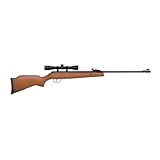
Crosman phantom air rifle earns attention because it keeps things simple, sturdy, and satisfyingly direct. A break-barrel spring design means there’s no CO2 cartridge to chase, no pump count to remember, and no battery drama sitting in the drawer. Load one pellet, break the barrel, settle in, and shoot. That plain routine has a lot of appeal when backyard plinking or paper-target practice needs to feel easy instead of fussy.

Spring-piston power gives the rifle a firm shooting feel, and yeah, that also means it won’t act like a featherweight toy. The cocking effort can feel noticeable during longer sessions, especially for smaller hands or anyone expecting casual BB-gun effort. Still, that weight and resistance bring a more serious rhythm to practice. Slow down, breathe, hold steady, and the rifle starts teaching better habits without making a big speech about it.

Synthetic stock helps the Phantom handle damp grass, dusty sheds, and the occasional bump against a bench without asking for much pampering. Wood has charm, sure, but polymer makes sense when gear gets carried outside often and stored between projects. The checkered grip and forearm add a little confidence when hands are sweaty or cold. That matters more than it sounds once a session stretches past a few quick shots.

Fiber-optic sights make target pickup easier in mixed outdoor light, especially around shaded fences or late-afternoon practice spots. A scope can help, but the open sights keep the setup lighter and less picky. Break-barrel rifles can be rough on cheap optics, so pairing the Phantom with a decent mount and realistic expectations matters. Tight screws, consistent pellets, and a patient break-in period usually matter more than flashy accessories.

Accuracy depends heavily on pellet choice and shooting form, which is where this rifle separates careful shooters from rushed ones. Lightweight pellets may feel fast, but mid-weight domed pellets often behave better for steady groups. The single-shot setup also cuts down on spray-and-pray habits. Every reload creates a tiny pause, and that pause can turn sloppy plinking into cleaner practice.

The tradeoff is noise, recoil movement, and the classic springer learning curve. This isn’t the quietest backyard tool, and it doesn’t reward a death grip. A relaxed hold, firm follow-through, and repeatable shoulder position make a real difference. Get those basics right, and the Crosman Phantom feels honest, useful, and tougher than its price tag suggests.

Crosman Phantom Air Rifle CO2 BB Pistol Kit

Backyard target sessions lose their charm fast once the setup turns into a chore. Pumping between shots gets old, tiny starter kits feel incomplete, and cheap-feeling pistols usually end up buried in a drawer after a week or two. The crosman phantom air rifle keyword often pulls attention toward budget-friendly shooting gear that keeps things simple, and this P10KT bundle leans heavily into that idea. Open the box, load the magazine, snap in a CO2 cartridge, and the whole thing feels ready before the coffee cools down.

Phantom P10KT CO2 BB Pistol

Crosman Phantom P10KT takes the “everything included” approach seriously. The package comes with the pistol, safety glasses, BBs, two CO2 cartridges, plus a larger refill pack with 15 extra cartridges. That matters more than marketing copy likes to admit because running out of gas after twenty minutes kills momentum fast. Plenty of starter kits leave buyers scrambling for accessories on day one, but this setup keeps the first shooting session smooth.

Semi-auto firing gives the pistol a lively feel that’s surprisingly fun during casual target practice. Pull the trigger quickly and the pistol keeps up without hesitation, which works nicely for cans, spinner targets, or quick backyard drills. The claimed velocity up to 480 fps gives BBs enough snap for reactive plinking without turning the pistol into an unruly handful. Noise stays manageable too, so the shooting experience feels energetic without sounding obnoxious.

The pistol’s overall handling lands somewhere between practical and playful. Lightweight construction keeps fatigue low during longer sessions, especially when standing and shooting repeatedly. The grip texture isn’t overly aggressive, but it holds securely enough even when hands get sweaty during summer afternoons. A few shooters might prefer a heavier metal frame for realism, though the lighter body definitely helps newer shooters settle into a comfortable rhythm.

CO2-powered shooting also removes one of the biggest annoyances tied to spring-piston pistols. No repeated pumping. No stiff cocking effort every shot. That smooth workflow changes the pacing completely because attention stays on targets instead of mechanics. The tradeoff, naturally, is ongoing cartridge replacement, especially during rapid-fire sessions where CO2 disappears quicker than expected.

Magazine And Reload Experience

20-round magazine capacity keeps interruptions fairly low, which helps the pistol feel more fluid than single-shot alternatives. Reloads move quickly thanks to the drop-out magazine release, and there’s something satisfying about snapping a fresh mag back into place. Cheap magazines sometimes wobble or feed inconsistently, but this one stays reasonably cooperative as long as BBs are loaded carefully.

The CO2 compartment design deserves credit too. Pop off the grip panel, insert a fresh cartridge, tighten it down, and the pistol is ready again within moments. Some entry-level pistols hide CO2 compartments behind awkward screws or tiny tools that vanish into junk drawers after the first week. Here, the process feels refreshingly direct.

Rapid shooting does expose one limitation common with compact CO2 pistols. As cartridges cool during heavy firing, consistency can dip slightly. BB impact points may wander a bit during extended rapid-fire strings, especially outdoors in colder temperatures. Slower pacing usually tightens things back up, so the pistol rewards patience more than frantic trigger slapping.

Magazine loading can feel fiddly for larger fingers, particularly while managing small steel BBs outdoors. A speed loader helps, though most casual backyard shooters eventually settle into a routine after a few sessions. Once muscle memory kicks in, reloads become second nature instead of a tiny frustration.

Accuracy And Backyard Shooting Feel

Backyard plinking sits squarely in this pistol’s comfort zone. Paper targets at shorter distances stay entertaining, and aluminum cans don’t stand much chance once the sights settle in. The semi-auto action adds energy to casual practice because follow-up shots happen naturally instead of forcing long pauses between rounds.

The fixed sights are functional without pretending to be precision competition hardware. Bright outdoor light helps visibility, while shaded conditions may require more careful alignment. Shooters expecting laser-like target precision from a CO2 BB pistol will probably need a reality check. This setup favors fun consistency over surgical accuracy.

Trigger response feels lighter than many low-cost BB pistols, though there’s still a bit of travel before the shot breaks. That softer pull helps newer shooters avoid jerking shots low and left. More experienced shooters may notice the trigger lacks crispness during careful aiming sessions, but the relaxed backyard nature of the pistol softens that criticism quite a bit.

Wind also affects steel BBs more than pellets, especially once shooting distances stretch farther out. Tiny reactive targets become noticeably harder to hit outdoors on breezy afternoons. Short-range setups deliver the best experience, particularly for quick cans-and-bottles sessions where fun matters more than tiny group sizes.

Pros And Cons

Pros start with convenience. The complete bundle removes most setup headaches and gets shooting started quickly. Semi-auto firing keeps practice lively, while the simple CO2 loading system avoids the annoying quirks found on many budget pistols. The lightweight frame also helps longer sessions stay comfortable instead of tiring.

Another strong point is pacing. This pistol encourages repetition without becoming physically demanding, which helps sharpen handling confidence over time. Fast reloads and a generous magazine size create a smoother experience compared to single-shot designs. From a practical angle, a related reference is Umarex Glock 17 Blowback .177, especially for shooters interested in a heavier replica-style shooting feel.

Cons mostly revolve around realism and long-term operating cost. The lightweight body won’t satisfy shooters craving dense metal construction or authentic firearm balance. CO2 cartridges also add recurring expense, particularly for trigger-happy sessions that burn through gas quickly. Cold weather performance can dip too, which is a common frustration with compact CO2 pistols.

The sights and trigger remain practical rather than refined. Tight target groups take patience, and the pistol clearly prioritizes casual enjoyment over formal marksmanship precision. Still, for quick backyard practice, reactive targets, and uncomplicated fun, the rough edges feel manageable instead of deal-breaking.

Who This Setup Fits Best

Easy target practice defines this pistol more than hardcore precision shooting. The complete package works nicely for someone who wants instant backyard entertainment without spending days researching accessories, adapters, or extra gear. Everything necessary arrives together, which removes a surprising amount of friction.

Apartment garages, small backyard ranges, and casual weekend shooting sessions all suit the P10KT well. The lighter frame helps during longer sessions where heavier pistols start dragging on wrists and forearms. Fast follow-up shots also make reactive targets far more entertaining than slow single-shot platforms.

Patience still matters, though. Burn through CO2 cartridges recklessly and operating costs climb quickly. Slow the pace slightly, use clean BBs, and store cartridges properly, and the pistol becomes much more enjoyable long term. A little care stretches performance noticeably farther.

People expecting match-grade precision or full-metal realism may walk away underwhelmed. Shooters wanting uncomplicated plinking sessions, easy reloads, and a straightforward semi-auto setup will probably appreciate the balance Crosman aimed for here. The pistol doesn’t pretend to be fancy. Honestly, that straightforward attitude is part of the appeal.

Crosman Phantom Air Rifle With Scope

Cheap scopes slipping out of zero, harsh recoil shaking the shoulder, and noisy backyard sessions can sour the whole air rifle experience pretty quickly. Plenty of entry-level rifles promise speed but end up feeling twitchy or awkward once real pellets start flying. The crosman phantom air rifle search usually lands people somewhere between casual plinking and practical small-game practice, and the Crosman Optimus sits right in that lane. It’s a spring-piston rifle that doesn’t pretend to be fancy, yet it still delivers enough punch and consistency to keep range sessions interesting instead of frustrating.

Crosman Optimus Air Rifle

Crosman Optimus .22 leans into a traditional break-barrel setup with very little fluff attached. Cock the barrel, load a pellet, settle the stock into your shoulder, and the rifle feels mechanically straightforward from the first shot. That simplicity matters because complicated systems tend to create more maintenance headaches over time. Spring-piston rifles already have a learning curve, so keeping the controls basic actually works in this rifle’s favor.

Velocity ratings up to 800 fps with lead pellets and 950 fps with alloy pellets give the Optimus enough authority for backyard targets and small pest situations where legal. Numbers alone never tell the whole story, though. Lightweight alloy pellets may push speed higher, but many shooters notice steadier groups using heavier lead pellets instead. The rifle behaves more predictably once pellet choice matches the shooting distance and purpose.

The included scope deserves a mixed reaction rather than blind praise. It gets new shooters started without forcing an extra purchase immediately, and that convenience counts for something. On the other hand, spring-piston recoil has a nasty habit of exposing weak optics over time. Tightening mounts carefully and checking zero regularly become part of ownership with rifles like this.

Rifle balance feels front-heavy compared to lightweight CO2 rifles, but that extra weight actually steadies aiming once shooters settle into position. Offhand shots take a bit more muscle after extended sessions, especially for younger shooters or anyone expecting ultra-light handling. Rested shots from a bench or shooting sticks feel much more natural with this setup.

Shooting Feel And Real-World Handling

Spring-piston recoil surprises plenty of first-time users because the rifle jumps differently than powder firearms. There’s a forward and backward movement happening almost together, and cheap shooting form gets exposed pretty quickly. Grip too tightly and accuracy suffers. Relax slightly, maintain follow-through, and the rifle suddenly starts grouping much better.

The trigger isn’t match-grade crisp, but it’s manageable after a short break-in period. Early shots can feel stiff or slightly gritty, especially right out of the box. After a few hundred pellets, things smooth out noticeably. Patient shooters tend to get more out of this rifle than impatient ones looking for instant perfection.

Noise level lands somewhere in the middle of the air rifle spectrum. It’s quieter than many powder-burning firearms, naturally, but it still produces enough crack to make neighbors aware something’s happening nearby. Backyard shooters in tighter suburban spaces may need to think carefully about timing and safe shooting setup.

The 45-inch overall length gives the Optimus a more full-sized feel compared to compact tactical-style air rifles. Taller shooters often appreciate that longer profile because it shoulders comfortably without feeling cramped. Smaller-framed shooters might find the rifle slightly cumbersome during standing shots, particularly after extended practice sessions.

Accuracy And Pellet Preferences

Accuracy potential improves dramatically once the rifle settles in after the first few tins of pellets. Fresh spring rifles sometimes diesel slightly or throw inconsistent shots early on, and that can frustrate beginners expecting laser-straight groups immediately. Patience pays off here. The internal components usually calm down after regular use.

Pellet selection matters more than velocity hype. Domed lead pellets often produce tighter groupings than lightweight alloy options, especially at medium distances. Tiny differences in pellet fit can completely change how this rifle behaves. Shooters who experiment with several pellet brands usually end up much happier than those sticking blindly to the cheapest bulk ammo.

Scope adjustments require a little patience too. Spring rifles vibrate aggressively enough to loosen mounts if screws aren’t checked periodically. Once properly mounted and dialed in, though, the included optic handles backyard paper targets reasonably well. Precision beyond moderate distances starts exposing the limitations of the bundled scope rather quickly.

Wind drift also becomes noticeable with lightweight pellets. Calm mornings or late-evening shooting sessions often produce tighter groups simply because pellets stop fighting crosswinds. That’s not unique to the Optimus, but the rifle definitely rewards shooters who pay attention to outdoor conditions instead of blaming every missed shot on the gun itself.

Pros And Cons

Pros begin with affordability and simplicity. The Optimus gives shooters a traditional break-barrel experience without requiring CO2 cartridges, external tanks, or hand pumps. One pellet and one cocking motion keep the rifle ready to go. Long-term operating costs stay fairly low compared to gas-powered setups that constantly burn through consumables.

Power delivery also deserves credit. The .22 caliber pellets hit harder than smaller .177 rounds at close and medium distances, which many shooters appreciate for reactive targets and pest control situations. The full-sized stock provides a more stable feel than compact youth rifles, particularly during bench shooting.

On the downside, the rifle asks for technique and patience. Spring-piston recoil punishes sloppy form, and beginners sometimes struggle with consistency early on. The cocking effort can also become tiring during longer sessions. Rapid-fire shooting isn’t happening here unless forearm workouts sound entertaining.

The included scope works, but expectations should stay realistic. Heavy recoil from spring rifles can shorten the lifespan of weaker optics over time. Some owners eventually upgrade the glass after more experience. In real-world usage, a related reference is best bow for elk hunting, especially for readers interested in other precision-focused outdoor gear requiring careful shot placement and steady shooting habits.

Where The Optimus Fits Best

Backyard target shooting feels like the Optimus’ natural environment. The rifle encourages slower, more deliberate practice instead of mindless rapid firing. Every shot involves a small routine: cock, load, aim, breathe, squeeze. That rhythm becomes oddly satisfying after a while.

Rural properties and larger outdoor spaces suit this rifle better than tiny suburban yards. The report isn’t outrageous, but it’s not whisper-quiet either. Safe backstops and enough shooting distance help the rifle stretch its legs properly. Cramped spaces make the full-length design feel less comfortable.

Maintenance needs stay fairly manageable compared to PCP rifles or gas systems. No tanks need filling, and there’s no dependence on disposable CO2 cartridges. Occasional screw checks, barrel cleaning, and proper pellet storage go a long way toward keeping performance steady.

The Optimus doesn’t try to imitate tactical rifles or flashy competition guns. Its appeal comes from straightforward mechanics, respectable power, and a familiar shooting rhythm that rewards consistency over gimmicks. Shooters expecting instant perfection may grumble a little at first. Shooters willing to adapt usually end up appreciating the rifle’s honest personality.

Crosman CAK1 Full Auto BB Air Rifle

Rapid-fire backyard shooting can feel clumsy when the rifle is too toy-like, too slow, or too stripped down to hold interest past the first magazine. The crosman phantom air rifle topic usually attracts people who want easy airgun fun without stepping into overly complicated gear, and the Crosman CAK1 takes that idea in a louder, faster, more tactical direction. This isn’t a quiet little plinker meant for slow paper-punching alone. It’s built around full-auto BB action, a full-size feel, and a setup that makes short target sessions feel lively right out of the gate.

Crosman CAK1

The Crosman CAK1 makes its personality obvious before the first shot. A black synthetic build, pistol grip, adjustable stock, and quad rail system give it more of a modern carbine feel than a classic backyard rifle. That matters because handling confidence often starts before the trigger moves. A rifle that shoulders naturally tends to make practice feel less awkward, especially during quick target transitions.

CO2 power keeps the shooting process simple, though it also changes the ownership rhythm. The 28-round drop-out magazine holds two CO2 cartridges, which keeps the rifle fed for rapid-fire bursts. No pumping between shots. No stiff break-barrel cocking cycle. Just load the magazine, seat the CO2, and the CAK1 settles into its fast, mechanical groove.

The headline feature is obviously full-auto firing. Crosman lists the CAK1 at up to 430 fps and over 1400 rounds per minute, which tells you exactly what kind of experience this rifle is chasing. It’s not pretending to be a slow benchrest tool. It’s built for reactive targets, steel-safe setups, and those short bursts that turn a plain can line into a little backyard range moment.

Semi-auto mode gives the rifle more control when full-auto feels like too much too soon. That flexibility helps conserve BBs and CO2, especially during practice where aiming still matters. Full-auto is fun, no question, but it can burn through ammo in a blink. Semi-auto makes the rifle feel more useful between the flashy bursts.

Handling And Real Feel

Full-size proportions give the CAK1 a different feel from many compact BB rifles. It sits more naturally in the shoulder, and the pistol grip gives the trigger hand a secure position without forcing an odd wrist angle. The adjustable buttstock helps tune length of pull for different body sizes or shooting positions. That small bit of fit adjustment can make standing practice feel much less sloppy.

The foldable and adjustable buttstock adds storage convenience too. Tight closets, garage shelves, and range bags all punish long fixed-stock rifles sooner or later. Being able to shorten the footprint gives the CAK1 a practical edge, especially for anyone who doesn’t have a dedicated gear room. It’s a simple feature, but it solves a real space problem.

Durable synthetic construction fits the job well. A full-auto BB rifle is likely to get handled quickly, set on benches, passed around, and used outdoors more than a polished showpiece. Synthetic furniture handles small bumps and weather changes better than fussy materials. It won’t feel like metal-bodied replicas, though, so anyone craving heavy realism may notice the difference right away.

The quad-mounting rail system gives the rifle room for accessories, but restraint helps. Too many add-ons can make the front end feel busy and heavier than necessary. A simple sighting aid or compact grip makes more sense than turning the rifle into a parts tree. In real-world usage, balance matters more than decoration.

Speed, CO2 Use, And Control

Rapid-fire performance is the CAK1’s party trick, and it’s genuinely the feature that separates it from slower air rifles. Full-auto shooting makes cans dance, paper shred quickly, and reactive targets feel more animated. Still, speed comes with a price. BBs disappear quickly, and CO2 cartridges drain faster than calm semi-auto shooting would suggest.

Two CO2 cartridges in the magazine help support that firing rate, but they also create a recurring cost. The rifle doesn’t include cartridges in the provided description, so planning ahead matters before the first session. Running out of gas right after loading targets is one of those little annoyances that can wreck the mood. CO2-powered rifles reward having extra supplies on hand.

Temperature plays a role as well. CO2 pressure tends to behave better in warmer conditions and can feel weaker in cold weather. Fast strings can cool the system too, which may affect shot consistency during heavy full-auto use. That’s not a strange flaw in this model alone. It’s part of the tradeoff with CO2 airguns built for quick shooting.

Trigger discipline matters more than the marketing excitement suggests. Full-auto mode can turn into wasted BBs if the rifle is treated like a noise machine. Short controlled bursts make better use of the 28-round magazine and keep targets more engaging. A two- or three-shot rhythm often feels more satisfying than dumping the whole magazine at once.

Practical Strengths

Convenience sits near the top of the CAK1’s strengths list. The drop-out magazine keeps reloads familiar and quick, while the CO2 system removes the effort tied to pumping or cocking. That makes the rifle approachable during casual sessions where the goal is steady fun rather than technical tinkering. The controls feel more modern than traditional break-barrel rifles.

Shooting variety gives the CAK1 more staying power than single-mode BB rifles. Semi-auto mode works for slower practice, while full-auto mode adds quick bursts for reactive targets. That split personality keeps the rifle from feeling one-note. A slower air rifle can teach better form, sure, but the CAK1 brings energy that slower platforms simply don’t offer.

Adjustability helps the rifle fit different shooting styles. The stock can be shortened or extended, the rails leave room for basic accessories, and the pistol grip keeps control straightforward. These small ergonomic touches make a difference during longer sessions. A rifle that fits poorly tends to magnify every tiny mistake.

One related reference sits in a neighboring airgun category through best American made air rifles, especially since build style, power source, and intended use can change the way an air rifle feels in daily practice. The CAK1 belongs more to fast BB plinking than quiet pellet precision. That distinction matters before expectations get out of hand.

Weak Spots And Tradeoffs

Ammo consumption is the first weakness most people notice. A 28-round magazine sounds generous until full-auto mode starts chewing through BBs. Fun? Absolutely. Economical? Not exactly. Anyone who likes long, slow practice may feel the refill cycle interrupting the flow more often than expected.

CO2 dependency is another practical tradeoff. The rifle’s biggest strength, fast shooting without manual cocking, depends on fresh cartridges and stable gas pressure. Cold days, long pauses, and rapid strings can all change performance. That’s the deal with CO2, and pretending otherwise would be silly.

BB accuracy also has limits compared with pellet rifles. Steel BBs are made for casual target shooting, not tiny precision groups at longer distances. The CAK1 can be enjoyable and consistent within sensible ranges, but it isn’t the tool for quiet, surgical shot placement. Paper targets will show that difference pretty quickly.

Real-feel design may not fully satisfy everyone. The full-size frame and tactical layout help immersion, yet the synthetic build won’t have the dense weight of heavier replica platforms. Some shooters will appreciate the lighter handling. Others may wish for more heft, especially during controlled semi-auto practice.

Best Use Cases And Limits

Reactive backyard targets are where this rifle feels most at home. Cans, spinners, and paper silhouettes give the full-auto mode something fun to work against. Safe backstops matter, of course, because BBs can ricochet more easily than pellets. Steel BB shooting needs a careful setup, not a careless fence-line guess.

Casual training habits can still develop with the CAK1, even though it leans heavily toward fun. Stock positioning, sight alignment, trigger control, and target transitions all matter during semi-auto use. Full-auto bursts add excitement, but the rifle feels better when the basics don’t fall apart. A little discipline turns it from a BB sprayer into a more controlled plinker.

Small spaces may not suit this rifle well. The noise, rate of fire, and BB ricochet potential call for more planning than a low-powered single-shot airgun. Larger yards, safe target boxes, and controlled lanes make the experience far better. Apartment patios and cramped lots are not the friendliest places for this kind of setup.

Realistic expectations make the Crosman CAK1 easier to appreciate. It’s not a quiet precision pellet rifle, and it’s not designed for slow match-style shooting. It’s a CO2-powered BB rifle with a fast personality, adjustable handling, and enough tactical flavor to keep casual range time from feeling stale. Used in the right setting, its quirks feel like part of the bargain rather than deal breakers.

Crosman Pneumatic Pump Air Rifle With Ammo

Some backyard rifles ask for too much patience before the first decent shot lands. Too loud, too stiff, too picky, or too locked into one kind of ammo, and the fun starts leaking out before the target stand is even set up. The crosman phantom air rifle crowd often wants something approachable, but not flimsy, and this Crosman .177 pneumatic pump rifle fits that slower, skill-building lane better than the flashier rapid-fire stuff. It gives control back to the shooter through variable pump power, a rugged synthetic build, and the freedom to use either pellets or traditional steel BBs.

Crosman Pump Air Rifle

Crosman Pump Air Rifle feels like the kind of starter platform that still leaves room to grow. The black synthetic design keeps the rifle practical instead of precious, which matters once it starts living in a garage, leaning against a bench, or riding along to an outdoor target spot. A water-resistant synthetic stock makes more sense than fancy trim for this type of rifle. It’s the kind of build that says, “Use me, don’t baby me.”

The rifled steel barrel gives the rifle a more serious edge than a basic smoothbore BB gun. Pellets benefit most from that rifling, especially during slower, more deliberate target practice. BBs still have their place for casual plinking, but pellets are where the rifle feels more disciplined. That difference becomes obvious once paper targets start showing tighter or looser patterns.

Variable control from 350 fps to 700 fps is the feature that gives this rifle its personality. A few pumps can keep things mellow for close-range target work, while more pumps add punch for longer backyard lanes. That flexibility helps avoid the “all or nothing” feel some air rifles have. Not every session needs maximum power, and honestly, not every backyard setup can handle it responsibly.

The included ammo adds a nice first-session convenience, though expectations should stay grounded. Supplied ammo gets shooting started, but long-term accuracy usually depends on trying different pellet types. Some rifles prefer certain pellet weights and shapes, and this one is no exception. A small amount of experimenting can make the rifle feel noticeably more settled.

Power Control And Shooting Rhythm

Pump-powered shooting changes the pace in a useful way. Every shot requires effort, so the rifle naturally slows things down and encourages better habits. That may sound like a downside to someone chasing speed, but it’s a blessing for cleaner technique. Aim, breathe, squeeze, reset, and repeat.

The 350 to 700 fps range gives this rifle a practical spread for different target distances. Lower power keeps close-range sessions more controlled and can reduce noise slightly. Higher pump counts add more speed, but they also bring more effort between shots. That tradeoff keeps the shooter involved instead of letting the rifle do everything.

Long sessions can make the pumping effort feel like part of the workout. That’s not a deal-breaker, but it’s worth saying plainly. Younger shooters or anyone with limited arm strength may prefer shorter strings or lower pump counts. The rifle rewards patience more than impatience, and that’s baked into the design.

No CO2 dependency is a real strength here. There are no cartridges to run dry, no cold-weather gas drop-off to fuss over, and no last-minute supply run because the box of CO2 disappeared. Pump the rifle and it’s ready. Simple as that, with a little elbow grease attached.

Pellets, BBs, And Practical Accuracy

.177-caliber compatibility with both pellets and steel BBs gives this rifle broader use than single-ammo platforms. Pellets suit paper targets and accuracy practice better, while BBs fit casual plinking where precision isn’t the whole point. That split makes the rifle feel less boxed in. One rifle can cover a lazy can-shooting afternoon and a more careful target session.

The rifled barrel favors pellets, and that’s where the rifle should be judged most seriously. Traditional steel BBs can be fun, but they don’t take advantage of rifling in the same way. For cleaner groups, domed or wadcutter pellets often make more sense than random bulk BBs. A steady rest and consistent pump count help too.

Accuracy depends heavily on rhythm. Pump count, hold, trigger squeeze, and ammo choice all stack together. Change one thing and the target may tell on you immediately. That’s frustrating at first, sure, but it also makes the rifle useful for skill development instead of mindless shooting.

Target shooting feels best at sensible backyard distances with a proper pellet trap. Stretch the range too far and lightweight .177 ammo starts showing its limits, especially outdoors. Wind nudges small projectiles around more than people expect. Calm conditions and consistent shooting form make the rifle look much better.

Safety And Everyday Handling

Crossbolt safety adds an important layer of control, especially on a rifle designed for practice and repeated handling. Safety features don’t replace careful habits, but they do support them. A clear, familiar safety position helps keep the shooting routine organized. That matters during backyard sessions where distractions can creep in.

The rifle’s synthetic body handles casual outdoor use without asking for delicate storage habits. Damp grass, dusty benches, and seasonal temperature swings are less worrying with this kind of material. It won’t have the warm feel of wood, but it’s easier to live with. Practical gear usually earns its keep that way.

Handling feels more traditional than tactical. The rifle isn’t trying to be a replica carbine or a fast CO2 blaster. It’s longer, slower, and more deliberate. That old-school pace suits people who actually want to build consistency rather than just empty ammo into a target box.

Beginner mistakes show up quickly with this setup. Inconsistent pump counts, rushed trigger pulls, and loose holds all affect the shot. The upside is that the rifle gives clear feedback without being overly complicated. Fix the routine, and the groups usually start looking cleaner.

Pros And Cons

Pros start with flexibility. The rifle can shoot .177 pellets or traditional steel BBs, which gives it more range of use than ammo-specific models. Variable pump power lets the shooter adjust speed for close targets, longer shots, or quieter practice. That makes the rifle feel adaptable without needing extra gear.

Low operating cost is another strength. Since this is a pneumatic pump rifle, there’s no need to keep buying CO2 cartridges. Ammo still costs money, of course, but the power source is built into the shooting routine. That makes longer ownership feel simpler and less dependent on consumables.

Cons show up in speed and effort. Pumping between shots slows the pace, and higher power requires more work. Anyone expecting semi-auto fun will probably feel held back. The rifle is better for measured practice than rapid plinking.

The BB-and-pellet design also brings a realistic limitation. BBs are convenient, but pellets usually make better use of the rifled barrel. Switching between ammo types can be fun, though accuracy expectations need to shift with the choice. From a practical angle, a related reference appears in best air rifles under 250, where value-focused air rifles often balance power, handling, and long-term shooting costs in different ways.

Best Fit And Realistic Limits

Plinking and target practice are the natural home for this rifle. Tin cans, paper targets, and simple backyard drills fit its slower rhythm nicely. The pump action makes every shot feel earned, which can be oddly satisfying. Instead of rushing, the rifle nudges the shooter into a calmer pace.

Skill development is where this Crosman makes the most sense. Consistent pumping, careful sight alignment, and safe handling all become part of the routine. That helps build better habits than fast-fire rifles often encourage. A rifle like this teaches patience without feeling like homework.

Small yards require extra caution. Even at moderate velocity, BBs and pellets need a safe backstop and responsible shooting lanes. Ricochets are a real concern with steel BBs, especially against hard surfaces. Soft target traps and smart positioning matter more than bravado.

Realistic expectations keep disappointment away. This rifle won’t match a tuned precision pellet gun, and it won’t deliver the rapid-fire grin of a CO2 semi-auto. Its strengths are control, simplicity, ammo flexibility, and low-fuss ownership. Used within that lane, it feels honest, useful, and pleasantly down-to-earth.

Crosman 760 Pumpmaster Pink Air Rifle

A first air rifle can go sideways fast when it feels too heavy, kicks too much effort into every shot, or looks so plain that nobody feels excited to pick it up again. The crosman phantom air rifle topic often overlaps with simple plinking rifles, but the Crosman 760 Pumpmaster Pink Stock moves in a friendlier, lighter, more casual direction. It’s a .177 caliber repeater BB and pellet gun built around pump power, moderate velocity, and a look that doesn’t blend into every black synthetic rifle on the rack. That mix makes it feel less intimidating while still leaving enough room for target practice, safe handling habits, and basic shooting skill to develop.

Crosman 760 Pumpmaster Pink

Crosman 760 Pumpmaster Pink keeps the familiar Pumpmaster formula and gives it a brighter personality with its pink stock. The color isn’t just cosmetic fluff either, because gear that feels personal tends to get used more often. A rifle that looks approachable can reduce some of the stiffness around early practice sessions. That matters when confidence is still being built one careful shot at a time.

The .177 caliber setup gives the rifle common ammo compatibility, which helps keep ownership simple. BBs suit casual plinking, while pellets give a more deliberate shooting feel for paper targets. That flexibility makes the rifle easier to grow with than a BB-only platform. It also gives practice sessions a bit more variety without adding complicated equipment.

Velocity at 625 ft/sec puts this Pumpmaster in a practical range for backyard-style target shooting when used responsibly with a safe backstop. It isn’t trying to be a hard-hitting hunting rifle, and that’s fine. Moderate power can actually make more sense for learning control, managing distance, and keeping sessions relaxed. Raw speed isn’t always the point, especially during early marksmanship practice.

The one-year limited warranty adds a little reassurance for a rifle that may see plenty of casual use. Starter airguns often get handled by less experienced hands, set down on benches, and stored without much ceremony. Warranty coverage doesn’t replace careful care, but it does help support the practical, everyday nature of this model. That’s useful for gear meant to be used rather than admired from across the room.

Pump Action And Shooting Rhythm

Pump-powered operation gives the Crosman 760 a pace that feels more thoughtful than fast. Every shot requires a little effort before the trigger press, so the shooter naturally slows down. That can be a blessing for building better habits. Rushed shooting loses some appeal when each shot has to be earned.

The variable pump feel also teaches a useful lesson about consistency. Different pump counts can affect speed and point of impact, so repeating the same routine matters. A steady number of pumps, a steady hold, and a steady sight picture make the rifle behave more predictably. Mess with one of those pieces and the target usually tattles on you.

Long strings can make pumping feel tiring, especially for smaller shooters or anyone expecting a nearly effortless plinker. That weakness is real, and it shouldn’t be brushed off. Shorter sessions help keep the experience pleasant instead of turning it into a chore. A few good groups beat a long afternoon of sloppy fatigue.

No CO2 cartridges means fewer supply headaches. The rifle doesn’t depend on gas canisters, so performance isn’t tied to cartridge availability or cold-weather CO2 pressure drops. A hand pump system keeps things old-school and self-contained. The tradeoff, of course, is that the shooter provides the energy shot after shot.

BB And Pellet Flexibility

Repeater BB capability gives the Pumpmaster a more relaxed plinking personality. BBs work well for cans, simple reactive targets, and casual backyard sessions where tiny groups aren’t the main goal. That kind of shooting keeps things fun without turning every session into a serious benchrest exercise. Just keep a safe backstop in the plan because steel BBs can ricochet off hard surfaces.

Pellet compatibility adds a more careful side to the rifle. Pellets usually make better sense for paper targets and skill-building because they’re designed for more stable flight than round steel BBs. The rifle feels more disciplined with pellets, especially when the same pump count is used each time. Small routines matter here, and that’s part of the learning curve.

Switching between BBs and pellets gives the rifle a nice two-lane personality. One afternoon can be all about knocking cans around, while the next can focus on cleaner groups and calmer trigger control. That range of use keeps the 760 from feeling too limited. For a simple air rifle, ammo flexibility adds real value.

The downside is that mixed-ammo rifles rarely feel like dedicated precision tools. BBs are convenient, pellets are steadier, and neither turns this rifle into a competition platform. Expectations need to stay grounded. The Pumpmaster shines brightest as a skill-development rifle, not as a tiny-hole paper puncher at long distances.

Handling, Stock Design, And Safety

Pink stock styling gives this model a more distinct look than the usual black or brown starter rifle. That may sound small, but appearance can shape enthusiasm, especially with gear that’s meant to feel approachable. A rifle that doesn’t look overly harsh or tactical can make early sessions feel less tense. Friendly design can still be practical.

The stock also keeps the rifle from feeling overly formal. It looks casual, almost playful, but the handling still requires real safety habits. That contrast is worth respecting. Bright color doesn’t make an air rifle a toy, and proper eye protection, muzzle awareness, and target control still belong at the center of every session.

Repeater design helps keep BB shooting moving without constant single-loading. That smoother rhythm can hold attention better during basic plinking practice. Pellets require more deliberate handling, which fits target practice nicely. Either way, the rifle gives enough variety to avoid the dull, one-note feeling some starter guns have.

Safe handling is where the Pumpmaster can quietly teach strong habits. Pumping, loading, aiming, and resetting all happen in a visible sequence. That makes it easier to slow down and talk through each step during practice. A rifle that encourages routine can be a better teacher than one built only around speed.

Pros And Cons

Pros start with simplicity and low ongoing cost. The pump system removes the need for CO2 cartridges, and .177 ammo is common enough to keep practice straightforward. The rifle can shoot BBs or pellets, which gives it more range than a BB-only plinker. That flexibility makes it easier to match the session to the mood.

Moderate velocity is another practical strength. At 625 ft/sec, the rifle has enough energy for target work while staying more manageable than harder-hitting air rifles. That balance helps keep practice focused on fundamentals rather than brute force. Accuracy habits matter more than chasing bigger numbers.

Cons show up in effort and precision limits. Pumping between shots slows the pace, and longer sessions may wear out younger or smaller shooters. BB accuracy has natural limits, especially outside on breezy days. Pellets improve the experience, but the rifle still sits in a beginner-friendly category rather than a refined precision class.

The pink stock may divide opinions too. Some will love the personality, while others may prefer a more traditional look. That’s not really a performance weakness, but it affects how the rifle feels to own. From a practical angle, a separate optics-related reference appears in best long range scopes under 500, though the Pumpmaster itself fits short-range practice far better than long-distance glass discussions.

Best Uses And Real Limits

Plinking is the easiest fit for this rifle. Cans, paper targets, and simple backyard drills all match its pump-action pace. The rifle encourages a slower rhythm, which can make each shot feel more intentional. That’s useful for turning casual fun into better control without making it feel like a lesson.

Target shooting works best at sensible distances with a safe trap and consistent pump counts. Pellets should be the first choice for tighter paper groups, while BBs are better saved for casual reactive targets. Wind, lighting, stance, and patience all play their part. The rifle won’t hide sloppy form, but it won’t punish learning too harshly either.

Skill development is probably the 760’s strongest lane. Pumping builds patience, loading teaches care, and the slower pace keeps the trigger from becoming an afterthought. A shooter learns quickly that repeatable steps produce better shots. That kind of feedback is worth more than flashy features.

Realistic limits keep the experience enjoyable. This isn’t a full-auto BB rifle, a hunting-focused magnum, or a long-range pellet rig. It’s a practical .177 pump air rifle with a friendly look, useful ammo flexibility, and enough power for controlled target work. Used with safe backstops and reasonable expectations, it fills its role without making a big fuss.

5
1 ratings
Henry Berry
WRITTEN BY
Henry Berry
Hi, I'm an avid air rifle and hunting enthusiast. I love spending time outdoors and enjoying the sport of hunting. If you're looking for someone to talk to about air rifles and hunting, I'm your guy. Feel free to shoot me a message.