
Crosman Shockwave 22 best 2026 Backyard Power Pick

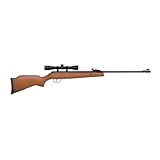
Crosman Shockwave 22 sits in that sweet spot where backyard plinking, pest-control practice, and weekend target work start feeling more serious without turning into a money pit. The .22 caliber gives pellets a heavier thump than a typical .177, so tin cans, reactive targets, and short-range small-game setups feel more deliberate. It’s not a featherweight toy, though, and that’s part of the deal. A little extra heft helps the rifle settle, but long offhand sessions can still wear out tired arms.
The main draw is the Nitro Piston powerplant, which replaces the usual spring feel with a smoother shot cycle and less harsh twang. That matters when every loud crack from the yard makes someone glance over the fence. It won’t turn the rifle silent, nope, but the shot feels less jumpy and more controlled than many basic break-barrel rifles. Cold-weather use also tends to feel more consistent than old-school springers, which is handy during those chilly mornings when metal, fingers, and patience all stiffen up.
The break-barrel action keeps things simple, and simple is underrated. No tanks, no pumps between every shot, no extra gear cluttering the bench. Cock it, load one pellet, aim, and shoot. That rhythm slows things down in a good way, especially for anyone trying to stop rushing shots and actually build cleaner habits.
Accuracy depends heavily on pellet choice, and the Crosman Shockwave 22 can be a little picky until the right pellet weight and skirt fit show up. Cheap pellets may scatter enough to make the scope look guilty, even when the real problem sits in the tin. The included optic can help get started, but serious target work may call for a sturdier scope later. That’s not a deal-breaker, just the usual break-barrel reality.
Maintenance stays refreshingly low. Keep the barrel clean without overdoing it, check screws after early shooting sessions, and avoid dry firing. The rifle rewards steady handling more than brute force. For a shooter who wants more punch than a light plinker but doesn’t want PCP gear, compressors, or complicated refills, this one makes plain sense.

- ARS Mark8.4
ARS Mark is a ranking system developed by bestairriflescopes.com. ARS Mark has no relationship or impact from any manufacturers or sales agent websites. Learn more
- BrandCrosman

- ARS Mark8.0
ARS Mark is a ranking system developed by bestairriflescopes.com. ARS Mark has no relationship or impact from any manufacturers or sales agent websites. Learn more
- BrandCrosman
- ARS Mark9.0
ARS Mark is a ranking system developed by bestairriflescopes.com. ARS Mark has no relationship or impact from any manufacturers or sales agent websites. Learn more
- BrandCrosman

- ARS Mark8.0
ARS Mark is a ranking system developed by bestairriflescopes.com. ARS Mark has no relationship or impact from any manufacturers or sales agent websites. Learn more
- BrandCrosman

- ARS Mark7.2
ARS Mark is a ranking system developed by bestairriflescopes.com. ARS Mark has no relationship or impact from any manufacturers or sales agent websites. Learn more
- BrandCrosman

- ARS Mark5.8
ARS Mark is a ranking system developed by bestairriflescopes.com. ARS Mark has no relationship or impact from any manufacturers or sales agent websites. Learn more
- BrandCrosman
Last update on 2026-06-07 / Affiliate links / Images, Product Titles, and Product Highlights from Amazon Product Advertising API
Crosman Shockwave 22 With Classic C362 Review
Cheap scopes slipping loose, harsh recoil jolting every shot, and bulky rifles turning backyard practice into a chore can suck the fun out of airgun shooting fast. That frustration is exactly why the crosman shockwave 22 conversation often shifts toward practical rifles like the Crosman Classic C362. This compact pump rifle doesn’t try to look flashy or tactical just for the sake of it. Instead, it leans into old-school simplicity, lighter handling, and enough .22-caliber punch to make short-range pest control and target work feel satisfying instead of frustrating.
C362 Air Rifle
Crosman Classic C362 carries a surprisingly balanced feel for a rifle in this price and power category. The synthetic stock keeps weight manageable, especially during long shooting sessions where heavier wood-stock rifles start dragging down shoulder comfort. Pumping effort stays fairly reasonable too, which matters more than people admit. A rifle can have all the velocity in the world, but if every shot feels like a gym workout, it usually ends up collecting dust in the corner.
The variable pump setup changes the shooting rhythm in a good way. Lower pump counts work nicely for casual target shooting in tighter backyard spaces, while higher pump levels squeeze out more authority for tougher targets or small-game practice where legal. That flexibility helps the rifle avoid feeling one-dimensional. Some gas-piston rifles lock shooters into one aggressive power level all the time, and honestly, that can get tiring fast.
The single-shot loading system also deserves more credit than it gets. Sure, magazines and repeaters are convenient, but single-shot designs slow everything down enough to improve discipline. Trigger control, breathing, pellet seating, follow-through, all those little fundamentals become easier to notice. Sloppy habits stand out immediately with a rifle like this.
The compact frame makes storage painless too. Tight garages, crowded closets, and cramped workshop corners don’t leave much room for oversized rifles with giant optics hanging off the top. The C362 avoids that problem without feeling toy-like. It still has enough length to shoulder naturally and settle into a steady hold.
Velocity And Real Shooting Feel
The advertised 875 fps velocity sounds impressive on paper, though real-world performance always depends on pellet weight and pump count. Lightweight pellets may reach higher speeds, while heavier hunting pellets trade raw velocity for better downrange energy. That’s pretty normal for pump pneumatics. People expecting laser-flat trajectories at every distance may need to dial expectations back a bit.
What stands out more than pure speed is the rifle’s calmer firing behavior. Pump rifles avoid the sharp forward-and-back recoil pulse common with many spring-powered airguns. That smoother shot cycle helps newer shooters stay on target longer instead of flinching after every trigger pull. Quiet confidence matters more than raw noise.
Accuracy can tighten up nicely with the right pellet choice. Cheap bulk pellets sometimes produce flyers that make the rifle seem inconsistent, but better domed pellets often clean things up noticeably. The fully adjustable rear sight helps compensate for that tuning process without forcing an immediate scope upgrade. Iron sights may seem old-fashioned now, yet they’re incredibly useful for learning fundamentals.
Cold mornings expose weaknesses in some air rifles pretty quickly, especially gas systems that behave differently as temperatures drop. The C362’s multi-pump pneumatic setup handles seasonal shifts with less drama. A few extra pumps and consistent pellet selection usually keep things predictable enough for casual pest work and practice sessions.
Handling Around The Backyard
The compact profile changes the entire shooting experience around fences, sheds, and tighter outdoor spaces. Long barrels and oversized tactical stocks often snag on everything nearby. The C362 stays easier to maneuver without feeling cramped. That balance becomes noticeable after carrying it around for half an afternoon.
Noise levels stay relatively manageable compared to louder magnum spring rifles. Nobody wants every backyard practice session sounding like a firecracker echoing through the neighborhood. The report still has enough snap to remind you this isn’t a toy, but it avoids the harsh crack that tends to attract unwanted attention. That alone makes practice more relaxing.
Maintenance also stays refreshingly straightforward. No air tanks. No compressors. No expensive charging equipment cluttering the bench. A few drops of oil where appropriate and occasional barrel cleaning cover most routine care. Simpler systems usually mean fewer headaches over time.
One tradeoff does exist, though. Repeated pumping between shots slows rapid shooting sessions considerably. Fast follow-up shots aren’t this rifle’s strength. People chasing semi-auto speed or quick magazine dumps may lose patience after a while. The C362 feels more rewarding for deliberate shooters who actually enjoy slowing down and placing careful shots.
Learning Curve And Hunting Practice
The .22 caliber platform creates a more noticeable target reaction than smaller calibers, especially on cans, spinners, and reactive targets. That feedback keeps practice engaging instead of feeling weak or disconnected. Small-game hunting practice also benefits from the added pellet weight, assuming local laws allow it and shot placement remains responsible.
The rifle encourages patience naturally. Pumping, loading, and resetting between shots creates a rhythm that rewards consistency over speed. That’s valuable for people learning how tiny mistakes in grip or trigger pull affect accuracy. A rushed shot usually tells on itself immediately.
Stock ergonomics feel practical rather than fancy. The grip texture provides enough control for damp mornings or sweaty hands without chewing up skin during longer sessions. Some budget rifles cut corners here and end up feeling slippery or hollow. The C362 avoids feeling overly cheap despite sticking to a simpler synthetic construction.
Optics compatibility opens another layer of flexibility later on. Some shooters stick with iron sights for years, while others eventually move toward scopes or red dots for tighter group work. Discussions about aiming setups often overlap with optics conversations, and a related reference appears in best shotgun red dot sight. Even though shotguns and air rifles serve different purposes, sight picture and target acquisition frustrations often overlap more than expected.
Where The C362 Falls Short
The trigger pull may feel heavier than some shooters expect straight out of the box. It’s usable, no doubt, but precision-focused shooters accustomed to lighter competition triggers might notice the difference immediately. A heavier pull can magnify tiny aiming errors if technique gets sloppy.
The pumping process, while manageable, still becomes repetitive during extended plinking sessions. Fifty carefully aimed shots feel fine. A few hundred? Different story. Shoulder fatigue and arm strain can creep in quietly after repeated full-power pump cycles.
Single-shot loading also slows things down for reactive target games involving multiple fast shots. That tradeoff improves discipline but reduces excitement for shooters who prefer rapid-fire sessions. Some people love the slower pace. Others get restless halfway through a tin of pellets.
Scope buyers should also budget carefully. Iron sights work well enough to start, but many shooters eventually want magnified optics for tighter group shooting. Budget scopes paired with harder-kicking airguns sometimes shift zero unexpectedly, though the smoother pump action here reduces that issue somewhat. Still, mounting hardware quality matters more than people think.
Crosman Shockwave 22 With Vantage Plus Review
Backyard shooting loses its charm pretty quickly once the rifle starts sounding like a construction tool and every reload breaks concentration. Plenty of shooters run into that wall after a few weekends with louder spring rifles that kick hard, shift scopes, and wear out patience faster than pellets. The crosman shockwave 22 category usually attracts attention for power, but the Crosman Vantage Plus .22 pushes the conversation in a more balanced direction. Noise control, smoother cycling, and a practical repeater setup give this rifle a more relaxed shooting personality without stripping away the punch people expect from a .22 break barrel.
Vantage Plus Air Rifle
The Crosman Vantage Plus immediately feels more modern than many traditional break-barrel rifles. The synthetic stock keeps things weather-resistant without making the rifle feel hollow or flimsy in hand. Damp mornings, dusty sheds, and rough truck-bed rides tend to expose weak finishes pretty quickly, yet the all-weather design handles those little annoyances better than old wood-stock setups that constantly demand extra care.
The rifle’s overall balance also deserves some attention. Front-heavy air rifles can become exhausting during longer target sessions, especially while shooting offhand. This one settles into the shoulder naturally without feeling awkward or nose-heavy. That makes follow-up shots steadier, particularly once fatigue starts creeping into the arms.
The 6-pellet rotary magazine changes the pace dramatically compared to traditional single-shot break barrels. Reloading between every shot tends to interrupt focus, especially during pest-control practice or reactive target shooting. The repeater setup keeps the rhythm smoother while still preserving the satisfying feel of a break-barrel action. It’s quicker, cleaner, and honestly more enjoyable than constantly fumbling loose pellets with cold fingers.
Scope inclusion matters more than people admit in this category. Some bundled optics feel like throwaway accessories, but the included 4x32 scope gives shooters a usable starting point without forcing an immediate replacement. It won’t replace premium glass for precision work, though it handles casual backyard accuracy sessions reasonably well once dialed in correctly.
QuietFire Changes The Backyard Experience
QuietFire sound suppression shapes the rifle’s personality more than raw velocity numbers do. Loud air rifles can create tension in suburban spaces where every sharp crack echoes across fences and patios. Crosman claims substantial noise reduction here, and the difference becomes noticeable during repeated shooting sessions. The report still has enough authority to remind you this is a serious air rifle, but it avoids that harsh, angry snap many magnum springers produce.
Noise reduction also affects shooter comfort in a weirdly underrated way. Constant sharp muzzle reports wear people down mentally during long practice sessions. Quieter shooting creates a calmer rhythm, making it easier to focus on trigger control, breathing, and pellet placement instead of anticipating recoil and blast every few seconds.
The Nitro Piston system helps with that smoother shooting feel too. Traditional spring-piston rifles often produce a buzzy vibration that rattles through the stock after each shot. Nitro systems typically feel less jumpy, and the Vantage Plus follows that pattern fairly well. The recoil pulse feels quicker and less chaotic, which helps scopes maintain zero more consistently over time.
Cold weather performance tends to stay more stable with gas piston systems compared to some spring setups. Chilly mornings can expose sluggish firing cycles or harsher recoil in lower-end rifles, especially after long storage periods. The Vantage Plus stays fairly predictable once broken in properly, though pellet preference still matters quite a bit.
Accuracy And Realistic Expectations
The rifled steel barrel gives the rifle enough accuracy potential to satisfy casual target shooters and small-game hunters using proper pellet selection. Cheap lightweight pellets may scatter unpredictably, especially at longer backyard distances. Heavier domed pellets often tighten groupings noticeably and carry better downrange energy for hunting applications where legal.
The advertised velocity up to 950 fps sounds impressive, though velocity alone doesn’t guarantee precision. Lightweight pellets can hit higher speeds while sacrificing consistency or impact stability. Real-world shooting usually rewards balance instead of chasing maximum numbers. A controlled, repeatable shot matters more than squeezing every possible foot per second out of the rifle.
Trigger feel lands somewhere in the middle ground. It’s usable and predictable after some familiarization, but precision shooters may still wish for a lighter break during slow bench shooting. Break-barrel rifles in this range rarely offer competition-level triggers straight from the box, so expectations should stay realistic.
Pellet fit changes results more than many newer shooters expect. One brand may produce clean, satisfying groups while another sprays unpredictably despite identical shooting conditions. That trial-and-error process can feel annoying at first, yet it’s part of dialing in almost any serious air rifle. The Vantage Plus rewards patience during that tuning stage.
Handling During Real Use
The break-barrel cocking effort stays manageable without feeling flimsy or loose. Some magnum-powered rifles require so much force that quick practice sessions turn into shoulder workouts. This rifle still demands effort, sure, but the motion feels smoother and less punishing than many overpowered spring rifles that prioritize velocity over usability.
Backyard target sessions become more enjoyable thanks to the repeater design. Loading six pellets into the rotary magazine before shooting cuts down interruptions and keeps focus where it belongs. Tiny conveniences like that matter after an hour outdoors, especially once fingers get cold or pellet tins start slipping around.
The synthetic foregrip texture helps maintain control during humid or damp conditions. Slick stocks become irritating surprisingly fast during summer shooting sessions. Crosman avoided overdoing the texturing here, so the rifle still feels comfortable without turning abrasive after extended handling.
Weight distribution stays practical for carrying around property lines, barns, or wooded edges during pest-control walks. Oversized tactical air rifles often look cool in photos yet feel clumsy after thirty minutes outside. The Vantage Plus keeps a slimmer, more useful profile without stripping away the rugged appearance many shooters still appreciate.
Tradeoffs Worth Knowing
The magazine system improves shooting flow, though rotary magazines always introduce a little extra complexity compared to basic single-shot setups. Dirt, rushed loading, or damaged pellets can occasionally interrupt feeding consistency. Careful handling keeps things running smoothly, but careless storage can create unnecessary frustration.
Scope quality sits firmly in starter territory. Casual shooters may stay perfectly happy with it, while more demanding users will probably want sharper glass later for tighter groups or low-light visibility. That’s common with bundled optics, and honestly, it’s better to treat included scopes as stepping stones instead of permanent setups.
The rifle’s power level also means technique matters. Break-barrel rifles react differently than firearms or PCP airguns, especially regarding grip pressure and follow-through. New shooters sometimes blame the rifle for scattered groups when inconsistent hold technique causes most of the problem. Patience pays off here.
Discussions around small-game air rifle setups often overlap with broader hunting gear conversations, and a related reference appears in best air rifle for rabbit hunting. Pellet choice, shot placement, and realistic range expectations tend to matter far more than raw velocity numbers alone.
Crosman Shockwave 22 With Optimus Review
A long rifle can feel steady one minute and awkward the next, especially once fence-line targets, narrow benches, or quick backyard sessions get involved. That’s the funny tradeoff with a 45-inch air rifle: the extra length helps it settle, but it also asks for better handling. The crosman shockwave 22 crowd usually cares about punch and practical accuracy, and the Crosman Optimus .22 with Scope fits that lane with a more traditional feel. It’s not trying to be flashy, and that may be exactly why it still makes sense for steady pellet work.
Optimus Air Rifle
The Crosman Optimus .22 keeps things old-school in a way that feels familiar rather than stale. Its break-barrel layout gives every shot a clear rhythm: cock, load, aim, breathe, and squeeze. That slower pace can be a blessing for anyone who tends to rush shots and then wonder why the group opened up. With a single-shot rifle, sloppy habits don’t hide for long.
The 45-inch length gives the rifle a planted feel from standing or rested positions. Shorter rifles can be easier to carry, sure, but they sometimes feel twitchy when the shot matters. This one has enough body to sit into the shoulder and encourage a calmer hold. Still, that length can feel clumsy inside sheds, near tight gates, or around crowded storage spaces.
The included scope adds a useful starting point for shooters who don’t want to buy glass separately right away. A bundled scope won’t usually satisfy picky precision shooters forever, but it helps get the rifle on paper and builds confidence while pellet testing. Proper mounting matters here. Loose rings or rushed sight-in work can make any rifle look worse than it really is.
The Optimus also has a straightforward personality. No magazine to misfeed, no air tank to fill, no pump count to track between shots. That simplicity is a big part of its appeal. Fewer moving systems usually means fewer small annoyances during a quiet afternoon of target work.
Power Profile And Pellet Behavior
Pellet velocity up to 800 fps gives the Optimus a practical level of power for .22-caliber shooting. That figure sits in a useful zone for backyard targets and small pest-control practice where allowed. The rifle has enough snap to feel meaningful without chasing extreme numbers just for bragging rights. Power feels best here when paired with controlled shot placement.
Alloy pellet velocity up to 950 fps sounds faster, but speed alone doesn’t always equal better shooting. Alloy pellets can flatten trajectory at short distances, yet they may not group as cleanly as heavier lead pellets in every barrel. That’s where patience earns its keep. A rifle like this usually rewards the person willing to test a few pellet types instead of blaming the scope after one messy tin.
The .22 caliber gives the shot more thump than a smaller pellet, especially on cans, spinners, and close-range reactive targets. Heavier pellet impact makes feedback more satisfying and helps the rifle feel less like a toy. Of course, heavier pellets may drop faster past typical backyard distances. That tradeoff is normal and worth accepting if impact matters more than a flatter flight path.
Accuracy depends on grip and follow-through more than many beginners expect. Break-barrel rifles can be hold-sensitive, and the Optimus is no exception. A tight death grip may throw shots off, while a relaxed, repeatable hold usually brings better results. Weirdly enough, doing less can sometimes shoot better.
Scope Use And Sight-In Patience
The included scope gives the Optimus a ready-to-use feel, but it still needs careful setup. A rushed sight-in session can turn into a head-scratcher fast, especially if the rifle hasn’t settled after its early break-in shots. Ring screws should be checked after the first few sessions. Break-barrel movement can loosen hardware if everything starts out barely snug.
The scope works best within realistic airgun ranges. Expecting it to behave like expensive glass on a centerfire rifle sets the wrong mood from the start. For casual target work and basic pest-control practice, simple magnification can be enough. The trick is learning where the pellet actually lands instead of chasing turret adjustments after every flyer.
Lighting conditions also matter. Small targets under tree shade can be harder to pick up through entry-level optics, especially late in the day. That’s not a fatal flaw, just a normal limitation of bundled scopes. Better glass can come later if the rifle proves it belongs in regular use.
Air rifle conversations often drift toward pest and varmint setups because accuracy, pellet energy, and realistic range all overlap. A related reference sits naturally in best air rifles for varmint hunting, especially for readers weighing .22-caliber airguns against other practical field options.
Handling, Length, And Daily Use
The 45-inch overall length helps the Optimus feel stable from a bench or supported rest. That longer profile can make aiming feel less twitchy, especially for slower target shooting. It also gives the rifle a more classic shoulder feel. Some people will like that immediately.
Carry comfort is more mixed. Around open yards or field edges, the length isn’t much of a problem. In tighter spaces, though, the barrel can bump into door frames, branches, or garage clutter. Storage space deserves a quick thought before buying a longer air rifle.
The break-barrel cocking motion keeps operation simple, but it does create fatigue over time. A short session feels easy enough. A long afternoon with repeated cocking, loading, aiming, and resetting can tire the arms. That’s the price of a self-contained spring-style rifle without external air gear.
Noise level will depend on pellet choice and shooting surroundings. Hard surfaces, sheds, and fence panels can bounce sound around more than expected. Backyard manners aren’t just about the rifle itself. They’re also about safe backstops, target material, and choosing sensible shooting times.
Strengths And Tradeoffs
Simplicity is the Optimus rifle’s biggest strength. The single-shot break-barrel design keeps the focus on fundamentals instead of gadgets. That can make the rifle feel slower, but it also makes each shot more intentional. For practice, that’s not a bad thing at all.
The main drawback is that it won’t feel as smooth or convenient as newer repeater-style air rifles. Loading one pellet at a time becomes tedious for anyone who wants fast plinking. No magazine system means no feeding complexity, but also no quick strings of shots. Fair trade? Depends on the shooting style.
The scope bundle adds value, though it shouldn’t be treated like a lifetime optic. Serious accuracy work may eventually call for an airgun-rated upgrade. The rifle itself gives enough reason to consider better glass later if pellet testing shows consistent groups. Starting simple, then improving the setup, makes more sense than overbuying on day one.
The Crosman Optimus .22 makes the most sense for steady, deliberate shooting rather than fast action. It asks for patience, decent pellets, and consistent technique. Give it those basics and it can become a dependable backyard target rifle with enough .22 authority to keep practice interesting. Skip those basics, and it’ll feel less forgiving than expected.
Crosman Shockwave 22 With 1077 RepeatAir Review
Fast backyard shooting can get messy when every pellet needs hand-loading and every missed can turns into a full reset. That stop-start rhythm wears thin, especially for casual practice where the goal is smooth repetition rather than slow benchrest discipline. The crosman shockwave 22 topic usually brings heavier .22 power into the conversation, but the Crosman 1077 RepeatAir takes a different road with .177 pellets, CO2 power, and a 12-round magazine. It’s lighter in caliber, quicker in pace, and built more for repeatable plinking than hard-hitting field work.
Crosman 1077 RepeatAir
The Crosman 1077 RepeatAir feels like the kind of air rifle that makes short practice sessions easier to actually enjoy. The semi-automatic CO2 system removes the constant cock-load-shoot routine that slows down many beginner-friendly rifles. Instead of fussing with single pellets every few seconds, the 12-round pellet magazine keeps the rhythm moving. That matters for cans, spinners, paper targets, and quick backyard drills where flow keeps things fun.
The .177-caliber setup gives this rifle a flatter, lighter-shooting feel than the typical crosman shockwave 22 style of airgun. It won’t deliver the same pellet weight or impact as a .22, and that difference should be clear from the start. Still, .177 pellets make plenty of sense for informal target work because they’re easy to source, quick to shoot, and usually friendly to longer plinking sessions. Less thump, more pace. That’s the personality here.
CO2 power adds convenience, but it also brings its own quirks. The rifle depends on cartridges, and CO2 is not included with the product description provided. Temperature can affect performance too, so chilly weather may reduce consistency compared with warmer shooting days. That’s not a flaw unique to this rifle, just part of living with CO2-powered airguns.
The synthetic build keeps the rifle practical for casual outdoor use. Water-resistant synthetic design means a damp morning or dusty storage corner feels less stressful than it might with a more delicate finish. It still deserves basic care, of course. Tossing any airgun around like a garden rake is asking for trouble.
Speed, Control, And Shooting Rhythm
Up to 780 fps gives the 1077 enough zip for target shooting with .177-caliber pellets. Velocity sounds exciting, but the real charm is how quickly the rifle settles into a repeatable pattern. Aim, squeeze, reset, squeeze again. That easy rhythm helps keep attention on sight picture instead of constant reloading.
The rifled steel barrel adds a more serious touch than the rifle’s casual handling might suggest. Rifled steel barrel matters because pellet stability depends on more than just speed. Good pellets, clean handling, and consistent trigger control still decide how tight the groups look. Cheap pellets can turn a decent session into a head-scratcher pretty fast.
The semi-automatic action feels especially useful for reactive targets. A single-shot rifle can teach patience, sure, but it can also make a simple plinking session feel like paperwork. The 1077 keeps things lively without moving into noisy gimmick territory. It has that backyard-friendly tempo that makes a quick twenty-minute session turn into an hour.
The crossbolt safety is a practical detail that belongs in the conversation. Any airgun with faster follow-up capability needs handling habits that stay sharp. A simple safety control helps support responsible use, especially during loading, storage, and pauses between strings. Fun doesn’t excuse sloppy muzzle discipline.
Where It Differs From A .22 Air Rifle
The biggest difference is caliber behavior. A crosman shockwave 22 style rifle usually attracts attention because .22 pellets carry more weight and hit with more authority. The 1077, using .177 pellets, leans toward flatter flight and quicker target work instead. That makes it feel nimble, but not as forceful on impact.
This difference affects expectations around pest control and hunting talk. The provided description frames the 1077 as a CO2-powered .177 pellet gun rather than a dedicated .22 hunting rifle. For readers weighing broader field-ready setups, hunting discussions often involve caliber, range discipline, and local restrictions, and a related reference fits naturally in best hunting air rifles. The 1077 can be useful for practice, but it shouldn’t be mistaken for a heavy-hitting .22 just because it shares the Crosman name.
Magazine-fed shooting is the tradeoff that makes the 1077 appealing. It gives up some pellet impact compared with larger-caliber break barrels, yet it gains speed and convenience. That’s a fair swap for backyard target work. Not every air rifle needs to be a shoulder-thumping powerhouse.
Shot consistency will depend partly on CO2 pressure. Early shots from a fresh cartridge may feel snappier, while later shots can soften as pressure drops. Long rapid strings may cool the cartridge and shift performance. Slow down a bit, and the rifle usually behaves more predictably.
Handling And Everyday Use
The black synthetic frame gives the 1077 a low-maintenance feel. It doesn’t demand babying, and that helps during regular backyard use. A rifle that feels too precious often stays indoors, which defeats the whole point. The 1077 feels more like a tool for casual practice than a display piece.
The lighter .177 platform also helps with shoulder comfort. Long shooting sessions with heavier rifles can turn into a chore, especially for standing practice. The 1077’s easier handling makes it friendlier for repeated aiming drills. That said, lighter rifles can feel less planted, so a steady hold still matters.
The 12-round magazine can save a lot of fumbling, especially with small pellets. Loose .177 pellets are easy to drop in grass, on gravel, or between bench slats. Loading the magazine ahead of time keeps the session cleaner. Cold fingers will appreciate that more than anyone expects.
Storage and transport stay simple, but local restrictions deserve attention. The product note says this item is not for sale in some specific zip codes. That limitation matters because airgun rules can vary by location. Responsible ownership starts before the box shows up.
Strengths, Weak Spots, And Best Use Cases
The strongest reason to consider the Crosman 1077 is shooting pace. It gives casual target sessions a smoother flow than most single-shot air rifles. That’s useful for plinking, basic marksmanship practice, and keeping interest alive during short sessions. Boredom kills practice faster than bad weather.
The weak spot is power expectation. Anyone coming from a crosman shockwave 22 mindset may expect heavier pellet authority and deeper impact. The 1077 isn’t built around that kind of punch. It’s a faster, lighter, more recreational air rifle, and judging it by .22 hunting standards would be unfair.
CO2 operating cost also deserves a clear mention. Cartridges add ongoing expense, and running out mid-session is annoying. Break-barrel rifles avoid that issue because the power source is built into the cocking motion. The 1077 trades that self-contained simplicity for easier repeat shots.
The included features make the rifle approachable without pretending to be something it isn’t. Rifled barrel, crossbolt safety, 12-round magazine, and up to 780 fps performance form a practical package for casual pellet shooting. It’s not the rifle for maximum impact or serious long-range precision. It’s the one that makes a tin of .177 pellets disappear because the shooting rhythm feels easy, quick, and oddly addictive.
Crosman Shockwave 22 With Magfire Ultra Review
Reloading tiny pellets one by one can turn a relaxed shooting session into a fiddly little chore, especially once fingers get cold or the target rhythm finally starts feeling right. That’s where the crosman shockwave 22 conversation gets interesting, because not every Crosman rifle follows the same slow single-shot pattern. The Crosman Magfire Ultra .177 moves in a faster, smoother direction with a multi-shot break-barrel layout, a 12-shot magazine, QuietFire sound control, and a larger adjustable scope. It gives up the heavier .22 pellet feel, sure, but it answers a different frustration: keeping shots moving without stepping into CO2 cartridges or PCP tanks.
Crosman Magfire Ultra
The Crosman Magfire Ultra feels like a break-barrel rifle built for people who enjoy the mechanics of cocking a rifle but hate stopping after every single shot to reload. The 12-shot magazine changes the mood immediately. Instead of breaking focus after each pellet, the rifle keeps the shooting rhythm cleaner and less fussy. That matters during backyard target runs, spinner practice, or quick accuracy checks after adjusting the scope.
The .177-caliber setup makes this rifle feel lighter and flatter-shooting than a traditional crosman shockwave 22 style airgun. Smaller pellets don’t hit with the same heavy smack as .22 pellets, and that tradeoff should be clear from the start. Still, .177 pellets can be a smart fit for paper targets, cans, and routine plinking where flatter flight and easy availability matter. It’s a different flavor, not a downgrade by default.
The all-weather stock gives the Magfire Ultra a practical edge for casual outdoor use. Soft-touch inserts help the rifle feel less slick in hand, especially during humid afternoons or damp early mornings. That’s a small detail until sweaty palms or wet sleeves start making a rifle feel awkward. Comfort and control often hide in these little things.
The overall design also avoids feeling overly delicate. A rifle used around sheds, patios, fence lines, and dusty benches needs to tolerate normal handling without constant babying. The Magfire Ultra’s synthetic build fits that lifestyle well. It isn’t a showpiece, and that’s part of its appeal.
Multi-Shot Break-Barrel Feel
The 12-shot magazine is the feature that separates this rifle from plain break-barrel models. Single-shot rifles teach discipline, no argument there, but they can also interrupt practice just when aim and breathing start lining up. The Magfire Ultra lets the shooter stay locked into the target longer. That smoother flow can make practice feel less like a reset button after every trigger pull.
The auto-loading system still requires cocking the barrel between shots. So, no, it doesn’t behave like a semi-auto CO2 rifle. That’s actually a good middle ground for many shooters because it keeps the self-contained nature of a break barrel while reducing pellet handling. No cartridges, no pumps, no tanks, just mechanical repetition with fewer loading interruptions.
Magazine-fed break barrels do ask for a bit more care than simple single-shot designs. Pellets need to seat properly in the magazine, and damaged skirts can cause feeding annoyance. Rushing the loading process may turn convenience into frustration. Take a breath, load clean pellets, and the system makes more sense.
This rifle won’t be the right pick for someone who wants the simplest possible mechanism. A single-shot break barrel has fewer parts and fewer chances for feeding hiccups. The Magfire Ultra trades that stripped-down simplicity for speed and comfort. For regular plinking, that trade may feel worth it.
QuietFire And Backyard Manners
QuietFire sound suppression technology gives the Magfire Ultra a more polite shooting character than louder break-barrel rifles. Backyard noise matters, especially around fences, patios, livestock areas, or shared outdoor spaces. A sharp report can make even safe target practice feel tense. The sound control helps soften that experience without pretending the rifle is silent.
The calmer report also helps the shooter stay relaxed. Loud rifles can make people flinch before they even notice it. That flinch turns into pulled shots, uneven follow-through, and plenty of head-scratching at the target board. A quieter shot cycle gives better habits a fighting chance.
The all-weather stock pairs nicely with that backyard-friendly personality. This rifle feels meant for regular use, not careful display. Dust, light moisture, and normal bench wear are part of outdoor shooting life. A synthetic stock handles those conditions with less worry than a more delicate finish.
Still, noise reduction doesn’t replace smart setup. Backstops, target material, distance, and safe shooting angles matter every time. A metal spinner hanging against a hard wall can sound louder than the rifle itself. Good backyard manners come from the whole setup, not only the muzzle device.
Scope, Rail, And Practical Accuracy
The 3-9x40 AO scope gives the Magfire Ultra more aiming flexibility than a basic fixed-power optic. Adjustable magnification helps when moving between closer backyard targets and smaller downrange marks. The AO feature also matters for airgun distances, where parallax can make a target look steady while the point of impact says otherwise. That’s a nice inclusion for a rifle aimed at more engaged target practice.
Scope setup needs patience, though. Break-barrel rifles can be tough on poorly mounted optics because of their unique recoil pattern. The Magfire Ultra may feel smoother than some harsh springers, but ring tension and rail alignment still matter. A sloppy mount can ruin confidence faster than a bad tin of pellets.
The Picatinny rail adds welcome flexibility for accessories. Some shooters may keep the included scope, while others may prefer a different optic later. The rail also gives the rifle a more modern setup without forcing unnecessary extras. Practical mounting options are useful, even when the rifle stays fairly simple.
Accuracy will still come down to pellet choice and shooting technique. The best scope in the world can’t fix inconsistent grip, rushed cocking, or pellets that don’t agree with the barrel. The Magfire Ultra rewards a repeatable hold and clean follow-through. Funny thing, the rifle often teaches that lesson whether the shooter asked for it or not.
Where It Fits And Where It Doesn’t
The Magfire Ultra makes the most sense for target shooting and plinking where smooth rhythm matters more than heavy pellet impact. The .177 caliber keeps ammo light and easy to handle, while the magazine system cuts down reload interruptions. That combination feels especially useful for cans, paper targets, and casual accuracy practice. It’s quick without being careless.
Hunters focused on heavier pellet energy may lean back toward .22 rifles instead. That’s where the crosman shockwave 22 comparison becomes important. A .177 multi-shot rifle brings pace and flatter flight, but it doesn’t land with the same authority as a heavier pellet. Expectations need to match the caliber.
PCP rifles also sit in a different category entirely. They can offer smoother shots, repeat-fire convenience, and strong consistency, but they usually bring extra gear, higher cost, and more setup work. Airgun power systems often overlap in buying research, and a related reference sits naturally in best pcp air rifles for the money. The Magfire Ultra stays simpler by avoiding tanks and compressors.
The strongest appeal is convenience without fully leaving the break-barrel world. The weak spot is added magazine complexity and lighter .177 impact compared with .22 options. For someone tired of single-shot fiddling but not ready for PCP gear, this rifle has a clear lane. It’s not trying to be everything, which honestly makes it easier to understand.


12 Best 22 Pcp Air Rifle For Hunting of 2026 With Quiet Power

7 Best 22 Pcp Air Rifle Under 300 of 2026 For Backyard Pest Control

10 Best 22 Break Barrel Air Rifles of 2026 For Backyard Pest Control

10 Best 30 Caliber Pcp Air Rifle of 2026 For Medium Game

Top Best 177 Air Rifle Under 100: Budget-Friendly Picks for 2026

How to Safely Reload Shotgun Shells at Home

11 Best Co2 Air Rifle For Pest Control of 2026 To Ensure Humane Dispatch

12 Best Inexpensive Air Rifles of 2026 For Dependable Backyard Accuracy






