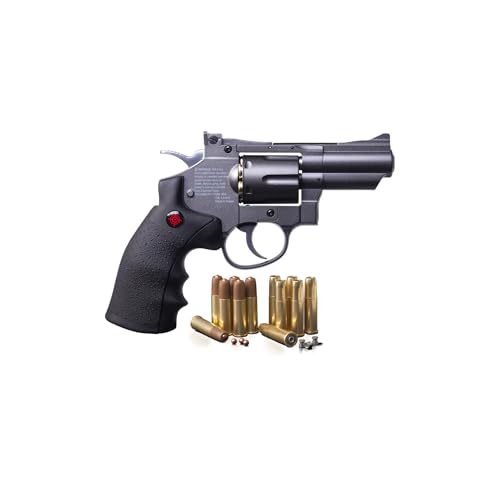
Crosman SNR357 Snub Nose 2026 Best Backyard Pick

Crosman SNR357 Snub Nose has that chunky little revolver feel people usually want before they even admit it. It’s compact, simple to load, and built around CO2 power, so it doesn’t ask for a whole workbench full of gear just to enjoy a short plinking session. The snub-nose shape makes it feel quick in the hand, though the short barrel also means expectations should stay realistic. This isn’t a long-range tack driver, and honestly, it shouldn’t pretend to be one.
The biggest draw is the dual-ammo design, since it can shoot BBs or pellets with the right shells. That matters because backyard shooting can get boring fast when every session feels the same. Pellets usually make more sense for cleaner target practice, while BBs keep things cheap and casual. Still, mixing ammo types without paying attention can get sloppy, so the shells need to be handled with a little care.
The CO2 revolver setup gives it a familiar rhythm: load the shells, seat the cartridge, check your target, and settle in. Nice and easy. The trigger pull may feel heavier than a basic spring pistol, but that also adds to the revolver character. Some folks will like that deliberate pull, while others may need a few sessions before their shots stop wandering low and left.
Compact size is a blessing and a small headache. The snub nose profile stores easily, feels less bulky, and makes quick handling more natural. But shorter sight radius can punish lazy aiming, especially past close backyard distances. So, yeah, it’s fun, but it rewards patience more than the size suggests.
Realistic handling is where the Crosman SNR357 Snub Nose earns its charm. The shells add a hands-on feel that plain stick magazines don’t quite deliver. There’s a small ritual to it, and that ritual slows everything down in a good way. Instead of blasting through rounds, it nudges each session toward cleaner habits and better control.
Maintenance stays pretty straightforward, though it shouldn’t be ignored. CO2 seals prefer a bit of care, and leaving cartridges seated forever is asking for trouble down the road. Temperature also affects power, so cold garages and chilly mornings can make performance feel weaker. Keep it warm, keep it clean, and it’ll feel much less fussy.
Crosman P1377 American Classic Air Pistol Review
Backyard shooting gets frustrating fast when a pistol feels flimsy, inconsistent, or awkward after twenty minutes of use. Cheap triggers, rattly frames, and unpredictable shots can suck the fun right out of an afternoon. The Crosman P1377 American Classic steps into a different lane by keeping things simple, mechanical, and surprisingly satisfying for a variable-pump pellet pistol. Its old-school pneumatic setup doesn’t chase flashy gimmicks, yet that’s exactly why so many shooters keep one around for years.
P1377 American Classic
Variable-pump power changes the whole personality of this air pistol. A couple of pumps keep things calm for short indoor-style practice setups, while extra pumps wake it up for stronger outdoor plinking sessions. That flexibility matters more than people think because not every shooting space needs maximum velocity all the time. Some pellet pistols feel locked into one mood, but this one adapts surprisingly well.
The pumping motion also adds a hands-on rhythm to shooting. Load a pellet, pump the forearm, settle your grip, then squeeze off a shot. That process slows things down in a good way and helps sharpen focus during target practice. Fast semi-auto blasting can be fun, sure, though the single-shot bolt action here tends to reward patience instead of sloppy shooting habits.
Noise stays fairly manageable compared to louder CO2 setups. That’s helpful in tighter backyard spaces where sharp cracking sounds can become annoying after a while. The pneumatic design gives the report a softer character, though pumping effort naturally increases at higher power levels. Nobody’s getting effortless magnum performance from a lightweight air pistol, and honestly, that tradeoff feels fair.
Control over velocity also helps with pellet experimentation. Lightweight pellets behave differently from heavier lead options, and the adjustable power lets shooters fine-tune their sessions a bit more than fixed-power pistols allow. Some pellets group nicely after six pumps, while others tighten up closer to ten. Half the enjoyment comes from tinkering with combinations until the pistol settles into its sweet spot.
Handling And Everyday Shooting Feel
The synthetic frame and grip won’t fool anyone into thinking this is a steel target pistol, but the lightweight handling has clear advantages. Longer practice sessions feel less tiring, especially for people still working on steady sight alignment and trigger control. Balance stays surprisingly neutral despite the pumping mechanism underneath the barrel. It doesn’t feel front-heavy the way some multi-pump pistols do.
Grip texture leans basic rather than aggressive. Sweaty hands can shift around a little during warmer weather, though the overall shape still sits comfortably in the palm. Some shooters end up adding aftermarket grip wraps or minor custom touches after extended use. That custom-friendly reputation has quietly become part of the pistol’s charm.
The bolt-action loading system keeps pellet seating straightforward. Pellets slide directly into the breech without much fuss, and the bolt operation feels simple enough for repeated practice sessions. Rapid follow-up shots obviously aren’t this pistol’s specialty, but accuracy-focused shooters usually won’t care much about speed anyway. Slow shooting often produces cleaner habits.
Sight alignment deserves a little patience early on. The fixed front blade sight works fine, while the adjustable rear sight helps dial things in for different pellet types and distances. Tiny adjustments can noticeably change impact points, especially at longer backyard ranges. Once everything settles, the pistol develops a dependable rhythm that feels more rewarding than flashy.
Accuracy Potential And Realistic Expectations
Accuracy discussions around the Crosman P1377 American Classic tend to split into two camps. Some expect ragged-hole precision right out of the box, while others understand that consistency takes practice, pellet testing, and proper pumping habits. Reality sits somewhere in the middle. The rifled steel barrel gives the pistol legitimate potential, but technique still matters quite a bit.
Grip pressure changes can throw shots wider than expected, especially for beginners. Lightweight pistols often exaggerate small mistakes because there isn’t much mass soaking up movement during trigger pulls. The trigger itself feels usable but not especially refined from the factory. Plenty of owners eventually tweak or upgrade components because the platform invites tinkering.
Skill development training is where this pistol quietly shines. Repeated loading, controlled breathing, and sight alignment become part of every session without feeling tedious. A rushed shot usually shows up immediately on paper targets, which teaches discipline pretty quickly. Fancy electronics and high-capacity magazines sometimes mask bad habits, but the P1377 doesn’t hide much.
Distance expectations should stay grounded. Backyard cans and paper targets fit the pistol naturally, while longer-range precision demands more effort and consistency from the shooter. Wind also starts affecting lighter pellets faster than many people expect. Tiny environmental factors suddenly matter once groups tighten up.
Maintenance And Long-Term Ownership
Pneumatic air pistols usually avoid the recurring CO2 cartridge expense, and that alone makes the P1377 appealing for frequent practice. Grab pellets, pump the pistol, and keep shooting without worrying about spare cartridges running dry halfway through the afternoon. That simplicity lowers the barrier for regular use. A pistol that’s easy to pick up often gets used more consistently.
Basic maintenance stays refreshingly uncomplicated. Occasional lubrication, barrel cleaning, and proper storage cover most of the essentials. Neglecting seals for long periods can eventually create pumping issues, though that’s common across multi-pump platforms in general. Reasonable care goes a long way here.
The lightweight synthetic build also handles casual outdoor use fairly well. Small scratches and bumps don’t feel catastrophic because this pistol was clearly designed for repeated practice rather than display-case treatment. People who baby every airgun might still cringe at cosmetic wear, but this platform feels happier being used regularly instead of sitting untouched.
Customization deserves a mention because the Crosman platform has built a surprisingly loyal following over the years. Modified grips, steel breeches, optics mounts, and trigger improvements show up everywhere in enthusiast discussions. Some shooters keep theirs bone stock for decades, while others slowly turn the pistol into a personalized backyard target setup.
Where The P1377 Fits Best
The Crosman P1377 makes the most sense for shooters who enjoy the process as much as the shot itself. Pumping, loading, adjusting sights, and experimenting with pellets become part of the experience rather than annoying extra steps. That slower pace won’t suit everyone. People wanting rapid-fire action may lose patience pretty quickly.
Backyard target sessions feel especially natural with this pistol because the recoil-free pneumatic action keeps things calm and predictable. Noise stays moderate, pellet costs remain manageable, and the pistol encourages focused practice instead of mindless blasting. Some evenings call for exactly that kind of slower shooting rhythm.
The compact design also slips easily into smaller gear bags or storage spaces. Large rifles can become awkward in apartments, garages, or crowded closets, while this pistol stays relatively easy to stash away between sessions. Practicality matters more than flashy styling once storage frustrations start piling up.
Interestingly enough, discussions around compact aiming setups sometimes overlap with concealed-carry optics conversations, and a related reference appears in best sight for sig p365. Different category entirely, sure, but the shared focus on sight picture and fast target alignment still pops up in both worlds.
Crosman P1322 American Classic Air Pistol Review
Cheap backyard shooting sessions usually fall apart for one simple reason: inconsistency. A pistol starts strong, then accuracy drifts, grips feel awkward, and the whole thing ends up forgotten in a drawer beside half-used tins of pellets. The Crosman P1322 American Classic avoids a lot of that frustration by sticking to a mechanical, stripped-down formula that still feels satisfying years later. Nothing flashy here, honestly, but the old-school multi-pump setup gives shooters more control than many people expect from a compact .22-caliber air pistol.
P1322 American Classic
Variable pump power changes how the pistol behaves from one session to the next. A few pumps keep things relaxed for close-range paper targets, while higher pump counts push heavier .22 pellets with noticeably more authority. That flexibility makes a difference in small backyard spaces where full power isn’t always practical. Some evenings call for quiet practice instead of loud, high-energy shooting.
The pumping effort feels manageable early on, though the final pumps naturally require more force. That tradeoff comes with the territory on pneumatic pistols, especially in .22 caliber where heavier pellets demand more energy. Still, the process becomes oddly satisfying after a while. Pump, load, aim, repeat. Slow rhythm. Clean mechanics.
Single-shot bolt action also changes the pace in a good way. Fast mag dumping disappears completely, replaced by more deliberate shooting habits that sharpen focus over time. Sloppy trigger pulls show up immediately on paper targets, and careless sight alignment doesn’t get hidden behind rapid follow-up shots. The pistol quietly teaches patience without turning practice into a chore.
The .22-caliber platform gives pellets a heavier, more planted feel on impact compared to lighter .177 options. Tin cans jump harder, reactive targets move with more authority, and short-range plinking feels a bit more satisfying overall. Velocity numbers stay moderate, though the larger pellet weight balances things nicely for backyard use.
Handling And Physical Feel
Synthetic grips keep the pistol lightweight and practical rather than fancy. Nobody’s mistaking it for a handcrafted competition pistol, but the simple grip shape feels comfortable enough during longer practice sessions. The frame stays easy to maneuver, especially in tighter shooting areas where larger airguns become awkward. Compact gear usually gets used more often because it’s less annoying to haul around.
Balance deserves some credit here. Multi-pump pistols sometimes feel nose-heavy due to the pumping mechanism, yet the P1322 keeps things fairly neutral in the hand. That balance helps steady sight alignment during slower target sessions. Tiny adjustments feel predictable instead of twitchy.
Crossbolt safety placement remains straightforward and easy to understand without overcomplicating the shooting experience. Safety controls should stay simple on training-focused pistols, and Crosman clearly leaned in that direction here. New shooters often benefit from uncomplicated controls because there’s already enough going on between pumping, loading, breathing, and trigger control.
The pumping arm itself feels sturdy enough for regular use, though aggressive slamming isn’t a great idea long term. Mechanical airguns reward smoother handling habits. Gentle consistency tends to keep everything functioning better over time, especially around seals and pivot points.
Accuracy And Practical Shooting Behavior
Rifled steel barrel performance ends up being one of the more pleasant surprises on this pistol. Pellet choice matters quite a bit, though once the barrel settles on a favorite type, groups can tighten up nicely at realistic backyard distances. Tiny pellets expose every mistake, and the P1322 doesn’t really hide poor form. That honesty actually helps skill development.
Trigger feel lands somewhere between usable and slightly rough out of the box. It’s not terrible, but nobody’s confusing it with a match-grade trigger either. Some shooters eventually tweak springs or internal parts to smooth things out. Others leave it stock and simply adapt through repetition.
Adjustable rear sights help compensate for different pellet weights and shooting distances. Small adjustments noticeably affect impact points, especially once targets move farther away. Wind also starts influencing heavier pellets in interesting ways outdoors. Calm evenings tend to produce much cleaner results.
The slower shooting pace becomes part of the appeal after a while. Every shot asks for a little preparation instead of mindless blasting. A rushed pump cycle or sloppy grip pressure usually sends pellets drifting off target, while careful technique gets rewarded quickly. That cause-and-effect feedback keeps practice surprisingly engaging.
Everyday Use And Long-Term Ownership
Pneumatic operation removes the constant dependency on CO2 cartridges, which changes the ownership experience more than people expect. Grab pellets, pump the pistol, and start shooting without wondering whether spare cartridges are buried somewhere in the garage. Simplicity tends to keep casual hobbies alive longer. Complicated setups usually collect dust.
Maintenance stays refreshingly basic. Occasional oiling, proper storage, and regular barrel cleaning cover most of the essentials. Multi-pump pistols still rely on healthy seals, so neglect eventually catches up with them. Leaving the pistol sitting untouched for years without lubrication rarely ends well.
The platform also has a strong reputation among hobby tinkerers. Steel breech conversions, optics mounts, custom grips, and trigger upgrades appear constantly in enthusiast conversations. Some owners enjoy modifying the pistol almost as much as shooting it. Others appreciate the straightforward factory setup and never change a thing.
Interestingly enough, discussions about adhesive durability and repetitive stress on equipment occasionally overlap with archery maintenance conversations, and a related reference appears in best glue for arrow vanes. Different hobby, sure, though long-term gear reliability tends to matter across both worlds.
Skill Building And Realistic Tradeoffs
Skill development training is clearly part of this pistol’s identity. Slow loading, manual pumping, and deliberate aiming force shooters to stay engaged throughout every session. Careless habits become obvious almost immediately on paper targets. That built-in feedback loop turns casual plinking into legitimate practice without making it feel overly serious.
Noise levels stay fairly manageable compared to louder gas-powered alternatives. Backyard sessions feel less disruptive, especially in tighter suburban spaces where sharp cracking sounds attract attention fast. Pump count influences sound levels naturally, so lighter practice setups remain pleasantly mellow. Quiet practice sessions often last longer because they feel less intrusive.
The pistol does carry a few limitations worth mentioning. Follow-up shots take time, especially once pump counts increase, and extended sessions can tire out younger shooters or anyone expecting effortless rapid fire. Trigger refinement also leaves room for improvement from the factory. None of those issues ruin the experience, though they shape expectations pretty clearly.
Crosman’s American Classic line survives partly because it embraces mechanical simplicity instead of trying to imitate tactical firearms packed with unnecessary extras. Steel barrel accuracy, variable power, and hands-on operation remain the core attraction. Sometimes slower shooting ends up being more satisfying anyway.
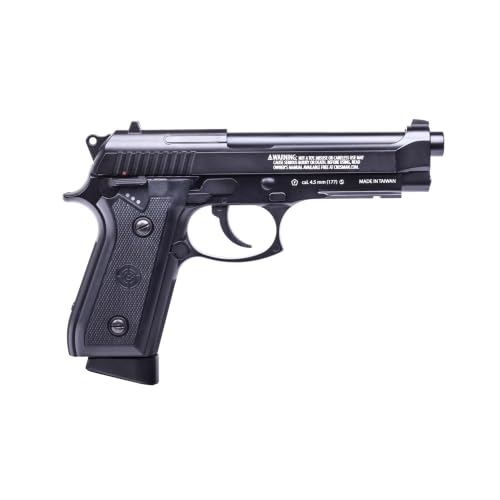
Crosman PFAM9B Full Auto Blowback BB Pistol
A backyard pistol can look exciting on the shelf and still feel flat the moment the first magazine runs dry. Weight matters, trigger feel matters, and that little kick from the slide can make practice feel less like tapping a toy and more like working through a real handling routine. The Crosman PFAM9B CO2-Powered Full Auto Blowback BB Air Pistol leans hard into that realistic side, with a full-size metal frame and blowback action that give it more presence than a lightweight plastic plinker. It doesn’t replace focused live-fire training, of course, but it does create a more involved way to practice safe handling, target transitions, and basic shooting rhythm with steel BBs.
Crosman PFAM9B
The first thing that stands out is the full-size all-metal frame and slide. That added weight makes the pistol feel more planted in the hand, which is a big deal during repeated target practice. Lightweight BB pistols can feel jumpy and hollow, almost like they’re asking you not to take them seriously. This one has more heft, and that helps the handling feel calmer before the first shot even breaks.
The blowback action gives the shooting cycle some movement instead of a dull pop after every trigger press. It’s not firearm recoil, and nobody should pretend otherwise, but it does add feedback that helps with follow-through. The slide motion keeps the session lively, especially during short bursts. Fun, yes, but also useful for noticing grip pressure and wrist control.
CO2 power keeps the setup simple. One 12-gram CO2 cartridge fuels the pistol, while the removable magazine handles traditional 4.5 mm steel BBs. That combination makes the pistol easy to stage for quick practice sessions without dragging out pumps, tanks, or extra equipment. Still, CO2 performance can shift with temperature, so cold weather may make the pistol feel less energetic.
The listed speed of up to 400 FPS gives it enough punch for target practice with proper backstops. Steel BBs can ricochet, though, so careless target setups are a bad idea. A safe pellet trap or BB-rated catch box matters more than people sometimes admit. The pistol feels casual, but safe handling can’t be casual.
Realistic Handling And Control Feel
The 19-round removable magazine adds a practical layer that single-shot pistols simply don’t have. Loading BBs, seating the mag, working the safety, and settling the sights all become part of the routine. That sequence feels closer to structured practice than random backyard plinking. It also keeps hands busy in a way that helps build familiarity with basic pistol handling.
The thumb safety sits where the control layout makes sense for repeated drills. Controls that feel awkward tend to get ignored, and that’s where bad habits sneak in. Crosman gave this model an ergonomic safety position, which helps reinforce deliberate handling between magazines. Small detail, big difference over time.
The DA/SA trigger setup adds another layer of personality. Double-action pulls can feel longer and heavier, while single-action shots usually feel cleaner after the pistol cycles. That change in trigger behavior forces a little more attention from the shooter. Lazy finger placement shows up fast on paper.
Grip feel matters during full-auto bursts, even with BB pistol recoil being mild. The metal slide movement can nudge the muzzle enough to spread shots if the grip gets loose. Short bursts usually make more sense than holding the trigger down until the magazine empties. Controlled rhythm keeps the pistol more interesting and the target less embarrassing.
Target Practice Strengths
The traditional fixed blade front and rear sights keep the sight picture basic and familiar. No fiber optics, no red dot, no extra clutter. That simplicity works well for learning how the front sight behaves during trigger press and slide movement. Plain sights can be humbling, but they teach honest feedback.
Accuracy expectations should stay realistic. A smoothbore BB pistol with blowback action isn’t built for tiny precision groups at long distances. Its real strength sits in close-range target practice, safe handling drills, and controlled shot placement on paper or reactive targets. Expecting benchrest behavior from this style of pistol misses the point.
The full-auto mode is the attention grabber, and sure, it’s fun. Burst shooting can help practice muzzle control and grip consistency, but it also burns through BBs and CO2 faster. That’s the tradeoff. The same feature that makes the pistol exciting also makes disciplined pacing more important.
There’s also value in the pistol’s size. A full-size frame gives more room for a proper grip than tiny compact BB pistols. Hands don’t feel cramped, and the extra weight makes transitions between targets feel more deliberate. That steadier feel can help reduce the twitchy habits that lighter air pistols sometimes encourage.
CO2 Use And Practical Limits
CO2-powered pistols bring convenience, but they also have habits of their own. Fresh cartridges usually give the sharpest feel, then performance softens as pressure drops. Rapid full-auto shooting cools the cartridge faster, which can reduce consistency during longer sessions. A slower pace keeps the pistol feeling more stable.
The blowback system also uses some of that CO2 to cycle the slide. That’s part of the fun, but it means efficiency won’t match non-blowback models. Shooters who only care about maximum shot count may prefer something simpler. Anyone who values realistic feedback will probably accept the tradeoff.
Magazine loading takes a bit of attention because steel BBs are small and easy to fumble. A calm setup area helps, especially outdoors where dropped BBs vanish into grass like they’ve got somewhere better to be. Keeping spare BBs organized makes the session smoother. Messy loading habits can turn a fun pistol into a minor headache.
Temperature deserves respect, too. Warm days usually let CO2 pistols feel snappier, while colder conditions can make the slide cycle less sharply. That doesn’t mean the pistol is unreliable by design. It just means CO2 performance follows physics, not wishful thinking.
Safety, Training Value, And Fit
The Crosman PFAM9B fits best as a realistic BB pistol for controlled target practice rather than quiet precision work. Its weight, blowback motion, removable magazine, and safety controls all push the experience toward handling practice. That makes it more involved than a basic plinker. It asks for attention, and that’s part of its appeal.
Steel BBs demand a serious backstop. They can bounce off hard surfaces, especially metal, wood, or angled objects. Eye protection should be treated as non-negotiable around BB pistols. The pistol may be air-powered, but careless target setups can still create real problems.
The crosman snr357 snub nose keyword points toward compact revolver-style interest, while the PFAM9B takes a different path with a full-size semi-auto layout and blowback action. That difference matters because the revolver feel is slower and more mechanical, while this pistol is faster, louder in personality, and more magazine-driven. Neither style is automatically better. The better fit depends on whether the session calls for deliberate shell-style handling or sharper semi-auto repetition.
Airgun discussions often overlap with longer-range replica platforms, especially around sight picture, BB behavior, and realistic expectations. A separate reference on range-focused airsoft setups sits naturally in best airsoft gun for long range, even though the PFAM9B itself is better understood as a close-range BB target pistol.
Ownership Feel And Tradeoffs
The all-metal construction gives the pistol a satisfying feel, but it also adds weight that may tire smaller hands during extended use. That isn’t a flaw so much as a design choice. Realistic handling usually comes with extra mass. Lightweight convenience and metal-frame feel rarely live in the same room.
The 19-round capacity feels generous enough for short drills without making every session turn into careless spraying. Full-auto mode can empty that magazine quickly, though, so controlled bursts make more sense. A few disciplined strings usually teach more than one long BB hose-down. Besides, reloading every few seconds gets old fast.
Maintenance stays pretty simple if the pistol is treated properly. CO2 seals appreciate the right care, and storing the gun with a cartridge installed for long periods can shorten seal life. Wiping down the metal surfaces after handling also makes sense, especially in humid garages or sheds. Small habits help keep the pistol feeling crisp.
The Crosman PFAM9B CO2-Powered Full Auto Blowback BB Air Pistol won’t suit someone chasing quiet, slow, precision pellet work. It’s more about realistic weight, slide movement, magazine handling, and short-range target practice with a bit of attitude. That personality is exactly the draw. Used within its lane, it feels lively without pretending to be something it’s not.
Crosman SNR357 Snub Nose CO2 Revolver Review
Small air pistols can feel fun for five minutes, then start showing their weak spots once the novelty wears off. Loose handling, vague sights, and toy-like weight can make target practice feel more like noise than skill-building. The Crosman SNR357 Snub Nose takes a different route with a heavy full-metal body, reusable cartridges, and a compact revolver profile that feels deliberate in the hand. It’s not trying to be a long-distance precision tool, and that honesty is part of what makes it interesting.
SNR357 Snub Nose
The full-metal body gives this revolver a grounded feel right away. That extra weight helps it avoid the hollow, plastic snap that shows up in many casual BB pistols. A short barrel can make aiming less forgiving, but the added heft brings a steadier feel during slow target work. Compact doesn’t mean flimsy here, which is a nice change of pace.
The sleek black finish also suits the snub-nose shape without making the pistol look overdone. It has a practical, no-nonsense appearance that fits the revolver style well. More importantly, the finish pairs with the metal construction to make the pistol feel more substantial during handling. Looks matter a little, sure, but feel matters more once pellets start landing on paper.
The snub nose design brings a clear tradeoff. Storage feels easier, handling feels quick, and the pistol doesn’t seem bulky during short backyard sessions. But a shorter sight radius can punish rushed aiming, especially for anyone expecting effortless tight groups. This revolver asks for patience, even though its size makes it look casual.
The crosman snr357 snub nose setup suits short-range target practice better than stretched-out distance work. Tin cans, paper targets, and controlled backyard drills make more sense than chasing tiny groups far downrange. That isn’t a weakness if expectations stay realistic. A compact CO2 revolver should feel enjoyable, safe, and repeatable, not pretend to be a competition pistol.
CO2 Power And Dual Ammo Setup
The 12-gram CO2 cartridge keeps the shooting process simple and familiar. Insert the cartridge, load the reusable shells, and the revolver is ready for a casual practice session. Crosman lists speeds up to 400 fps with BBs and 500 fps with .177 pellets, which gives the pistol enough punch for proper target setups. CO2 is convenient, though it still reacts to temperature and fast shooting pace.
The dual-ammo compatibility adds real flexibility. Traditional steel BBs keep plinking simple and inexpensive, while .177-caliber pellets bring a different feel on paper targets. That split personality helps the pistol stay interesting after the first few sessions. Still, ammo choice needs attention because pellets and BBs use different reusable cartridges.
Crosman includes 6 reusable BB cartridges and 6 reusable pellet cartridges, which gives the revolver its hands-on rhythm. Loading shells one by one slows everything down, but in a good way. There’s a small ritual to it, almost like the pistol is reminding you not to rush. That slower pace helps keep shots more deliberate and practice more focused.
The CO2 system does have limits. Rapid shooting can cool the cartridge and soften performance, especially during longer sessions. Cold weather can also make the revolver feel less lively. A steady pace usually gives better consistency than emptying shells as quickly as possible.
Sights, Safety, And Control Feel
The fixed blade front sight keeps the sight picture simple. No flashy inserts, no complicated optics, just a basic front blade paired with an adjustable rear sight. That setup works well for close-range target practice because it forces attention back to alignment and trigger control. Plain sights can be unforgiving, but they’re honest.
The adjustable rear sight gives the revolver some tuning room for different ammo types. BBs and pellets won’t always land in the same place, so adjustment matters if accuracy is the goal. Small changes can help tighten groups once a favorite pellet or BB brand is chosen. The pistol rewards a little tinkering instead of random guessing.
The slide safety supports proper handling without making the controls feel cluttered. Safety controls on air pistols need to be easy to understand because practice sessions often involve repeated loading and unloading. A simple safety layout helps reinforce careful habits between strings of shots. That matters even with an air-powered revolver.
The trigger feel belongs to the revolver experience. It won’t feel like a light target trigger, and it shouldn’t be judged like one. The heavier pull can nudge shots off target if grip pressure gets sloppy. After a few sessions, though, that same pull becomes part of the pistol’s character and training value.
Training Value And Backyard Use
Skill development training is one of the better reasons to take this revolver seriously. The reusable cartridges, deliberate loading process, and compact sight picture all slow the shooter down. That slower rhythm can improve basic habits because every shot feels more intentional. Spray-and-pray plinking doesn’t really fit this platform.
The heavy-weight frame helps with steadiness during short target sessions. Lightweight pistols often wobble more than expected, especially in newer hands. This revolver’s weight gives the grip more presence, which can make sight alignment feel less twitchy. Long sessions may still tire smaller hands, but the tradeoff feels reasonable.
Backyard use demands a proper target area. Steel BBs can bounce off hard surfaces, so a safe BB-rated trap or soft backstop should be part of the setup. Pellets usually behave differently on impact, yet they still require responsible target planning. The revolver feels fun, but safe handling has to stay front and center.
Airgun practice often overlaps with broader training conversations because sight picture, trigger control, and repeatable handling matter across platforms. A related reference on structured airgun practice appears naturally in best air rifles for training, especially for anyone thinking about longer-form skill work beyond compact pistol sessions.
Strengths, Weak Spots, And Fit
The strongest part of the Crosman SNR357 Snub Nose is its combination of weight, compact handling, and dual-ammo flexibility. Many BB pistols offer speed but not much character. This one feels more mechanical because the shells make every reload part of the experience. That makes short practice sessions feel less disposable.
The snub-nose barrel remains the main limitation. It handles quickly, but it won’t give the same forgiving sight radius as a longer pistol. Precision takes more work, and shaky trigger habits show up fast. Anyone expecting easy long-range accuracy may walk away annoyed.
The reusable cartridges are both a strength and a small hassle. They add realism and keep the revolver interesting, but dropping them in grass or misplacing them can interrupt the whole session. Keeping a tray or small pouch nearby helps more than you’d think. Tiny gear has a funny way of disappearing at the worst moment.
The CO2 cartridge setup also means ongoing consumables are part of ownership. That’s normal for this category, yet it’s worth acknowledging. Multi-pump pistols avoid cartridge costs, while CO2 revolvers offer easier shooting between reloads. Convenience wins here, but not for free.
Ownership Experience And Realistic Expectations
The SNR357 feels best as a compact target revolver with personality. Its full-metal construction gives it a more serious feel than many lightweight plinkers, while the reusable cartridges add an old-school charm. It’s the kind of pistol that makes loading part of the enjoyment. Not everyone wants that slower process, and that’s fair.
Maintenance should stay simple if the revolver is treated with care. CO2 seals appreciate proper lubrication, and leaving cartridges installed for long periods isn’t a smart habit. Wiping down the metal body after handling also makes sense, especially in humid storage spaces. Small routines help preserve that crisp handling feel.
The pistol’s BB and pellet compatibility makes it easier to tailor sessions. BBs fit quick plinking on the right backstop, while pellets can be more satisfying for paper target work. Switching between the two gives the revolver more staying power than a single-ammo design. Just keep the cartridges separated and clearly understood.
The Crosman SNR357 Snub Nose .177-Caliber Pellet/BB CO2-Powered Revolver lands in a specific lane: compact, tactile, realistic enough to feel engaging, and simple enough for repeat practice. It has limits, especially in sight radius and CO2 consistency, but those limits don’t erase the appeal. Used for close-range target work and careful skill-building, it brings more character than its small frame suggests.
Crosman C11 Semi-Auto CO2 BB Air Pistol Review
Fast backyard plinking can turn messy pretty quickly when the pistol feels too light, the magazine runs dry too soon, or the sights don’t give enough feedback to correct bad habits. A simple CO2 pistol needs to feel easy, repeatable, and honest about what it can do. The Crosman C11 Semi-Auto CO2-Powered BB Air Pistol fits that casual practice lane with a polymer frame, a 20-round BB magazine, and a familiar semi-auto rhythm. It’s not built to mimic the heavy revolver feel of the crosman snr357 snub nose, but that lighter, faster personality gives it a different kind of backyard usefulness.
Crosman C11
The polymer frame gives the Crosman C11 a lightweight feel that works well for short, repeatable practice sessions. It doesn’t have the heavy, full-metal presence of some CO2 pistols, but that lower weight makes it easier to handle for longer stretches. Fatigue matters more than people admit, especially when every small wrist movement can shift shots off target. The tradeoff is simple: less realism in the hand, more easygoing convenience.
The pistol’s semi-auto BB design keeps the pace lively without requiring pumping between shots. That’s a big change from multi-pump air pistols where every round takes extra setup. Load the magazine, seat a CO2 cartridge, and the C11 settles into a quick plinking rhythm. Used with discipline, that speed can help build smoother trigger control instead of turning the session into BB chaos.
The listed speed of up to 480 fps gives it enough snap for paper targets and basic backyard cans with the right backstop. Steel BBs can bounce, though, so hard surfaces are asking for trouble. A proper BB trap and eye protection aren’t optional details. They’re part of making this pistol feel fun instead of reckless.
The C11 works best with realistic expectations. It’s a light polymer-framed CO2 BB pistol, not a precision pellet gun or a metal-frame training clone. That doesn’t make it weak. It just means its sweet spot sits in casual target practice, quick handling drills, and low-fuss plinking sessions.
Magazine Capacity And Shooting Rhythm
The 20-round 4.5mm BB magazine gives the pistol a useful amount of shooting time before reloading interrupts the flow. Twenty rounds won’t feel endless, but it’s enough for short strings on paper or small reactive targets. That capacity also makes it easier to practice controlled pairs and steady follow-up shots. Just don’t let the larger magazine encourage sloppy trigger slapping.
Magazine-fed BB pistols bring a different routine than shell-loaded revolvers. The Crosman C11 is quicker to reload than a cartridge-style CO2 revolver, which can be helpful during short sessions after work or between chores. Less ritual, more shooting. Some people will miss the mechanical feel, but others will appreciate the speed.
The semi-auto action encourages pacing. A rushed string can scatter BBs across the target, while a steady rhythm usually gives cleaner results. That’s where the pistol becomes more useful than it first appears. It teaches trigger discipline because the next shot is always available, and restraint becomes part of the practice.
BB loading can still be fiddly. Small steel rounds love to roll away at the worst possible moment, especially on garage floors or outdoor tables. Keeping a small tray nearby saves frustration. Tiny setup habits can make the difference between a smooth session and a lot of muttering under your breath.
Sights, Rail, And Control Setup
The fixed blade front sight keeps the sight picture clean and basic. Paired with an adjustable rear sight, it gives enough tuning room for common backyard distances. Basic sights can feel plain, but they force the shooter to watch alignment instead of leaning on gadgets. That’s useful for building repeatable habits.
Rear sight adjustment matters because BB pistols don’t always land exactly where the box picture suggests. Different BB brands, CO2 pressure, and temperature can nudge point of impact. A few careful adjustments can make the pistol feel more predictable. Guessing wastes BBs faster than most people expect.
The Picatinny rail adds accessory flexibility under the frame. A compact light or laser-style accessory may fit depending on size and setup, though extra gear can make a lightweight pistol feel awkward. The rail is useful, but it shouldn’t become decoration for decoration’s sake. Balance still matters.
The control layout stays approachable. Simple handling is one of the C11’s stronger traits because it doesn’t bury the shooter under extra steps. That ease makes it less intimidating during casual practice. Still, easy operation should never turn into careless handling.
CO2 Performance And Practical Limits
The 12-gram CO2 cartridge system keeps things convenient. No pumping, no external tank, no long setup routine. That convenience is the whole charm of the C11. Pop in a cartridge, load BBs, and the pistol is ready for a quick target session.
CO2 also has moods. Temperature affects pressure, and fast shooting can cool the cartridge enough to soften performance. The pistol may feel sharper at the start of a cartridge and a little less lively later. That’s normal for this category, not a strange defect.
The polymer construction helps keep the pistol manageable, but it also means the shooting feel won’t satisfy someone chasing heavy realism. The crosman snr357 snub nose has a heavier revolver-style personality, while the C11 leans toward light, quick, magazine-fed practice. Neither style wins every situation. They simply solve different problems.
Shot consistency improves with a calmer pace. Hammering through a full magazine as quickly as possible burns CO2 and spreads groups. Short pauses help keep the pistol more predictable. That little bit of patience pays off on the target.
Backyard Use And Safety Habits
Target practice is where the Crosman C11 feels most at home. Paper targets, cans, and BB-safe traps all make sense, as long as the backstop is chosen carefully. Steel BBs are notorious for ricochet risk on hard surfaces. A casual pistol still needs a serious setup.
The lighter frame makes one-handed practice more manageable, though two-handed shooting usually produces cleaner results. Grip pressure matters because a lightweight air pistol can twitch during the trigger pull. A steady stance and smooth press help more than any accessory bolted to the rail. Simple fundamentals still run the show.
This pistol may not be the best fit for someone wanting slow, deliberate pellet work. BBs are convenient and fun, but pellets usually offer a different kind of accuracy potential in rifled-barrel designs. The C11 is better understood as a quick CO2 plinker. Expecting it to behave like a target pellet pistol will only lead to grumbling.
Airgun and hunting discussions sometimes overlap around small-game practice concepts, range judgment, and safe projectile behavior, and a related outdoor reference appears in best magnum rimfire rifles and ammo for squirrel hunting. The C11 itself stays firmly in the BB target-practice lane, but careful backstop thinking matters across both conversations.
Ownership Feel And Best-Fit Scenarios
The Crosman C11 makes sense for quick, no-drama practice where convenience matters more than heavy realism. Its polymer frame, CO2 power, and 20-round magazine keep the experience light and approachable. There’s not much ceremony involved. That’s the point.
Storage is easy because the pistol doesn’t take up much room. It can fit into small gear spaces where larger air pistols or rifles become annoying. That matters for garages, closets, and compact hobby setups. Gear that stores easily tends to get used more often.
The Picatinny rail adds a little room for experimentation, but the core appeal stays simple. Add too much weight and the C11 starts losing the easy handling that makes it appealing in the first place. A small accessory may make sense for specific practice, while bulky add-ons feel out of place. Restraint works better here.
The main weakness is feel. Shooters who want metal heft, blowback motion, or revolver-style loading may find the C11 too straightforward. But for fast BB practice, simple operation, and casual target sessions, the Crosman C11 Semi-Auto CO2-Powered BB Air Pistol has a clear role. It’s light, quick, and honest about being a practical plinker rather than a showpiece.