
Best Crosman Summit Air Rifle 2026 Backyard Pick

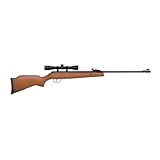
The crosman summit air rifle sits in that sweet spot where a break-barrel rifle feels serious without turning every afternoon target session into a chore. Its Nitro Piston powerplant gives it a smoother firing cycle than many old-school spring rifles, with less twang and less fussy behavior after it has been cocked. That matters more than it sounds, especially after a few dozen pellets, because comfort starts showing up in the little things. Less buzz, steadier follow-through, fewer moments where the rifle feels like it’s fighting back.
Accuracy still depends on patience, pellet choice, and a clean shooting routine. The Summit isn’t the kind of air rifle that magically fixes rushed trigger pulls or shaky rests, and honestly, that’s part of the deal with a break barrel. A rifled barrel, a full-size stock, and an included scope give it the right bones for paper targets, cans, and careful small-property pest control where local rules allow it. But, yep, the scope may need proper mounting, tightening, and zeroing before it feels trustworthy.
Break-barrel simplicity is the big draw here. No CO2 cartridges hiding in a drawer, no hand pump, no tank, no battery, no weird setup ritual before a quick practice session. Cock it, load one pellet, settle in, and shoot. That slower rhythm can actually be a good thing, since it nudges better habits instead of encouraging sloppy speed.
The rifle’s weight gives it a planted feel, but that same heft may be tiring for younger shooters or anyone expecting a feather-light plinker. The cocking stroke also deserves respect. It’s manageable for many adults, yet not something to dismiss if long sessions or smaller hands are part of the picture. Still, the tradeoff is a rifle that feels more stable on the shoulder than many lightweight budget models.
Noise control is another practical reason people look at this model. Nitro piston rifles usually sound sharper at the muzzle than a toy-like backyard BB gun, but they avoid much of the metallic spring noise that can make cheap break barrels feel rough. Neighbors, fences, echoing sheds, and early evening practice all make sound matter in real life. The Summit won’t be silent, though it can feel more civilized than harsher spring-powered rifles.
Pellet selection can make or break the experience. Lightweight pellets may chase higher speed numbers, while mid-weight domed pellets often bring calmer groups and better consistency. That’s not flashy, but it’s the kind of practical detail that saves frustration. A rifle like this rewards the person who buys a few pellet types, shoots groups, and lets the target tell the truth.
The crosman summit air rifle makes the most sense for someone who wants a sturdy, low-maintenance airgun for repeatable practice rather than a delicate showpiece. It asks for a steady hold, basic scope care, and realistic expectations. Give it that, and it becomes a dependable tool for learning clean shots, managing pests responsibly, and enjoying a quiet stretch of target time without a pile of extra gear.

- ARS Mark9.0
ARS Mark is a ranking system developed by bestairriflescopes.com. ARS Mark has no relationship or impact from any manufacturers or sales agent websites. Learn more
- BrandCrosman

- ARS Mark8.6
ARS Mark is a ranking system developed by bestairriflescopes.com. ARS Mark has no relationship or impact from any manufacturers or sales agent websites. Learn more
- BrandCrosman
- ARS Mark9.0
ARS Mark is a ranking system developed by bestairriflescopes.com. ARS Mark has no relationship or impact from any manufacturers or sales agent websites. Learn more
- BrandCrosman

- ARS Mark8.6
ARS Mark is a ranking system developed by bestairriflescopes.com. ARS Mark has no relationship or impact from any manufacturers or sales agent websites. Learn more
- BrandCrosman

- ARS Mark-
ARS Mark is a ranking system developed by bestairriflescopes.com. ARS Mark has no relationship or impact from any manufacturers or sales agent websites. Learn more
- BrandCrosman

- ARS Mark8.4
ARS Mark is a ranking system developed by bestairriflescopes.com. ARS Mark has no relationship or impact from any manufacturers or sales agent websites. Learn more
- BrandCrosman

- ARS Mark8.0
ARS Mark is a ranking system developed by bestairriflescopes.com. ARS Mark has no relationship or impact from any manufacturers or sales agent websites. Learn more
- BrandCrosman
Last update on 2026-05-29 / Affiliate links / Images, Product Titles, and Product Highlights from Amazon Product Advertising API
Crosman Summit Air Rifle Alternatives For Fast BB Fun
Backyard shooting gets stale fast when every session feels identical. Slow reloads, awkward handling, and clunky triggers can suck the fun right out of a weekend setup, especially once the novelty wears off. The crosman summit air rifle conversation usually circles around break-barrel precision, but some shooters lean the other way entirely and want noise, movement, recoil feel, and rapid-fire chaos instead. That shift in priorities puts the Crosman CAK1 Full or Semi-Auto CO2 BB Rifle in a completely different lane.
Crosman CAK1 BB Rifle
The shortened name fits because this rifle already has enough attitude without dragging along a mile-long product title. The CAK1 blends tactical styling with ridiculous firing speed, pushing steel BBs at up to 430 FPS while dumping rounds in full-auto mode at a pace that feels borderline excessive. One quick burst can empty the magazine before your brain fully catches up. Honestly, that’s half the appeal.
Weight distribution feels surprisingly balanced for a CO2-powered BB rifle. The folding adjustable stock helps a lot here because compact setups matter once you start shooting in tighter backyard lanes or smaller indoor ranges. Some tactical-style air rifles feel toyish in the hands, all plastic shell and no substance. This one has enough heft and rigidity to avoid that cheap hollow feel.
The first thing most people notice isn’t the speed. It’s the sound. Semi-auto mode already feels lively, but flipping over to full-auto changes the whole mood. BBs start flying in a blur, empty cans dance around, and cardboard targets get shredded in seconds. It’s messy, loud, and oddly satisfying.
Rapid-fire setups always come with tradeoffs, though. Precision takes a hit compared to pellet rifles built for tighter groups. At short distances, sure, the CAK1 stays entertaining and reasonably accurate. Stretch things farther out and you’ll notice BB spread widening fast, especially during bursts.
What Makes The CAK1 So Addictive
Full-auto capability changes shooting rhythm entirely. Traditional break-barrel rifles slow everything down with one-shot loading and deliberate pacing. The CAK1 flips that experience upside down. Instead of slowing down between shots, you lean into fast target transitions and reactive shooting.
The 28-round drop-out magazine deserves credit because reloads stay quick and intuitive. That magazine also stores two CO2 cartridges, which keeps the rifle cycling consistently during heavier firing sessions. Some cheaper CO2 rifles lose steam halfway through rapid shooting, especially in colder temperatures. The CAK1 handles bursts better than expected, though heavy trigger-happy sessions will still chew through gas fast.
Handling feels surprisingly comfortable during extended use. The pistol grip and adjustable stock create a setup that works across different body sizes without feeling cramped. A fixed stock can turn longer sessions into shoulder fatigue territory pretty quickly. This setup avoids that problem better than many budget tactical BB rifles.
One practical detail stands out after a few sessions: cleanup. Steel BB shooting tends to create ricochets and scattered ammo everywhere if the backstop setup isn’t solid. Pellet rifles usually feel tidier and more controlled by comparison. The CAK1 needs a smarter shooting environment, otherwise spent BBs end up rolling into every corner imaginable.
Real-World Shooting Experience
Cold weather exposes weaknesses in many CO2-powered airguns, and the CAK1 isn’t immune. Rapid firing drains CO2 quickly, which lowers pressure and gradually softens velocity. Semi-auto shooting stretches cartridge life noticeably better than mag dumps. Anyone expecting endless uninterrupted bursts from a single pair of cartridges may end up disappointed.
Trigger feel leans more practical than refined. Nobody’s mistaking this for a match-grade target rifle, and honestly, that’s not the point. The trigger stays functional enough for fast shooting without becoming frustrating. During semi-auto use, it remains manageable. Full-auto mode basically turns precision concerns into background noise anyway.
The quad mounting rail system opens the door for accessories without overcomplicating the rifle itself. Red dots pair especially well because they match the rifle’s fast-paced personality. Huge scopes feel awkward here. This platform works better with quick target acquisition rather than careful long-range aiming.
Noise level sits higher than many backyard pellet rifles, especially during rapid bursts. That matters more than some people expect. Quiet suburban spaces, nearby neighbors, or smaller indoor setups may limit how often full-auto mode feels practical. The CAK1 definitely announces itself.
Pros And Cons That Actually Matter
Pros become obvious almost immediately. The rifle feels fun without requiring complicated setup routines. Full-auto mode delivers chaotic energy that most pellet rifles simply cannot match. Adjustable furniture improves comfort, and the realistic handling gives it stronger replay value than stripped-down entry-level BB guns.
Another advantage sits in the learning curve. Beginners usually adapt quickly because loading and operation stay straightforward. Semi-auto mode also creates a gentler transition before diving into rapid-fire bursts. That flexibility helps prevent the rifle from feeling one-dimensional.
The downsides deserve equal attention. CO2 consumption climbs quickly during aggressive firing sessions, and replacement cartridges add ongoing cost over time. Accuracy remains acceptable for casual plinking but doesn’t compete with dedicated pellet rifles focused on tighter grouping. The firing speed can also encourage careless ammo dumping instead of deliberate shooting habits.
Steel BBs create their own headaches too. Ricochet risk stays higher than with softer lead pellets, so safe backstops matter more than ever. Thin metal targets or hard surfaces can send BBs bouncing unpredictably. Eye protection isn’t optional here. It’s mandatory.
How It Differs From Traditional Air Rifles
The crosman summit air rifle category usually attracts people chasing cleaner accuracy, quieter operation, and steadier shooting discipline. The CAK1 goes after a totally different feeling. It prioritizes movement, speed, and reactive fun over tiny group sizes. That difference shapes the entire ownership experience.
Break-barrel pellet rifles reward patience. The CAK1 rewards momentum. One style isn’t automatically better than the other. They simply scratch different itches. Some shooters love dialing scopes and testing pellets for tiny improvements. Others just want cans bouncing everywhere while a magazine disappears in seconds.
Maintenance routines differ as well. Pellet rifles often need barrel cleaning and careful pellet experimentation. The CAK1 shifts attention toward CO2 management, magazine loading, and safe BB containment. Neither setup feels maintenance-free, though the type of effort changes quite a bit.
In real-world usage, a relevant reference is Umarex Embark Youth Air Rifle, especially for shooters comparing lightweight training-focused rifles against tactical CO2 platforms. The contrast highlights how differently air rifles can behave depending on design priorities.
Situations Where The CAK1 Makes Sense
Fast-paced plinking sessions suit this rifle perfectly. Reactive targets, cans, spinning plates, and casual range setups all match the CAK1’s personality better than paper precision drills. The rifle shines most when movement and rapid engagement matter more than tiny shot clusters.
Compact storage helps too. The folding stock makes transportation and storage easier in smaller apartments, crowded garages, or packed gear closets. Larger fixed-stock rifles can become awkward surprisingly quickly once storage space tightens up.
Long backyard sessions can expose the rifle’s appetite for CO2 and BBs. That operating cost sneaks up on people who spend most of their time with spring or pump airguns. Rapid-fire temptation burns through supplies fast. A single energetic afternoon can empty a container of BBs before you realize it.
Then again, that chaotic energy is exactly why some people keep grabbing the CAK1 instead of more precise rifles sitting right beside it. Tiny groups on paper feel satisfying in one way. Watching cans explode across the yard at full-auto speed scratches a completely different itch.
Crosman Summit Air Rifle Options For Backyard Practice
Pellet rifles have a funny way of exposing bad habits. Rush the shot, hold the stock too tight, or get lazy with pumping pressure and suddenly the group opens up like a busted zipper. That learning curve is exactly why the crosman summit air rifle category keeps pulling people back into backyard shooting. Somewhere between casual plinking and serious practice sits the Crosman .177 Pellet / BB Pneumatic Pump Air Rifle, a rifle that feels old-school in the best possible way.
Crosman Pumpmaster 760
The shortened name fits because most shooters already know this rifle by reputation alone. The Pumpmaster 760 has been around long enough to earn a familiar place in garages, basements, and backyard target setups across the country. Unlike heavier break-barrel rifles that demand one hard cocking motion, this pneumatic design spreads effort across multiple pumps. That makes the shooting rhythm feel calmer and less punishing during longer sessions.
The first thing many people notice is the variable power control. Pump it a few times for close-range cans or lightweight indoor traps, then increase the pressure when targets move farther out. That flexibility matters more than flashy velocity numbers. Some days you want quiet backyard practice without annoying every neighbor within earshot.
Its dual-ammo compatibility also changes the experience quite a bit. Steel BBs keep casual plinking cheap and easy, while .177 pellets tighten accuracy for more deliberate shooting. Not every multi-ammo rifle handles both equally well, though. Pellets definitely outperform BBs once tighter grouping starts mattering.
The synthetic stock helps the rifle stay practical instead of precious. Scratches, damp weather, dusty sheds, and rough handling won’t immediately ruin the finish. Some wood-stock rifles look gorgeous but turn owners into nervous caretakers. The Pumpmaster feels more relaxed about everyday use.
Daily Shooting Feel
Pumping effort stays manageable for most shooters, especially compared to stiff break-barrel systems. Younger users or smaller-framed shooters often struggle with heavy cocking rifles after a few dozen shots. The multi-pump setup spreads the workload out, which reduces fatigue during extended practice sessions.
That said, pumping between every shot changes the pace dramatically. Fast follow-up shooting disappears. Some people love that because it slows everything down and encourages cleaner fundamentals. Others get impatient after the novelty fades and start wishing for semi-auto convenience.
Noise control ends up being one of the rifle’s more underrated strengths. Lower pump counts keep the report surprisingly mild, especially indoors or in smaller suburban spaces. A loud crack bouncing off fences and garages gets old fast. The Pumpmaster behaves more politely than many high-powered pellet rifles.
Handling feels lightweight without crossing into toy territory. A few tactical-style air rifles become awkwardly front-heavy after optics or accessories get attached. This rifle stays simple and balanced. Honestly, that simplicity helps beginners focus on shooting instead of fiddling with rails and gadgets.
Accuracy And Realistic Expectations
The rifled steel barrel gives pellets a clear advantage over BBs. At shorter backyard distances, pellet groups stay reasonably tight if the shooter does their part. BBs remain fun for reactive targets and casual plinking, but they don’t deliver the same consistency once precision matters.
Velocity ranges between roughly 350 FPS and 700 FPS depending on pump count and ammo choice. That wide range creates flexibility but also introduces inconsistency if pumping habits change shot to shot. Forgetting how many pumps you used becomes surprisingly common during relaxed target sessions.
Wind also exposes the rifle’s limitations pretty quickly. Lightweight pellets drift more than many people expect, especially in open yards or breezy afternoons. A calm day makes the rifle feel far more capable. Push distances too far outdoors and accuracy starts getting humbled in a hurry.
Trigger feel leans basic rather than refined. Nobody’s confusing this with a match-grade target rifle, and that’s fine. The trigger stays predictable enough for skill development without becoming frustratingly heavy. Familiarity improves results more than hardware upgrades here.
Pros That Keep It Relevant
Affordability remains a huge part of the appeal. The rifle delivers flexible backyard shooting without forcing owners into CO2 cartridges or expensive PCP gear. Pumps cost effort instead of money, which some shooters genuinely appreciate after burning through countless cartridges elsewhere.
Another advantage comes from the rifle’s forgiving nature. Missed shots, rough handling, changing weather, and occasional neglect rarely knock it completely out of commission. Some precision-focused rifles demand constant maintenance and careful storage. The Pumpmaster feels more tolerant of real-world use.
Skill development also benefits from the slower shooting pace. Pumping between shots naturally discourages reckless spraying and rushed follow-ups. Breathing control, sight alignment, and trigger discipline become more noticeable because every shot requires a little setup effort.
One practical detail worth mentioning is ammunition cost. BBs remain inexpensive for casual practice, while pellets open the door for more serious accuracy work. Having both options in one rifle gives owners flexibility without requiring multiple guns stacked in the closet.
Cons And Tradeoffs
Pumping fatigue eventually creeps in during long shooting sessions. Ten shots feel easy. Fifty shots? Different story. Arms and shoulders start noticing repetitive motion surprisingly fast, especially at higher pump counts.
The lightweight build can also feel slightly hollow compared to heavier rifles. Some shooters prefer that because it improves maneuverability and portability. Others want more heft and recoil feel to mimic centerfire handling more closely.
Plastic components appear throughout the rifle, which helps keep costs lower but also limits the premium feel. The rifle survives normal use well enough, though aggressive handling or careless drops may expose weak spots over time. Nobody buys the Pumpmaster expecting heirloom craftsmanship.
BB usage introduces wear concerns too. Steel BBs traveling through rifled barrels can gradually affect barrel condition compared to pellet-only shooting. Casual users may never notice much difference, but pellet shooters chasing tighter accuracy often avoid heavy BB use for that reason.
How It Compares To Modern Air Rifles
The crosman summit air rifle crowd often leans toward break-barrel systems with stronger power output and more hunting-focused capability. The Pumpmaster travels a different road. It prioritizes affordability, flexibility, and low-pressure backyard shooting instead of raw force.
CO2 rifles deliver faster follow-up shots, sure, but they also introduce recurring cartridge costs and temperature sensitivity. PCP rifles feel smoother and more powerful, though the added pumps, tanks, and accessories quickly get expensive. The Pumpmaster keeps the barrier to entry refreshingly low.
From a practical angle, a relevant reference is Best Gun For A Thermal Scope, especially for shooters comparing lightweight training rifles against more advanced optic-ready platforms. That contrast highlights how differently air rifles serve different shooting habits.
Storage and transport stay easy because the rifle remains relatively slim and lightweight. Large scoped break-barrels or tactical rifles can become awkward in crowded apartments or packed vehicles. The Pumpmaster slides into tighter spaces without much drama.
Situations Where It Fits Best
Backyard plinking suits this rifle perfectly. Tin cans, paper targets, lightweight traps, and informal practice sessions all line up with its strengths. The lower noise profile and adjustable power help keep things manageable in tighter neighborhoods.
Teaching basic shooting habits feels more natural with a slower-paced pneumatic setup. Pumping before every shot forces patience whether the shooter likes it or not. That slower rhythm can quietly improve consistency over time.
Cold weather also affects this rifle less than many CO2-powered alternatives. No cartridges means fewer worries about temperature-related pressure drops during winter shooting. Consistency still changes slightly with conditions, but not in the same dramatic way.
The rifle’s biggest strength may actually be its lack of drama. No complicated setup. No expensive air tanks. No loud crack shaking the neighborhood. Just a straightforward .177 pneumatic rifle that keeps backyard shooting simple, approachable, and oddly relaxing once the pumping rhythm settles in.
Crosman Optimus .22 Scope Rifle
A long rifle can feel either steady or awkward, and the difference shows up the second the barrel settles over a target. The crosman summit air rifle crowd often cares about practical backyard power, cleaner pellet flight, and a rifle that doesn’t feel flimsy after the first few weekends. The Crosman Optimus .22 Scope Rifle lands in that familiar break-barrel lane, but with a heavier .22-caliber personality that favors punch over cheap rapid-fire fun. It’s the sort of air rifle that asks for patience, decent pellets, and a little respect for its length.
Crosman Optimus .22 Scope Rifle
The Crosman Optimus .22 Scope Rifle keeps things traditional: a break-barrel action, a long 45-inch frame, and a scope included in the package. That setup feels refreshingly straightforward for anyone tired of CO2 cartridges, magazines, and extra gear piling up on the bench. Cock the barrel, load a pellet, close it firmly, and settle into the shot. Simple, yes, but not lazy.
The rifle’s .22-caliber pellet format gives it a more serious feel than lighter .177 plinkers. Standard pellets can reach up to 800 FPS, while alloy pellets are listed up to 950 FPS, though real-world shooting often favors accuracy over chasing the highest number. Heavier pellets tend to carry energy better at modest backyard distances. That makes the Optimus feel more purposeful than a can-only plinker.
The included scope adds value, but expectations should stay grounded. Budget air rifle scopes often need careful mounting, patient zeroing, and occasional rechecking after repeated recoil from the spring-powered action. A loose screw can make the rifle seem inaccurate when the optic is actually the troublemaker. Once tightened down properly, the setup becomes far less fussy.
The wood-stock styling gives the Optimus a more classic feel than many black synthetic rifles. It looks less tactical and more like something meant for calm target sessions behind the house. That old-school shape won’t appeal to everyone, especially shooters who prefer adjustable stocks or rail-heavy designs. Still, it brings a certain no-nonsense charm.
Power And Pellet Behavior
Power delivery is the headline here, but it isn’t the whole story. A .22 pellet leaving the barrel with decent speed hits with more authority than a lightweight BB or many lower-powered .177 rifles. That extra thump helps with reactive targets and short-range pest control where local rules allow it. The tradeoff is a slower, more deliberate rhythm.
Break-barrel rifles can be picky about pellets, and the Optimus is no exception. Some pellets group neatly, while others scatter enough to make a shooter question their aim. Domed pellets usually make more sense for consistent target work than novelty shapes. Cheap ammo may save money up front, but it can waste an afternoon in frustration.
The spring-piston action has a different feel from gas-piston rifles. There’s a bit more vibration and movement during the shot cycle, which means follow-through matters. Grip it too tightly and the groups may wander. Let it recoil naturally, and the rifle usually behaves better.
That learning curve can be annoying at first, but it teaches good habits. The Optimus doesn’t hide sloppy technique. It puts every rushed trigger pull and uneven rest right on the paper. For skill building, that honesty has real value.
Handling On The Bench And In The Yard
The 45-inch overall length gives the rifle a settled, full-size feel. That extra length helps with balance from a rested position, especially on a bench, sandbag, or simple backyard shooting table. Offhand shooting feels more demanding, though. Hold it too long and the front end starts reminding you that this isn’t a compact trainer.
Cocking effort deserves attention because break-barrel power comes with physical work. A few shots feel easy enough, but longer sessions can wear down arms and shoulders. Smaller-framed shooters may find the motion tiring before accuracy practice really gets going. That isn’t a flaw so much as part of the spring-powered bargain.
The stock shape feels familiar and plain, which can be a blessing. No complicated adjustments, no odd angles, no tactical furniture trying to be clever. The cheek weld may not line up perfectly for every face behind the scope, but it’s workable with a little positioning. Comfort depends heavily on stance and how naturally the shooter settles behind the optic.
Noise sits in the moderate range for a powerful pellet rifle. It won’t sound like a toy, and backyard fences can bounce the report around more than expected. The .22 pellet impact on hard targets can be louder than the rifle itself. A proper pellet trap or soft backstop helps keep the whole session less obnoxious.
Pros Worth Noticing
The biggest strength is the rifle’s blend of power, simplicity, and low operating cost. No CO2 cartridges means no pressure drop from cold weather and no recurring gas expense. A tin of pellets and a safe shooting lane are enough to keep it running. That’s a comforting setup for people who hate fuss.
The .22 caliber gives the Optimus a satisfying edge for short-range impact. Cans react with more authority, spinners move with a firmer smack, and paper targets show cleaner, larger holes. That feedback makes practice feel more rewarding. It’s not just noise and motion, either, because pellet placement still matters.
The included scope makes the package feel more complete right out of the box. It may not be fancy, but it gives the rifle a usable aiming setup without requiring an immediate accessory hunt. With careful mounting, it can support casual accuracy work nicely. From a practical angle, Best Semi Automatic Air Gun provides a separate point of reference for faster shooting styles that contrast with this slower break-barrel format.
Durability feels tied to the rifle’s straightforward design. Fewer moving parts than CO2 repeaters, no magazine system to misfeed, and no air tank setup to maintain. The Optimus is built around an old formula because that formula still makes sense. Keep screws snug, treat the barrel hinge with care, and the rifle stays dependable.
Cons And Honest Tradeoffs
The main weakness is the physical demand of the break-barrel action. Power sounds great on paper until every shot requires cocking the barrel again. Long sessions can turn from relaxing to tiring, especially for anyone expecting quick, casual shooting. This rifle rewards patience, not speed.
The scope can be a mixed bag. Included optics are convenient, but spring-piston recoil can be rough on mounts and cheap glass. A wandering zero can ruin confidence fast. Before blaming the rifle, the screws, rings, and shooting hold deserve a close look.
Accuracy expectations should stay realistic. The Optimus can shoot well, but it isn’t a precision match rifle. Pellet choice, hold technique, trigger control, and rest setup all influence results. Anyone expecting tiny groups with bargain pellets on day one may end up muttering at the target.
The long frame also limits easy storage and handling in tight spaces. Small closets, compact vehicles, or cramped indoor lanes make the rifle feel bigger than expected. A shorter carbine-style airgun would move around more easily. The Optimus favors steadiness over convenience.
Best Use Cases And Limits
The Crosman Optimus .22 Scope Rifle fits calm target practice better than rapid backyard plinking. It shines during slower sessions where each shot gets a little attention. Paper targets, spinners, and careful sight-in work suit the rifle well. Random fast shooting does not.
Short-range pest control may be part of the appeal in places where it’s legal and safe. The .22 pellet carries more useful energy than many smaller airguns, but responsible shot placement still matters. A pellet rifle doesn’t erase the need for a safe backstop, clear surroundings, and local rule awareness. Power without judgment creates problems fast.
Skill growth is another strong fit. The rifle teaches follow-through because spring recoil punishes lazy form. It teaches consistency because different pellets and pump-free shot cycles reveal small changes quickly. It teaches patience because every shot has a little ritual attached to it.
Fast-action shooters may feel boxed in by the single-shot design. Anyone craving magazine-fed speed, tactical handling, or quick target transitions will probably prefer another platform. The Optimus belongs to the slower side of airgunning. Steady hands, measured shots, and realistic expectations bring out its better side.
Crosman 2100B Classic Variable Pump Rifle
Some air rifles feel busy before the first shot even happens, with cartridges, rails, accessories, and little parts begging for attention. A simple backyard rifle has a different charm: pump it, load it, aim carefully, and let the shot teach you something. The crosman summit air rifle conversation often leans toward power and serious break-barrel feel, but the Crosman 2100B Classic Variable-Pump .177 Air Rifle takes a steadier, more traditional route. It’s built around variable-pump control, dual-ammo flexibility, and enough old-school discipline to keep casual plinking from turning into careless spraying.
Crosman 2100B Classic Air Rifle
The Crosman 2100B Classic Air Rifle feels like the kind of rifle that belongs near a stack of paper targets, a safe backstop, and a tin of pellets that gets opened every weekend. Its full-sized traditional design gives it more presence than tiny youth-style BB guns, yet it doesn’t jump straight into the heavier break-barrel category. That middle ground is useful because it feels grown-up without demanding the cocking effort of a powerful spring rifle. For steady skill building, that balance matters.
The all-weather synthetic stock keeps the rifle practical instead of fragile. Damp grass, dusty garages, light bumps, and regular handling won’t make it feel like a delicate display piece. A wood stock might look warmer, sure, but synthetic furniture makes more sense for a rifle that may spend time outside. The black finish also gives it a clean, no-fuss appearance.
The rifled steel barrel gives pellets a better chance at consistent accuracy than a smoothbore BB-only setup. Steel BBs remain useful for casual plinking, but pellets are the smarter route for tighter groups. That difference becomes obvious once targets move past short backyard distances. Accuracy isn’t magic here, but the barrel gives careful shooters something to work with.
The rifle also carries a familiar hands-on rhythm. Pumping before each shot slows the pace naturally, which can be frustrating for anyone chasing speed. Still, that slower cadence helps reinforce safe handling, cleaner aiming, and better trigger control. Funny enough, the extra effort can make each hit feel more earned.
Variable Pump Control And Shooting Rhythm
The variable-pump system is the heart of the 2100B. Lower pump counts suit close-range backyard cans, while higher pump counts add more snap for longer target lanes. That flexibility helps manage noise, effort, and power without swapping parts or adding accessories. It’s a simple system, but it gives the rifle a lot of personality.
Pumping also creates a built-in pause between shots. That pause keeps the rifle from becoming a mindless BB hose, which is a good thing for anyone trying to build repeatable habits. Breath control, sight picture, and trigger squeeze all get more attention because every shot takes a little work. Rushed shots still happen, of course, but the rifle doesn’t encourage them.
The spring-loaded BB magazine and built-in 850 BB reservoir make casual BB shooting feel convenient. Loading a pile of BBs into the reservoir reduces fiddling during a relaxed afternoon session. Pellets require more deliberate loading through the bolt-action pellet loader, which slows things down even more. That’s not a flaw, just a different rhythm for different ammo.
There’s a tradeoff hiding inside that convenience. BBs are quick and cheap for reactive targets, but they usually won’t match pellet accuracy through the same rifle. Pellets take more time, yet they reward patience with better grouping. The 2100B gives both options, but it doesn’t make both options behave the same.
Sights, Safety, And Everyday Handling
The fiber optic front sight is a practical touch because bright sight references help in changing outdoor light. Backyard shooting doesn’t always happen under perfect conditions, and shadows across a target can make plain black sights harder to read. The elevation-adjustable rear sight adds basic tuning without forcing a scope into the setup. Simple sights fit the rifle’s personality nicely.
The crossbolt safety supports proper handling, but it doesn’t replace careful habits. Safe direction, finger discipline, and a solid backstop still matter every single shot. BBs can ricochet off hard surfaces, and that’s not something to shrug off. Eye protection belongs in the routine, not in a drawer nearby.
Handling feels more traditional than tactical. No folding stock, no oversized rails, no attempt to look like something it isn’t. That plain layout can be refreshing because the rifle stays focused on basic marksmanship. Some shooters may call it boring, but boring can be dependable when the goal is repeatable practice.
The full-sized feel helps with steadiness, though smaller shooters may still notice the length. It isn’t a tiny training rifle, and that may be a plus or minus depending on storage space and arm reach. From a practical angle, a related reference sits in Best Air Rifles For Pest Control for understanding how different air rifle setups fit more serious outdoor use. The 2100B still feels more like a practice-and-plinking rifle than a hard-use specialist.
Pros, Cons, And Real Limits
The strongest benefit is flexibility. A single rifle that handles .177-caliber pellets and 4.5mm steel BBs covers casual plinking, paper practice, and basic skill development without needing separate platforms. The variable-pump design also avoids CO2 costs and temperature sensitivity. That alone makes it easier to live with for regular backyard use.
Another strength is the huge BB reservoir. Holding up to 850 BBs means fewer interruptions during casual sessions, which keeps the mood relaxed. The bolt-action pellet loader, on the other hand, creates a slower and more careful shooting style. That split personality is part of the rifle’s appeal.
The main weakness is effort over time. Pumping feels manageable at first, then gradually turns into real work during longer sessions. Higher power settings require more pumps, and repetition can wear out shoulders faster than expected. Anyone expecting effortless rapid shooting may feel boxed in by the design.
Accuracy also depends heavily on ammo choice and shooter consistency. Pellets generally make better use of the rifled barrel, while BBs suit informal targets more than tight groups. The sights help, but they won’t rescue sloppy form or uneven pumping. The rifle rewards calm hands and a repeatable routine.
Where The 2100B Makes The Most Sense
The Crosman 2100B Classic Air Rifle fits backyard target shooting with a practical, low-drama attitude. It doesn’t need CO2 cartridges, batteries, or special charging gear. Pellets and BBs are easy to store, and the rifle is ready after a few pumps. That simplicity keeps the focus on shooting instead of setup.
Skill development is where this rifle quietly shines. The pumping step forces a break between shots, while the sights demand basic alignment and steady follow-through. New habits form more naturally when every shot has a rhythm. Misses feel instructive instead of random.
Plinking with BBs brings the fun, but pellets bring the lesson. Cans, spinners, and informal backyard targets make the BB reservoir feel handy. Paper targets and tighter groups make the pellet loader feel worthwhile. Having both paths in one rifle gives the 2100B a practical edge.
Limitations still matter. This isn’t the fastest rifle, the quietest rifle, or the most powerful option tied to the crosman summit air rifle discussion. It’s a straightforward variable-pump rifle with useful sights, durable furniture, dual-ammo support, and enough patience baked into the design to keep sloppy shooting in check.
Crosman R1 CO2 Full Auto BB Rifle
Fast shooting has a way of making slow air rifles feel a little sleepy. A careful single-shot setup still has its place, no doubt, but some backyard sessions call for movement, quick target changes, and a rifle that doesn’t make every shot feel like a chore. The crosman summit air rifle topic usually points toward more traditional air rifle habits, while the Crosman R1 CO2 Full Auto BB Rifle leans hard into fast-paced BB shooting. With full-auto or semi-auto firing, a red dot sight, and two 12-gram CO2 cartridges powering the action, this rifle is built for a very different kind of fun.
Crosman R1 BB Rifle
The Crosman R1 BB Rifle feels more like a tactical plinker than a slow bench rifle. Its full-size synthetic design gives it a real-shoulder feel, which matters when short, lightweight BB guns start feeling too toy-like after the first few magazines. The shape, stock, and grip make the rifle easy to shoulder quickly. That helps during casual target transitions, especially with a red dot mounted up top.
The rifle runs on two 12-gram CO2 cartridges, so there’s no pumping between shots. That one detail changes the whole rhythm. Instead of breaking focus to pump a handle or cock a barrel, the shooter can stay behind the sights and keep the session moving. For relaxed backyard cans or paper targets, that convenience is a big part of the charm.
The included red dot sight fits the rifle’s personality better than a traditional scope. This isn’t a slow, tiny-group pellet rifle built around careful magnification. It’s more about quick sight pickup, short-range alignment, and keeping both eyes relaxed while targets sit downrange. For optics context, a neutral reference sits in Best AR 15 Scopes Under 200, since red-dot use raises similar questions about sight picture and budget-friendly aiming setups.
The 25-round drop-out magazine keeps reloads straightforward, though it also disappears fast in full-auto mode. That’s the funny part. Semi-auto feels controlled and efficient, while full-auto can empty the magazine before the grin fades. Anyone expecting long, slow shooting strings may need to adjust expectations right away.
Full Auto Personality And Shooting Feel
Full-auto capability is the headline feature, and it absolutely changes the mood. Steel BBs leave the barrel at velocities listed up to 430 FPS, which gives short-range targets a snappy, energetic feel. The rifle doesn’t ask for quiet discipline in the same way a break-barrel pellet gun does. It wants reactive targets, safe backstops, and a little room to breathe.
Semi-auto mode is the more practical side of the rifle. It saves CO2, stretches the magazine, and gives the red dot more time to do its job. Full-auto mode is the rowdy cousin. Fun? Yep. Efficient? Not really.
The no-pump shooting setup makes longer sessions feel less tiring than pneumatic rifles. Pump guns can teach patience, but they also wear on the arms after enough shots. The R1 avoids that physical repetition entirely. The tradeoff is ongoing CO2 cost, because convenience never rides for free.
CO2-powered rifles also react to temperature. Cooler weather can soften performance, while steady moderate conditions usually feel more consistent. Rapid firing drains gas faster too, especially during full-auto bursts. So, while the rifle feels quick and lively, it still rewards some restraint.
Handling, Stock Fit, And Controls
The adjustable stock gives the R1 a flexible fit without making things complicated. A shorter stock position helps in tighter spaces or for smaller frames, while a longer setting gives more shoulder room. That adjustability makes the rifle feel less locked into one body type. Small comfort details matter once the magazine changes start adding up.
The quad forearm gives the rifle an accessory-ready layout. Some shooters will keep it plain, which honestly makes sense for casual use. Others may add a foregrip or light accessory depending on their setup and local safety rules. Either way, the rifle already has enough built-in attitude without needing to look overloaded.
The pistol grip helps with control during quick strings. A traditional rifle stock can feel fine for slow pellets, but fast BB shooting benefits from a more upright grip angle. The R1 feels easier to steer from target to target. During full-auto bursts, that grip also helps keep the muzzle from wandering too lazily.
The durable synthetic build suits the rifle’s intended job. It’s not trying to be a polished wood-stock heirloom. It’s made for handling, storage, and regular backyard use without needing baby-glove treatment. Scuffs may happen, but the platform doesn’t feel precious.
Accuracy Expectations With Steel BBs
Accuracy needs a realistic lens here. The R1 fires traditional 4.5mm steel BBs, not precision pellets, so tight groups at longer distances aren’t the main attraction. At closer ranges, the red dot helps keep shots organized enough for cans, spinners, and paper targets. Push the distance too far and spread becomes part of the story.
Steel BBs are also more prone to ricochet than lead pellets. Hard surfaces, rocks, metal scraps, and poor backstops can turn a fun session into a bad idea fast. The rifle’s speed and firing modes make safe setup even more important. Eye protection belongs on every face nearby, not just the person holding the rifle.
The red dot sight helps with quick alignment, but it won’t turn BBs into match ammo. That’s not a knock on the rifle. It’s simply how this category behaves. The R1 is strongest when expectations stay tied to fast plinking, not surgical accuracy.
Magazine loading can become part of the routine. With full-auto tempting the trigger finger, the 25-round capacity can vanish in seconds. Keeping spare BBs nearby makes sense, but careful loading still matters. A sloppy reload can interrupt the fun right when the rhythm gets going.
Pros That Stand Out
The biggest strength is the firing flexibility. Semi-auto gives control, full-auto brings the grin, and both modes make the rifle feel more animated than standard single-shot airguns. That split personality keeps the R1 from feeling boring. It can behave calmly or get loud and lively, depending on how the session unfolds.
No-pump operation is another strong point. Shooters who dislike the stop-start rhythm of pump rifles will appreciate staying on the rifle between shots. The two-cartridge CO2 system supports that smooth flow. It’s a small convenience on paper, but it changes the feel of the whole session.
The red dot sight adds practical value because this rifle favors speed over magnified precision. Quick sight pickup suits reactive shooting better than squinting through a scope at close range. The dot keeps the experience simple. Aim, steady, press, reset.
The adjustable stock and accessory-ready forearm also make the rifle feel more adaptable. Not every BB rifle offers that much room for fit and setup changes. The R1 gives enough customization to feel personal without becoming a project. That balance helps keep it approachable.
Cons And Tradeoffs
The biggest weakness is CO2 consumption. Full-auto shooting burns through gas quickly, especially during excited sessions where restraint goes out the window. The rifle may feel inexpensive to shoot at first, but cartridges add a recurring cost. That’s the price paid for skipping pumps and cocking strokes.
BB accuracy also has a ceiling. The rifle is fun and fast, but it won’t replace a pellet rifle built for cleaner groups. Anyone coming from a crosman summit air rifle mindset may notice the difference right away. Pellets reward patience, while BBs reward casual target fun.
Noise can become an issue too. Full-auto bursts are more noticeable than slow single shots, even if the actual power level stays within BB rifle territory. Fences, garages, and sheds can bounce sound around. A quiet neighborhood may limit how often full-auto mode feels polite.
Steel BB safety deserves repeating because it’s not a small footnote. Ricochet risk shapes where and how this rifle should be used. Soft backstops, proper traps, clear surroundings, and protective eyewear are part of the setup. The fun side of the R1 works best when the safety side isn’t treated casually.
Where The R1 Fits Best
The Crosman R1 BB Rifle makes the most sense for fast backyard plinking, short-range target drills, and casual sessions where movement matters more than tiny groups. It has a different soul than a pump rifle or break-barrel pellet gun. Instead of slowing the shooter down, it keeps the pace lively. That makes it easy to enjoy, but easy to overuse too.
Reactive targets bring out its best side. Cans, spinners, and safe BB-rated traps suit the rifle better than long paper accuracy sessions. The red dot sight supports that quick style nicely. The rifle feels happiest when the target setup gives instant feedback.
The adjustable stock helps make the rifle more comfortable across different shooting positions. Standing shots feel natural, and short target lanes feel less cramped when the stock is pulled in. Bench shooting works too, though the rifle’s personality still leans toward active plinking. Sitting still for perfect groups isn’t really its strongest flavor.
The difference between this rifle and traditional pellet models is easy to feel after one magazine. A pellet rifle teaches patience through single-shot loading and careful follow-through. The R1 teaches control through restraint, safe target choice, and knowing when semi-auto makes more sense than full-auto. Both lessons matter, but they don’t feel anything alike.


12 Best 22 Pcp Air Rifle For Hunting of 2026 With Quiet Power

7 Best 22 Pcp Air Rifle Under 300 of 2026 For Backyard Pest Control

10 Best 22 Break Barrel Air Rifles of 2026 For Backyard Pest Control

10 Best 30 Caliber Pcp Air Rifle of 2026 For Medium Game

Top Best 177 Air Rifle Under 100: Budget-Friendly Picks for 2026

How to Safely Reload Shotgun Shells at Home

11 Best Co2 Air Rifle For Pest Control of 2026 To Ensure Humane Dispatch

12 Best Inexpensive Air Rifles of 2026 For Dependable Backyard Accuracy






