
Diana chaser co2 air pistol 2026 best backyard pick

Diana chaser co2 air pistol has that rare “pick it up and grin” quality, mostly because it doesn’t try to act fancier than it is. It’s a compact CO2 pellet pistol built around a bolt-action feel, a rifled barrel, and a simple layout that makes slow, careful shooting feel satisfying. No drama, no weird learning curve, no clunky gimmick begging for attention. Just a tidy little plinker that rewards steady hands and patient shots.
Accuracy is the hook here, and frankly, it’s the reason this pistol keeps getting talked about. The fixed rifled barrel, adjustable rear sight, and light overall build give it a calm, predictable character at short range. A tin-can session can turn into paper-target practice pretty quickly, then suddenly every miss feels personal. Funny how that happens.
CO2 power keeps things easy, though it won’t behave like magic in cold weather. A fresh 12-gram cartridge can deliver plenty of useful shots, but performance naturally tapers as pressure drops. That’s not a flaw so much as the usual CO2 handshake. Keep expectations sensible, and the pistol feels honest rather than underpowered.
The bolt-action system adds a nice bit of rhythm between shots. It slows everything down just enough to make each trigger pull feel intentional, which is a breath of fresh air compared with spray-and-pray backyard toys. The grip sits comfortably, the balance feels light without feeling hollow, and the manual safety adds a needed layer of control. Small details, big difference.
Diana Chaser also leaves room for tinkering, and that’s part of its charm. The 11mm dovetail makes optics possible, while compatible magazine options and carbine-style setups give the platform more life than a basic single-purpose pistol. Still, the best part is how little it asks from you at the start. Load pellets, pierce CO2, settle in, and let the quiet little competition with yourself begin.

- ARS Mark8.0
ARS Mark is a ranking system developed by bestairriflescopes.com. ARS Mark has no relationship or impact from any manufacturers or sales agent websites. Learn more
- BrandDiana

- ARS Mark6.8
ARS Mark is a ranking system developed by bestairriflescopes.com. ARS Mark has no relationship or impact from any manufacturers or sales agent websites. Learn more
- BrandDiana
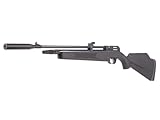
- ARS Mark7.6
ARS Mark is a ranking system developed by bestairriflescopes.com. ARS Mark has no relationship or impact from any manufacturers or sales agent websites. Learn more
- BrandDiana
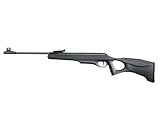
- ARS Mark9.0
ARS Mark is a ranking system developed by bestairriflescopes.com. ARS Mark has no relationship or impact from any manufacturers or sales agent websites. Learn more
- BrandDiana

- ARS Mark8.0
ARS Mark is a ranking system developed by bestairriflescopes.com. ARS Mark has no relationship or impact from any manufacturers or sales agent websites. Learn more
- BrandBeeman

- ARS Mark9.6
ARS Mark is a ranking system developed by bestairriflescopes.com. ARS Mark has no relationship or impact from any manufacturers or sales agent websites. Learn more
- BrandBeretta
Last update on 2026-05-20 / Affiliate links / Images, Product Titles, and Product Highlights from Amazon Product Advertising API
Diana Chaser CO2 Air Pistol Backyard Shooting Review
Cheap-feeling air pistols ruin the mood fast. One rough trigger, one crooked sight picture, and suddenly a quiet afternoon turns into a session full of muttered complaints and wasted pellets. The diana chaser co2 air pistol sits in a different lane altogether, balancing lightweight handling with a calmer, more deliberate shooting rhythm that feels oddly satisfying. A lot of that charm carries over to the Diana P-5 platform too, especially for shooters who enjoy old-school mechanics instead of noisy gimmicks.
Diana P-5 Air Pistol
Diana P-5 Breakbarrel .177 Caliber Spring Pellet Air Pistol leans heavily into simplicity, and honestly, that’s part of the appeal. The breakbarrel spring action creates a more hands-on shooting routine compared with CO2-powered pistols, so every shot feels earned instead of rushed. Cocking the pistol gives solid resistance without becoming annoying, and the compact 15-inch frame keeps things manageable during longer target sessions. Lightweight construction around 2.5 pounds also prevents wrist fatigue from sneaking up halfway through practice.
The .177 caliber pellet setup favors precision over brute force. Diana rates the pistol around 400 FPS, which keeps it squarely in the recreational shooting category rather than pretending to be some hyper-aggressive powerhouse. Tin cans, paper targets, and backyard plinking all fit naturally into its comfort zone. Tight indoor spaces or smaller outdoor setups benefit from that controlled power level because things stay predictable instead of chaotic.
Single-shot operation slows the pace in a good way. Fast-firing magazine pistols can turn shooting into noise without focus, while this setup encourages patience and cleaner trigger habits. Funny thing is, slower shooting often ends up being more addictive because every hit feels personal. Misses sting a little too, no doubt about that.
The ambidextrous grip deserves more credit than it usually gets. Plenty of budget-friendly air pistols claim universal comfort but end up awkward for left-handed handling. This grip shape keeps things neutral and practical, making stance adjustments feel natural instead of forced. A few extended sessions later, hand fatigue stays surprisingly low.
Spring Action Personality On The Range
Breakbarrel spring systems carry a totally different personality compared with CO2 pistols. No cartridges to replace. No pressure fluctuations during cold mornings. Just mechanical consistency tied directly to the shooter’s rhythm. That creates a more grounded shooting experience where timing and follow-through matter almost as much as raw accuracy.
The cocking motion on the Diana P-5 has enough resistance to feel mechanical without crossing into stubborn territory. Some spring pistols feel like arm workouts after thirty shots, but this one keeps things manageable. A quick practice session can stretch longer than expected because the handling doesn’t become exhausting. That’s a sneaky advantage most spec sheets never explain properly.
Recoil behavior also changes the experience dramatically. Spring-powered pistols generate a subtle forward-and-back pulse that feels more alive than soft CO2 cycling. It isn’t harsh, but it definitely reminds the shooter that internal mechanics are doing real work. That tiny kick gives the pistol character, and frankly, character matters more than people admit.
Accuracy depends heavily on rhythm with a pistol like this. Rushing shots usually punishes sloppy grip pressure or impatient trigger pulls. Calm down, settle the sights, breathe once, and the pistol responds far better. The process almost becomes meditative after a while.
Barrel Design And Sight Picture
Rifled barrel construction helps stabilize pellets more effectively than smoothbore alternatives, especially at moderate backyard distances. Pellet flight stays reasonably consistent with quality ammunition, and tighter grouping becomes possible once the shooter settles into the trigger feel. Nobody should expect competition-grade precision from a compact spring pistol, but the barrel design absolutely pulls its weight.
Adjustable rear sights add another layer of flexibility. Cheap fixed sights can turn target correction into a guessing game, yet the Diana P-5 allows cleaner adjustments depending on pellet choice or shooting distance. Small changes actually matter here. That makes dialing in the pistol feel rewarding instead of frustrating.
Outdoor lighting conditions affect sight clarity more than many shooters expect. Bright sunlight sharpens alignment nicely, while darker indoor ranges reveal the limits of simpler iron sight systems. Even then, the pistol remains surprisingly easy to track thanks to its balanced profile and manageable barrel length. The front sight rarely disappears into visual clutter.
Consistency becomes the real story after extended sessions. Tight groups don’t happen magically, but the pistol provides enough mechanical honesty that improving technique genuinely pays off. That’s the difference between a disposable novelty and a pistol worth revisiting every weekend.
Comfort During Extended Practice
Grip balance changes everything during longer target sessions. A badly balanced pistol starts feeling clumsy after twenty minutes, while the Diana P-5 keeps its center of gravity steady enough for repeated strings of fire. Wrist strain stays controlled, and transitions between targets feel smoother than expected for a spring-powered design.
The compact frame makes storage and transport refreshingly easy too. Tossing the pistol into a range bag doesn’t require rearranging half the setup. Small detail, sure, but convenience often determines whether gear gets used regularly or forgotten in a closet. Practicality wins more arguments than flashy marketing ever will.
Manual safety placement feels straightforward instead of awkwardly hidden. Some air pistols bury safeties in annoying positions that interrupt the shooting rhythm, yet this layout keeps operation intuitive. Muscle memory builds quickly after a few sessions. That matters more than fancy styling touches.
Noise levels remain relatively moderate for a spring pistol. Backyard practice becomes less disruptive, especially compared with louder gas-powered alternatives. Neighbors probably won’t applaud your grouping skills, but at least they won’t think a construction crew moved in overnight.
Where The Diana P-5 Fits Best
Casual target shooting feels like the natural home for this pistol. Fast tactical drills or rapid-fire magazine dumping simply aren’t its personality. Slow plinking, sight practice, and disciplined shot placement suit the platform far better. The whole experience rewards patience instead of adrenaline.
Mechanical simplicity also means fewer moving parts tied to gas systems or removable magazines. Reliability benefits from that stripped-back approach. Less fuss. Less maintenance drama. More time actually shooting.
A related side discussion around replica-style shooting setups occasionally appears in Umarex Glock Airsoft, especially among shooters comparing realistic handling styles with recreational backyard pistols. The Diana P-5 still carves out its own identity by leaning into traditional spring mechanics instead of tactical mimicry.
Value for relaxed shooting sessions becomes the strongest argument here. Fancy accessories, oversized rails, and aggressive styling trends come and go, but a straightforward spring pistol with decent accuracy and comfortable handling tends to age pretty well. The Diana P-5 understands that balance better than many louder competitors trying too hard to impress.
Diana Chaser CO2 Air Pistol Repeater Review
Cheap repeaters usually fall apart in the details. Triggers feel mushy, CO2 efficiency drops halfway through a session, and accuracy starts wandering the second the excitement kicks in. The diana chaser co2 air pistol avoids most of those headaches by sticking to a cleaner formula: lightweight handling, practical power, and a repeater setup that doesn’t feel rushed or gimmicky. That balance gives the pistol a relaxed confidence instead of the loud “look at me” energy common in tactical-style airguns.
Diana Chaser CO2 Pistol
Diana Chaser CO2 Air Pistol blends simplicity with enough versatility to keep target sessions interesting for longer than expected. Chambered in .177 caliber, the pistol pushes pellets at an advertised 525 feet per second, giving it enough punch for backyard plinking and casual target practice without becoming difficult to control. The repeater design keeps the rhythm moving smoothly too, especially during longer shooting stretches where constant reloading gets old fast.
CO2-powered pistols often depend heavily on presentation, but this one feels more focused on actual shooting. The lightweight frame makes transitions between targets easier, and the handling stays nimble even after extended use. A lot of shooters underestimate how much fatigue changes accuracy over time. Heavy pistols may feel impressive for five minutes, then suddenly every shot starts drifting because wrists and forearms quietly gave up halfway through the session.
Repeater functionality changes the pace dramatically compared with single-shot air pistols. Loading once and firing several shots in sequence creates a smoother flow without turning the experience into chaotic rapid-fire nonsense. The pistol still encourages controlled shooting rather than sloppy trigger spamming. That middle ground feels surprisingly refreshing.
The overall personality lands somewhere between recreational plinker and precision trainer. Fancy tactical styling takes a back seat here. Instead, the pistol leans into practical mechanics and predictable handling, which honestly ages better than trend-driven designs packed with unnecessary bulk.
CO2 Power And Shooting Rhythm
CO2 systems bring a completely different feel compared with spring-powered air pistols. Cocking resistance disappears, shot cycling becomes lighter, and repeated shooting sessions feel less physically demanding overall. That smoother rhythm matters during extended practice because focus stays on alignment and trigger control rather than managing fatigue.
Cold weather still affects CO2 pressure, naturally. A chilly morning can soften velocity and alter shot consistency, which is common across most gas-powered airguns. The Diana Chaser handles this limitation reasonably well within casual shooting distances, though steady room-temperature conditions definitely help the pistol show its best side. Pellet placement tightens noticeably once the system stabilizes.
Trigger pacing feels calmer than expected from a repeater platform. Some repeaters encourage rushed shooting habits because follow-up shots happen instantly, but this pistol maintains enough resistance and feedback to keep things deliberate. That slower cadence improves accuracy naturally without making the experience feel stiff or formal.
Noise levels stay manageable too. Backyard practice sessions won’t sound like construction work echoing across the neighborhood. Quiet mechanical cycling mixed with moderate report gives the pistol a more relaxed character overall, especially for shooters who value consistency over theatrics.
Accuracy And Barrel Performance
.177 caliber pellets remain a smart choice for target shooting because they balance affordability with respectable precision. The Diana Chaser takes advantage of that nicely. Pellet flight feels stable at practical backyard distances, and tighter groupings become easier once the shooter settles into a comfortable rhythm.
Accuracy depends heavily on pellet quality, though. Cheap inconsistent pellets can sabotage even decent air pistols by creating random flyers that make sight adjustments feel pointless. A related discussion around pellet consistency often pops up in best ammo for 177 air rifle, particularly among shooters trying to tighten groups without changing platforms entirely.
Sight alignment feels intuitive enough for casual sessions without demanding constant correction. Fast target acquisition matters more than people realize during reactive plinking drills, especially when moving between cans or smaller reactive targets. The pistol’s lightweight balance helps maintain steadier transitions without excessive muzzle wobble.
Several short shooting sessions reveal a useful pattern: the pistol rewards patience more than aggression. Rushed follow-up shots tend to spread wider, while controlled breathing and smoother trigger pressure tighten results noticeably. Funny enough, that challenge becomes part of the fun.
Handling Comfort And Everyday Practicality
Ergonomics can quietly ruin an otherwise capable air pistol. Sharp grip angles, slippery textures, or front-heavy designs create fatigue long before the CO2 cartridge empties. Diana avoided most of those problems here by keeping the pistol balanced and reasonably compact. The result feels approachable without drifting into toy-like territory.
Storage convenience deserves mention too. Large tactical air pistols sometimes demand oversized cases and extra accessories just to feel complete. The Chaser takes a leaner approach. Grab pellets, install CO2, and start shooting without needing a small suitcase full of attachments.
Weight distribution stays particularly friendly during standing practice. Extended sessions feel manageable because the pistol doesn’t constantly drag the muzzle downward. That may sound minor, but cleaner balance dramatically improves comfort once practice stretches past the first magazine.
The included 2-year limited warranty adds some peace of mind without becoming the centerpiece of the product identity. Mechanical simplicity already works in the pistol’s favor, and warranty coverage simply reinforces the sense that this platform was built for repeat use rather than short-term novelty.
Where The Chaser Stands Out
Versatility ends up being the Diana Chaser’s strongest card. Some air pistols specialize heavily in either realism, power, or competition-style precision. This one settles comfortably into the middle, handling recreational plinking, basic accuracy drills, and relaxed target sessions without feeling out of place in any category.
Fast follow-up shots combined with manageable recoil create a surprisingly addictive shooting loop. A quick backyard session can easily stretch into an hour because the pistol maintains a steady rhythm without exhausting the shooter. That “just one more magazine” feeling creeps in quietly.
Maintenance demands also stay refreshingly low. CO2 installation remains straightforward, pellet loading feels uncomplicated, and the repeater system avoids unnecessary complexity. Simpler systems tend to encourage more regular practice because setup never becomes a chore.
The Diana Chaser doesn’t chase oversized claims or exaggerated tactical fantasy. Instead, it focuses on practical shooting enjoyment, controlled handling, and enough repeat-shot convenience to keep sessions flowing naturally. Sometimes that straightforward approach lands harder than all the flashy extras combined.
Diana Chaser CO2 Air Pistol Shooting Experience
Backyard shooting loses its charm pretty quickly once an air rifle starts feeling clunky, inconsistent, or painfully loud. Plenty of rifles brag about speed while quietly ignoring balance, comfort, and shot rhythm. The diana chaser co2 air pistol conversation often circles around smooth handling and practical shooting sessions, which makes the Diana Trailscout CO2 Air Rifle an interesting branch of that same philosophy. Compact enough to stay approachable yet powerful enough to avoid feeling like a toy, it settles into that sweet spot many shooters chase for months.
Diana Trailscout CO2 Rifle
Diana Trailscout CO2 Air Rifle leans into simplicity without stripping away personality. Chambered in .177 caliber and rated around 660 feet per second, the rifle balances backyard-friendly control with enough velocity to keep target practice lively. That number won’t flatten steel plates or pretend to replace high-powered PCP rifles, though honestly, it doesn’t need to. Practical shooting sessions usually reward consistency more than brute force anyway.
The first thing that stands out is the rifle’s calm shooting behavior. CO2 systems often produce smoother firing cycles than spring-powered platforms, and the Trailscout follows that formula nicely. Trigger pull, follow-through, and sight recovery feel predictable instead of jerky or mechanical. A relaxed rhythm starts forming naturally after a few magazines, almost like the rifle quietly trains patience into the shooter.
Weight distribution deserves praise too. Some budget-friendly rifles feel front-heavy enough to punish offhand shooting after twenty minutes. This one stays surprisingly manageable during longer sessions, especially for shooters who prefer standing shots instead of bench setups. Fatigue creeps in slower, which usually means tighter groups and fewer frustrating flyers.
Not every detail lands perfectly, though. CO2 systems naturally react to colder temperatures, and velocity consistency can soften once temperatures dip. That’s common territory for gas-powered rifles, but it still matters for anyone expecting laser-like precision in chilly weather.
Performance Out On The Range
660 FPS velocity gives the Trailscout enough snap for reactive targets, spinning cans, and paper punching without turning every shot into overkill. Distances around casual backyard ranges feel comfortable for the rifle. Pellet trajectory stays manageable, and the lighter recoil profile makes repeated follow-up shots easier than many spring-powered competitors.
Accuracy depends heavily on pacing with this rifle. Fast shooting tends to open groups slightly, while controlled breathing and steadier trigger work tighten things noticeably. Funny enough, slower shooting often becomes more addictive because every clean hit feels earned. That rhythm separates relaxed plinking from careless pellet dumping.
CO2 efficiency feels respectable under normal conditions. Long shooting sessions remain practical before pressure loss starts affecting consistency. Nobody should expect infinite performance from a single cartridge, obviously, but the rifle avoids feeling wasteful or temperamental. The smoother pressure delivery also helps maintain a calmer overall shot cycle.
One practical detail worth noting involves optics compatibility. A related equipment discussion occasionally appears in best red dot sight for 22 rifle, especially among shooters experimenting with faster target acquisition setups on lightweight rifles like this. The Trailscout’s manageable recoil profile works nicely with simple optic configurations.
Pros That Actually Matter
Smooth firing behavior easily ranks among the rifle’s strongest traits. Spring rifles sometimes kick sharply enough to disrupt follow-up shots, while the Trailscout stays calmer and easier to track through recoil. That smoother pulse improves comfort during long practice sessions without demanding constant adjustment from the shooter.
Lightweight handling makes the rifle approachable for casual use. Carrying it around the yard, moving between reactive targets, or practicing standing shots never feels exhausting. Smaller framed shooters especially tend to appreciate rifles that don’t fight them every second they’re holding the stock steady.
The 2-year limited warranty adds a useful layer of reassurance without becoming a marketing circus. Mechanical simplicity already helps reliability here, and warranty coverage simply reinforces the idea that the rifle was designed for repeat use rather than short-lived novelty.
Noise control works in the rifle’s favor too. Some high-powered air rifles bark loudly enough to make quiet practice awkward in tighter neighborhoods. The Trailscout stays reasonably controlled, allowing longer sessions without drawing unwanted attention from three houses down.
Cons Worth Thinking About
Cold-weather sensitivity remains the biggest tradeoff. CO2 cartridges naturally lose efficiency in lower temperatures, and this rifle follows that familiar pattern. Velocity dips become noticeable once the air gets chilly, which can loosen group consistency at longer distances. Warm conditions definitely flatter the rifle more.
Power limitations may disappoint shooters expecting extreme-range performance. The Trailscout focuses more on recreational precision than raw impact force. Small reactive targets and controlled practice feel right at home, but heavy-duty pest control expectations would probably push this platform outside its comfort zone.
The rifle’s lightweight build also creates mixed reactions depending on preference. Some shooters love the nimble handling, while others prefer heavier rifles that feel more planted during bench shooting. That lighter frame occasionally makes tiny movement errors easier to notice during unsupported shots.
CO2 dependency itself can annoy certain shooters over time. Cartridges need replacement, pressure changes affect consistency, and extended sessions require planning ahead. Spring-powered rifles avoid those concerns entirely, though they introduce their own recoil quirks in return.
Everyday Shooting Personality
Diana Trailscout shines brightest during relaxed target sessions where rhythm matters more than brute force. Long afternoons spent working on trigger control, grouping drills, and reactive plinking fit the rifle naturally. It encourages cleaner habits instead of chaotic speed shooting, which honestly gives the entire experience more personality.
Several rifles in this price range try too hard to imitate tactical firearms visually while forgetting practical comfort. The Trailscout avoids that trap by keeping the handling straightforward and shooter-friendly. No oversized nonsense hanging off the frame. No exaggerated styling choices pretending to add performance.
Consistency under normal shooting conditions becomes one of the rifle’s most satisfying qualities. Once the shooter settles into a steady rhythm and decent pellet choice, the rifle responds predictably shot after shot. Mechanical honesty like that builds confidence faster than flashy specs ever could.
The overall experience feels less about brute-force performance and more about keeping shooting enjoyable session after session. That sounds simple on paper, sure, but plenty of rifles miss that balance entirely. The Trailscout doesn’t.
Diana Chaser CO2 Air Pistol And Rifle Handling
Some air rifles feel intimidating right out of the box. Heavy stocks, stiff cocking systems, and awkward balance can turn a relaxing target session into an arm workout nobody signed up for. The diana chaser co2 air pistol crowd usually appreciates gear that keeps shooting approachable without sacrificing precision, and the Diana Eleven Breakbarrel Air Rifle slides neatly into that same easygoing territory. Simple mechanics, moderate power, and comfortable handling shape the entire experience from the very first shot.
Diana Eleven Air Rifle
Diana Eleven Breakbarrel Air Rifle focuses on practicality more than flashy marketing tricks. Chambered in .177 caliber and pushing pellets at around 575 feet per second, the rifle settles comfortably into recreational shooting territory without pretending to be an ultra-magnum beast. That balance actually works in its favor because manageable recoil and cleaner handling usually matter more during repeated target sessions than raw speed numbers on a spec sheet.
The breakbarrel action feels refreshingly straightforward. Crack the barrel, load a pellet, close it smoothly, and the rifle is ready for another shot. No CO2 cartridges to manage. No compressed air tanks sitting around the garage. Mechanical simplicity creates a calmer ownership experience, especially for shooters who just want to shoot instead of babysitting extra equipment.
Ease of use becomes one of the rifle’s strongest selling points. New shooters often struggle with overly aggressive spring systems that demand too much force or punish sloppy technique immediately. The Diana Eleven avoids most of that frustration by staying approachable while still feeling like a “real” air rifle instead of a lightweight toy.
Experienced shooters may notice the moderate power ceiling fairly quickly, though that limitation depends heavily on expectations. Backyard target shooting fits the rifle naturally. Heavy pest-control tasks or extreme-range ambitions sit outside its comfort zone.
Shooting Feel And Everyday Rhythm
Breakbarrel rifles create a completely different rhythm compared with CO2-powered setups. Every shot requires manual cocking, which naturally slows things down and encourages cleaner shooting habits. Oddly enough, that slower pace often makes sessions feel more rewarding because each shot carries a little more intention behind it.
The firing cycle on the Diana Eleven stays relatively smooth for a spring-powered platform. Some breakbarrel rifles snap hard enough to shake sight alignment off target, but this one keeps recoil manageable. Follow-through feels predictable rather than violent. That softer personality helps maintain confidence during longer practice sessions.
Trigger control matters quite a bit here. Quick jerky pulls usually spread groups wider, while smoother pressure rewards patience with tighter pellet placement. Several shooters describe spring rifles as “teaching tools” for that reason alone. The Diana Eleven quietly reinforces better shooting habits without making practice feel overly technical.
Noise output remains fairly controlled too. Backyard sessions won’t sound whisper quiet, but the report stays far more neighbor-friendly than many high-powered air rifles chasing maximum velocity at all costs.
Accuracy And Handling Balance
.177 caliber pellets pair naturally with this rifle because the platform leans toward precision-focused recreational shooting instead of brute-force impact. Pellet trajectory stays fairly predictable at common backyard distances, especially once the shooter settles into a steady rhythm. Reactive targets, paper bulls-eyes, and casual plinking sessions all fit comfortably within the rifle’s sweet spot.
Balance changes the entire experience with lightweight rifles, and Diana handled that part surprisingly well. Front-heavy rifles tend to punish unsupported shooting positions after twenty minutes or so. The Eleven avoids that issue by keeping weight distribution more centered, which makes offhand shooting noticeably easier during extended sessions.
Sight alignment feels intuitive enough for beginners while still giving experienced shooters enough control to fine-tune grouping. Consistency matters more than gimmicks here. Fancy tactical styling might grab attention online, but stable handling usually wins out once pellets actually start flying.
One practical equipment discussion occasionally overlaps with rifles in this category. From a practical angle, a related reference appears in best gamo air rifles, especially for shooters weighing traditional spring-powered setups against other lightweight backyard platforms.
Strengths That Stand Out
User-friendly mechanics rank near the top of the Diana Eleven’s appeal. The rifle doesn’t overwhelm new shooters with aggressive recoil or complicated systems. Straightforward loading, manageable cocking effort, and predictable handling create a far less frustrating learning curve than many entry-level spring rifles.
Moderate velocity works surprisingly well for everyday practice. Plenty of shooters chase huge FPS numbers without realizing how quickly excessive power can reduce comfort and increase shooting fatigue. The Diana Eleven keeps things balanced enough to encourage longer practice sessions instead of short bursts followed by sore shoulders.
The included 2-year limited warranty adds another layer of reassurance. Mechanical air rifles generally benefit from simpler internal systems anyway, but warranty support still matters for shooters planning to use the rifle regularly over time.
Maintenance stays wonderfully uncomplicated too. No tanks. No gas cartridges. No electronics. Just pellets, routine cleaning, and steady shooting sessions whenever the mood strikes.
Tradeoffs Worth Knowing
Single-shot operation naturally slows down shooting speed. Some shooters enjoy that deliberate pace because it encourages focus, while others may miss the convenience of repeat-shot systems. Rapid target transitions simply aren’t this rifle’s personality.
The moderate 575 FPS velocity also creates practical limitations. Longer distances require more careful pellet compensation, and windy outdoor conditions can influence trajectory more noticeably than higher-powered setups. Precision remains possible, though patience becomes part of the equation.
Spring-powered recoil introduces a small learning curve too. Even softer breakbarrel rifles generate a unique forward-and-back pulse that feels different from CO2 systems. Shooters accustomed to gas-powered smoothness may need a few sessions before everything starts feeling natural again.
Optic compatibility can also require careful consideration depending on recoil sensitivity. Spring rifles create vibration patterns that budget scopes sometimes dislike over time. Durable mounts and sensible optic choices usually solve the problem, but it’s still worth remembering.
Why The Rifle Feels Approachable
Diana Eleven doesn’t try to impress through brute force or oversized tactical styling. Instead, it builds confidence through consistency, comfort, and easy handling. That quieter approach ends up making the rifle more enjoyable for repeated practice because frustration rarely gets the upper hand.
Several shooting sessions later, the rifle’s personality becomes pretty clear. Calm mechanics. Predictable accuracy. Low-maintenance ownership. Those traits don’t generate flashy headlines, yet they matter enormously once the novelty phase wears off.
Backyard shooting routines feel especially natural with this platform. A quick afternoon session can stretch into an hour without hand fatigue, excessive noise, or mechanical annoyance ruining the mood. That kind of usability keeps rifles relevant long after trend-driven competitors disappear from conversations.
The Diana Eleven ultimately succeeds by staying honest about what it is: a practical, approachable breakbarrel air rifle focused on steady enjoyment rather than exaggerated promises.
Diana Chaser CO2 Air Pistol And PCP Alternatives
Noise, recoil, and inconsistent follow-up shots can suck the fun out of air pistol shooting faster than most people expect. Plenty of shooters start with spring or CO2 platforms, then eventually drift toward PCP setups hoping for smoother accuracy and less mechanical drama. The diana chaser co2 air pistol crowd often appreciates lightweight handling and repeatable shot control, which makes the Beeman .177 PCP Air Pistol an interesting alternative in the same conversation. Smaller profile, calmer firing behavior, and PCP efficiency shift the entire shooting experience into a more refined direction.
Beeman 2027 PCP Air Pistol
Beeman .177 PCP Air Pistol takes a noticeably different route compared with traditional spring-powered handguns or CO2 repeaters. PCP systems rely on pre-charged compressed air instead of gas cartridges or breakbarrel tension, creating a smoother and more stable shot cycle overall. That difference becomes obvious almost immediately once the first pellet leaves the barrel. Recoil softens, shot consistency tightens, and the entire pistol feels calmer in the hands.
The .177 caliber configuration fits recreational target shooting naturally. Pellet trajectory stays relatively flat at common backyard distances, and lighter recoil helps maintain cleaner follow-through during repeated practice sessions. Several shooters describe PCP pistols as “easier to trust” because the firing behavior feels so predictable from shot to shot.
Compact handling also works heavily in this pistol’s favor. Large air pistols can become awkward surprisingly fast, especially during unsupported standing shots. The Beeman avoids that bulky feeling by staying relatively manageable and balanced, allowing longer sessions without excessive wrist strain creeping into the equation.
One limitation appears immediately, though: PCP ownership requires planning. Air reservoirs eventually need refilling, which introduces pumps or compressed air systems into the routine. That extra equipment changes the ownership experience compared with simpler spring or CO2 platforms.
Shot Consistency And PCP Behavior
PCP firing systems shine brightest during precision shooting sessions where consistency matters more than raw spectacle. Spring pistols often produce subtle recoil pulses, while CO2 systems can fluctuate slightly depending on temperature. PCP designs sidestep much of that drama by delivering smoother pressure control across repeated shots.
Trigger discipline becomes easier to appreciate once recoil settles down. Tiny movement mistakes still matter, sure, but the pistol itself feels less disruptive during firing. That cleaner shooting cycle rewards patience without constantly fighting the shooter’s grip or stance.
Noise levels tend to feel more controlled compared with many spring-powered alternatives. Backyard shooting sessions stay less intrusive, especially during slower target practice routines. Neighbors probably won’t throw applause from the fence line, but they’re also less likely to wonder whether a construction crew just moved next door.
Cold weather creates fewer headaches too. CO2 pistols naturally react to temperature swings, while PCP systems maintain steadier pressure consistency under changing conditions. That stability helps preserve grouping performance once outdoor temperatures stop cooperating.
Handling Experience And Ergonomics
Grip balance quietly shapes whether an air pistol becomes enjoyable or exhausting after thirty minutes. The Beeman PCP platform feels controlled enough for repeated offhand practice without forcing awkward wrist compensation. Lightweight pistols sometimes drift into “toy-like” territory, but this one manages to stay practical without feeling flimsy.
Fast follow-up shots become easier thanks to the smoother recoil impulse. Several shooters moving from spring pistols immediately notice how much calmer sight recovery feels after firing. That smoother transition between shots encourages cleaner target tracking during reactive plinking sessions.
Compact dimensions help during storage and transportation too. Oversized tactical air pistols often demand giant cases and excessive accessories to feel complete. The Beeman setup avoids that clutter-heavy personality and sticks closer to practical shooting simplicity.
A related equipment discussion occasionally appears in best air rifle break barrel, especially among shooters debating the differences between PCP smoothness and traditional spring-powered recoil behavior. Both approaches have loyal followers for good reason.
Strengths That Stand Out
Shot consistency easily ranks as one of the pistol’s strongest advantages. PCP pressure systems typically provide steadier firing behavior than CO2-powered alternatives, especially during longer sessions where gas pressure changes can affect performance. Stable velocity creates more confidence, and confidence usually tightens groups naturally.
Reduced recoil also changes the learning curve dramatically. New shooters often struggle with spring-powered kick disrupting sight alignment, while experienced shooters appreciate how PCP systems reduce unnecessary movement. Cleaner follow-through simply feels more rewarding during precision work.
The pistol’s manageable handling encourages longer practice sessions without becoming physically tiring. Extended backyard shooting can easily drift from “quick practice” into an hour-long routine once the platform stops fighting the shooter every few shots.
Mechanical smoothness deserves recognition too. Several PCP pistols feel refined in a way spring-powered systems rarely achieve. The Beeman platform leans into that calmer personality nicely, especially for shooters prioritizing controlled accuracy over exaggerated power.
Weaknesses And Tradeoffs
Air management remains the biggest hurdle for PCP ownership. Compressors, hand pumps, or refill systems add complexity compared with breakbarrel simplicity or disposable CO2 cartridges. Some shooters enjoy the technical side of PCP ownership, while others eventually miss the straightforward convenience of traditional platforms.
Initial setup requirements can also surprise newer shooters. A PCP pistol alone rarely tells the full story because air support equipment eventually becomes necessary. That extra investment shifts the platform away from pure grab-and-go simplicity.
Compact PCP pistols occasionally sacrifice raw power in exchange for control and consistency. Shooters expecting aggressive impact force may notice the pistol favors precision-oriented shooting instead of brute-force energy. Backyard target work fits naturally, but expectations still matter.
Maintenance habits also become slightly more important over time. PCP seals, pressure systems, and air storage components benefit from careful handling and regular upkeep. Neglect rarely causes instant failure, though long-term reliability usually rewards shooters who stay attentive.
Everyday Shooting Personality
Beeman 2027 feels best during relaxed precision sessions where rhythm and control matter more than rapid-fire theatrics. Slow target drills, careful grouping practice, and steady reactive shooting all match the pistol’s personality extremely well. That quieter confidence gives the platform a more mature feel compared with louder, gimmick-heavy competitors.
Several shooters eventually realize raw velocity numbers only tell part of the story. Comfortable handling, consistent pressure delivery, and manageable recoil shape the actual ownership experience far more than flashy marketing claims. The Beeman leans heavily into those practical strengths.
PCP smoothness changes shooting habits in subtle ways. Trigger control improves. Follow-through sharpens. Patience increases naturally because the pistol rewards precision rather than speed. Funny thing is, calmer shooting often ends up being more addictive than chaotic rapid fire.
The overall experience feels focused and surprisingly refined for such a compact platform. No unnecessary drama. No oversized tactical nonsense. Just steady shooting behavior built around consistency and control.


12 Best 22 Pcp Air Rifle For Hunting of 2026 With Quiet Power

7 Best 22 Pcp Air Rifle Under 300 of 2026 For Backyard Pest Control

10 Best 22 Break Barrel Air Rifles of 2026 For Backyard Pest Control

10 Best 30 Caliber Pcp Air Rifle of 2026 For Medium Game

Top Best 177 Air Rifle Under 100: Budget-Friendly Picks for 2026

How to Safely Reload Shotgun Shells at Home

11 Best Co2 Air Rifle For Pest Control of 2026 To Ensure Humane Dispatch

12 Best Inexpensive Air Rifles of 2026 For Dependable Backyard Accuracy






