
Good Arrows for Compound Bow That Actually Fly Straight

Good arrows for compound bow setups can completely change how a bow feels in your hands. A smooth release, tighter grouping, and cleaner flight path often come down to arrow selection more than people expect. Plenty of shooters spend weeks adjusting sights, rests, and draw weight while the real problem keeps hiding in plain sight. An arrow that’s too light, poorly spined, or badly balanced can throw everything off, and wow, that frustration piles up fast after a few rough sessions at the range.
Arrow weight matters more than flashy packaging or oversized claims. Heavier arrows usually hit harder and stay stable in windy conditions, while lighter builds travel faster but can feel twitchy if tuning isn’t dialed in properly. Carbon shafts remain a favorite because they handle repeated shooting without bending the way cheaper materials sometimes do. Also, spine consistency plays a huge role in accuracy, especially for compound bows pushing higher draw weights.
Broadhead compatibility tends to sneak up on people after the excitement of buying new gear wears off. Some arrows fly beautifully with field points but suddenly drift or wobble once hunting heads are installed. That’s where proper balance and front-of-center weight become critical. A setup that keeps broadheads flying naturally often feels calmer, more forgiving, and easier to trust during high-pressure moments.
Durability counts too, especially after arrows start smacking targets over and over again. Thin-walled shafts may look sleek at first glance, but repeated impacts can expose weak spots surprisingly quickly. Stronger carbon construction helps reduce cracking and splintering during practice sessions, which saves money and prevents annoying replacements every other weekend. Nobody enjoys digging through damaged shafts after a long afternoon of shooting.
Arrow diameter also changes the shooting experience more than many realize. Smaller diameter arrows cut through wind more effectively and usually penetrate targets with less resistance. Larger shafts can help with line-cutting during competitive shooting, though they may drift slightly more outdoors. That little tradeoff often separates a setup built for precision target shooting from one meant for hunting thick-bodied game.
Consistency becomes the real difference maker over time. A reliable arrow setup removes second-guessing and lets confidence build naturally shot after shot. Tiny details like insert weight, vane shape, and shaft straightness suddenly start adding up once shooting distances increase. Good arrows for compound bow performance aren’t about hype or gimmicks. They’re about creating repeatable accuracy that feels dependable whether the target sits twenty yards away or much farther downrange.

- ARS Mark10.0
ARS Mark is a ranking system developed by bestairriflescopes.com. ARS Mark has no relationship or impact from any manufacturers or sales agent websites. Learn more
- BrandTooth Of The Arrow

- ARS Mark9.2
ARS Mark is a ranking system developed by bestairriflescopes.com. ARS Mark has no relationship or impact from any manufacturers or sales agent websites. Learn more
- BrandTIGER ARCHERY

- ARS Mark9.2
ARS Mark is a ranking system developed by bestairriflescopes.com. ARS Mark has no relationship or impact from any manufacturers or sales agent websites. Learn more
- BrandTIGER ARCHERY

- ARS Mark9.0
ARS Mark is a ranking system developed by bestairriflescopes.com. ARS Mark has no relationship or impact from any manufacturers or sales agent websites. Learn more
- BrandPointdo

- ARS Mark9.0
ARS Mark is a ranking system developed by bestairriflescopes.com. ARS Mark has no relationship or impact from any manufacturers or sales agent websites. Learn more
- BrandLuoyer

- ARS Mark9.0
ARS Mark is a ranking system developed by bestairriflescopes.com. ARS Mark has no relationship or impact from any manufacturers or sales agent websites. Learn more
- BrandSUNYA

- ARS Mark8.8
ARS Mark is a ranking system developed by bestairriflescopes.com. ARS Mark has no relationship or impact from any manufacturers or sales agent websites. Learn more
- BrandBOWSOUL

- ARS Mark8.6
ARS Mark is a ranking system developed by bestairriflescopes.com. ARS Mark has no relationship or impact from any manufacturers or sales agent websites. Learn more
- Brande5e10

- ARS Mark8.2
ARS Mark is a ranking system developed by bestairriflescopes.com. ARS Mark has no relationship or impact from any manufacturers or sales agent websites. Learn more
- BrandBOWSOUL
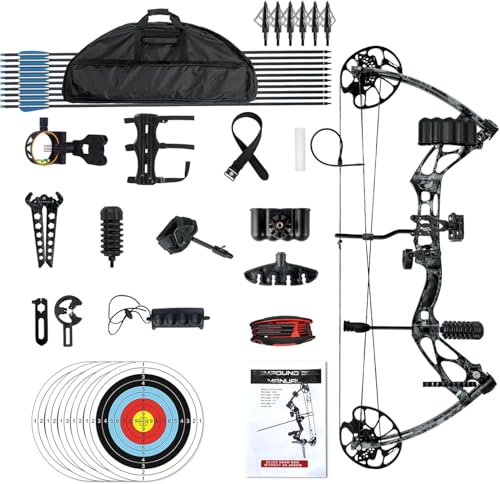
- ARS Mark6.8
ARS Mark is a ranking system developed by bestairriflescopes.com. ARS Mark has no relationship or impact from any manufacturers or sales agent websites. Learn more
- BrandWUXLISTY
Last update on 2026-05-30 / Affiliate links / Images, Product Titles, and Product Highlights from Amazon Product Advertising API
Good Arrows For Compound Bow
Frustration hits hard after spending hours tuning a bow only to watch arrows scatter across the target like they’ve got a mind of their own. Plenty of compound bow setups feel powerful at first, yet inconsistent arrows quietly wreck confidence shot after shot. Good arrows for compound bow setups solve more than accuracy problems because they also improve stability, forgiveness, and overall shooting comfort. A properly matched shaft keeps broadheads flying straighter, reduces tuning headaches, and helps every release feel smoother instead of unpredictable.
Arrow Spine Changes Everything
Arrow spine sounds technical at first, but honestly, it affects nearly every part of shooting consistency. A shaft that bends too much during release creates erratic flight patterns, while an overly stiff arrow may feel harsh and unstable leaving the bow. Compound bows generate aggressive energy, so matching spine correctly matters far more than many shooters expect. Proper spine alignment, stable flight, and consistent release behavior all work together to tighten groups.
Many people blame their sight pins or release aid before considering arrow flex. That mistake wastes time and burns through patience quickly, especially after repeated adjustments fail to solve drifting arrows. Higher draw weights usually need stiffer shafts, but arrow length and point weight also affect spine behavior. Tiny setup changes can throw balance completely off if the shaft isn’t built for that combination.
Carbon arrows remain popular partly because they maintain spine consistency better than many aluminum options. Cheap shafts sometimes vary from one arrow to another, creating those annoying “mystery flyers” during practice. Better manufacturing tolerances reduce that issue significantly. Consistency across every arrow helps build trust in the setup instead of second-guessing every shot.
Field testing often exposes spine problems fast. Paper tuning tears, fishtailing flight, or broadheads drifting sideways usually point back toward arrow mismatch. A balanced setup immediately feels calmer and easier to control. That smoother release sensation becomes addictive once everything finally lines up properly.
Carbon Vs Aluminum Tradeoffs
Carbon arrows dominate most compound bow setups for good reason. They’re lighter overall, resist bending, and usually survive rougher handling during practice sessions. Dense foam targets, missed shots into dirt, and repeated impacts eventually punish weaker shafts pretty brutally. Durability, straightness retention, and lighter carry weight make carbon attractive for long-term use.
Aluminum still holds value though, especially for target shooters who prefer a very consistent diameter and smoother tuning feel. Those arrows can deliver excellent grouping performance indoors where wind isn’t a factor. Trouble starts after repeated impacts because aluminum bends more easily than carbon. One slight warp can ruin accuracy without being obvious at first glance.
Mixed-material arrows combine aluminum cores with carbon exteriors to balance weight and durability. Some shooters love them for long-range precision because they maintain momentum while resisting wind drift. Others avoid them because replacements cost more than standard shafts. Budget matters, especially for anyone practicing several times each week.
Arrow material should match actual shooting habits instead of chasing trends online. Hunting setups usually benefit from carbon durability and lighter field carry. Indoor leagues may favor aluminum consistency depending on distance and scoring style. Real-world shooting conditions always matter more than flashy marketing claims.
Arrow Weight And Speed Balance
Fast arrows feel exciting during the first few shots, no doubt about it. Targets slam harder visually, and flatter trajectories seem easier at shorter distances. Problems appear later once inconsistent impacts start creeping into longer shots. Balanced arrow weight, stable penetration, and controlled flight behavior matter far more than raw speed numbers.
Lighter arrows sometimes amplify small mistakes in release form or bow tuning. Wind pushes them harder outdoors too, which creates frustrating left-right inconsistencies during practice. Heavier shafts generally fly calmer and maintain momentum better through crosswinds. That steadier feel becomes especially noticeable with broadheads attached.
Compound bows generate substantial energy, so extremely light arrows can also increase wear on limbs and cams over time. Manufacturers often recommend minimum grain weights for safety reasons. Ignoring those recommendations may create vibration problems or long-term bow stress. A slightly heavier arrow often produces a smoother shot cycle overall.
Hunters frequently lean toward heavier builds because penetration matters more than blazing speed. Target shooters may prioritize flatter trajectories depending on distance and competition format. Neither approach is automatically right or wrong. Practical shooting goals should guide arrow weight decisions instead of hype around feet-per-second numbers.
Broadhead Flight Problems
Field points can fool people into thinking their setup is perfect. Everything groups tightly at twenty yards, confidence builds quickly, then broadheads suddenly spray impacts several inches away. That moment feels brutal after spending money on expensive hunting gear. Broadhead stability, front-of-center balance, and shaft straightness become critical once fixed blades enter the picture.
Broadheads catch air differently than field points, especially larger fixed-blade designs. Weak spine arrows often exaggerate those steering effects during flight. Small tuning issues that barely mattered before become glaringly obvious immediately. Broadhead flight acts almost like a truth detector for poor arrow setups.
Mechanical broadheads reduce some flight issues because blades stay tucked during travel. Still, poor arrow consistency can create accuracy problems even with mechanical designs. Insert alignment, vane setup, and shaft straightness all influence broadhead performance. Tiny imperfections suddenly matter a whole lot more.
Practice broadheads help identify setup issues before hunting season arrives. Shooting only field points right up until opening day creates unnecessary surprises later. Reliable arrow flight builds confidence under pressure, especially during difficult angles or windy conditions. Clean broadhead tuning separates dependable setups from frustrating ones.
Vane Design And Arrow Control
Vanes don’t get enough credit for stabilizing arrow flight. Shape, height, and stiffness all affect how quickly an arrow corrects itself after release. Some vanes prioritize speed while others focus heavily on broadhead control. Arrow stabilization, spin consistency, and wind management depend heavily on vane selection.
Low-profile vanes reduce drag and help maintain speed at longer distances. They’re common in target setups where broadhead steering isn’t part of the equation. Taller vanes create more stabilization force, which often benefits hunting arrows carrying fixed blades. That added control usually outweighs the small speed loss.
Helical vane orientation creates additional spin during flight. More spin improves broadhead stability but can reduce speed slightly depending on vane size. Straight fletching maintains velocity better but may struggle with larger broadheads. Tradeoffs show up everywhere in archery gear once distances increase.
Weather also changes vane performance more than many realize. Wet conditions can soften weaker adhesives or deform thinner materials during extended shooting sessions. Durable vanes maintain shape longer and survive repeated target impacts better. Reliable fletching durability keeps arrow flight predictable over time.
Arrow Diameter And Wind Drift
Arrow diameter quietly affects outdoor shooting more than flashy bow accessories ever will. Wider shafts catch more wind, especially during longer shots across open ground. Smaller diameter arrows cut through air more efficiently and maintain steadier flight patterns outdoors. Reduced wind drift, better penetration, and improved long-range consistency make micro-diameter arrows increasingly popular.
Target shooters sometimes prefer wider shafts indoors because line-cutting can improve scoring opportunities. Outdoor conditions change the equation entirely though. Crosswinds punish larger shafts quickly, creating frustrating misses that seem random at first. Thin arrows generally handle variable conditions with less correction required.
Micro-diameter arrows also penetrate dense targets and game animals more effectively because they create less friction during impact. That added penetration matters during hunting season, especially with lower poundage setups. Narrow shafts do require compatible inserts and components, which adds some setup complexity. Compatibility headaches occasionally frustrate first-time buyers.
Storage and transport become slightly trickier with thinner shafts because impacts against hard surfaces can damage inserts or front ends. Protective arrow cases help prevent those issues during travel. Small setup details matter because damaged components create inconsistent flight surprisingly fast. Arrow durability depends on proper handling as much as material choice.
Practice Habits That Reveal Bad Arrows
Long shooting sessions expose weak arrows faster than quick backyard practice ever will. Inconsistent grouping patterns usually appear after fatigue sets in and concentration drops slightly. That’s where reliable arrows separate themselves from cheaper options. Repeatable accuracy, consistent impact points, and stable tuning become much easier to spot over extended practice.
Cold weather can stiffen adhesives and slightly change shaft reactions depending on arrow construction. Hot conditions sometimes soften vane glue or warp poorly built components after repeated exposure inside vehicles. Cheap arrows often reveal weaknesses during seasonal shifts. Better-built shafts stay more predictable across varying temperatures.
Target wear also affects arrow lifespan. Repeated impacts into worn foam can damage inserts or slightly weaken carbon structures over time. Rotating arrows during practice helps spread impact stress more evenly. Little maintenance habits extend performance far longer than most shooters expect.
Reliable range equipment matters too. To improve shot consistency during home practice, explore best archery target for backyard setups that handle repeated compound bow impacts without destroying arrow shafts prematurely. Dense layered targets usually reduce wear better than cheaper foam blocks that break down quickly after heavy use.
Release Aids Affect Arrow Flight
Arrow problems don’t always start with the arrows themselves. Poor release mechanics create torque, inconsistent launches, and sideways pressure that sends perfectly good shafts drifting unpredictably. Compound bows react sharply to small release mistakes because of their aggressive cam systems. Clean release execution, reduced hand torque, and steady anchor positioning all improve arrow flight dramatically.
Wrist-strap releases remain popular because they reduce finger fatigue during long shooting sessions. Handheld thumb releases offer more control for some shooters but require steadier technique. One setup isn’t automatically superior for everybody. Comfort and repeatability matter far more than following trends from competitive archers online.
Trigger sensitivity also changes shooting behavior. Hair-trigger releases sometimes encourage punching the trigger instead of executing a smooth shot cycle. Heavier trigger settings can improve control but may feel awkward initially. Small adjustments often create noticeable differences in grouping consistency.
Reliable release aids help arrows leave the string cleaner and more consistently. To tighten groups and reduce unwanted torque, compare best archery hunting wrist release options that maintain smoother trigger control during both practice and hunting situations. Stable release mechanics protect arrow flight from unnecessary sideways movement.
Best Compound Bow Arrows For Accuracy
Small mistakes become painfully obvious once shooting distances stretch farther out. Arrows that grouped tightly at twenty yards suddenly drift high, low, or sideways once the range opens up. That inconsistency frustrates even experienced shooters because the bow often feels perfectly tuned at first glance. Best compound bow arrows for accuracy setups reduce those random misses by improving flight consistency, balance, and forgiveness across different conditions.
Front Of Center Weight Matters
Front-of-center balance changes how an arrow behaves throughout the entire flight path. More weight toward the front usually creates steadier penetration and smoother tracking through wind. Lighter front ends may increase speed slightly, but unstable flight often follows if balance shifts too far backward. Stable flight control, better penetration, and reduced fishtailing all improve with proper front weighting.
Broadhead shooters notice front-of-center changes almost immediately. Fixed blades tend to expose weak balance setups fast, especially during windy practice sessions. A slightly heavier insert or point can calm arrow flight dramatically without requiring major equipment changes. Tiny tuning adjustments often outperform expensive upgrades.
Too much front weight creates tradeoffs too. Extremely heavy front setups may drop faster at longer distances and require sight adjustments some shooters dislike. Hunting setups usually tolerate that tradeoff better because penetration matters more than speed. Competitive target shooters may prefer flatter trajectories instead.
Arrow balance should match realistic shooting conditions instead of chasing trends online. Dense woods, open fields, elevated stands, and windy ranges all affect arrow behavior differently. Reliable arrow control depends on balancing momentum, stability, and speed instead of maximizing only one category.
Arrow Length Affects Forgiveness
Longer arrows generally flex more during release, which changes how they recover in flight. Shorter shafts often feel faster and more responsive, though they can become less forgiving if spine stiffness isn’t matched properly. Compound bows transfer energy aggressively, so arrow length matters more than many first-time shooters expect. Arrow forgiveness, consistent recovery, and clean launch behavior all depend heavily on proper shaft length.
Overly long arrows may create weak dynamic spine reactions during release. That softness can cause broadhead drift or inconsistent paper tuning tears. Shortening the shaft slightly often tightens groups immediately, especially with higher poundage bows. Careful adjustments usually outperform dramatic equipment changes.
Safety matters too. Arrows cut excessively short can become dangerous if broadheads sit too close to the bow hand during full draw. Plenty of experienced archers leave a small amount of extra shaft length for added margin and easier tuning flexibility. Comfort and control should never get sacrificed for speed alone.
Consistent arrow length across every shaft helps reduce unpredictable impact shifts. Mixed lengths create slightly different flex reactions even if all other components match. Attention to detail becomes increasingly important once shooting distances move beyond casual backyard ranges. Uniform setup consistency keeps troubleshooting manageable later.
Low Light Accuracy Challenges
Dim conditions expose weak arrow setups surprisingly fast. Poorly balanced shafts become harder to track visually, and inconsistent flight feels even more frustrating once visibility drops near dawn or dusk. Hunters especially notice this problem during early morning sits or fading evening light. Clear sight alignment, predictable impact points, and clean arrow visibility help maintain confidence during those difficult shooting windows.
Arrow wraps and brighter vane colors improve tracking in darker environments. Small visibility improvements reduce confusion after release and make missed shots easier to diagnose. Neon vanes aren’t only cosmetic either. Spotting arrow rotation quickly can reveal tuning issues before they become major problems.
Peep sight clarity matters alongside arrow visibility. Tiny peeps often darken sight pictures during low-light conditions, especially under tree cover. Larger aperture setups improve brightness but may sacrifice some precision at longer distances. That balance depends heavily on actual hunting or shooting conditions.
Low-light shooting setups benefit from stable accessories paired with reliable arrows. To improve visibility during darker shooting conditions, compare best bow peep sight for low light options that maintain cleaner sight pictures without making target acquisition feel cramped or rushed. Better visibility supports steadier shot execution.
Arrow Noise And Vibration
Loud arrows create more problems than most people realize. Excessive vibration often signals poor tuning, weak component fitment, or mismatched shaft weight. Compound bows already generate significant force during release, so unstable arrows magnify noise quickly. Reduced vibration, smoother release feel, and quieter arrow flight all point toward a better-balanced setup.
Loose inserts frequently create rattling sounds that seem difficult to identify at first. Repeated impacts gradually weaken glue bonds if arrows aren’t maintained regularly. A quick insert inspection often solves strange vibration issues before they worsen. Small maintenance habits prevent major frustrations later.
Arrow speed also affects sound. Extremely lightweight setups sometimes produce sharper cracking noises because less energy transfers into the arrow itself. Slightly heavier arrows usually quiet the shot cycle noticeably. Many hunters prefer that smoother sound profile during close-range encounters.
Fletching style changes sound too. Larger vanes stabilize broadheads effectively but can create louder hiss during flight. Lower-profile vanes stay quieter but may reduce steering control depending on broadhead size. Every arrow setup involves tradeoffs somewhere along the line.
Practice Arrows Vs Hunting Arrows
Practice arrows and hunting arrows don’t always behave exactly the same, even when they appear similar visually. Small differences in insert weight, vane design, or shaft straightness can shift impact points more than expected. That disconnect frustrates plenty of shooters right before hunting season starts. Consistent practice setups, matched arrow behavior, and repeatable impact patterns help avoid unpleasant surprises later.
Some archers use cheaper arrows for practice to save money, then switch to premium shafts for hunting. That approach occasionally works at shorter ranges, but differences become more noticeable farther out. Heavier inserts or slightly different spine reactions can change broadhead flight substantially. Consistency usually improves when practice arrows closely mirror final hunting setups.
Arrow wear builds gradually too. Older practice shafts may develop weakened areas after hundreds of impacts, especially near inserts and nocks. Those weak spots can create inconsistent flight patterns long before visible damage appears. Regular shaft inspection prevents wasted practice sessions and potential safety problems.
Broadhead practice matters as much as arrow consistency. Shooting only field points right up until hunting season creates unrealistic expectations during real-world shots. Matching practice conditions closely to actual hunting setups improves confidence and reduces rushed adjustments later.
Bow Setup Still Influences Arrow Flight
Even perfectly built arrows can’t overcome badly tuned bow setups forever. Cam timing, rest alignment, and draw weight all affect how arrows leave the string. One small issue in the bow setup often spreads across every arrow in the quiver. Proper bow tuning, cam synchronization, and balanced draw cycles create the foundation for reliable arrow flight.
Budget compound bows sometimes require additional tuning attention because factory setups vary more than premium flagship models. That doesn’t mean affordable bows perform poorly though. Plenty of lower-cost setups shoot extremely well after careful tuning and matched arrow selection. Consistency matters more than price tags alone.
Arrow rest positioning deserves extra attention because tiny alignment shifts create noticeable flight changes. Paper tuning helps identify sideways tears that often indicate rest alignment issues or spine mismatch. Clean bullet holes usually signal healthier arrow flight overall. Minor corrections frequently solve frustrating accuracy problems.
Affordable compound setups can still produce dependable arrow performance with proper tuning. To build a balanced setup without overspending, compare best compound bow under 500 options that pair well with stable hunting or target arrows. Reliable accuracy depends more on proper matching than flashy equipment upgrades.
Weather Conditions Expose Weak Setups
Outdoor shooting conditions reveal weaknesses fast. Wind drift, rain, temperature swings, and humidity all affect arrow behavior differently depending on shaft design and overall balance. Calm indoor ranges rarely expose those problems completely. Weather-resistant performance, consistent flight stability, and durable arrow construction become increasingly important outside controlled environments.
Crosswinds punish lightweight arrows especially hard during longer shots. Heavier shafts usually hold their line better but may require more trajectory compensation at distance. That tradeoff frustrates shooters who expect blazing speed and wind resistance simultaneously. Practical balance matters far more than chasing extremes.
Rain affects vane performance too. Cheap adhesives sometimes weaken after repeated moisture exposure, allowing vanes to peel or shift unexpectedly. Durable fletching materials maintain shape better through rough conditions. Consistent stabilization becomes critical once broadheads enter the equation.
Cold weather slightly changes bowstring behavior and arrow reactions during release. Tiny tuning shifts can appear between summer practice and late-season hunts. Reliable arrows maintain consistency better despite those seasonal changes. Predictable performance across changing environments separates dependable setups from frustrating ones.


12 Best 22 Pcp Air Rifle For Hunting of 2026 With Quiet Power

7 Best 22 Pcp Air Rifle Under 300 of 2026 For Backyard Pest Control

10 Best 22 Break Barrel Air Rifles of 2026 For Backyard Pest Control

10 Best 30 Caliber Pcp Air Rifle of 2026 For Medium Game

Top Best 177 Air Rifle Under 100: Budget-Friendly Picks for 2026

How to Safely Reload Shotgun Shells at Home

11 Best Co2 Air Rifle For Pest Control of 2026 To Ensure Humane Dispatch

12 Best Inexpensive Air Rifles of 2026 For Dependable Backyard Accuracy






