
Good Arrows for Recurve Bow That Feel Right

Good arrows for recurve bow setups can completely change how each shot feels the second the string snaps forward. A bow might feel smooth in the hand, but poorly matched arrows can throw everything out of rhythm fast. Shots drift sideways, targets become inconsistent, and confidence drops like a rock. Plenty of archers blame their form first, yet the real issue often hides in arrow spine, weight balance, or shaft material.
Carbon arrows usually grab attention because they’re lightweight and consistent, though they can feel overly stiff if the spine isn’t matched correctly. Aluminum arrows deliver a steadier feel for target practice, especially for people dialing in accuracy at shorter distances. Mixed-material shafts sit somewhere in the middle and tend to appeal to those wanting durability without carrying extra weight all day. Small differences in arrow construction create surprisingly noticeable changes once repeated shots start piling up.
Arrow spine matters more than flashy branding or oversized fletching. A shaft that’s too stiff may kick awkwardly off the riser, while one that’s too weak can wobble through the air like it’s fighting the wind. That shaky flight frustrates even experienced shooters because inconsistency becomes nearly impossible to correct through form alone. Proper tuning creates cleaner release patterns, tighter groupings, and a more controlled feeling during follow-through.
Weight distribution also plays a sneaky role in shot behavior. Heavier front points help stabilize flight and often reduce harsh vibrations after release. Lighter arrows move faster, sure, but speed without control becomes messy in a hurry. Many recurve shooters eventually realize smooth arrow flight feels more satisfying than raw velocity once fatigue and consistency enter the picture.
Outdoor conditions complicate things further. Wind drift can punish lightweight arrows during longer sessions, especially on open ranges or wooded trails with shifting gusts. Thicker shafts sometimes resist crosswinds better, though they may sacrifice speed along the way. Balancing those tradeoffs becomes part of building a recurve setup that feels dependable instead of unpredictable.
Fletching shape and material can quietly improve forgiveness too. Feathers tend to stabilize traditional recurve setups quickly, especially off the shelf, while plastic vanes offer better durability in damp weather. Some arrows sound smooth and controlled leaving the bow, while others create extra noise and vibration that instantly feels off. Tiny details stack together, and suddenly the whole shooting experience changes for the better.
Good arrows for recurve bow performance aren’t about grabbing the most expensive shaft on the rack. Balance, spine alignment, durability, and realistic shooting conditions matter far more than hype. A properly matched arrow simply feels natural during release. That smooth, repeatable shot cycle keeps people coming back to the range instead of fighting frustrating inconsistencies every weekend.
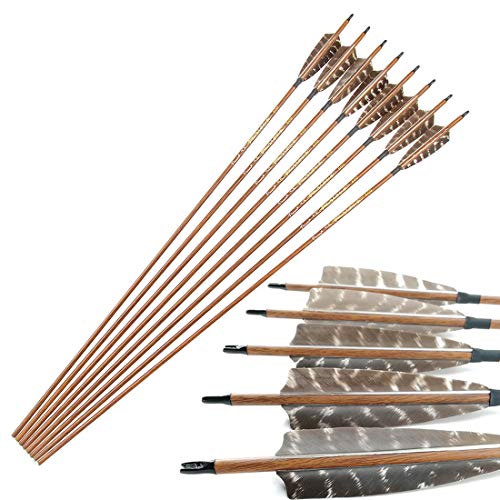
- ARS Mark9.2
ARS Mark is a ranking system developed by bestairriflescopes.com. ARS Mark has no relationship or impact from any manufacturers or sales agent websites. Learn more
- BrandPinals

- ARS Mark9.0
ARS Mark is a ranking system developed by bestairriflescopes.com. ARS Mark has no relationship or impact from any manufacturers or sales agent websites. Learn more
- BrandPointdo

- ARS Mark9.0
ARS Mark is a ranking system developed by bestairriflescopes.com. ARS Mark has no relationship or impact from any manufacturers or sales agent websites. Learn more
- BrandLuoyer

- ARS Mark9.0
ARS Mark is a ranking system developed by bestairriflescopes.com. ARS Mark has no relationship or impact from any manufacturers or sales agent websites. Learn more
- BrandBOWSOUL

- ARS Mark9.0
ARS Mark is a ranking system developed by bestairriflescopes.com. ARS Mark has no relationship or impact from any manufacturers or sales agent websites. Learn more
- BrandPointdo

- ARS Mark9.0
ARS Mark is a ranking system developed by bestairriflescopes.com. ARS Mark has no relationship or impact from any manufacturers or sales agent websites. Learn more
- BrandPinals

- ARS Mark8.8
ARS Mark is a ranking system developed by bestairriflescopes.com. ARS Mark has no relationship or impact from any manufacturers or sales agent websites. Learn more
- BrandZSHJGJR

- ARS Mark8.8
ARS Mark is a ranking system developed by bestairriflescopes.com. ARS Mark has no relationship or impact from any manufacturers or sales agent websites. Learn more
- BrandBOWSOUL

- ARS Mark8.6
ARS Mark is a ranking system developed by bestairriflescopes.com. ARS Mark has no relationship or impact from any manufacturers or sales agent websites. Learn more
- Brande5e10

- ARS Mark8.6
ARS Mark is a ranking system developed by bestairriflescopes.com. ARS Mark has no relationship or impact from any manufacturers or sales agent websites. Learn more
- BrandGPP
Last update on 2026-05-30 / Affiliate links / Images, Product Titles, and Product Highlights from Amazon Product Advertising API
Good Arrows For Recurve Bow
Frustration hits fast when arrows refuse to fly clean no matter how carefully the bow gets tuned. Tight groups suddenly spread wide, shots fishtail through the air, and confidence disappears one release at a time. Plenty of archers spend months adjusting draw technique before realizing their setup simply needs good arrows for recurve bow performance instead of mismatched shafts that fight every shot. The right arrow setup creates smoother release, cleaner flight, and a far more controlled feeling once arrows finally match the bow correctly.
Arrow Spine Changes Everything
Arrow spine controls how the shaft flexes during release, and honestly, this single factor wrecks more setups than people realize. A spine that’s too stiff usually causes arrows to kick awkwardly away from the riser, while weak shafts wobble through the air like they’re struggling to stay balanced. Recurve bows react strongly to improper spine because the arrow bends dramatically the second energy transfers forward. That tiny moment decides whether the shot feels smooth or frustrating.
Many beginners buy arrows based only on draw weight charts and then wonder why impacts drift left or right. Charts help, sure, but draw length, point weight, and shooting style all affect arrow behavior too. A slightly heavier point can soften dynamic spine and stabilize flight without replacing the entire shaft setup. Small adjustments often solve issues that people mistakenly blame on poor shooting habits.
Carbon arrows typically react faster and feel lighter during release, though some cheaper shafts become inconsistent from one arrow to the next. Aluminum arrows provide steadier spine consistency, especially during target practice where precision matters more than raw speed. Hybrid shafts balance durability and flight characteristics fairly well, though they often cost more upfront. Each material changes how spine behaves under pressure.
Proper spine matching improves more than accuracy alone. The bow feels quieter, vibrations decrease, and release timing becomes easier to repeat. That smooth sensation matters because consistent feel builds confidence faster than chasing speed numbers on paper. Archers who finally match arrow spine correctly usually notice tighter grouping almost immediately.
Arrow Weight And Real Flight Control
Light arrows sound exciting until crosswinds start pushing shots sideways halfway downrange. Speed helps with flatter trajectory, but overly light shafts often become twitchy during outdoor shooting sessions. Recurve setups usually benefit from balanced arrow weight rather than chasing the fastest possible shot. Stable flight beats unpredictable speed every single time.
Heavier arrows absorb energy more efficiently and reduce the harsh slap some bows create after release. That softer shooting experience becomes especially noticeable during longer practice sessions where fatigue builds slowly. Shoulders stay fresher, follow-through feels calmer, and repeated shots remain easier to manage. Tiny comfort improvements add up quickly after several dozen arrows.
Front-of-center balance also deserves attention. Arrows carrying slightly more forward weight stabilize faster and recover better after release imperfections. That doesn’t magically fix poor technique, though it does help reduce erratic flight caused by minor mistakes. Plenty of experienced recurve shooters prefer moderate front weight because the arrow simply tracks cleaner through the air.
Arrow balance, shaft weight, and point configuration all influence real-world shooting more than flashy marketing labels. Fast arrows can still miss badly if stability disappears halfway through flight. Smooth consistency matters far more during repeated practice than occasional lucky shots. Reliable arrows build trust between the shooter and the bow.
Carbon Vs Aluminum Arrow Feel
Carbon arrows dominate many recurve ranges because they’re durable, lightweight, and resistant to bending after accidental impacts. They also maintain decent consistency across changing temperatures, which helps during outdoor practice. Still, ultra-light carbon shafts sometimes feel too reactive on traditional recurve setups. Some shooters love that responsiveness, while others hate the twitchy release sensation.
Aluminum arrows carry a completely different personality. The added weight creates steadier flight and smoother release timing, especially for slower traditional bows. Target shooters often stick with aluminum because impacts feel predictable instead of overly aggressive. Bent shafts remain the biggest downside, though careful storage reduces that risk substantially.
Mixed-material arrows attempt to blend both worlds together. Carbon cores with aluminum outer layers improve durability while preserving stable arrow flight characteristics. Those hybrids usually cost more, but many archers appreciate the balance between strength and smoother tuning behavior. The tradeoff mostly comes down to budget versus shooting preference.
Carbon shafts excel during rough outdoor use, while aluminum arrows often shine during repetitive target sessions. Neither material automatically outperforms the other in every situation. Arrow behavior depends heavily on bow setup, release style, and personal comfort. Consistency always matters more than hype.
Fletching Impacts Shot Recovery
Fletching rarely gets enough attention until arrows begin drifting unpredictably after release. Feathers stabilize recurve arrows quickly because they compress naturally while passing the riser shelf. That softer contact reduces interference and helps traditional setups maintain cleaner arrow flight. Plenty of instinctive shooters still prefer feathers for exactly that reason.
Plastic vanes handle wet conditions better and last longer during repeated target practice. Rain ruins feather performance surprisingly fast, especially during humid mornings or damp outdoor ranges. Vanes resist moisture more effectively, though stiffer materials sometimes create slight clearance problems on shelf-shot recurves. Proper tuning matters even more when using vanes.
Fletching size changes arrow behavior too. Larger feathers stabilize broadheads and heavier shafts more effectively but create additional drag. Smaller vanes maintain speed better while sacrificing some forgiveness during imperfect releases. Picking the wrong size usually creates flight issues that feel random at first glance.
Arrow recovery, flight stabilization, and release forgiveness all connect directly to proper fletching choices. Tiny changes in feather shape or vane height can noticeably alter downrange consistency. Archers often underestimate how much fletching influences overall arrow personality. Good arrows need balanced stabilization from the rear as much as proper spine through the center.
Bow Noise Often Starts With The Arrow
Loud recurve bows don’t always need new limbs or expensive dampeners. Poorly matched arrows create excess vibration that travels through the riser and amplifies release noise. Weak shafts slap harder during paradox movement, while extremely light arrows leave extra stored energy behind. That harsh reaction makes bows sound rougher than they actually are.
Heavier arrows generally quiet the shooting cycle because they absorb more energy during launch. The bow transfers power more efficiently instead of dumping leftover vibration into the limbs. That smoother release becomes obvious after only a few shots. Noise reduction often appears alongside better arrow stability too.
Nock fit affects sound as well. Tight nocks pinch the serving and create inconsistent release timing, while loose nocks can separate awkwardly during draw cycles. A properly fitted nock snaps onto the string firmly without requiring excessive pressure. Tiny details matter because release consistency starts before the arrow even leaves the string.
Quiet shooting, stable release, and reduced vibration often point toward correctly matched arrows instead of expensive accessories. Plenty of archers waste money fixing noise problems caused entirely by poor arrow selection. Smooth arrow behavior calms the entire setup naturally. The bow simply feels more controlled.
Outdoor Conditions Expose Weak Setups
Indoor shooting hides plenty of arrow problems because stable conditions remove wind and uneven lighting from the equation. Outdoor sessions expose weak spine matching, poor balance, and unstable fletching almost immediately. Crosswinds push lightweight arrows harder than many people expect, especially during longer distances. Tiny inconsistencies suddenly become impossible to ignore.
Humidity affects feather fletching faster than expected. Damp feathers flatten slightly and lose stabilization efficiency during longer sessions. Plastic vanes maintain shape more reliably during changing weather, though shelf clearance sometimes becomes trickier on traditional recurves. Tradeoffs exist everywhere in archery setups.
Temperature swings can also change how arrows react during release. Some lightweight shafts feel slightly stiffer during colder weather, which subtly alters flight behavior over distance. Most casual shooters never notice those differences at short range, but repeated practice outdoors eventually reveals them. Consistency becomes harder without adaptable arrow setups.
Wind resistance, weather durability, and stable outdoor flight separate dependable arrows from frustrating ones. Indoor accuracy alone doesn’t guarantee real-world performance once conditions shift. Good arrows maintain composure even during messy shooting environments. That reliability matters more than perfect range conditions.
Target Practice Requires Different Tradeoffs
Dedicated target shooting rewards consistency far more than raw penetration or hunting durability. Aluminum shafts remain popular partly because they deliver predictable impacts during repetitive shooting cycles. Their heavier feel often slows release timing slightly, making shots easier to control mentally. Some archers simply shoot calmer with steadier arrows.
Ultra-light carbon arrows may produce flatter trajectories, though they sometimes exaggerate release mistakes at shorter distances. Tiny flaws suddenly show up clearly on paper targets. That responsiveness helps advanced shooters refine technique but frustrates beginners trying to build confidence. The arrow feels less forgiving overall.
Point weight selection matters heavily for target setups too. Moderate front weight usually balances stability and manageable trajectory without creating excessive drop at longer distances. Oversized points increase stability but may feel sluggish depending on draw weight. Every setup eventually becomes a balancing act between comfort and precision.
Explore best archery target for crossbow options if repeated target sessions start damaging standard foam blocks too quickly. Durable targets matter because worn surfaces can hide arrow grouping patterns and create misleading practice feedback. Consistent practice equipment supports cleaner arrow tuning overall.
Best Arrow Setup For Recurve Bow Accuracy
Missed shots rarely happen for one single reason. Tiny setup problems stack together slowly until every practice session feels inconsistent and irritating. A recurve bow might feel smooth during draw, yet poor arrow tuning still sends shots drifting off target without warning. That’s why good arrows for recurve bow setups depend heavily on balance, tuning details, and realistic expectations instead of flashy marketing promises.
Broadheads And Field Points React Differently
Field points usually fly cleaner because they create less drag and stabilize faster after release. Broadheads behave differently, especially with lightweight recurve arrows that already struggle in windy conditions. Fixed blades magnify tuning mistakes almost immediately, so weak spine or poor fletching alignment becomes obvious fast. Tiny inconsistencies suddenly turn into wide misses downrange.
Heavier broadheads often stabilize recurve arrows better, though excessive front weight may slow trajectory more than expected. That tradeoff frustrates some shooters because flatter shots feel easier during instinctive aiming. Stable flight still matters more than pure speed once hunting distances increase. Smooth arrow recovery keeps impacts more predictable.
Sharp broadheads also punish worn targets quickly. Thin foam layers break down faster than many people expect after repeated practice. Upgrade practice sessions with best archery target for crossbow recommendations if arrows begin punching through weak target material too easily. Reliable targets help expose grouping patterns instead of masking them.
Broadhead stability, arrow recovery, and consistent penetration all depend on balanced shaft configuration. Plenty of arrows look fine at short range yet spiral badly once distance increases. Recurve bows demand clean tuning because they transfer energy differently than modern compound systems. Stable arrows always outperform fast but erratic ones.
Arrow Length Alters Release Feel
Longer arrows feel more forgiving during release because they soften dynamic spine slightly and create smoother paradox movement. Short shafts react faster but punish small form mistakes harder, especially for newer recurve shooters. Plenty of archers trim arrows too aggressively chasing speed gains that barely matter during real shooting sessions. Stability disappears surprisingly fast once shafts become too short.
Arrow length also affects comfort during full draw. Extra shaft length provides visual confidence and reduces that cramped feeling some shooters hate during anchor positioning. A balanced setup should feel controlled instead of rushed. Tiny comfort improvements help maintain better consistency over time.
Heavy point setups paired with longer arrows often produce smoother flight patterns from traditional recurve bows. That added forward balance calms the shot cycle and reduces sharp vibration after release. Faster setups may feel exciting initially, though they sometimes become tiring during long practice days. Smooth shooting usually encourages better repetition.
Arrow control, draw comfort, and release timing improve noticeably once arrow length matches shooting style properly. Many inconsistent setups stem from overly stiff short shafts that react too harshly during release. A calmer arrow flight path helps build confidence far quicker than chasing speed numbers.
Bad Nocks Create Hidden Problems
Nocks rarely grab attention until arrows start releasing inconsistently. Tight nocks pinch the serving and delay release timing, while loose ones wobble unpredictably during draw cycles. Both situations damage consistency even if arrow spine and weight already look correct on paper. Tiny plastic pieces quietly influence the entire shot process.
Temperature changes sometimes affect nock fit too. Cold weather can stiffen certain materials slightly, causing release timing to feel rougher during outdoor sessions. Some shooters blame their gloves or finger tabs without realizing the nocks changed behavior first. Little details stack up quickly in archery.
String serving thickness matters just as much as nock size. Improper serving creates unnecessary pressure points that interfere with clean arrow launch. Proper fit should snap onto the string firmly without feeling overly tight or dangerously loose. Consistency begins before the arrow even leaves the bow.
Clean release timing, steady arrow launch, and predictable grouping rely heavily on simple tuning details like nock fit. Fancy accessories can’t compensate for sloppy string interaction. Smooth arrow separation keeps the entire shooting cycle more repeatable. That subtle difference becomes obvious during longer sessions.
Traditional Shooting Needs Different Arrow Behavior
Traditional recurve shooting places more pressure on arrow forgiveness because shelf shooting creates additional contact during release. Feathers usually outperform stiff vanes in these setups since they compress naturally against the riser. Plastic vanes can still work, though clearance issues become far more noticeable without proper tuning. Minor contact points ruin arrow flight quickly.
Wood arrows remain popular among traditional shooters because they deliver softer release characteristics and quieter shot cycles. Consistency between shafts becomes the biggest challenge, especially with cheaper sets that vary in spine and weight. Careful sorting helps reduce that problem, though maintenance takes more effort compared to carbon shafts. Weather also affects wood more dramatically.
Heavy arrows often pair nicely with traditional recurves because they absorb energy smoothly and reduce sharp limb vibration. Fast lightweight shafts may feel harsh depending on draw weight and riser design. Comfort matters more than bragging rights during long instinctive practice sessions. Calm shooting promotes better form repetition naturally.
Traditional recurve setups, feather stabilization, and quiet release behavior all connect directly to proper arrow matching. Poorly balanced arrows create noisy shots and unstable flight paths almost immediately. Smooth arrow travel simply feels better from release through impact. That consistency keeps frustration levels lower during practice.
Sight Systems Still Depend On Arrow Quality
Many shooters install expensive sights hoping accuracy problems disappear overnight. Poor arrows still sabotage clean aiming regardless of sight quality or pin brightness. Inconsistent spine and unstable flight create unpredictable impacts that no sight adjustment can fully correct. Stable arrows must come first.
Bowhunters often prefer adjustable sights because changing distances outdoors happens quickly. Stable arrow flight matters even more during those situations since slight inconsistencies become magnified over longer ranges. Compare best peep sight for bow hunting setups if aiming clarity starts feeling inconsistent during low-light practice. Clear sight alignment helps maintain better focus through release.
Compound-style hunting sights sometimes inspire recurve shooters looking for extra aiming precision during target sessions. Explore best compound bow sight for hunting systems to compare how sight picture adjustments influence long-distance accuracy expectations. Different sight styles create completely different shooting rhythms depending on arrow speed and release habits.
Sight alignment, arrow consistency, and predictable impacts always work together. Expensive accessories cannot fix unstable shafts flying unpredictably through changing conditions. Reliable arrows simplify aiming because shots begin landing where they should repeatedly. Confidence builds naturally once flight paths stop behaving randomly.
Durability Matters During Repeated Practice
Practice arrows take abuse constantly. Shafts slam into targets hundreds of times, bounce across rough ground, and occasionally collide with other arrows during tight groupings. Weak materials eventually crack, bend, or lose consistency even if damage stays invisible initially. Reliable durability matters more than flashy cosmetics.
Carbon shafts resist bending well, though hidden fractures can become dangerous after hard impacts. Careful inspection helps prevent failures during release. Aluminum arrows bend more visibly, making damage easier to spot before shooting again. Both materials require routine checks after rough sessions.
Fletching wear also changes arrow behavior gradually. Torn feathers destabilize flight while damaged vanes create uneven drag during longer shots. Replacing worn fletching early prevents frustrating accuracy problems from creeping into otherwise solid setups. Maintenance keeps arrow performance consistent over time.
Arrow lifespan, consistent durability, and safe shooting habits all influence long-term satisfaction with recurve equipment. Cheap arrows often become expensive after repeated replacements and unreliable performance. Strong shafts maintain cleaner flight characteristics far longer during repeated use. Dependable arrows reduce unnecessary frustration during practice.
Tuning Mistakes Often Look Like Form Problems
Many shooters blame themselves first after inconsistent sessions, even though poorly tuned arrows frequently cause the real problem. Weak spine, incorrect point weight, or clearance issues can make decent shooting form look unreliable. That frustration grows quickly because practice no longer feels productive. Shots start feeling random instead of repeatable.
Bare shaft testing exposes arrow problems surprisingly well. Arrows without fletching exaggerate tuning flaws and reveal whether the setup reacts properly during release. Weak arrows usually impact differently than fletched shafts, while stiff arrows often drift opposite direction depending on shooting orientation. Tiny differences reveal larger tuning problems underneath.
Paper tuning also helps identify poor arrow flight behavior. Tears through paper expose sideways movement and inconsistent release patterns before issues become visible at distance. The process looks technical initially, though even basic tuning dramatically improves recurve performance once understood properly. Simple adjustments often solve major frustrations.
Arrow tuning, consistent grouping, and clean release behavior matter more than constantly replacing equipment. Plenty of bows perform far better once arrows finally match the setup correctly. Smooth arrow flight restores confidence and keeps practice sessions enjoyable instead of exhausting. Tiny tuning details create massive differences over time.


12 Best 22 Pcp Air Rifle For Hunting of 2026 With Quiet Power

7 Best 22 Pcp Air Rifle Under 300 of 2026 For Backyard Pest Control

10 Best 22 Break Barrel Air Rifles of 2026 For Backyard Pest Control

10 Best 30 Caliber Pcp Air Rifle of 2026 For Medium Game

Top Best 177 Air Rifle Under 100: Budget-Friendly Picks for 2026

How to Safely Reload Shotgun Shells at Home

11 Best Co2 Air Rifle For Pest Control of 2026 To Ensure Humane Dispatch

12 Best Inexpensive Air Rifles of 2026 For Dependable Backyard Accuracy






