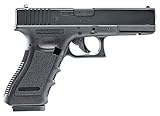
Do Hatsan PCP Pistols Come Filled with Air?

No, they ship almost completely empty. Factory air cylinders only hold a tiny puff of pressure to keep internal rubber seals seated and keep moisture out during transit. Because of freight safety rules, they do not arrive ready to shoot. Every new owner must fill the reservoir before firing that first shot.
Getting that first fill right depends on having the right gear on hand. Standard garage tire pumps simply lack the muscle to reach the required pressure of nearly 2,900 pounds per square inch. Charging the cylinder takes a specialized hand pump, a high-pressure compressor, or a scuba tank attached to the brass fill probe (the small plug that connects the hose to the gun). Here is what you need to safely hook up your gear and top off the air.
New Hatsan PCP Pistols Ship With Bare Minimum Air
When you open the factory box of a new Hatsan PCP pistol, you will find the gun resting in its case alongside a small plastic bag of spare parts. That bag usually contains a brass fill probe (the brass plug that connects the fill hose to the pistol), a few spare rubber O-rings, and sometimes a brass degassing cap. If you glance at the small pressure gauge built into the end of the air cylinder under the barrel, the needle will sit near the bottom of the dial. It will usually read between 30 and 50 bar (a metric pressure unit on the onboard gauge, equal to roughly 435 to 725 pounds per square inch).
Manufacturers ship PCP airguns with this low charge for two important reasons. Shipping carriers have strict safety regulations that prohibit moving fully pressurized air cylinders on trucks and planes, because extreme heat or punctures could turn a full cylinder into a hazard. At the same time, factory workers cannot leave the cylinder completely empty. Pre-charged pneumatic airguns rely on internal pressure to push the firing valve tightly against its internal seat. Leaving a low cushion of air protects those internal seals from shifting, drying out, or leaking during transit and warehouse storage.
This factory storage air is not enough to launch a pellet down the barrel. If you cock the action and pull the trigger out of the box, you will hear a weak click or a dull puff. Firing a PCP pistol with insufficient pressure can lodge a pellet inside the rifling. Always remember that PCP pistols use hourglass-shaped lead or alloy pellets made for rifled barrels to achieve tight accuracy. Never load round steel BBs into a rifled pellet barrel, because hard steel BBs strip the delicate internal rifling and permanently destroy your accuracy.
Standard Garage Air Compressors Cannot Reach PCP Pressures
A common beginner mistake is looking across the garage at an everyday shop air compressor and assuming a quick adapter will charge the pistol. Workshop compressors run nail guns, impact wrenches, and tire chucks. Those tools run at working pressures between 90 and 150 pounds per square inch (PSI). That feels like serious pressure when inflating a truck tire, but it is nowhere near what a PCP air pistol requires to operate.
Hatsan PCP air cylinders have a standard fill rating of 200 bar, which equals roughly 2,900 PSI. That means the cylinder in your pistol holds air at nearly twenty times the maximum pressure of a typical workshop compressor. If you tried hooking a garage air hose to your pistol, the shop compressor would not even generate enough force to push open the pistol check valve. The air inside the pistol cylinder would actually push backward into your garage hose.
Attempting to build home-made fittings from hardware store plumbing parts is an extreme safety hazard. Standard shop hoses and brass pipe fittings are rated for only 150 to 300 PSI. Subjecting those parts to 2,900 PSI will cause the hose to rupture violently like a burst tire. If you prefer shooting without purchasing specialized high-pressure air gear, self-contained airguns like spring-piston air rifles or multi-pump pneumatic pistols are much simpler alternatives. But for a Hatsan PCP, you must use gear engineered specifically for high-pressure air.
Three Specialized Tools Can Safely Fill Your Pistol
To put usable air into your pistol, you need one of three charging systems built to handle thousands of pounds of pressure. Each option has practical trade-offs in physical effort, cost, and portability. You can pick the method that best matches how often you shoot and where you plan to practice.
The first and most affordable option is a high-pressure manual hand pump. These look like tall bicycle floor pumps, but they contain heavy three-stage or four-stage internal pistons that compress air in sequential chambers. Pumping a large rifle cylinder with a hand pump is a tiring cardio workout, but Hatsan pistols have compact air tubes that hold only around 50 to 65 cubic centimeters of air. Topping off a pistol from 100 bar back up to 200 bar takes only 30 to 50 steady downward strokes, making a hand pump a practical, low-cost choice that fits easily into a shooting bag.
The second option is a portable electric PCP compressor. These compact electric units plug directly into a standard 110-volt household wall outlet or connect to a 12-volt car battery with alligator clips. They feature small electric motors, cooling fans, and internal moisture filters to pump ambient air directly into the pistol cylinder in two to three minutes. You simply attach the hose, set the automatic shut-off knob, and let the motor do the heavy physical work.
The third option is a high-pressure air tank, such as an aluminum scuba cylinder or a carbon-fiber tank rated for 4,500 PSI. These tanks store large volumes of pre-compressed air. When connected to your pistol via a flexible fill hose, you slowly open the tank knob, and the pistol cylinder fills completely in about ten seconds without making any noise. The trade-off is logistics: you must drive the large tank to a local scuba shop or paintball field whenever it runs low to have it refilled by a commercial compressor.
Follow These Exact Steps To Fill The Cylinder Safely
Filling your pistol becomes second nature once you understand the routine, but you must follow the steps in the correct order every time. Rushing the process can tear rubber seals or launch metal fittings across the room. Always work on a clean table free of grit, dust, and pet hair.
- Make the pistol safe: Engage the manual safety switch, draw the cocking lever back, remove the rotary pellet magazine, and visually confirm the breech is clear. Never attach fill equipment to a loaded airgun.
- Check the fill probe: Pick up the factory brass fill probe (the brass plug that connects the fill hose to the pistol) and examine the two black rubber O-rings seated in its grooves. Make sure the O-rings are free of cracks, dirt, and lint. If they look dry, spread one tiny drop of pure silicone airgun oil across the rubber surfaces using your fingertip.
- Attach the probe to your fill hose: Pull back the knurled metal collar on the female quick-disconnect fitting at the end of your pump or compressor hose. Insert the male end of the fill probe firmly, then release the collar. Tug hard on the brass probe to ensure the metal collar locked into place.
- Insert the probe into the pistol cylinder: Rotate the protective collar on the pistol air tube to uncover the fill port hole. Push the brass probe straight into the hole until both O-rings sit completely inside the metal tube wall.
- Tighten the bleed valve: Locate the bleed valve (the small screw knob that vents hose air before unplugging) on the base of your hand pump or compressor. Turn the knob clockwise until it is snug and hand-tight. Do not overtighten it with pliers, as hand-tight pressure is enough to create a seal.
- Start adding pressure: If using a hand pump, use your body weight to push the handle straight down, locking your elbows and bending your knees on each stroke. If using an electric compressor, turn on the cooling fan first, then start the pump motor. Watch the onboard manometer dial on the end of the pistol air cylinder rise steadily.
- Stop at the 200 bar mark: Stop pumping or switch off the compressor motor immediately when the needle touches 200 bar. Hatsan cylinders are designed for 200 bar working pressure; never try to squeeze extra air into the cylinder past the green operating zone.
- Bleed the hose pressure: Before touching the brass probe, turn the bleed valve knob counter-clockwise by half a turn. You will hear a loud, sharp hiss as air exhausts from the fill hose. This drops the pressure inside the hose to zero while the pistol internal check valve keeps the cylinder sealed.
- Remove the probe: Now that the hose has zero pressure, pull the brass probe straight out of the pistol fill port. Rotate the cylinder dust cover back over the fill hole to keep dirt and pocket lint out of the valve mechanism.
Never skip step eight. If you attempt to yank the brass probe out while the hose is still under 2,900 PSI of pressure, you will either shred the rubber O-rings instantly or cause the heavy brass probe to whip outward dangerously.
Avoid Overfilling And Moisture To Protect Your Airgun Seals
Keeping a PCP airgun reliable for years comes down to preventing two major threats: excessive mechanical pressure and internal moisture. Following a few basic maintenance habits will keep your pistol shooting consistently, whether you are plinking paper targets or keeping a quiet air pistol for pests handy around the garden.
- Never exceed the 200 bar limit: Pushing your pistol past its rated limit does not produce higher pellet speeds. In fact, excessive pressure puts so much force against the internal valve stem that the pistol hammer cannot open the valve cleanly. This causes valve lock, which results in weak shots, erratic velocities, and damaged internal springs.
- Use an inline moisture filter: Squeezing atmospheric air up to 2,900 PSI condenses ambient humidity into microscopic water droplets. Pumping moist air directly into your pistol will cause internal corrosion along the steel cylinder walls and ruin the valve face. Always use an inline filter tube packed with absorbent cotton tampons or desiccant beads on your pump or compressor line to catch water before it enters the gun.
- Never use petroleum lubricants: Use only 100 percent pure silicone airgun oil on your probe O-rings and fill fittings. Never spray WD-40, firearm solvents, penetrating oils, or motor lubricants anywhere near high-pressure PCP fittings. Under extreme compression, petroleum vapors heat up instantly and can detonate like a diesel engine cylinder, destroying your gun and causing severe injury.
- Store the cylinder with partial air pressure: When you finish shooting for the day, never dry-fire your pistol until the cylinder reads zero bar. Storing a PCP gun completely empty allows ambient moisture to creep past the loose valve seals, causing rust and dry rot. Keep between 50 and 100 bar of clean air in the reservoir during storage so the valve stays under light mechanical tension.
- Check probe O-rings for wear: If you hear air hissing from the fill port during a pumping session, stop immediately and bleed the hose. The small rubber O-rings on the brass probe wear down over time and can split. Replace nicked rings using the spares from your original factory packaging to maintain an airtight seal every time you charge.


The Best Pistols For Squirrel Hunting 2026 - Top Choices

Best Piston Air Rifles 2026 - 7 picks to buy
Best Semi Auto PCP Air Pistol: Top Rated Reviews for 2026
Top-Rated Reviews: The Best Self Defense Air Pistols of 2026

Best Revolver Air Pistols: Top-Rated Picks of 2026
Top Rated Best Replica Air Pistols: The Ultimate 2026 Guide

Best Self Defence Air Pistol: 2026 Top-Rated Picks

Best Recoiless Air Pistol: Top-Rated Picks of 2026