
How Accurate Are Break Barrel Airguns?

Most hit a quarter at twenty-five yards. That means landing shots inside a coin-sized circle is entirely normal at common backyard distances. Inside the rifle, a heavy steel piston springs forward when the trigger breaks, creating a fast two-way kick before the pellet clears the barrel. Squeezing the stock tightly like a powder firearm fights that movement and throws shots off target.
Real accuracy comes down to using a gentle touch and feeding the barrel the right shape of lead. Resting the front stock on an open, relaxed palm lets the rifle float naturally through its jump, keeping groups tight. Pellet weight also matters, since matching the barrel to a good domed pellet shrinks groups noticeably. Past thirty-five yards, dropping speed scatters shots much faster. Here is what to expect at each distance and how a few simple habits keep your aim centered.
Most Break Barrels Shoot Quarter-Sized Groups at 25 Yards
When you set up paper targets in your backyard, a healthy break-barrel rifle should easily place five pellets inside the size of a quarter at 25 yards. That comes out to roughly a one-inch circle. For an air rifle cocked by pivoting the barrel down to compress an internal spring or gas piston, that is the gold standard for reliable, repeatable target practice.
Your distance from the target changes your results quickly. At 10 yards, a standard break barrel feels like a tack driver. You can expect pellets to cluster inside a dime-sized hole, and sometimes they will clip through the exact same ragged hole shot after shot. That close range gives you an easy baseline to confirm that your sights or crosshairs are aligned properly.
Things change when you stretch the distance out to 40 yards. At that range, natural pellet wobble, falling speed, and light breezes begin to take over. Your shot groups will naturally open up to the size of a baseball, spanning two to three inches across. This is completely normal behavior for shaped lead pellets pushed by compressed air, rather than a defect in your barrel.
Many shooters wonder if they can cleanly drop garden pests at 50 yards with a break barrel. The honest answer is that 50 yards pushes these rifles past their dependable limit. Even if an airgun boasts high muzzle velocity, light pellets shed speed and knockdown power rapidly downrange. A slight five-mile-per-hour breeze can blow a pellet three inches off target at 50 yards, turning a clean aim into an outright miss or an injured animal. For humane pest dispatching, keep your shots inside 30 to 35 yards where your pellet still hits with tight precision.
Clamping Down on the Stock Ruins Your Pellet Flight
The single biggest mistake new airgun shooters make is holding a break barrel like a traditional hunting firearm. If you grip the forearm tightly, tuck your cheek hard against the comb, and pull the buttstock firmly into your shoulder, your shots will scatter randomly across the paper. Resting the bare forearm directly on a hard sandbag or picnic table bench causes the exact same erratic flyers.
The reason comes down to the internal piston mechanism. Traditional powder-burning rifles kick backward once after the bullet starts moving. A break-barrel air rifle behaves in the opposite way. When you press the trigger, a heavy steel piston rushes forward inside the compression chamber. That forward surge yanks the rifle slightly backward into your body. A split-second later, that piston slams hard into the front wall of the cylinder to create high air pressure, which snaps the rifle violently forward.
This rapid forward-and-backward movement is known as two-way kick. Because lead pellets travel down the rifled barrel at a much lower exit speed than firearm bullets, the pellet is still traveling inside the barrel while this entire violent vibration takes place. If you clamp down tight with your hands, your muscles fight that motion unevenly with every shot.
Resting the stiff stock on a hard bench bag creates the same problem. When the piston slams forward, the rifle bounces off the hard surface like a rubber ball, throwing the muzzle off alignment before the pellet leaves the crown. To shoot tight groups, you must let the rifle float and move identically on every single shot.
Use a Loose-Palm Hold to Tame the Two-Way Kick
To let the rifle recoil naturally without throwing your aim, you need to master the loose-palm hold. This shooting style creates a smooth, frictionless resting pad that lets the gun slide freely during its two-way kick. Follow these steps every time you line up behind the sights:
- Open your supporting hand flat: Hold your non-dominant hand out with your palm facing up and your fingers completely relaxed. Never wrap your fingers or your thumb around the sides of the forend. Think of your palm as a soft, flat beanbag rather than a clamp.
- Find the natural balance point: Rest the stock on your open palm right where the rifle balances evenly. On most models, this balance spot sits just an inch or two forward of the trigger guard. Place your hand in this exact same spot for every single shot.
- Rest the buttstock lightly against your shoulder: Bring the buttpad up to your shoulder pocket with just enough contact to keep the gun steady. Do not dig the stock into your shoulder muscle. It should rest against your shirt without any backward pulling force.
- Keep your trigger hand relaxed: Grasp the pistol grip gently with your shooting hand. Your thumb should rest lightly on the stock rather than wrapping tightly around the neck. Only the pad of your index finger should apply pressure to the trigger shoe, pulling straight back in a slow, steady sweep.
- Maintain your follow-through: Do not drop the rifle the moment the gun discharges. Keep your eye looking straight through the scope or iron sights for a full second after the shot breaks. Because the pellet travels slower than a firearm bullet, jerking your head away early will steer the muzzle off target while the pellet is still inside the barrel.
Finding the Right Pellet Weight Tightens Your Groups Fast
Every airgun barrel has a distinct personality. Two identical rifles built on the same assembly line may prefer completely different pellet shapes and weights. Feeding your rifle the wrong ammunition will double your group sizes even if your shooting posture is textbook perfect. Use this checklist to select and inspect your ammunition:
- Choose domed round-nose pellets first: Domed pellets feature a curved, aerodynamic nose that cuts through the air cleanly. Flat-nosed wadcutter pellets cut crisp holes in paper at 10 yards, but they tumble and lose stability past 20 yards. Pointed pellets often have slight manufacturing balance flaws that cause wide spirals at longer ranges.
- Match pellet weight to your rifle caliber: For a .177 caliber break barrel, start with medium-weight lead pellets weighing between 7.5 and 8.5 grains. For a .22 caliber model, look for pellets in the 14.0 to 15.5 grain range. Pellets that are too light cause the piston to slam hard into the cylinder end cap, while overly heavy pellets drop fast like a tossed rock.
- Never feed steel BBs into a rifled barrel: Steel BBs are designed for smoothbore guns. Feeding hard steel balls into a precision break barrel will strip out the soft spiral rifling grooves inside your steel barrel, ruining your accuracy permanently. If you want cheap, casual plinking for tin cans, pick up a smoothbore BB gun for backyard plinking rather than damaging your target rifle.
- Inspect pellet skirts before loading: The hollow skirt at the tail of a lead pellet expands to catch the blast of compressed air and grip the rifling. Examine each pellet as you load it into the breech. If the skirt is dented, pinched, or oval, air will escape unevenly, causing an unpredictable stray shot that misses your group by two inches.
- Clean out lead buildup periodically: After shooting hundreds of rounds, soft lead dust coats the inside of the rifling grooves. If your shot groups suddenly expand for no clear reason, run dry cleaning patches through the barrel from breech to muzzle using a pull-through cable to clear out lead fouling.
Loose Screws Cause Sudden and Random Flying Pellets
Because spring and gas-piston rifles produce sharp vibrations back and forth, they rattle screws loose faster than firearms. If your rifle was shooting clean one-inch groups last weekend but suddenly scatters pellets six inches apart today, your hardware has likely vibrated loose. Inspect these vital spots regularly:
- Tighten the front and rear stock screws: Most break barrels use two screws on the sides of the forend and one or two near the trigger guard. If these fasteners back out even half a turn, the metal action will shift inside the synthetic or wood stock during the shot. Check them with a properly fitted screwdriver and keep them firmly snug, or apply a drop of removable blue thread-locking compound.
- Inspect scope mounts for creeping backward: The violent forward snap of the piston pushes mounted optics backward along the receiver grooves. Verify that your optic sits in heavy-duty rings clamped onto the narrow 11mm dovetail grooves or notched Picatinny rails. Ensure the scope mount includes a solid steel recoil stop pin that drops into the receiver hole to block backward sliding.
- Verify the optic is spring-airgun-rated: Standard firearm scopes are built to withstand recoil that pushes backward only. The forward slam of an airgun piston can shatter internal scope lenses, snap reticle crosshairs, or loosen internal windage gears. If your crosshairs move randomly after ten shots, the scope internals may have failed.
- Check the barrel pivot bolt for side play: Break open the barrel halfway and gently wiggle the steel barrel assembly from side to side. There should be zero sideways play in the hinge joint. If you feel movement, tighten the pivot bolt slightly until the barrel swings smoothly without any loose wobble.
- Inspect the rubber breech seal: Look at the small rubber O-ring seal located where the barrel meets the receiver face when closed. If this rubber ring is cracked, flat, or nicked, high-pressure air leaks out the moment the piston drops. That air leak causes inconsistent exit speeds, making consecutive shots hit progressively lower on your target.
What to Look for When Choosing an Accurate Break Barrel
If you are shopping for a break-barrel air rifle that delivers clean accuracy right out of the box, focus on shootability rather than raw marketing speed numbers. Advertised speeds above 1,200 feet per second sound impressive, but super-fast break barrels require massive cocking effort to compress heavy mainsprings. Those heavy springs produce violent vibration and harsh recoil, making light-hold shooting much harder to master.
Look for a model with moderate power that launches standard lead pellets between 700 and 900 feet per second. In this sweet spot, pellets remain stable and subsonic, avoiding the turbulent shockwaves that destabilize light alloy pellets when they drop below the speed of sound. A rifle with manageable cocking effort lets you shoot fifty practice rounds in an afternoon without arm fatigue throwing off your trigger control.
Pay close attention to the trigger design. A heavy, gritty trigger pull forces you to squeeze hard with your hand, which pulls the crosshairs off your bullseye right as the gun fires. Choose an air rifle with an adjustable, smooth two-stage trigger that breaks cleanly under light finger pressure. Muffled barrels with built-in noise baffles are also valuable for backyard shooting, keeping neighbors happy while you practice your hold.
Always practice strict safety with any air rifle. Never dry fire the gun with an empty chamber, because firing without a loaded pellet removes the air cushion, causing the piston to slam directly into bare steel and cracking internal components. Always shoot into a safe backstop, such as a heavy steel pellet trap or a dense box packed with rubber mulch, to swallow every projectile safely. When you finish practicing, store your airguns unloaded in a secure cabinet or a dedicated gun safe with a reliable electronic lock to keep them safely away from children.

- ARS Mark9.7
ARS Mark is a ranking system developed by bestairriflescopes.com. ARS Mark has no relationship or impact from any manufacturers or sales agent websites. Learn more
- BrandGamo

- ARS Mark8.9
ARS Mark is a ranking system developed by bestairriflescopes.com. ARS Mark has no relationship or impact from any manufacturers or sales agent websites. Learn more
- BrandUmarex

- ARS Mark8.5
ARS Mark is a ranking system developed by bestairriflescopes.com. ARS Mark has no relationship or impact from any manufacturers or sales agent websites. Learn more
- BrandDPMS
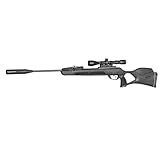
- ARS Mark8.4
ARS Mark is a ranking system developed by bestairriflescopes.com. ARS Mark has no relationship or impact from any manufacturers or sales agent websites. Learn more
- BrandGamo

- ARS Mark7.5
ARS Mark is a ranking system developed by bestairriflescopes.com. ARS Mark has no relationship or impact from any manufacturers or sales agent websites. Learn more
- BrandGamo
Last update on 2026-10-16 / Affiliate links / Images, Product Titles, and Product Highlights from Amazon Product Advertising API


12 Best 22 Pcp Air Rifle For Hunting of 2026 With Quiet Power

7 Best 22 Pcp Air Rifle Under 300 of 2026 For Backyard Pest Control

10 Best 22 Break Barrel Air Rifles of 2026 For Backyard Pest Control

10 Best 30 Caliber Pcp Air Rifle of 2026 For Medium Game

Top Best 177 Air Rifle Under 100: Budget-Friendly Picks for 2026

How to Safely Reload Shotgun Shells at Home

11 Best Co2 Air Rifle For Pest Control of 2026 To Ensure Humane Dispatch

12 Best Inexpensive Air Rifles of 2026 For Dependable Backyard Accuracy






