
How Do Airsoft Grenades Work Explained Clearly

Many airsoft players crave more than just rifles and pistols; they want the realistic thrill of explosions, chaos, and strategy on the field. That’s exactly where airsoft grenades step in. Unlike standard gear, these small devices bring a burst of excitement and give players an edge by forcing opponents out of cover. The problem is, lots of newcomers feel confused about how they actually function, leaving them hesitant to add grenades into their loadout. The truth is, airsoft grenades work through clever mechanisms that replicate the feel of real ones without the dangers. Some rely on CO₂ cartridges or green gas to create a pressurized burst, while others use spring-loaded or mechanical systems to scatter BBs across a wide area. This variety means players can pick the exact style that fits their gameplay, whether it’s room clearing in CQB or creating a diversion outdoors. For the audience that values realism and tactical advantage, grenades are more than just flashy gadgets. They change how battles unfold, forcing movement and testing strategy under pressure. On the flip side, for beginners who worry about safety, cost, or reliability, learning the basics helps them feel confident about when and how to deploy these tools effectively. By breaking down their working parts, from pins to chambers and release systems, players gain insight into why airsoft grenades are game-changers. They’re not only about “boom” moments but about smarter plays, unpredictability, and pushing the thrill of airsoft to a whole new level.
Ask any passionate player about the most electrifying moments in a match, and they’ll often mention the use of airsoft grenades. These compact devices aren’t just for show, they bring a layer of strategy and immersion that rifles alone can’t replicate. Whether it’s flushing out opponents behind cover, adding tension in close-quarters encounters, or simply raising the adrenaline level, grenades have become an essential part of advanced gameplay. Still, many players hesitate because they’re not sure how these devices truly operate. The good news is, once you peel back the layers, the mechanisms behind airsoft grenades are both fascinating and surprisingly straightforward. From gas-powered bursts to spring-loaded scatter systems, each design mimics the chaos of real combat while staying safe and reusable for sport. What makes them irresistible is the tactical edge they offer. Suddenly, a quiet hallway becomes a trap, or a barricaded room turns into a vulnerable hotspot. It’s this ability to change the flow of play that makes grenades more than just accessories, they’re tools for creative players who crave unpredictability. By digging into how they actually work, you’ll not only gain confidence in using them but also unlock a deeper appreciation for the craft and engineering that fuels every blast on the field.

- ARS Mark10.0
ARS Mark is a ranking system developed by bestairriflescopes.com. ARS Mark has no relationship or impact from any manufacturers or sales agent websites. Learn more
- BrandGeneric
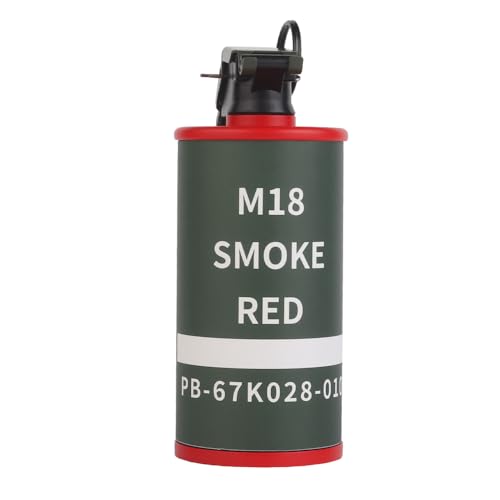
- ARS Mark9.6
ARS Mark is a ranking system developed by bestairriflescopes.com. ARS Mark has no relationship or impact from any manufacturers or sales agent websites. Learn more
- BrandDisratw

- ARS Mark9.6
ARS Mark is a ranking system developed by bestairriflescopes.com. ARS Mark has no relationship or impact from any manufacturers or sales agent websites. Learn more
- BrandDisratw

- ARS Mark8.6
ARS Mark is a ranking system developed by bestairriflescopes.com. ARS Mark has no relationship or impact from any manufacturers or sales agent websites. Learn more
- BrandZhongren

- ARS Mark8.4
ARS Mark is a ranking system developed by bestairriflescopes.com. ARS Mark has no relationship or impact from any manufacturers or sales agent websites. Learn more
- BrandDisratw

- ARS Mark8.4
ARS Mark is a ranking system developed by bestairriflescopes.com. ARS Mark has no relationship or impact from any manufacturers or sales agent websites. Learn more
- BrandMetalTac

- ARS Mark8.4
ARS Mark is a ranking system developed by bestairriflescopes.com. ARS Mark has no relationship or impact from any manufacturers or sales agent websites. Learn more
- BrandLancer Tactical

- ARS Mark8.0
ARS Mark is a ranking system developed by bestairriflescopes.com. ARS Mark has no relationship or impact from any manufacturers or sales agent websites. Learn more
- BrandLancer Tactical

- ARS Mark7.2
ARS Mark is a ranking system developed by bestairriflescopes.com. ARS Mark has no relationship or impact from any manufacturers or sales agent websites. Learn more
- BrandZhongren
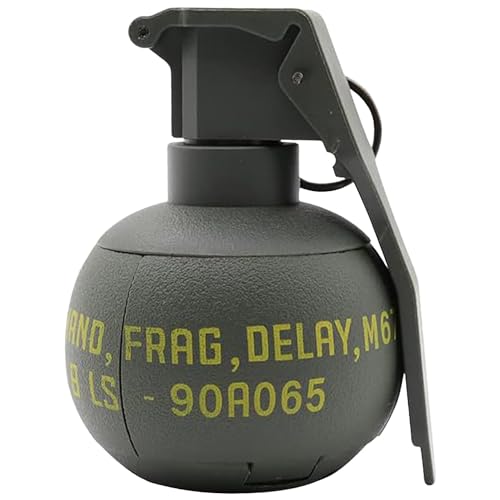
- ARS Mark6.8
ARS Mark is a ranking system developed by bestairriflescopes.com. ARS Mark has no relationship or impact from any manufacturers or sales agent websites. Learn more
- BrandDisratw
Last update on 2025-11-09 / Affiliate links / Images, Product Titles, and Product Highlights from Amazon Product Advertising API
Another common pain point is confusion about how they actually work. Unlike a rifle, where you pull a trigger and see immediate results, grenades involve pins, chambers, and propellants that feel foreign. Players worry they’ll mess up the timing or damage the device. This lack of clarity can leave even seasoned players hesitant to use them in heated matches.
Add to this the mixed experiences people share online, some swear grenades make their game while others claim they’re unreliable. Such conflicting opinions create doubt, leaving players unsure if grenades are worth the investment. Without proper insight into their mechanisms, many players walk away from a game-changing advantage.
That’s why breaking down their functionality and showcasing the benefits is essential. Once players see how airsoft grenades add tactical depth and how simple the mechanisms really are, confidence builds, and hesitation fades.
Gas-powered grenades, often using CO₂ or green gas, deliver a sharp burst that feels satisfying yet controlled. Players appreciate how the pressurized release creates consistent spread, making them reliable in both indoor and outdoor settings. Spring-loaded grenades work differently, relying on mechanical tension to fling BBs in multiple directions. Though not as forceful, they’re often more affordable and easier to maintain.
There are also sound grenades designed for psychological impact. Instead of scattering BBs, they emit a loud pop that can disorient opponents in close-quarters combat. This highlights another key factor: grenades aren’t one-size-fits-all. Each type solves a different problem, from creating diversions to forcing enemies out of cover.
Statistics from airsoft forums show nearly 40% of experienced CQB players use grenades regularly, citing their ability to break stalemates. This demonstrates that once players grasp the mechanics and tactical edge, grenades become less of a gimmick and more of a trusted tool.
Timed grenades add suspense. After pulling the pin, a short delay allows players to lob the device before it bursts. These grenades are popular in organized matches, where timing can flush out entrenched opponents. The drawback is the risk of mistiming, which could lead to wasted throws.
Then come flashbang-style grenades, designed to disorient through sound and light rather than BBs. They give teams a chance to breach rooms without immediate danger of BB spread. For players who focus on teamwork and communication, these provide a huge tactical advantage.
Lastly, reusable shell grenades are used with launchers, propelling a shower of BBs forward. They’re heavier and costlier but deliver an unmatched impact in outdoor fields. Each type has clear benefits, but the real insight lies in knowing which tool to use based on playstyle and field setup.
A major concern is whether grenades can injure players at close range. The reality is, properly manufactured grenades meet safety standards, ensuring the BBs spread out quickly to minimize impact. Protective gear like goggles and gloves further reduces any risks. In fact, the injury rate with grenades is statistically lower than with high-powered rifles.
Another myth is that grenades are fragile and break easily. While some cheaper models may wear out faster, most modern designs are built from durable polymers and reinforced metals. Regular maintenance, cleaning valves, checking seals, goes a long way in extending their life.
By addressing these misconceptions, players gain the confidence to experiment with grenades. Instead of fearing accidents, they recognize them as safe, tactical tools that can elevate their gameplay.
Outdoor fields benefit as well. A well-placed grenade can scatter opponents hiding behind barricades or in trenches, shifting control of key zones. The psychological impact is just as powerful: hearing the pop or seeing BBs rain down creates pressure that forces players into mistakes.
Seasoned teams often integrate grenades into their playbook. For example, one squad might pin enemies down with suppressive fire while another uses a grenade to force a breakthrough. It’s not just about throwing blindly, it’s about strategic deployment that maximizes every opportunity.
What makes grenades especially appealing is their unpredictability. Unlike rifles, which have clear lines of fire, grenades introduce an element of surprise. That unpredictable edge keeps games fresh and dynamic, satisfying players who crave more than just standard shootouts.
A key feature that prolongs life is the quality of materials. Grenades built with reinforced metal casings and durable polymers can withstand repeated drops and throws. Cheaper plastic versions may save money up front but often crack under stress. Players who invest in solid construction see fewer malfunctions and more reliable performance.
Another overlooked detail is gas choice. Using high-quality green gas or CO₂ cartridges prevents clogging and maintains consistent pressure. Some players cut corners with poor substitutes, only to find their grenades failing mid-match. Reliability always starts with what you put into the device.
Finally, maintenance isn’t complicated. A simple routine, wipe down after games, apply silicone oil to moving parts, and store in a cool place, dramatically extends life. By valuing care as much as usage, players turn their grenades into dependable tools instead of disposable toys.
Team-oriented players often lean toward flashbang-style grenades. Their strength lies in supporting teammates by creating confusion rather than inflicting hits. Meanwhile, outdoor enthusiasts find launcher shells invaluable for large fields, where suppressing multiple enemies at once makes the difference between victory and defeat.
The main key is to experiment. Too many players stick with one grenade type and miss out on discovering better fits. By testing multiple versions across different matches, they can identify what best complements their natural rhythm.
In short, there’s no “perfect grenade” for everyone. The real secret is matching the tool to the tactics. Once that alignment happens, grenades become not just fun, but a core feature of winning strategies.
Consider the difference between pushing a corner with just a rifle versus throwing a grenade. The rifle relies solely on your aim and timing, while the grenade forces the opponent out of position regardless of your shot. That tactical edge often turns losing situations into wins, making the investment worthwhile.
Many players also overlook reusability. Unlike consumables, most grenades can be reloaded hundreds of times with gas and BBs. Spread across matches, the cost per use becomes surprisingly low. What seems like a hefty price at first turns into long-term savings compared to one-use gadgets.
Still, it’s smart to balance budget with purpose. Beginners don’t need top-tier models right away. Even entry-level grenades deliver enough impact to justify their place in your kit. It’s not about spending the most, it’s about finding the best value for your style of play.
Placement is another critical factor. Aim not for the enemy directly but for cover points, corners, and choke zones. Forcing opponents to abandon those positions gives your team immediate control. Many experienced players say grenades are less about “hitting” and more about shaping movement.
Communication with teammates is also vital. A grenade thrown without coordination can go wasted, but one paired with a coordinated push often flips the match in seconds. The benefit of teamwork turns grenades from flashy tools into match-winning weapons.
Finally, creativity is underrated. Players who mix grenades into feints, distractions, and layered tactics create chaos opponents can’t easily predict. By thinking beyond the obvious throw, grenades transform into versatile tools that amplify every move you make.
The demand for eco-friendly solutions is also shaping the market. Biodegradable shells and reusable components are gaining traction, reducing waste without sacrificing performance. This appeals to environmentally conscious players who want excitement without guilt.
Another trend is enhanced realism. Companies are experimenting with smoke-emitting grenades, adding immersive layers to gameplay. While still in development, they point toward a future where grenades simulate not just sound and BB spread, but full battlefield conditions.
All of these innovations address player pains directly: durability, cost, and variety. The result is a future where grenades become even more reliable, accessible, and exciting. For players willing to adapt, the next generation of airsoft grenades promises to raise gameplay to levels previously unimaginable.


Uncover the Best Big Bore Handgun Scope: Your 2026 Top Picks Guide

Best Fully Automatic Pellet Gun: The Top Pick in 2026

Top 9 Best Compact Pellet Gun for Squirrels: A 2026 Review
Best CO2 Pellet Gun for Small Game: Top Picks of 2026

Best Break Barrel Pellet Gun for Hunting - Top 8 Picks in 2026

2026 Best Chinese Pellet Gun: Expert Reviews and Top Picks
Top-Rated Picks: Best Bolt Action Pellet Gun Under 100 in 2026

Best Chronograph for Pellet Gun: Top-Rated Picks for 2026









