
How Do Airsoft Shotguns Work Explained Clearly

Many players step onto the battlefield with excitement but quickly feel frustrated when their gear doesn’t deliver. That’s where How do airsoft shotguns work becomes a game-changer. By grasping the mechanics, players can avoid wasted shots, poor accuracy, or clunky reloads that drag down performance. This isn’t about theory, it’s about solving real pains: missing close-range targets, fumbling during intense matches, and failing to match the realism others enjoy. A big insight is that most airsoft fans crave the feel of authenticity. They want the pump action, the satisfying sound, and the spread of BBs that mimic the thrill of real shotguns. Yet many don’t know that different systems, spring-powered, gas-powered, or tri-shot designs, dramatically change how they play. Without this knowledge, they often pick the wrong model, leading to disappointment on the field. Another key pain point is maintenance. Players may jump into a purchase without realizing that gas shotguns demand refills and care, while spring models trade realism for consistency. Understanding this upfront saves both money and frustration. It also keeps the shotgun reliable in heated matches where every second matters. For competitive players, the insight is clear: shotgun mechanics define playstyle. Those who know how shells, magazines, and hop-up systems function gain a sharper edge. They learn how to use range, spread, and reloading speed to control the game. By focusing on how airsoft shotguns actually work, enthusiasts can align their gear with their style, whether they want cinematic realism, tactical versatility, or dependable simplicity.
Step into any airsoft field and you’ll see it, players clutching their rifles with precision, but all eyes turn when someone pumps a shotgun. There’s something magnetic about that click-clack and the burst of BBs flying downrange. Yet, here’s the kicker: most players don’t really know how do airsoft shotguns work behind the scenes. And that lack of knowledge often leaves them stuck with gear that doesn’t match their playstyle. The truth is, every shotgun type tells a different story. A spring-powered shotgun delivers steady reliability but demands muscle memory for each pump. A gas shotgun offers cinematic realism but requires constant refills and careful handling. Then there are tri-shot systems, spitting multiple BBs at once, perfect for close encounters but less friendly for long matches. These mechanics aren’t just trivia; they’re the foundation of smart choices that prevent buyer’s remorse. For players craving intensity, knowing how these systems tick means more than just firing plastic BBs, it’s about owning the moment. It’s about matching performance with ambition, picking the right balance of power, realism, and ease of use. By peeling back the layers of how airsoft shotguns function, you’ll not only avoid common frustrations but also unlock a new level of control and excitement in every skirmish.

- ARS Mark10.0
ARS Mark is a ranking system developed by bestairriflescopes.com. ARS Mark has no relationship or impact from any manufacturers or sales agent websites. Learn more
- BrandGoldenBall

- ARS Mark8.8
ARS Mark is a ranking system developed by bestairriflescopes.com. ARS Mark has no relationship or impact from any manufacturers or sales agent websites. Learn more
- BrandGame Face
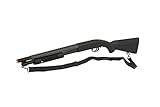
- ARS Mark8.6
ARS Mark is a ranking system developed by bestairriflescopes.com. ARS Mark has no relationship or impact from any manufacturers or sales agent websites. Learn more
- BrandLancer Tactical

- ARS Mark8.6
ARS Mark is a ranking system developed by bestairriflescopes.com. ARS Mark has no relationship or impact from any manufacturers or sales agent websites. Learn more
- BrandDouble Eagle

- ARS Mark7.6
ARS Mark is a ranking system developed by bestairriflescopes.com. ARS Mark has no relationship or impact from any manufacturers or sales agent websites. Learn more
- BrandGunSkins
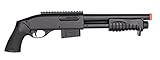
- ARS Mark8.4
ARS Mark is a ranking system developed by bestairriflescopes.com. ARS Mark has no relationship or impact from any manufacturers or sales agent websites. Learn more
- BrandDouble Eagle

- ARS Mark8.2
ARS Mark is a ranking system developed by bestairriflescopes.com. ARS Mark has no relationship or impact from any manufacturers or sales agent websites. Learn more
- BrandGoldenBall
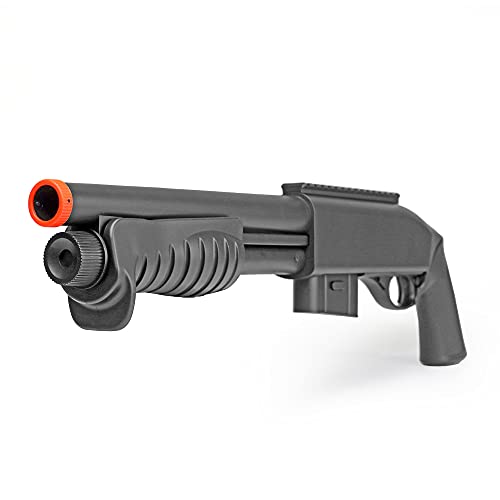
- ARS Mark8.0
ARS Mark is a ranking system developed by bestairriflescopes.com. ARS Mark has no relationship or impact from any manufacturers or sales agent websites. Learn more
- BrandBBTac

- ARS Mark8.0
ARS Mark is a ranking system developed by bestairriflescopes.com. ARS Mark has no relationship or impact from any manufacturers or sales agent websites. Learn more
- BrandElite Force

- ARS Mark7.8
ARS Mark is a ranking system developed by bestairriflescopes.com. ARS Mark has no relationship or impact from any manufacturers or sales agent websites. Learn more
- BrandGoldenBall

- ARS Mark6.0
ARS Mark is a ranking system developed by bestairriflescopes.com. ARS Mark has no relationship or impact from any manufacturers or sales agent websites. Learn more
- BrandGoldenBall
Last update on 2025-11-09 / Affiliate links / Images, Product Titles, and Product Highlights from Amazon Product Advertising API
Most players hear the pump action, see the spread of BBs, and instantly fall in love with the thrill of an airsoft shotgun. But beneath that excitement lies a deeper reality: how do airsoft shotguns work is what defines performance. At their core, these replicas use three main systems, spring-powered, gas-powered, and electric, each with its own quirks. Players often overlook these differences, and that’s when frustration kicks in. Choosing the wrong system can leave you stuck with inconsistent accuracy, unreliable power, or overwhelming maintenance.
Spring-powered shotguns are built on simplicity and reliability. Each pump compresses a spring that launches the BB when triggered. This means fewer moving parts, fewer breakdowns, but also slower firing rates. In contrast, gas-powered shotguns thrive on realism and speed, giving you that authentic kickback and quick follow-up shots. Yet, they demand constant refills and are heavily influenced by temperature. Electric shotguns, less common but growing, blend automation with versatility, though some players feel they lose that gritty shotgun charm.
Another hidden factor is the barrel design. A tri-shot system fires three BBs simultaneously, spreading them in a tight cluster, while a single-shot focuses on precision. If you’re a close-quarter player, tri-shots feel unbeatable, but for mid-range encounters, the single-shot’s accuracy wins. Without recognizing these differences, many players end up with a shotgun that doesn’t match their playstyle.
To drive the point home, think about this: A 2022 survey from Airsoft Enthusiast Magazine revealed that nearly 40% of new players regretted their first shotgun purchase because it didn’t perform the way they imagined. That’s a staggering number, and it shows why knowing how these systems work is more than trivia, it’s the line between excitement and regret.
For beginners or players on a budget, spring-powered shotguns are often the first choice. The main draw is consistency, no gas to refill, no batteries to charge. Every pump guarantees the same level of power, giving players confidence in every shot. In high-pressure matches, reliability becomes a lifeline, and this is where spring models shine.
But there’s a trade-off. Each shot requires a manual pump, which means slower fire rates compared to gas or electric options. For competitive players used to rapid exchanges, this can feel limiting. The manual action also demands strong mechanics and good rhythm, especially when reloading under pressure. Some players love this tactile feel, but others find it exhausting over long sessions.
Another key factor is durability. Spring models can take a beating and still keep firing, making them ideal for rough outdoor environments or beginners who are still learning the ropes. They’re often lighter, too, which helps in fast-paced skirmishes. But if you’re chasing cinematic realism or crave semi-auto capabilities, spring shotguns won’t scratch that itch.
What’s often overlooked is the maintenance advantage. With fewer parts and no need for gas canisters, these shotguns require minimal upkeep. A little cleaning here and there, and they’ll last years. For players who want reliability without headaches, spring-powered is a dependable, straightforward choice.
Ask any veteran player about immersion, and gas shotguns usually top the list. Why? Because they deliver authentic recoil, smooth semi-auto action, and lifelike sound. Every pump feels like handling a real firearm, and for many, that’s worth every penny. In high-adrenaline matches, the difference in realism can be the deciding factor between “just playing” and “living the moment.”
However, gas comes with its challenges. Temperature plays a huge role, cold weather drastically reduces performance, leaving you with weaker shots and wasted gas. Refilling can also be a hassle, especially in the middle of a match. Players who rely on gas often carry spare canisters, but even then, running dry can mean sitting out critical moments.
There’s also the question of cost efficiency. Gas shotguns not only have a higher upfront price, but the recurring expense of refills adds up quickly. For casual players, this might not be a deal-breaker, but for weekly warriors, it can eat into the budget. And let’s not forget maintenance, seals, valves, and moving parts all require careful attention. Neglect them, and you’ll face leaks and performance drops.
Still, for those who value cinematic realism and fast follow-up shots, gas shotguns feel unbeatable. They’re not the most practical choice for every player, but for immersion seekers, they offer an experience nothing else can match.
One of the most misunderstood factors in how do airsoft shotguns work is the choice between tri-shot and single-shot systems. A tri-shot fires three BBs simultaneously, creating a spread that mimics the feel of buckshot. This makes them devastating in close-quarters battles, where landing multiple hits at once can overwhelm opponents.
On the other hand, single-shot systems prioritize accuracy and efficiency. Each pump fires one BB, making them more effective at medium range. They’re also more gas- and ammo-efficient, allowing longer play without running dry. For players who focus on precision rather than spray-and-pray, single-shots feel more reliable.
But here’s the rub: many players don’t realize how dramatically this choice impacts their playstyle. Tri-shots shine in tight indoor arenas where range doesn’t matter, while single-shots dominate outdoor skirmishes where precision counts. Choosing the wrong system can leave you constantly frustrated, either wasting ammo or struggling to land consistent hits.
A player once put it perfectly in an online forum: “Switching from a tri-shot to a single-shot was like night and day. I stopped wasting rounds and started controlling the game.” That anecdote sums up the critical importance of choosing based on your play environment.
No matter how flashy the shotgun, maintenance is what keeps it firing smoothly. Players often underestimate how much care these replicas demand, and it’s a mistake that costs them games. A spring model may only need the occasional cleaning, but a gas shotgun? That’s a different beast altogether. Seals dry out, valves wear down, and improper storage leads to leaks.
The longevity of a shotgun is directly tied to how well it’s maintained. A well-kept spring shotgun can last years with minimal issues, while a neglected gas shotgun might break down after just a season. Regularly oiling seals, checking magazines, and storing shotguns properly are all simple steps that prevent major headaches later.
Another overlooked aspect is compatibility with BB weight. Using heavier BBs puts extra stress on weaker systems, while lighter BBs can lead to poor accuracy. Knowing the sweet spot for your shotgun ensures both performance and longevity. Too many players ignore this factor and pay the price in both accuracy and repair bills.
Ultimately, caring for your shotgun isn’t just about extending its life, it’s about ensuring it performs at its peak every time you hit the field. And that reliability is what separates casual play from winning matches.
The beauty of how do airsoft shotguns work is that their mechanics shape how you move, aim, and dominate the field. Unlike rifles that reward long-range precision, shotguns thrive in close-quarters combat (CQC). The spread from a tri-shot makes room clearing, ambushes, and fast pushes more effective. It forces players to get up close and personal, adding adrenaline to every match.
Yet, this same factor becomes a limitation in open spaces. Players relying on shotguns outdoors often struggle against AEG rifles with far superior range. That’s why choosing a shotgun isn’t just about looks, it’s about matching it to your preferred playstyle. Do you love tight, fast-paced skirmishes? A tri-shot gas shotgun may be your best friend. Do you favor calculated moves and conserving ammo? A spring single-shot offers efficiency and control.
Another critical point is the psychological effect. The pump sound alone can intimidate opponents. Many players have admitted that the sound of a shotgun cocking made them hesitate or rethink their strategy. That element of fear is as much a weapon as the BBs you fire. Knowing how to wield that advantage gives players a unique edge in competitive play.
In short, airsoft shotguns dictate strategy. Their mechanics don’t just change how you shoot, they change how you think. Players who embrace this fully find themselves adapting faster and controlling matches with confidence.
When weighing airsoft shotguns against rifles, SMGs, or pistols, the differences are striking. Rifles dominate long-range engagements, offering higher accuracy and customizable parts. SMGs excel in rapid fire and mobility, making them versatile for both indoor and outdoor play. Pistols serve as trusty backups, ensuring you’re never out of the fight.
Shotguns, however, bring something unique to the table: burst damage and intimidation. A tri-shot burst at close range often guarantees hits that a rifle might miss under pressure. But the trade-off is ammo efficiency and reload speed. While a rifle can sustain fire, a shotgun demands precision timing and awareness of your limited capacity.
Some players switch between both worlds. They carry a rifle as a primary and sling a shotgun for specialized situations. This hybrid approach maximizes versatility, but it requires extra gear and planning. Others prefer to specialize, building their identity around the raw, close-range power of the shotgun. Both choices highlight how differences in weapon mechanics create distinct player identities on the battlefield.
As one seasoned player put it, “My rifle wins me outdoor games, but my shotgun makes me a legend indoors.” That quote perfectly captures the contrast. Each weapon has its place, and the shotgun shines brightest where close contact reigns supreme.
Choosing the right shotgun isn’t about grabbing the coolest-looking model, it’s about matching it to your budget, environment, and skill level. Players should start by asking themselves key questions: Do I play mostly indoors or outdoors? Am I chasing realism or reliability? How much am I willing to spend on gas or maintenance?
Budget plays a massive role. Spring-powered models are affordable, beginner-friendly, and demand little upkeep. Gas-powered models, while immersive, pile on costs for refills and repairs. Electric options sit in the middle, offering consistency but sacrificing the raw feel that many crave. By balancing cost against playstyle, players avoid the disappointment of overspending on gear they won’t fully use.
Another factor is ergonomics. Shotguns vary in weight, pump action stiffness, and overall build. A lightweight plastic model may suit younger players or those who prioritize mobility. Meanwhile, full-metal builds add realism and durability but can wear you down during long matches. Testing grip and weight before purchase often makes the difference between love and regret.
Lastly, don’t ignore aftermarket support. Can you easily find spare parts, magazines, or compatible upgrades? A shotgun with poor support may leave you stranded if something breaks. In contrast, popular models often have thriving communities, offering advice and modifications to extend performance.
It’s no secret that many new players fall into the same traps when buying their first shotgun. The biggest one is chasing style over substance. They see a flashy model in a video and buy it without asking if it suits their arena or needs. Soon after, they’re stuck with a shotgun that feels more like a prop than a weapon.
Another mistake is underestimating ammo consumption. A tri-shot burns through BBs at an alarming rate. New players often show up with a single bag of ammo and run dry halfway through the day. Veterans know better, they pack heavy or carry backup weapons. This small oversight can cost matches and ruin the fun.
Maintenance neglect is also widespread. Players often assume shotguns don’t need care. Gas shotguns especially suffer when seals aren’t oiled or magazines aren’t stored properly. The result? Leaks, misfires, and expensive fixes. With a little attention, those same issues are easily avoided.
Finally, many players forget about environmental limitations. They take a shotgun into wide-open fields and wonder why they’re outgunned. Adapting your loadout to the arena isn’t optional, it’s essential. Skipping this thought process sets new players up for disappointment.
The world of airsoft is always evolving, and airsoft shotguns aren’t standing still. Manufacturers are experimenting with more efficient gas systems, hybrid technologies, and realistic shell-loading mechanics. These innovations aim to solve common frustrations, poor cold-weather performance, limited capacity, and high maintenance demands.
We’re also seeing a rise in electric-powered shotguns (AES), offering semi-auto and even burst-fire capabilities. While they lack some of the tactile charm of pumps or gas blowbacks, they appeal to players who value consistency and reduced upkeep. For competitive arenas, this could be a game-changer.
Another trend is modular customization. Just as rifles have rails and upgrades, newer shotguns are being designed with flexibility in mind. From adjustable stocks to upgraded hop-up systems, players will soon have more control over tailoring their shotguns to personal style.
Community demand is pushing these changes. Players want gear that combines realism, reliability, and adaptability. As technology catches up, the line between replica and functional tool blurs further. The future promises shotguns that aren’t just fun, but truly formidable on the battlefield.


Uncover the Best Big Bore Handgun Scope: Your 2026 Top Picks Guide

Best Fully Automatic Pellet Gun: The Top Pick in 2026

Top 9 Best Compact Pellet Gun for Squirrels: A 2026 Review
Best CO2 Pellet Gun for Small Game: Top Picks of 2026

Best Break Barrel Pellet Gun for Hunting - Top 8 Picks in 2026

2026 Best Chinese Pellet Gun: Expert Reviews and Top Picks
Top-Rated Picks: Best Bolt Action Pellet Gun Under 100 in 2026

Best Chronograph for Pellet Gun: Top-Rated Picks for 2026









