
How Does a Crossbow Work Without the Confusion

How does a crossbow work sounds like a simple question at first. Then the gears, cams, limbs, rails, and triggers start showing up, and suddenly the whole thing feels way more complicated than expected. Plenty of people stare at a crossbow for the first time and think, “Alright… but what’s actually making this thing fire?” That confusion usually gets worse once different crossbow styles enter the picture. Compound models, recurve designs, cocking systems, and bolt speeds can make even straightforward explanations feel like alphabet soup.
A crossbow works by storing compressed energy in the limbs after the string gets drawn back and locked into place. Pulling the trigger releases that stored tension, sending the bolt forward at high speed through the rail. Sounds easy enough, right? Well, the details matter. Limb design changes power delivery. Trigger systems affect consistency. Bolt weight influences speed and penetration. Small mechanical differences can completely change how the crossbow behaves in real-world use.
People often assume stronger draw weight automatically means better performance. That’s not always true. A heavier setup can become tiring fast, especially during long practice sessions or extended hunts. Some crossbows hit hard but feel awkward to handle in tight spaces or tree stands. Others stay compact and balanced but sacrifice a little raw speed. That tradeoff catches many buyers off guard because specs on paper rarely explain how the equipment actually feels once it’s in your hands.
Safety also plays a huge role in understanding how a crossbow operates. Dry firing, poor cocking alignment, or improper bolt placement can damage equipment in seconds. Worse, sloppy handling can create dangerous situations nobody wants to deal with. That’s why experienced shooters focus heavily on trigger discipline, limb inspection, and correct loading techniques before worrying about fancy upgrades or velocity numbers.
Another thing people don’t expect? Maintenance matters more than they think. Crossbow strings wear down gradually, rails need lubrication, and loose hardware can affect accuracy over time. Ignoring those details usually leads to inconsistent shots or frustrating performance issues. A well-maintained setup feels smoother, quieter, and more predictable during every shot cycle.
How does a crossbow work becomes much easier to understand once the firing sequence gets broken into clear steps instead of technical jargon. The string gets cocked backward. The trigger mechanism locks it in place. The limbs store tension. Pulling the trigger releases energy forward through the bolt. That mechanical rhythm stays consistent across most crossbow designs, even though power systems and features may vary between models.
Some shooters care about hunting performance. Others focus on backyard target practice or recreational shooting. Either way, knowing how the internal mechanics function helps avoid expensive mistakes and unrealistic expectations. Crossbows aren’t magic. They’re carefully balanced mechanical tools where every component affects speed, balance, handling, and long-term durability.

2PCS Crossbow Bolt Decocking Heads,Decocking Point Crossbow Accessories Universal Suit
View on Amazon- ARS Mark9.4
ARS Mark is a ranking system developed by bestairriflescopes.com. ARS Mark has no relationship or impact from any manufacturers or sales agent websites. Learn more
- BrandComfyKit

- ARS Mark9.2
ARS Mark is a ranking system developed by bestairriflescopes.com. ARS Mark has no relationship or impact from any manufacturers or sales agent websites. Learn more
- BrandLWANO
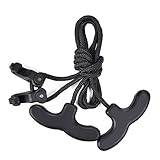
- ARS Mark9.2
ARS Mark is a ranking system developed by bestairriflescopes.com. ARS Mark has no relationship or impact from any manufacturers or sales agent websites. Learn more
- BrandELONG OUTDOOR

- ARS Mark9.2
ARS Mark is a ranking system developed by bestairriflescopes.com. ARS Mark has no relationship or impact from any manufacturers or sales agent websites. Learn more
- BrandArchery World

- ARS Mark9.2
ARS Mark is a ranking system developed by bestairriflescopes.com. ARS Mark has no relationship or impact from any manufacturers or sales agent websites. Learn more
- BrandELONG OUTDOOR

- ARS Mark9.0
ARS Mark is a ranking system developed by bestairriflescopes.com. ARS Mark has no relationship or impact from any manufacturers or sales agent websites. Learn more
- BrandSOPOGER

- ARS Mark9.0
ARS Mark is a ranking system developed by bestairriflescopes.com. ARS Mark has no relationship or impact from any manufacturers or sales agent websites. Learn more
- BrandKURUGEILI

- ARS Mark9.0
ARS Mark is a ranking system developed by bestairriflescopes.com. ARS Mark has no relationship or impact from any manufacturers or sales agent websites. Learn more
- BrandBIGSHOT

- ARS Mark8.6
ARS Mark is a ranking system developed by bestairriflescopes.com. ARS Mark has no relationship or impact from any manufacturers or sales agent websites. Learn more
- BrandGulfmew

- ARS Mark8.0
ARS Mark is a ranking system developed by bestairriflescopes.com. ARS Mark has no relationship or impact from any manufacturers or sales agent websites. Learn more
- BrandAHOSOUTLY
Last update on 2026-05-27 / Affiliate links / Images, Product Titles, and Product Highlights from Amazon Product Advertising API
How Does a Crossbow Work for Modern Shooting
Frustration usually starts right after the first shot misses the target by a mile. Plenty of people assume a crossbow works like a firearm with instant accuracy, but reality hits differently once bolt drop, trigger control, and uneven cocking enter the picture. How does a crossbow work becomes a much bigger question after that moment because the mechanics directly affect consistency, safety, and overall confidence. Small setup mistakes can turn a powerful hunting tool into an unpredictable mess fast.
A crossbow stores compressed energy inside flexible limbs after the string gets pulled backward into the trigger housing. Pulling the trigger releases that energy forward through the rail, launching the bolt at high speed toward the target. The concept sounds straightforward, yet several moving parts influence accuracy, noise, vibration, and reliability. Limb tension, string condition, trigger smoothness, and bolt weight all work together whether shooters notice it or not.
Crossbows gained popularity because they reduce some of the physical strain tied to traditional bows. Holding full draw for extended periods simply isn't necessary because the trigger system locks the string in place until firing. That mechanical advantage helps people stay steadier during longer aiming sessions. Reduced shoulder fatigue becomes especially valuable during cold-weather hunts or long afternoons at the range.
Modern crossbows also vary wildly in feel and performance. Narrow compound models move easily through thick brush, while wider recurve setups often simplify maintenance and string replacement. Some fire extremely fast but create louder shots and sharper vibration. Others sacrifice raw speed for smoother handling and quieter operation. Those tradeoffs matter more than flashy advertising claims.
Stored Energy Drives Every Shot
The entire firing cycle starts with stored tension. Pulling the string backward bends the limbs and creates potential energy that stays locked inside the frame until the trigger releases it. That sudden release powers the bolt forward with surprising force. Energy transfer remains the heart of how every crossbow functions regardless of size or style.
Limbs carry a huge part of the workload. Recurve crossbows rely on simpler curved limbs, while compound designs use cams and cables to manage tension differently. Compound systems usually produce faster bolt speeds using shorter limb widths, which helps in tight hunting setups. Still, more moving parts can mean extra maintenance and tuning over time.
Draw weight affects how much force gets stored before the shot. Heavier draw weights often increase speed and penetration, but they also make manual cocking harder without a rope aid or crank system. People sometimes chase extreme speed numbers and forget about comfort. Balanced performance usually feels more practical than raw power alone.
Bolts matter too, and plenty of beginners overlook them completely. Lightweight bolts may fly faster, though they can increase wear on the limbs and string. Heavier bolts generally hit harder and reduce stress on the system, but they drop more over distance. That balance between speed and durability shapes real-world shooting more than most advertisements admit.
Trigger Systems Control Accuracy
Trigger quality changes everything once the crossbow gets loaded and ready to fire. A stiff or gritty trigger often causes shooters to jerk the shot without realizing it. Tiny hand movements become amplified because the crossbow stays anchored against the shoulder during aiming. Clean trigger breaks usually lead to tighter groupings and more predictable shots.
Modern trigger assemblies include safety systems designed to reduce accidental firing. Anti-dry-fire mechanisms stop the crossbow from releasing unless a bolt sits properly in place. That feature protects the limbs and string from severe damage caused by dry firing. Ignoring those safeguards can turn expensive equipment into scrap surprisingly quickly.
Some crossbows feel smooth and controlled right out of the box, while others need practice before the trigger pull feels natural. Trigger weight also varies between manufacturers. A lighter pull may feel easier for target shooting, though some hunters prefer slightly heavier resistance for safety during movement. Comfort and control matter more than aggressive marketing language.
Mechanical consistency becomes especially noticeable during repeated practice sessions. Crossbows with smoother trigger systems tend to produce steadier results because shooters stay relaxed instead of fighting the release. Nervous anticipation often ruins accuracy long before the bolt leaves the rail. Calm mechanics help settle shaky habits.
Rail Design Guides The Bolt
The rail acts like a runway during the firing process. Once the string releases, the bolt travels down that track before leaving the crossbow entirely. Any dirt, damage, or poor lubrication along the rail can affect speed and accuracy. Consistent bolt travel depends heavily on smooth rail contact.
Rail lubrication sounds minor until friction starts slowing bolt speed or increasing string wear. Too much lubricant creates messy buildup, while too little increases resistance during firing. Crossbow owners often learn this lesson after accuracy suddenly drops for no obvious reason. Simple maintenance usually solves the issue before bigger problems appear.
Some rails stay quieter than others because of vibration dampening materials or tighter bolt retention systems. Noise reduction matters during hunting situations where startled animals react instantly after hearing movement or mechanical sounds. Compact hunting setups especially benefit from smoother, quieter firing cycles. Reduced vibration also improves comfort during long practice sessions.
Bolts need proper alignment inside the rail before firing. Crooked loading creates inconsistent shots and unnecessary wear on the fletching. Beginners sometimes rush loading procedures and wonder why their shots drift unpredictably. Careful alignment solves more accuracy problems than people expect.
Cocking Methods Affect Consistency
Uneven cocking creates one of the most common accuracy problems in crossbow shooting. Pulling the string back unevenly shifts stored tension slightly to one side, which changes bolt flight after release. That tiny imbalance becomes obvious at longer distances. Centered string alignment keeps shots more consistent across repeated practice.
Rope cocking aids remain popular because they reduce draw effort while helping center the string evenly. They cost far less than crank systems and still improve consistency dramatically for most shooters. Some hunters prefer cranks because they reduce physical strain almost entirely. That extra convenience helps during cold weather or long hunts.
Manual cocking still exists on lighter setups, though it demands proper technique and upper-body strength. People often underestimate how tiring repeated manual cocking becomes after several shooting sessions. Fatigue eventually affects posture, focus, and shot placement. Reduced strain helps maintain cleaner shooting habits over time.
Crossbow width also changes cocking comfort. Narrow compound models may feel easier to maneuver through dense brush, but certain compact designs require higher draw weights to maintain speed. Wider recurves sometimes cock more naturally despite taking up extra space. Handling preferences usually become clearer after extended use instead of quick store testing.
Safety Habits Prevent Expensive Mistakes
Crossbows carry enough stored force to cause serious injuries if handled carelessly. Fingers placed above the rail can get slammed by the string during firing, and the damage happens instantly. Experienced shooters constantly remind beginners about hand placement for good reason. Rail safety awareness matters every single shot.
Dry firing remains another expensive mistake. Releasing the string without a bolt removes the resistance needed to absorb energy properly, forcing the limbs and string to take the punishment instead. Cracked limbs, snapped strings, and damaged cams often follow. Even crossbows with anti-dry-fire systems aren't immune to user error.
Broadheads introduce another layer of caution during hunting season. Razor-sharp blades can slice gear, clothing, or hands while loading if handled casually. Protective covers help during transport, though careful loading technique still matters most. Controlled handling prevents unnecessary accidents around camp or at the range.
Target choice also affects safety more than many people realize. Weak backyard targets may fail to stop high-speed bolts completely, especially from faster compound setups. Dense layered foam targets usually hold up better over time. For safer backyard practice, explore best archery target for backyard options built for repeated crossbow use.
Optics Change The Shooting Experience
Crossbow scopes help compensate for bolt drop over distance. Bolts lose elevation faster than bullets, so multiple aiming points inside the reticle help shooters adjust for different ranges. Estimating distance poorly often leads to missed shots even with expensive optics installed. Range awareness becomes critical once distances stretch farther out.
Low-light performance matters heavily during early morning or evening hunts. Cheap optics sometimes look cloudy or dim during those crucial moments. Brighter glass usually improves visibility around shadows, brush, and animal movement. Clear sight pictures reduce hesitation during fast shooting situations.
Scope mounting also deserves attention because vibration gradually loosens hardware over time. Loose mounts create frustrating accuracy shifts that seem random at first. Regular inspection helps avoid wasted practice sessions and missed opportunities in the field. Secure mounting systems protect long-term consistency.
Some shooters eventually switch to red dots for shorter-range shooting because they feel faster during quick target acquisition. Others stick with magnified optics for precise aiming at extended distances. Neither approach fits every situation perfectly. Terrain, lighting, and personal shooting style usually decide what feels right.
Crossbow Maintenance Impacts Longevity
Neglect catches up quickly with crossbows. Strings wear down gradually from repeated friction against the rail and cams, especially during high-speed shooting. Frayed serving material often appears before major string failure happens. Routine inspection helps prevent expensive repairs and dangerous breakdowns.
Loose bolts and screws create another common headache. Vibration from repeated shots slowly backs hardware out over time, affecting both accuracy and safety. Checking fasteners regularly takes only a few minutes but saves major frustration later. Tiny adjustments often restore performance immediately.
Storage conditions matter more than many people expect. Excessive heat, moisture, or direct sunlight can weaken strings and warp components gradually over time. Dry indoor storage keeps materials more stable between hunting seasons. Controlled storage conditions extend equipment lifespan noticeably.
People interested in other outdoor gear setups often notice similar maintenance patterns across hobbies. Rod tension, line wear, and hardware checks matter in fishing just like string tension and rail care matter in archery. For a completely different outdoor setup challenge, explore how to rig a fishing pole for smoother casting and fewer frustrating tangles.
Practice Habits Build Real Confidence
Confidence with a crossbow rarely appears overnight. Plenty of shooters expect instant accuracy because the stock and scope feel familiar compared to rifles. Then the first few groups scatter across the target, and frustration kicks in fast. Consistent repetition matters far more than rushing through random shots.
Short practice sessions usually work better than marathon shooting days that cause fatigue and sloppy habits. Crossbows generate vibration and physical tension that gradually affect posture and trigger control over time. Fresh focus keeps mechanics cleaner. Quality practice beats quantity nearly every time.
Distance progression helps build confidence naturally. Starting too far away creates discouragement because bolt drop and aiming mistakes become exaggerated immediately. Many experienced shooters begin close, dial in consistency, then slowly extend range after grouping tightens. Controlled progression reduces wasted bolts and unnecessary frustration.
Young shooters especially benefit from lighter equipment and simpler setups during early practice stages. Oversized draw weights and bulky frames often create poor habits before technique develops properly. For smaller-framed archers exploring traditional equipment too, compare best recurve archery bow for 13 year olds setups that balance comfort and manageable draw strength.
How Does a Crossbow Work During Real Hunts
Cold fingers, shaky breathing, and low morning light can turn a simple shot into pure chaos. Plenty of hunters practice comfortably in the backyard, then suddenly struggle once adrenaline kicks in near actual game. How does a crossbow work matters even more in those moments because every mechanical detail affects timing, accuracy, and confidence. Smooth equipment feels calm under pressure, while poorly maintained gear quickly exposes weaknesses.
Crossbows rely heavily on consistency during hunting situations. Limb balance, string tension, trigger response, and bolt alignment all influence whether the shot lands cleanly or drifts off target. Tiny mechanical flaws become obvious once distance and nerves combine together. Reliable shot execution starts long before stepping into the woods.
Tree stand hunters especially notice how crossbow size changes movement and comfort. Wider limbs can bump rails or nearby branches during positioning. Compact designs usually move easier in cramped stands, though some narrower models create sharper vibration after release. That tradeoff surprises many first-time hunters who expected speed alone to solve everything.
Noise matters too. Some crossbows produce loud mechanical cracks that send nearby animals sprinting immediately after the shot. Dampeners help reduce vibration and string slap, though bolt weight also changes sound levels significantly. Controlled energy transfer often feels quieter and smoother than extremely lightweight hunting setups.
Broadheads Change Shot Performance
Field points and broadheads rarely fly exactly the same, and plenty of hunters learn that lesson the frustrating way. Practice groups may look tight all summer, then broadhead shots suddenly drift several inches before opening day. Blade design, weight distribution, and bolt spine all influence flight differently. Broadhead tuning becomes critical once hunting season approaches.
Mechanical broadheads expand after impact, while fixed-blade designs stay rigid throughout flight and penetration. Mechanical options sometimes fly closer to field points, though moving parts can create reliability concerns in certain conditions. Fixed blades often penetrate deeper through bone and dense tissue but may require more careful tuning. Neither style fixes poor shot placement.
Sharpness changes performance dramatically too. Dull blades tear instead of slicing cleanly, which affects penetration and recovery tracking after the shot. Hunters sometimes spend hundreds on optics and crossbows while neglecting the broadhead itself. Clean cutting edges often matter more than flashy packaging or aggressive marketing.
Weight matching also keeps bolts flying consistently. Mixing broadhead weights inside the same quiver creates different impact points at longer ranges. Organized setups help prevent rushed mistakes during stressful hunting moments. Consistency beats randomness every single time.
Weather Conditions Affect Every Shot
Rain, freezing temperatures, and wind all influence crossbow performance more than beginners expect. Moisture gradually affects string condition and rail lubrication, especially during long hunts in wet weather. Frozen fingers can also reduce trigger control and loading precision. Environmental awareness keeps equipment functioning properly when conditions turn ugly.
Wind drift becomes surprisingly noticeable with lighter bolts. Crossbow bolts simply don't carry momentum like rifle bullets, so strong crosswinds push them off course faster than many hunters realize. Heavier bolts often hold steadier in rough conditions, though they sacrifice some speed. That balance between stability and velocity becomes personal preference over time.
Cold weather thickens certain lubricants and stiffens serving material around the string. Small mechanical changes can create louder shots or rougher trigger feel during late-season hunts. Regular inspection prevents surprises before climbing into a stand. Cold-weather preparation saves a lot of frustration once temperatures drop.
Foggy optics also ruin opportunities quickly during early morning hunts. Cheap scopes sometimes trap moisture internally after repeated temperature changes. Better seals help maintain visibility during damp weather, especially during long sits before sunrise. Clear vision matters every bit as much as raw crossbow speed.
Crossbow Speed Creates Tradeoffs
Fast crossbows sound exciting on paper, but higher speed often creates sharper recoil, louder shots, and increased wear on strings and cables. Many people assume faster automatically means better hunting performance. Then they shoot a few bolts and realize aggressive speed can feel rough during repeated practice. Balanced shooting comfort usually matters more than chasing extreme velocity numbers.
Very fast crossbows also become less forgiving with lightweight bolts. Improper bolt selection increases stress on limbs and cams, sometimes shortening equipment lifespan significantly. Manufacturers often recommend minimum bolt weights for that exact reason. Ignoring those guidelines creates unnecessary risk.
Some hunters intentionally choose moderate-speed setups because they feel quieter and easier to control. A slightly slower bolt still delivers enough energy for ethical hunting ranges while reducing vibration dramatically. Smooth shooting often builds confidence faster than raw speed alone. Practical consistency tends to outperform aggressive specifications in real hunting situations.
Range estimation becomes even more important with slower setups because bolt drop increases noticeably over distance. Good optics help, though disciplined distance control matters more. Ethical hunting depends heavily on realistic shot selection instead of stretching range limits carelessly.
Accessories Influence Daily Use
Accessories can improve the shooting experience, though too many upgrades sometimes create extra weight and clutter. Quivers, slings, dampeners, bipods, and crank systems all change how the crossbow handles in the field. Hunters carrying equipment for miles quickly notice every added ounce. Functional simplicity often feels better during long days outdoors.
Slings help reduce arm fatigue during hikes into hunting areas. Carrying a loaded crossbow awkwardly through thick woods becomes exhausting surprisingly fast. Balanced sling placement also prevents accidental bumps against branches or stands. Small comfort upgrades usually matter more after several hours outside.
Optic selection changes daily usability too. Narrow sight pictures may feel limiting during fast target acquisition in low light. Hunters wanting cleaner visibility from elevated stands often compare best bow sight for treestand hunting setups to improve accuracy during awkward shooting angles. Clear aiming references reduce hesitation once movement appears below the stand.
People wearing prescription glasses face another layer of frustration because poor peep alignment or cramped optics strain the eyes quickly. Better visibility becomes critical during dawn and dusk movement. Hunters struggling with sight clarity sometimes explore best peep sight for bow hunting with glasses setups for a more comfortable aiming picture. Reduced eye strain helps maintain focus during longer hunts.
Crossbow Handling Changes With Experience
New shooters often grip the crossbow too tightly during aiming. That extra tension causes shaking and inconsistent trigger control without them realizing it. Experience gradually teaches people to relax their shoulders and let the stock settle naturally into position. Controlled body posture steadies the shot more effectively than brute force.
Breathing rhythm also affects accuracy. Holding breath too long creates tension and shaky movement right before firing. Many experienced shooters exhale slowly before squeezing the trigger instead of jerking it suddenly. Calm mechanics usually create tighter groups than aggressive shooting habits.
Positioning changes everything during uphill or downhill shots from tree stands. Gravity affects bolt trajectory differently than many beginners expect. Practicing from elevated angles helps build realistic confidence before hunting season arrives. Angle compensation matters more than flat-range practice alone.
Crossbows eventually start feeling less mechanical and more instinctive after enough repetition. Loading procedures, safety checks, and aiming adjustments become smoother over time. Familiarity reduces panic during high-pressure moments. Confidence grows from repetition, not luck.
Common Beginner Mistakes Hurt Accuracy
Rushing sight adjustments frustrates plenty of new crossbow owners. Tiny scope corrections can move impact points dramatically at longer ranges, especially with fast setups. Some shooters twist knobs wildly between shots instead of making controlled adjustments. Patient sighting habits save time, bolts, and unnecessary frustration.
People also underestimate how much string wear changes accuracy. Frayed serving material creates inconsistent release points during firing, which eventually spreads bolt groups wider across the target. Simple maintenance checks prevent most of those problems before they grow serious. Neglect usually costs more later.
Another common issue involves mixing bolt brands or lengths carelessly. Slight differences in weight and spine affect flight characteristics enough to create inconsistent impacts. Organized gear setups help maintain repeatable results during practice and hunting. Equipment consistency removes many avoidable variables.
Improper shoulder positioning creates another hidden problem. Leaning awkwardly into the stock or lifting the head too high strains neck muscles and changes sight alignment. Comfortable posture helps maintain repeatable accuracy during longer shooting sessions. Stable form beats rushed power every time.
Long-Term Crossbow Ownership Feels Different
The excitement of buying a crossbow fades quickly if maintenance gets ignored or expectations stay unrealistic. Crossbows require ongoing attention to strings, bolts, rail lubrication, and hardware inspection. Owners who stay proactive usually avoid the expensive headaches that catch careless shooters off guard. Routine upkeep protects both performance and safety.
Many hunters eventually settle into equipment setups that match their specific environment instead of chasing trends constantly. Dense woods may favor compact handling and quieter shots. Open terrain sometimes benefits from heavier bolts and stronger optics. Real-world conditions shape preferences naturally over time.
Confidence also shifts gradually from equipment obsession toward practical shot discipline. The newest crossbow on the market won't compensate for poor range estimation or rushed trigger pulls. Experienced shooters focus more on repeatable mechanics than flashy specifications. Reliable execution consistently matters more than hype.
Crossbow shooting ends up feeling surprisingly rewarding once the mechanics finally click together. The limbs store tension. The trigger controls release. The rail guides the bolt cleanly toward the target. Piece by piece, the entire system starts making practical sense instead of looking like an intimidating collection of moving parts.


12 Best 22 Pcp Air Rifle For Hunting of 2026 With Quiet Power

7 Best 22 Pcp Air Rifle Under 300 of 2026 For Backyard Pest Control

10 Best 22 Break Barrel Air Rifles of 2026 For Backyard Pest Control

10 Best 30 Caliber Pcp Air Rifle of 2026 For Medium Game

Top Best 177 Air Rifle Under 100: Budget-Friendly Picks for 2026

How to Safely Reload Shotgun Shells at Home

11 Best Co2 Air Rifle For Pest Control of 2026 To Ensure Humane Dispatch

12 Best Inexpensive Air Rifles of 2026 For Dependable Backyard Accuracy






