
How Does a Gatling Gun Work Without Jamming?

How Does a Gatling Gun Work sounds like one of those questions tied to old war movies and dusty history books, yet the mechanics behind it still grab attention today. The rotating barrel setup wasn’t built just to look intimidating. It solved a real headache that older firearms struggled with: overheating, slow reload cycles, and constant mechanical stress during repeated firing. That clever spinning system spread the workload across several barrels instead of punishing a single one over and over again.
Most people picture nonstop chaos when they hear the term Gatling gun, but the process is surprisingly organized. Each barrel performs a different stage of the firing cycle while rotating through the mechanism. One barrel loads ammunition, another fires, and another cools down before repeating the sequence again. That continuous rhythm creates the rapid-fire effect people recognize instantly, yet the design itself relies more on timing and rotation than brute force.
Mechanical reliability sits at the center of the entire system. Older firearms often suffered from heat buildup after repeated shots, which could warp components or cause dangerous failures. The Gatling design reduced those risks by giving every barrel brief recovery periods during rotation. That approach didn’t magically eliminate wear and tear, but it dramatically lowered stress compared to single-barrel weapons firing at the same pace.
Another detail catches people off guard. Early Gatling guns weren’t powered by electricity at all. Operators manually turned a crank that rotated the barrels and triggered the firing sequence. That hand-powered motion controlled feeding, chambering, firing, and extraction all at once. Frankly, it’s a wild piece of engineering for its era because everything had to stay synchronized without modern electronics stepping in to correct mistakes.
Heat management remains one of the most practical reasons the design gained attention. Continuous firing creates friction and extreme temperatures, and older weapon systems struggled badly under those conditions. Rotating multiple barrels spread out the heat load, allowing airflow and cooling between shots. That simple but effective idea still influences certain modern rapid-fire weapon systems today.
The feeding mechanism also plays a huge role in keeping things moving smoothly. Ammunition enters the system in sequence as the barrels rotate, helping maintain a steady firing pattern. Timing matters like crazy here because even small interruptions can throw off the cycle. Proper synchronization between barrel rotation and ammunition feeding determines whether the weapon runs consistently or turns into a jam-prone mess.
How Does a Gatling Gun Work also opens the door to understanding how military engineering evolved over time. Designers weren’t chasing flashy inventions for the sake of appearance. They needed weapons capable of sustained firing without constantly stopping for repairs or cooldowns. That pressure pushed engineers toward rotating systems that balanced speed, durability, and operational stability in ways earlier firearms simply couldn’t manage.
Then there’s the visual side of it. Rotating barrels create a dramatic mechanical motion that instantly stands out, even to people who know very little about firearms. Watching the barrels spin while ammunition cycles through the system gives the weapon a distinctly industrial feel. Beneath that aggressive appearance, though, the core idea remains rooted in practical engineering and careful mechanical timing rather than cinematic spectacle.

- ARS Mark8.2
ARS Mark is a ranking system developed by bestairriflescopes.com. ARS Mark has no relationship or impact from any manufacturers or sales agent websites. Learn more
- BrandJakMean

- ARS Mark7.8
ARS Mark is a ranking system developed by bestairriflescopes.com. ARS Mark has no relationship or impact from any manufacturers or sales agent websites. Learn more
- BrandBeliefoath
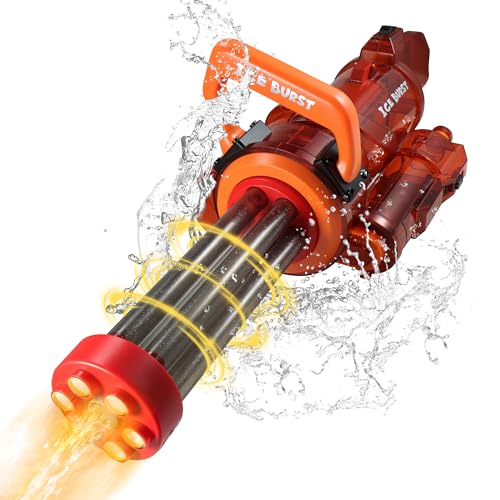
- ARS Mark7.3
ARS Mark is a ranking system developed by bestairriflescopes.com. ARS Mark has no relationship or impact from any manufacturers or sales agent websites. Learn more
- BrandKhsp5d

- ARS Mark8.3
ARS Mark is a ranking system developed by bestairriflescopes.com. ARS Mark has no relationship or impact from any manufacturers or sales agent websites. Learn more
- BrandQoopower

- ARS Mark7.4
ARS Mark is a ranking system developed by bestairriflescopes.com. ARS Mark has no relationship or impact from any manufacturers or sales agent websites. Learn more
- BrandKittyCode

- ARS Mark9.6
ARS Mark is a ranking system developed by bestairriflescopes.com. ARS Mark has no relationship or impact from any manufacturers or sales agent websites. Learn more
- BrandBeliefoath
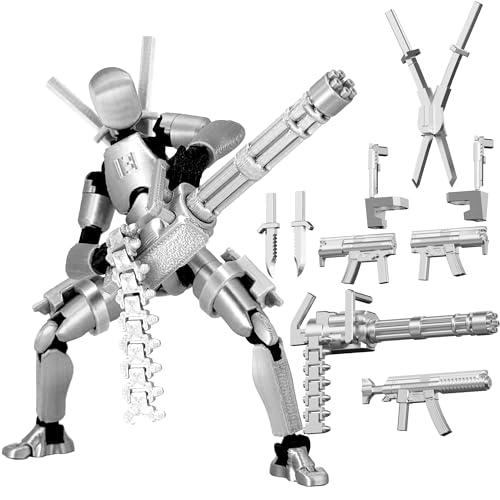
- ARS Mark7.1
ARS Mark is a ranking system developed by bestairriflescopes.com. ARS Mark has no relationship or impact from any manufacturers or sales agent websites. Learn more
- BrandQoopower

- ARS Mark7.5
ARS Mark is a ranking system developed by bestairriflescopes.com. ARS Mark has no relationship or impact from any manufacturers or sales agent websites. Learn more
- BrandUregoio

- ARS Mark9.4
ARS Mark is a ranking system developed by bestairriflescopes.com. ARS Mark has no relationship or impact from any manufacturers or sales agent websites. Learn more
- BrandVERSDITAS

- ARS Mark9.4
ARS Mark is a ranking system developed by bestairriflescopes.com. ARS Mark has no relationship or impact from any manufacturers or sales agent websites. Learn more
- BrandKNMDU
Last update on 2026-07-10 / Affiliate links / Images, Product Titles, and Product Highlights from Amazon Product Advertising API
How Does A Gatling Gun Work In Combat Systems
Heat buildup, jammed chambers, and painfully slow reload cycles frustrated armies for decades before rotating barrel systems entered the picture. Early rapid-fire weapons often pushed metal parts beyond their limits, leaving crews stuck with overheated barrels and unreliable firing patterns at the worst possible moments. That pressure sparked curiosity around how does a gatling gun work and why its rotating design changed the pace of sustained fire so dramatically. The answer sits inside a surprisingly clever mix of timing, barrel rotation, mechanical sequencing, and controlled cooling.
Rotating Barrels Changed Everything
Single-barrel firearms take a beating during repeated firing. Every round creates friction, heat, and mechanical stress inside the chamber, and eventually the weapon starts struggling to keep up. The Gatling gun tackled that issue by spreading the workload across several barrels rotating in sequence. That rotation allowed each barrel to briefly cool between shots, which gave the entire system a much steadier firing rhythm.
Multiple barrels didn’t simply increase firing speed. They also reduced the chance of overheating during prolonged use, which mattered a lot in battlefield conditions where downtime could become disastrous. Earlier weapons often needed long pauses to prevent damage or dangerous malfunctions. Rotating systems helped crews maintain fire longer without constantly worrying about warped components or smoking-hot barrels.
The visual effect looks chaotic at first glance, but the firing sequence stays surprisingly organized. One barrel loads ammunition while another fires and another ejects spent casings. That cycle keeps repeating continuously as the barrels rotate around the center axis. Instead of one barrel doing all the work, the entire mechanism shares the pressure more evenly.
People often assume the Gatling gun relied on advanced electronics from the beginning, but early models worked entirely through manual cranking. Operators physically turned the mechanism by hand to rotate barrels and activate the firing process. That mechanical simplicity made the system surprisingly dependable for its era. Fewer complicated power systems meant fewer things capable of failing during combat.
The Crank Mechanism Controlled The Fire Cycle
The hand crank served as the heart of early Gatling gun operation. Rotating it powered nearly every stage of the firing process, including feeding ammunition, chambering rounds, firing shots, and ejecting casings. Everything stayed synchronized through mechanical timing rather than electronic control systems. That direct connection gave operators immediate influence over firing speed and rhythm.
Mechanical synchronization mattered more than raw strength. Cranking too aggressively could strain components or disrupt feeding patterns, while uneven movement sometimes caused interruptions in the firing cycle. Experienced crews learned how to maintain steady motion for smoother operation. Consistency kept the weapon running cleaner and reduced unnecessary stress on moving parts.
The crank system also created a practical safety advantage. Operators could slow or stop rotation instantly without relying on external power sources or complicated switches. That immediate control reduced accidental firing risks during loading or repositioning. Compared to some later automatic systems, the manual design offered surprisingly direct operational feedback.
Historians often point out that Richard Gatling designed the weapon partly to reduce the number of soldiers needed during combat operations. Faster firing weapons meant smaller crews could produce greater battlefield impact. Whether that goal succeeded ethically remains heavily debated, but mechanically speaking, the design undeniably shifted expectations around sustained firepower. The crank-driven rotation became one of the defining features separating the Gatling gun from earlier firearms.
Why Heat Control Mattered So Much
Rapid firing sounds impressive until overheating starts wrecking internal components. Heat expansion can distort chambers, weaken barrels, and increase the likelihood of dangerous malfunctions during repeated firing. The Gatling design addressed that issue by giving each barrel a cooling interval during rotation. Instead of enduring nonstop pressure, every barrel received brief recovery periods between shots.
Heat management still influences modern rapid-fire weapon systems today. Engineers learned long ago that firing speed means very little if the weapon destroys itself after prolonged use. Rotating barrels distribute thermal stress more evenly across the system. That balance improves reliability while reducing the chances of catastrophic mechanical failure.
Airflow also helped cool the rotating barrels naturally. Spinning movement exposed different surfaces to surrounding air, which slightly improved temperature control during continuous firing. No, the barrels didn’t suddenly become cold, but the cooling effect mattered enough to extend operational capability. Battlefield crews valued anything that delayed overheating during intense engagements.
Older single-barrel machine guns frequently required pauses or barrel replacements after sustained fire. Gatling-style systems reduced some of those interruptions through rotational cooling alone. That advantage became especially important during extended defensive operations where maintaining pressure mattered more than short bursts of fire. Reliability often carried more value than sheer firing speed.
Ammunition Feeding Needed Precise Timing
Fast firing means absolutely nothing if ammunition can’t enter the weapon smoothly. Feeding systems inside Gatling guns had to stay carefully synchronized with barrel rotation to avoid jams and interruptions. Every moving part depended on proper timing between chamber alignment and ammunition delivery. Tiny mistakes inside the sequence could disrupt the entire cycle.
Ammunition flow created one of the biggest engineering headaches for early rapid-fire weapon designers. Rounds needed to enter chambers consistently while spent casings exited without blocking the mechanism. If extraction failed or alignment shifted slightly, the weapon could jam hard enough to require manual clearing. Battlefield conditions made those problems even worse because dirt and debris easily interfered with moving parts.
Gravity-fed systems appeared in some early models, while later variations adopted more advanced feeding methods. Regardless of the specific setup, synchronization remained the critical factor. The rotating barrels had to align perfectly with incoming rounds at every stage of operation. Smooth timing separated dependable weapons from frustrating mechanical disasters.
People watching demonstrations often focus only on firing speed, yet the feeding mechanism quietly carries enormous responsibility behind the scenes. Rapid-fire systems depend heavily on clean ammunition movement from start to finish. One damaged cartridge or poorly aligned feed path can interrupt the rhythm immediately. Mechanical precision matters just as much as raw firepower.
Battlefield Conditions Tested Reliability
Dust, mud, rain, and rough transport conditions punished firearm mechanisms constantly during historical conflicts. Weapons that looked impressive during controlled demonstrations sometimes failed miserably once exposed to real combat environments. The Gatling gun gained attention partly because its rotating system handled sustained operation more effectively than many alternatives available at the time. That reliability gave military crews greater confidence during prolonged engagements.
Durability became one of the design’s strongest selling points. Rotating barrels distributed wear more evenly, while manual operation reduced dependency on delicate power systems. Crews could continue operating the weapon even if external resources became limited. That practical resilience mattered more than flashy engineering claims.
Still, Gatling guns weren’t flawless machines immune to battlefield problems. Heavy weight limited mobility, especially across uneven terrain or muddy conditions. Transporting ammunition for sustained fire created additional logistical headaches. Rapid firing also consumed massive amounts of ammunition surprisingly fast, forcing supply teams to work constantly behind the scenes.
Mechanical cleaning remained essential after heavy use. Powder residue, dirt, and damaged casings could interfere with smooth rotation if crews neglected maintenance. Operators needed discipline and familiarity with the mechanism to keep it functioning reliably over time. Even durable systems eventually struggle if maintenance routines get ignored for too long.
Modern Variants Use External Power
Modern Gatling-style weapon systems look dramatically different from the hand-cranked originals, but the core concept remains remarkably similar. Rotating multiple barrels still helps manage heat and maintain sustained firing capability. The biggest shift involves power sources, since many modern systems rely on electric or hydraulic operation instead of manual cranking. External power dramatically increases firing speed compared to early mechanical versions.
Electric-powered rotation allows modern systems to maintain astonishing firing rates while preserving synchronized timing between barrels and ammunition feeds. Advanced motors handle rotation far more consistently than human operators ever could. That consistency improves reliability during high-speed operation. Military aircraft and armored vehicles often use these systems because they can sustain intense firing cycles efficiently.
Modern systems also include more advanced cooling materials and reinforced barrel construction. Improved metallurgy helps components withstand repeated stress and high temperatures more effectively than older designs. Even so, engineers still respect the same core principles Gatling established long ago. Heat distribution and synchronized rotation continue driving the entire concept.
Explore practical gear storage solutions with best tactical rifle bag setups that help protect equipment during transport and rough outdoor conditions. Carry systems matter more than people expect once heavy gear, cleaning tools, and ammunition all start piling together. Organized storage cuts down wasted time and reduces accidental damage during movement.
Hollywood Often Gets The Mechanics Wrong
Movies love exaggerating rapid-fire weapons. Endless ammunition belts, nonstop firing without overheating, and impossible recoil control appear constantly on screen. Real Gatling-style systems demand careful maintenance, massive ammunition supplies, and serious mechanical coordination to function properly. Hollywood usually skips those practical realities because explosions and chaos look more exciting.
Recoil force alone creates major operational challenges during sustained fire. Heavy weapon mounts help stabilize the system, especially in vehicle or aircraft applications. Without proper support structures, controlling prolonged rapid-fire bursts becomes incredibly difficult. Action movies rarely bother showing the logistical side of operating these systems.
Sound effects also distort public perception. Real rapid-fire weapons produce layered mechanical noises mixed with firing reports rather than the exaggerated cinematic rattling many people expect. Barrel rotation, ammunition feeding, and casing ejection all contribute to the overall sound signature. The mechanical rhythm often feels more industrial than theatrical in person.
Another common misconception involves ammunition capacity. Continuous firing drains ammunition reserves at shocking speed, especially in modern high-rate systems. Crews must constantly monitor supply levels during operation. Sustained firepower depends just as much on logistics as it does on weapon engineering.
Military Engineering Kept Evolving
Gatling-style systems influenced countless later firearm developments even outside direct barrel rotation concepts. Engineers studying rapid-fire reliability borrowed lessons about cooling, synchronization, and mechanical stress distribution from the original designs. Those ideas shaped later machine guns, aircraft cannons, and defensive weapon systems. Practical battlefield experience pushed firearm engineering into entirely new directions.
Mechanical efficiency became increasingly important as firing rates climbed higher through the twentieth century. Faster operation created more heat, more friction, and greater stress on moving parts. Designers had to balance speed against long-term reliability constantly. That balancing act still shapes weapon development today.
Modern weapon engineers also pay close attention to maintenance demands. Systems requiring excessive cleaning or complicated repairs create serious operational burdens during deployment. Gatling-inspired concepts succeeded partly because their rotational approach naturally reduced certain stress points compared to nonstop single-barrel firing. Simpler stress distribution often translates into longer operational life.
Compare durable archery setups through best compound bow under 600 options if dependable outdoor equipment matters to your routine. Balanced performance and manageable maintenance often determine whether gear stays practical long term. Reliability always beats flashy features that fail under regular use.
How Does A Gatling Gun Handle Continuous Fire
Most people expect rapid-fire weapons to be little more than loud chaos, but sustained firing actually depends on careful balance and timing. Heat, barrel wear, ammunition flow, and mechanical stress all fight against reliability during extended operation. That’s why how does a gatling gun handle continuous fire keeps surfacing in conversations about military engineering and weapon mechanics. The rotating barrel setup solved several problems at once without relying on fragile systems that constantly failed under pressure.
Cooling Cycles Reduced Mechanical Stress
Barrels heat up fast during repeated firing. Metal expands, internal pressure increases, and tiny alignment problems can start appearing after long bursts of operation. The Gatling system reduced some of that strain by rotating several barrels instead of forcing one barrel to absorb every shot. That rotation gave each barrel a brief cooling period before firing again.
Thermal control wasn’t just a convenience. Overheated barrels could reduce accuracy, damage internal surfaces, or create dangerous chamber issues after sustained use. Rotating systems spread heat across multiple barrels, helping the weapon stay operational longer during repeated firing cycles. That practical advantage separated Gatling-style systems from many earlier rapid-fire attempts.
People often overlook airflow while discussing rotating barrels. Spinning motion exposed different barrel surfaces to surrounding air, which slightly improved cooling between shots. No firearm suddenly becomes cold during heavy use, of course, but even modest temperature reduction matters under battlefield conditions. Every second of extra operational stability counts during prolonged engagements.
Maintenance crews also appreciated how rotational stress distribution reduced concentrated wear on individual barrels. Instead of constantly replacing one overheated barrel, the workload spread across the entire assembly. That approach improved long-term durability and reduced interruptions caused by excessive barrel fatigue.
Recoil Management Changed Firing Stability
Rapid-fire weapons generate enormous recoil force, especially during continuous operation. Without proper control, sustained firing quickly becomes difficult to manage accurately. The rotating barrel setup helped distribute recoil impulses more evenly across the firing cycle instead of creating sharp repetitive impacts from a single barrel. That smoother rhythm improved overall firing stability.
Balanced recoil distribution helped operators maintain steadier targeting during prolonged bursts. Earlier rapid-fire systems often rattled violently after repeated shots, making consistent aiming far more difficult. Gatling-style rotation softened some of that harsh mechanical shock through continuous motion. Stability mattered almost as much as firing speed itself.
Heavy mounting systems played an important role too. Vehicle-mounted or stationary Gatling systems relied on reinforced support structures capable of handling sustained firing vibration. Portable use simply wasn’t practical for most large-caliber variants because ammunition weight and recoil forces added up fast. Hollywood loves handheld fantasy versions, but real-world operation demanded substantial support.
Aircraft applications later highlighted the value of smoother recoil cycling even more clearly. High firing rates inside airborne systems required stable operation to prevent accuracy problems or structural strain. Engineers leaned heavily on rotational firing concepts because abrupt recoil spikes could interfere with targeting systems during combat maneuvers.
Synchronization Kept The Weapon Running Smoothly
Fast firing means absolutely nothing if timing falls apart halfway through the cycle. Ammunition feeding, chamber rotation, firing, and casing extraction all need precise coordination to avoid jams. Gatling systems depended heavily on synchronized movement between rotating barrels and ammunition delivery mechanisms. Tiny timing mistakes could shut everything down instantly.
Mechanical timing created one of the biggest engineering challenges inside rapid-fire weapon design. Every barrel needed to align correctly during each stage of operation while the rotation continued uninterrupted. If chamber alignment drifted slightly or feeding lagged behind rotation speed, malfunctions could appear quickly. Consistency kept the entire mechanism alive.
Spent casing extraction created another potential failure point. Empty casings had to leave the system smoothly before fresh rounds entered the chamber sequence. Dirt, damaged ammunition, or weak extraction force sometimes disrupted that process. Battlefield conditions only increased those risks because debris constantly interfered with moving parts.
Modern systems improved synchronization through electronic controls and stronger motors, but the core principle stayed remarkably similar to early designs. Rotational timing still drives the firing sequence. Advanced technology refined the process, yet the mechanical foundation traces directly back to Richard Gatling’s original concept.
Why Ammunition Consumption Became A Problem
People get fascinated by firing speed until they realize how quickly ammunition disappears during sustained bursts. Rapid-fire systems can burn through enormous quantities of rounds in shockingly short periods. Logistics crews often struggled more with ammunition supply than the weapons themselves. Keeping rapid-fire systems fed became a constant battlefield challenge.
Ammunition demand affected mobility, transport planning, and battlefield endurance all at once. Heavy ammunition loads slowed movement and required larger supply chains behind active combat units. A weapon capable of sustained fire loses value quickly once ammunition reserves dry up. Operational planning mattered just as much as mechanical performance.
Feed systems also needed to handle large ammunition volumes smoothly under rough conditions. Bent cartridges, damaged belts, or dirt contamination could interrupt operation immediately. Even small inconsistencies inside ammunition storage created serious reliability problems once firing speed increased. Mechanical precision only works if the ammunition itself stays dependable.
Explore durable outdoor gear setups through best long bow for beginners options that balance simplicity, control, and manageable maintenance. Reliable equipment matters more than flashy extras once repeated outdoor use starts exposing weaknesses. Consistent performance usually wins over complicated features that demand constant adjustment.
Aircraft Weapons Pushed The Design Further
Aircraft combat changed rapid-fire weapon development dramatically during the twentieth century. Pilots needed systems capable of firing large volumes of ammunition quickly during extremely short attack windows. Rotating barrel concepts became attractive again because they handled sustained firing better than many single-barrel alternatives. Heat control and firing reliability suddenly carried even greater importance.
Electric-powered systems allowed aircraft-mounted Gatling variants to achieve much faster firing rates than hand-cranked originals ever could. External power sources maintained smoother barrel rotation and more precise timing during operation. That consistency reduced interruptions during combat situations where every second mattered. Reliability under stress became essential.
Aircraft applications also forced engineers to strengthen materials significantly. High-speed operation placed intense strain on barrels, feed systems, and rotating components during repeated firing cycles. Improved metallurgy and reinforced construction helped modern systems survive those conditions more effectively. Older materials simply couldn’t tolerate the same level of sustained stress.
Even with modern technology, engineers still battle familiar challenges involving heat, wear, and ammunition flow. Faster firing rates create more pressure inside every part of the system. Rotational concepts continue helping distribute that stress more evenly across multiple barrels rather than concentrating damage inside one location.
Maintenance Determines Long Term Reliability
Mechanical systems eventually fail if maintenance gets ignored long enough. Gatling-style weapons contain numerous moving parts that require regular inspection, cleaning, and lubrication after repeated operation. Powder residue, metal fragments, and dirt buildup gradually interfere with smooth rotation if crews neglect proper upkeep. Reliability depends heavily on disciplined maintenance routines.
Cleaning procedures become especially important after prolonged firing sessions. Residue accumulation inside chambers or extraction systems increases friction and raises malfunction risks during later use. Operators often spend significant time maintaining rapid-fire systems after heavy operation. Smooth performance rarely happens by accident.
Barrel wear also needs close monitoring over time. Repeated heating and cooling cycles eventually weaken internal surfaces, especially during sustained high-speed operation. Replacing worn barrels before serious degradation appears helps preserve accuracy and operational stability. Ignoring those warning signs can create dangerous failures later.
Field maintenance introduces additional complications because combat environments rarely stay clean or predictable. Mud, moisture, dust, and temperature swings constantly attack moving components during deployment. Durable construction helps, but even rugged systems struggle without proper care. Long-term dependability always comes back to consistent maintenance discipline.
Public Curiosity Still Surrounds The Design
The Gatling gun continues attracting attention because the mechanism feels mechanical in a very visible way. Rotating barrels, spinning components, and synchronized firing cycles create an industrial appearance people instantly recognize. Unlike many modern firearms that hide internal complexity, Gatling-style systems display movement openly during operation. That visual rhythm leaves a strong impression.
Mechanical motion gives the weapon a strangely hypnotic quality despite its destructive purpose. Watching barrels rotate while ammunition cycles through the system highlights how much engineering coordination happens behind the scenes. Every stage depends on timing, alignment, and controlled sequencing rather than simple brute force. That complexity keeps curiosity alive decades later.
Historical fascination plays a role too. The Gatling gun appeared during a period when industrial machinery transformed transportation, manufacturing, and military technology simultaneously. Rotating barrel systems reflected that larger mechanical shift happening across society at the time. The design looked modern compared to slower single-shot firearms dominating earlier conflicts.
Upgrade firearm visibility setups with best laser sight for sig p320 options that improve target alignment in low-light environments and fast-paced shooting conditions. Practical accessories matter most when equipment needs to stay dependable during repeated use. Simpler adjustments usually reduce frustration over time.
Modern Systems Still Follow The Original Concept
Despite massive technological changes over the years, the basic Gatling principle hasn’t disappeared. Rotating multiple barrels still helps manage heat, distribute stress, and maintain firing reliability during sustained operation. Engineers continue refining materials, electronics, and feed systems, yet the core idea remains surprisingly consistent. Some concepts simply hold up better than others over time.
Rotational firing systems survive because they solve practical mechanical problems rather than relying on gimmicks. Faster firing always creates more heat and more stress inside weapon systems. Distributing that workload across several barrels continues making sense from an engineering standpoint. The original design addressed real operational weaknesses that still exist today.
Modern variants obviously operate at far greater speeds than early hand-cranked models. Advanced motors, reinforced alloys, and computerized controls dramatically improved firing capability and synchronization precision. Even so, the foundation still revolves around rotating chambers, timed firing cycles, and heat distribution across multiple barrels. The concept never really disappeared.
People asking how does a gatling gun work usually expect a simple answer involving rapid fire and spinning barrels. The deeper explanation reveals something more interesting. Reliability, cooling, synchronization, and mechanical balance shaped the design far more than pure firing speed alone. That practical engineering mindset explains why the concept still appears in modern weapon systems long after the original invention.


12 Best 22 Pcp Air Rifle For Hunting of 2026 With Quiet Power

7 Best 22 Pcp Air Rifle Under 300 of 2026 For Backyard Pest Control

10 Best 22 Break Barrel Air Rifles of 2026 For Backyard Pest Control

10 Best 30 Caliber Pcp Air Rifle of 2026 For Medium Game

Top Best 177 Air Rifle Under 100: Budget-Friendly Picks for 2026

How to Safely Reload Shotgun Shells at Home

11 Best Co2 Air Rifle For Pest Control of 2026 To Ensure Humane Dispatch

12 Best Inexpensive Air Rifles of 2026 For Dependable Backyard Accuracy






