
How Does a Gun Silencer Work Without the Hype

How Does a Gun Silencer Work gets tossed around constantly, yet plenty of folks still picture whisper-quiet movie scenes that just don’t line up with reality. Real suppressors don’t magically erase sound. They manage pressure, slow expanding gases, and soften the violent crack that normally bursts out of a firearm barrel. That difference matters because understanding the actual mechanics clears away a whole pile of confusion and exaggerated claims.
Inside a suppressor, things get surprisingly technical fast, though the basic idea stays pretty straightforward. Hot gases leave the barrel at high speed after a shot fires, and that sudden pressure spike creates much of the noise people hear. A suppressor redirects and slows those gases through a series of internal chambers called baffles. Those baffles disrupt airflow, cool the gas slightly, and reduce the sharp pressure wave before it escapes into open air.
Hollywood definitely muddied the waters. Suppressed firearms still produce sound, especially with supersonic ammunition that creates a crack once the bullet breaks the sound barrier. So, yeah, even the most advanced setup won’t turn a rifle into a whisper machine. Still, reducing the overall blast helps protect hearing, lowers shooting fatigue, and makes communication easier at ranges or during outdoor use.
Build material also changes how a suppressor performs over time. Stainless steel handles heat and heavy firing schedules well, while titanium trims down weight for easier handling. Aluminum suppressors feel lighter too, though they usually fit lower-pressure calibers better. That tradeoff between durability, heat resistance, and portability shapes how different suppressors behave in practical situations.
Gas control plays a bigger role than many expect. Semi-automatic firearms often react differently once a suppressor gets attached because extra back pressure cycles through the action. Shooters sometimes notice more gas near the face, altered recoil impulses, or cycling changes depending on the firearm platform. Small adjustments like tuning the gas system or using compatible ammunition can smooth out those quirks considerably.
Maintenance sneaks into the conversation sooner or later too. Carbon buildup stacks up inside suppressors after repeated use, especially with rimfire calibers. Some models separate for cleaning, while sealed designs prioritize strength and simplicity instead. That distinction matters because neglected buildup can gradually affect weight, airflow, and long-term performance.
Noise reduction isn’t the only reason suppressors attract attention either. Recoil often feels softer because escaping gases release more gradually. That smoother impulse helps maintain sight picture and follow-up accuracy, particularly during longer shooting sessions. Plenty of shooters appreciate the calmer overall experience more than dramatic sound reduction alone.
Then there’s ammunition choice, which changes everything in a hurry. Subsonic rounds avoid the loud sonic crack entirely, creating a noticeably quieter result compared to high-velocity loads. Even then, barrel length, caliber, environmental conditions, and suppressor size still influence final sound levels. Real-world performance depends on the whole setup working together rather than one attachment doing all the heavy lifting.
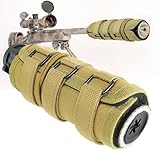
- ARS Mark9.5
ARS Mark is a ranking system developed by bestairriflescopes.com. ARS Mark has no relationship or impact from any manufacturers or sales agent websites. Learn more
- Brand2win2buy
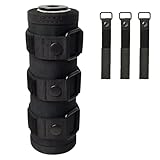
- ARS Mark9.1
ARS Mark is a ranking system developed by bestairriflescopes.com. ARS Mark has no relationship or impact from any manufacturers or sales agent websites. Learn more
- BrandDizetion
- ARS Mark8.5
ARS Mark is a ranking system developed by bestairriflescopes.com. ARS Mark has no relationship or impact from any manufacturers or sales agent websites. Learn more
- Brand2win2buy
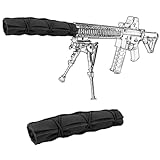
- ARS Mark9.7
ARS Mark is a ranking system developed by bestairriflescopes.com. ARS Mark has no relationship or impact from any manufacturers or sales agent websites. Learn more
- BrandWEEGEEKS

- ARS Mark7.5
ARS Mark is a ranking system developed by bestairriflescopes.com. ARS Mark has no relationship or impact from any manufacturers or sales agent websites. Learn more
- BrandUmarex
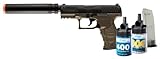
- ARS Mark9.3
ARS Mark is a ranking system developed by bestairriflescopes.com. ARS Mark has no relationship or impact from any manufacturers or sales agent websites. Learn more
- BrandElite Force

- ARS Mark8.5
ARS Mark is a ranking system developed by bestairriflescopes.com. ARS Mark has no relationship or impact from any manufacturers or sales agent websites. Learn more
- BrandKRYDEX

- ARS Mark9.3
ARS Mark is a ranking system developed by bestairriflescopes.com. ARS Mark has no relationship or impact from any manufacturers or sales agent websites. Learn more
- BrandUmarex
Last update on 2026-07-10 / Affiliate links / Images, Product Titles, and Product Highlights from Amazon Product Advertising API
How Does A Gun Silencer Work
Sharp muzzle blast can rattle nerves fast, especially during long range sessions or repeated firing in open terrain. Plenty of shooters expect a suppressor to erase noise completely, then get blindsided by the reality that firearms still sound loud even with one attached. That gap between expectation and reality keeps the topic of how does a gun silencer work surprisingly misunderstood. A suppressor mainly controls expanding gas pressure, softens the blast wave, and reduces the violent crack pouring out of the barrel after each shot.
Pressure And Noise Basics
Every fired round creates an explosion of hot gas trapped behind the bullet. Once the projectile exits the barrel, that compressed gas escapes violently and creates the sharp sound people instantly recognize as gunfire. A suppressor interrupts that rapid release by giving the gas more room to expand gradually. That slower release lowers the intensity of the muzzle blast and trims down the overall noise signature.
Internal baffles do most of the heavy lifting inside a suppressor body. Those metal partitions force gas to change direction repeatedly instead of bursting straight outward all at once. The process cools the gas slightly while reducing pressure before it finally exits the front cap. Even a fraction of a second matters because the sound wave becomes far less aggressive by the time it reaches open air.
Movie scenes really twisted public expectations over the years. A suppressor won’t turn most firearms into whisper-quiet tools because the bullet itself can still create a loud sonic crack. Supersonic ammunition breaks the sound barrier, producing noise no suppressor can completely eliminate. Subsonic rounds help reduce that effect, though they sometimes trade velocity and terminal performance for lower sound output.
Barrel length changes things too. Short-barreled rifles often sound harsher because burning powder exits earlier and creates stronger muzzle pressure. Longer barrels burn more powder internally before the gases escape, which slightly reduces blast intensity before the suppressor even gets involved. That’s why suppressor performance varies heavily depending on the entire firearm setup instead of the attachment alone.
What Happens Inside The Suppressor
Suppressors look simple from the outside, but the internal layout gets surprisingly detailed. Most contain expansion chambers, baffles, spacers, and carefully shaped pathways that redirect gas flow repeatedly before release. Those components work together to manage pressure rather than trap sound forever. Gas eventually escapes, just in a calmer and more controlled way.
Baffle geometry changes how efficiently pressure disperses inside the tube. Some designs prioritize lower sound signatures, while others balance suppression with reduced back pressure for semi-automatic firearms. Cone-shaped baffles commonly redirect gases efficiently, though newer flow-through styles attempt to reduce gas blowback near the shooter’s face. Different suppressor designs suit different shooting styles and firearm platforms.
Heat builds rapidly during sustained firing. After several magazines, a suppressor can become hot enough to distort air around the optic through visible heat mirage. That shimmering effect makes precise aiming harder, especially during long-distance shooting. Suppressor covers help reduce heat mirage, though they also trap additional heat inside the unit itself.
Weight distribution matters more than many expect. Adding a suppressor shifts balance toward the muzzle, which can make compact rifles feel front-heavy during extended use. Some shooters like the steadier feel because it slightly softens recoil movement. Others find the extra forward weight tiring during long offhand sessions or movement-heavy drills.
Why Suppressed Guns Still Sound Loud
A lot of frustration comes from unrealistic expectations rather than poor suppressor performance. Even quality suppressors typically reduce sound instead of eliminating it completely. A suppressed centerfire rifle can still sound loud enough to require hearing protection depending on caliber, barrel length, and ammunition choice. The sound simply becomes less violent and less concussive to nearby ears.
Supersonic ammunition creates one of the biggest limitations. Once a bullet exceeds roughly 1,125 feet per second, it generates a miniature sonic boom along its flight path. That crack remains completely separate from muzzle blast reduction. So even excellent suppressors can’t silence that sharp snap produced by the projectile itself.
Mechanical firearm noise also sticks around. Semi-automatic actions cycle violently during firing, producing metallic clacks and movement sounds that become more noticeable after suppressing muzzle blast. Bolt-action rifles usually sound quieter overall because they avoid much of that mechanical cycling noise. That’s one reason bolt guns often deliver the most dramatic suppression results.
Environmental conditions shift perceived noise too. Shooting near walls, vehicles, or rocky terrain reflects sound back toward the shooter aggressively. Open outdoor spaces usually make suppressors seem more effective because less sound bounces back immediately. Weather conditions, humidity, and surrounding terrain all subtly influence how suppressed gunfire feels in real-world use.
Subsonic Ammo Changes Everything
Subsonic ammunition stays below the speed of sound, which eliminates the loud crack caused by sonic shockwaves. That single change dramatically alters how suppressed firearms sound in practical shooting situations. Many shooters describe subsonic suppressed fire as more of a heavy thump than a sharp explosive crack. The difference becomes especially noticeable with pistol calibers and certain rifle platforms.
Velocity tradeoffs come along for the ride, though. Lower-speed ammunition typically delivers reduced energy and different ballistic performance compared to standard high-velocity loads. Long-range trajectory often drops faster, and wind drift becomes more noticeable over distance. Some shooters happily accept those compromises for quieter operation and reduced blast.
Barrel twist rates occasionally complicate subsonic setups. Heavy bullets traveling slowly still need enough rotational stability to remain accurate during flight. A suppressor attached to an unstable bullet setup risks dangerous baffle strikes if the projectile tumbles slightly inside the can. Proper ammunition pairing matters far more than many first-time suppressor owners realize.
Reliability can shift too, especially with semi-automatic firearms. Some rifles or pistols cycle perfectly with subsonic ammunition, while others struggle due to lower gas pressure. Adjustable gas blocks, recoil spring tuning, or suppressor-specific setups often help smooth out those cycling inconsistencies. The quietest setup isn’t always the simplest setup.
Back Pressure And Gas Blowback
Suppressors trap and redirect gases temporarily, but that extra resistance creates side effects on many firearms. Semi-automatic rifles often experience increased back pressure, which sends excess gas back through the operating system during cycling. Shooters commonly notice stronger gas exposure near the face, especially on AR-platform rifles. After several rapid shots, the irritation becomes hard to ignore.
Gas blowback feels worse with certain ammunition types and shorter barrel setups. Compact rifles already run high-pressure systems, so adding a suppressor amplifies those conditions quickly. Eyes can water, breathing becomes uncomfortable, and residue accumulates faster around the chamber area. Adjustable gas systems help tame those issues considerably.
Flow-through suppressor designs attempt to reduce that excess gas buildup by venting pressure more efficiently forward instead of trapping everything internally. Traditional baffle suppressors usually prioritize maximum suppression levels, while flow-through models focus more on shooter comfort and reduced blowback. Neither approach solves every problem perfectly. The better option depends heavily on firearm type and shooting priorities.
Cleaning frequency increases too. Extra gas circulation dumps more carbon and fouling into the firearm action over time. Suppressed rifles often require more maintenance compared to unsuppressed setups, especially after high round counts. Ignoring buildup too long can gradually affect reliability, trigger feel, and cycling consistency.
Materials And Suppressor Durability
Suppressors absorb brutal pressure and intense heat during firing, so material selection matters enormously. Lightweight aluminum suppressors help reduce front-end weight, though they usually suit rimfire calibers or lighter firing schedules better. Hard-use centerfire setups often rely on stronger metals that tolerate repeated heat cycles more effectively. Durability becomes especially important during rapid firing or heavy training use.
Stainless steel suppressors handle abuse well but add noticeable weight to the firearm. That extra mass can actually stabilize recoil slightly, though long carry sessions may become tiring. Titanium suppressors cut weight substantially while still offering strong heat resistance, which explains their growing popularity among hunters and precision shooters. The tradeoff usually lands in higher pricing.
Weld quality influences longevity more than flashy marketing language. Weak welds or thin blast baffles eventually wear faster under repeated pressure spikes. Rifles with short barrels and aggressive calibers punish suppressors especially hard because unburned powder and hotter gases strike the internal components more violently. A suppressor built for light recreational shooting may struggle badly under sustained hard use.
Finish coatings serve practical purposes too. Heat-resistant coatings help reduce corrosion and external wear after repeated exposure to moisture, dust, and carbon buildup. Suppressors used outdoors regularly deal with rain, mud, temperature swings, and rough transport conditions. Rugged coatings won’t magically prevent damage, but they definitely slow down cosmetic and structural wear over time.
Hearing Protection And Real Comfort
A suppressor’s biggest real-world benefit often has less to do with stealth and more to do with comfort. Repeated exposure to unsuppressed gunfire creates intense concussion that wears people down mentally and physically during long sessions. Suppressed firearms soften that harsh blast dramatically, making communication and concentration easier. The difference feels obvious after just a few magazines.
Reduced muzzle blast also helps shooters maintain awareness of their surroundings. Loud, concussive pressure waves can feel exhausting in confined spaces or near reflective terrain. Suppressors trim down that sharp shockwave, which creates a noticeably calmer shooting experience outdoors. The firearm still produces noise, but the harsh edge softens significantly.
Many experienced shooters still wear hearing protection even with suppressors attached. Certain calibers remain loud enough to risk hearing damage during prolonged exposure, especially indoors or with shorter barrels. Doubling up with earplugs and earmuffs remains common among high-volume shooters. Suppression reduces damage risk, though it doesn’t magically erase it.
Recoil impulse often feels smoother too. Escaping gases leave the muzzle more gradually, slightly reducing abrupt rearward movement during firing. That softer recoil sensation helps maintain sight picture and follow-up speed during repeated shots. Smaller improvements add up quickly once fatigue starts creeping into longer range sessions.
For quieter range sessions and better sight alignment practice, explore best bow sight for target shooting setups that sharpen consistency without adding complicated adjustments.
Why Suppressed Firearms Still Need Smart Setup
Most frustration with suppressors starts after the first range trip instead of before it. Expectations run high, the suppressor gets mounted, and then shooters notice extra gas, shifting balance, or sound levels that still seem louder than anticipated. That disconnect usually happens because suppressed shooting depends on the full system working together rather than one accessory solving everything instantly. Barrel length, ammunition pressure, firearm action, and even optic setup all influence the final experience.
Barrel Length Changes Suppressor Behavior
Short barrels dump hotter and higher-pressure gas into the suppressor almost immediately after ignition. That harsher pressure pulse increases wear on internal baffles and usually creates louder overall blast compared to longer barrels firing the same caliber. Compact rifles feel handy in tight spaces, though they often produce noticeably sharper concussion even while suppressed. Plenty of shooters learn that lesson the expensive way after expecting movie-level quiet from a tiny setup.
Longer barrels usually create a smoother suppressor experience because more powder burns before the bullet exits the muzzle. Gas pressure entering the suppressor becomes slightly more controlled, which helps reduce blast intensity and internal stress. Rifles with moderate barrel lengths often strike the best balance between handling and suppression performance. The firearm simply feels calmer during repeated shots.
Heat buildup becomes more aggressive on shorter setups too. A compact rifle running rapid fire strings can turn a suppressor scorching hot within minutes, especially with centerfire calibers. Mirage distortion starts dancing through optics and makes target clarity frustratingly inconsistent. Shooters focused on precision work often slow down firing pace specifically to manage suppressor heat.
Mount stability matters more than people think. Poorly aligned threads or loose mounting systems increase the chance of dangerous baffle strikes over time. A stable attachment system keeps the suppressor centered with the bore and protects both accuracy and long-term durability. Small alignment issues become major headaches once live rounds enter the picture.
Why Suppressors Affect Accuracy
Attaching extra weight to the muzzle changes barrel harmonics immediately. Some rifles tighten group sizes once suppressed because the added mass stabilizes barrel movement during firing. Others shift point of impact noticeably, even though accuracy itself remains consistent. That’s why experienced shooters always re-zero optics after mounting a suppressor.
Point-of-impact shift surprises many first-time suppressor owners. A rifle may suddenly print several inches left, right, high, or low after attaching the can. Consistency matters more than the direction of the shift itself because reliable correction allows shooters to compensate properly. The suppressor isn’t necessarily harming precision. It’s simply changing how the barrel behaves during firing.
Thread quality and suppressor alignment also influence stability. Poorly machined muzzle threads can introduce tiny alignment inconsistencies that gradually affect bullet flight. Precision shooters tend to obsess over mounting systems for exactly that reason. Tiny imperfections become much more noticeable at extended distances.
Optics setup deserves attention too. Rifles carrying heavier suppressors sometimes benefit from stronger mounting systems that hold zero more reliably during repeated recoil cycles. For more stable long-range setups, compare best scope mounts for remington model 7 options that help maintain alignment through sustained shooting sessions.
Cleaning Problems Nobody Talks About
Carbon buildup creeps into suppressed firearms far faster than many expect. Extra trapped gas cycles through the action repeatedly, dragging fouling and residue deep into moving parts after every shot. Semi-automatic rifles get especially dirty because suppressors increase back pressure dramatically. Neglect catches up quickly once carbon starts hardening around the bolt and chamber.
Rimfire suppressors usually demand the most maintenance. Dirty ammunition leaves heavy lead and carbon deposits inside the baffles over time, gradually increasing weight and reducing internal volume. User-serviceable suppressors simplify cleaning because the baffle stack can separate for scrubbing. Sealed suppressors often require more careful firing schedules to avoid excessive buildup.
Heat makes maintenance trickier too. Carbon fouling bakes onto hot suppressor components and becomes stubborn after repeated firing sessions. Letting the suppressor cool before cleaning helps avoid damaging threads or internal coatings accidentally. Rushing maintenance on scorching metal rarely ends well.
Thread protection gets overlooked constantly. Dirty or damaged threads can loosen suppressors slightly during firing, which risks alignment problems later on. A small amount of anti-seize compound often helps prevent stubborn carbon lock on threaded mounts. Simple habits extend suppressor life far more effectively than flashy accessories.
Subsonic Setups And Realistic Tradeoffs
Subsonic ammunition changes the personality of a firearm more than many people expect. The reduced velocity removes the loud sonic crack, which dramatically softens overall sound signature during suppressed fire. That quieter report feels satisfying, especially outdoors where reflected noise stays lower. Still, quieter shooting usually comes paired with performance compromises.
Trajectory drop becomes far more noticeable at extended distances. Slower bullets lose velocity rapidly and require careful hold adjustments once targets move farther out. Wind drift also affects subsonic rounds more aggressively because the projectile spends additional time traveling toward the target. Precision work demands patience and realistic expectations.
Cycling reliability sometimes suffers with lower-pressure ammunition. Certain semi-automatic firearms struggle to run subsonic loads consistently without tuning recoil springs or gas systems. Shooters chasing ultra-quiet setups often spend time testing multiple ammunition brands before landing on dependable performance. The quietest setup isn’t automatically the most reliable setup.
Heavy bullets commonly pair better with subsonic shooting because they retain momentum more effectively at lower speeds. That combination helps preserve usable energy despite reduced velocity. Barrel twist rate still matters, though. Improper stabilization risks poor accuracy and occasional keyholing downrange.
Suppressors And Recoil Control
Many shooters first notice recoil changes before they notice sound reduction. A suppressor traps and redirects expanding gases temporarily, which softens the sharp recoil impulse produced during firing. Rifles often feel smoother and easier to track through optics after suppression gets added. The muzzle simply behaves with less abrupt violence.
Muzzle movement becomes easier to manage during rapid follow-up shots. That smoother recoil pulse helps shooters stay on target longer instead of constantly reacquiring sight picture after every round. Competitive shooters and precision rifle users often appreciate that effect more than raw noise reduction itself. Small improvements in stability add up quickly during extended sessions.
Weight distribution plays a role too. Heavier suppressors add forward mass that slightly steadies muzzle rise under recoil. Some shooters enjoy that planted feel during prone or bench shooting positions. Others dislike carrying extra weight during long hunts or movement-heavy drills.
Gas-operated firearms react differently depending on suppressor type and caliber pressure. Certain rifles feel significantly smoother once tuned properly with adjustable gas systems. Others become noticeably overgassed until modifications balance the system back out. Suppressor performance rarely feels universal across every platform.
Why Hollywood Got It Wrong
Movies turned suppressors into fantasy gadgets decades ago, and that image stuck hard. Tiny “pfft” sounds from action scenes created wildly unrealistic expectations about how firearms actually behave with suppression attached. Real suppressors reduce muzzle blast. They don’t magically erase every source of sound generated during firing.
Mechanical action noise still remains noticeable, especially on semi-automatic firearms. The bolt cycles, springs compress, brass ejects, and moving components slam against each other during every shot. Once muzzle blast decreases, those mechanical sounds become much easier to hear. Bolt-action rifles often sound quieter overall precisely because fewer moving parts create additional noise.
Environmental reflections shape perceived sound too. Indoor ranges amplify suppressed gunfire dramatically because concrete walls bounce pressure waves back toward the shooter instantly. Outdoor shooting areas usually feel quieter because sound disperses naturally into open space. The same suppressor can seem drastically different depending on surroundings alone.
Expectation management matters more than marketing hype. Suppressors reduce concussion, soften blast pressure, and improve shooting comfort significantly. They just don’t rewrite the laws of physics. People expecting total silence usually leave disappointed, while shooters expecting a smoother and less punishing firing experience tend to appreciate suppressors much more.
Practical Setup Mistakes That Cause Problems
First-time suppressor owners often rush straight into live fire without checking alignment or torque properly. That shortcut can lead to expensive damage if the suppressor sits even slightly off-center relative to the bore. Alignment rods help verify safe positioning before firing the first round. A few extra minutes of caution beat replacing damaged baffles later.
Overtightening mounts causes headaches too. Some shooters crank suppressors down aggressively, then struggle to remove them once carbon buildup locks everything together after firing. Proper torque and clean threads matter more than brute force. Consistent mounting pressure keeps the suppressor stable without creating removal nightmares later.
Ammo compatibility gets ignored surprisingly often. Certain suppressors carry barrel length restrictions or caliber limitations designed to protect internal components from excessive pressure and heat. Running the wrong setup may void warranties or shorten suppressor lifespan dramatically. Manufacturer guidelines exist for practical reasons, not legal filler.
New shooters sometimes expect suppressors to solve every recoil or noise issue instantly. Reality lands somewhere more balanced. Suppressors improve comfort, soften blast, and reduce hearing strain substantially, though they also introduce maintenance demands, added weight, and occasional tuning frustrations. That tradeoff becomes easier to manage once expectations stay grounded in real-world performance instead of cinematic fiction.
For smoother early shooting practice and less intimidating equipment setups, explore best type of bow for beginners options that help build confidence through manageable control and simpler handling.


12 Best 22 Pcp Air Rifle For Hunting of 2026 With Quiet Power

7 Best 22 Pcp Air Rifle Under 300 of 2026 For Backyard Pest Control

10 Best 22 Break Barrel Air Rifles of 2026 For Backyard Pest Control

10 Best 30 Caliber Pcp Air Rifle of 2026 For Medium Game

Top Best 177 Air Rifle Under 100: Budget-Friendly Picks for 2026

How to Safely Reload Shotgun Shells at Home

11 Best Co2 Air Rifle For Pest Control of 2026 To Ensure Humane Dispatch

12 Best Inexpensive Air Rifles of 2026 For Dependable Backyard Accuracy






