
How Does an Air Gun Work?

An air gun works by using a sudden burst of pressurized air to blow a pellet down the barrel instead of burning gunpowder. What changes across different models is whether the rifle squashes that air in the exact moment of the shot or holds it ready beforehand. There is no flame, powder, or chemical explosion involved, just simple air pressure doing the physical work.
That force depends on how the gun stores its energy, whether through a heavy internal spring, a hand lever you pump up, a tiny gas bottle, or a refillable air tank. Some designs slam a tight seal forward to squeeze air on the spot, while others knock open a quick valve to let stored gas escape. Here is how each system works inside, step by step, so you can safely handle and care for your rifle.
Air pressure pushes the pellet without using gunpowder
A traditional firearm relies on chemical combustion to send a bullet downrange. When the firing pin hits the cartridge primer, gunpowder ignites inside a brass casing. That burning powder creates a violent expansion of hot gas that blasts the bullet down the barrel. An air gun produces a similar push, but it uses pressurized gas instead of fire or burning chemicals.
You can picture how an air rifle works by thinking about a simple bicycle pump or a party blowdart. If you plug the nozzle of a tire pump with your finger and shove the handle down, you feel the trapped air push hard against your skin. When you lift your finger, that compressed air bursts free with a sharp pop. An air gun uses that exact mechanical pop to shove a small metal projectile down the barrel.
The projectile itself also changes how the air behaves. Air guns generally fire either lead or alloy pellets, or smooth steel BBs. Pellets are shaped like small shuttlecocks with a hollow skirt that catches expanding air and creates a snug seal against the spiraling rifling grooves cut inside the barrel. Steel BBs are hard, smooth round balls designed for smoothbore barrels without rifling. Loading steel BBs into a rifled pellet barrel will scrape and strip those delicate internal spiral grooves over time, permanently damaging your accuracy.
Even though an air gun burns no powder, it is still a serious piece of shooting equipment. High-speed pellets exit the muzzle with enough punch to injure people or humanely dispatch small garden pests. Always follow standard firearm safety rules whenever you handle one. That means wearing eye protection, keeping the muzzle pointed in a safe direction, and shooting into a rated steel pellet trap, dense rubber mulch box, or thick backstop berm that completely absorbs pellets without ricochets.
Cocking the barrel sets an internal air pump
The most common air rifle design is the break-barrel rifle, which uses a spring-powered air pump built directly into the gun. The entire mechanism sits inside the steel cylinder behind the barrel. When you prepare to take a shot, you break open the action by pivoting the barrel downward on a heavy hinge pin.
Bending the barrel requires physical effort. Shooters call this cocking effort, which is the muscle effort (in pounds) needed to break open the barrel or pull the cocking lever. On high-powered adult rifles, cocking effort can feel like lifting a 30-pound or 40-pound weight with one hand. As you pivot the barrel down, a steel lever pushes a heavy piston backward against a massive coiled steel spring or a sealed nitrogen gas piston.
Once the piston reaches the back of the cylinder, a small metal catch called the sear clicks into place and holds the compressed spring under tremendous tension. With the barrel bent open, the rear chamber is exposed so you can slide a lead or alloy pellet directly into the rifled bore. Then, you swing the barrel back up until it firmly latches shut. The rifle is now cocked, loaded, and waiting for you to squeeze the trigger.
Spring-piston rifles have two unique quirks every owner needs to understand. First, you must never dry fire the gun, which means pulling the trigger with no pellet loaded. When a pellet is in the chamber, its tight fit creates a cushion of air that slows the heavy piston down just before it hits the front of the chamber. Dry firing removes that air cushion, causing the piston to slam violently against the end of the cylinder, which can crack the stock or shatter the spring. Second, spring-powered guns produce a forward-and-backward recoil that shatters standard firearm scopes, so you must always use spring-airgun-rated scopes designed for that unique two-way kick.
Multi-pump and air tank guns store pressure beforehand
Spring-piston guns compress their air at the exact instant you take a shot, but pneumatic guns store compressed air in a reservoir before you shoot. This design separates the physical work of compressing air from the actual trigger pull. Pneumatic guns fall into two main groups: multi-pump rifles and pre-charged pneumatic systems.
Multi-pump pneumatics are rifles powered by 3 to 10 forearm hand pumps. Underneath the barrel sits a folding forearm lever attached to a small internal air pump. Each time you pump the forearm handle, you push a charge of fresh air through a one-way valve into a small pressure chamber. You control your shooting power by how many times you pump the handle. Three pumps provide gentle velocity (pellet travel speed) for close-range target practice in the yard, while eight to ten pumps deliver maximum punch. Squeezing the trigger opens a valve that dumps all that stored air at once, meaning you must pump the rifle again before your next shot.
Pre-charged pneumatic guns, commonly called PCP rifles, take stored air to an entirely different level. Instead of pumping a lever for every shot, these rifles feature a built-in refillable air tank positioned beneath the barrel. This onboard reservoir holds high-pressure air filled from a specialized manual hand pump, a dedicated airgun compressor, or a scuba tank. Standard home garage compressors only reach around 150 pounds of pressure, whereas a PCP tank safely holds between 2,000 and 3,000 pounds of pressure per square inch.
Because the PCP reservoir holds such a massive volume of air, you do not need to pump the gun between shots. A single tank fill can supply 20 to 60 consistent shots. When you pull the trigger, an internal hammer strikes a small valve pin open for just a millisecond. A tiny puff of high-pressure air escapes through a port behind the pellet, and the valve instantly snaps shut to save the rest of the air for future rounds. Many PCP rifles feed pellets from multi-shot revolving pellet wheels, allowing you to cycle rounds with a smooth bolt action.
Carbon dioxide cartridges expand into gas for easy shooting
Carbon dioxide models use a stored-gas system, but they rely on disposable gas cartridges instead of air pumped from a tank. These cartridges are small, sealed steel bulbs containing liquid carbon dioxide under pressure. The most common sizes are small 12-gram capsules and larger 88-gram tanks designed for extended backyard shooting sessions.
The physics behind carbon dioxide makes shooting effortless. When you insert a cartridge into the grip or stock and tighten the piercing screw, a hollow needle pierces the cartridge neck. Inside that capsule, the carbon dioxide rests in a liquid state. The liquid constantly boils off into a vapor, creating gas pressure that stabilizes at roughly 800 to 900 pounds per square inch at room temperature.
Every time you pull the trigger, a valve taps open and vents a burst of that expanding gas to propel the projectile down the barrel. The instant that gas leaves, a small splash of liquid inside the bulb evaporates to replace the lost pressure. Because the expanding gas does all the work, these guns require no manual pumping or heavy cocking muscle. That makes them a popular platform for semi-automatic target shooting. For example, CO2 air pistols for realistic training let shooters practice grip, sight alignment, and trigger control without burning expensive firearm ammunition.
The main limitation of carbon dioxide is its sensitivity to outdoor temperatures. Liquid carbon dioxide needs environmental heat to boil into vapor efficiently. If you shoot in weather below 60 degrees Fahrenheit, the pressure inside the bulb drops, causing a noticeable loss in pellet velocity. Rapid shooting also causes the cartridge to chill rapidly, which makes your shots land lower and lower on the target until the metal cartridge warms back up.
Pulling the trigger unleashes trapped air in milliseconds
Regardless of whether an air gun uses a coiled spring, a hand-pumped chamber, a PCP tank, or a carbon dioxide capsule, the sequence that fires the pellet happens in a fraction of a second. Here is what takes place mechanically the moment you squeeze the trigger:
- The trigger trips the sear: Pulling the trigger moves a lever that disengages the sear, which is the hardened steel catch holding back the hammer or the compressed piston.
- The internal striker moves forward: In a spring-piston rifle, the massive spring drives the heavy piston forward through the compression chamber. In a PCP, multi-pump, or carbon dioxide gun, a spring-loaded hammer snaps forward and hits the stem of an internal valve.
- High-pressure gas enters the breech: In a valve-based gun, the hammer strike opens the valve for a few thousandths of a second, letting pressurized gas rush through a narrow transfer port directly behind the pellet. In a spring gun, the forward-moving piston compresses the column of air ahead of it, rapidly driving up both pressure and heat.
- The pellet skirt seals against the bore: That sudden spike in air pressure pushes against the hollow base of the lead pellet. The soft skirt expands outward slightly to form a tight seal against the barrel walls so no expanding air leaks past the edges.
- The rifling spins the projectile: The trapped air pressure overcomes the friction of the barrel and accelerates the pellet down the tube. Spiral grooves cut into the barrel spin the pellet like a football to stabilize its flight in open air. Built-in noise baffles or muffled barrels trap the turbulent blast of air at the muzzle to silence the shot as the pellet leaves the gun.
Standard gun oil can dangerously explode inside an airgun
Maintaining an air gun is very different from cleaning a traditional powder-burning firearm. The biggest mistake new owners make is reaching for a regular can of firearm cleaning solvent or household aerosol lubricant. Using standard petroleum-based oils inside an airgun can trigger a dangerous reaction known as dieseling.
Dieseling is oil catching fire from hot compressed air. In a spring-piston rifle, the piston compresses air so quickly that the temperature inside the compression tube briefly spikes to hundreds of degrees Fahrenheit. That is the exact same principle a diesel truck engine uses to ignite fuel without spark plugs. If flammable petroleum oil or aerosol solvent is present in the chamber, the hot air will cause the oil vapor to explode violently.
When an airgun diesels, you will hear a loud gunshot-like report, see gray smoke pour from the barrel, and smell burned petroleum. This uncontrolled internal explosion can destroy the synthetic piston seal, warp the mainspring, and pose a real hazard to the shooter. Keep your airgun safe and functioning properly by following these basic rules:
- Never spray standard firearm cleaners, penetrating oils, or aerosol lubricants into the barrel breech, compression chamber, or air transfer port.
- Use only 100 percent pure silicone oil formulated specifically for air rifles on rubber seals, moving air valves, and internal linkages.
- Clean the inside of a rifled pellet barrel using dry pull-through cloth patches rather than liquid bore solvents designed for burning powder residue.
- Stop shooting immediately if your rifle detonates with a loud bang or produces smoke, and allow a knowledgeable gunsmith or airgun specialist to inspect the seals for heat damage.
Choosing the right air system matches your shooting goals
Understanding how these internal systems work makes it much easier to select the right kind of air rifle for your property. Each power system has clear trade-offs in cocking effort, repeat shooting speed, maintenance requirements, and overall simplicity.
If you want a self-contained rifle that is always ready without needing extra gear, a break-barrel gun is usually the best starting point. You never have to buy gas cartridges or hook up filling equipment; you just cock the barrel, load a single pellet, and shoot. Check the cocking effort rating to ensure younger family members can manage the barrel swing, and look for models with built-in noise baffles if you plan to shoot in a residential yard. If a rifle is too bulky for quick target practice, single-shot break-barrel air pistols for backyard plinking offer that same independent spring mechanism in a compact format.
If you want fast repeat shots, zero cocking effort, and pinpoint precision, pre-charged pneumatic rifles offer the best shooting experience. You will need to account for the upfront investment in a high-pressure pump or compressor, but you get a smooth bolt action and multi-shot clips without the sharp double recoil of a spring gun. Carbon dioxide models provide that same easy shooting at a lower initial cost, making them ideal for casual plinking and training drills, provided you do most of your shooting in warm weather.

- ARS Mark9.7
ARS Mark is a ranking system developed by bestairriflescopes.com. ARS Mark has no relationship or impact from any manufacturers or sales agent websites. Learn more
- BrandGamo

- ARS Mark8.9
ARS Mark is a ranking system developed by bestairriflescopes.com. ARS Mark has no relationship or impact from any manufacturers or sales agent websites. Learn more
- BrandUmarex

- ARS Mark8.5
ARS Mark is a ranking system developed by bestairriflescopes.com. ARS Mark has no relationship or impact from any manufacturers or sales agent websites. Learn more
- BrandDPMS
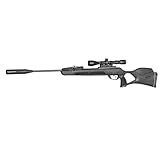
- ARS Mark8.4
ARS Mark is a ranking system developed by bestairriflescopes.com. ARS Mark has no relationship or impact from any manufacturers or sales agent websites. Learn more
- BrandGamo

- ARS Mark7.5
ARS Mark is a ranking system developed by bestairriflescopes.com. ARS Mark has no relationship or impact from any manufacturers or sales agent websites. Learn more
- BrandGamo
Last update on 2026-10-17 / Affiliate links / Images, Product Titles, and Product Highlights from Amazon Product Advertising API


12 Best 22 Pcp Air Rifle For Hunting of 2026 With Quiet Power

7 Best 22 Pcp Air Rifle Under 300 of 2026 For Backyard Pest Control

10 Best 22 Break Barrel Air Rifles of 2026 For Backyard Pest Control

10 Best 30 Caliber Pcp Air Rifle of 2026 For Medium Game

Top Best 177 Air Rifle Under 100: Budget-Friendly Picks for 2026

How to Safely Reload Shotgun Shells at Home

11 Best Co2 Air Rifle For Pest Control of 2026 To Ensure Humane Dispatch

12 Best Inexpensive Air Rifles of 2026 For Dependable Backyard Accuracy






