
How Far Can a Crossbow Shoot Accurately Explained

Many beginners and even seasoned hunters often ask, how far can a crossbow shoot accurately before accuracy drops or power fades. It’s a fair question, because while a crossbow can fire bolts at extreme distances, the real value lies in its effective range, the sweet spot where both speed and precision are reliable. For most modern crossbows, this means 40–60 yards for hunting with ethical kills, though target shooters sometimes stretch well beyond 100 yards. But the magic isn’t just about distance, it’s about balancing arrow drop, bolt velocity, and shooter skill. At close ranges, nearly every crossbow feels like a powerhouse, but once you push further out, wind drift, gravity, and bolt weight begin to expose weaknesses in form and equipment. That’s why focusing on accuracy over raw distance is so vital. An arrow might fly 500 yards, but can it hit a vital zone at 60 yards consistently? That’s the real test. Another factor that shapes the accurate range is the quality of the scope and sighting system. A calibrated scope can stretch your effective shooting window, giving you confidence when aiming at longer ranges. Pair that with consistent practice, steady breathing, and the right choice of bolts, and your accuracy becomes less of a gamble and more of a science. Ultimately, the question isn’t just about how far the crossbow can fire, it’s about how far you can trust your shot. With the right preparation, a shooter can push limits while staying responsible, ethical, and effective in the field.
Every archer at some point asks, how far can a crossbow shoot accurately, and the answer isn’t as simple as a number. While manufacturers boast about blistering speeds and enormous power, the real challenge is knowing the distance at which accuracy and control remain dependable. For most hunters, that’s where the conversation gets interesting, because it’s not about max range, it’s about practical, ethical, and repeatable shots. Modern crossbows are engineering marvels. They can hurl bolts hundreds of yards, but only a fraction of that distance truly counts in the real world. Factors like scope calibration, bolt design, shooting stance, and environmental conditions quickly separate casual shots from consistent accuracy. And this is where most shooters hit the wall, not with the bow itself, but with the discipline to refine their limits. The appeal of crossbows is undeniable. They give a hunter quiet power, a target shooter thrill, and anyone holding one the sense of commanding a medieval powerhouse reborn with modern precision. Yet, at the end of the day, the pressing question remains: how far can you fire before accuracy becomes guesswork? That’s the journey we’re diving into, unpacking the balance between distance, precision, and shooter confidence.

- ARS Mark8.8
ARS Mark is a ranking system developed by bestairriflescopes.com. ARS Mark has no relationship or impact from any manufacturers or sales agent websites. Learn more
- BrandCenterPoint Archery
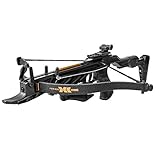
- ARS Mark8.4
ARS Mark is a ranking system developed by bestairriflescopes.com. ARS Mark has no relationship or impact from any manufacturers or sales agent websites. Learn more
- BrandBear X
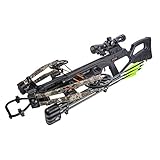
- ARS Mark8.2
ARS Mark is a ranking system developed by bestairriflescopes.com. ARS Mark has no relationship or impact from any manufacturers or sales agent websites. Learn more
- BrandBear X
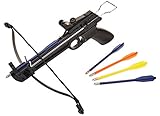
- ARS Mark7.6
ARS Mark is a ranking system developed by bestairriflescopes.com. ARS Mark has no relationship or impact from any manufacturers or sales agent websites. Learn more
- BrandTactical Crusader

- ARS Mark7.4
ARS Mark is a ranking system developed by bestairriflescopes.com. ARS Mark has no relationship or impact from any manufacturers or sales agent websites. Learn more
- BrandW WILLIAM TELL ARCHERY
Last update on 2025-11-11 / Affiliate links / Images, Product Titles, and Product Highlights from Amazon Product Advertising API
Many shooters ask, how far can a crossbow shoot accurately, but the word “accurately” is often misunderstood. While some manufacturers brag about 500-yard maximum ranges, what matters most is the effective shooting distance, the range where both accuracy and ethical power remain steady. For hunting, this usually falls between 40 to 60 yards, while skilled target shooters might push to 100 yards or more. The difference lies not in the bow’s ability to launch a bolt, but in the shooter’s ability to control the shot under real conditions.
At closer ranges, nearly every crossbow delivers impressive performance. But once you stretch further, elements like bolt drop, wind drift, and scope calibration start testing your consistency. This is why most experienced hunters limit themselves even if the bow technically shoots farther. The goal isn’t just hitting a target, but hitting it where it matters every single time.
Accuracy also depends on the balance between power and precision. A crossbow that fires at 400 FPS may shoot flatter than one at 300 FPS, but if the shooter’s stance, breathing, and trigger pull aren’t refined, accuracy still suffers. This is why many seasoned shooters invest as much in practice as they do in gear.
In other words, the question isn’t about the longest possible shot, it’s about the longest responsible shot. Hunters, competitors, and hobbyists alike find their limits not in specs, but in the connection between their crossbow, their training, and their confidence.
The effective range of a crossbow isn’t just about distance; it’s a mix of mechanics, environment, and shooter skill. One major factor is bolt speed. A faster bolt experiences less drop, giving shooters a flatter trajectory. But raw speed isn’t everything, lighter bolts may fly faster but lose momentum more quickly, reducing penetration.
Another crucial factor is scope quality. A finely tuned, multi-reticle scope allows for precise aiming at different ranges. Without it, even the best crossbow feels like guesswork beyond 30 yards. As one experienced archer put it, “Your bow is only as accurate as your optics let it be.”
Environmental conditions also can’t be ignored. Wind drift, humidity, and elevation can shift a bolt’s flight path, sometimes dramatically. That’s why many shooters practice in varied conditions, so they know how their equipment behaves. Practice isn’t just preparation; it’s the foundation of consistent accuracy.
Finally, we can’t forget the shooter’s role. Consistency in anchor point, trigger pull, and follow-through separates good shots from lucky ones. Even with top-tier equipment, inconsistency will sabotage accuracy. And that’s why so much emphasis is placed on disciplined shooting form.
For hunters, the ethical range is usually shorter. How far can a crossbow shoot accurately for a clean, humane harvest? Most experts say 40–60 yards. Beyond that, too many variables, animal movement, wind, and bolt drop, stack the odds against an ethical shot. A bolt that misses its mark by just a few inches can mean suffering for the animal, which no responsible hunter wants.
Target shooters, on the other hand, enjoy pushing boundaries. Competitive crossbow shooting often involves ranges of 80 to 100 yards, sometimes even more. Here, the challenge is precision, not lethality. Every inch of arrow drift becomes part of the mental game, sharpening focus and discipline.
Still, even target shooters admit there’s a sweet spot. “At 50 yards, I can stack bolts like arrows,” one shooter shared. “At 100 yards, I’m fighting the wind every time.” It’s this blend of skill and environmental challenge that makes crossbow shooting addictive.
So, while hunters and target shooters both want accuracy, their priorities differ. For hunters, it’s about ethical responsibility. For target shooters, it’s about testing limits and refining skill. Both, however, share the joy of chasing accuracy at distances that feel like a test of both man and machine.
Another overlooked factor in crossbow accuracy is the bolt itself. A bolt that’s too light may fly faster, but it’s more vulnerable to wind drift. A heavier bolt might drop quicker, but it carries more momentum and penetrates deeper, making it favored for hunting.
The fletching (vanes) also shapes performance. Longer vanes stabilize bolts better at long ranges, while shorter ones may offer speed but less control. Matching the right vane length with your shooting style makes a tangible difference in consistency.
Materials matter too. Carbon bolts are favored for their durability and consistency, while aluminum bolts, though affordable, can bend easily. This can compromise accuracy if not inspected regularly. Many shooters stick with carbon for its balance of weight and resilience.
Lastly, the broadhead choice impacts flight. Fixed-blade heads may plane in the wind, while mechanical broadheads often fly straighter. But mechanicals require careful tuning to ensure proper deployment. The wrong choice can turn a perfectly aimed shot into a frustrating miss.
Even the best crossbow is only as good as its scope setup. A properly sighted-in scope can extend the accurate shooting range by ensuring the shooter compensates for bolt drop at various distances. Modern scopes often feature multiple aiming points, making adjustments smoother.
Calibration isn’t a one-time job. Temperature, elevation, and even string wear can alter bolt trajectory. That’s why dedicated shooters recheck their scopes frequently. A few minutes of adjustment can save countless wasted shots.
It’s also important to note the difference between cheap and premium optics. Budget scopes often suffer from poor clarity and unreliable adjustments. High-quality optics provide crisp visuals and hold zero better, especially when shooting beyond 50 yards.
For shooters aiming to maximize their effective crossbow range, investing in a good scope is non-negotiable. Without one, you’re essentially guessing where the bolt will land, and guessing doesn’t equal accuracy.
No matter how advanced your crossbow is, the shooter’s skill is the real deciding factor. A seasoned hunter with a mid-range bow can often outshoot a beginner with top-of-the-line gear. Why? Because form, consistency, and discipline matter more than raw specs. A steady anchor point, smooth trigger squeeze, and follow-through build accuracy shot after shot.
Practice doesn’t just build confidence, it builds muscle memory. When every motion becomes second nature, distractions like wind, noise, or even adrenaline in the field won’t rattle you as easily. That’s why experts recommend practicing not just at your comfort zone, but also beyond your effective range, so your closer shots feel effortless.
One tip many archers swear by is varying practice conditions. Shoot in light wind, at dusk, or from elevated stands. These scenarios mimic the unpredictability of real hunts, making you adaptable. Accuracy isn’t about perfection in ideal settings; it’s about consistency in real-world challenges.
In the end, accuracy is more about the archer than the bow. As one veteran said, “The bow shoots where you tell it to, it’s up to you to tell it right.”
Crossbows don’t exist in a vacuum, and neither do their bolts. Wind, rain, temperature, and elevation can change everything. Even a mild crosswind at 40 yards can nudge your bolt several inches off target. Imagine what happens at 80 yards, accuracy starts slipping away.
Temperature can also shift bolt speed. Colder air is denser, causing bolts to slow slightly, while higher altitudes reduce drag and extend flight. These small changes add up, reminding shooters that adaptability is part of accuracy.
Rain and humidity introduce even more complications. Wet fletchings can alter stabilization, while slick strings may affect launch. That’s why hunters pay attention to gear maintenance, ensuring their equipment is prepared for the elements.
Instead of fighting the environment, skilled archers learn to work with it. By reading conditions and making small adjustments, they turn potential setbacks into manageable challenges. Accuracy, then, becomes less about luck and more about knowledge plus preparation.
For hunters, the question isn’t just how far can a crossbow shoot accurately, but how far it can do so ethically. A crossbow might send a bolt 100 yards, but should you take that shot at a live animal? Most ethical hunters say no, because too many variables create a risk of wounding instead of cleanly harvesting.
The responsibility lies in knowing your limits. A bolt striking two inches off at 50 yards may still be lethal. At 80 yards, that same miss could cause unnecessary suffering. That’s why ethical range, commonly 40 to 60 yards, is more important than maximum range.
Ethics also tie back to preparation. Hunters who practice regularly, maintain their equipment, and respect the game ensure they only take shots they can execute consistently. This isn’t just about rules; it’s about respect for wildlife and the hunt itself.
Ultimately, ethics make the difference between a good hunter and someone chasing numbers. The best hunters measure success not in distance, but in responsible choices and clean harvests.
Today’s crossbows are technological marvels. With speeds surpassing 400 FPS, precision scopes, and lightweight carbon bolts, accuracy has never been more accessible. But technology doesn’t remove the need for practice; it just enhances potential.
One of the biggest advancements is scope design. Illuminated reticles, range-compensating dots, and crystal-clear lenses help shooters stay confident at longer ranges. Combined with high-performance strings and cams, modern crossbows deliver power and consistency hunters from decades ago could only dream of.
Still, these advancements come with trade-offs. More powerful bows often mean heavier draws, louder shots, or bulkier builds. Shooters must weigh whether extra speed is worth potential drawbacks in stealth, handling, or comfort.
Technology is a gift, but it’s not magic. Even the most advanced bow won’t fix poor form or lack of discipline. That’s why the real edge comes from blending modern gear with timeless fundamentals.
At the end of the day, no article or chart can dictate your personal effective range. It’s a blend of your equipment, environment, and practice habits. For some, it’s confidently hitting a 6-inch circle at 50 yards every time. For others, it’s knowing 35 yards is their absolute comfort zone.
Finding this limit requires honesty. Push yourself in practice, but don’t gamble in the field. Accuracy is about repeatability, if you can’t repeat a shot on demand, it’s not your effective range.
Testing different bolts, fine-tuning your scope, and practicing under varied conditions all help reveal your personal boundary. And once you know it, stick to it. This self-awareness not only improves your accuracy but also builds your confidence as a shooter.
The true measure of how far a crossbow can shoot accurately isn’t the bow’s stats, it’s your stats. When preparation, equipment, and discipline come together, accuracy stops being a question and starts being a certainty.


12 Best 22 Pcp Air Rifle For Hunting of 2026 With Quiet Power

7 Best 22 Pcp Air Rifle Under 300 of 2026 For Backyard Pest Control

10 Best 22 Break Barrel Air Rifles of 2026 For Backyard Pest Control

10 Best 30 Caliber Pcp Air Rifle of 2026 For Medium Game

Top Best 177 Air Rifle Under 100: Budget-Friendly Picks for 2026

How to Safely Reload Shotgun Shells at Home

11 Best Co2 Air Rifle For Pest Control of 2026 To Ensure Humane Dispatch

12 Best Inexpensive Air Rifles of 2026 For Dependable Backyard Accuracy






