
How Far Can a Crossbow Shoot Without Losing Accuracy?

How Far Can a Crossbow Shoot sounds like a simple question, yet the answer gets messy fast once real-world conditions step into the picture. Plenty of people assume higher draw weight automatically means longer range, but that’s only part of the story. Bolt weight, wind drift, optics, shooting angle, and even hand position can change the result more than expected. A crossbow might launch a bolt hundreds of yards, sure, but keeping that shot accurate is a completely different battle.
Distance often becomes a source of frustration because numbers online rarely match field experience. One setup may look impressive on paper but lose stability once the bolt travels beyond practical hunting range. Another setup might feel slower yet maintain tighter groupings where it actually matters. That gap between advertised distance and usable accuracy catches many shooters off guard, especially after spending money on upgrades that don’t solve the real issue.
Crossbow shooting distance also depends heavily on purpose. Backyard target sessions, competitive shooting, and hunting situations all demand different expectations. A bolt traveling 80 yards toward foam is one thing. Hitting a small vital zone consistently under uneven lighting, shifting wind, and elevated heart rate is another story entirely. That’s why experienced shooters focus less on maximum distance claims and more on repeatable shot placement.
Speed grabs attention, no doubt about it. Fast crossbows create flatter trajectories and reduce holdover problems at moderate distances. Still, extreme velocity can expose weak form, poor optics alignment, or inconsistent bolt tuning. Small mistakes become obvious once distance increases. Some shooters even notice their groups tighten after switching to slightly heavier bolts because stability improves downrange.
Accuracy remains the deciding factor that separates practical range from marketing hype. Most hunters and recreational shooters eventually realize ethical shooting distance matters more than bragging rights. Missing a target by several inches at longer range doesn’t suddenly become acceptable because the crossbow technically launched the bolt far enough. Reliable performance matters far more than dramatic numbers.
Environmental conditions complicate things further. Crosswinds can push lightweight bolts off target surprisingly fast, especially after 50 yards. Humidity, rain, and uneven terrain can subtly alter shooting consistency too. Then there’s shooter fatigue. Long practice sessions sometimes lead to rushed shots and poor trigger control, which quietly wreck accuracy before the equipment gets blamed.
Optics and maintenance play a larger role than many expect. A properly sighted scope paired with consistent practice can extend confidence at moderate ranges far better than raw speed alone. Worn strings, loose mounts, or neglected rail lubrication create problems that gradually chip away at shot consistency. Little details stack up. Over time, those details decide whether a crossbow performs smoothly or becomes frustrating to trust.
How Far Can a Crossbow Shoot ultimately comes down to balancing power, control, and realistic expectations. Some setups excel at shorter precise shots. Others stretch distance effectively but require disciplined shooting habits to stay dependable. The sweet spot usually lands where confidence, visibility, and bolt stability all meet in the middle instead of chasing flashy maximum-range claims.

- ARS Mark10.0
ARS Mark is a ranking system developed by bestairriflescopes.com. ARS Mark has no relationship or impact from any manufacturers or sales agent websites. Learn more
- BrandW WILLIAM TELL ARCHERY
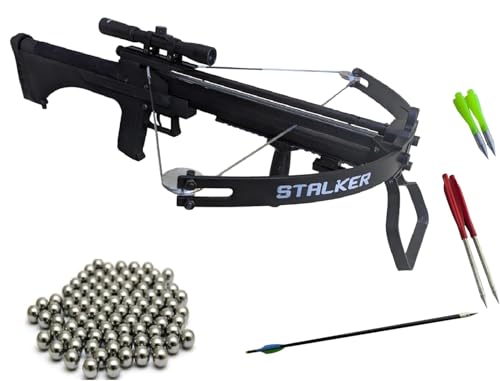
- ARS Mark10.0
ARS Mark is a ranking system developed by bestairriflescopes.com. ARS Mark has no relationship or impact from any manufacturers or sales agent websites. Learn more
- BrandW WILLIAM TELL ARCHERY

- ARS Mark9.4
ARS Mark is a ranking system developed by bestairriflescopes.com. ARS Mark has no relationship or impact from any manufacturers or sales agent websites. Learn more
- BrandG5 Outdoors
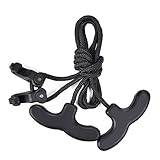
- ARS Mark9.2
ARS Mark is a ranking system developed by bestairriflescopes.com. ARS Mark has no relationship or impact from any manufacturers or sales agent websites. Learn more
- BrandELONG OUTDOOR

- ARS Mark8.4
ARS Mark is a ranking system developed by bestairriflescopes.com. ARS Mark has no relationship or impact from any manufacturers or sales agent websites. Learn more
- BrandBARNETT
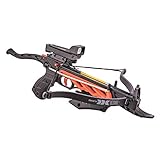
- ARS Mark8.0
ARS Mark is a ranking system developed by bestairriflescopes.com. ARS Mark has no relationship or impact from any manufacturers or sales agent websites. Learn more
- BrandBear X

- ARS Mark7.2
ARS Mark is a ranking system developed by bestairriflescopes.com. ARS Mark has no relationship or impact from any manufacturers or sales agent websites. Learn more
- BrandW WILLIAM TELL ARCHERY

Folding Crossbow Professional Training Portable Easy Storage Lightweight Archery Equipment
View on Amazon- ARS Mark7.0
ARS Mark is a ranking system developed by bestairriflescopes.com. ARS Mark has no relationship or impact from any manufacturers or sales agent websites. Learn more
- BrandTIETHEKNOT
Last update on 2026-05-27 / Affiliate links / Images, Product Titles, and Product Highlights from Amazon Product Advertising API
How Far Can A Crossbow Shoot
Long-distance shots look exciting right up until arrows start drifting off target for no obvious reason. Plenty of shooters buy faster crossbows expecting laser-straight accuracy at extreme range, then end up frustrated after bolts scatter wide beyond 50 yards. How Far Can A Crossbow Shoot depends on far more than raw speed. Bolt weight, wind conditions, optics, rail maintenance, and shooting form all pile into the equation faster than most people expect.
Why Distance Numbers Confuse So Many Shooters
Manufacturers love posting huge speed ratings because flashy numbers sell gear. A crossbow launching bolts at 400 feet per second sounds unstoppable on paper, yet real-world accuracy can fade quickly if the setup isn’t balanced properly. Maximum travel distance and practical shooting range aren’t the same thing at all. A bolt may physically fly over 300 yards while still being unreliable for precise shots past 60 or 70 yards.
Wind exposure becomes brutal once the bolt spends extra time in the air. Lightweight bolts especially start drifting sideways long before people notice the movement. That tiny shift looks harmless at 20 yards but turns into several inches farther downrange. Crosswind drift catches inexperienced shooters off guard more than almost anything else.
Trajectory also plays a bigger role than expected. Faster crossbows create flatter flight paths, though even aggressive setups eventually experience significant bolt drop. Scope calibration starts mattering a lot once distance stretches out. Poor sight adjustments lead to inconsistent impacts that many people mistakenly blame on the crossbow itself.
Practice habits quietly affect range too. Some shooters spend money chasing speed upgrades while barely practicing trigger control or follow-through. Tight groups usually come from consistency, not brute force alone. Reliable mechanics and steady form matter more than marketing hype once distance increases.
Speed Ratings And Real Shooting Range
Speed definitely matters, but people often expect too much from it. A crossbow pushing 430 FPS can reduce holdover problems at medium range, though it also exposes tiny mistakes faster. Jerking the trigger or gripping too tightly becomes painfully obvious with aggressive setups. Faster systems demand cleaner shooting habits.
Heavy bolts create an interesting tradeoff. They slow the setup slightly, yet many shooters notice tighter groups because heavier projectiles stay stable during flight. Lighter bolts leave the rail faster but may wobble more once wind starts interfering. Bolt stability often beats pure velocity in unpredictable outdoor conditions.
Noise and vibration deserve attention too. Ultra-fast crossbows sometimes produce harsher recoil characteristics that make repeat shots harder to control comfortably. That extra shock can loosen optics or fatigue the shooter after longer practice sessions. Balanced performance usually beats chasing every possible FPS number.
Hunters especially benefit from realistic expectations. Ethical range matters far more than bragging rights around campfires or online forums. Many experienced hunters limit themselves to distances where they can consistently land accurate shots under pressure. Confidence, visibility, and repeatable accuracy should always outweigh raw distance claims.
What Happens To A Bolt At Longer Distances
Bolts don’t fly in perfectly straight lines forever, even with expensive equipment. Gravity starts working immediately after launch, gradually pulling the projectile downward. Small aiming errors grow larger every extra yard the bolt travels. That’s why long-distance shooting feels much less forgiving.
Wind resistance changes the shot too. Broadheads with larger cutting surfaces can drift more than field points under gusty conditions. Humid air, temperature swings, and elevation shifts also influence flight patterns slightly. Those subtle factors stack together fast at extended range.
Energy loss becomes another concern. A bolt leaving the rail with strong kinetic energy gradually slows during flight, reducing penetration potential farther downrange. Hunting setups especially need enough retained force for clean performance. Kinetic energy retention matters just as much as launch speed.
Target visibility creates problems many shooters underestimate. Small aiming points become harder to see clearly past moderate range, especially under low-light conditions. Eye strain increases. Scope magnification helps somewhat, though excessive zoom can narrow the field of view too much. Visual clarity and scope quality often determine effective range more than advertised crossbow power.
How Wind Changes Crossbow Accuracy
Wind turns simple shots into frustrating guessing games faster than people expect. A light breeze may barely affect arrows at 20 yards, yet the same conditions can push impacts several inches off target beyond 60 yards. Crossbow bolts simply don’t resist lateral movement as effectively as many shooters assume. That problem becomes worse with lightweight setups.
Open fields create especially difficult shooting environments. Wind currents shift constantly around hills, trees, and uneven terrain. One moment feels calm, then suddenly the bolt drifts sideways halfway through flight. Experienced shooters often pause rather than forcing bad shots during unstable gusts.
Heavy bolts usually handle wind better because increased mass helps stabilize flight. The tradeoff involves slower trajectory and more noticeable drop at distance. Plenty of shooters eventually settle somewhere in the middle instead of going extremely light or extremely heavy. Balanced bolt weight tends to produce more dependable results.
Practice in mixed weather conditions helps more than endless indoor shooting. Controlled ranges feel comfortable, though real outdoor situations expose weaknesses quickly. Learning how wind influences impact points builds confidence over time. Environmental awareness becomes part of the shooting process instead of an afterthought.
Scope Setup And Distance Calibration
A poorly calibrated scope ruins accuracy even with an expensive crossbow underneath it. Some shooters sight in at 20 yards and assume everything else will magically line up afterward. Then frustration kicks in once shots start climbing or dropping unpredictably farther out. Accurate scope calibration saves massive amounts of wasted practice time.
Multi-reticle scopes help compensate for bolt drop at different ranges. Still, those markings only stay accurate if matched properly to bolt speed and setup conditions. String wear, bolt weight changes, and broadhead swaps can all shift impact points unexpectedly. Small adjustments matter more than many people realize.
Over-magnification creates its own headaches. High zoom levels amplify movement, making steady aiming tougher during unsupported shots. Slight body sway suddenly looks exaggerated through the optic. Many shooters actually perform better using moderate magnification with clearer field awareness.
Reliable mounting hardware deserves attention too. Loose rings or unstable rails quietly destroy consistency over time. A crossbow that grouped tightly last month may suddenly scatter impacts because vibrations loosened a component. Scope stability and routine inspection prevent a surprising amount of frustration.
Practical Hunting Range Versus Target Shooting
Target shooting allows far more flexibility than hunting situations. Foam targets stay still. Lighting conditions remain predictable. Nobody’s heart rate spikes after spotting movement near the tree line. Hunting adds pressure that changes shot execution fast. Field stress affects accuracy more than most people admit.
Many experienced hunters keep shots inside 40 or 50 yards despite owning faster equipment capable of longer travel. That limit isn’t weakness. It’s discipline. Ethical shots require confidence that the bolt lands exactly where intended under imperfect conditions.
Animal movement creates another layer of unpredictability. Even slight movement during bolt flight can shift impact location dramatically at extended range. Faster crossbows help reduce reaction time somewhat, though they don’t eliminate the issue entirely. Closer shots usually provide safer margins for error.
Terrain also changes practical range. Dense woods reduce visibility and create narrow shooting windows. Open fields extend sightlines but increase wind exposure. Each environment forces different decisions about distance management. Shot placement, visibility, and reaction time all matter more than theoretical maximum range.
Maintenance Problems That Reduce Distance Accuracy
Neglected equipment slowly chips away at performance without obvious warning signs at first. Frayed strings, dry rails, or loose fasteners gradually reduce shot consistency. Plenty of shooters blame themselves while the real issue sits directly on the crossbow. Basic maintenance often restores accuracy surprisingly fast.
String condition matters more than many expect. Worn serving material changes bolt launch consistency and can even affect scope alignment slightly over time. Rail lubrication also plays a role by reducing friction during release. Tiny mechanical differences become noticeable once distance increases.
Broadhead alignment creates another common headache. Poorly matched broadheads may plane unpredictably during flight, especially at longer range. Field points might group tightly while hunting heads drift wide. Careful tuning helps reduce those inconsistencies before hunting season arrives.
Storage conditions matter too. Excessive humidity, temperature swings, or careless transport can affect optics and mechanical components gradually. Protecting the setup properly helps preserve long-term reliability. Routine inspection and preventive maintenance usually cost far less than replacing damaged equipment later.
Crossbow Weight And Shooting Stability
Lighter crossbows feel convenient during long walks through rough terrain. Carrying less weight reduces fatigue, especially during all-day hunts or extended target sessions. Still, lightweight setups sometimes become harder to stabilize during longer shots. Tiny hand movements affect the sight picture more dramatically.
Heavier crossbows absorb vibration more effectively and often feel steadier at full aim. That added stability can improve consistency, particularly for shooters practicing beyond moderate range. The downside appears after hours of carrying gear through hills, brush, or uneven ground. Balance matters more than raw size alone.
Stock design influences comfort too. Some models distribute weight awkwardly toward the front, causing fatigue during extended aiming sessions. Others feel compact and balanced despite weighing slightly more overall. Ergonomics quietly shape shooting confidence over time.
Grip pressure changes accuracy more than many expect. Squeezing too tightly introduces tension that disrupts smooth trigger control. Relaxed positioning usually produces cleaner releases and tighter groups. Body mechanics, comfort, and stability all work together during longer-range shooting.
Choosing The Right Target For Distance Practice
Cheap targets break down fast once faster crossbows enter the picture. Bolts penetrate deeper, removal becomes frustrating, and damaged materials start affecting consistency. Durable layered foam targets usually hold up better for repeated long-range practice. That extra durability saves both money and patience.
Target visibility matters more than expected at longer distances. Small bullseyes become difficult to track clearly, especially during cloudy conditions or late-afternoon lighting. Larger aiming zones help maintain confidence without straining the eyes constantly. Visual fatigue wrecks consistency surprisingly quickly.
Angle placement changes practice value too. Shooting from elevated stands or uneven terrain exposes weaknesses flat-ground practice often hides. Realistic setups improve confidence because they mirror actual field situations more closely. Controlled comfort rarely prepares shooters fully for outdoor variables.
Improve practice consistency with durable setups like best archery target for youth options that handle repeated bolt impacts without breaking down after a few sessions. Stronger target materials help preserve bolt condition, reduce frustrating pull resistance, and maintain clearer aiming zones over time.
Traditional Archery And Crossbow Distance Differences
Traditional bows create a completely different shooting experience compared to crossbows. Recurve and longbow setups rely heavily on instinctive form, anchor consistency, and body alignment. Crossbows simplify aiming somewhat through mechanical support and optics. Still, both styles demand patience and disciplined practice.
Crossbows generally produce faster projectile speeds than traditional bows, which helps flatten trajectory at moderate ranges. Traditional setups usually require more pronounced arc compensation during longer shots. That difference changes how shooters judge distance and timing outdoors. Trajectory control feels very different between the two platforms.
Noise levels vary too. Some traditional bows release arrows with surprisingly quiet performance compared to aggressive high-speed crossbows. Reduced noise can matter during hunting situations where movement and reaction timing become critical. Every setup carries tradeoffs rather than clear winners.
Explore shooting techniques and equipment comparisons through best traditional bow for field archery discussions that highlight how stability, draw style, and aiming systems influence real-world shooting distance. Crossbows may simplify certain tasks, though traditional bows often reward smoother rhythm and instinctive control.
How Far Can A Crossbow Shoot Accurately For Hunting
Long shots start sounding a lot less exciting after a bolt lands several inches off target during a real hunt. Confidence drops fast once accuracy becomes unpredictable beyond familiar distances. Plenty of shooters eventually realize that accurate shooting range matters far more than theoretical distance claims printed on a box. Ethical performance depends on consistency, not bragging rights.
Why Ethical Distance Matters More Than Maximum Range
A crossbow bolt can travel surprisingly far, though distance alone doesn’t guarantee a clean shot. Animals move. Wind shifts unexpectedly. Tiny aiming errors grow larger every extra yard the bolt travels. That’s why experienced hunters focus heavily on repeatable accuracy instead of raw range numbers.
Excitement can push people into risky shots they normally wouldn’t attempt during practice. Adrenaline changes breathing rhythm and body tension almost instantly. A setup that feels stable at the range may suddenly feel shaky from a treestand after spotting movement below. Shot discipline becomes part of responsible hunting.
Broadheads also react differently than field points at extended range. Fixed-blade heads may drift slightly because of increased surface area catching crosswinds during flight. Mechanical heads reduce some drag issues, though they introduce different penetration tradeoffs. Bolt tuning matters more than many realize.
Target panic sneaks into hunting situations too. Some shooters rush the trigger because they fear losing the opportunity. Others hold aim too long and fatigue their muscles before releasing. Steady timing, controlled breathing, and realistic distance limits usually produce cleaner outcomes than forcing risky shots.
How Bolt Weight Changes Long Distance Accuracy
Lightweight bolts create fast speeds, but that speed doesn’t automatically improve long-range precision. Faster projectiles may drift harder during gusty conditions because lighter mass struggles against changing wind currents. That movement becomes obvious past moderate distances. Small inconsistencies suddenly turn into wide misses.
Heavier bolts behave differently. They travel slower, sure, but they often maintain straighter flight patterns downrange. Many experienced shooters prefer slightly heavier setups because stability matters more than squeezing out extra feet per second. Flight consistency tends to improve with balanced weight distribution.
Front-of-center balance also influences accuracy. Bolts carrying more forward weight generally stabilize faster after leaving the rail. Poor balance creates wobble that becomes increasingly noticeable farther out. Tight grouping depends heavily on stable flight characteristics.
Durability matters too. Cheap lightweight bolts sometimes flex inconsistently after repeated impacts or rough handling. Tiny structural flaws may not appear at close range, though longer shots expose those imperfections quickly. Reliable bolt construction and consistent spine alignment help preserve accuracy over time.
Low Light Conditions And Shooting Distance
Early morning and late evening hunts expose weaknesses many shooters overlook during daytime practice. Visibility changes fast once shadows deepen around brush, trees, or uneven terrain. A target that looked crystal clear at noon suddenly becomes difficult to judge accurately. Low-light clarity can easily limit effective range.
Cheap optics often struggle during dim conditions. Reticles blur, edges lose sharpness, and small aiming points become frustrating to track. Better glass coatings help gather more light without creating excessive glare. That extra clarity reduces eye strain during critical moments.
Scope brightness alone won’t solve everything. Excessive magnification in low light can narrow visibility too much and make movement harder to track smoothly. Many hunters perform better using moderate zoom levels with brighter overall image quality. Balance matters more than oversized optics.
Improve visibility during darker shooting hours with setups built for best bow sight for low light conditions performance. Better sight clarity helps maintain target focus, reduce aiming hesitation, and improve shot confidence once natural light starts fading.
How Peep Sights Influence Crossbow Precision
Peep sights may seem like small accessories, though alignment consistency changes dramatically once one gets dialed in properly. Tiny shifts in eye positioning can throw shots off target at longer distances faster than many expect. A cleaner sight picture helps reduce those inconsistencies.
Improper peep sizing creates frustration quickly. Small apertures improve focus during bright conditions but become difficult to use near dawn or dusk. Larger openings allow better light transmission but may sacrifice some aiming precision. Each setup involves tradeoffs depending on hunting style and shooting environment.
Alignment matters just as much as peep size. Twisted strings or inconsistent anchor points can distort the sight picture and create subtle aiming errors. Those issues become magnified once range increases. Consistency matters far more than complicated gear upgrades.
Refine aiming alignment with equipment built around best archery peep sight for hunting setups that improve sight consistency, reduce visual distraction, and create cleaner alignment during longer shots in uneven outdoor conditions.
Treestand Angles And Bolt Drop Problems
Flat-ground shooting only prepares hunters for part of the experience. Elevated shots from treestands change arrow trajectory and body mechanics more than people expect. Many shooters practice comfortably at the range, then struggle once downward angles enter the picture. Depth perception shifts subtly during elevated aiming.
Leaning incorrectly from a treestand creates major form problems. Some shooters lower their arms instead of bending properly at the waist, which changes anchor alignment and impacts consistency. That mistake often causes shots to land higher or lower than expected. Controlled posture becomes critical.
Steep angles also reduce visible target area. Vital zones appear compressed depending on animal position and terrain slope. Judging precise impact placement becomes harder during rushed moments. Angle compensation takes deliberate practice before it feels natural.
Safety affects accuracy too. Awkward footing or unstable body positioning creates unnecessary tension during the shot process. Comfortable stance and balanced movement help maintain smoother trigger control. Stable positioning, waist rotation, and controlled balance all contribute to cleaner elevated shots.
Broadhead Selection And Shooting Distance
Broadheads dramatically affect flight behavior once distance increases. Field points may group tightly at 60 yards while hunting heads suddenly drift wide because of additional drag and steering effects. That difference frustrates many shooters after switching setups before hunting season.
Fixed-blade broadheads offer durability and dependable penetration, though they require better tuning for accurate long-range flight. Mechanical broadheads reduce wind resistance somewhat but may lose energy differently after impact. Each design carries strengths and compromises depending on shooting style.
Sharpness matters more than many realize. Dull edges reduce penetration efficiency and can create inconsistent wound channels. Regular inspection helps avoid unpleasant surprises during real hunting situations. Broadheads should stay razor sharp and properly aligned before every trip.
Practice with hunting heads before relying on them outdoors. Some shooters only test field points, assuming both will behave similarly. Then opening day exposes unexpected impact shifts. Broadhead tuning, alignment consistency, and flight stability deserve regular attention before distance increases.
How Weather Conditions Limit Effective Range
Rain changes shooting conditions fast. Wet strings, slippery grips, and blurred optics all chip away at consistency during longer shots. Moisture can also influence bolt speed slightly by affecting string efficiency and rail friction. Tiny changes become noticeable once range stretches farther out.
Cold temperatures stiffen muscles and reduce finger sensitivity during trigger control. Heavy gloves complicate grip consistency too. Shooters often underestimate how much physical comfort affects precision outdoors. Fatigue builds faster in harsh weather.
Heat creates its own headaches. Mirage effects rising from warm ground distort visual clarity and make target edges appear unstable. Humidity adds another layer by slightly altering air density and projectile behavior. Extreme conditions force constant adjustments.
Adapting to weather takes patience and repetition. Indoor shooting lanes feel controlled and predictable, though outdoor conditions rarely cooperate that neatly. Environmental awareness, gear preparation, and realistic range expectations help reduce frustration during unpredictable weather swings.
Crossbow Noise And Animal Reaction Time
Crossbows produce noticeable sound during release, especially aggressive high-speed setups. Animals often react faster than people expect once they hear the shot. That movement becomes increasingly important during longer-range attempts because the bolt spends more time traveling.
String dampeners and limb silencers help reduce vibration noise somewhat, though they won’t eliminate sound entirely. Heavier bolts may also quiet certain setups by softening harsh release characteristics. Small adjustments can improve overall stealth.
Distance magnifies reaction problems. A deer standing calmly at 25 yards has far less time to react than one positioned at 70 yards. That extra fraction of a second may cause the animal to duck or shift unexpectedly before impact. Closer shots generally leave less room for sudden movement.
Patience usually beats forcing difficult opportunities. Waiting for calmer positioning or shorter distance often produces cleaner outcomes than stretching range unnecessarily. Reaction timing, sound management, and shot patience all influence ethical performance in the field.
What Experienced Shooters Learn About Real Range
Most experienced crossbow shooters eventually stop obsessing over maximum distance claims. Real confidence comes from knowing exactly where the bolt will land under pressure, not from launching arrows as far as possible. Consistency builds trust. Trust builds cleaner shooting decisions.
Practice routines usually become more structured over time. Instead of endlessly firing random shots, experienced shooters focus on specific distances, varied weather conditions, and realistic body positioning. Small habits gradually improve long-range control without chasing gimmicks.
Equipment upgrades help only when paired with disciplined shooting form. Expensive optics won’t fix jerky trigger pulls. Faster limbs won’t correct poor bolt tuning. Reliable accuracy always comes back to fundamentals eventually. Consistency, discipline, and realistic expectations matter more than flashy specs.
Confidence also means recognizing personal limits honestly. Some shooters perform comfortably at 70 yards while others struggle beyond 40 despite similar equipment. There’s nothing wrong with shorter ethical distances. Controlled precision almost always outperforms risky long shots in real hunting situations.


12 Best 22 Pcp Air Rifle For Hunting of 2026 With Quiet Power

7 Best 22 Pcp Air Rifle Under 300 of 2026 For Backyard Pest Control

10 Best 22 Break Barrel Air Rifles of 2026 For Backyard Pest Control

10 Best 30 Caliber Pcp Air Rifle of 2026 For Medium Game

Top Best 177 Air Rifle Under 100: Budget-Friendly Picks for 2026

How to Safely Reload Shotgun Shells at Home

11 Best Co2 Air Rifle For Pest Control of 2026 To Ensure Humane Dispatch

12 Best Inexpensive Air Rifles of 2026 For Dependable Backyard Accuracy






