
How Fast Do Airsoft Guns Shoot Explained

Many enthusiasts often ask: how fast do airsoft guns shoot? It’s a question that goes beyond curiosity and touches safety, performance, and game strategy. On average, most airsoft rifles shoot between 200–400 FPS (feet per second), while higher-end models can push even further. But numbers alone don’t tell the whole story. For beginners, knowing the speed helps set realistic expectations and prevents buying gear that’s too powerful or too weak. For seasoned players, understanding FPS means adjusting tactics, choosing the right pellets, and respecting field limits. Safety goggles and masks become non-negotiable because higher FPS can sting and even cause injury. Interestingly, airsoft pistols usually have a lower FPS, making them perfect for close-quarters combat, while sniper rifles often demand higher velocity to maintain accuracy over long distances. It’s not just the spring or gas system that determines speed—temperature, BB weight, and even maintenance can shift performance. That means a gun shooting 350 FPS with 0.20g BBs could feel very different with 0.25g ones. Players also need to remember that most fields have strict FPS rules, often capping rifles at 400 FPS and pistols lower, to balance fun and safety. So, whether you’re a newcomer curious about your first gun or a weekend warrior fine-tuning loadouts, the speed of your airsoft gun shapes your playstyle. The answer to how fast do airsoft guns shoot isn’t just a number; it’s a mix of technology, environment, and responsibility. Understanding that balance helps you not only play smarter but also keep the game safe and enjoyable for everyone.
So, let’s talk about how fast do airsoft guns shoot—a phrase that gets tossed around in every forum, shop, and field. For anyone stepping into the airsoft world, speed is often the first performance metric they check. And sure, FPS figures look impressive on paper, but the real magic happens when you connect those numbers with gameplay. A gun firing at 300 FPS may be perfect for indoor arenas, while 450 FPS could feel like overkill for casual skirmishes. It’s not just about raw speed either; higher FPS doesn’t always mean better accuracy. Factors like BB weight, hop-up settings, and even weather can influence results. That’s why understanding FPS isn’t just about bragging rights—it’s about making smarter choices. Players who truly grasp airsoft gun speed can pick the right gear for their style, respect field regulations, and keep the fun rolling without unnecessary risks. If you’ve ever wondered why one match felt smooth while another left you frustrated, chances are FPS played a role. And here’s the kicker: once you get the hang of it, you’ll see speed not as a single number, but as a puzzle piece in a bigger picture of airsoft strategy.

- ARS Mark10.0
ARS Mark is a ranking system developed by bestairriflescopes.com. ARS Mark has no relationship or impact from any manufacturers or sales agent websites. Learn more
- BrandEvike

- ARS Mark9.2
ARS Mark is a ranking system developed by bestairriflescopes.com. ARS Mark has no relationship or impact from any manufacturers or sales agent websites. Learn more
- BrandLudex
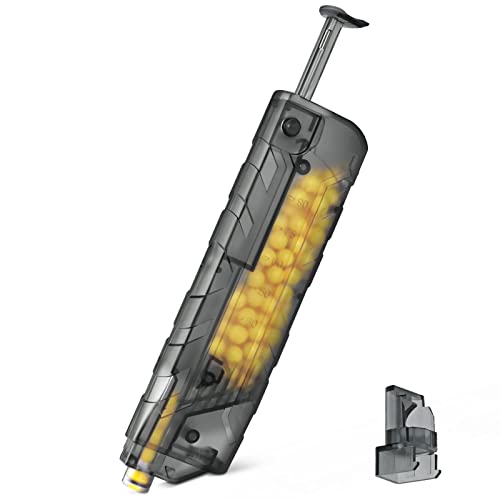
- ARS Mark8.8
ARS Mark is a ranking system developed by bestairriflescopes.com. ARS Mark has no relationship or impact from any manufacturers or sales agent websites. Learn more
- BrandLudex

- ARS Mark8.4
ARS Mark is a ranking system developed by bestairriflescopes.com. ARS Mark has no relationship or impact from any manufacturers or sales agent websites. Learn more
- BrandMetalTac

- ARS Mark8.4
ARS Mark is a ranking system developed by bestairriflescopes.com. ARS Mark has no relationship or impact from any manufacturers or sales agent websites. Learn more
- BrandCrosman

- ARS Mark8.2
ARS Mark is a ranking system developed by bestairriflescopes.com. ARS Mark has no relationship or impact from any manufacturers or sales agent websites. Learn more
- BrandGame Face

- ARS Mark8.0
ARS Mark is a ranking system developed by bestairriflescopes.com. ARS Mark has no relationship or impact from any manufacturers or sales agent websites. Learn more
- BrandEvike

- ARS Mark7.6
ARS Mark is a ranking system developed by bestairriflescopes.com. ARS Mark has no relationship or impact from any manufacturers or sales agent websites. Learn more
- BrandVelocity Airsoft

- ARS Mark4.8
ARS Mark is a ranking system developed by bestairriflescopes.com. ARS Mark has no relationship or impact from any manufacturers or sales agent websites. Learn more
- BrandGoldenBall
Last update on 2025-09-22 / Affiliate links / Images, Product Titles, and Product Highlights from Amazon Product Advertising API
If you’ve ever picked up an airsoft gun, the first thing you’ll hear about is FPS (feet per second). That single number makes beginners curious and veterans competitive. For new players, the main problem is figuring out what speed suits them. Too low, and shots feel weak; too high, and they might be banned from local fields. Knowing how fast do airsoft guns shoot helps avoid wasted money and awkward surprises.
Average airsoft rifles shoot between 200–400 FPS, depending on whether they’re spring-powered, gas-powered, or AEG (automatic electric guns). Pistols tend to run slightly lower, often in the 250–300 FPS range. Snipers, on the other hand, are tuned for long-distance play, often pushing well above 400 FPS with heavier BBs. That said, many fields impose safety caps to keep things fair and fun. Newcomers often overlook this, only to realize later that buying a 500 FPS rifle wasn’t the smartest move for indoor arenas.
One important insight is that speed alone doesn’t determine accuracy. Many new players assume higher FPS means laser-like precision, but that’s far from the truth. A 350 FPS rifle with a well-adjusted hop-up can outshoot a 450 FPS rifle with poor tuning. So, the first lesson is that FPS is a tool, not a trophy. It shapes playstyle but doesn’t decide the outcome on its own.
Safety ties directly to speed. At 300 FPS with 0.20g BBs, the hit feels like a firm tap; at 450 FPS, it can leave welts or even cause injury if protective gear isn’t worn. For families introducing younger players to the sport, knowing this distinction is crucial. Proper protective gear and field limits are just as important as the rifle itself.
While FPS is a hot topic, few players realize how many things affect how fast do airsoft guns shoot. The first factor is the power system. Spring rifles are consistent but limited, while gas-powered models can spike or drop depending on temperature. AEGs balance both worlds but require battery care. For the target audience—casual players and hobbyists—knowing these distinctions helps solve the pain of spending money on the wrong setup.
Another critical factor is BB weight. Most manufacturers list FPS using 0.20g BBs, but heavier BBs slow the speed while increasing stability. That means your 400 FPS rifle may actually drop to 350 FPS if you use 0.25g BBs. Many players panic when their chronograph test shows lower results, not realizing this is natural. The good news is, heavier BBs often improve accuracy, especially outdoors.
Temperature also plays tricks. Gas-powered pistols and rifles lose pressure in cold weather, causing slower shots. On the flip side, hot days can make them shoot harder than expected. For field players in varying climates, this inconsistency creates real headaches. Choosing the right system, or at least knowing what to expect, saves frustration.
Lastly, maintenance plays a bigger role than many think. A poorly lubricated gun can suffer from air leaks, reducing power. On the flip side, upgrading internal parts like springs, cylinders, or barrels can raise FPS significantly. Many players dive into upgrades without considering field rules, only to be turned away on game day. So, balancing performance with compliance is always key.
Here’s where reality checks in: no matter how powerful your gun is, field limits decide what you can use. Most outdoor fields allow rifles up to 400 FPS, while pistols are capped lower for close-quarters safety. Sniper rifles sometimes get exceptions, but they also require minimum engagement distances—meaning you can’t fire at someone too close. For new players, these rules can feel restrictive, but they exist to prevent injuries.
Safety is more than just numbers. A rifle firing at 350 FPS can still cause eye injuries if you’re not wearing proper protective goggles. That’s why every reputable arena enforces strict gear requirements. For parents introducing their kids to airsoft, this reassurance is gold. The sport looks intimidating at first, but following these safety guidelines makes it as secure as any other hobby.
Another overlooked aspect is insurance and liability. Many fields are insured under the condition that FPS limits are strictly enforced. This means staff won’t bend rules, even if your rifle “only shoots a little hotter.” For hobbyists investing in expensive rifles, this can be frustrating, but it also pushes the community toward safer practices.
Players who respect limits not only protect themselves but also earn trust. There’s a saying in the community: “High FPS doesn’t make you a better player; good tactics do.” Beginners who absorb this early save themselves from embarrassment and enjoy the game for what it is—a mix of skill, strategy, and teamwork.
Different guns serve different purposes, and speed reflects that. Airsoft pistols usually fire around 250–300 FPS. That’s plenty for indoor skirmishes or as a backup weapon. Their lower speed reduces injury risk while keeping gameplay intense in close quarters. Players looking for fast-paced, tactical fun often prefer pistols for these reasons.
Airsoft rifles are the backbone of most players’ loadouts. Shooting between 300–400 FPS, they strike a balance between range and safety. This makes them ideal for medium-distance engagements on outdoor fields. New players often start here, since rifles provide the most versatile experience. They’re also the most customizable, allowing upgrades to match specific playstyles.
Then come the snipers. Firing at 400–500 FPS, these guns are built for long-distance precision. However, their high power comes with responsibility. Most fields enforce minimum engagement distances of 100 feet or more, meaning you can’t use them in close fights. For experienced players who enjoy patience and positioning, sniper rifles bring a unique thrill. But for newcomers, the restrictions and costs often outweigh the benefits.
Each type of gun gives players different tools, but no single choice is “best.” The real advantage lies in matching your weapon to your environment and role. Indoor arenas reward pistols and lower-FPS rifles. Outdoor skirmishes favor rifles in the 350–400 FPS range. Dedicated snipers thrive only if they understand the patience required. Choosing wisely ensures your investment pays off in fun, not frustration.
Speed doesn’t just determine how hard a BB hits; it reshapes how players approach the game. A high-FPS rifle gives you range but may slow you down with engagement restrictions. A lower-FPS pistol, while weaker, lets you move aggressively in tight spaces without fear of overshooting. Each choice creates a different rhythm in battle.
For aggressive players, lower FPS guns often provide the best experience. They can storm buildings, clear rooms, and rely on quick reflexes instead of raw power. Higher FPS rifles demand patience—finding cover, waiting for the right shot, and playing more defensively. Snipers, of course, take this to the extreme, needing discipline and precision over speed.
Team balance also depends on speed. A squad with mixed FPS weapons covers all angles—pistols for close fights, rifles for mid-range, and snipers for long shots. Teams that only focus on high-FPS guns often fall short in dynamic matches. That’s why smart leaders think about diversity in weapon speeds when planning tactics.
Another insight is stamina. Carrying heavy, high-powered rifles for hours can drain players. Sometimes, a lighter pistol or mid-powered rifle offers more comfort across long sessions. It’s not just about shooting harder—it’s about playing longer without burning out. This perspective helps newcomers realize that enjoyment matters more than numbers on a chart.
One of the biggest headaches for new players is sorting through myths about how fast do airsoft guns shoot. A common misconception is that higher FPS automatically means better accuracy. In truth, a well-tuned rifle firing at 330 FPS can outperform a 450 FPS monster if it’s properly adjusted. Accuracy relies more on hop-up and BB weight than raw speed.
Another myth is that higher FPS makes you a better player. Some rookies show up with upgraded rifles, thinking power will carry them to victory. What they quickly learn is that tactics, teamwork, and positioning matter far more than numbers. Veteran players often win matches with standard rifles because they play smarter.
There’s also confusion about pain levels. People assume a 400 FPS hit will feel unbearable, while a 300 FPS hit is safe. But protective gear, engagement distance, and clothing layers change the experience dramatically. A 300 FPS BB to the knuckles can sting far worse than a 400 FPS shot to the vest. This nuance is critical for parents worried about safety.
Lastly, players often believe FPS upgrades are the best way to improve performance. In reality, upgrading your barrel, hop-up bucking, or BB quality often provides better consistency and range than simply increasing speed. It’s a case of working smarter, not harder.
The real sweet spot in airsoft isn’t just high FPS; it’s balancing speed and accuracy. A gun shooting at 350 FPS with well-chosen 0.25g BBs can feel like a precision tool, hitting targets reliably without overshooting limits. For casual players, this balance reduces headaches when switching between indoor and outdoor arenas.
Heavier BBs slow speed but improve flight stability. A 400 FPS rifle firing 0.20g BBs may lose accuracy beyond 100 feet, while the same gun firing 0.28g BBs maintains a straight, predictable path. That’s why many experienced players say, “Accuracy beats raw power every time.”
Proper hop-up adjustment is another critical piece. A poorly tuned hop-up wastes FPS, sending BBs spiraling unpredictably. Meanwhile, a finely tuned hop-up can extend range dramatically, even at lower speeds. Players who invest in this small adjustment often see their performance soar without breaking field rules.
Finally, external conditions matter. Wind, humidity, and even temperature affect BB flight. High FPS may punch through light breezes, but lighter guns with better stability often adapt more easily. Recognizing this dynamic helps players choose setups that fit their environment instead of fighting it.
Ask any seasoned player, and they’ll tell you: field awareness beats high speed every time. Many newcomers invest in powerful rifles, only to find themselves outmaneuvered by clever players using slower guns. Learning how to move, find cover, and communicate with teammates creates real results.
For example, an indoor arena may favor a pistol shooting 280 FPS because it allows players to push aggressively without worrying about engagement limits. On outdoor fields, rifles firing at 350 FPS strike a perfect balance between range and safety. Veterans adjust gear depending on the environment rather than clinging to a single high-FPS setup.
Another insight is comfort. Playing with a heavy sniper rifle that fires 480 FPS may sound cool, but carrying it for four hours can ruin the experience. Meanwhile, a lightweight mid-range rifle offers mobility, endurance, and steady performance that keeps players in the fight longer.
Quotes from players highlight this truth. One experienced hobbyist shared, “It’s not about how hard you hit; it’s about being in the right place at the right time.” This perspective resonates deeply with anyone tired of chasing numbers and looking for fun instead.
So, how do you make sense of all this? The first step is considering your primary environment. If you’ll mostly play indoors, look for guns in the 250–330 FPS range. For outdoor skirmishes, 330–400 FPS rifles provide the versatility you need. Snipers above 400 FPS only make sense if you’re willing to accept the restrictions and playstyle that come with them.
Second, think about your role on the field. Aggressive players thrive with lower FPS guns that let them move quickly and fight up close. Defensive players or support shooters may prefer rifles with higher FPS for long-distance pressure. Matching speed to style makes every match more enjoyable.
Third, don’t overlook field rules and local community standards. Nothing’s worse than spending big money on a 450 FPS rifle only to have it banned from your favorite field. Research limits before you buy, and you’ll avoid this common pitfall.
Finally, invest in quality BBs, good hop-up tuning, and proper protective gear. These details transform even a mid-range rifle into a consistent, reliable tool. Many experienced players say they’d rather have a 330 FPS rifle firing high-quality BBs than a 450 FPS rifle firing cheap ones. This mindset saves money and enhances gameplay.
The debate over how fast do airsoft guns shoot isn’t going away anytime soon. As technology evolves, manufacturers keep pushing limits with upgraded systems, precision barrels, and adjustable FPS settings. But while equipment changes, the core values of safety, fairness, and enjoyment stay the same.
We’re already seeing innovations like quick-change springs that let players adjust FPS on the fly, making rifles adaptable to both indoor and outdoor fields. This flexibility helps solve one of the biggest pains: buying multiple rifles for different arenas. Instead, a single gun can now serve multiple purposes.
Community culture also shapes the conversation. More fields are adopting standardized FPS limits to ensure consistency across regions. This reduces confusion and makes it easier for players to travel between arenas without worrying about conflicting rules.
At the end of the day, FPS will always matter, but it’s just one piece of a larger puzzle. Players who focus on strategy, teamwork, and smart gear choices will always outshine those chasing raw power. The future of airsoft belongs to balanced players who respect limits, embrace innovation, and prioritize fun above all.


Uncover the Best Big Bore Handgun Scope: Your 2026 Top Picks Guide

Best Fully Automatic Pellet Gun: The Top Pick in 2026

Top 9 Best Compact Pellet Gun for Squirrels: A 2026 Review
Best CO2 Pellet Gun for Small Game: Top Picks of 2026

Best Break Barrel Pellet Gun for Hunting - Top 8 Picks in 2026

2026 Best Chinese Pellet Gun: Expert Reviews and Top Picks
Top-Rated Picks: Best Bolt Action Pellet Gun Under 100 in 2026

Best Chronograph for Pellet Gun: Top-Rated Picks for 2026









