
How Long Does CO2 Cartridge Last in BB Gun?

How long does co2 cartridge last in bb gun keeps popping up for a reason. Nothing kills the mood faster than lining up a clean shot only to hear that weak little puff instead of a crisp firing sound. A lot of shooters expect every cartridge to last forever, but real-world use tells a different story. Temperature swings, rapid firing, and even the type of BB gun can drain a cartridge quicker than most people think.
Cold weather tends to be the sneaky troublemaker. CO2 pressure drops as temperatures fall, so performance can suddenly feel sluggish even when the cartridge still has gas left inside. Rapid shooting creates another headache because the cartridge cools down during repeated firing. Suddenly, shots lose consistency, velocity dips, and accuracy starts acting weird. Frustrating? Absolutely.
Shot count also depends heavily on the gun itself. Blowback pistols usually chew through CO2 faster because part of the gas cycles the slide every time you pull the trigger. Non-blowback models stretch cartridge life much further, which explains why some shooters get nearly double the shots compared to others. That little design difference changes everything.
Maintenance matters more than people expect, too. Dry seals and neglected O-rings can slowly leak CO2 without obvious warning signs. One tiny leak may not seem serious at first, yet it quietly drains performance over time. Keeping seals lightly lubricated with approved oil helps preserve pressure and avoids those annoying mid-session failures.
How long does co2 cartridge last in bb gun also ties directly to shooting habits. Slow, controlled firing typically gives steadier pressure and more reliable shots. On the flip side, dumping rounds quickly may feel fun for a few seconds, but gas efficiency takes a serious hit. Plenty of shooters learn that lesson the hard way after burning through cartridges faster than expected.
Storage habits can quietly affect longevity as well. Leaving partially used cartridges installed for too long sometimes compresses seals and increases leak risks. Removing cartridges after shooting sessions helps reduce unnecessary wear and keeps the gun functioning smoothly over time. Small habits like that often separate reliable gear from equipment that constantly causes headaches.
Then there’s the balancing act between power and efficiency. Higher-powered BB guns naturally consume more CO2 because they rely on stronger bursts of gas to launch BBs at faster speeds. Some shooters prioritize raw velocity, while others care more about getting longer shooting sessions from each cartridge. Neither approach is wrong, but understanding the tradeoff prevents unrealistic expectations.
Consistent performance usually matters more than squeezing out every last shot. Weak final rounds often drop accuracy and reduce impact strength, making them less useful anyway. Paying attention to sound, recoil feel, and shot consistency helps identify when a cartridge is nearing the end of its useful pressure range. That awareness keeps shooting sessions smoother and far less irritating.
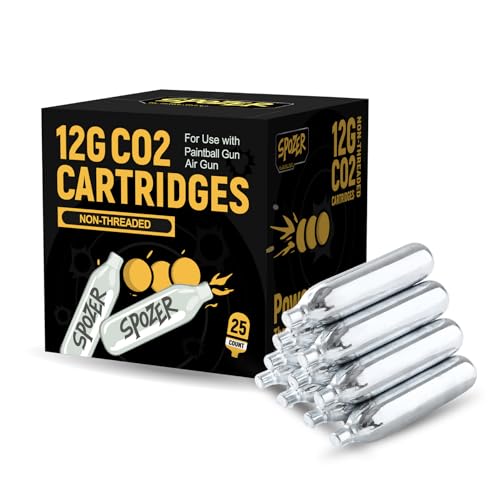
- ARS Mark9.8
ARS Mark is a ranking system developed by bestairriflescopes.com. ARS Mark has no relationship or impact from any manufacturers or sales agent websites. Learn more
- BrandSpozer

- ARS Mark9.6
ARS Mark is a ranking system developed by bestairriflescopes.com. ARS Mark has no relationship or impact from any manufacturers or sales agent websites. Learn more
- BrandQmimigas

- ARS Mark9.4
ARS Mark is a ranking system developed by bestairriflescopes.com. ARS Mark has no relationship or impact from any manufacturers or sales agent websites. Learn more
- BrandCrosman
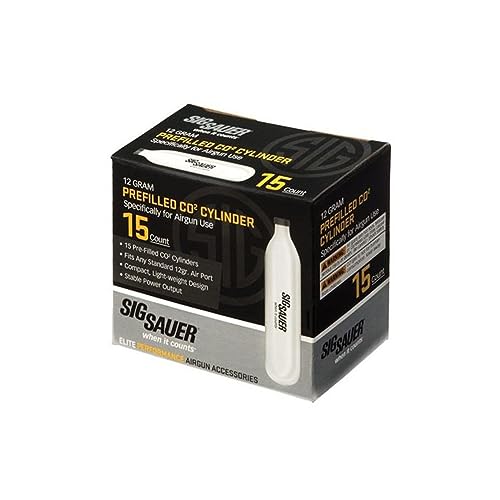
- ARS Mark9.4
ARS Mark is a ranking system developed by bestairriflescopes.com. ARS Mark has no relationship or impact from any manufacturers or sales agent websites. Learn more
- BrandSig Sauer

- ARS Mark9.4
ARS Mark is a ranking system developed by bestairriflescopes.com. ARS Mark has no relationship or impact from any manufacturers or sales agent websites. Learn more
- BrandCrosman
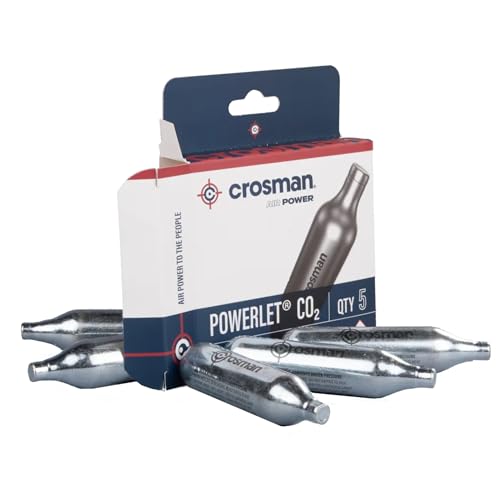
- ARS Mark9.2
ARS Mark is a ranking system developed by bestairriflescopes.com. ARS Mark has no relationship or impact from any manufacturers or sales agent websites. Learn more
- BrandCrosman

- ARS Mark9.2
ARS Mark is a ranking system developed by bestairriflescopes.com. ARS Mark has no relationship or impact from any manufacturers or sales agent websites. Learn more
- BrandJT

- ARS Mark9.2
ARS Mark is a ranking system developed by bestairriflescopes.com. ARS Mark has no relationship or impact from any manufacturers or sales agent websites. Learn more
- BrandKONG MING CAR

- ARS Mark9.2
ARS Mark is a ranking system developed by bestairriflescopes.com. ARS Mark has no relationship or impact from any manufacturers or sales agent websites. Learn more
- BrandGamo
Last update on 2026-07-27 / Affiliate links / Images, Product Titles, and Product Highlights from Amazon Product Advertising API
How Long Does CO2 Cartridge Last In BB Gun
Nothing ruins a shooting session faster than hearing a weak sputter halfway through a magazine. Plenty of people expect a fresh cartridge to keep going forever, then suddenly realize their BB gun has lost power after only a short burst of rapid shots. That frustration sits right at the center of how long does co2 cartridge last in bb gun, especially for shooters trying to balance consistent velocity, realistic recoil, and affordable shooting sessions. Tiny habits, weather changes, and even the style of BB gun can dramatically shift how many useful shots come from one cartridge.
What Changes CO2 Cartridge Life
Temperature plays a bigger role than most people realize. Cold air reduces internal gas pressure, which means the BB gun may still contain CO2 while shooting noticeably weaker rounds. A pistol that normally fires strong in warm weather can suddenly feel sluggish during a chilly morning session. That pressure drop frustrates shooters because the cartridge technically isn't empty, yet performance clearly falls apart.
Rapid firing causes another common issue. Every trigger pull releases compressed gas, and repeated shots cool the cartridge internally. That cooling effect lowers pressure fast, leading to weaker recoil, softer firing sounds, and less predictable accuracy. People often mistake this temporary pressure dip for an empty cartridge even though the gas may recover slightly after resting.
Gun design matters just as much. Blowback pistols consume more CO2 because gas cycles the slide during every shot. Non-blowback models usually stretch cartridge life much further since more gas gets directed toward firing the BB instead of moving mechanical parts. Some shooters love the realistic recoil enough to accept shorter cartridge lifespan, while others prioritize efficiency over realism.
Maintenance quietly shapes cartridge longevity too. Dry seals, dirty valves, or worn O-rings can leak small amounts of CO2 over time without obvious warning signs. A neglected seal might drain enough pressure overnight to weaken the next shooting session. Regular lubrication using approved oils helps preserve consistent pressure and keeps gas loss under control.
Typical Shot Count Most Shooters See
Most standard 12-gram CO2 cartridges deliver somewhere between 40 and 120 useful shots depending on the gun. Blowback pistols usually land closer to the lower side because they burn more gas with each trigger pull. Non-blowback models often reach much higher shot counts before noticeable pressure loss kicks in. That wide range explains why shooters constantly compare experiences online and still end up confused.
Shot consistency matters more than squeezing out every possible BB. Sure, some cartridges keep pushing rounds after 100 shots, but the last portion may feel weak and inconsistent. Accuracy often drops once pressure starts fading, especially for longer-distance shooting. Weak shots may still leave the barrel, yet they rarely feel satisfying.
Magazine design also changes efficiency. Some BB guns use larger internal gas chambers that regulate pressure more evenly throughout the session. Others dump gas aggressively for stronger recoil or louder firing sounds. Those differences create wildly different shooting experiences even between guns using identical cartridges.
Heavy trigger sessions burn through cartridges surprisingly fast. Emptying magazine after magazine with almost no pause creates rapid cooling inside the cartridge. Pressure drops quickly under those conditions, reducing both recoil feel and accuracy. Slower pacing usually stretches usable performance noticeably longer.
Why Blowback Pistols Drain Faster
Blowback pistols feel fun because they mimic the movement of real firearms. The slide snaps backward during firing, adding recoil sensation and mechanical movement that many shooters enjoy. That realism comes with a tradeoff, though. Extra gas powers the slide, which means fewer total shots per cartridge.
Gas efficiency often frustrates new owners who expect blowback guns to last as long as non-blowback models. A shooter may burn through cartridges quickly during casual backyard target practice without realizing the slide mechanism consumes a huge portion of CO2. Fast-paced shooting exaggerates the problem even more. Suddenly, a cartridge that seemed fresh loses punch halfway through the session.
Cold weather hits blowback systems especially hard. The moving slide already consumes additional pressure, so reduced gas output from colder temperatures compounds the problem. Recoil softens, cycling becomes inconsistent, and sometimes the slide may fail to lock back properly. That combination makes winter shooting noticeably less satisfying for blowback owners.
Still, plenty of people happily accept those limitations because the experience feels more immersive. Realistic recoil and moving controls create a stronger connection to actual firearm handling. For shooters focused on training or realistic backyard practice, shorter CO2 lifespan may feel like a fair compromise.
Non-Blowback Guns Stretch CO2 Further
Non-blowback BB guns quietly dominate in the efficiency department. Since no gas gets wasted cycling a slide, far more pressure goes directly into launching the BB. That simple design change can nearly double usable shot count compared to some blowback pistols. Longer shooting sessions often matter more than realism for casual target practice.
Stable velocity also tends to improve with non-blowback systems. Pressure stays more consistent because the gun demands less gas per shot. Shooters usually notice steadier accuracy across extended sessions, especially during slow-paced target shooting. Less mechanical movement also means fewer interruptions caused by cycling problems.
Maintenance typically stays simpler too. Fewer moving parts reduce wear points and minimize opportunities for gas leaks. That reliability appeals to people who want dependable backyard shooting without constant tinkering. Some non-blowback pistols can sit unused longer without developing seal issues compared to heavily cycled blowback designs.
Realism obviously takes a hit. The trigger feel may seem less dynamic, and the shooting experience lacks recoil feedback. Still, efficiency-focused shooters often prefer longer sessions over mechanical realism. Stretching one cartridge across multiple magazines feels satisfying in its own way.
Cold Weather Creates Hidden Problems
Winter shooting changes everything for CO2-powered guns. Pressure naturally drops in colder temperatures because the gas struggles to expand as efficiently. Even a brand-new cartridge can feel weak during cold outdoor sessions. Shooters sometimes assume the gun is defective when the real problem comes from temperature.
Velocity loss becomes easy to notice once temperatures dip. BBs travel slower, recoil weakens, and accuracy starts behaving unpredictably at longer distances. Rapid firing makes things worse because the cartridge cools itself internally every time gas expands. That double cooling effect drains performance shockingly fast.
Some shooters try warming spare cartridges in a pocket before use. That simple habit can help maintain stronger pressure for a little longer during winter sessions. Others slow down their firing pace to reduce internal cooling. Those small adjustments often improve consistency more than people expect.
Indoor shooting usually avoids most cold-weather headaches entirely. Stable room temperatures keep pressure more predictable and allow cartridges to maintain stronger output throughout the session. That consistency explains why many CO2 enthusiasts prefer indoor ranges or garage target setups during colder months.
How Shooting Habits Affect Cartridge Life
Trigger discipline changes CO2 lifespan dramatically. Slow, controlled firing allows internal pressure to stabilize between shots, helping the cartridge maintain stronger performance for longer periods. Dumping entire magazines quickly feels exciting for a moment, but efficiency drops hard afterward. The difference between paced shooting and rapid fire can be surprisingly large.
Magazine dumping creates heavy cooling inside the cartridge. Gas expands rapidly during repeated firing, causing internal temperatures to fall fast. Pressure dips almost immediately once that happens. Shooters often notice weaker sound, softer recoil, and less accurate impacts after aggressive firing streaks.
Pausing briefly between magazines helps cartridges recover some pressure. Even short rest periods can improve consistency during longer sessions. Plenty of experienced shooters naturally slow their rhythm once they recognize how much performance improves. That patience stretches both cartridge lifespan and shooting enjoyment.
Target distance also affects perception. Weak pressure becomes obvious during longer shots because BB velocity matters more at distance. Close-range plinking may still seem acceptable even after the cartridge weakens noticeably. Accuracy-focused shooting usually reveals pressure decline much sooner than casual backyard blasting.
Signs A Cartridge Is Running Out
Most BB guns provide subtle warning signs before the cartridge fully dies. Recoil softens first in blowback models, while non-blowback pistols usually start sounding quieter during firing. BB impacts may hit lower on targets as velocity drops. Those clues help shooters recognize fading pressure before accuracy completely disappears.
Sound changes often provide the clearest warning. A healthy cartridge produces a sharp, crisp firing noise. Weak cartridges start making softer, airy sounds instead. That change becomes easy to recognize after spending enough time shooting CO2-powered guns.
Slide cycling problems commonly appear in blowback pistols nearing empty pressure. Slides may hesitate, fail to return fully, or stop locking back correctly after the last shot. Those symptoms usually signal that usable pressure is nearly gone. Continuing to shoot after that point rarely produces satisfying performance.
Accuracy issues become more obvious at longer distances. Weak pressure changes BB trajectory and consistency from shot to shot. Tight groupings suddenly spread wider even though the shooter hasn't changed technique. Many people mistake this for poor aim when the cartridge itself is actually fading.
Storage Habits That Preserve Performance
Leaving cartridges installed for long periods creates unnecessary strain on internal seals. Constant pressure against O-rings can flatten or weaken them over time, increasing leak risks later. Removing cartridges after shooting sessions helps preserve seal integrity. That small habit prevents plenty of annoying problems down the road.
Seal protection matters more than many beginners realize. Tiny leaks gradually reduce pressure and waste cartridges even when the gun isn't actively used. Proper lubrication using approved CO2 oils helps keep seals flexible and functional. Dry seals crack faster and often develop invisible leaks.
Storage temperatures matter too. Extremely hot environments can increase internal pressure while very cold areas reduce it. Stable room temperatures usually work best for both cartridges and the BB gun itself. Simple storage habits often extend equipment lifespan noticeably.
Dirty guns also create efficiency problems. Dust, debris, and residue inside valves can interfere with proper gas flow. Cleaning moving components periodically helps maintain smoother operation and more reliable pressure delivery. A clean gun simply behaves more predictably during shooting sessions.
Balancing Power And Efficiency
Higher-powered BB guns naturally consume more CO2 because stronger shots require larger bursts of gas. Fast FPS ratings feel satisfying for longer-range shooting, but cartridge life usually shrinks as power climbs. Shooters constantly balance velocity, recoil, and shot count depending on what matters most to them. No single setup dominates every situation.
Some people prioritize realism above all else. Blowback pistols with heavy recoil create a more engaging shooting experience even if cartridges disappear quickly. Others prefer stretching one cartridge through long target sessions without interruptions. Both approaches make sense depending on shooting goals.
Accessory choices can shape efficiency too. Heavier BBs often require stronger pressure for ideal performance, especially in pistols already pushing modest FPS levels. Lightweight BBs may conserve gas slightly better but sometimes sacrifice stability outdoors. Tiny adjustments create noticeable tradeoffs.
Explore more outdoor gear strategies through best bow sight for treestand hunting if precision and consistency matter during longer practice sessions. Different sports rely on similar ideas about balance, control, and reliable performance over time.
How Many Shots Does A CO2 Cartridge Last In BB Guns
Burning through cartridges too quickly gets expensive fast, especially during long backyard shooting sessions. Plenty of shooters start wondering whether the gun is faulty or if they’re simply wasting CO2 without realizing it. Questions around how many shots does a CO2 cartridge last in BB guns usually come from frustration with weak recoil, sudden pressure drops, or inconsistent accuracy halfway through target practice. Tiny adjustments in shooting habits often make a bigger difference than buying expensive accessories.
Fast Shooting Drains CO2 Faster
Trigger-happy shooting feels fun for the first few magazines, but efficiency takes a serious hit afterward. Rapid firing cools the cartridge internally because compressed gas expands every time the trigger gets pulled. That cooling effect lowers pressure quickly, leading to softer recoil and slower BB speed. Shooters often think the cartridge is empty even though some usable gas still remains.
Pressure stability improves noticeably with slower pacing. Waiting a few seconds between shots allows internal temperature to recover slightly, which helps maintain stronger velocity. A lot of experienced shooters naturally slow their rhythm once they realize how much smoother the gun performs. Consistency usually beats dumping rounds as quickly as possible.
Blowback pistols exaggerate this issue even more. The slide movement consumes additional gas while also creating more cooling during rapid shooting. That combination drains cartridges surprisingly fast during aggressive sessions. A non-blowback pistol generally handles rapid firing more efficiently because less gas gets wasted.
Target shooters who care about tight grouping usually benefit from controlled pacing anyway. Better rhythm improves focus while also preserving usable cartridge pressure. Shooting slower may sound boring at first, yet accuracy and overall shooting time often improve together.
Why Some Cartridges Feel Weak Early
A cartridge can technically contain CO2 while still delivering disappointing performance. Weak shots usually appear once internal pressure drops below the gun’s ideal operating range. BBs still leave the barrel, but recoil softens and accuracy starts drifting. That gap between “empty” and “useful” creates confusion for many shooters.
Seal leaks quietly contribute to pressure loss too. A worn O-ring or dirty valve may leak tiny amounts of gas between shooting sessions. Those small leaks often go unnoticed until performance suddenly feels weaker than expected. Proper lubrication helps keep seals flexible and reduces wasted CO2.
Cheap cartridges occasionally create problems as well. Manufacturing inconsistencies sometimes lead to uneven gas fill levels or weaker seals around the cartridge neck. One cartridge might deliver strong performance while the next one fades early despite identical shooting habits. That inconsistency frustrates plenty of BB gun owners.
Storage conditions matter more than people think. Leaving cartridges inside hot cars or freezing garages can affect pressure behavior later during use. Stable indoor temperatures usually help cartridges perform more predictably. Little details like storage often separate smooth shooting sessions from annoying ones.
Signs Your BB Gun Is Wasting Gas
Hissing sounds after installation usually signal a seal problem somewhere in the system. Some gas release during puncturing is normal, but continuous leaking means pressure is escaping unnecessarily. Ignoring that sound wastes cartridges and may eventually damage seals further. Catching leaks early saves both money and frustration.
Inconsistent recoil also hints at gas inefficiency. One shot may feel sharp while the next suddenly feels weak despite firing only seconds apart. Dirty valves, damaged seals, or unstable internal pressure can all contribute to uneven performance. Reliable guns generally maintain smoother firing patterns.
Frost buildup near the cartridge area sometimes appears during heavy firing sessions. Small amounts can happen naturally because CO2 cools during expansion, but excessive frosting may indicate overworked pressure systems. Rapid magazine dumping tends to trigger this issue more often. Slowing down usually helps immediately.
Frequent cartridge replacements create another obvious clue. Some shooters unknowingly waste gas because they leave partially used cartridges installed for weeks at a time. Constant pressure against seals can slowly create leaks. Removing cartridges after shooting sessions helps preserve both the gun and remaining efficiency.
Simple Habits That Stretch Cartridge Life
Small adjustments often improve cartridge lifespan more than expensive upgrades. Slower shooting rhythm helps maintain internal pressure while reducing cooling problems during extended sessions. Even short pauses between magazines can improve shot consistency noticeably. That patience usually leads to smoother recoil and steadier accuracy.
Lubricating cartridges occasionally with approved CO2 oil protects seals during installation. Dry seals create friction and eventually develop tiny cracks that leak gas. A little maintenance goes a long way for preserving pressure. Neglected seals almost always shorten cartridge lifespan over time.
Cleaning the gun regularly also improves efficiency. Dirt and residue around valves interfere with smooth gas flow, especially in heavily used pistols. Consistent cleaning helps prevent sticky components and unpredictable firing behavior. Reliable operation usually depends more on maintenance than people expect.
Explore aiming upgrades through red dot sight on a crossbow techniques if you enjoy precision-focused shooting setups. Consistent aim and controlled pacing often go hand in hand during longer target sessions.
Power Versus Efficiency Tradeoffs
Higher FPS numbers always sound appealing at first glance. Stronger shots feel satisfying, especially during longer-distance target shooting or reactive plinking setups. That extra power usually burns through more CO2, though. Strong recoil and higher velocity nearly always reduce total shot count.
Heavy blowback slides create another balancing act. More realistic recoil requires additional gas for every cycle, which shortens cartridge lifespan quickly. Plenty of shooters accept that tradeoff because realism feels more engaging. Others prefer steady efficiency over dramatic recoil movement.
BB weight changes performance too. Heavier BBs may improve stability outdoors but often require more pressure for consistent velocity. Lightweight BBs stretch gas slightly further while sacrificing some wind resistance. Different setups favor different shooting priorities.
Barrel length also influences efficiency. Longer barrels sometimes allow gas to push the BB more effectively before pressure dissipates. Short compact pistols may sacrifice a bit of efficiency for portability and handling comfort. Design choices always involve compromises somewhere.
Indoor Shooting Usually Feels Better
Stable indoor temperatures help CO2 cartridges behave far more consistently. Pressure stays predictable without cold air interfering with expansion inside the cartridge. That stability often produces smoother recoil and tighter accuracy groups during long sessions. Indoor shooters usually notice fewer random weak shots.
Weather fluctuations outdoors create constant pressure changes throughout the day. A cartridge performing perfectly during warm afternoon temperatures may weaken quickly after sunset. Cold breezes can lower efficiency surprisingly fast. Indoor ranges avoid most of those frustrating variables entirely.
Wind also affects performance perception outdoors. Shooters sometimes blame fading cartridges for drifting shots that actually come from gusty conditions. Indoor environments remove that distraction and make cartridge behavior easier to evaluate accurately. Consistent conditions simplify troubleshooting.
Noise control adds another advantage indoors. Softer shooting environments make subtle sound changes easier to recognize as cartridges weaken. Experienced shooters often identify pressure loss by sound before accuracy problems become obvious. That awareness helps avoid wasting weak final shots.
CO2 Pistols Versus Pellet Guns
Some shooters eventually compare CO2 BB guns against pellet-powered alternatives for longer shooting sessions. Pellet guns often rely on different propulsion systems that avoid disposable cartridges entirely. That setup changes maintenance habits, recoil feel, and overall shooting costs. Each platform carries its own strengths and frustrations.
CO2 convenience still appeals to many people because cartridges install quickly and deliver reliable semi-automatic shooting. Pellet rifles may provide stronger accuracy potential but often sacrifice firing speed and realism. Backyard target shooters usually decide based on preferred shooting style instead of raw numbers alone.
Noise differences matter too. Certain pellet systems operate more quietly than blowback CO2 pistols, especially indoors or in smaller spaces. CO2 pistols create a sharper firing sound and more noticeable mechanical movement. Some shooters love that feedback while others prefer quieter setups.
Compare different power systems through best pellet gun for home defense discussions if you’re weighing efficiency against raw shooting feel. Different platforms solve different frustrations depending on how and where the gun gets used.
Accuracy Problems Often Start With Pressure Loss
Many shooters blame themselves when groupings suddenly open up. Pressure inconsistency frequently causes those accuracy issues instead of poor trigger control. BB velocity changes once cartridge pressure weakens, which alters trajectory and point of impact. Even experienced shooters struggle once pressure starts fluctuating badly.
Consistent gas pressure keeps shots predictable. Strong cartridges maintain steadier recoil, smoother firing sounds, and more reliable BB speed from shot to shot. Weak cartridges introduce randomness that becomes obvious at longer distances. Tight groups usually depend heavily on stable pressure.
Optics and sights cannot fully compensate for inconsistent velocity. A perfectly zeroed sight setup still struggles if BB speed changes dramatically every few shots. Some shooters waste time adjusting sights when the real issue comes from fading CO2 pressure. Fresh cartridges often fix the problem immediately.
Target distance amplifies every pressure problem. Close-range plinking may still feel acceptable with weaker cartridges, but longer shots expose inconsistency quickly. Maintaining healthy pressure matters far more once precision shooting enters the picture. Stable velocity creates confidence behind every trigger pull.


12 Best 22 Pcp Air Rifle For Hunting of 2026 With Quiet Power

7 Best 22 Pcp Air Rifle Under 300 of 2026 For Backyard Pest Control

10 Best 22 Break Barrel Air Rifles of 2026 For Backyard Pest Control

10 Best 30 Caliber Pcp Air Rifle of 2026 For Medium Game

Top Best 177 Air Rifle Under 100: Budget-Friendly Picks for 2026

How to Safely Reload Shotgun Shells at Home

11 Best Co2 Air Rifle For Pest Control of 2026 To Ensure Humane Dispatch

12 Best Inexpensive Air Rifles of 2026 For Dependable Backyard Accuracy






