
How Long Does It Take to Purchase a Gun Legally?

How Long Does It Take to Purchase a Gun sounds like a simple question at first, yet the answer can swing wildly depending on where the purchase happens, what kind of firearm is involved, and how local laws handle waiting periods. Some people walk into a store, complete paperwork, pass the background check, and leave the same day. Others hit frustrating delays because of missing records, state-specific restrictions, or extra verification requirements that seem to pop up out of nowhere.
Federal checks move quickly in many cases, but that doesn’t always mean the process feels smooth. Busy weekends at gun stores, incomplete forms, and system backlogs can stretch a short visit into a drawn-out experience. A lot of confusion also comes from mixed information online. One person says it took twenty minutes, while another claims it dragged on for days. Both stories can be true depending on the situation.
Background checks, firearm transfer rules, and waiting periods tend to create the biggest surprises. Some states require mandatory delays even after approval, while others allow purchases to move faster if permits or licenses are already in place. Then there’s the difference between buying from a licensed dealer and a private seller. That little detail changes more than most people expect.
Stress usually kicks in because nobody wants mistakes during firearm paperwork. Even a tiny typo can trigger delays or additional review. People often assume the process works like buying ordinary sporting equipment, but gun purchases carry layers of verification designed to confirm identity and legal eligibility. That’s where patience matters. Rushing through forms often causes more trouble than taking an extra few minutes to double-check every answer.
State laws also reshape the timeline in major ways. Some regions require permits before purchase, fingerprinting, firearm safety certificates, or additional registration steps. Others keep things relatively straightforward with federal requirements only. That patchwork system leaves many buyers scratching their heads because crossing state lines can completely change what’s required.
First-time buyers usually feel the most overwhelmed. Between legal terminology, transfer rules, and waiting periods, the process can seem tangled fast. Still, understanding how the system works removes a lot of uncertainty. Knowing what documents to bring, how the background check operates, and what delays commonly happen helps the entire experience feel more predictable instead of stressful.
Firearm dealers also play a huge role in how long things take. Experienced dealers often spot paperwork mistakes before submission, helping avoid unnecessary setbacks. Smaller stores may move slower during peak demand periods, while larger retailers sometimes process applications faster because they handle higher transaction volume daily.
Patience pays off here, plain and simple. A clean background check and accurate paperwork often keep the process moving smoothly, but legal requirements still shape the final timeline. Understanding those moving pieces ahead of time makes the purchase feel far less confusing and a whole lot more manageable.

- ARS Mark-
ARS Mark is a ranking system developed by bestairriflescopes.com. ARS Mark has no relationship or impact from any manufacturers or sales agent websites. Learn more
- BrandN/A
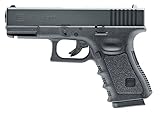
- ARS Mark9.0
ARS Mark is a ranking system developed by bestairriflescopes.com. ARS Mark has no relationship or impact from any manufacturers or sales agent websites. Learn more
- BrandUmarex

- ARS Mark-
ARS Mark is a ranking system developed by bestairriflescopes.com. ARS Mark has no relationship or impact from any manufacturers or sales agent websites. Learn more
- BrandN/A

- ARS Mark7.8
ARS Mark is a ranking system developed by bestairriflescopes.com. ARS Mark has no relationship or impact from any manufacturers or sales agent websites. Learn more
- BrandUmarex
- ARS Mark9.4
ARS Mark is a ranking system developed by bestairriflescopes.com. ARS Mark has no relationship or impact from any manufacturers or sales agent websites. Learn more
- BrandUmarex

- ARS Mark7.6
ARS Mark is a ranking system developed by bestairriflescopes.com. ARS Mark has no relationship or impact from any manufacturers or sales agent websites. Learn more
- BrandUmarex

- ARS Mark8.4
ARS Mark is a ranking system developed by bestairriflescopes.com. ARS Mark has no relationship or impact from any manufacturers or sales agent websites. Learn more
- BrandUmarex
- ARS Mark9.2
ARS Mark is a ranking system developed by bestairriflescopes.com. ARS Mark has no relationship or impact from any manufacturers or sales agent websites. Learn more
- BrandDULCE DOM
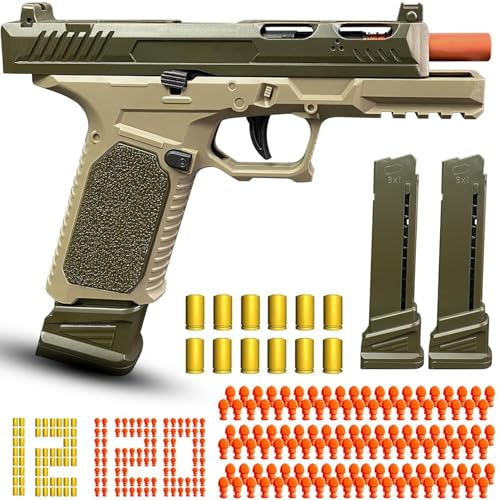
- ARS Mark8.9
ARS Mark is a ranking system developed by bestairriflescopes.com. ARS Mark has no relationship or impact from any manufacturers or sales agent websites. Learn more
- BrandXUZHTYOO

- ARS Mark8.7
ARS Mark is a ranking system developed by bestairriflescopes.com. ARS Mark has no relationship or impact from any manufacturers or sales agent websites. Learn more
- BrandRhode Island Novelty

- ARS Mark8.6
ARS Mark is a ranking system developed by bestairriflescopes.com. ARS Mark has no relationship or impact from any manufacturers or sales agent websites. Learn more
- BrandUmarex

- ARS Mark9.3
ARS Mark is a ranking system developed by bestairriflescopes.com. ARS Mark has no relationship or impact from any manufacturers or sales agent websites. Learn more
- BrandXuyongjun
Last update on 2026-07-21 / Affiliate links / Images, Product Titles, and Product Highlights from Amazon Product Advertising API
How Long Does It Take To Purchase A Gun
Standing at a gun counter feels a little different once paperwork enters the picture. Plenty of people expect a quick transaction, then suddenly realize the process depends on background checks, state laws, waiting periods, and even the time of day they visit the store. How Long Does It Take To Purchase A Gun can range from less than an hour to several days depending on local regulations and whether the paperwork clears smoothly. Small mistakes, missing identification, or delayed responses from the federal system can stretch a simple purchase into a frustrating wait.
Why The Timeline Changes So Much
Federal law creates the foundation for firearm purchases, but states often pile extra requirements on top. Some places allow same-day approval after a successful background check, while others force mandatory waiting periods no matter how clean the buyer’s record looks. That inconsistency catches many people off guard because online answers rarely explain the legal differences clearly. State firearm laws, dealer procedures, and permit requirements all affect the timeline in ways most first-time buyers never expect.
Busy gun stores can slow things down too. A purchase made on a quiet Tuesday morning often moves faster than one made during a crowded weekend rush. Employees handling dozens of background checks at once may take longer reviewing forms, correcting mistakes, or resubmitting incomplete information. Even tiny delays feel stressful once someone has already chosen a firearm and expects to leave with it.
Some buyers also assume the background check works like an instant database scan. Reality feels messier. The National Instant Criminal Background Check System, commonly called NICS, may return an approval quickly, but delayed responses happen every day. Delayed approvals don’t automatically mean denial either. Sometimes the system simply needs more time to verify records with similar names or incomplete court data.
Patience matters more than people think. Rushing through paperwork usually creates bigger headaches later. Dealers often mention that incomplete addresses, missing middle initials, or mismatched identification details trigger avoidable delays. Double-checking forms before submission saves time and lowers the odds of getting stuck in paperwork limbo.
What Happens During A Background Check
The background check stage tends to cause the most confusion. A federally licensed firearm dealer submits the buyer’s information through NICS, and the system checks criminal records, restraining orders, immigration status, and other disqualifying factors. Most checks finish fairly quickly, but not every record system communicates perfectly. Older court records or clerical mistakes can slow things down unexpectedly.
Background check delays frustrate buyers because there’s usually no exact timeline attached. One person receives approval in fifteen minutes while another waits several days for the same firearm purchase. Shared names create problems more often than many realize. Someone with a common last name may trigger additional verification simply because the system wants to avoid approving the wrong individual.
Federal law allows dealers to proceed with the transfer after three business days if no final response arrives from NICS, though some stores choose to wait longer. State laws may also override that rule with stricter timelines. That’s why people hear conflicting stories online. Different states and dealers follow different procedures, even though federal law provides the baseline.
Paperwork accuracy carries serious weight here. Expired identification, mismatched addresses, or incomplete forms create unnecessary setbacks. Dealers who process firearm transfers daily usually catch mistakes early, which helps prevent resubmissions. A careful review before submission often speeds things up far more than people expect.
Waiting Periods Can Stretch Everything
Several states enforce mandatory waiting periods after the background check clears. That means the buyer receives approval but still can’t take the firearm home immediately. Some waiting periods last a couple of days, while others stretch close to two weeks depending on local law. Those rules frustrate people who expected approval to equal instant pickup.
Waiting period laws vary dramatically across the country. One state may allow immediate transfer after approval, while another requires a fixed delay regardless of circumstances. Crossing state lines can completely reshape the process. A buyer moving from one state to another often feels shocked by how different the rules suddenly become.
Stores usually explain waiting periods during the transaction, but confusion still happens constantly. Some buyers hear “approved” and assume they can leave with the firearm right away. Then the mandatory delay kicks in, creating frustration and disappointment. That disconnect between approval and possession causes more misunderstandings than almost any other part of the purchase process.
People planning firearm purchases around hunting trips, competitions, or travel dates should always account for waiting periods ahead of time. Last-minute assumptions rarely work out well. Planning early helps avoid unnecessary stress, especially during busy seasons when stores process larger numbers of applications.
Buying From A Dealer Versus A Private Seller
Licensed firearm dealers operate under federal oversight, which means background checks and paperwork remain standard procedure. Private sales work differently depending on state law. Some states require background checks for private transfers, while others allow transactions between individuals without involving a licensed dealer at all. That legal split creates massive confusion online.
Private firearm sales sometimes move faster because fewer administrative steps are involved. Still, faster doesn’t always mean simpler. Buyers must confirm state laws carefully because illegal transfers carry serious consequences. Plenty of people accidentally rely on outdated information from forums or social media posts, which creates risky misunderstandings.
Dealer purchases usually provide clearer documentation and more structured procedures. Private sellers vary wildly in experience and compliance. One individual may insist on completing transfer paperwork through a licensed dealer, while another follows looser state-level rules. That inconsistency explains why firearm purchase timelines differ so much from one transaction to another.
Some buyers prefer dealers simply because the process feels more transparent. The paperwork may take longer, but there’s less uncertainty about whether everything follows current law. That peace of mind matters, especially for first-time buyers trying to avoid legal mistakes.
Permits And Licenses Add More Steps
Certain states require permits or firearm owner identification cards before someone can even start the purchase process. Those approvals sometimes involve fingerprinting, training courses, local law enforcement review, or extended application timelines. A same-day purchase becomes impossible once permits enter the equation. That reality surprises many buyers who only researched federal requirements.
Gun permits can take days, weeks, or even months depending on the area. Some jurisdictions process applications quickly, while others struggle with backlog issues or staffing shortages. Seasonal demand also matters. Firearm applications often increase after major political events or public safety concerns, which slows processing times significantly.
Safety courses occasionally become mandatory too. Those classes usually cover firearm handling, transportation rules, and storage requirements. Some buyers appreciate the education while others view it as another frustrating hurdle. Either way, the class schedule itself can extend the purchase timeline if sessions aren’t available immediately.
Explore practical outdoor preparation tips through best gear for bow hunting if you’re planning hunting trips alongside firearm ownership. Many outdoor enthusiasts end up balancing both archery and firearm equipment depending on season regulations and terrain conditions.
Why First-Time Buyers Often Feel Overwhelmed
Walking into a firearm store for the first time feels intimidating for many people. Legal terminology, federal paperwork, waiting periods, and identification rules create a lot to process quickly. Some buyers expect a simple retail experience and instead find themselves navigating legal requirements that feel far more serious than ordinary purchases.
First-time firearm buyers usually worry about making mistakes during paperwork. That anxiety slows things down because every form suddenly feels high-stakes. Employees often spend extra time explaining sections, correcting errors, and reviewing identification carefully. Experienced buyers tend to move faster simply because they already know what documents and procedures to expect.
Store environment matters too. Some gun shops feel approachable and patient with questions, while others move at a faster pace that leaves new buyers feeling rushed. A supportive dealer can make the process far smoother by explaining timelines clearly instead of assuming everyone already understands the system.
Research helps calm nerves before stepping into the store. Knowing local laws, permit requirements, and identification rules removes a lot of uncertainty upfront. Buyers who arrive prepared usually experience fewer delays and far less stress during the transaction.
Delays Don’t Always Mean Denial
A delayed response during a firearm purchase often sparks panic immediately. People assume something went wrong or that they’ve been denied automatically. In reality, many delays simply happen because records require additional verification. Shared names, incomplete court files, or outdated database information can all trigger temporary holds.
Delayed firearm approvals happen more often than many buyers realize. Federal systems handle enormous volumes of requests, and not every record integrates perfectly across jurisdictions. Someone with a completely legal background may still experience delays because another individual shares similar identifying information.
Dealers usually can’t speed up the process once the delay begins. They wait for NICS or state agencies to provide a final response before proceeding. That waiting period frustrates buyers because there’s often no clear explanation beyond “pending review.” Lack of updates makes the process feel even slower.
Patience and preparation help here. Keeping identification current, ensuring addresses match across documents, and completing forms carefully reduce the likelihood of unnecessary delays. Simple details matter more than most people expect during firearm transactions.
Firearm Type Can Affect Timing
Not every firearm purchase follows identical rules. Handguns, rifles, and certain specialty firearms may trigger different legal requirements depending on state law. Some states place additional restrictions on handgun purchases, magazine capacities, or semi-automatic firearm transfers. Buyers often assume every firearm category follows the same timeline, but that’s rarely true.
Handgun purchase laws sometimes require permits or age restrictions beyond standard federal requirements. Long guns may involve fewer steps in some states, though local regulations still matter heavily. Buyers researching one firearm category often get confused after switching to another type entirely.
Specialty firearms regulated under the National Firearms Act take dramatically longer. Suppressors and short-barreled rifles require federal tax stamps, fingerprint submissions, and extensive approval processes that can stretch many months. Those transactions operate in an entirely different legal category than standard firearm purchases.
Compare different air-powered firearm designs through air rifle types if you’re also exploring alternatives for recreational shooting or small game applications. Air rifles follow very different legal rules in many states, which surprises plenty of first-time buyers.
How Long Can A Gun Purchase Delay Last
Nothing drains excitement faster than hearing the word “delay” after filling out firearm paperwork. Most people expect a quick approval or denial, not a vague waiting period with almost no explanation attached. How Long Can A Gun Purchase Delay Last depends on background check reviews, state-level restrictions, dealer policies, and whether additional verification becomes necessary. Some delays clear within hours, while others drag on long enough to make buyers wonder if something went seriously wrong.
What Usually Triggers A Purchase Delay
Background check systems process huge numbers of firearm transactions every day, and not every record lines up perfectly. Shared names create problems surprisingly often. Someone with a similar birth date or last name can accidentally trigger extra review, especially if old court records or incomplete files exist somewhere in the system. Federal firearm databases aren’t flawless, and buyers usually learn that the hard way during a delay.
Clerical mistakes cause trouble too. An outdated address, typo in a middle name, or incorrect identification number may seem tiny, but firearm paperwork leaves very little room for error. Dealers frequently stop transactions to correct forms because even small inconsistencies can create review holds. Slowing down for a few extra minutes often prevents several frustrating days later.
Some delays have nothing to do with criminal history at all. Court systems, local agencies, and federal databases don’t always update at the same speed. A dismissed charge from years ago might still appear incomplete during a background check review. That gap forces investigators to confirm details before approval can move forward.
Firearm purchase delays also spike during busy seasons. Political uncertainty, major news events, or hunting season often increase firearm sales sharply. More applications mean longer wait times, especially if the system already struggles with heavy traffic. A purchase made during a rush period may take noticeably longer than one made during slower months.
Dealer Policies Can Extend The Wait
Federal law allows certain firearm transfers after three business days if no final response arrives from NICS. Still, many dealers create stricter internal rules for liability reasons. Some stores refuse to release firearms until they receive a clear approval regardless of the waiting period. That difference explains why one buyer walks out after three days while another keeps waiting.
Gun store policies vary more than people expect. Larger chain retailers often follow corporate compliance procedures that leave little flexibility during delays. Smaller independent shops may handle things differently depending on local practices and staff experience. Buyers sometimes blame the law itself when the actual delay comes from the store’s internal approach.
Communication becomes another headache during delayed purchases. Some stores provide updates regularly, while others simply wait for the background check system to respond. That silence creates stress because buyers feel stuck without clear answers. A delayed purchase already feels frustrating enough without guessing what’s happening behind the scenes.
Experienced dealers usually explain the process clearly upfront. They’ll mention possible delays before paperwork begins instead of surprising buyers afterward. That honesty helps reduce anxiety because realistic expectations matter during firearm transactions.
How State Laws Change Everything
Federal rules only tell part of the story. State firearm laws reshape timelines dramatically depending on where the purchase takes place. Some states require permits before purchase, firearm registration, mandatory safety classes, or additional waiting periods even after approval arrives. Crossing state lines can completely alter the process.
State waiting periods frustrate buyers because approval doesn’t automatically mean possession. A buyer may pass the background check successfully and still face mandatory delays before pickup becomes legal. Those waiting periods range from short cooling-off periods to nearly two weeks in stricter states.
Permit applications create another layer of waiting. Fingerprinting appointments, local law enforcement review, and document processing all add time before someone can even start shopping for a firearm. Some counties process applications quickly, while others move painfully slow due to backlog issues.
People researching firearm laws online often miss those local differences entirely. One forum comment might describe a same-day purchase while another describes a multi-week process. Both experiences can be accurate because state regulations differ so heavily.
First-Time Buyers Face More Surprises
Walking through a firearm purchase for the first time feels intimidating for many people. The legal language, paperwork requirements, and background check process create pressure fast. Buyers worry about filling out forms incorrectly or misunderstanding state rules. That nervous energy sometimes causes avoidable mistakes.
First-time gun buyers often underestimate how detailed firearm paperwork can become. Questions about legal history, residency, and identification require precise answers. Guessing or rushing through forms usually creates delays instead of speeding things up.
Store employees sometimes move quickly because they process firearm transactions daily. New buyers, meanwhile, may need extra time reviewing forms carefully. A supportive dealer makes a huge difference here. Clear explanations and patience help remove some of the stress that comes with navigating firearm laws for the first time.
Explore classic archery craftsmanship through best recurve bow ever made if you’re also interested in traditional shooting sports outside firearm ownership. Many outdoor enthusiasts balance both interests depending on hunting regulations, local ranges, and seasonal activities.
Online Firearm Purchases Still Require Checks
Many people assume online gun purchases avoid paperwork somehow. That misconception causes a lot of confusion. Federal law still requires firearms bought online to ship through a licensed dealer for transfer and background verification. The internet changes where the firearm gets selected, not the legal process itself.
Online firearm transfers often add extra steps because shipping enters the timeline. Buyers must wait for the firearm to arrive at the receiving dealer before paperwork even begins. Shipping delays, inventory issues, or processing backlogs can stretch the timeline longer than expected.
Transfer fees also catch buyers off guard sometimes. The receiving dealer usually charges for handling the transfer and conducting the required background check. Costs vary by store, and some dealers process online transfers faster than others.
Communication matters heavily during online purchases. Buyers should confirm transfer procedures, accepted identification, and pickup requirements with the receiving dealer before placing the order. That simple phone call prevents plenty of unnecessary frustration later.
Age Restrictions Create More Questions
Federal law sets minimum age requirements for firearm purchases, though state laws sometimes add stricter rules. Buyers under certain age thresholds may face additional restrictions depending on firearm type and location. Those legal differences create confusion, especially for younger buyers trying to navigate state-specific regulations.
Age-based firearm laws vary between handguns and long guns. Federal law generally requires buyers to be at least twenty-one for handgun purchases from licensed dealers, while rifles and shotguns often follow different standards. States may impose extra conditions beyond federal requirements.
People interested in other shooting sports often compare firearm rules with recreational alternatives like airsoft or air rifles. Those categories operate under different legal frameworks in many states, which changes purchase requirements significantly. The overlap creates confusion because buyers sometimes assume identical rules apply across every shooting-related activity.
Check local recreational age requirements through legal age to play airsoft if you’re comparing firearm ownership laws with other shooting sports regulations. Airsoft fields and state laws frequently establish different age guidelines depending on supervision and equipment type.
Why Preparation Speeds Things Up
Prepared buyers usually experience smoother firearm purchases. Bringing valid identification, matching addresses, and required permits eliminates many common delays before they begin. Dealers appreciate organized paperwork because it reduces correction time and resubmissions.
Firearm purchase preparation matters more than many people realize. Buyers who research local laws beforehand avoid surprises involving waiting periods, permits, or age restrictions. That preparation also helps reduce anxiety during the transaction itself.
Calling the gun store ahead of time helps too. Staff can explain what identification is required, whether appointments are necessary, and how busy current processing times look. A quick conversation often prevents wasted trips and unnecessary frustration.
Patience still remains part of the process even with careful planning. Background check systems, state regulations, and dealer procedures all operate on their own timelines. Buyers who expect instant results every time usually end up the most frustrated during unavoidable delays.
What Buyers Often Regret Later
Impulse purchases create problems surprisingly often. Some buyers rush into firearm ownership without researching local storage laws, transportation requirements, or training options first. Excitement takes over, then reality hits once paperwork and legal responsibilities become clearer. That emotional swing catches many people off guard.
Responsible firearm ownership extends beyond the purchase itself. Safe storage, ongoing training, and legal transportation matter just as much as passing the background check. Buyers focused only on speed sometimes overlook those bigger responsibilities entirely.
Cheap decisions can also backfire. Some buyers focus entirely on getting through the process quickly instead of researching the firearm carefully. Later, they realize the firearm doesn’t fit their intended use, feels uncomfortable, or creates maintenance frustrations they never expected.
Talking with experienced dealers, range instructors, or longtime firearm owners often helps prevent those regrets. Practical advice usually matters far more than flashy online arguments or rushed social media opinions. Real-world experience tends to paint a much clearer picture of firearm ownership expectations.


12 Best 22 Pcp Air Rifle For Hunting of 2026 With Quiet Power

7 Best 22 Pcp Air Rifle Under 300 of 2026 For Backyard Pest Control

10 Best 22 Break Barrel Air Rifles of 2026 For Backyard Pest Control

10 Best 30 Caliber Pcp Air Rifle of 2026 For Medium Game

Top Best 177 Air Rifle Under 100: Budget-Friendly Picks for 2026

How to Safely Reload Shotgun Shells at Home

11 Best Co2 Air Rifle For Pest Control of 2026 To Ensure Humane Dispatch

12 Best Inexpensive Air Rifles of 2026 For Dependable Backyard Accuracy






