
How Many Crossbow Bolts in a Quiver Makes Sense?

How many crossbow bolts in a quiver sounds like a simple question, yet it often sparks debate among hunters, target shooters, and outdoor enthusiasts. Carry too few bolts and every missed shot feels expensive. Carry too many and the added weight starts tugging at your shoulder, affecting comfort and mobility throughout the day. Striking the right balance usually matters more than chasing the highest carrying capacity.
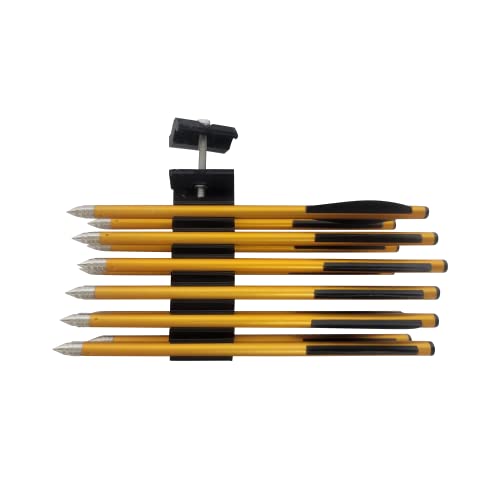
Most quivers hold between 3 and 6 bolts, though some specialized models stretch beyond that range. A compact three-bolt setup keeps equipment light and streamlined, especially during long walks through rough terrain. A five-bolt quiver tends to sit in the sweet spot because it offers enough backup shots without creating excessive bulk. Practicality often beats sheer storage space.
Weather, terrain, and shooting style all influence the ideal number. Thick woods can make a larger quiver feel cumbersome when branches and brush constantly catch on gear. Open fields create fewer obstacles, making additional bolts less of a burden. Small details like these often shape satisfaction far more than product specifications on a package.
Confidence plays a role, too. Some shooters feel uneasy carrying only three bolts because a couple of missed opportunities can leave them short. Others prefer a lighter setup and trust their accuracy enough to keep their load minimal. Either way, readiness, comfort, and efficiency usually matter more than simply filling every available slot.
Quiver design also affects the experience. A well-balanced quiver holding five bolts may feel lighter than a poorly designed model carrying four. Noise reduction, bolt security, and easy access become critical factors once equipment is used in real conditions. Little annoyances can quickly turn into major frustrations during a long day outdoors.
Many people focus entirely on capacity while overlooking accessibility. Pulling a bolt smoothly and quietly can matter more than carrying an extra one or two. A thoughtful setup keeps equipment organized and prevents unnecessary movement when every second counts. That's why the answer isn't always about quantity alone.
How many crossbow bolts in a quiver ultimately depends on the balance between preparation and practicality. The most common choice remains four to five bolts because it provides flexibility without making the crossbow feel overloaded. That middle ground often delivers the convenience people appreciate once they're out in the field rather than standing in a store aisle comparing specifications.

- ARS Mark10.0
ARS Mark is a ranking system developed by bestairriflescopes.com. ARS Mark has no relationship or impact from any manufacturers or sales agent websites. Learn more
- BrandKURUGEILI

- ARS Mark9.2
ARS Mark is a ranking system developed by bestairriflescopes.com. ARS Mark has no relationship or impact from any manufacturers or sales agent websites. Learn more
- BrandKURUGEILI

- ARS Mark9.0
ARS Mark is a ranking system developed by bestairriflescopes.com. ARS Mark has no relationship or impact from any manufacturers or sales agent websites. Learn more
- BrandChengyuWei

- ARS Mark8.8
ARS Mark is a ranking system developed by bestairriflescopes.com. ARS Mark has no relationship or impact from any manufacturers or sales agent websites. Learn more
- BrandKRATARC

- ARS Mark8.8
ARS Mark is a ranking system developed by bestairriflescopes.com. ARS Mark has no relationship or impact from any manufacturers or sales agent websites. Learn more
- BrandBALLISTA
- ARS Mark8.6
ARS Mark is a ranking system developed by bestairriflescopes.com. ARS Mark has no relationship or impact from any manufacturers or sales agent websites. Learn more
- BrandSAS

- ARS Mark8.6
ARS Mark is a ranking system developed by bestairriflescopes.com. ARS Mark has no relationship or impact from any manufacturers or sales agent websites. Learn more
- BrandZSHJGJR

- ARS Mark8.4
ARS Mark is a ranking system developed by bestairriflescopes.com. ARS Mark has no relationship or impact from any manufacturers or sales agent websites. Learn more
- BrandRUOERSISI

- ARS Mark8.2
ARS Mark is a ranking system developed by bestairriflescopes.com. ARS Mark has no relationship or impact from any manufacturers or sales agent websites. Learn more
- Brand3D Cabin

- ARS Mark7.0
ARS Mark is a ranking system developed by bestairriflescopes.com. ARS Mark has no relationship or impact from any manufacturers or sales agent websites. Learn more
- BrandLagnlnaoy
Last update on 2026-08-05 / Affiliate links / Images, Product Titles, and Product Highlights from Amazon Product Advertising API
How Many Crossbow Bolts In A Quiver
Missed opportunities sting, but carrying too much gear can be just as frustrating. A crossbow setup that feels balanced during the first hour may feel completely different after a full day outdoors. That tension sits at the center of the question how many crossbow bolts in a quiver. The right answer isn't simply about capacity. It's about mobility, confidence, weight distribution, and staying prepared without turning your equipment into a burden.
Finding The Practical Bolt Capacity
Most modern quivers are designed to carry between three and six bolts. That range exists for a reason. Manufacturers know that excessive weight affects handling, while too few bolts can leave shooters feeling unprepared. The balance between readiness, comfort, and efficiency usually lands somewhere in the middle.
A three-bolt quiver appeals to people who prioritize movement. Less weight hanging from the crossbow creates a lighter feel, especially during long walks. Dense terrain often favors this setup because bulky equipment tends to snag on branches and brush. The tradeoff is obvious: fewer backup shots if conditions don't go as planned.
Four and five-bolt quivers dominate the market because they solve several common frustrations at once. They provide enough ammunition for multiple opportunities while keeping the overall package manageable. Many shooters view this capacity as the sweet spot between convenience, accessibility, and field performance.
Six-bolt models have their place, particularly for extended outings where returning to a vehicle or camp isn't convenient. Extra capacity creates peace of mind. Yet every additional bolt contributes weight, and that weight becomes noticeable after hours of carrying equipment across uneven terrain.
Why More Bolts Aren't Always Better
People naturally assume more capacity equals more value. Real-world experience often tells a different story. A heavily loaded quiver can alter the way a crossbow balances, making it feel less agile during quick movements. That shift may seem minor at first but becomes increasingly noticeable over time.
Weight doesn't only affect comfort. It influences stability while aiming and carrying the crossbow. A setup that feels front-heavy or side-heavy can require extra effort to control. Small adjustments in weight distribution often produce surprisingly large improvements in handling and accuracy.
Noise also enters the conversation. More bolts create more potential contact points. Although quality quivers include retention systems designed to minimize movement, additional equipment still increases the chance of rattles if components loosen over time. Quiet operation remains a valuable advantage in many outdoor situations.
Extra capacity can encourage unnecessary packing habits. Some shooters fill every slot simply because they're available. Carrying equipment that rarely gets used often creates inconvenience without delivering meaningful benefits. Smart preparation usually beats maximum storage.
How Terrain Influences Quiver Capacity
Open farmland presents different challenges than thick timber. Broad spaces allow easier movement with larger setups because fewer obstacles interfere with gear. A six-bolt quiver may feel perfectly reasonable during a hunt across open fields. The same setup can become awkward inside dense vegetation.
Wooded environments reward compact equipment. Branches grab loose gear. Narrow pathways limit movement. Smaller quivers often help maintain a cleaner profile, reducing distractions and preventing unnecessary frustration throughout the day.
Mountain terrain introduces another factor: elevation changes. Climbing hills while carrying extra weight becomes noticeably harder as the day progresses. Saving a few ounces might not sound important in a parking lot, yet those ounces feel heavier after several hours on steep ground. Energy conservation becomes increasingly valuable.
Wet conditions amplify these challenges. Mud, rain, and slippery footing demand greater balance and stability. A lighter setup can make movement more predictable, helping maintain control while navigating difficult terrain. Sometimes carrying fewer bolts supports better overall performance.
Confidence Versus Actual Need
Equipment decisions are often emotional. Carrying extra bolts creates a sense of security. Knowing additional shots are available can boost confidence before a trip even begins. That psychological benefit shouldn't be ignored because confidence affects decision-making and focus.
Still, confidence and necessity aren't always the same thing. Many experienced shooters complete entire outings without using more than one or two bolts. Their preference for moderate capacity comes from experience rather than guesswork. They've learned where preparation ends and excess begins.
Practice habits reveal a lot about realistic needs. Someone who regularly shoots multiple rounds during a session may appreciate greater capacity. Another person who focuses on deliberate, carefully planned shots may find fewer bolts completely sufficient. Context matters more than universal rules.
Comfort often wins over capacity after repeated field use. A setup that remains comfortable all day tends to inspire more confidence than one loaded with extra gear. Reliable performance frequently starts with balance, control, and ease of movement.
Choosing A Quiver That Matches Your Style
Capacity alone doesn't determine satisfaction. Quiver design plays an equally important role. Bolt retention systems, mounting positions, and overall construction influence how the equipment feels during actual use. Two quivers holding five bolts can deliver very different experiences.
Quick-access designs reduce fumbling and help maintain focus. Easy retrieval becomes especially valuable during moments where speed matters. A well-designed quiver keeps bolts secure while allowing smooth removal without excessive effort.
Durability deserves attention as well. Rough terrain exposes equipment to bumps, scrapes, and constant movement. Strong retention clips and solid mounting hardware help maintain consistent performance throughout repeated use. Reliability becomes a major factor once equipment leaves controlled environments.
Those interested in improving overall aiming consistency may also want to explore options that complement a balanced setup. Upgrade your accuracy with best laser sight for crossbow solutions that can help create a more controlled shooting experience alongside an appropriately sized quiver.
Common Mistakes People Make With Bolt Storage
Overloading a quiver remains one of the most common mistakes. Filling every available slot without considering actual needs can make equipment feel awkward and tiring. More gear doesn't automatically create better preparedness. Practical efficiency often delivers greater benefits.
Another mistake involves ignoring bolt condition. Carrying multiple damaged or worn bolts provides little value. Regular inspections help maintain confidence and reduce unpleasant surprises during use. Consistency starts with dependable equipment.
Poor weight distribution creates issues that many people blame on the crossbow itself. Sometimes the problem isn't the bow. The real issue comes from how accessories are arranged. Adjusting quiver placement can noticeably improve handling.
Storage habits also matter. Bolts exposed to excessive moisture, dirt, or repeated impacts may suffer performance issues over time. Protecting equipment helps preserve both reliability and long-term value. Small maintenance habits frequently prevent larger problems later.
Balancing Mobility And Preparedness
The best quiver capacity often emerges through experience rather than theory. A setup that feels comfortable in a store may feel completely different after several hours outdoors. Testing different capacities helps identify personal preferences more effectively than relying on general recommendations.
Mobility becomes increasingly important during longer outings. Every ounce contributes to overall fatigue. Many shooters eventually discover that carrying slightly fewer bolts improves endurance without reducing preparedness in any meaningful way.
Preparedness still matters. Running out of bolts isn't ideal. The goal isn't carrying the fewest possible bolts. The goal is carrying enough while preserving comfort, balance, and efficiency. That distinction often separates enjoyable experiences from frustrating ones.
Support equipment influences this balance as well. Explore hunting setups more effectively with a ground blind for archery hunting that complements organized gear management and helps maximize the value of every bolt you carry.
Best Quiver Setup For Crossbow Bolt Carrying
Small gear choices can make a crossbow feel steady or clumsy, and bolt storage sits right in that uncomfortable middle ground. After capacity, the next real question is how the quiver fits the way the crossbow is carried, aimed, and handled in tight spaces. A clean setup keeps crossbow bolts secure without making every movement feel stiff. That balance matters because how many crossbow bolts in a quiver only makes sense after comfort, access, and field control are sorted out.
Matching Bolt Count To Shooting Routine
A quiver should match the way shots actually happen, not the way they look on paper. A calm target session may allow plenty of time to reload, inspect bolts, and reset position. A rough outdoor setup feels different because every movement has a cost. That makes practical bolt count more useful than simply carrying the largest number possible.
Four bolts often feel right for short outings where movement matters more than backup volume. Five bolts give a little more breathing room without turning the crossbow into a bulky package. Six bolts can make sense for longer sessions, but only if the added weight doesn't throw off handling. The best setup keeps confidence high without making the bow feel lopsided.
Newer shooters sometimes carry extra bolts to calm nerves, and honestly, that makes sense at first. Extra gear can feel reassuring while learning shot rhythm, distance judgment, and bolt recovery habits. Still, comfort teaches fast lessons. A lighter quiver often makes practice smoother because the crossbow feels easier to hold steady.
Experienced shooters usually become pickier about what stays on the bow. They notice small changes in balance, grip pressure, and aiming fatigue. That doesn't mean fewer bolts are always better. It means every bolt in the quiver should earn its place through real usefulness, not guesswork.
Keeping Bolts Quiet And Secure
A quiver that rattles can ruin focus before the shot even happens. Loose bolts create tiny sounds that become annoying during careful movement. Good retention matters just as much as capacity because a full quiver still fails if bolts shift around. Quiet storage supports better control and keeps the setup feeling intentional.
Retention clips should hold bolts firmly without making removal a wrestling match. Too tight, and reloading becomes awkward. Too loose, and bolts can vibrate, slip, or feel unreliable. That middle ground is where secure access really shines.
Broadheads add another layer of concern. Sharp heads need protection from accidental contact, dulling, or snagging. A quiver hood that covers them properly helps prevent damage and keeps handling safer. This detail matters more than many people expect after a few trips through brush or tall grass.
Bolts should also sit evenly inside the quiver. Uneven spacing can cause contact, rubbing, or awkward removal angles. A well-arranged quiver saves time and reduces frustration. Small design choices can turn bolt organization into a quiet advantage.
Adjusting Capacity For Body Size And Bow Fit
Comfort changes from person to person, especially with crossbows that already carry weight toward the front. A taller shooter with a heavier frame may tolerate a five or six-bolt quiver without much bother. A smaller-framed shooter may feel the same setup pulling the bow off balance. The right choice depends on fit, not pride.
Bow length, stock shape, and accessory placement all affect how the quiver feels. A compact crossbow may become awkward with a bulky side-mounted quiver. A longer setup might handle extra weight more smoothly. Testing different positions can reveal comfort issues faster than reading specs.
Some setups benefit from lighter accessories that reduce strain during long practice sessions. A bow that fits the shooter well can make bolt carrying feel less tiring and more predictable. For related setup decisions, compare fit-focused options like best hoyt bow women if body size, draw comfort, and handling balance are part of the bigger archery picture.
Younger or smaller shooters also need careful gear matching. Heavy quivers can create bad habits, especially if the shooter compensates by gripping too hard or rushing the shot. Lightweight bolt storage helps preserve natural posture. Better form starts with manageable equipment.
Reducing Fatigue During Longer Outings
Fatigue rarely shows up all at once. It creeps in after repeated carries, short climbs, slow walks, and long waits. A quiver that seemed harmless early in the day can become the thing everyone notices later. That is why weight control deserves serious attention.
Every extra bolt adds more than just weight. It adds bulk, changes balance, and may affect how the crossbow rests against the body. Over time, those small changes can make the setup feel less natural. Carrying the right number keeps movement smoother and reduces unnecessary strain.
Shorter trips may allow a slightly fuller quiver with little downside. Longer outings reward cleaner gear choices. A four or five-bolt setup often keeps enough backup shots available while preventing the bow from feeling overloaded. That balance protects both energy and focus.
Rest breaks help, but smart gear planning helps more. A comfortable quiver supports steadier handling because the shooter isn't fighting the equipment. Less fatigue often means better patience. Better patience usually leads to better decisions.
Improving Aim With A Cleaner Setup
Quiver capacity affects aiming more than some people expect. A side-mounted quiver can pull the crossbow slightly off center, especially when fully loaded. That imbalance may not ruin a shot, but it can create extra tension in the hands and shoulders. A balanced setup supports steadier aim.
Consistent practice helps reveal whether the quiver is causing discomfort. Shots may drift, arms may tire faster, or the bow may feel harder to settle. Those signs often point to setup issues rather than poor ability. Reducing bolt count by one can sometimes make the bow feel noticeably cleaner.
Sight alignment also benefits from a steady shooting position. Small accessories can support cleaner technique if they match the shooter instead of adding clutter. For younger archers refining form, a properly matched peep sight youth bow setup can support clearer alignment without overcomplicating the shot process.
Clean gear encourages repeatable habits. The fewer awkward adjustments needed before each shot, the easier it becomes to focus on distance, breathing, and trigger control. A quiver should stay in the background. The best setup feels boring in the best possible way.
Setting Up A Quiver For Real Conditions
Real conditions are messy. Dirt gets into clips, rain changes grip, cold fingers make reloading clumsy, and brush tests every exposed edge. A quiver that works fine at home may behave differently outdoors. That is why field-ready setup matters more than neat appearance.
Start by checking how easily each bolt comes out while wearing gloves. Then check whether the quiver stays quiet during normal walking. Shake the bow gently, move through narrow spaces, and listen for movement. These simple checks catch problems before they become aggravating.
Inspect bolts after transport as well. Nocks, vanes, and shafts can take small hits inside poorly fitted storage. Damaged bolts are not worth carrying just to fill empty slots. Fewer dependable bolts beat a full quiver with questionable gear.
A good routine keeps the quiver simple. Load the bolts that are actually needed, secure them properly, and leave space if extra capacity creates more trouble than value. The goal is controlled readiness, not carrying equipment for the sake of carrying it.
Building A Setup That Feels Natural
The right number of bolts should feel almost invisible once the crossbow is in hand. That doesn't mean the setup is bare or minimal. It means the quiver supports the task without demanding constant attention. Natural handling is often the clearest sign that capacity is dialed in.
Three bolts suit people who move often and want the lightest practical profile. Four bolts offer a clean balance for short to moderate use. Five bolts give more backup without much penalty for many setups. Six bolts work best when distance, access, or session length justifies the added load.
Personal testing beats guessing. Try carrying different bolt counts across the same route or practice session. Notice which setup feels steady after the first hour, not just the first few minutes. Comfort over time reveals the smarter answer.
How many crossbow bolts in a quiver comes down to honest tradeoffs. More bolts bring reassurance, but they also add weight and bulk. Fewer bolts keep handling clean, but they require confidence and planning. The best setup lands where preparedness, comfort, and control all hold together.


12 Best 22 Pcp Air Rifle For Hunting of 2026 With Quiet Power

7 Best 22 Pcp Air Rifle Under 300 of 2026 For Backyard Pest Control

10 Best 22 Break Barrel Air Rifles of 2026 For Backyard Pest Control

10 Best 30 Caliber Pcp Air Rifle of 2026 For Medium Game

Top Best 177 Air Rifle Under 100: Budget-Friendly Picks for 2026

How to Safely Reload Shotgun Shells at Home

11 Best Co2 Air Rifle For Pest Control of 2026 To Ensure Humane Dispatch

12 Best Inexpensive Air Rifles of 2026 For Dependable Backyard Accuracy






