
How Many Rounds to Sight In a Rifle Efficiently

How Many Rounds to Sight In a Rifle sounds like a simple question, yet the answer often surprises people. Some rifles settle into zero after only a handful of shots, while others require extra adjustments because of mounting issues, ammunition changes, or inconsistent shooting positions. A rushed approach can burn through a box of cartridges before the target even starts showing consistent groups. Understanding the process helps save ammunition, time, and frustration.
Small corrections make a huge difference during the sighting process. A single click on a scope turret can shift impact enough to change the entire outcome of the next group. Many shooters expect every shot to land perfectly after one adjustment, but that's rarely how it works in the real world. Patience, careful observation, and steady shooting habits usually matter more than firing large quantities of ammunition.
Accuracy depends on more than the rifle itself. Scope mounting, ring alignment, ammunition consistency, barrel condition, and shooting technique all play a role. Even a high-quality setup can produce confusing results if shots are fired too quickly or if the barrel becomes excessively hot. A methodical approach often reveals that fewer rounds are needed than most people expect.
Most sight-in sessions follow a predictable pattern. The first shots establish where the rifle is impacting relative to the target. Corrections are then applied, followed by confirmation groups that verify the adjustments. In many situations, somewhere between ten and twenty rounds is enough to achieve a dependable zero. Certain rifles may require fewer, while others need additional shots to confirm performance at different distances.
Weather conditions can also influence results. Wind, changing temperatures, and varying light conditions sometimes create misleading impacts that tempt unnecessary scope adjustments. Staying focused on consistent shot groups instead of chasing individual holes usually leads to better outcomes. After all, a rifle is judged by repeated performance, not a single lucky shot.
Confidence grows when every round serves a purpose. Rather than guessing, shooters who understand How Many Rounds to Sight In a Rifle can build a clear plan before heading to the range. That approach reduces wasted ammunition, speeds up the zeroing process, and creates a more reliable foundation for hunting, target shooting, or long-range practice. A few well-placed shots often accomplish more than dozens fired without a strategy.

- ARS Mark10.0
ARS Mark is a ranking system developed by bestairriflescopes.com. ARS Mark has no relationship or impact from any manufacturers or sales agent websites. Learn more
- BrandMCREHOTZ
- ARS Mark9.6
ARS Mark is a ranking system developed by bestairriflescopes.com. ARS Mark has no relationship or impact from any manufacturers or sales agent websites. Learn more
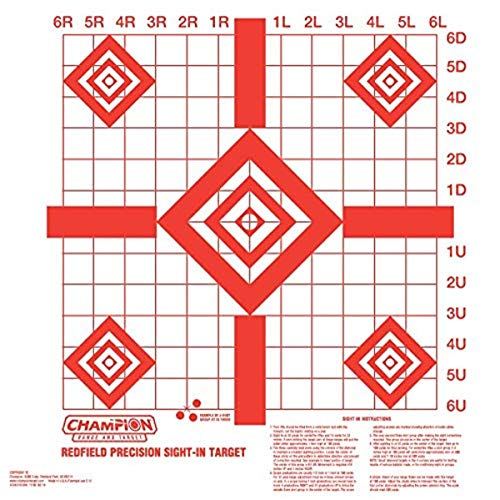
- BrandChampion

- ARS Mark9.2
ARS Mark is a ranking system developed by bestairriflescopes.com. ARS Mark has no relationship or impact from any manufacturers or sales agent websites. Learn more
- BrandDespwolf

- ARS Mark8.8
ARS Mark is a ranking system developed by bestairriflescopes.com. ARS Mark has no relationship or impact from any manufacturers or sales agent websites. Learn more
- BrandCVLIFE

- ARS Mark8.8
ARS Mark is a ranking system developed by bestairriflescopes.com. ARS Mark has no relationship or impact from any manufacturers or sales agent websites. Learn more
- BrandCVLIFE

- ARS Mark8.8
ARS Mark is a ranking system developed by bestairriflescopes.com. ARS Mark has no relationship or impact from any manufacturers or sales agent websites. Learn more
- BrandMCREHOTZ
- ARS Mark8.8
ARS Mark is a ranking system developed by bestairriflescopes.com. ARS Mark has no relationship or impact from any manufacturers or sales agent websites. Learn more
- BrandMidTen

- ARS Mark8.6
ARS Mark is a ranking system developed by bestairriflescopes.com. ARS Mark has no relationship or impact from any manufacturers or sales agent websites. Learn more
- BrandEZshoot

- ARS Mark8.6
ARS Mark is a ranking system developed by bestairriflescopes.com. ARS Mark has no relationship or impact from any manufacturers or sales agent websites. Learn more
- BrandTipfun
Last update on 2026-08-05 / Affiliate links / Images, Product Titles, and Product Highlights from Amazon Product Advertising API
How Many Rounds To Sight In A Rifle
A range trip can get expensive fast when shots keep missing the center and ammunition starts disappearing from the box. Plenty of shooters head out expecting a quick adjustment, only to burn through far more rounds than planned. The question of how many rounds to sight in a rifle usually appears after the first few groups refuse to land where they're supposed to. A structured approach saves ammunition, improves accuracy, and helps avoid the frustration that comes from chasing random impacts across a target.
Why Round Count Matters More Than Most Expect
Every cartridge fired during a sight-in session should provide useful information. Random shooting rarely produces a dependable zero because each shot becomes another guess instead of a measured adjustment. A rifle that reaches zero in fifteen rounds often performs better than one that required fifty careless shots. The real goal is efficiency, not simply sending bullets downrange.
Many shooters focus only on the final target result. That mindset can lead to unnecessary scope adjustments after every shot. Small groups reveal far more than individual impacts because they expose patterns rather than luck. Consistent groups create a foundation for reliable accuracy and smarter corrections.
Ammo prices have climbed steadily over the years. A sight-in session that wastes twenty extra rounds may not seem significant at first, but the cost adds up quickly for popular hunting and precision calibers. Protecting your budget while maintaining precision remains one of the strongest reasons to develop a systematic process.
Confidence also plays a role. A shooter who knows exactly why each adjustment was made tends to trust the rifle more in the field. That confidence translates into better decision-making and less second-guessing when an important shot presents itself.
The Typical Number Of Rounds Needed
Most properly mounted rifles can be sighted in using somewhere between 10 and 20 rounds. That estimate assumes the scope is mounted correctly, the ammunition is consistent, and the shooter is working from a stable rest. Problems in any of those areas can increase the required round count dramatically. A rifle that starts close to zero may need even fewer shots.
The first three rounds often reveal the rifle's initial point of impact. After a correction, another three-shot group confirms whether the adjustment moved the impact in the intended direction. Two or three confirmation groups usually finish the process. That simple pattern explains why many successful sight-in sessions stay within the fifteen-round range.
Long-range shooters sometimes fire additional rounds to verify performance at extended distances. A rifle that is perfectly zeroed at 100 yards may still require confirmation at 200, 300, or even 500 yards. Those extra shots aren't correcting the zero itself. They're validating trajectory and bullet drop.
New rifles occasionally need a little extra patience. Barrel seasoning, optic settling, and mounting hardware adjustments may increase the number of rounds required during the first outing. That doesn't mean something is wrong. It simply means several components are settling into place.
Factors That Change The Round Count
Scope quality influences sight-in speed more than many people realize. Clear turret tracking helps every adjustment produce predictable movement on the target. Cheap optics sometimes shift inconsistently, creating confusion and increasing ammunition consumption. Reliable tracking contributes directly to faster zeroing.
Ammunition consistency matters just as much. Different bullet weights and loads can impact several inches apart at common sight-in distances. Switching brands midway through the process often creates misleading results. Sticking with one load allows the shooter to evaluate true group performance.
Shooting position can quietly sabotage an otherwise solid setup. A shaky bench, unstable bags, or poor trigger control may scatter impacts enough to disguise the rifle's actual point of impact. Better stability generally reduces the total number of rounds required because adjustments become easier to interpret.
Environmental conditions create another variable. Wind gusts, changing temperatures, and inconsistent lighting can influence bullet placement. While these effects are often minor at shorter distances, they become increasingly noticeable as the range extends.
Starting At The Right Distance
Many experienced shooters begin at 25 yards before moving to longer distances. That short-range confirmation helps ensure the rifle is hitting paper and prevents wasting ammunition searching for impacts. A few careful shots at close range can eliminate a lot of guesswork. This step often saves both time and ammo.
After establishing a rough zero, the target can move to 100 yards. Adjustments become more meaningful at that distance because the rifle starts behaving closer to its intended use. Most hunting and recreational rifles are ultimately confirmed at 100 yards before additional distance testing begins.
Skipping directly to longer ranges sometimes works, but it can backfire. A scope that's significantly off target may send impacts completely off the paper. That situation forces unnecessary troubleshooting and usually increases the round count substantially.
Careful progression from short to longer distances creates a smoother path. Each stage builds on the previous one, allowing corrections to become increasingly precise. The process feels slower at first, yet often reaches a final zero faster.
Common Mistakes That Waste Ammunition
Chasing single bullet holes remains one of the most common mistakes at the range. Every rifle produces slight variations from shot to shot. Adjusting the scope after every impact often sends the point of impact wandering around the target. Three-shot groups provide far more useful information than individual shots.
Barrel heat creates another problem. Rapid firing can change point of impact as the barrel temperature rises. Allowing the rifle to cool between groups improves consistency and helps preserve accurate feedback. Patience usually saves rounds in the long run.
Mixing ammunition loads during a sight-in session creates confusion. Different bullet designs, velocities, and weights frequently strike different locations on the target. Consistency remains one of the strongest contributors to predictable results.
Mechanical issues sometimes get overlooked. Loose rings, loose bases, and improperly torqued mounting hardware can mimic accuracy problems. Before firing additional rounds, it makes sense to verify that every component remains secure.
How Hunting Rifles Differ From Precision Rifles
Hunting rifles are often sighted for practical field performance rather than tiny benchrest groups. Many hunters simply need confidence that the rifle will place shots accurately within expected hunting distances. That objective often requires fewer rounds than a precision shooting setup. A practical zero can sometimes be achieved surprisingly quickly.
Precision rifles operate under a different set of expectations. Tiny group sizes and repeatable impacts become essential goals. Shooters frequently fire additional confirmation groups to verify consistency. The extra ammunition supports data collection rather than correcting errors.
Barrel profiles influence the process as well. Lightweight hunting barrels tend to heat quickly, while heavier precision barrels maintain stability during extended shooting sessions. Those characteristics can affect how many rounds are required before a shooter feels confident in the final zero.
Optics selection also changes expectations. Precision scopes often provide more refined adjustments and clearer tracking. Hunting optics prioritize simplicity and durability. Neither approach is inherently better, but each affects the sight-in process differently.
Building Confidence Through Confirmation Groups
Confirmation groups separate a rough zero from a dependable one. Landing a single shot in the center proves very little because luck occasionally produces impressive results. Repeated groups reveal whether the rifle can consistently place bullets where intended. Consistency remains the true measure of accuracy.
Many shooters stop immediately after seeing one good impact. That temptation can create problems later in the field. A second or third group verifies that the scope adjustment truly worked. Those extra rounds often provide more value than the entire adjustment process itself.
Careful note-taking helps identify trends. Recording ammunition type, weather conditions, and adjustment values creates useful reference material for future range trips. Organized records can reduce the number of rounds needed during future sight-in sessions.
For shooters interested in additional equipment performance, compare options for backyard practice with best air rifle backyard plinking. Low-cost trigger time can reinforce shooting fundamentals that carry over directly to centerfire rifles. Strong fundamentals often lead to faster sight-in sessions and fewer wasted rounds.
How To Reduce Rounds Needed To Sight In A Rifle
Extra ammunition doesn't always produce better results. Many shooters reach a point where every additional adjustment creates more uncertainty instead of more accuracy. A smarter approach focuses on consistency, repeatable groups, and measured corrections. Those habits often cut the total round count dramatically while producing a more dependable zero.
Using A Bore Sight To Save Ammunition
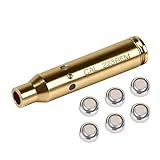
A bore sight won't replace live-fire confirmation, but it can place the rifle much closer to the target before the first shot is fired. That initial alignment often prevents the frustrating situation of searching for impacts across an entire target board. A simple setup step can preserve valuable ammo and reduce unnecessary guessing.
Laser bore sights are popular because they're quick and easy to use. Mechanical bore sights accomplish the same goal through a different method. Neither guarantees a perfect zero, yet both help establish a useful starting point. The real benefit lies in reducing wasted rounds during the earliest stage of sight-in.
Hunters preparing gear before the season frequently use bore sights to speed up range sessions. Less time spent making major corrections means more time confirming actual performance. That extra efficiency becomes especially valuable when ammunition availability is limited.
Several shooters skip this step because they believe it's unnecessary. Then they spend half a box of cartridges locating impacts. A few minutes of preparation often creates a smoother path toward precision and confidence.
Why Three-Shot Groups Beat Single Shots
A single bullet hole tells only part of the story. Tiny differences in breathing, trigger pressure, and rifle movement can influence one impact. Three-shot groups expose patterns that reveal where the rifle is truly shooting. That information supports much smarter scope adjustments.
Many experienced shooters consider three-shot groups the sweet spot for practical sight-in work. Five-shot groups provide additional information but consume more ammunition. During the initial zeroing phase, three rounds usually offer enough data without slowing progress.
Group size also highlights mechanical problems. Scattered impacts may indicate issues with the optic, ammunition, or shooting technique. Tight clusters suggest the rifle is behaving consistently, allowing corrections to focus on point of impact rather than troubleshooting.
Patience pays off here. Firing three deliberate shots often produces more useful information than rapidly firing ten. The goal remains quality feedback, not simply increasing the shot count.
Managing Barrel Heat During Sight In
Barrel temperature influences accuracy more than many people expect. Thin hunting barrels can heat quickly, especially during summer range sessions. As temperatures rise, impacts sometimes shift enough to create misleading results. Allowing the barrel to cool preserves consistency.
Heat-related shifts can trick shooters into making unnecessary scope corrections. The adjustment appears logical at the time, but the point of impact changes again after the barrel cools. That cycle wastes both ammunition and effort.
Short cooling breaks don't need to be lengthy. A few minutes between groups is often enough for practical sight-in work. During those breaks, shooters can review targets and record adjustment notes.
Precision shooters often pay close attention to barrel conditions because consistency matters at every stage. Stable barrel temperatures help produce more reliable data and reduce uncertainty during the zeroing process.
The Role Of Ammunition Selection
A rifle may produce excellent groups with one load and mediocre groups with another. Bullet weight, velocity, and construction all affect point of impact. Mixing loads during a sight-in session introduces variables that make accurate adjustments more difficult.
Sticking with one load from start to finish keeps results easier to interpret. Once the rifle is properly zeroed, experimenting with other loads becomes more productive. Consistency remains one of the strongest contributors to repeatable accuracy.
Hunters frequently sight in using the exact ammunition they plan to carry in the field. That approach removes surprises and ensures the rifle performs as expected during important moments. Practical preparation often beats assumptions.
Even rifles from the same manufacturer can show clear preferences for specific loads. Testing different ammunition later can improve performance, but the sight-in process itself benefits from keeping variables under control.
How Distance Affects Your Final Zero
A rifle zeroed at 25 yards isn't necessarily ready for field use. That close-range setup simply establishes a foundation. Most shooters eventually confirm zero at 100 yards because it provides a more realistic reference point for typical shooting situations.
Longer distances reveal information that shorter ranges cannot. Bullet trajectory becomes more apparent, and small errors grow easier to detect. Those details help create a more dependable final result.
Different shooting goals require different zero distances. A deer rifle may benefit from one approach, while a varmint rifle may require another. Matching the zero distance to the rifle's intended purpose improves practical accuracy.
Archery enthusiasts often recognize a similar principle while evaluating equipment like best bow short draw length options. Equipment setup always influences performance, whether the projectile is a bullet or an arrow. Small adjustments can produce surprisingly large differences downrange.
Keeping Records For Future Range Sessions
Good notes eliminate a lot of guesswork. Recording ammunition details, weather conditions, and scope adjustments creates a useful reference for future trips. Those records often reduce the number of rounds needed the next time the rifle is checked.
A simple notebook works well. Some shooters prefer smartphone apps that organize load data and adjustment history. The format matters less than the habit itself. Reliable records support long-term consistency.
Changes become easier to track when information is organized. A shift in point of impact can often be connected to ammunition changes or environmental conditions. That context prevents unnecessary troubleshooting.
Careful documentation also helps identify recurring patterns. Over time, shooters develop a clearer picture of how their rifle behaves under different conditions. Better information usually leads to better decisions.
Building Shooting Fundamentals That Reduce Ammo Waste
Trigger control, breathing, and follow-through affect every shot. Weak fundamentals can disguise the rifle's true performance and create confusion during the sight-in process. Improving those skills often reduces ammunition consumption more effectively than buying new equipment.
Dry-fire practice provides valuable repetition without spending money on ammunition. Small improvements in technique accumulate over time. Better control produces tighter groups and more meaningful target feedback.
Some shooters supplement training with tools unrelated to firearms simply because they reinforce discipline and hand coordination. Precision tasks that require control and consistency often develop transferable habits. Similar attention to detail appears in projects involving a best air staple gun upholstery setup, where accuracy matters far more than speed.
Solid fundamentals create a stable foundation for every other part of the sight-in process. Scope adjustments become easier to evaluate, groups become more predictable, and the answer to how many rounds to sight in a rifle often becomes much smaller than expected.


12 Best 22 Pcp Air Rifle For Hunting of 2026 With Quiet Power

7 Best 22 Pcp Air Rifle Under 300 of 2026 For Backyard Pest Control

10 Best 22 Break Barrel Air Rifles of 2026 For Backyard Pest Control

10 Best 30 Caliber Pcp Air Rifle of 2026 For Medium Game

Top Best 177 Air Rifle Under 100: Budget-Friendly Picks for 2026

How to Safely Reload Shotgun Shells at Home

11 Best Co2 Air Rifle For Pest Control of 2026 To Ensure Humane Dispatch

12 Best Inexpensive Air Rifles of 2026 For Dependable Backyard Accuracy






