
How Many Shots Can You Take With a CO2 Airgun?

A common assumption is that a small gas cartridge will easily last through an entire afternoon of target shooting. In reality, a standard 12-gram capsule typically delivers 30 to 60 usable shots before power drops off, while a large 88-gram tank provides 150 to 300 shots. Squeezing the trigger past that point causes pellets to fall short and risks jamming one inside the barrel.
That exact count shifts based on how the gun works and the weather outside. Guns with blowback action, where metal slides kick back to copy real recoil, burn through gas twice as fast as simpler pistols. Firing quickly or shooting on chilly days also cools down the cylinder, which drops internal pressure and slashes your shot count. Here is how to gauge your gas supply and keep every shot landing where it should.
How Many Shots Does Each Gas Cartridge Size Give?
A standard 12-gram cartridge typically delivers between 30 and 60 usable shots. In plain terms, a 12-gram cartridge is the small disposable gas capsule you find in blister packs at any outdoor store. A usable shot means the projectile leaves the barrel with enough speed to fly straight and hit your target accurately. After that usable window closes, the gun might still make a pop, but the shots will drop sharply toward the ground.
How many shots you get within that range depends on the design of your gun. A simple pistol with no moving slide parts will easily deliver 50 to 60 strong shots on a warm afternoon. Rifles built with long barrels also use that gas efficiently, turning each burst of pressure into clean forward momentum. You can count on getting through three or four standard magazines before accuracy begins to suffer.
Dual-cartridge rifles use two 12-gram capsules placed back-to-back inside a single magazine or stock compartment. These systems generally yield between 60 and 100 usable shots. They give you the convenience of small, cheap cartridges without forcing you to reload gas after every three target runs. They are popular for rapid backyard shooting sessions where you want to keep your focus on the targets.
Large 88-gram and 90-gram tanks deliver between 150 and 300 shots per bottle. These bulky cylinders screw directly into tactical-style rifles or heavy plinking models. They work best when you plan to spend several hours outdoors shooting with friends or family. You trade the low cost of small capsules for the ability to shoot hundreds of rounds without pausing to twist open a gas screw.
What Causes A Gas Cartridge To Drain So Fast?
Rapid firing is the most common reason a gas capsule runs out before you expect it to. Carbon dioxide sits inside the metal capsule as a liquid under intense pressure. Every time you pull the trigger, liquid turns into gas and expands to push the projectile down the barrel. That rapid expansion absorbs heat from the gun, which causes the metal to chill down quickly.
When you fire off ten or fifteen rounds in just a few seconds, the cartridge becomes freezing cold to the touch. This leads to valve freeze, which is frost and a sharp pressure drop caused by shooting too quickly. The internal pressure drops so low that the gun uses twice as much gas per shot while producing much lower velocity. Pausing for five to ten seconds between shots gives the metal time to absorb ambient warmth and maintain steady pressure.
Cold outdoor air creates a similar drop in total shot output. Carbon dioxide needs outdoor temperatures of 65 to 70 degrees Fahrenheit or warmer to perform at its peak. When you shoot outside in weather below 60 degrees, the liquid cannot warm up enough to produce standard working pressure. On a crisp autumn morning, a capsule that usually lasts 50 shots might only give you 25 or 30 before losing power.
Blowback action also drains your gas reservoir much faster than a fixed frame. Blowback refers to sliding metal parts that mimic real firearm kick during each shot. The gun redirects up to half of the escaping gas backward to push a heavy metal slide or bolt. If you practice with a CO2 pistol for realistic training, expect to get fewer shots per capsule than you would from a simple fixed-barrel plinker.
How Do You Know When Gas Is Running Out?
Spotting low gas pressure early prevents wasted ammunition and keeps your airgun working smoothly. When the capsule pressure drops below a safe level, lead or alloy pellets can lack the push needed to clear the barrel. If a pellet stops inside the rifling and you fire another round behind it, you can ruin the barrel permanently. Watch for these clear warning signs during your shooting sessions:
- The sound changes: The sharp, crisp crack of the muzzle pop suddenly softens into a muffled thud or hollow puff.
- Impact points drop: Your shots suddenly strike two or three inches below your normal target grouping without any adjustment to your aim.
- Sluggish slide movement: On blowback models, the metal slide cycles forward and backward visibly slower than it did on the first magazine.
- You can see the projectile fly: The exit speed drops enough that your eye can track the pellet or BB arcing toward the target.
- The slide fails to lock: Guns designed to lock open when empty stop locking back because there is not enough gas pressure to push the slide fully rearward.
When you notice two or more of these signs, stop shooting immediately. Clear any remaining ammunition from the magazine or loading port before removing the spent cartridge. Taking that extra moment keeps your barrel clean and prevents frustrating lead jams inside the delicate rifling grooves.
How Should You Swap And Store Your Gas Cartridges?
Replacing gas cylinders the right way keeps you safe and protects the sensitive rubber seals inside your airgun. Mishandling a pressurized capsule can tear the internal O-ring seal, which creates permanent leaks that ruin future shooting sessions. Follow these simple steps whenever you need to swap out an empty cylinder or put your airgun away:
- Vent the leftover pressure safely: Point the empty gun in a safe direction and loosen the piercing screw very slowly. Let the small hiss of remaining gas bleed off completely before you back the screw all the way out. Turning the screw too fast can freeze the rubber seal or blow it out of place.
- Inspect the rubber face seal: Look into the piercing compartment with a flashlight to check the small rubber ring around the piercing pin. It should look smooth, clean, and flexible. If you see cracks, tears, or crushed edges, the seal needs to be replaced before your next session.
- Add a drop of silicone oil: Put one small drop of airgun-rated silicone oil directly onto the flat tip of your new cartridge before sliding it in. That single drop lubricates the piercing needle and keeps the internal rubber seal soft and pliable. Never use standard firearm cleaning solvents or motor oil, as petroleum products eat through synthetic rubber over time.
- Tighten firmly in one smooth motion: Slide the cartridge into position and turn the tightening screw smoothly until you hear a quick, momentary hiss. Continue turning just until the hissing stops and the screw feels snug. Do not over-tighten the screw with excessive force, or you will crush the face seal flat.
- Never store the airgun pressurized: Remove the gas capsule whenever you finish shooting for the day. Leaving a pierced, pressurized cylinder inside the gun for days or weeks crushes the rubber seal under constant pressure, causing it to harden and leak permanently.
Following this routine every time you shoot a casual CO2-powered BB gun for backyard plinking will keep your gas seals tight for thousands of rounds. Taking care of your seals means every new cartridge you buy delivers its full advertised shot count.
Which Airgun Setup Fits Your Target Shooting Habits Best?
Choosing the right air rifle platform comes down to how often you shoot and how much downtime you tolerate during a session. If your goal is casual target practice for twenty minutes at a time, a single-capsule rifle gives you light handling and very little weight to carry around. These models are inexpensive to run and let you burn through one or two magazines without worrying about leaving leftover gas in the gun when dinner is ready.
Shooters who prefer long plinking sessions with friends should look at dual-capsule rifles or models fed by larger bulk gas cylinders. These systems cut down on the constant interruption of unscrewing baseplates and puncturing fresh capsules every half hour. Look for models with solid metal tightening keys or tool-free thumb screws so you do not need an Allen wrench in your pocket just to reload gas in the yard.
If you want zero ongoing cartridge costs and steady velocity in any weather, consider stepping away from gas cartridges entirely. Rifles cocked by pivoting the barrel down to compress an internal spring or gas piston require no capsules at all. You get one shot per cocking stroke with consistent power whether it is 40 degrees or 90 degrees outside. Multi-pump pneumatics powered by forearm hand pumps give you similar freedom from buying disposable cylinders.
For serious target work at longer distances, pre-charged pneumatic rifles filled with high-pressure air from a special hand pump or scuba tank offer pinpoint accuracy and high shot counts per fill. High-pressure air does not suffer from temperature drops the way carbon dioxide does, making it the preferred choice for cold-weather shooting. Consider whether you prefer the low initial cost of disposable gas or the long-term independence of self-contained air systems before you buy.

- ARS Mark9.7
ARS Mark is a ranking system developed by bestairriflescopes.com. ARS Mark has no relationship or impact from any manufacturers or sales agent websites. Learn more
- BrandGamo

- ARS Mark8.9
ARS Mark is a ranking system developed by bestairriflescopes.com. ARS Mark has no relationship or impact from any manufacturers or sales agent websites. Learn more
- BrandUmarex

- ARS Mark8.5
ARS Mark is a ranking system developed by bestairriflescopes.com. ARS Mark has no relationship or impact from any manufacturers or sales agent websites. Learn more
- BrandDPMS
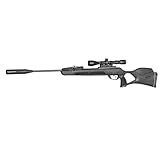
- ARS Mark8.4
ARS Mark is a ranking system developed by bestairriflescopes.com. ARS Mark has no relationship or impact from any manufacturers or sales agent websites. Learn more
- BrandGamo

- ARS Mark7.5
ARS Mark is a ranking system developed by bestairriflescopes.com. ARS Mark has no relationship or impact from any manufacturers or sales agent websites. Learn more
- BrandGamo
Last update on 2026-10-16 / Affiliate links / Images, Product Titles, and Product Highlights from Amazon Product Advertising API
FAQs
Can I leave a CO2 cartridge inside my airgun overnight?
You should not leave a pierced cartridge inside your airgun overnight or between shooting sessions. The constant pressure flattens the soft rubber face seal and causes it to lose its elasticity. Once that seal hardens or develops a permanent groove, gas will leak around the piercing pin every time you install a new capsule.
Why does my airgun hiss and leak when I install a new cartridge?
A loud hiss usually means the piercing screw was turned too slowly or the internal rubber seal has dried out. When inserting a capsule, tighten the screw in one smooth, steady motion so the pin punctures the metal and seals the chamber instantly. Adding a drop of silicone oil to the cartridge tip often restores a dry seal and stops minor leaks.
Does warming gas cartridges in my pocket help in cold weather?
Keeping a spare cartridge inside an inner jacket pocket before loading keeps the liquid at room temperature and gives you better starting pressure. However, never expose gas cartridges to direct heat sources like hair dryers, open flames, or car dashboards. Excessive external heat can cause internal pressure to rise beyond safe limits, creating a severe rupture hazard.
What should I do if a pellet gets stuck in the barrel from low gas?
First, remove the empty gas cylinder and confirm the magazine is completely unloaded. Next, insert a brass or polymer-coated clearing rod down the muzzle end of the barrel and gently tap the stuck pellet back toward the open breech. Never try to shoot a stuck pellet out by loading a fresh gas cartridge and pulling the trigger, as that will wedge the pellet tighter.


12 Best 22 Pcp Air Rifle For Hunting of 2026 With Quiet Power

7 Best 22 Pcp Air Rifle Under 300 of 2026 For Backyard Pest Control

10 Best 22 Break Barrel Air Rifles of 2026 For Backyard Pest Control

10 Best 30 Caliber Pcp Air Rifle of 2026 For Medium Game

Top Best 177 Air Rifle Under 100: Budget-Friendly Picks for 2026

How to Safely Reload Shotgun Shells at Home

11 Best Co2 Air Rifle For Pest Control of 2026 To Ensure Humane Dispatch

12 Best Inexpensive Air Rifles of 2026 For Dependable Backyard Accuracy






