
How Many Volts in a Stun Gun Really Matter?

How many volts in a stun gun sounds like a simple question, yet the answer gets messy fast. Some devices scream “millions of volts” right on the packaging, while others barely mention voltage at all. That confusion leaves people scratching their heads, wondering whether bigger numbers actually mean stronger protection or if it’s just flashy marketing. Voltage matters, sure, but it’s only one piece of the puzzle.
Most stun guns range anywhere from several hundred thousand volts to several million volts. Still, raw voltage doesn’t tell the full story. Electrical output, amperage, contact quality, and pulse frequency all shape how the device performs during a real confrontation. A compact stun gun with balanced electrical delivery may feel far more effective than a bulky model chasing giant voltage claims.
Personal safety concerns usually push this topic into the spotlight. Nobody wants to carry something unreliable when adrenaline kicks in and every second feels chaotic. Some devices produce loud crackling sounds and bright electric arcs that look intimidating, though visual intimidation alone doesn’t guarantee stopping ability. That’s where understanding voltage ratings becomes useful instead of blindly trusting packaging hype.
Higher voltage mainly helps electricity push through clothing and create a stronger initial shock sensation. Thick jackets, hoodies, and layered fabrics can interfere with contact, so voltage helps overcome resistance. But here’s the catch: extremely high voltage claims often exist more for marketing drama than practical differences. Real-world effectiveness depends on how consistently the electrical charge disrupts muscle control and causes temporary disorientation.
Battery quality also changes everything. Weak batteries reduce electrical performance even if the stun gun advertises massive voltage numbers. Rechargeable models usually provide steadier output compared to cheap disposable battery setups that lose strength over time. A reliable charge often matters more than flashy claims printed across the handle.
Size creates another tradeoff people rarely think about. Smaller stun guns slip easily into bags or pockets, but ultra-compact models may sacrifice grip comfort during stressful situations. Larger units can feel awkward for daily carry, though they sometimes offer stronger battery systems and better handling. Balancing portability with practical control makes a huge difference once nerves kick in.
Safety laws deserve attention too. Regulations change wildly depending on location, and some areas restrict stun gun ownership entirely. Others allow them with permit requirements or transportation limitations. Ignoring local rules can turn a self-defense tool into a legal headache overnight.
Plenty of people focus only on the voltage number because it feels easy to compare. Truth is, real performance comes from the entire electrical system working together. A stun gun that delivers steady output, reliable contact, and dependable battery life usually provides more confidence than one relying on oversized marketing numbers alone.
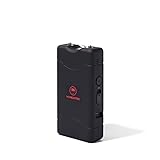
- ARS Mark9.4
ARS Mark is a ranking system developed by bestairriflescopes.com. ARS Mark has no relationship or impact from any manufacturers or sales agent websites. Learn more
- BrandVIPERTEK

- ARS Mark9.2
ARS Mark is a ranking system developed by bestairriflescopes.com. ARS Mark has no relationship or impact from any manufacturers or sales agent websites. Learn more
- BrandVIPERTEK

- ARS Mark9.2
ARS Mark is a ranking system developed by bestairriflescopes.com. ARS Mark has no relationship or impact from any manufacturers or sales agent websites. Learn more
- BrandVIPERTEK
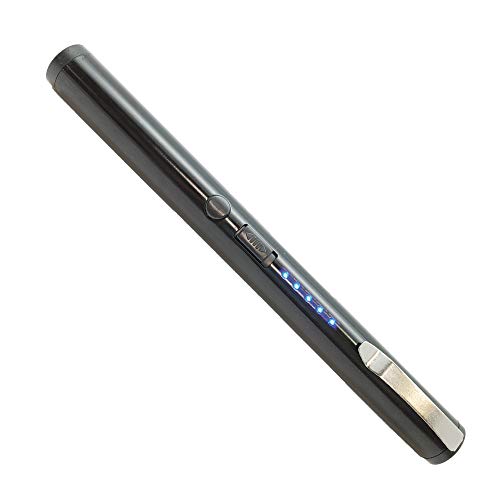
- ARS Mark9.0
ARS Mark is a ranking system developed by bestairriflescopes.com. ARS Mark has no relationship or impact from any manufacturers or sales agent websites. Learn more
- BrandSTREET WISE SECURITY PRODUCTS

- ARS Mark9.0
ARS Mark is a ranking system developed by bestairriflescopes.com. ARS Mark has no relationship or impact from any manufacturers or sales agent websites. Learn more
- BrandSTREET WISE SECURITY PRODUCTS

- ARS Mark9.0
ARS Mark is a ranking system developed by bestairriflescopes.com. ARS Mark has no relationship or impact from any manufacturers or sales agent websites. Learn more
- BrandDARTMOOR

- ARS Mark8.4
ARS Mark is a ranking system developed by bestairriflescopes.com. ARS Mark has no relationship or impact from any manufacturers or sales agent websites. Learn more
- BrandPain Safari

- ARS Mark8.2
ARS Mark is a ranking system developed by bestairriflescopes.com. ARS Mark has no relationship or impact from any manufacturers or sales agent websites. Learn more
- BrandSABRE

- ARS Mark8.2
ARS Mark is a ranking system developed by bestairriflescopes.com. ARS Mark has no relationship or impact from any manufacturers or sales agent websites. Learn more
- BrandSafety Technology International, Inc.
- ARS Mark8.2
ARS Mark is a ranking system developed by bestairriflescopes.com. ARS Mark has no relationship or impact from any manufacturers or sales agent websites. Learn more
- BrandGuard Dog Security
Last update on 2026-07-06 / Affiliate links / Images, Product Titles, and Product Highlights from Amazon Product Advertising API
How Many Volts In A Stun Gun Really Matter
Big voltage numbers tend to grab attention fast, especially during those late-night searches where personal safety suddenly feels a whole lot more urgent. Packaging screams about millions of volts, flashy sparks crack across demo videos, and honestly, it’s easy to assume bigger always means stronger. But real-life performance doesn’t work that neatly. How many volts in a stun gun matters, sure, though electrical consistency, battery reliability, and contact strength shape the actual experience far more than most advertisements admit.
Why Voltage Numbers Look So Extreme
Stun gun companies love dramatic voltage claims because giant numbers sell emotion. Seeing “10 million volts” printed across a package instantly creates the impression of overwhelming power. Most people won’t stop to question how voltage interacts with amperage or pulse frequency because, frankly, those terms sound technical and exhausting. Marketing pressure pushes voltage numbers higher every year, even though real-world differences may feel smaller than expected.
Voltage mainly helps electricity move through resistance. Thick hoodies, leather jackets, or multiple clothing layers can reduce electrical transfer, so higher voltage helps bridge that barrier. Still, a stun gun with unstable output may struggle despite huge claims on the label. Reliable energy delivery often beats oversized voltage marketing.
Some manufacturers focus more on the crackling sound and visible electric arc than true stopping performance. Loud sparks absolutely create intimidation, and honestly, that alone can discourage aggressive behavior in certain situations. But intimidation doesn’t guarantee muscle disruption or disorientation once physical contact happens. Psychological impact and physical effectiveness aren’t always identical.
Confusion also comes from inconsistent industry standards. One company may advertise peak voltage while another lists average operational output. That makes side-by-side comparisons frustrating because buyers rarely see measurements explained clearly. Sorting through the hype takes patience, especially for anyone buying their first self-defense tool.
Voltage Versus Amperage In Real Situations
Voltage grabs headlines, but amperage influences how the body reacts to electrical contact. Higher voltage pushes electricity forward, while amperage affects the intensity of the current traveling through muscle tissue. A stun gun with balanced electrical output usually feels more disruptive than one chasing inflated voltage numbers alone. Electrical balance matters far more than dramatic packaging.
Most legal civilian stun guns use very low amperage levels to reduce the risk of permanent injury. The goal centers around temporary pain, confusion, and muscle interruption rather than lasting harm. That distinction gets overlooked constantly during online discussions focused only on voltage. Temporary incapacitation depends on multiple electrical factors working together.
Body position changes results too. Contact against an arm may feel different compared to contact near larger muscle groups like thighs or shoulders. Duration also plays a role because a quick half-second touch creates a different effect than prolonged exposure. Real encounters rarely unfold like polished marketing demonstrations.
Fear tends to exaggerate expectations. Some people expect instant collapse from any stun gun regardless of size or design. Reality feels messier. Stress, adrenaline, body mass, clothing thickness, and movement all influence how electricity affects someone during a confrontation.
Battery Strength Changes Everything
A weak battery turns even a high-voltage stun gun into dead weight surprisingly fast. Rechargeable models generally maintain steadier output because they deliver more consistent electrical flow over time. Disposable batteries often lose strength gradually, especially if the device sits unused for months inside a drawer or purse. Battery maintenance becomes one of the most overlooked parts of stun gun ownership.
Cold weather creates another headache. Batteries drain faster in lower temperatures, which can reduce spark strength right when reliability matters most. Carrying a stun gun during winter without checking the charge level creates unnecessary risk. Small habits like monthly testing help avoid ugly surprises later.
Cheap charging systems also create frustration. Some low-cost models stop holding charges after repeated use, causing inconsistent electrical output during activation. A stable battery system may not sound exciting, though it directly affects performance. Consistent power delivery matters far more than flashy promotional language.
Plenty of experienced carriers prefer devices with visible battery indicators for that exact reason. Guessing charge levels creates uncertainty nobody wants during stressful moments. A quick glance at a battery display provides reassurance before leaving home, especially during late-night commutes or isolated parking lot walks.
Smaller Stun Guns Bring Tradeoffs
Pocket-sized stun guns look appealing because they disappear easily into bags, coat pockets, or glove compartments. Nobody enjoys carrying bulky equipment around all day, especially during hot weather or crowded commutes. But shrinking the device too much sometimes affects grip stability and battery capacity. Portability and control constantly compete with each other.
Stress changes hand coordination in ugly ways. Fine motor skills drop quickly once panic kicks in, so tiny activation buttons or slippery grips can become frustrating. A slightly larger stun gun may feel easier to control despite taking up more space. That tradeoff deserves serious thought before buying strictly for convenience.
Grip texture matters more than people expect. Sweaty hands, rain, or shaky nerves can make smooth plastic housings difficult to hold securely. Rubberized surfaces and wider grips usually improve handling under pressure. Comfortable handling directly affects reaction speed during emergencies.
Some compact models prioritize appearance over practical usability. Sleek lipstick designs and disguised stun guns may look discreet, though they sometimes sacrifice electrical output or ergonomic comfort. Discretion feels valuable, but reliability still deserves top priority during device selection.
Clothing Resistance Affects Electrical Contact
Heavy clothing changes how electricity transfers through the body. Thick winter jackets, layered sweatshirts, and denim can reduce direct skin contact, which weakens electrical impact. Higher voltage helps push electricity through those barriers, though results still vary depending on fabric density and moisture levels. Contact quality influences effectiveness almost immediately.
Rainy conditions complicate things further. Moisture can either improve conductivity or interfere with device handling depending on the situation. Wet hands increase slipping risk, while soaked clothing sometimes changes electrical pathways unpredictably. Real-world conditions rarely cooperate neatly.
Loose clothing creates another problem because stun gun electrodes need stable contact. If the device brushes fabric briefly without firm pressure, the electrical effect may feel inconsistent. That’s why training and familiarization matter even with simple self-defense tools. Proper contact technique makes a major difference.
People also underestimate movement during confrontations. Targets twist, pull away, or react unpredictably, reducing stable contact time. A stun gun may produce strong electrical arcs in open air yet struggle during chaotic physical movement. That gap between demonstrations and reality catches many first-time buyers off guard.
Fear And Stress Change Expectations
Adrenaline completely reshapes how people think during emergencies. Calm research sessions online feel nothing like real confrontations in dark parking lots or isolated sidewalks. Heart rate spikes, tunnel vision kicks in, and simple movements suddenly feel clumsy. Stress response changes how every self-defense tool gets used.
Many buyers secretly hope a stun gun creates instant safety with one quick press. That expectation sounds comforting, but reality often involves confusion, noise, and unpredictable reactions. Some individuals react strongly to electrical shock while others push through momentarily because adrenaline dulls pain responses. Human variability complicates every self-defense situation.
Confidence still matters, though. Carrying a reliable stun gun can reduce panic by creating a stronger sense of preparedness during vulnerable moments. That emotional reassurance becomes valuable long before the device ever gets activated. Mental readiness influences reactions just as much as physical equipment.
Explore safer outdoor practice habits with best back tension archery release equipment that improves hand control and reaction consistency during pressure-heavy situations. Stronger grip awareness and smoother coordination often translate into better overall handling of defensive tools.
Cheap Models Often Cut Important Corners
Budget stun guns flood online marketplaces because low prices attract fast purchases. Some perform reasonably well for occasional carry, though plenty rely on weak internal components and inconsistent electrical systems. Cheap charging ports, thin plastic housings, and unstable spark output create reliability concerns over time. Build quality matters far more than flashy packaging graphics.
Electrode spacing affects performance too. Poorly designed contact points may struggle to deliver stable electrical transfer during movement. That inconsistency becomes frustrating during situations where split-second reliability matters most. A device that misfires once can permanently damage trust.
Switch placement creates another common annoyance. Tiny safety switches or awkward activation buttons become difficult to operate quickly, especially under stress. Smooth activation mechanics reduce hesitation during emergencies. Fast deployment can matter more than oversized voltage claims.
Durability also separates dependable stun guns from disposable gimmicks. Devices carried daily bounce around inside bags, hit hard surfaces, and deal with temperature shifts constantly. Weak housings crack faster than expected, especially around charging ports and safety switches.
Flashlights And Extra Features Add Convenience
Many modern stun guns include built-in flashlights because carrying one tool instead of two simply feels easier. Bright LEDs help illuminate parking lots, sidewalks, and stairwells before anything suspicious even happens. That added visibility may prevent trouble entirely by increasing awareness. Situational awareness starts long before electrical contact becomes necessary.
Some models include alarm systems or flashing strobes designed to attract attention during emergencies. Loud alarms can disrupt aggressive behavior by creating panic or drawing nearby witnesses. Those features won’t replace physical self-defense tools, though they sometimes buy precious seconds to escape dangerous situations.
Extra features create tradeoffs too. Larger flashlights increase size and battery drain, making some stun guns bulkier for everyday carry. A feature-packed device may sound appealing online but feel awkward after several hours inside a pocket or purse. Carry comfort still matters daily.
Explore practical carrying setups through best archery bag for recurve options that highlight smart storage organization and balanced weight distribution. Easy-access compartments reduce fumbling during stressful moments and help essential gear stay reachable.
What Voltage In A Stun Gun Actually Feels Effective
Late-night parking lots, empty stairwells, and quiet sidewalks tend to change the way people think about personal protection. Confidence suddenly matters more than flashy advertising slogans or oversized voltage numbers slapped onto packaging. Plenty of buyers end up disappointed after realizing a loud spark doesn’t automatically equal dependable performance. What voltage in a stun gun actually feels effective depends on real-world reliability, consistent contact, and practical carry comfort far more than dramatic marketing claims.
Training Matters More Than Most Expect
Owning a stun gun without practicing basic handling creates hesitation during stressful moments. Panic has a nasty habit of slowing reaction speed, especially when hands start shaking and adrenaline spikes. Familiarity with grip position, safety switches, and activation timing can make movements feel smoother under pressure. Muscle memory becomes surprisingly valuable during unpredictable situations.
People often underestimate how awkward quick deployment feels at first. Pulling a stun gun from a crowded purse or deep jacket pocket may take longer than expected. Small adjustments to storage placement can improve reaction speed dramatically. Easy accessibility matters just as much as electrical output.
Dry practice helps reduce fumbling. Rehearsing movements at home without activating the device builds confidence naturally over time. Smooth repetition creates calmer reactions, and calmer reactions usually improve decision-making. Nobody wants to figure out button placement for the first time during an emergency.
Upgrade reaction control and smoother hand positioning with best laser sight for crossbow setups that emphasize accuracy and steady alignment during high-pressure movement. Better coordination habits often improve overall defensive handling skills.
Contact Duration Changes The Experience
A quick tap from a stun gun creates a much different effect compared to sustained contact. Brief exposure may cause pain and surprise, though longer contact generally creates stronger muscle disruption and confusion. Real confrontations move fast, so stable positioning becomes difficult once someone reacts physically. Contact duration directly affects overall performance.
Movement complicates everything. A person pulling away or twisting during contact reduces electrical consistency almost instantly. That’s why dramatic online demonstrations rarely match chaotic real-life situations. Controlled testing environments simply don’t recreate panic or resistance accurately.
Clothing thickness also changes how electricity transfers through the body. Heavy winter layers create more resistance, which can weaken immediate electrical effects. Higher voltage helps push current through those barriers, though stable contact still matters enormously. Electrical transfer depends on multiple conditions working together.
Battery charge plays a hidden role here too. Lower battery levels may reduce spark consistency during prolonged activation. Many people forget to test their devices regularly, then assume the stun gun itself feels weak. Reliable charging habits prevent unnecessary performance drops.
Legal Restrictions Catch Buyers Off Guard
Stun gun laws shift dramatically depending on state and local regulations. Some areas allow unrestricted carry while others require permits or ban certain models completely. That legal patchwork creates confusion because online stores often ship products nationwide without explaining local limitations clearly. Legal awareness deserves serious attention before carrying any self-defense tool.
Travel creates extra complications. Crossing state lines with a stun gun may introduce different transportation rules overnight. Some locations restrict carry inside schools, government buildings, airports, or public transit systems. Ignoring those restrictions can create expensive legal headaches surprisingly fast.
Age requirements vary too. Certain states restrict stun gun ownership to adults over a specific age, while others include additional concealed carry conditions. Reading local laws carefully helps avoid unpleasant surprises later. Responsible ownership involves more than buying the device itself.
Police interactions also matter. During tense encounters, clearly communicating that you possess a stun gun helps avoid misunderstandings. Safe storage and calm behavior reduce unnecessary escalation. Preparation isn’t just about self-defense against attackers; it also includes avoiding legal trouble.
Fear Marketing Creates Unrealistic Expectations
Self-defense advertising often leans heavily into fear because fear sells quickly. Dramatic slogans, exaggerated voltage claims, and intimidating demo videos create emotional urgency almost immediately. That pressure can push people toward rushed purchases instead of thoughtful comparisons. Emotional marketing tends to blur practical judgment.
Many buyers secretly hope a stun gun guarantees instant control over dangerous situations. Real life feels less predictable. Some people react strongly to electrical shock while others remain aggressive briefly because adrenaline overrides pain responses. No self-defense tool offers perfect certainty every single time.
Marketing also rarely explains limitations honestly. Battery failure, poor contact angles, and clothing resistance can reduce effectiveness significantly. A stun gun remains a useful defensive option, though realistic expectations matter enormously. Practical preparation beats blind confidence.
People carrying self-defense tools should still prioritize awareness, distance, and escape opportunities whenever possible. Avoidance usually creates safer outcomes than physical confrontation. A stun gun works best as part of broader personal safety habits rather than a magical fix-all solution.
Noise And Intimidation Can Shift Situations
The loud electrical crack from a stun gun creates immediate psychological impact. That sharp snapping sound grabs attention fast, especially in quiet environments where sudden noise feels startling. Some confrontations stop right there because the sound alone creates hesitation or fear. Auditory intimidation sometimes prevents physical escalation before contact happens.
Visible electric arcs add another layer of intimidation. Bright sparks communicate potential danger instantly, even from several feet away. That visual warning may buy enough time to create distance or escape an uncomfortable situation. Sometimes those few seconds matter more than anything else.
Still, relying entirely on intimidation creates risk. Aggressive individuals under heavy adrenaline, substance influence, or emotional instability may ignore fear-based warnings completely. Physical readiness and fast reactions still matter if situations continue escalating. Backup awareness remains essential.
Environmental noise changes effectiveness too. Busy streets, loud music, or crowded areas may reduce the psychological impact of electrical sounds. Quiet parking garages or empty walkways tend to amplify that intimidating crack dramatically. Context influences how people react to warning displays.
Grip Design Affects Control Under Pressure
Comfortable grip texture sounds minor until stress makes hands sweaty and shaky. Smooth plastic casings often become slippery during fast movement, especially in humid weather or rainy conditions. Rubberized textures usually provide more stable handling during tense moments. Grip security directly affects confidence and control.
Weight balance matters too. Extremely lightweight stun guns sometimes feel unstable during activation because the grip lacks solid hand support. Slightly heavier designs may provide steadier handling even if they take up more pocket space. That tradeoff depends heavily on personal comfort preferences.
Button placement changes usability faster than most people realize. Tiny activation switches hidden near awkward edges slow reaction speed during emergencies. Intuitive layouts reduce hesitation because hands naturally find controls under pressure. Fast activation can influence critical seconds.
Explore smoother alignment and steadier aiming habits through best bow peep sight for hunting gear designed around accuracy and repeatable hand positioning. Better control habits often carry over into other defensive tools and pressure-heavy situations.
Cheap Voltage Claims Rarely Tell The Full Story
Online marketplaces overflow with stun guns promising absurd voltage numbers at suspiciously low prices. Some advertise “billions of volts” despite using weak internal batteries and fragile components. Huge claims sound impressive, though real electrical performance often tells a different story after repeated use. Marketing exaggeration remains extremely common in this category.
Build quality usually exposes cheap devices quickly. Loose charging ports, weak switches, and inconsistent spark patterns tend to appear after only moderate use. A stun gun that fails unexpectedly creates frustration nobody wants during vulnerable moments. Reliability matters more than dramatic labeling.
Internal wiring quality changes long-term consistency too. Poor soldering and low-grade electrical components may weaken output over time, especially after repeated charging cycles. Stable electrical delivery requires decent internal construction even if buyers never see those hidden parts. Durability influences trust heavily.
Reading voltage numbers without examining battery systems, grip design, and charging reliability creates incomplete comparisons. A balanced device with moderate voltage often performs more consistently than a cheaply made model obsessed with oversized claims. Real-world dependability usually reveals itself through repeated handling, not flashy packaging alone.


12 Best 22 Pcp Air Rifle For Hunting of 2026 With Quiet Power

7 Best 22 Pcp Air Rifle Under 300 of 2026 For Backyard Pest Control

10 Best 22 Break Barrel Air Rifles of 2026 For Backyard Pest Control

10 Best 30 Caliber Pcp Air Rifle of 2026 For Medium Game

Top Best 177 Air Rifle Under 100: Budget-Friendly Picks for 2026

How to Safely Reload Shotgun Shells at Home

11 Best Co2 Air Rifle For Pest Control of 2026 To Ensure Humane Dispatch

12 Best Inexpensive Air Rifles of 2026 For Dependable Backyard Accuracy






