
How Much Do Airsoft Guns Cost Really?

How Much Do Airsoft Guns Cost sounds like a simple question at first. Then reality kicks in. One quick search shows pistols under fifty bucks sitting right next to rifles that cost more than a gaming console, and honestly, that price gap throws plenty of people for a loop. Cheap models may look decent online, but weak internals, poor accuracy, and fragile plastic parts often turn excitement into frustration after only a few weekends of use.
Mid-range setups usually hit the sweet spot for people who want solid reliability without draining their wallet. Better hop-up systems, stronger gearboxes, smoother triggers, and more dependable magazines can completely change how an airsoft gun feels during a match. A lot of newcomers don't realize how annoying constant jams and inconsistent shots become until they're stuck dealing with them on the field. Spending a little more upfront often reduces headaches later, especially for anyone planning regular weekend games.
Higher-end builds push things even further with reinforced internals, tighter tolerances, and upgraded motors that handle aggressive gameplay more comfortably. Still, price doesn't automatically equal the right fit. Some expensive rifles lean heavily toward realism and weight, while others focus on competitive speed and fast handling. That's where understanding performance tradeoffs matters more than flashy marketing photos or exaggerated claims.
Accessories also sneak into the budget faster than expected. Batteries, chargers, optics, protective gear, magazines, slings, and BBs can quietly double the original spending plan before the first game even starts. Ouch, right? Plenty of players underestimate those add-ons because the spotlight stays locked on the gun itself, even though supporting gear heavily affects comfort and consistency.
Different airsoft platforms create different long-term costs too. Gas blowback pistols feel satisfying and realistic, but colder weather and ongoing gas purchases can become annoying over time. Electric rifles usually offer more stable performance for extended sessions, especially during outdoor skirmishes where reliability matters. Spring-powered options remain cheaper, though they rarely provide the fast-paced experience many people expect after watching gameplay videos online.
How Much Do Airsoft Guns Cost also depends on where the equipment gets used. Indoor CQB environments often favor lightweight compact rifles or pistols, while outdoor woodland games may push players toward longer rifles with stronger range and battery capacity. One setup won't magically handle every environment perfectly, and that's something many buyers only learn after spending money twice.
Durability deserves attention as well. Lower-cost polymer frames can feel toy-like after repeated drops or rough handling, especially during active outdoor matches. Better materials, reinforced rails, and improved construction help equipment survive mud, rain, accidental bumps, and constant transportation. Nobody enjoys replacing cracked externals after a single rough weekend.
Smart budgeting comes down to balancing expectations with realistic use. Casual backyard shooting doesn't demand the same investment as organized field play with strict FPS rules and extended game sessions. Reliable internals, comfortable handling, upgrade flexibility, and field compatibility usually matter far more than chasing the highest price tag on the shelf.
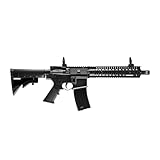
- ARS Mark9.0
ARS Mark is a ranking system developed by bestairriflescopes.com. ARS Mark has no relationship or impact from any manufacturers or sales agent websites. Learn more
- BrandCrosman

- ARS Mark8.8
ARS Mark is a ranking system developed by bestairriflescopes.com. ARS Mark has no relationship or impact from any manufacturers or sales agent websites. Learn more
- BrandXINGZHE

- ARS Mark8.8
ARS Mark is a ranking system developed by bestairriflescopes.com. ARS Mark has no relationship or impact from any manufacturers or sales agent websites. Learn more
- BrandCrosman
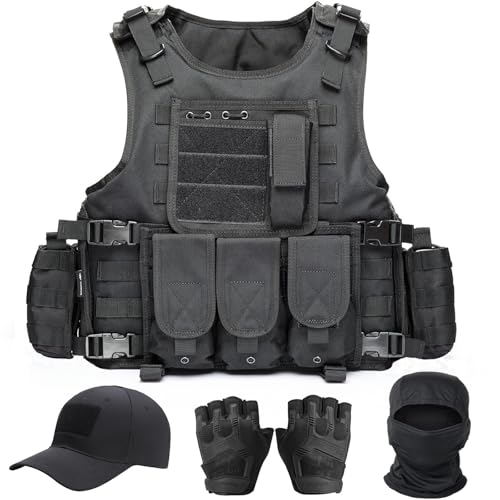
- ARS Mark8.6
ARS Mark is a ranking system developed by bestairriflescopes.com. ARS Mark has no relationship or impact from any manufacturers or sales agent websites. Learn more
- BrandVPZenar

- ARS Mark8.2
ARS Mark is a ranking system developed by bestairriflescopes.com. ARS Mark has no relationship or impact from any manufacturers or sales agent websites. Learn more
- BrandASG ACTIONSPORTGAMES A/S

- ARS Mark8.2
ARS Mark is a ranking system developed by bestairriflescopes.com. ARS Mark has no relationship or impact from any manufacturers or sales agent websites. Learn more
- BrandLancer Tactical

- ARS Mark8.0
ARS Mark is a ranking system developed by bestairriflescopes.com. ARS Mark has no relationship or impact from any manufacturers or sales agent websites. Learn more
- BrandGuyuyii
- ARS Mark7.6
ARS Mark is a ranking system developed by bestairriflescopes.com. ARS Mark has no relationship or impact from any manufacturers or sales agent websites. Learn more
- BrandGame Face

- ARS Mark7.0
ARS Mark is a ranking system developed by bestairriflescopes.com. ARS Mark has no relationship or impact from any manufacturers or sales agent websites. Learn more
- BrandVelocity Airsoft

- ARS Mark7.0
ARS Mark is a ranking system developed by bestairriflescopes.com. ARS Mark has no relationship or impact from any manufacturers or sales agent websites. Learn more
- BrandBBTac
Last update on 2026-05-30 / Affiliate links / Images, Product Titles, and Product Highlights from Amazon Product Advertising API
How Much Do Airsoft Guns Cost
Sticker shock hits fast once you start browsing airsoft gear. One search shows a rifle cheaper than a dinner date, while another setup costs as much as a decent laptop. That huge spread leaves plenty of people wondering whether cheaper models are secretly fine or if expensive builds actually deliver something meaningful. How Much Do Airsoft Guns Cost depends heavily on durability, internal parts, intended use, and the extra gear most people forget to budget for until checkout gets ugly.
Cheap Airsoft Guns And Hidden Tradeoffs
Budget airsoft guns usually land between $20 and $80, and honestly, some of them look surprisingly convincing online. The problem starts after a few sessions. Weak plastic gearboxes, loose hop-up systems, and inconsistent feeding can turn a fun afternoon into constant troubleshooting. Low-cost internals often wear out quickly once heavier gameplay enters the picture.
Spring pistols dominate the cheaper end of the market because they cost less to manufacture and don't need batteries or gas. Backyard shooting works fine with those setups, especially for casual use. Still, repeated manual cocking gets old fast during longer sessions. Players expecting quick follow-up shots usually feel disappointed once the novelty fades.
Cheap electric rifles exist too, though corners usually get cut somewhere. Battery life may struggle, wiring can feel flimsy, and magazine compatibility sometimes becomes a headache. A rifle that constantly jams during matches creates more frustration than excitement. Reliability problems quietly ruin the experience faster than weak power ever could.
That said, not every affordable airsoft gun deserves criticism. Some entry-level brands manage decent consistency for recreational use if expectations stay realistic. Light backyard target shooting and occasional indoor games don't demand elite internals. Smart buyers focus on replacement part availability and magazine compatibility instead of flashy marketing photos.
Mid Range Airsoft Guns Feel Different Fast
The jump from entry-level rifles to mid-range platforms feels noticeable almost immediately. Trigger response tightens up, shots become more consistent, and feeding problems usually calm down. Rifles between $120 and $250 often hit the balance many players actually need. Better materials and sturdier internals reduce constant repair headaches.
Metal outer barrels, reinforced gearboxes, and improved hop-up chambers help these rifles survive regular field use. Players moving from cheap spring rifles usually notice cleaner accuracy and smoother handling right away. Consistency during extended matches becomes a major selling point in this price range. Nobody enjoys walking off the field because a gearbox cracked halfway through the day.
Battery performance also improves once you leave bargain-bin setups behind. Mid-range AEGs usually support better lithium batteries, giving faster trigger response and steadier firing cycles. That smoother shooting rhythm matters more than many newcomers expect. Small performance upgrades create a noticeably more enjoyable experience over time.
Some buyers skip this price range entirely and chase expensive rifles immediately. That approach sounds tempting, though it isn't always necessary. Plenty of mid-tier guns already provide reliable performance for indoor CQB fields and outdoor woodland games alike. Balanced value matters far more than simply buying the most expensive rifle available.
Why Premium Airsoft Guns Cost More
Premium airsoft rifles can stretch well past $400, and certain custom builds push even higher. Those prices aren't only about appearance. Better compression parts, reinforced internals, upgraded MOSFET systems, and tighter tolerances all contribute to smoother long-term performance. Serious players usually prioritize durability under stress instead of flashy externals alone.
Higher-end builds often arrive pre-upgraded from the factory. Stronger motors, improved buckings, and more stable barrels create cleaner shot consistency across longer distances. Outdoor players especially notice the difference during larger field games where range and accuracy matter. A rifle that shoots consistently at distance saves plenty of frustration.
Weight becomes another factor once metal-bodied rifles enter the mix. Realism feels fantastic at first, though carrying heavy rifles through six-hour events can become exhausting. Some players eventually shift back toward lightweight polymer builds simply because mobility matters more than realism. Comfort during movement changes how enjoyable long games actually feel.
Maintenance costs deserve attention too. Premium rifles still require cleaning, occasional repairs, and replacement components after heavy use. Expensive gear doesn't magically eliminate upkeep. It usually handles stress better, but regular maintenance still separates reliable rifles from expensive wall decorations.
Gas Blowback Pistols Add Ongoing Costs
Gas blowback pistols attract attention because they feel realistic and satisfying to shoot. Recoil movement, metal slides, and crisp cycling create an experience electric pistols rarely match. Then winter arrives, temperatures drop, and performance suddenly becomes inconsistent. Cold weather sensitivity frustrates plenty of gas pistol owners every year.
Green gas and CO2 purchases add recurring expenses many beginners overlook initially. One pistol may seem affordable at checkout, but ongoing gas costs slowly pile up over time. Magazines also cost more than standard AEG mags, especially for realistic blowback platforms. Fully loaded setups become expensive surprisingly fast.
Maintenance routines matter more with gas systems too. Seals dry out, lubrication becomes necessary, and leaks occasionally appear after extended storage. Players willing to maintain their pistols properly usually enjoy solid reliability. Neglecting routine care creates performance issues that feel annoying rather than catastrophic.
Still, gas pistols remain popular because shooting them feels genuinely fun. Recoil feedback creates a satisfying rhythm electric platforms often lack. Indoor CQB players especially appreciate their responsiveness and compact handling. Realistic operation keeps gas blowback systems attractive despite the added maintenance and fuel costs.
Outdoor Fields Usually Increase Spending
Outdoor airsoft games tend to push equipment harder than smaller indoor arenas. Longer engagement distances demand better accuracy, stronger batteries, and more durable gear. Cheap rifles that survive backyard plinking may struggle badly during all-day woodland events. Field durability becomes far more important once mud, rain, and rough terrain enter the picture.
Outdoor players often upgrade optics, slings, chest rigs, hydration systems, and spare magazines faster than expected. Suddenly, the rifle itself becomes only part of the total investment. Spending patterns shift toward comfort and reliability during extended movement. Carrying uncomfortable gear across uneven terrain gets old in a hurry.
Battery management matters more outdoors as well. Large fields usually mean longer matches with fewer breaks between rounds. Weak batteries drain faster during aggressive play styles, especially with upgraded internals. Reliable power delivery keeps rifles responsive throughout the day instead of fading halfway through an event.
Many experienced players eventually develop separate indoor and outdoor setups because one rifle rarely excels everywhere. CQB rifles prioritize compact handling while outdoor builds often focus on range and stability. Explore practical outdoor loadout ideas through beginner recurve bow archery discussions that highlight how equipment balance affects mobility during longer sessions. Environment-specific setups usually deliver smoother gameplay than forcing one rifle into every situation.
Protective Gear Changes The Real Budget
Airsoft spending doesn't stop once the gun arrives at your doorstep. Eye protection alone deserves serious attention because cheap goggles fog constantly or fit poorly during movement. Nobody enjoys pausing every few minutes just to wipe lenses clean. Reliable face protection affects comfort almost as much as the rifle itself.
Masks, gloves, boots, and knee protection also influence the overall experience more than beginners expect. Outdoor fields with rocky terrain punish weak footwear quickly. Sliding behind cover without gloves can leave hands scraped and sore after a single event. Small gear upgrades create huge comfort improvements during longer matches.
BB quality matters too, surprisingly enough. Cheap BBs sometimes crack, jam barrels, or feed inconsistently through magazines. Spending slightly more on polished, seamless ammunition often improves consistency immediately. Better BBs protect internal components while improving shot stability.
Hydration gear enters the conversation during summer events as well. Long outdoor games become miserable once dehydration kicks in halfway through the day. Players focused entirely on rifle upgrades sometimes ignore physical comfort until fatigue ruins performance. Basic field comfort affects gameplay far more than social media highlight clips usually show.
Upgrades Can Cost More Than The Rifle
Lots of players buy a decent rifle, promise themselves they'll leave it stock, then start upgrading within weeks anyway. Better motors, tighter barrels, improved buckings, and upgraded gears quickly turn into a rabbit hole. One modification leads directly into another. Suddenly the upgrade budget surpasses the rifle's original cost.
Not every upgrade improves performance equally, though. Tight bore barrels may help consistency, but poor compression parts can still limit range and efficiency. Smart upgrades focus on solving actual problems instead of blindly replacing random components. Balanced internal tuning matters more than stacking expensive parts together.
DIY upgrades sound appealing until gearbox disassembly enters the picture. Tiny springs, fragile wiring, and alignment issues frustrate plenty of first-time tech enthusiasts. One small mistake can create feeding issues or electrical problems instantly. Many players eventually pay experienced technicians for complicated builds.
Competitive players often chase faster trigger response and improved consistency because milliseconds genuinely matter during aggressive CQB matches. Outdoor players usually prioritize accuracy and air seal efficiency instead. Compare equipment handling discussions inside trigger release bow hunting setups where precision and consistency influence long-session performance. Play style priorities shape upgrade choices more than hype videos ever will.
Used Airsoft Guns Save Money Sometimes
Buying used airsoft guns can cut costs dramatically if the seller maintains their equipment properly. Plenty of experienced players rotate gear constantly and sell functional rifles at reasonable prices. Good deals absolutely exist. Still, hidden problems occasionally follow poorly maintained builds.
Internal wear doesn't always show up in photos. Gearbox stress, stripped piston teeth, weak compression, or damaged wiring can stay hidden until the rifle reaches the field. Asking detailed questions helps reduce surprises later. Maintenance history matters far more than cosmetic appearance.
Used gas pistols require extra caution because seals and magazines wear differently depending on storage habits. A pistol sitting unused for years may develop leaks despite looking clean externally. Replacement parts solve many problems, though repair costs can stack up quickly. Cheap used deals sometimes become expensive restoration projects.
Local field communities usually provide safer secondhand opportunities than anonymous online marketplaces. Players who regularly attend events often share honest feedback about equipment condition and reliability. That community trust helps buyers avoid obvious disasters. Transparent seller communication reduces a lot of unnecessary risk.
Real Airsoft Gun Costs Beyond The Price Tag
Most people think the spending stops after buying the rifle. Then the extra costs start stacking up from every direction. Batteries fail earlier than expected, cheap chargers overheat, magazines refuse to feed properly, and low-grade BBs suddenly become the reason shots curve into nowhere. Real airsoft expenses usually grow from the supporting gear surrounding the rifle rather than the gun alone.
Battery Quality Changes Daily Performance
Weak batteries create problems that show up at the worst possible moments. Trigger response slows down, semi-auto shots feel sluggish, and some rifles stop cycling consistently during intense matches. A better lithium battery usually improves performance immediately without touching the gearbox. Stable power delivery matters far more than flashy cosmetic upgrades.
Cheap chargers deserve caution too. Overcharging damages battery lifespan surprisingly fast, especially with LiPo setups. Smart chargers cost more upfront, though they help prevent swollen batteries and charging issues later. Spending slightly more on safe charging equipment saves frustration and replacement costs over time.
Battery storage habits also affect long-term reliability. Tossing fully charged LiPos into a closet for months often leads to degraded performance later. Storage voltage settings help batteries last longer while keeping them safer during downtime. Small maintenance habits quietly protect expensive equipment.
Outdoor players usually carry spare batteries because larger fields drain power faster than compact indoor arenas. Heavy trigger use, cold weather, and upgraded internals all increase battery demand. Explore practical field preparation ideas through best deer attractant bow season discussions that also highlight how preparation affects long outdoor sessions. Reliable backup power prevents frustrating mid-game shutdowns.
Magazine Costs Add Up Fast
One magazine rarely feels like enough after the first serious match. Players quickly realize reload speed matters once firefights become chaotic. Extra magazines improve flexibility, but quality differences between brands become obvious fast. Cheap magazines sometimes wobble, misfeed, or fail to seat correctly during movement.
Mid-cap magazines remain popular because they feed consistently without the loud rattling common in high-cap mags. That quieter movement helps during woodland games where noise discipline matters more. Still, mid-caps require speed loaders and occasional maintenance. Feeding reliability usually outweighs convenience once gameplay becomes more competitive.
Gas pistol magazines hit the wallet even harder. Metal construction, gas reservoirs, and seal maintenance all raise costs significantly. One gas blowback pistol setup with several spare mags can rival the price of an entry-level rifle package. Players chasing realism often accept that tradeoff willingly.
Storage and transport matter too. Tossing loaded magazines loosely into bags increases wear and dirt buildup over time. Dedicated pouches and proper organization help protect feeding lips and seals during travel. Magazine care often determines whether reloads stay smooth during stressful moments.
Indoor CQB Changes Spending Priorities
Indoor CQB fields shift equipment priorities in ways many beginners don't expect. Long rifles become awkward inside tight hallways, while compact SMGs and pistols suddenly feel much more practical. Lightweight setups improve corner movement and reaction speed during close encounters. Fast handling usually matters more indoors than long-range accuracy.
Tracer units and glow BBs also become more common in indoor environments. Watching glowing BB trails zip across dark arenas adds excitement, though the added equipment increases overall spending. Tracer magazines and rechargeable units create another layer of accessories many players eventually want. Indoor setups often evolve faster than planned.
Protective gear changes indoors too. Full-face masks gain popularity because close-range hits feel sharper and arrive faster. Fogging problems become especially annoying in crowded indoor arenas with poor airflow. Better anti-fog solutions quickly move from optional luxury to everyday necessity.
Weapon lights and red dots frequently appear in CQB loadouts because target acquisition happens quickly inside confined spaces. Explore optic setup ideas through best red dot sight ruger discussions that focus on quicker visual alignment during fast-paced movement. Compact visibility upgrades often improve confidence more than raw power upgrades indoors.
Rental Gear Versus Buying Your Own
Rental gear offers a cheaper entry point at first, especially for people testing whether airsoft actually fits their interests. Field rental rifles usually function well enough for casual games, though heavy use often leaves them feeling worn down. Loose stocks, weak batteries, and inconsistent hop-up performance appear fairly often. Rental limitations become easier to notice after a few sessions.
Owning personal equipment changes comfort and consistency dramatically. Familiar controls, reliable batteries, and properly adjusted optics help gameplay feel smoother and less stressful. Players stop fighting against unfamiliar gear and focus more on movement and strategy. That comfort factor matters more than social media hype sometimes suggests.
Maintenance responsibility increases once personal equipment enters the picture. Cleaning barrels, checking batteries, lubricating gas seals, and inspecting wiring become regular habits. Neglect builds problems slowly until reliability starts slipping during matches. Consistent care usually keeps rifles performing longer without expensive repairs.
Some players intentionally stay with rental gear because they only attend a few events each year. That approach honestly makes financial sense for occasional participation. Buying expensive gear for rare use often leads to equipment collecting dust between games. Frequency of play should influence spending decisions more than impulse buying.
Cheap BBs Create Expensive Problems
Low-quality BBs seem harmless until internal damage starts appearing. Poorly polished BBs sometimes crack, deform, or jam inside hop-up units and barrels. Those feeding problems create inconsistent accuracy and unnecessary wear. BB consistency affects rifle reliability more than many newcomers realize.
Heavier BB weights usually improve outdoor stability because lighter rounds drift more in wind. Indoor players often stick with lighter weights for faster movement and lower costs. Outdoor woodland games typically benefit from slightly heavier ammunition that holds a straighter flight path. Ammo selection changes based on environment rather than hype alone.
Biodegradable BBs become mandatory at many outdoor fields, especially locations focused on environmental cleanup. Those BBs cost more than standard plastic rounds, though field compliance leaves little choice. Cheap biodegradable BBs occasionally swell in humid environments too. Proper storage becomes important during wet seasons.
Large bags of BBs may look like bargains initially, but quality matters more than sheer quantity. One jammed barrel during a heated match ruins the mood quickly. Experienced players often settle into a specific BB brand after testing several options. Reliable ammunition quietly improves the entire shooting experience.
Repair Costs Surprise New Players
Airsoft rifles take abuse during active gameplay. Drops, rough terrain, moisture exposure, and aggressive firing cycles eventually stress internal components. Gearbox repairs rarely appear in beginner budgets at first. Then a stripped piston or damaged wiring suddenly forces unexpected spending.
Professional tech services cost money, especially for complicated gearbox builds or electrical issues. Some repairs stay simple enough for home maintenance, while others demand specialized tools and experience. Opening a gearbox without preparation often creates bigger problems accidentally. Technical repair knowledge develops slowly over time.
Replacement parts vary wildly in price depending on brand and compatibility. Some rifles accept common aftermarket components easily, while others use proprietary systems that limit upgrade choices. Buying rare replacement parts becomes frustrating fast. Researching compatibility before purchasing a rifle saves plenty of future stress.
Weather exposure speeds up wear as well. Rain, dirt, and humidity gradually affect wiring, bearings, and external hardware if rifles aren't cleaned properly afterward. Players who maintain their gear consistently usually avoid major failures longer. Preventive maintenance costs far less than emergency repairs after a major breakdown.
Airsoft Spending Gets Personal Quickly
One player's ideal setup may feel completely wrong for someone else. Lightweight speedsoft builds prioritize movement and rapid firing, while milsim players often prefer realism and heavier equipment. Spending patterns shift depending on personal preferences and field style. Individual comfort influences gear satisfaction more than raw price tags.
Some players happily run stock rifles for years because reliability matters more than customization. Others constantly swap parts searching for tighter accuracy or faster trigger response. Neither approach is automatically better. Different priorities create different spending habits across the hobby.
Impulse purchases usually create the most regret. Buying gear based purely on appearance or influencer hype often leads to disappointment later. Smart buyers focus on field requirements, repair support, and long-term comfort first. Practical decisions typically hold value longer than trendy accessories.
Airsoft costs rarely stay static because interests evolve naturally over time. A basic starter rifle may eventually turn into a heavily upgraded outdoor build with optics, slings, and specialized internals. Then again, some players realize simple setups already cover everything they actually enjoy. Long-term satisfaction usually comes from balanced gear choices instead of chasing the highest price tag available.


12 Best 22 Pcp Air Rifle For Hunting of 2026 With Quiet Power

7 Best 22 Pcp Air Rifle Under 300 of 2026 For Backyard Pest Control

10 Best 22 Break Barrel Air Rifles of 2026 For Backyard Pest Control

10 Best 30 Caliber Pcp Air Rifle of 2026 For Medium Game

Top Best 177 Air Rifle Under 100: Budget-Friendly Picks for 2026

How to Safely Reload Shotgun Shells at Home

11 Best Co2 Air Rifle For Pest Control of 2026 To Ensure Humane Dispatch

12 Best Inexpensive Air Rifles of 2026 For Dependable Backyard Accuracy






