
How Much Does a Bow and Arrow Cost Today?

How much does a bow and arrow cost sounds like a simple question at first glance, but wow, the answer can swing wildly depending on what lands in your hands. A basic recurve setup may stay fairly affordable, while a modern compound bow loaded with accessories can climb fast once sights, stabilizers, releases, and upgraded arrows enter the mix. Plenty of people get sticker shock after realizing the bow itself is only part of the overall setup. That surprise hits hard, especially after spotting flashy online prices that leave out the gear actually needed to shoot comfortably.
Budget setups often appeal to beginners because they keep the entry point manageable. Still, cheaper equipment sometimes brings tradeoffs that aren't obvious right away. Rough draw cycles, inconsistent arrows, or uncomfortable grips can turn target practice into a frustrating afternoon. A slightly higher investment in durability, smoother draw weight adjustment, and better arrow consistency usually creates a much more enjoyable experience from day one.
Compound bows usually sit at the higher end of the pricing ladder because of their cams, tuning requirements, and accessory compatibility. Recurve bows, on the other hand, can stay refreshingly straightforward. Traditional longbows also attract attention for their simplicity and old-school feel, though handcrafted versions can become surprisingly expensive. Funny enough, some minimalist setups cost more than highly accessorized modern bows because craftsmanship and premium wood materials push prices upward.
Arrow costs deserve attention too, and honestly, that's where many people underestimate long-term spending. Carbon arrows typically cost more than fiberglass or aluminum, but they hold up better under regular use and maintain straighter flight. Broadheads, field points, arrow rests, targets, and replacement strings slowly add to the bill over time. Little by little, those “small extras” start stacking up like grocery items tossed into a cart without thinking twice.
Used equipment can save serious money, though it comes with risks. Older compound bows may need restringing or tuning, and hidden limb damage isn't always visible in online photos. Buying from a reputable archery shop often provides more confidence because technicians can help with sizing, adjustments, and safe setup. That support matters more than people expect, especially once draw length and comfort become part of the equation.
How much does a bow and arrow cost also depends on how often the gear will actually get used. Someone shooting occasionally in the backyard may feel perfectly happy with a modest setup, while regular range sessions usually justify stronger materials and more refined performance. Spending wisely isn't about grabbing the most expensive bow on the shelf. It's about balancing comfort, consistency, and reliability without getting sucked into unnecessary upgrades that sound impressive but rarely improve real-world shooting.

- ARS Mark9.6
ARS Mark is a ranking system developed by bestairriflescopes.com. ARS Mark has no relationship or impact from any manufacturers or sales agent websites. Learn more
- BrandGENESIS
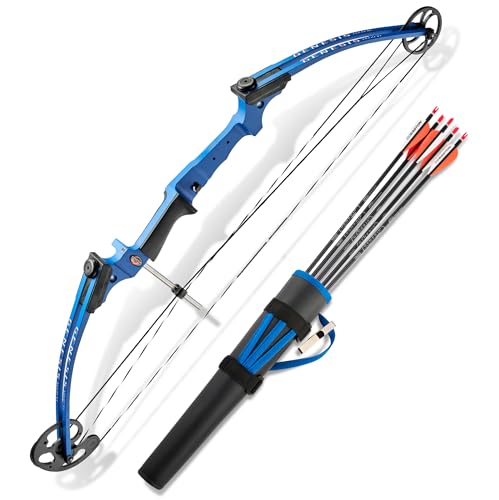
- ARS Mark9.6
ARS Mark is a ranking system developed by bestairriflescopes.com. ARS Mark has no relationship or impact from any manufacturers or sales agent websites. Learn more
- BrandGENESIS
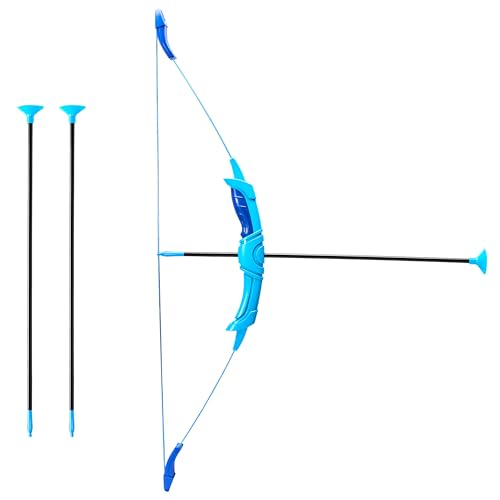
- ARS Mark9.2
ARS Mark is a ranking system developed by bestairriflescopes.com. ARS Mark has no relationship or impact from any manufacturers or sales agent websites. Learn more
- BrandFranklin Sports

- ARS Mark9.2
ARS Mark is a ranking system developed by bestairriflescopes.com. ARS Mark has no relationship or impact from any manufacturers or sales agent websites. Learn more
- BrandTIGER ARCHERY
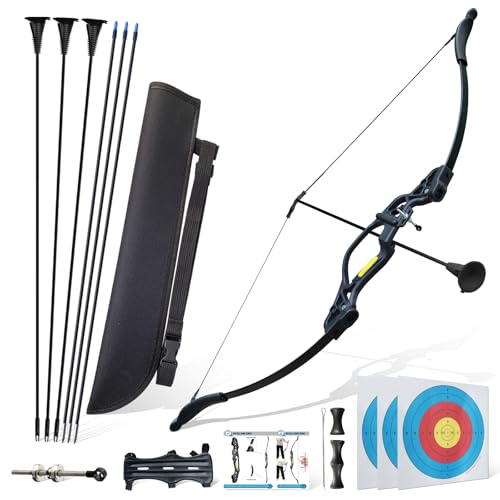
- ARS Mark9.0
ARS Mark is a ranking system developed by bestairriflescopes.com. ARS Mark has no relationship or impact from any manufacturers or sales agent websites. Learn more
- BrandIS-TONGTU

- ARS Mark8.8
ARS Mark is a ranking system developed by bestairriflescopes.com. ARS Mark has no relationship or impact from any manufacturers or sales agent websites. Learn more
- BrandJOYIN
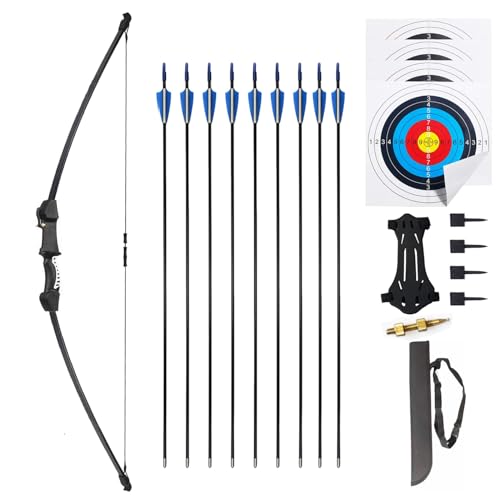
- ARS Mark8.8
ARS Mark is a ranking system developed by bestairriflescopes.com. ARS Mark has no relationship or impact from any manufacturers or sales agent websites. Learn more
- BrandMxessua

- ARS Mark8.6
ARS Mark is a ranking system developed by bestairriflescopes.com. ARS Mark has no relationship or impact from any manufacturers or sales agent websites. Learn more
- BrandIS-TONGTU

- ARS Mark8.4
ARS Mark is a ranking system developed by bestairriflescopes.com. ARS Mark has no relationship or impact from any manufacturers or sales agent websites. Learn more
- BrandLWANO
Last update on 2026-05-31 / Affiliate links / Images, Product Titles, and Product Highlights from Amazon Product Advertising API
How Much Does A Bow And Arrow Cost
Sticker shock hits fast once archery gear starts piling into the cart. A bow alone might seem manageable at first, but arrows, targets, arm guards, releases, and tuning tools quietly push the budget higher than expected. Plenty of people walk into the sport thinking a basic setup covers everything, only to realize comfort and consistency depend heavily on the supporting gear. That’s exactly why how much does a bow and arrow cost keeps turning into a bigger conversation than most expect.
Starter Bow Prices Feel All Over The Place
Cheap beginner kits flood online stores, and honestly, some of them create more frustration than excitement. Weak strings, rattling arrow rests, and stiff draw cycles can make practice sessions feel clumsy after only a few shots. A basic recurve setup may start around a modest price point, but the quality difference between entry-level and slightly upgraded models becomes obvious pretty quickly. Better limb construction and smoother grip design usually improve comfort, accuracy, and long-term reliability.
Compound bows push prices upward faster because of their mechanical parts and tuning complexity. Cams, cables, peep sights, stabilizers, and release aids all add cost before the first arrow even leaves the string. Some hunters willingly pay more because a smoother draw cycle and higher arrow speed reduce fatigue during long shooting days. Others realize later that they spent heavily on features they barely use during casual target practice.
Traditional bows hold a completely different appeal. Simple longbows and wooden recurves often attract people who want a quieter, stripped-back shooting experience without the gadget-heavy feel of modern compounds. Handmade models crafted from premium woods can become surprisingly expensive though, especially once craftsmanship and custom sizing enter the picture. Explore durable limb materials through best wood for bow limbs if natural bow construction catches your attention.
Used gear sometimes saves serious money, but there’s always a gamble attached. Cracked limbs, stretched strings, or poorly maintained cams may not show clearly in listing photos. Archery shops usually inspect equipment before resale, which adds peace of mind for people nervous about buying secondhand. Spending slightly more upfront on reliable equipment often prevents expensive repairs later.
Arrow Costs Sneak Up Faster Than Expected
Arrows rarely get enough attention during early budgeting conversations. Most newcomers focus entirely on the bow itself, then suddenly realize arrows aren’t cheap once replacements become necessary. Carbon arrows generally cost more than fiberglass or aluminum, but they hold alignment better and tolerate repeated shooting with fewer bending issues. That extra durability matters once regular practice becomes part of the weekly routine.
Arrow breakage frustrates almost everyone at some point. Missed targets, rocky terrain, or accidental impacts against hard surfaces can destroy shafts surprisingly fast. Thin carbon arrows often survive better than bargain fiberglass versions, especially for outdoor shooting sessions. Spending slightly more on durable shafts usually saves money over time because replacements happen less often.
Broadheads add another layer of cost for hunting setups. Mechanical broadheads often cost more than fixed-blade options, yet many hunters prefer them because of their wider cutting diameter and flight consistency. Field points stay cheaper for target sessions, but they still wear down with repeated use. Little purchases like extra nocks, vanes, and inserts slowly stack together until the overall budget looks very different from the original plan.
Arrow spine also matters more than many beginners realize. Improperly matched arrows can fly inconsistently, reduce penetration, or create tuning headaches that feel impossible to fix. Archery shops frequently help size arrows based on draw weight and draw length because guessing incorrectly wastes both money and patience. To build confidence before investing heavily, compare beginner-friendly setups through best target bow for beginners.
Bow Accessories Change The Entire Budget
Accessories quietly become the biggest surprise expense for many archers. A bare bow often needs sights, stabilizers, quivers, releases, peep sights, and upgraded strings before it feels complete. Some people happily keep a minimalist setup, while others gradually add gear piece by piece after discovering small comfort improvements. That slippery slope catches almost everyone eventually.
Release aids alone range from very simple wrist straps to precision thumb-trigger models with adjustable tension systems. Casual shooters may feel perfectly fine using an affordable release, but competitive archers often obsess over trigger sensitivity and consistency. Tiny adjustments in release mechanics can noticeably change shot execution. Those details matter more once shooting frequency increases.
Sights also vary wildly in price and purpose. Multi-pin hunting sights focus on quick target acquisition at varying distances, while single-pin adjustable systems prioritize precise yardage control. Tournament shooters sometimes spend heavily on micro-adjustment sights because tiny alignment changes influence scoring accuracy. More expensive gear doesn’t always guarantee better performance though. Comfort and familiarity often beat flashy accessories loaded with unnecessary features.
Targets deserve attention too because poor-quality foam breaks down quickly under repeated use. Broadheads chew through cheap targets especially fast, leaving torn sections that stop arrows inconsistently. Layered foam targets usually last longer, though they cost more upfront. Reliable practice equipment keeps shooting sessions smoother and prevents constant replacement frustration.
Archery Shop Services Add Real Value
Online shopping looks tempting because discounts appear everywhere, but local archery shops provide something harder to measure. Proper bow fitting changes the entire shooting experience. Draw length adjustments, peep sight positioning, and paper tuning all improve consistency in ways beginners rarely anticipate before trying professionally tuned equipment. A poorly fitted bow can feel uncomfortable no matter how expensive it was.
String installation and maintenance also become important over time. Compound bows eventually require restringing because cables stretch and wear after repeated use. Press machines used for compound maintenance cost far too much for occasional shooters, so most people rely on pro shops instead. That service cost becomes part of long-term ownership whether people budget for it initially or not.
Tuning sessions sometimes frustrate newcomers because the process looks deceptively simple online. Tiny changes to rest position, nocking points, or cam timing dramatically affect arrow flight. Experienced technicians usually spot problems quickly, especially issues linked to inconsistent grouping or fishtailing arrows. That expertise saves both time and wasted arrows during troubleshooting.
Good shops also prevent expensive buying mistakes. Plenty of people purchase bows with excessive draw weight because they assume heavier automatically means better. Then shoulder fatigue kicks in halfway through practice. Comfortable shooting form matters far more than ego-driven draw weight numbers. A properly fitted bow encourages longer, more enjoyable practice sessions.
Cheap Bows Often Create Hidden Frustrations
Ultra-cheap bows attract attention because the upfront cost feels low-risk. Then rough edges start appearing after repeated use. Weak hardware loosens, inconsistent strings stretch unevenly, and lower-grade limbs sometimes develop strange vibrations after shooting sessions. Small annoyances eventually chip away at confidence and enjoyment.
Accuracy problems frequently stem from poor manufacturing tolerances rather than user mistakes. Crooked arrow rests, sloppy limb alignment, or unstable sight mounts can make grouping arrows feel impossible even with solid shooting form. Beginners often blame themselves first, which becomes discouraging pretty quickly. Reliable entry-level equipment creates a smoother learning curve and reduces unnecessary frustration.
Comfort also suffers with poorly designed grips and harsh draw cycles. Hands fatigue faster during longer practice sessions, especially on bows lacking proper balance. Smoother draw weight transitions help shooters stay relaxed instead of fighting the bow through every shot. That relaxed form improves accuracy naturally without forcing bad habits.
Replacement parts become another headache for bargain bows. Some off-brand models disappear from the market quickly, leaving owners unable to replace cams, strings, or limb hardware later. Established brands usually maintain better parts availability and warranty support. Long-term reliability matters far more once shooting evolves from occasional curiosity into a consistent hobby.
Hunting Setups Cost More Than Target Gear
Bowhunters usually spend more because hunting conditions demand tougher equipment and additional accessories. Weather-resistant strings, broadheads, scent-resistant storage, and rugged arrow construction all add to the total cost. Tree stand hunters also invest in harnesses, rangefinders, and hauling systems that casual target shooters never need. Those expenses pile up quietly over time.
Camouflage patterns and compact bow dimensions often increase price tags too. Hunters value maneuverability inside blinds or wooded areas where oversized setups become awkward. Short axle-to-axle compounds remain popular for that reason, though smaller bows sometimes feel less forgiving for beginners. Tradeoffs appear everywhere in archery equipment.
Broadheads create recurring expenses every season because blades dull quickly after impact. Some hunters replace them frequently to maintain reliable penetration and flight performance. Fixed-blade heads usually stay cheaper than mechanical versions, though tuning them sometimes requires extra patience. That balance between affordability and convenience shapes many buying decisions.
Outdoor practice also increases arrow wear significantly. Dirt impacts, wet conditions, and missed shots against rocks or roots shorten arrow lifespan much faster than indoor range shooting. Hunting setups naturally demand stronger components because rough terrain punishes fragile gear quickly. Explore outdoor preparation techniques through how to start trapping if backcountry hunting and survival skills overlap with your interests.
Real Cost Of Owning A Bow And Arrow Setup
Most people stop calculating after the bow purchase, then reality sneaks in later through replacement arrows, upgraded sights, range fees, and worn strings. That slow buildup catches plenty of archers off guard because the hobby rarely stays “basic” for very long. A setup that felt affordable during the first week can gradually turn into a much larger investment once comfort and consistency start mattering more. The real story behind how much does a bow and arrow cost usually appears months after the original purchase.
Practice Habits Affect Long Term Spending
Someone shooting once every few weeks won’t burn through equipment nearly as fast as a regular range shooter. Frequent practice naturally wears strings, targets, vanes, and nocks much faster than occasional backyard sessions. That doesn’t mean heavy practice is bad though. Better repetition usually improves accuracy and confidence far quicker than constantly switching gear while barely shooting.
Indoor ranges often reduce equipment wear because arrows land in softer targets and avoid rough outdoor terrain. Outdoor shooting creates different challenges entirely. Mud, rocks, wet grass, and uneven footing increase the chances of bent arrows or damaged fletching. Those small repair costs slowly pile up over time.
Travel also changes spending habits. Long-distance archery tournaments or hunting trips often require hard bow cases, backup strings, portable targets, and maintenance tools. Airline travel especially becomes annoying because protecting compound bows during transport takes extra planning. Cheap soft cases may save money initially, but cracked sights and damaged cams create much bigger repair bills later.
Young shooters sometimes outgrow equipment surprisingly fast too. Adjustable bows help reduce replacement costs because draw weight and draw length can change gradually without requiring an entirely new setup. Explore compact beginner-friendly hunting setups through best youth bow for hunting if long-term flexibility matters more than aggressive performance specs.
Used Archery Gear Can Save Money Carefully
Secondhand equipment attracts plenty of attention because some archery gear holds up extremely well over time. A properly maintained recurve bow may stay reliable for years without major issues. Compound bows require closer inspection though because hidden cam wear or cable stretch can create expensive problems later. Buying blindly from random marketplace listings sometimes turns into a frustrating gamble.
Inspection matters far more than cosmetic appearance. Tiny limb cracks near mounting bolts often signal serious structural weakness even if the rest of the bow looks clean. Frayed serving material around cams also hints at future restringing costs. Experienced archers usually check draw cycle smoothness carefully because jerky movement often reveals tuning or cam alignment issues.
Arrow condition deserves equal attention during used purchases. Bent aluminum shafts or damaged carbon arrows become safety risks rather than simple cosmetic flaws. Tiny cracks around inserts sometimes stay invisible until impact stress causes the shaft to fail completely. That’s why many archers prefer buying fresh arrows even while saving money elsewhere.
Local shops occasionally offer trade-in programs that create safer secondhand opportunities. Technicians usually inspect those bows before resale, which lowers the risk of major hidden damage. Spending slightly more through reputable shops often saves frustration compared to chasing the cheapest online deal possible. Reliable setup support matters heavily during the first few months of ownership.
Cheap Accessories Usually Show Their Weakness Fast
Budget accessories often feel acceptable during the first few shooting sessions. Then annoying little problems begin creeping in. Loose mounting screws, shaky sight pins, and stiff release triggers slowly chip away at shooting consistency. Those frustrations become exhausting after enough practice sessions.
Arrow rests create one of the biggest differences between bargain gear and better-built equipment. Inconsistent launcher movement or weak containment arms can throw off arrow flight badly enough to ruin confidence. Drop-away rests with smoother mechanics generally improve reliability, especially for hunting setups. That improvement feels obvious once tighter groupings start appearing downrange.
Peep sights also wear differently depending on material quality. Cheap tubing and rubber components tend to crack faster during hot weather or repeated use. Replacing tiny parts repeatedly becomes more irritating than simply investing in sturdier components upfront. Durable accessories reduce maintenance headaches and keep practice sessions smoother overall.
Release aids follow the same pattern. Lower-priced models may develop trigger creep or inconsistent tension after extended use. Thumb-button releases with adjustable travel often feel more controlled during longer shooting sessions, though they usually cost more initially. Consistency matters heavily because tiny release variations influence accuracy more than many newcomers expect.
Bow Type Changes The Entire Budget Strategy
Traditional archery usually starts simpler but can become expensive through handcrafted equipment and custom arrows. Recurve shooters often appreciate the lower maintenance requirements because there are fewer moving parts involved. Compound bows demand more tuning attention, yet many people prefer the reduced holding weight and faster arrow speeds. Both paths carry very different ownership costs over time.
Olympic-style recurves create another financial category entirely. Adjustable risers, stabilizer systems, clickers, and precision sights raise costs steadily as skill improves. Competitive shooters frequently upgrade individual components piece by piece rather than replacing the entire setup at once. That gradual upgrade path feels manageable for some people and exhausting for others.
Longbows appeal to archers who prefer simplicity and instinctive shooting. Fewer accessories keep the setup visually clean and mechanically straightforward. Still, handcrafted wooden bows can become extremely expensive depending on exotic materials and custom shaping work. Craftsmanship often drives pricing more than raw shooting performance.
Crossbows introduce another layer of cost because of scopes, cocking systems, and heavier bolt construction. Some hunters appreciate their compact aiming style and easier holding position during long waits. Others dislike the added weight and maintenance complexity. Archery equipment rarely fits every situation equally well, which explains why costs vary so dramatically across different setups.
Range Memberships And Practice Costs Add Up
Public ranges sometimes stay affordable, but regular shooters often move toward private memberships for cleaner facilities and better shooting conditions. Indoor climate-controlled ranges reduce weather interruptions and protect equipment from rough outdoor environments. Those memberships may feel expensive initially, yet frequent shooters usually appreciate the convenience quickly.
Target replacement becomes another hidden expense for home practice setups. Broadheads destroy foam targets far faster than standard field points, especially during repeated sessions. Layered foam construction generally lasts longer, though dense targets often cost noticeably more upfront. Durable targets reduce constant replacement frustration.
Paper tuning stations, chronographs, and portable stands also tempt serious shooters after a while. None of those items feel necessary during the first few weeks, but curiosity tends to grow once consistency becomes part of the goal. Small purchases scattered across several months quietly reshape the original budget.
Practice frequency affects physical fatigue too. Overly heavy draw weights often shorten practice sessions because shoulders and forearms tire out quickly. Moderate draw weights encourage longer shooting sessions and steadier form development. Comfort usually creates more progress than chasing aggressive poundage numbers.
Alternative Outdoor Gear Creates Cost Comparisons
Archery enthusiasts sometimes compare bow costs against firearms or air rifles before committing fully to the hobby. Surprisingly, a heavily accessorized compound setup can rival the price of some hunting rifle packages once optics and accessories enter the equation. Compare entry-level outdoor equipment pricing through best air rifles under 300 if budget comparisons between shooting sports matter during early research.
Ammo expenses shift differently across sports too. Arrows cost more individually than pellets or basic ammunition, but reusable arrows offset some long-term expenses if they remain undamaged. Broken shafts and damaged broadheads still create replacement costs though, especially during outdoor shooting.
Storage requirements also vary heavily. Compound bows require careful handling to protect cams and strings from unnecessary stress during transport. Rifles and airguns create different maintenance concerns entirely. Every outdoor hobby carries tradeoffs between performance, upkeep, and long-term spending.
People chasing the absolute cheapest path into shooting sports sometimes underestimate the value of enjoyment and comfort. Gear that feels frustrating rarely gets used consistently. Reliable archery equipment with balanced draw weight, durable arrows, and properly fitted accessories usually keeps people practicing longer without feeling discouraged after every session.
Small Upgrades Change Shooting Experience Dramatically
Many archers start with basic equipment, then slowly improve individual components once weak spots become obvious. A smoother release aid may tighten grouping immediately without replacing the entire bow. Better strings reduce vibration and improve shot consistency noticeably during longer sessions. Tiny upgrades often create bigger improvements than expensive full setup replacements.
Grip comfort also changes shooting confidence more than expected. Poorly shaped grips encourage hand torque, especially during stressful hunting situations or tournament pressure. Simple grip modifications sometimes improve consistency faster than adjusting draw weight or arrow speed. Those subtle changes matter once form becomes more refined.
Stabilizers create another noticeable difference for some setups. Short hunting stabilizers help balance front-heavy bows without creating awkward movement in blinds or wooded terrain. Longer target stabilizers reduce pin movement during aiming but feel cumbersome for mobile outdoor use. Different shooting styles naturally favor different accessory priorities.
Bow ownership becomes easier once expectations stay realistic. Expensive gear alone won’t instantly create tight groupings or smooth shooting form. Consistent practice, comfortable setup adjustments, and durable equipment usually matter far more than chasing every flashy accessory on the shelf. The cost of archery often feels more manageable once spending aligns with actual shooting habits instead of impulse upgrades.


12 Best 22 Pcp Air Rifle For Hunting of 2026 With Quiet Power

7 Best 22 Pcp Air Rifle Under 300 of 2026 For Backyard Pest Control

10 Best 22 Break Barrel Air Rifles of 2026 For Backyard Pest Control

10 Best 30 Caliber Pcp Air Rifle of 2026 For Medium Game

Top Best 177 Air Rifle Under 100: Budget-Friendly Picks for 2026

How to Safely Reload Shotgun Shells at Home

11 Best Co2 Air Rifle For Pest Control of 2026 To Ensure Humane Dispatch

12 Best Inexpensive Air Rifles of 2026 For Dependable Backyard Accuracy






