
How Much Does It Cost To Restring A Bow?

How much does it cost to restring a bow becomes a real question the moment a bowstring starts fraying, stretching unevenly, or making odd noises during a draw. Plenty of people put it off, hoping the string will “hold a little longer,” but that gamble can backfire fast. A worn string doesn’t just hurt accuracy. It can throw off timing, reduce consistency, and in some cases damage cams or limbs if things go sideways. Bow maintenance might not sound exciting, yet ignoring it usually costs more later.
Pricing varies more than most expect. Some shops charge a basic labor fee for simple restringing, while others bundle tuning, peep installation, and timing adjustments into the service. Material quality also changes the final number. Premium synthetic strings built for durability and weather resistance naturally cost more than entry-level replacements, though they often hold their tune longer and reduce headaches during hunting season or target practice. That tradeoff matters because cheap strings sometimes stretch quicker than expected.
Bow type changes everything, too. Compound bows usually require more labor, specialized presses, and detailed tuning compared to traditional recurves or longbows. That extra work pushes prices upward, especially if cams need synchronization afterward. Some archers walk into a shop expecting a quick swap, then get surprised once serving wear, cable damage, or alignment issues show up during inspection. Little problems tend to pile up quietly.
Bowstring maintenance also depends heavily on usage habits. Frequent outdoor exposure, humidity swings, dust, and heat can shorten string life faster than many realize. A bow stored carelessly in a garage or truck bed often needs attention earlier than one kept indoors with proper waxing and protection. Then again, even carefully maintained strings won’t last forever. Repeated draws gradually wear fibers down whether visible damage appears or not.
Some people try the DIY route to save cash, and honestly, that path can work for simpler setups. But compound bows bring enough tension and complexity that mistakes can become expensive in a hurry. Improper installation may affect draw length, cam timing, or overall safety. Paying a qualified technician often saves frustration, wasted arrows, and unnecessary repairs. Nobody enjoys chasing accuracy issues caused by a poorly installed string.
How much does it cost to restring a bow isn’t only about the upfront price tag. The real value comes from reliability, smoother shooting, and confidence every time the bow gets pulled back. A fresh, properly tuned string can make an older bow feel alive again. That difference shows up quickly once arrows start grouping tighter and the draw cycle feels cleaner instead of rough and unpredictable.

- ARS Mark9.6
ARS Mark is a ranking system developed by bestairriflescopes.com. ARS Mark has no relationship or impact from any manufacturers or sales agent websites. Learn more
- BrandBohning
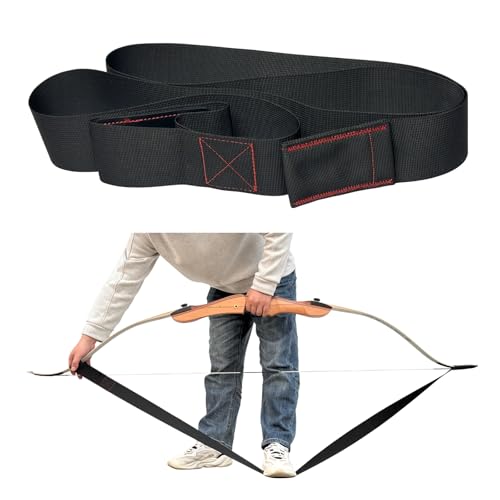
- ARS Mark9.2
ARS Mark is a ranking system developed by bestairriflescopes.com. ARS Mark has no relationship or impact from any manufacturers or sales agent websites. Learn more
- Brand- QI HUO JU -

- ARS Mark9.2
ARS Mark is a ranking system developed by bestairriflescopes.com. ARS Mark has no relationship or impact from any manufacturers or sales agent websites. Learn more
- BrandAHOSOUTLY
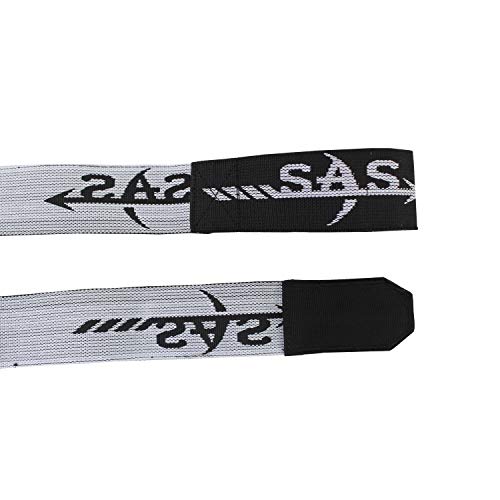
- ARS Mark9.2
ARS Mark is a ranking system developed by bestairriflescopes.com. ARS Mark has no relationship or impact from any manufacturers or sales agent websites. Learn more
- BrandSAS

- ARS Mark9.0
ARS Mark is a ranking system developed by bestairriflescopes.com. ARS Mark has no relationship or impact from any manufacturers or sales agent websites. Learn more
- Brandarrccholiy
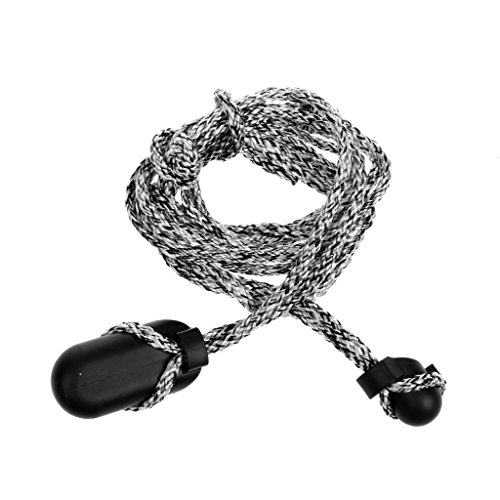
- ARS Mark8.8
ARS Mark is a ranking system developed by bestairriflescopes.com. ARS Mark has no relationship or impact from any manufacturers or sales agent websites. Learn more
- BrandKESHES

- ARS Mark8.8
ARS Mark is a ranking system developed by bestairriflescopes.com. ARS Mark has no relationship or impact from any manufacturers or sales agent websites. Learn more
- BrandMozeat Lens

- ARS Mark8.6
ARS Mark is a ranking system developed by bestairriflescopes.com. ARS Mark has no relationship or impact from any manufacturers or sales agent websites. Learn more
- BrandSOPOGER
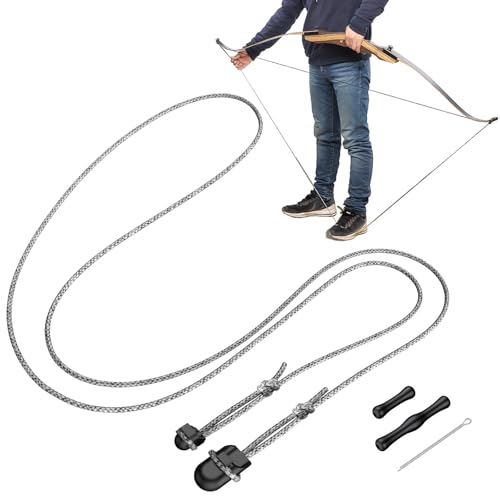
- ARS Mark8.6
ARS Mark is a ranking system developed by bestairriflescopes.com. ARS Mark has no relationship or impact from any manufacturers or sales agent websites. Learn more
- BrandPawfly

- ARS Mark8.6
ARS Mark is a ranking system developed by bestairriflescopes.com. ARS Mark has no relationship or impact from any manufacturers or sales agent websites. Learn more
- BrandAHOSOUTLY
Last update on 2026-05-31 / Affiliate links / Images, Product Titles, and Product Highlights from Amazon Product Advertising API
How Much Does It Cost To Restring A Bow
Nothing throws off a good shooting session faster than a bowstring that suddenly feels rough, noisy, or oddly loose during a draw cycle. Tiny strands start fraying near the serving, shots drift left or right for no clear reason, and confidence disappears faster than expected. That’s usually the moment people start searching for how much does it cost to restring a bow, especially after realizing bowstrings don’t last forever no matter how carefully the setup gets stored. A fresh string can completely change how a bow feels, but the cost depends on far more than just swapping old material for new.
Why Bowstrings Wear Out Faster Than Expected
Heat, humidity, dirt, and repeated tension slowly beat up bowstrings over time. Plenty of archers assume wax alone keeps everything safe indefinitely, but fibers still stretch and weaken after thousands of shots. A bow left in a truck during summer can age quicker than expected because extreme temperatures dry out materials and affect serving tightness. String condition, storage habits, and shooting frequency all influence replacement timing.
Compound bows face extra stress because cams create aggressive tension during every draw cycle. That repeated pressure gradually changes string length and timing, even before visible damage appears. Accuracy problems often start quietly. Arrows group wider, peep rotation feels inconsistent, and the draw cycle loses that smooth pull people get used to. Those small frustrations usually signal deeper wear hiding inside the string fibers.
Outdoor hunting setups tend to wear faster than indoor target bows. Rain, mud, dust, and tree bark contact create more abrasion than controlled range conditions. Cold-weather hunting creates another headache because freezing temperatures can stiffen string material and reduce flexibility during long sits outdoors. Anyone preparing for harsh conditions should compare layered protection options through cold weather bow hunting clothing before late-season hunts begin.
Neglect also sneaks up on people who shoot only occasionally. A bow sitting untouched for months may still develop serving separation or dried-out fibers if storage conditions fluctuate too much. String wax helps reduce friction, yet it doesn’t stop natural aging. Most shop technicians recommend inspecting strings regularly rather than waiting for obvious breakage. Replacing them early usually costs less than repairing damaged cams or limbs later.
Average Cost Range For Bow Restringing
Most bow restringing jobs land somewhere between moderate and surprisingly expensive depending on the setup involved. Traditional recurve bows often stay on the lower end because installation is simpler and tuning requirements remain minimal. Compound bows usually cost more due to labor, press usage, cam timing adjustments, and possible cable replacement. Labor costs, string material, and bow complexity drive most of the final price.
Basic restringing with standard materials might feel affordable at first glance, but premium custom strings raise the bill quickly. Some shooters willingly pay extra for pre-stretched strings because they hold tune longer and reduce peep rotation issues. Others stick with budget-friendly options for casual range sessions. Neither choice is automatically wrong. It depends heavily on how often the bow gets used and what level of consistency matters most.
Local shop pricing varies more than people expect. Smaller pro shops may include tuning services inside the restringing price, while larger retailers sometimes charge separately for every adjustment. A cheap quote doesn’t always save money if the bow still needs extra tuning afterward. Plenty of archers end up paying twice after chasing low upfront pricing without asking what services were actually included.
Shipping also changes the math for people ordering custom strings online. Premium string builders often create durable sets with tighter tolerances, though turnaround times can stretch during hunting season. Some bow owners prefer local installation even if the string itself costs more because immediate tuning support matters. A poorly installed string can turn an accurate bow into a frustrating mess in one afternoon.
What A Shop Usually Includes In The Service
Walking into a bow shop for restringing often involves more than a simple string swap. Most technicians inspect cam timing, axle alignment, serving wear, and limb condition before finishing the job. Some also reset peep sight position and paper-tune the bow afterward to restore consistent arrow flight. Tuning services, safety inspections, and draw adjustments can dramatically improve performance beyond just replacing the string.
Peep sight alignment becomes a common issue after fresh string installation because new strings settle slightly during early use. Shops usually twist the string carefully to straighten the peep during full draw. That process sounds simple, yet improper adjustment creates annoying rotation problems that force shooters to reposition the peep constantly before every shot. Nobody enjoys fighting their equipment during practice.
Some technicians also replace D-loops and inspect release wear while the bow sits in the press. Those small accessories experience friction every session and sometimes fail without warning. Replacing them during restringing saves time and avoids future breakdowns. Little maintenance details matter more than many people realize once hunting season starts getting close.
Warranty support may also influence where people choose to restring their bows. Certain manufacturers recommend certified technicians to avoid accidental damage during servicing. Compound bows hold tremendous tension, and incorrect press usage can crack limbs or derail cams if handled carelessly. Paying for experienced labor often protects the bow itself as much as the new string.
Cheap Strings Versus Premium String Sets
Budget strings can absolutely work for casual shooting, especially for bows that only see occasional weekend use. Still, lower-cost materials tend to stretch more during the break-in period, which means extra tuning adjustments later. Some shooters get frustrated after repeated peep rotation or changing draw length affects accuracy week after week. Material durability, stretch resistance, and consistency separate premium strings from entry-level options.
Premium string sets usually rely on advanced synthetic blends designed to resist creep and weather exposure. That stability matters during long practice sessions or back-to-back hunting trips where reliable tuning becomes critical. Better serving materials also reduce separation around cams and cable slides. The improvement isn’t magic, but experienced shooters often notice smoother draw cycles and quieter shots fairly quickly.
Color customization pushes premium pricing even higher. Some archers love matching strings to limb colors or camouflage setups, while others couldn’t care less about appearance. Performance matters more than aesthetics for most serious shooters. Still, custom builds remain popular because people enjoy personalizing bows they spend years practicing with.
Not every bow needs expensive custom strings, though. Older backup bows or beginner setups may perform perfectly fine with mid-range replacements. Spending aggressively on top-tier materials doesn’t automatically improve shooting form or accuracy overnight. Good tuning and regular maintenance usually matter more than flashy upgrades alone.
Signs Your Bow Needs Immediate Restringing
Fraying near the cams stands out as one of the clearest warning signs. Tiny fuzz patches may look harmless initially, but damaged fibers weaken fast under repeated tension. Ignoring visible wear can eventually cause string failure during a draw, which risks injury and expensive bow damage. Frayed fibers, serving separation, and peep rotation deserve immediate attention.
Changes in sound often appear before obvious visual damage. A bow that suddenly feels louder or develops unusual vibration might have string stretch affecting timing and energy transfer. Plenty of shooters spend weeks blaming arrows or sights before realizing the string itself caused the issue. Strange noises rarely fix themselves.
Serving separation near contact points creates another major red flag. Areas around cams, cable slides, and release points absorb constant friction. Once serving threads loosen or gap apart, internal fibers become exposed to accelerated wear. Shops usually recommend replacement quickly at that stage rather than attempting temporary fixes.
Accuracy inconsistency becomes especially frustrating for experienced archers who know their form hasn’t changed. Tight arrow groups suddenly widen, broadheads stop flying correctly, and tuning adjustments seem useless. Those symptoms often point toward aging strings that no longer hold consistent tension during each shot cycle. A fresh string frequently restores stability faster than endless sight adjustments.
DIY Restringing Risks Most People Ignore
Traditional bows allow easier restringing at home using proper techniques and safe tools. Compound bows create a very different situation because limb tension remains extremely high during the process. Incorrect press usage can derail cams or crack limbs faster than people expect. Safety risks, timing errors, and cam damage make DIY compound bow work risky without experience.
Cheap portable bow presses sold online sometimes create uneven pressure during compression. That imbalance may twist limbs or damage axles if setup angles aren’t correct. Experienced technicians spend years learning safe press positioning because every bow design behaves differently. Saving money sounds appealing until repair costs explode afterward.
Timing issues also frustrate first-time DIY attempts. Slight differences in cable twists can affect draw length, valley feel, and arrow flight dramatically. A bow may technically function after restringing while still shooting inconsistently due to subtle synchronization problems. Those tiny details separate smooth, reliable setups from bows that constantly fight the shooter.
Some archers enjoy learning maintenance skills gradually, and there’s nothing wrong with that approach. Starting with basic waxing, serving inspection, and accessory replacement builds useful experience over time. Still, compound restringing deserves patience and proper equipment rather than rushed experimentation. One careless mistake can cost more than several professional restringing appointments combined.
How Seasonal Hunting Conditions Affect String Life
Late-season hunts punish bowstrings harder than many people expect. Freezing mornings followed by wet afternoon conditions expose fibers to constant expansion and contraction. Moisture trapped inside serving material can slowly weaken durability during repeated exposure. Cold temperatures, humidity swings, and rough terrain quietly shorten string lifespan.
Tree stand hunters often drag bows through bark, branches, and muddy terrain without realizing how much abrasion builds over time. Tiny scratches and serving wear accumulate slowly during active hunting weeks. A bow that looks “fine enough” externally may already suffer hidden internal fiber stress after months outdoors. Regular inspection matters far more than appearance alone.
Dusty environments create another challenge, especially during dry western hunts or range practice in windy areas. Fine grit works its way into serving material and increases friction around moving contact points. That constant abrasion speeds up wear significantly if strings aren’t cleaned and waxed consistently. Dirt becomes surprisingly destructive over time.
Physical strain matters too, especially for archers managing shoulder fatigue during extended hunts. Drawing heavy bows repeatedly with worn strings can increase discomfort and instability. Shooters dealing with joint pain often benefit from adjusting equipment setups alongside exploring bow for bad shoulder solutions that reduce strain during long practice sessions.
Average Bow Restring Cost And Maintenance Tips
Sticker shock hits plenty of archers after hearing a restring quote that sounds higher than expected. Then again, many of those same shooters haven’t replaced their strings in years, even while shooting weekly or dragging bows through rough hunting conditions. Fresh strings affect far more than appearance because worn materials slowly reduce consistency, stability, and confidence during every shot. Average bow restring cost, maintenance habits, and bow performance all stay closely connected whether someone shoots casually or hunts every season.
How Long Bowstrings Usually Last
Most modern bowstrings survive anywhere from one to several years depending on shooting frequency and storage conditions. A bow shot heavily every weekend naturally wears faster than one pulled out only during hunting season. Sun exposure, moisture, dirt, and poor waxing routines quietly shorten lifespan long before serious damage appears. String lifespan, fiber condition, and preventive maintenance matter more than many people realize.
Target archers often notice wear earlier because repeated shooting sessions expose tiny changes in performance. Slight peep rotation or timing drift becomes obvious after hundreds of arrows each week. Hunters sometimes miss those warning signs because bows spend more time stored than actively shot. That delayed wear recognition can lead to frustrating surprises right before opening day.
Heavy draw weight also accelerates string fatigue. Higher poundage creates more stress during every shot cycle, especially on aggressive cam systems built for speed. Some shooters reduce wear by backing limbs down slightly during offseason storage. Small habits like that help extend service life without affecting long-term performance much.
Arrow setup matters too. Poorly matched arrows can create additional vibration and uneven energy transfer during release. Consistent arrow weight and spine improve overall bow stability while reducing unnecessary stress on strings and cables. Archers tuning beginner setups often compare options through best arrows for genesis bow recommendations before replacing aging accessories.
What Makes Compound Bow Restringing More Expensive
Compound bows involve far more moving parts than traditional recurves or longbows. Cams, cables, timing marks, and synchronized draw cycles require careful adjustment during installation. That extra labor explains why restringing a compound bow usually costs more at professional shops. Cam timing, cable alignment, and press equipment all increase labor complexity.
Modern compound bows also use tighter tolerances than older setups. Small changes in string length can affect draw length, valley feel, and arrow flight dramatically. Technicians often spend additional time checking synchronization after installation to make sure everything tracks correctly. Rushed work creates inconsistent shooting faster than many archers expect.
Premium hunting bows sometimes require specialized presses depending on limb design. Certain parallel-limb setups don’t cooperate safely with cheap universal presses. Shops investing in proper equipment naturally charge more because maintaining specialized tools costs money. That pricing difference usually reflects experience and safety rather than inflated labor.
Customization increases costs further. Colored strings, upgraded servings, and low-stretch materials push the final number upward pretty quickly. Some shooters gladly pay extra for long-term stability and reduced maintenance, while others prefer functional mid-range replacements. Neither route is wrong. Shooting habits and budget usually decide what makes sense.
Ways To Reduce Future Restringing Costs
Routine string waxing remains one of the cheapest ways to extend bowstring life. Dry fibers create friction faster, especially near cams and cable slides where movement stays constant during each shot. A light wax application every few weeks helps reduce wear and keeps strands flexible longer. Regular waxing, clean storage, and consistent inspection prevent expensive surprises later.
Storage conditions make a bigger difference than people expect. Bows left inside hot vehicles or damp garages often develop serving wear and string stretch much faster than indoor-stored setups. Extreme heat weakens fibers gradually over time. Moisture creates its own headaches by affecting serving tightness and overall consistency.
Many archers skip inspections because visible damage hasn’t appeared yet. That mindset usually backfires. Small serving separation near contact points often signals deeper internal wear developing underneath. Catching those issues early may allow minor repairs before complete replacement becomes necessary.
Overdrawing or dry-firing also destroys strings in a hurry. Even one accidental dry-fire can damage fibers, cams, and limbs simultaneously. Safe handling habits matter every single session whether shooting in the backyard or at a full outdoor range. Preventing damage always costs less than fixing broken equipment later.
How String Quality Changes Shooting Feel
Fresh premium strings often feel smoother and quieter compared to heavily worn setups. Draw cycles become more consistent, peep alignment stabilizes, and arrow flight tightens noticeably after proper tuning. That improvement doesn’t magically fix poor shooting form, but reliable equipment definitely builds confidence faster. Smoother draw cycles, reduced vibration, and stable tuning create a more predictable shooting experience.
Budget strings sometimes develop peep rotation sooner because materials stretch unevenly during break-in periods. Constantly twisting the peep back into alignment gets annoying fast during practice sessions. Some shooters tolerate that inconvenience for casual use, while others upgrade quickly after fighting alignment issues for weeks.
Noise reduction also improves with better string construction. Tight serving work and stable fibers reduce buzzing or slapping sounds after release. That matters especially during hunting situations where excessive noise risks spooking animals before the arrow arrives. Quieter shots usually feel cleaner overall.
Weather resistance becomes another major factor. Premium strings generally handle moisture and temperature swings more consistently than lower-cost materials. Cold mornings, damp tree stands, and dusty trails punish bowstrings hard over time. Better material stability helps reduce tuning drift during unpredictable outdoor conditions.
Common Mistakes People Make After Restringing
Many archers assume fresh strings stay perfectly tuned forever right after installation. Reality feels different. New strings often settle slightly during early shooting sessions, especially during the first few dozen arrows. Ignoring that break-in period may lead to shifting peep alignment or minor timing drift later. Break-in adjustments, follow-up tuning, and early inspection help stabilize performance faster.
Skipping wax during the first months creates another common problem. New strings still need protection from friction and environmental exposure even if they look flawless. Dry fibers wear quicker around moving contact points once repeated shooting starts building heat and abrasion. Consistent care matters immediately, not only after visible wear appears.
Some shooters also crank draw weight aggressively after restringing without checking timing or cam balance first. That extra tension may amplify existing setup problems. Small tuning issues become far more noticeable under heavier poundage. Gradual adjustments usually keep the bow more stable during the settling process.
Overlooking arrow tuning creates unnecessary frustration too. Fresh strings can slightly change nock point position or paper-tuning results compared to old stretched setups. Broadheads especially reveal those differences quickly during field testing. Spending extra time fine-tuning afterward often restores confidence much faster than endlessly adjusting sights.
How Often Shops Recommend Full Bow Inspections
Most experienced technicians suggest checking bows thoroughly at least once every year, especially before hunting season begins. That inspection usually includes string wear, cam lean, limb condition, and hardware tightness. Tiny issues become easier and cheaper to fix before they turn into serious failures. Annual inspections, preventive maintenance, and early wear detection save money long term.
Heavy shooters may need inspections more frequently depending on usage volume. Competitive archers sending hundreds of arrows downrange weekly create much more wear than occasional recreational shooters. Pro shops often notice timing drift or serving wear early during routine maintenance visits. Those small corrections help extend string life noticeably.
Travel and rough terrain create extra strain many people overlook. Bows bouncing around inside vehicles or dragged through thick woods experience vibration and impact stress constantly. Screws loosen gradually, servings rub unevenly, and accessories shift slightly out of alignment over time. Small changes add up quickly.
Some archers pair annual maintenance with offseason upgrades to improve overall performance. New rests, sights, or stabilizers often get installed during restringing appointments because the bow already sits in the press. Shooters experimenting with different outdoor equipment sometimes compare crossover options like best pcp air rifle under 400 setups for off-season target practice between hunting months.
Why Delaying Replacement Usually Costs More
Stretching bowstring life too far rarely saves money in the long run. Worn strings place uneven stress on cams and limbs once fibers weaken significantly. What starts as a small maintenance delay can eventually lead to expensive repairs or full component replacement. Preventive replacement, equipment safety, and consistent accuracy matter more than squeezing a few extra months from damaged strings.
Accuracy problems also waste valuable practice time. Many shooters blame sights, releases, or arrows before realizing old strings caused inconsistent performance all along. Chasing tuning fixes becomes frustrating once string stretch starts affecting every adjustment differently. A fresh string often restores reliability much faster than endless troubleshooting.
Unexpected failure during hunting season creates another nightmare scenario. Broken strings don’t care about timing or preparation schedules. A damaged setup days before a trip can ruin months of planning, especially if replacement parts or local technicians aren’t available quickly. Reliable equipment reduces stress during already demanding hunts.
Safety remains the biggest reason not to delay replacement excessively. Compound bows hold serious tension, and failing strings can snap violently during full draw cycles. Nobody wants that happening inches from their face or hands. Replacing worn strings before catastrophic failure keeps both the shooter and the bow in far better shape.


12 Best 22 Pcp Air Rifle For Hunting of 2026 With Quiet Power

7 Best 22 Pcp Air Rifle Under 300 of 2026 For Backyard Pest Control

10 Best 22 Break Barrel Air Rifles of 2026 For Backyard Pest Control

10 Best 30 Caliber Pcp Air Rifle of 2026 For Medium Game

Top Best 177 Air Rifle Under 100: Budget-Friendly Picks for 2026

How to Safely Reload Shotgun Shells at Home

11 Best Co2 Air Rifle For Pest Control of 2026 To Ensure Humane Dispatch

12 Best Inexpensive Air Rifles of 2026 For Dependable Backyard Accuracy






