
How Much Is a Red Dot Sight?

Costs fall into three distinct tiers. A basic setup easily handles quiet backyard target practice on a mild rifle. Stepping up to a pistol or defensive firearm calls for a durable, shock-resistant sight that holds its aim shot after shot without shaking loose. Professional options sit at the highest level, built to endure harsh drops and terrible weather.
What you should budget comes down to the snap of your firearm and where you plan to use it. A light target rifle barely shakes the glass, but the violent slide movement of a compact handgun quickly ruins fragile internal parts. You also need to factor in mounting plates or special screws to secure the unit properly. Here is a clear breakdown of each price level so you can find the right match without overspending.
The Three Real-World Price Brackets for Red Dot Sights
When you start browsing for an optic, the price spread can feel confusing. You will find basic sights for thirty dollars and premium models topping six hundred dollars. Sights fall into three distinct price tiers based on what they are built to survive.
The budget tier covers optics priced from $20 to around $100. These sights generally feature open-window reflex designs or simple enclosed tubes built from lightweight cast aluminum or molded polymer. They use basic LED emitters that produce a visible aiming dot, but their internal electronics and adjustments are relatively simple. These work well on mild firearms like .22 LR rifles, light airguns, or weekend target pistols where recoil is gentle. If you want an inexpensive setup for target practice, checking out the best red dot sight for Ruger Mark rimfire pistols will show you how well low-recoil setups run with affordable glass.
The mid-range tier spans from $100 to about $300. This is the sweet spot for the vast majority of firearm owners. Sights in this bracket use sturdy aluminum housings, hold zero against standard centerfire rounds, and often include motion-sensing auto-on technology that turns the reticle on when moved and sleeps to preserve battery life. They offer water resistance, clear optical glass, and reliable click adjustments for windage and elevation (the left-to-right and up-and-down adjustment click dials).
The duty tier ranges from $400 to $800 or more. These sights are engineered for law enforcement, military duty, and serious competitive shooting. Manufacturers build them from hardened aerospace-grade aluminum or titanium housings with submersible waterproofing and thick optical glass. You are paying for extreme impact resistance, electronics that run continuously for five years on a single battery, and proven dependability in harsh weather.
What Cheap Sights Under Fifty Dollars Can and Cannot Do
A sight priced under $50 is tempting, especially when it looks similar to models that cost five times more. But price cuts come from materials and internal assembly. Knowing what these ultra-budget sights can handle prevents broken glass and wasted range trips.
Cheap sights handle light vibration without issues. On a bolt-action rimfire rifle, a backyard pellet gun, or a light recreational plinker, a $40 sight will project a clear dot on the target and let you ring steel plates all afternoon. They give beginners a fun, inexpensive way to learn how dot sights work without spending serious money upfront.
Where cheap sights fail is holding zero against violent recoil. Holding zero means the sight stays aimed at the exact target spot shot after shot. When a semi-automatic handgun fires, the metal slide snaps backward and slams forward with tremendous force. That harsh, two-way whipping motion destroys cheap solder joints and knocks delicate internal lenses loose. After thirty to fifty rounds of 9mm or 12-gauge shotgun recoil, an ultra-budget sight often loses its point of impact, leaving your shots drifting inches off target.
These entry-level sights also lack consistent weather sealing. A sudden rain shower or morning humidity can fog the inner glass, and direct sunlight often washes out the low-power LED emitter. Keep budget sights strictly for sunny afternoons at the target range on mild-recoil guns.
Features That Drive Up the Price Tag
If two sights look almost identical from the outside, internal engineering and housing materials usually explain the price difference. Understanding these features helps you decide which ones you actually need for your style of shooting.
Housing metal is the first major cost factor. Basic sights use inexpensive 6061 cast aluminum or hardened plastic. Better mid-tier and duty optics use forged 7075-T6 aluminum. This aerospace alloy resists bending or crushing if the firearm drops onto concrete or bangs against a wooden barricade. Stiffer metal protects the internal glass from twisting under stress.
Electronics and battery management also add cost. Inexpensive sights use simple on-off dial switches that drain the battery if you forget to turn them off. Pricier sights feature motion-sensing auto-on that turns the reticle on when moved and sleeps to preserve battery life. They also offer multi-reticle systems where you can switch between a fine 2 MOA dot for precise target shooting and a larger 32 MOA outer ring for rapid close-range alignment.
Optical coatings and glass quality create another noticeable price jump. Premium sights use fully multi-coated lenses that filter out internal glare and blue tints while resisting scratches. Cheaper optics often produce visible distortion near the edges of the window or cast a faint double reflection (often called a ghost dot) in bright daylight.
Battery placement matters for long-term ownership. Budget sights often put the battery compartment on the bottom plate. That means you must unbolt the sight from the gun every time the battery dies, which forces you to repeat the zeroing process (adjusting the dot so your shots land exactly where the dot points at a set distance). Higher-priced sights use top-loading or side-loading battery trays, allowing you to swap batteries in seconds without loosening your mount.
Steps to Calculate Your Actual Red Dot Budget
- Clear the chamber and check your firearm recoil level. Always remove the magazine and physically check that the chamber is empty before inspecting your firearm. Mild rimfire guns can run low-cost $30 to $80 sights, but snappy 9mm pistol slides and hard-hitting 12-gauge shotguns require optics rated for at least 1,500G of shock force.
- Define the primary job of the firearm. Casual target plinking tolerates a sight that might occasionally lose aim or run out of battery, while a home-defense firearm requires a $150 to $300 sight with proven electronics that wake up instantly in the dark.
- Check your slide cut or mounting rail footprint. The footprint is the specific screw-hole and recoil-lug pattern cut into a pistol slide or adapter plate (such as the common RMR or RMSc patterns). Matching your optic directly to your slide prevents you from having to purchase custom adapter plates.
- Select the right dot size for your target distances. Dot size is measured in MOA (which measures how much of the target the dot covers). A small 2 MOA dot covers roughly two inches at 100 yards for precise rifle shooting, while a larger 4 to 6 MOA dot is faster for handguns at self-defense distances inside 15 yards.
- Include essential mounting tools and hardware in your final cost. Sights stay secure only when bolted down properly. You must factor in the cost of an inch-pound torque tool (a specialized wrench that tightens screws to exact factory inch-pound limits) and a small tube of blue thread-locking fluid so firearm recoil does not vibrate the screws loose.
Extra Costs You Need to Factor In
The price tag on the optic box is rarely the entire amount you will spend to get your sight running. Overlooking the installation accessories is the most common budget mistake new buyers make.
Mounting adapter plates are a frequent surprise expense. Many modern optic-ready pistols do not have a direct-mount footprint cut for every sight on the market. Instead, they require a metal adapter plate that bolts to the slide first, giving the optic a matching platform. While some pistols include basic plates in the case, aftermarket steel or precision aluminum plates cost between $25 and $70.
Proper mounting hardware requires a few dollars as well. Screws must be the exact thread pitch and length for your specific slide and optic combination. Screws that are too long can push downward into internal pistol mechanisms (such as the extractor depressor plunger), causing malfunctions. Using blue thread-locking fluid on clean screw threads is mandatory so the shock of firing does not back the screws out at the range.
You also need to think about iron sights. If your red dot battery dies or the optic glass breaks, you need backup sights visible through the bottom of the optic glass. This setup is known as co-witness (lining up your backup iron sights through the optic glass). Standard factory sights are often too short to clear the base of a red dot, requiring you to install taller sights. Checking the best iron sights for cowitness with red dot sights will help you see which heights line up correctly with your optic window.
Choosing the Right Dot Sight for Your Needs
Finding the right balance between cost and performance comes down to being honest about how you will use the firearm. You do not need to spend five hundred dollars on a battle-tested optic if your firearm only visits an indoor target range once every couple of months.
For casual recreation, look for an entry-level sight that features an aluminum housing and clean, positive adjustment clicks. Make sure it mounts securely to standard Picatinny or 20mm slotted accessory rails without wobbling. Verify that the window glass is clear enough for your eye and that the dot has brightness adjustments suitable for the lighting at your favorite range.
For home defense or regular concealed carry, focus on reliability over fancy reticle styles. Seek out a sight with a solid aluminum housing, an IPX water-resistance rating, and motion-sensing auto-on technology. A side-loading battery compartment and a sturdy mounting footprint will save you maintenance headaches and keep your firearm ready whenever you need it.

- ARS Mark9.4
ARS Mark is a ranking system developed by bestairriflescopes.com. ARS Mark has no relationship or impact from any manufacturers or sales agent websites. Learn more
- BrandCVLIFE

- ARS Mark9.0
ARS Mark is a ranking system developed by bestairriflescopes.com. ARS Mark has no relationship or impact from any manufacturers or sales agent websites. Learn more
- BrandARORY

- ARS Mark8.8
ARS Mark is a ranking system developed by bestairriflescopes.com. ARS Mark has no relationship or impact from any manufacturers or sales agent websites. Learn more
- BrandCVLIFE
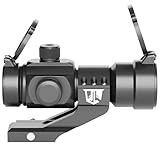
- ARS Mark8.8
ARS Mark is a ranking system developed by bestairriflescopes.com. ARS Mark has no relationship or impact from any manufacturers or sales agent websites. Learn more
- BrandOZARK ARMAMENT
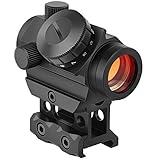
- ARS Mark8.6
ARS Mark is a ranking system developed by bestairriflescopes.com. ARS Mark has no relationship or impact from any manufacturers or sales agent websites. Learn more
- BrandMidTen

- ARS Mark8.6
ARS Mark is a ranking system developed by bestairriflescopes.com. ARS Mark has no relationship or impact from any manufacturers or sales agent websites. Learn more
- BrandFeyachi

- ARS Mark8.4
ARS Mark is a ranking system developed by bestairriflescopes.com. ARS Mark has no relationship or impact from any manufacturers or sales agent websites. Learn more
- BrandCVLIFE

- ARS Mark7.8
ARS Mark is a ranking system developed by bestairriflescopes.com. ARS Mark has no relationship or impact from any manufacturers or sales agent websites. Learn more
- Brandohhunt

- ARS Mark7.6
ARS Mark is a ranking system developed by bestairriflescopes.com. ARS Mark has no relationship or impact from any manufacturers or sales agent websites. Learn more
- BrandBushnell

- ARS Mark7.0
ARS Mark is a ranking system developed by bestairriflescopes.com. ARS Mark has no relationship or impact from any manufacturers or sales agent websites. Learn more
- BrandOHHLION
Last update on 2026-10-01 / Affiliate links / Images, Product Titles, and Product Highlights from Amazon Product Advertising API
FAQs
Can a budget red dot handle shotgun recoil?
Most budget sights under $50 will struggle under the heavy recoil of a 12-gauge shotgun. The repeated impulse can crack the internal LED housing or shake the windage dials loose. For shotguns, look for an optic built from solid aluminum with a stated shock rating of at least 1,000G to ensure it holds zero.
How long does a red dot battery last?
Battery life depends heavily on the emitter type and brightness level. Modern sights with motion-sensing auto-on can run between 20,000 and 50,000 hours on a single coin-cell battery when set to medium brightness. Budget sights without auto-shutoff features will drain in several hundred hours if left powered on inside a gun safe.
What is the difference between a red dot and a green dot?
The main difference is how the human eye perceives the color. Green light is easier for many eyes to pick up in bright outdoor sunlight and can appear crisper for shooters who have minor astigmatism. Red dots are standard, draw slightly less battery power, and cost less to produce.
Do I need an inch-pound torque tool to install a red dot?
Yes, using an inch-pound torque tool is the best way to prevent mounting failures. Small optic screws generally require between 10 and 15 inch-pounds of tightness. Hand-tightening with an Allen key often under-tightens the screws so they shake loose, or over-tightens them and strips the delicate slide threads.


12 Best 22 Pcp Air Rifle For Hunting of 2026 With Quiet Power

7 Best 22 Pcp Air Rifle Under 300 of 2026 For Backyard Pest Control

10 Best 22 Break Barrel Air Rifles of 2026 For Backyard Pest Control

10 Best 30 Caliber Pcp Air Rifle of 2026 For Medium Game

Top Best 177 Air Rifle Under 100: Budget-Friendly Picks for 2026

How to Safely Reload Shotgun Shells at Home

11 Best Co2 Air Rifle For Pest Control of 2026 To Ensure Humane Dispatch

12 Best Inexpensive Air Rifles of 2026 For Dependable Backyard Accuracy






