
How Often to Change Crossbow String for Peak Safety

Many archers wonder how often to change crossbow string, but the answer isn’t one-size-fits-all. Your string is the heartbeat of your crossbow, and neglecting it can lead to poor accuracy, broken arrows, or even dangerous misfires. Regular string replacement isn’t just about performance, it’s about safety and consistency. Imagine drawing your bow on a big hunt, only for the string to snap. That’s not just frustrating, it’s costly and sometimes risky. The frequency of changing a crossbow string depends on several key factors: how often you shoot, the type of arrows you use, the environment where you hunt, and how well you maintain your gear. A seasoned hunter firing hundreds of bolts each season will need to replace strings far more often than a casual target shooter. On the other hand, a hobbyist might stretch the lifespan if they wax the string, store their bow properly, and keep debris away. It’s also important to think about your own goals. If you prize precision and want every shot to count, you’ll likely lean toward more frequent string changes. If you’re more casual, you might stretch things further, but you’ll still need to look for wear signs like fraying, fuzzing, or separation of strands. Ignoring these signs could mean sacrificing the stability of your shot. In short, the answer to how often to change crossbow string lies in a balance of usage, care, and awareness. By paying attention to your equipment and respecting its limits, you can make sure your crossbow is always reliable, whether you’re hunting game or honing skills at the range.
The question of how often to change crossbow string nags at almost every hunter and archer, and for good reason. Your string is more than just a piece of material, it’s the lifeline of your bow. Without a strong, reliable string, even the best crossbow turns into an unreliable piece of wood and metal. That’s why so many shooters, whether seasoned outdoorsmen or beginners at the range, obsess over this detail. Think of your crossbow like a high-performance vehicle. You wouldn’t drive thousands of miles without checking your tires or changing the oil, right? The same goes for your string. It’s under constant pressure, tension, and wear, which means ignoring its health could be asking for trouble. Beyond the risk of losing accuracy, a worn-out string can cause dangerous misfires or damage the bow itself. The real challenge lies in balancing usage with upkeep. Some folks shoot hundreds of bolts in a season, while others may only pull their crossbow out a few times a year. That’s why advice about how often to change crossbow string can feel so conflicting. But the truth is, if you pay attention to signs of wear and commit to regular maintenance, you’ll find a rhythm that fits your shooting style. And that rhythm? It just might be the difference between frustration and flawless performance on your next hunt.
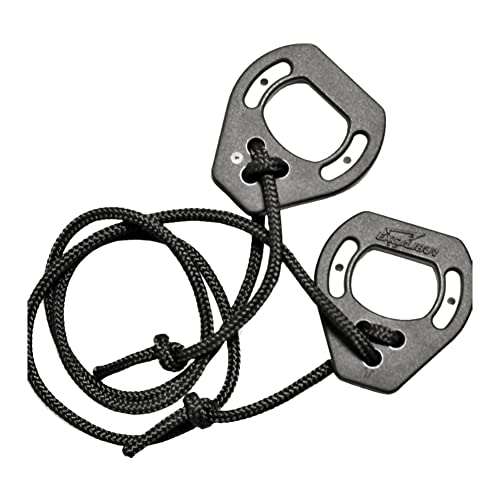
Excalibur Standard Crossbow Stringing Aid/Archery Hunting Versatile Durable String Replacement
View on Amazon- ARS Mark9.6
ARS Mark is a ranking system developed by bestairriflescopes.com. ARS Mark has no relationship or impact from any manufacturers or sales agent websites. Learn more
- BrandEXCALIBUR CROSSBOW

Excalibur Micro/DualFire Archery Hunting Versatile Durable Replacement Crossbow String for
View on Amazon- ARS Mark9.2
ARS Mark is a ranking system developed by bestairriflescopes.com. ARS Mark has no relationship or impact from any manufacturers or sales agent websites. Learn more
- BrandExcalibur

- ARS Mark7.4
ARS Mark is a ranking system developed by bestairriflescopes.com. ARS Mark has no relationship or impact from any manufacturers or sales agent websites. Learn more
- BrandSAS

- ARS Mark7.2
ARS Mark is a ranking system developed by bestairriflescopes.com. ARS Mark has no relationship or impact from any manufacturers or sales agent websites. Learn more
- BrandAHOSOUTLY
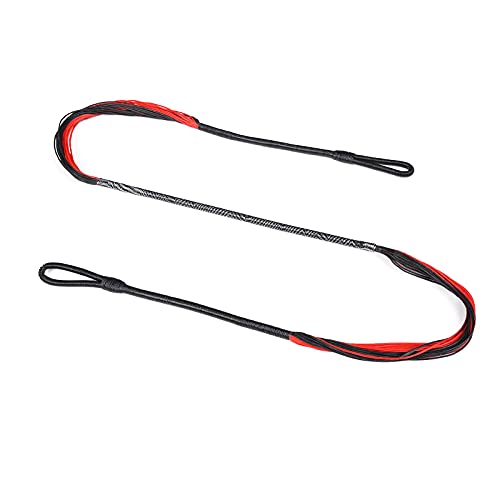
- ARS Mark8.8
ARS Mark is a ranking system developed by bestairriflescopes.com. ARS Mark has no relationship or impact from any manufacturers or sales agent websites. Learn more
- BrandEOUS

- ARS Mark9.6
ARS Mark is a ranking system developed by bestairriflescopes.com. ARS Mark has no relationship or impact from any manufacturers or sales agent websites. Learn more
- BrandKURUGEILI
- ARS Mark9.4
ARS Mark is a ranking system developed by bestairriflescopes.com. ARS Mark has no relationship or impact from any manufacturers or sales agent websites. Learn more
- BrandAC Allen
- ARS Mark9.2
ARS Mark is a ranking system developed by bestairriflescopes.com. ARS Mark has no relationship or impact from any manufacturers or sales agent websites. Learn more
- BrandSOPOGER
Last update on 2025-11-15 / Affiliate links / Images, Product Titles, and Product Highlights from Amazon Product Advertising API
For most shooters, the question of how often to change crossbow string isn’t just about convenience, it’s about safety, accuracy, and the lifespan of their gear. A string under constant pressure gradually loses strength, and once it reaches the breaking point, the risk of a sudden snap skyrockets. Hunters who ignore this risk might find themselves missing the shot of a lifetime or worse, facing a dangerous misfire.
The truth is, your string is the backbone of your crossbow’s performance. Without regular care and replacement, even the most advanced crossbow won’t shoot with consistent precision. Every time you fire, the fibers stretch, shift, and slowly degrade. Over time, this wear leads to fraying, fuzzing, or thinning that signals the need for a change. Those who fail to take these signs seriously often pay the price in damaged equipment or reduced accuracy.
Beyond performance, safety is the biggest reason to stay proactive. A string failure while cocked can send shards flying, damaging limbs, or even injuring the shooter. Bow technicians often note that the majority of avoidable injuries in crossbow use come from neglecting string maintenance. For those serious about hunting or target shooting, the question isn’t if you’ll replace your string, but when.
There’s no one-size-fits-all rule for how often to change crossbow string. Instead, replacement depends on key factors like how often you shoot, your maintenance habits, and the conditions where you store and use your bow. Frequent shooters, say, those firing hundreds of bolts every season, will naturally need to replace strings more often than someone who only pulls out their crossbow a few times a year.
Maintenance also plays a massive role. A well-waxed string stored in a dry, cool environment can last months longer than a neglected one. Archery shops often advise shooters to wax their strings after every 5–10 shots, especially in humid or dusty environments. This keeps fibers from drying out or breaking prematurely. Without waxing, even casual shooters may notice fraying much sooner.
Environmental exposure is another deciding factor. Sunlight, rain, humidity, and dirt all work against the integrity of your string. A hunter trekking through damp forests or desert heat will see their string wear out quicker than someone who shoots at an indoor range. Protecting your crossbow with a case when not in use makes a measurable difference in extending string life.
Finally, the type of crossbow and draw weight impact longevity. Heavier draw weights put more strain on the string, forcing it to endure extreme tension. A 185-pound draw hunting crossbow will naturally shorten the lifespan of its string compared to a lighter 125-pound model. For those with high-powered bows, changing strings more frequently becomes a non-negotiable habit.
Spotting the warning signs of a failing string is critical for avoiding accidents and keeping your crossbow in top shape. The most obvious indicator is fraying, when tiny fibers begin to unravel from the main strands. Even small frays shouldn’t be ignored, as they often spread quickly once tension is applied.
Another red flag is fuzziness along the length of the string. While waxing can smooth some of this out, persistent fuzz is often a sign the fibers are breaking down. At this stage, it’s smart to prepare for replacement before a full failure occurs. A shooter who continues ignoring fuzzing risks having their bow lose accuracy mid-season.
Separation at the serving (the wrapped portion of the string where it contacts the rail) is another clear warning. Once serving begins to unravel, the string can no longer maintain a consistent hold, affecting both accuracy and arrow speed. Archery experts often warn that ignoring serving separation leads to premature limb wear as well.
Lastly, listen to your crossbow. A sudden change in noise, a sharper “twang” or unusual vibration, can point to string weakness. Many hunters report they noticed audible differences before spotting visible damage. Paying attention to these subtle signs can save both your bow and your hunt.
While you can’t make a string last forever, you can extend its lifespan through proper care. Regular waxing is the foundation of maintenance. Using high-quality crossbow wax keeps fibers lubricated, prevents dryness, and minimizes friction with the rail. Archery professionals recommend waxing every session for heavy users, and every few outings for light shooters.
Another essential habit is keeping the rail lubricated. A dry rail increases friction, causing unnecessary strain on the serving. Just a few drops of lube every 75–100 shots can make a noticeable difference. Neglecting this step shortens not only string life but also the health of your crossbow’s limbs.
Storage also matters more than most realize. Leaving your crossbow strung in high heat, like in a car trunk, accelerates deterioration. Moisture-rich environments have the same effect, weakening fibers and promoting mildew. A protective case and climate-controlled storage area can significantly prolong performance.
Routine inspections round out proper care. A quick visual check before each use ensures no hidden wear goes unnoticed. Shooters who integrate these steps into their habits report replacing strings far less frequently, proving that preventive care is always cheaper than repairs.
The number of shots you take directly impacts how often to change crossbow string. High-volume shooters, whether competitive archers or dedicated hunters, can wear down a string in just a few months. Manufacturers often suggest replacement after 400–600 shots, though this can vary depending on conditions and care.
For occasional shooters, the lifespan stretches further. Someone firing only a few bolts per month may not need a replacement for an entire season or longer. However, infrequent use doesn’t eliminate the need for checks, as strings can still weaken from age and poor storage. Many bow shops recommend replacing strings every two years at the latest, regardless of use.
It’s also worth noting that heavier arrows and higher draw weights place more strain per shot. A shooter firing lightweight bolts at lower draw weight might extend their string’s life, while someone with a powerful hunting setup will find their string wearing faster. Balancing equipment choice with maintenance is essential for avoiding premature wear.
In the end, it’s less about counting exact shots and more about recognizing the blend of usage, care, and environment. By paying attention to both your habits and your string’s condition, you’ll establish a schedule that matches your shooting lifestyle.
Archery experts often suggest a practical baseline: replace your string every 12 to 24 months, depending on usage. For hunters firing hundreds of bolts in a single season, that interval leans closer to the one-year mark. Casual shooters, who bring out their crossbow only for practice weekends, can stretch it further, but should never go beyond two years. Time itself weakens fibers, even if the string isn’t being used.
Some technicians go even further, advising shooters with high draw weight crossbows to replace strings every 6–12 months. The intense tension accelerates wear, leaving little margin for error. If your equipment falls in this category, it’s better to change early than risk an accident. Preventive action keeps your bow safe and ensures it’s always ready when the moment counts.
Following manufacturer guidelines is another smart move. Most major brands, like TenPoint or Barnett, provide specific advice for their models. These instructions account for the design, materials, and draw weight of your bow. Ignoring them often leads to reduced efficiency or voided warranties.
Ultimately, professional advice circles back to one truth: err on the side of caution. If you’re unsure, replace sooner rather than later. A new string is always cheaper than replacing damaged limbs or repairing an injured hand.
Many shooters hesitate because of cost. Yes, strings and cables aren’t free, but they’re far less expensive than repairing a damaged crossbow. A typical replacement might run $30–$60, while new limbs or cams can cost hundreds. Seen through this lens, regular replacement is an investment in both safety and savings.
Beyond repairs, there’s also the risk of losing your hunt. Imagine lining up a perfect shot on a buck, only for your string to fail. Not only is the opportunity lost, but the animal may be wounded in the process. Ethical hunting demands equipment that’s reliable, making early replacement the responsible choice.
For target shooters, the risk shows up differently. A weak string impacts accuracy, leading to inconsistent groupings and frustration. Competitive archers especially can’t afford that disadvantage. Spending a bit more on frequent replacements often yields far greater returns in performance.
In short, while cost may feel like a barrier, the hidden price of risk is far greater. Prioritizing string health ensures every dollar you’ve already invested in your crossbow continues to pay off.
Despite knowing the importance of how often to change crossbow string, many shooters fall into traps that shorten lifespan. The first is ignoring waxing. Skipping this step lets fibers dry out, crack, and fray faster. Over time, neglect leads to strings that wear out twice as quickly.
Another mistake is storing the crossbow in extreme conditions. Heat, moisture, or direct sunlight accelerates fiber breakdown. Many shooters leave their gear in car trunks or damp garages without realizing the long-term damage it causes.
Improper cocking and uncocking is another silent culprit. Twisting the string, dry-firing, or mishandling cocking devices all stress fibers unnecessarily. Bow technicians often identify this as a leading cause of premature serving separation.
Lastly, waiting too long is perhaps the most damaging habit. Many archers convince themselves the string has “a few more shots left,” only to face a sudden break. By recognizing that proactive replacement saves more headaches than delay, shooters can break free from this costly cycle.
Even though replacement is inevitable, there are simple ways to stretch your string’s usable life. First, wax regularly, it’s the single most effective method of preventing fiber damage. High-quality wax not only protects but also smooths friction against the rail.
Second, store your crossbow properly. A padded case kept in a cool, dry environment shields the string from damaging elements. For those hunting in extreme climates, this habit makes a huge difference in preventing premature wear.
Third, inspect after every outing. A quick check for fuzz, fraying, or serving separation allows you to act before small issues grow larger. Catching a problem early often buys valuable time before a full replacement is needed.
Finally, follow a shot log. Keeping rough count of how many bolts you’ve fired helps you gauge replacement intervals with more accuracy. Shooters who track usage often avoid the “surprise snap” that catches unprepared hunters off guard.
At the end of the day, the question of how often to change crossbow string boils down to priorities. If you value peak accuracy, reliable hunts, and safe shooting sessions, regular replacement is non-negotiable. For those cutting corners, the risks far outweigh the savings.
There’s also an emotional aspect. Nothing rattles confidence like a failing string. Hunters who step into the woods with doubts in their gear won’t perform at their best. A fresh, well-maintained string provides not only better shots but also the reassurance that every pull of the trigger counts.
Balancing all this means creating your own replacement rhythm. Pay attention to your shooting frequency, environmental conditions, and visible wear. Mix in consistent maintenance, and you’ll quickly find the right schedule for your crossbow.
By taking these steps, shooters can align performance with peace of mind. Replacing a string may feel routine, but in reality, it’s a commitment to safety, precision, and long-term reliability, the pillars of every great hunting or shooting experience.


12 Best 22 Pcp Air Rifle For Hunting of 2026 With Quiet Power

7 Best 22 Pcp Air Rifle Under 300 of 2026 For Backyard Pest Control

10 Best 22 Break Barrel Air Rifles of 2026 For Backyard Pest Control

10 Best 30 Caliber Pcp Air Rifle of 2026 For Medium Game

Top Best 177 Air Rifle Under 100: Budget-Friendly Picks for 2026

How to Safely Reload Shotgun Shells at Home

11 Best Co2 Air Rifle For Pest Control of 2026 To Ensure Humane Dispatch

12 Best Inexpensive Air Rifles of 2026 For Dependable Backyard Accuracy






