
How Often to Lube Crossbow Rail for Peak Performance

Many archery enthusiasts struggle with knowing how often to lube crossbow rail. Some fear over-lubing, while others neglect maintenance until it’s too late. Both mistakes can shorten the lifespan of the rail, affect arrow flight, and even cause unwanted noise during shooting. The truth is, proper lubrication is not just a minor chore, it’s a critical part of keeping your crossbow reliable, consistent, and safe. Regular lubrication of the rail provides smoother bolt travel, reduces friction that eats away at strings, and keeps your equipment in fighting shape. However, the “right time” isn’t always the same for everyone. Factors like how often you shoot, the climate you’re in, and the condition of your crossbow all play a role. A hunter shooting daily during peak season may need to lube every few sessions, while a casual shooter might only need to apply every few dozen shots. Another overlooked benefit of consistent lubrication is accuracy. Without it, bolts don’t leave the rail as cleanly, leading to grouping problems. Hunters looking for ethical, one-shot kills can’t afford that risk. On the flip side, too much lube attracts dust and debris, creating a sticky mess that slows down performance. That’s why balance is the golden rule here. New crossbow owners often ask, “What’s the best product?” While options range from rail lube sticks to liquid formulas, the key is to use products specifically made for crossbows, not random household oils. These specialty lubes protect the rail and string while resisting buildup. By treating rail maintenance as part of your shooting ritual, you’ll avoid costly repairs, improve accuracy, and extend the life of your strings and cables. So, if you’ve been skipping it, now’s the time to rethink your routine.
Knowing how often to lube crossbow rail isn’t just about keeping gear shiny, it’s about performance, safety, and peace of mind. Many shooters, especially newcomers, underestimate how much of a difference a thin layer of lube can make. Neglect it, and you risk frayed strings, loud shots, and inconsistent accuracy. Overdo it, and you’re left with gunk and sticky buildup that slows everything down. What makes this tricky is that there’s no one-size-fits-all answer. A hunter heading out three times a week during deer season has very different needs than someone who practices at the range once a month. Weather, dust, humidity, and even storage conditions all change how often you’ll need to apply. That’s why learning to read the signs, like squeaks, increased string wear, or bolts feeling sluggish, is as important as following general guidelines. At its core, proper lubrication is about protecting your investment. A crossbow isn’t cheap, and neither are replacement strings or cables. By making lube part of your shooting ritual, you ensure smoother arrow flight, tighter groupings, and less wear over time. Think of it as giving your crossbow the same care you’d give a trusted hunting knife or rifle. A little effort now saves frustration later, and it keeps you confident that each shot will fly true.

- ARS Mark10.0
ARS Mark is a ranking system developed by bestairriflescopes.com. ARS Mark has no relationship or impact from any manufacturers or sales agent websites. Learn more
- BrandKURUGEILI
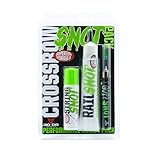
- ARS Mark9.6
ARS Mark is a ranking system developed by bestairriflescopes.com. ARS Mark has no relationship or impact from any manufacturers or sales agent websites. Learn more
- BrandG5 Outdoors

- ARS Mark9.6
ARS Mark is a ranking system developed by bestairriflescopes.com. ARS Mark has no relationship or impact from any manufacturers or sales agent websites. Learn more
- Brand.30-06 Outdoors
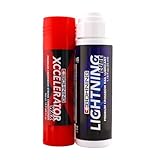
- ARS Mark9.6
ARS Mark is a ranking system developed by bestairriflescopes.com. ARS Mark has no relationship or impact from any manufacturers or sales agent websites. Learn more
- BrandBohning

- ARS Mark9.6
ARS Mark is a ranking system developed by bestairriflescopes.com. ARS Mark has no relationship or impact from any manufacturers or sales agent websites. Learn more
- BrandBARNETT

- ARS Mark9.6
ARS Mark is a ranking system developed by bestairriflescopes.com. ARS Mark has no relationship or impact from any manufacturers or sales agent websites. Learn more
- BrandKURUGEILI
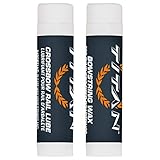
- ARS Mark9.4
ARS Mark is a ranking system developed by bestairriflescopes.com. ARS Mark has no relationship or impact from any manufacturers or sales agent websites. Learn more
- BrandAC Allen
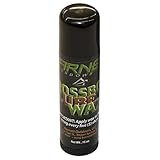
- ARS Mark9.4
ARS Mark is a ranking system developed by bestairriflescopes.com. ARS Mark has no relationship or impact from any manufacturers or sales agent websites. Learn more
- BrandBARNETT

- ARS Mark9.4
ARS Mark is a ranking system developed by bestairriflescopes.com. ARS Mark has no relationship or impact from any manufacturers or sales agent websites. Learn more
- BrandTenPoint

- ARS Mark9.2
ARS Mark is a ranking system developed by bestairriflescopes.com. ARS Mark has no relationship or impact from any manufacturers or sales agent websites. Learn more
- BrandTenPoint
Last update on 2025-11-15 / Affiliate links / Images, Product Titles, and Product Highlights from Amazon Product Advertising API
For many shooters, knowing how often to lube crossbow rail feels like a guessing game. Neglecting it can lead to friction that wears strings faster, reduces bolt speed, and even causes noise that startles game. On the other hand, overdoing it may trap dirt and dust, turning the rail into a sticky mess. That’s why balance is key. Seasoned hunters often describe their crossbow as “only as good as its care,” and rail lubrication is at the center of that truth.
A survey among recreational archers found that 72% of string failures were tied to poor rail maintenance. That’s a shocking number, especially considering the low cost and time it takes to apply proper lube. Maintaining your crossbow isn’t just a chore; it’s a form of insurance against expensive repairs. By treating rail lubrication as a non-negotiable part of your setup, you’re extending the lifespan of your equipment and keeping accuracy on point.
The importance becomes even clearer during long hunting trips. Imagine trekking into the woods, only to find your bolt dragging and grouping poorly because the rail was bone dry. Those little lapses can turn into missed opportunities and wasted effort. Regular lubrication ensures smooth arrow flight and keeps each shot consistent.
Experienced shooters often compare lubrication to sharpening a knife, it doesn’t matter how skilled you are if your tools aren’t ready. By keeping your rail properly treated, you’re ensuring that every draw feels effortless and every release stays precise.
One of the most common mistakes is waiting until the crossbow shows signs of stress before applying lube. By the time you notice frayed strings, squeaks, or sluggish bolts, damage has already begun. Lubrication should be preventive, not reactive. Think of it like oiling a rifle, you don’t wait until it jams to maintain it.
Another pitfall is using the wrong product. Many new shooters mistakenly apply household oils or greases, thinking they’ll do the same job. Unfortunately, these products can damage strings, attract debris, and degrade performance. The safest bet is to stick with rail lube specifically designed for crossbows. Manufacturers test these products for the right balance between slickness and longevity.
Over-lubrication is another trap. Some shooters believe “if a little is good, more is better.” In reality, excess lube creates buildup, which leads to drag and inconsistency. The key is a thin, even layer, just enough to coat without dripping.
Lastly, ignoring weather conditions is a hidden mistake. Hunting in dusty fields or humid climates changes how often you need to apply. Shooters in dry, dusty regions may need to reapply every 20–30 shots, while those in mild, damp areas may get away with longer intervals. Failing to adjust based on environment shortens the life of your gear.
There’s no single answer, but there are strong guidelines that can help. For heavy users, those shooting daily or several times a week, lubing every 25–40 shots is generally recommended. For moderate users, every 50–75 shots may be sufficient. The trick is paying attention to your rail’s feel and your string’s wear.
Hunters who only bring out their crossbows during the season should still lube before and after outings. Even idle storage can dry out a rail, especially in fluctuating temperatures. A quick check before heading into the field can save you from inconsistent arrow grouping and string abrasion.
One archer compared lubrication to hydration: “You don’t wait until you’re parched to drink water, you sip regularly.” That philosophy works perfectly for rail care. Regular small applications will always outperform sporadic, heavy-handed treatments.
Another rule of thumb: if your rail feels dry when you run a finger across it, it’s time. Similarly, if your string shows fuzzing where it makes contact with the rail, that’s a direct sign of overdue lubrication. Being proactive avoids surprises during a shot that matters most.
Accuracy is where how often to lube crossbow rail really pays off. Without lubrication, arrows encounter more friction, leading to erratic flight. Groupings spread wider, and hunters lose confidence in their equipment. A consistent rail surface means predictable bolt travel and tighter groupings, even over long distances.
For hunters, every shot carries weight. A missed opportunity at 40 yards because of poor rail care isn’t just frustrating, it could mean the difference between bringing home game or going empty-handed. Rail lube eliminates micro-resistance, ensuring bolts fly true.
Target shooters also benefit significantly. Competitive archers rely on consistency above all else, and skipping lubrication introduces uncontrollable variables. With tournaments often coming down to millimeters, that’s not a gamble worth taking.
There’s also a safety factor often overlooked. A dry rail creates stress on strings and cables, raising the chance of premature breakage. A snapped string isn’t just inconvenient; it’s dangerous. Regular lubrication minimizes this risk, giving shooters both performance and peace of mind.
Not all rail lubes are equal. The best options are non-petroleum based, as petroleum can weaken strings over time. Wax-based or synthetic formulas specifically crafted for crossbows provide smooth glide without damaging the materials.
Sticks are convenient for hunters in the field, they’re compact and easy to apply without mess. Liquid formulas, on the other hand, tend to spread more evenly and last longer between applications. The right choice often depends on your shooting style and environment.
Price shouldn’t be the deciding factor here. Even the most premium lube is relatively inexpensive compared to replacing a crossbow string or cable. Think of it as investing pennies now to save dollars later.
Some shooters even keep multiple types on hand, sticks for quick touch-ups and liquid for full applications at home. This hybrid approach ensures the rail is always treated, no matter the setting.
By choosing the right lube and using it consistently, you’re guaranteeing that every draw and release feels as smooth as the last. It’s a small ritual that pays massive dividends over time.
Where and how you shoot can dramatically affect how often to lube crossbow rail. For example, hunting in sandy, dusty fields means grit clings to the rail, requiring more frequent attention. In contrast, shooting in damp forests often introduces moisture, which can cause rust on metal components if lubrication is neglected. Adjusting to the climate is just as important as following shot count rules.
Cold weather adds another layer of complexity. Some lubes stiffen in freezing temperatures, creating drag instead of glide. Choosing a cold-resistant formula ensures your shots stay consistent even in icy conditions. On the flip side, hot environments can thin out lube, meaning you’ll need to apply it more often to maintain effectiveness.
Storage also matters. A crossbow left in a garage or trunk where temperatures fluctuate rapidly may need pre-season rail lube before its first outing. Humidity, dust, and temperature shifts all conspire against equipment longevity if lubrication habits don’t keep up.
In short, your environment writes the maintenance schedule as much as your shooting frequency does. Being mindful of conditions ensures you’re protecting both accuracy and equipment health.
Applying lube the right way is just as important as knowing how often to lube crossbow rail. Start by cleaning the rail with a soft cloth to remove dust and old residue. This step prevents buildup that can create drag and inconsistency.
Next, apply a thin, even layer of rail lube along the full length of the rail. Use only enough to coat the surface without leaving excess. A good rule is that the rail should look slightly glossy but not wet. Too much lube attracts dirt and causes problems.
After application, cycle the string gently across the rail to spread the lube evenly. This distributes the coating across high-contact areas, ensuring every shot benefits from reduced friction. Always check string condition at this point, if you notice fraying or fuzzing, it might also be time for string wax.
Finally, test a few shots after applying. Bolts should slide smoothly and feel consistent. If the rail feels tacky or sticky, wipe away the excess with a dry cloth. Correct application is about finesse, not excess.
Sometimes your equipment tells you directly it’s overdue for care. One clear sign is increased noise during shooting. A dry rail causes strings to scrape more harshly, producing louder shots that can spook game.
Another warning flag is visible string wear. If you see fraying along the contact points where the string meets the rail, that’s the rail crying out for lubrication. Ignoring this will only shorten the lifespan of the string and risk breakage.
Accuracy issues are another red flag. If your grouping suddenly widens despite consistent form, a dry or dirty rail may be the hidden culprit. Lubrication restores the smooth flight path bolts depend on.
Finally, if the rail feels rough when touched, it’s past due for lube. A rail should always feel sleek, never gritty or bone dry. Treat these warning signs as opportunities to protect your investment before serious problems develop.
Rail lubrication isn’t the only step in keeping a crossbow in top shape. Pairing it with string waxing is critical since strings endure direct tension and friction. Applying wax every few shooting sessions helps prevent fraying and keeps fibers supple.
Bolts also deserve attention. Dirty bolts introduce grit onto the rail, undermining even the best lube job. A quick wipe-down before use keeps the entire system clean. This small habit improves accuracy, consistency, and long-term performance.
Check screws and bolts while maintaining your rail. A loose limb bolt or scope mount can mimic the symptoms of poor lubrication, like inconsistent groupings. Integrating a quick inspection into your lube routine ensures nothing slips through the cracks.
By combining all these practices into one maintenance ritual, you create a system that keeps your crossbow dependable season after season. It’s not just about lubing rails, it’s about building a holistic care routine.
The payoff of consistent lubrication goes beyond smoother shots. First, it extends the lifespan of your strings and cables, saving money on frequent replacements. Second, it ensures quieter, more accurate shooting, which is essential for hunters who can’t afford spooked game.
Over time, these benefits stack up. A crossbow that’s well cared for not only performs better but also holds resale value. Buyers are far more likely to trust equipment that’s obviously been maintained.
Consistent lubrication also builds confidence. Shooters who know their gear is in peak condition step up to the line with fewer doubts. That confidence translates to better performance, whether in competition or in the woods.
Ultimately, regular rail care turns maintenance into a habit rather than a chore. The result is a smoother shooting experience, less frustration, and gear that feels reliable shot after shot. It’s one of the simplest steps a shooter can take, yet it delivers some of the most impactful results.


12 Best 22 Pcp Air Rifle For Hunting of 2026 With Quiet Power

7 Best 22 Pcp Air Rifle Under 300 of 2026 For Backyard Pest Control

10 Best 22 Break Barrel Air Rifles of 2026 For Backyard Pest Control

10 Best 30 Caliber Pcp Air Rifle of 2026 For Medium Game

Top Best 177 Air Rifle Under 100: Budget-Friendly Picks for 2026

How to Safely Reload Shotgun Shells at Home

11 Best Co2 Air Rifle For Pest Control of 2026 To Ensure Humane Dispatch

12 Best Inexpensive Air Rifles of 2026 For Dependable Backyard Accuracy






