
How Often to Restring Crossbow for Peak Performance

Many shooters ignore the importance of restringing a crossbow until their shots start drifting or their string frays mid-hunt. That’s a rookie mistake with real consequences. Regular restringing isn’t just about keeping your setup neat; it’s about protecting your investment, shooting safer, and hitting your mark consistently. Whether you’re a seasoned hunter chasing deer through the brush or a weekend archer practicing in your backyard, knowing the right timeline for restringing makes a world of difference. Strings carry the brunt of every single shot, absorbing stress, friction, and weather damage. Neglecting this routine care can lead to reduced accuracy, slower arrow speed, and even snapped strings that ruin your hunt. On the flip side, learning how often to replace them not only boosts performance but also extends the life of your limbs and cams. Think of it like changing the oil in your truck, it’s maintenance you can’t skip. Another benefit? Confidence. There’s something reassuring about knowing your gear won’t fail when the trophy buck steps out. A fresh string means tighter groupings, smoother draws, and fewer surprises in the field. Plus, it helps you avoid the steep costs of repairing damage caused by worn strings. By paying attention to restringing, you’re not just maintaining your crossbow; you’re sharpening your skills and setting yourself up for long-term success.
If you’ve ever wondered why your crossbow suddenly feels sluggish or your bolts drift just off target, the culprit might be your string. Every shot you take adds invisible wear and tear. Over time, that stress builds up until one day the string frays or snaps. That’s not just frustrating, it’s dangerous. Knowing how often to restring a crossbow is one of those golden rules that separates careful hunters from careless ones. The reality is simple: strings don’t last forever, no matter how expensive your bow was. Regular replacement keeps your shots crisp and your hunts worry-free. Hunters who treat restringing as a must-do step enjoy better safety, sharper accuracy, and reliable performance in any season. The right schedule can save you from both poor shooting days and costly repairs. Think of your crossbow like a trusted hunting partner, it only performs as well as the care you give it. Taking time to restring at the right intervals gives you peace of mind, a longer-lasting bow, and an edge that every shooter craves. So, before your next hunt or target session, it’s worth asking: are you giving your crossbow the attention it deserves?

- ARS Mark10.0
ARS Mark is a ranking system developed by bestairriflescopes.com. ARS Mark has no relationship or impact from any manufacturers or sales agent websites. Learn more
- BrandKURUGEILI
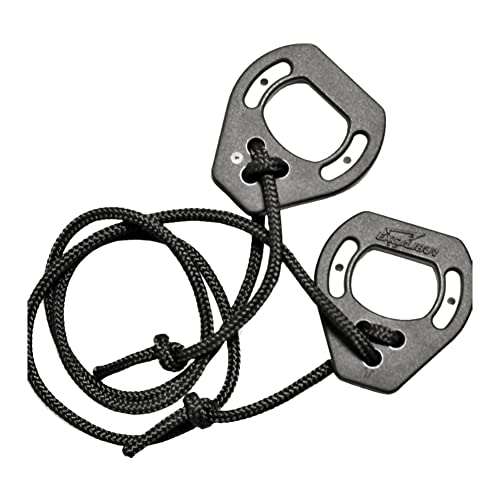
Excalibur Standard Crossbow Stringing Aid/Archery Hunting Versatile Durable String Replacement
View on Amazon- ARS Mark9.6
ARS Mark is a ranking system developed by bestairriflescopes.com. ARS Mark has no relationship or impact from any manufacturers or sales agent websites. Learn more
- BrandEXCALIBUR CROSSBOW

- ARS Mark7.2
ARS Mark is a ranking system developed by bestairriflescopes.com. ARS Mark has no relationship or impact from any manufacturers or sales agent websites. Learn more
- BrandAHOSOUTLY
- ARS Mark9.2
ARS Mark is a ranking system developed by bestairriflescopes.com. ARS Mark has no relationship or impact from any manufacturers or sales agent websites. Learn more
- BrandSOPOGER

- ARS Mark9.4
ARS Mark is a ranking system developed by bestairriflescopes.com. ARS Mark has no relationship or impact from any manufacturers or sales agent websites. Learn more
- BrandLWANO

- ARS Mark9.6
ARS Mark is a ranking system developed by bestairriflescopes.com. ARS Mark has no relationship or impact from any manufacturers or sales agent websites. Learn more
- BrandKURUGEILI
- ARS Mark9.4
ARS Mark is a ranking system developed by bestairriflescopes.com. ARS Mark has no relationship or impact from any manufacturers or sales agent websites. Learn more
- BrandAC Allen

- ARS Mark9.2
ARS Mark is a ranking system developed by bestairriflescopes.com. ARS Mark has no relationship or impact from any manufacturers or sales agent websites. Learn more
- BrandFeekoon

- ARS Mark9.0
ARS Mark is a ranking system developed by bestairriflescopes.com. ARS Mark has no relationship or impact from any manufacturers or sales agent websites. Learn more
- BrandVORIGY
Last update on 2025-11-14 / Affiliate links / Images, Product Titles, and Product Highlights from Amazon Product Advertising API
Many hunters treat restringing like an afterthought, yet it’s the backbone of reliable performance. A worn string can cause loss of accuracy, reduced arrow speed, and even dangerous breakages in the middle of a hunt. Ignoring this critical upkeep doesn’t just risk your equipment; it risks your safety. Think about the cost of a single misfire compared to the simple investment of replacing a string on time, it’s night and day.
Crossbows rely on constant tension, and the string takes on the most stress. Each shot you fire stretches fibers, weakens durability, and slowly chips away at precision. That’s why learning how often to restring a crossbow isn’t a minor detail, it’s a non-negotiable rule for every responsible shooter. Just as you wouldn’t drive thousands of miles without an oil change, you shouldn’t push your bow past its string’s limits.
The truth is, restringing isn’t about vanity or keeping your bow pretty, it’s about protecting your limbs, cams, and your investment. A failed string doesn’t just end your hunt; it can cause catastrophic damage to parts worth hundreds of dollars. Hunters who prioritize restringing stay ahead of these costly repairs and enjoy smoother, quieter, more confident shots in the field.
One seasoned hunter once said, “I never lost a deer to bad aim, but I lost two to bad strings.” That quote underscores the real-world impact of neglecting maintenance. If accuracy and consistency are your goals, you can’t afford to gamble with a worn-out string.
The exact frequency depends on how much and how hard you shoot. A bow used every weekend for hunting or target practice will wear strings down much faster than one hanging in the garage most of the year. Frequent shooters often restring every year or even every six months depending on usage, while occasional shooters may stretch it to two years, but never longer.
Weather is another hidden enemy. Exposure to moisture, heat, and cold wreaks havoc on fibers, causing them to fray and lose strength. That’s why many hunters notice their strings deteriorate faster in damp or extreme climates. If you live in regions with drastic seasons, you’ll need to restring more often than someone in mild conditions.
Arrow weight and draw weight also play roles. Shooting heavy bolts or cranking up draw weights puts more pressure on strings, cutting their lifespan dramatically. This means that high-power crossbows, while thrilling to shoot, demand stricter maintenance schedules. Ignoring this leads to uneven wear and potential failures mid-shot.
Finally, personal habits matter. If you wax regularly and store your bow in a dry, cool place, you’ll get longer life from your string. Neglecting these basics, on the other hand, shortens the timeline drastically. Simply put: care equals longevity.
Even if you follow a schedule, strings don’t always stick to the calendar. That’s why recognizing warning signs is vital. One obvious indicator is fraying or visible wear. Strands that look fuzzy or separated aren’t just cosmetic flaws, they’re red flags.
Another sign is reduced accuracy. If your bolts begin drifting despite clean optics and steady aim, it’s often the string losing tension. That slight slack can throw off your shot more than you’d expect. Hunters often mistake this for poor form, but the truth is, a worn string is sabotaging their performance.
Listen to your bow as well. A crossbow that suddenly sounds louder or vibrates more after firing may be signaling string fatigue. Extra vibration means the energy isn’t transferring properly, and that’s both inefficient and unsafe. If your gear doesn’t feel as smooth as before, it’s likely the string begging for replacement.
Lastly, look at consistency. If your groups are widening, or if the bow feels less crisp to cock and release, that’s another clear sign. Don’t ignore it. The longer you shoot with a failing string, the higher the risk of complete breakage, and that’s one surprise no hunter wants.
Neglect is costly. Shooting with an old or damaged string isn’t just a performance issue, it’s a safety hazard. A string snapping under full draw can cause serious injury, broken limbs, or shattered cams. That’s not the kind of excitement anyone wants in the woods.
Beyond personal safety, ignoring restringing puts your investment at risk. Crossbows aren’t cheap, and repairs for cracked limbs or damaged rails can rival the cost of a new string ten times over. It’s like skipping brake maintenance on a car, it might work for a while, but eventually, it fails spectacularly.
Hunters also lose opportunities. Imagine lining up the shot of a lifetime, only for your string to snap or misfire. That single oversight could cost you a trophy buck, not to mention the frustration and wasted effort. Missing your chance because of preventable maintenance is a bitter pill to swallow.
Then there’s the loss of confidence. Once you experience a failure, you’ll second-guess your equipment every time you draw. Confidence is a hunter’s edge, and a fresh, well-maintained string ensures you trust your shot when it matters most.
Bow technicians often recommend restringing after every 1,500 to 2,000 shots, depending on care. They stress that strings are like tires, they wear down whether you see it or not. Ignoring mileage leads to blowouts, and no hunter wants that in the middle of the season.
One archery shop shared a case where a hunter stretched his string nearly four years. On a routine practice shot, the string exploded, damaging the rail and costing over $400 in repairs. A $40 restring could have prevented it. This is a cautionary tale for anyone tempted to “push it one more season.”
Professional hunters emphasize the psychological side as well. “Confidence comes from knowing your gear won’t quit on you,” said one bowhunting guide. For his clients, he insists on fresh strings before every major trip. That habit has saved them from ruined hunts and reinforced the value of maintenance.
Statistics also highlight the risks. In surveys among bow owners, nearly 30% admitted they had never changed a string until it broke. That number is shocking, considering how much stress these fibers endure. It proves that many shooters underestimate the critical role restringing plays in both safety and performance.
While knowing how often to restring a crossbow is crucial, stretching out the time between replacements is just as valuable. The first step is regular waxing. A thin coat of high-quality wax reduces friction, keeps fibers flexible, and slows down fraying. Hunters who wax after every shooting session often notice strings lasting months longer than those who don’t.
Storage is another overlooked factor. Leaving your crossbow in a damp garage or in direct sunlight bakes and weakens fibers. Always store your bow in a cool, dry case. This simple habit protects your investment and ensures longer string life with consistent performance.
Also, inspect regularly. A two-minute check before and after shooting can catch problems early. Look for fuzz, gaps, or uneven tension. Spotting issues before they spiral saves money and prevents ruined hunts. It’s the easiest way to maintain safety and accuracy without much effort.
Finally, don’t forget serving strings, the center serving wears quickly from arrow contact. Replacing or repairing the serving can buy more time before a full restring, especially for those who shoot frequently. It’s a cost-effective trick that keeps your bow shooting sharp.
Restringing isn’t complicated, but it demands caution. Using a proper crossbow stringer tool is the safest method. It allows you to remove tension evenly, avoiding damage to the limbs. Hunters who try to restring by brute force risk not only breaking the bow but also injuring themselves.
Another tip: follow your manufacturer’s instructions. Crossbows vary in design, and what works for one may not be safe for another. Skipping this step could mean applying the wrong tension or misaligning cams, leading to poor accuracy and unnecessary wear.
Many archery shops offer restringing services. If you’re new, having a technician handle it is wise. Watching the process once or twice also builds confidence for future DIY restringing. Safety first, skill second, that’s the smart approach.
Lastly, always double-check after restringing. Fire a few practice shots, listen for unusual sounds, and ensure bolts fly consistently. This gives you reassurance that the new string is seated properly and your bow is field-ready.
Not all shooters put the same stress on their gear. Beginners often shoot fewer bolts and stick to moderate draw weights. For them, restringing every 18–24 months may be fine, provided they maintain their strings well. The key is learning basic habits like waxing, checking serving, and storing correctly.
Experts and frequent hunters, however, need a tighter schedule. Firing hundreds of shots during practice or high-power hunting seasons wears strings much faster. Many advanced hunters replace strings annually, sometimes more often, to ensure peak performance. For them, precision and reliability outweigh the cost of frequent restringing.
Competitive shooters face the strictest schedules. Tournaments demand consistency, and a single weak string can ruin an entire event. That’s why many competitors restring every six months or sooner, keeping their bows razor-sharp. Their motto is simple: replace early, win often.
So, whether you’re new to archery or a seasoned pro, the lesson remains: tailor your restringing frequency to your use. More shots equal shorter lifespans, and no one is immune from string fatigue.
Some hunters hesitate to restring because of the expense. A new string typically costs between $30 and $60, while professional installation might add another $20 to $40. At first glance, that may seem like an unnecessary hit to the wallet. But compare it to the price of repairing broken limbs, often $200 or more, and the math becomes clear. Restringing is cheap insurance against catastrophic damage.
It also saves time. A hunt ruined by a snapped string wastes travel, effort, and preparation. Hunters who replace strings regularly avoid these setbacks and actually save money in the long run. They trade a small, predictable cost for peace of mind and reliable gear during high-stakes hunts.
There’s also the performance factor. A fresh string keeps your crossbow shooting at its advertised FPS. That means straighter arrows, stronger impact, and cleaner kills. Hunters who delay restringing unknowingly sacrifice accuracy and power, both of which directly affect success rates.
Think of it like maintaining your truck. You wouldn’t skip oil changes just to save a few bucks upfront, because the long-term damage far outweighs the short-term gain. The same principle applies to crossbow maintenance and restringing schedules.
Confidence is often the hidden factor in successful hunts. Knowing your bow is in top shape frees you to focus on tracking, aiming, and timing. A neglected string, however, plants seeds of doubt. That hesitation can ruin a shot even before the arrow leaves the rail.
Regular restringing builds trust in your gear. Each fresh string means smoother draws, quieter releases, and better accuracy with less second-guessing. Hunters who adopt this routine often report feeling calmer and more prepared in the field.
There’s also a mental edge. Being proactive about maintenance gives you control over your performance. Instead of hoping your bow holds together, you know it will. That shift in mindset is a game-changer for serious hunters.
Ultimately, it’s about respect, respect for your gear, your safety, and your quarry. A well-maintained crossbow reflects a disciplined hunter. And in the end, that discipline translates into more successful hunts and fewer costly surprises.


12 Best 22 Pcp Air Rifle For Hunting of 2026 With Quiet Power

7 Best 22 Pcp Air Rifle Under 300 of 2026 For Backyard Pest Control

10 Best 22 Break Barrel Air Rifles of 2026 For Backyard Pest Control

10 Best 30 Caliber Pcp Air Rifle of 2026 For Medium Game

Top Best 177 Air Rifle Under 100: Budget-Friendly Picks for 2026

How to Safely Reload Shotgun Shells at Home

11 Best Co2 Air Rifle For Pest Control of 2026 To Ensure Humane Dispatch

12 Best Inexpensive Air Rifles of 2026 For Dependable Backyard Accuracy






