
How Often to Wax Crossbow String for Best Performance

Many archers overlook one simple yet powerful habit: how often to wax crossbow string. This tiny detail plays a massive role in performance, safety, and the overall lifespan of your gear. Without regular care, strings fray, weaken, and eventually snap, often at the worst possible time. That’s why knowing the right waxing frequency isn’t just maintenance, it’s peace of mind. For hunters, skipping waxing means risking a failed shot when it matters most. For target shooters, it means inconsistent accuracy and wasted arrows. The key factor lies in striking a balance: wax too rarely and you risk damage, wax too often and you build up gunk. Most experts agree that strings should be waxed every 5–10 shooting sessions, but conditions such as humidity, rain, and frequency of use change everything. In damp climates, waxing becomes even more critical. Another important point is that waxing isn’t about appearance, it’s about function. A well-waxed string slides smoothly across the rail, reducing friction and protecting both string and serving. This translates into consistent speed, accuracy, and confidence in every shot. Plus, it saves money in the long run by extending the string’s lifespan. So whether you’re chasing whitetails or just enjoying some backyard practice, paying attention to how often to wax crossbow string keeps your setup safe, sharp, and ready for action. It’s a small habit that pays off with big results in reliability, accuracy, and peace of mind.
The question of how often to wax crossbow string sparks debate in every archery circle, and for good reason. Strings are the lifeline of your crossbow, and their health determines not only accuracy but also your safety. Imagine drawing back for that perfect shot, only to feel your string snap because it’s been neglected, nothing kills confidence faster. Waxing isn’t glamorous, but it’s a game-changer. A thin layer of wax keeps fibers tight, prevents moisture from creeping in, and drastically reduces friction. Hunters know the frustration of strings fraying in damp woods, while target shooters feel the drag when a string isn’t gliding smoothly. Both scenarios trace back to one thing: care frequency. Here’s the kicker, there’s no one-size-fits-all answer. Some shooters need to wax after every outing, while others can go several sessions. It depends on usage, environment, and even personal shooting style. That’s why focusing on key factors like weather conditions, shooting volume, and storage can help you decide your waxing schedule with confidence. By paying attention to these signals, you’re not just maintaining your crossbow, you’re safeguarding accuracy, reliability, and your own shooting experience. The beauty of this habit is its simplicity: a few seconds of waxing gives you hours of consistent, dependable performance. Now, that’s a trade-off worth making.

- ARS Mark10.0
ARS Mark is a ranking system developed by bestairriflescopes.com. ARS Mark has no relationship or impact from any manufacturers or sales agent websites. Learn more
- BrandKURUGEILI

- ARS Mark9.6
ARS Mark is a ranking system developed by bestairriflescopes.com. ARS Mark has no relationship or impact from any manufacturers or sales agent websites. Learn more
- BrandKURUGEILI

- ARS Mark9.6
ARS Mark is a ranking system developed by bestairriflescopes.com. ARS Mark has no relationship or impact from any manufacturers or sales agent websites. Learn more
- BrandBohning
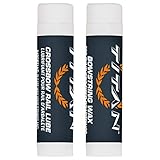
- ARS Mark9.4
ARS Mark is a ranking system developed by bestairriflescopes.com. ARS Mark has no relationship or impact from any manufacturers or sales agent websites. Learn more
- BrandAC Allen

- ARS Mark9.4
ARS Mark is a ranking system developed by bestairriflescopes.com. ARS Mark has no relationship or impact from any manufacturers or sales agent websites. Learn more
- BrandTenPoint
- ARS Mark9.2
ARS Mark is a ranking system developed by bestairriflescopes.com. ARS Mark has no relationship or impact from any manufacturers or sales agent websites. Learn more
- BrandBBTO

- ARS Mark9.2
ARS Mark is a ranking system developed by bestairriflescopes.com. ARS Mark has no relationship or impact from any manufacturers or sales agent websites. Learn more
- BrandWangQin Archery
- ARS Mark9.0
ARS Mark is a ranking system developed by bestairriflescopes.com. ARS Mark has no relationship or impact from any manufacturers or sales agent websites. Learn more
- BrandWangQin Archery

- ARS Mark8.8
ARS Mark is a ranking system developed by bestairriflescopes.com. ARS Mark has no relationship or impact from any manufacturers or sales agent websites. Learn more
- BrandWangQin Archery

- ARS Mark8.6
ARS Mark is a ranking system developed by bestairriflescopes.com. ARS Mark has no relationship or impact from any manufacturers or sales agent websites. Learn more
- BrandWangQin Archery
Last update on 2025-11-14 / Affiliate links / Images, Product Titles, and Product Highlights from Amazon Product Advertising API
Most shooters talk about FPS, accuracy, or bolt selection, yet they often skip the basics like how often to wax crossbow string. The truth is, without proper waxing, all those expensive upgrades mean nothing. A frayed string can ruin a hunt, cause injury, or send bolts flying off target. For hunters, this isn’t just a matter of convenience, it’s a matter of trust in their gear.
Statistics show that nearly 40% of premature string failures could have been avoided with consistent waxing. That means nearly half of the breakdowns people complain about are self-inflicted. The key factor here is simple: wax keeps fibers bound, prevents moisture from sneaking in, and reduces friction with the rail. Just like oiling an engine, skipping this step wears things down faster.
The benefits don’t stop at safety. A well-maintained string ensures smoother draws, steadier release, and consistent arrow speed. Hunters chasing that clean kill need reliability, and target shooters chasing tight groupings need repeatability. Both find their answers in this unglamorous habit.
So, why do people still ignore it? Often, it’s lack of knowledge. Many assume a new crossbow is “good to go” out of the box. But the difference between a casual shooter and a seasoned archer often comes down to habits like waxing.
You don’t always have to follow a calendar, your string tells you when it needs attention. Look closely. Are fibers starting to fluff or split? Does the serving feel rougher than usual? These are warning signs that waxing frequency isn’t high enough.
Another important point: climate plays a big role. Humid environments soak strings faster, while dry ones can crack fibers. Either way, if your string feels dry or shows fuzz, it’s time to wax. Waiting until failure is gambling with both safety and performance.
Think of it like tire maintenance on a car. You don’t wait for a blowout to check your tread, you watch for wear and adjust accordingly. Crossbows demand the same mindset. The strength of your string determines the power of your shot.
One seasoned archer once said, “My bow talks to me before it breaks, I just had to learn to listen.” That wisdom reflects reality: ignoring signs turns small problems into costly ones.
Here’s where most shooters struggle, how often to wax crossbow string isn’t a one-size-fits-all answer. For a light user, waxing every 10 shots may be overkill. For a hunter trekking through wet forests, every few shots might be necessary. The real trick is tailoring your routine to your environment and shooting volume.
A common guideline suggests waxing every 5–10 shooting sessions. But experts stress that “sessions” differ. An afternoon of casual backyard shots isn’t the same as stalking deer in freezing rain. Knowing your situation is the main key.
Practical example: A hunter in the Midwest may wax every weekend outing. Meanwhile, a target shooter practicing daily may do it every other session. The environment, storage conditions, and even string material all play a role.
The smartest move? Develop a habit of quick inspections. Feel the texture, look for fuzz, and wax proactively rather than reactively. It’s a small habit with huge returns.
Believe it or not, you can wax too much. Excess wax builds up, attracting dirt and grit, which grinds down fibers faster. The important difference is thin, even layers versus clumps of sticky mess. Over-waxing may feel like care, but it’s actually sabotage.
Another common mistake is ignoring the serving. While waxing the string is vital, applying wax directly on the center serving can make it slippery and compromise arrow grip. The key factor is targeting exposed fibers, not the areas meant to anchor bolts.
Some shooters also skip cleaning before waxing. Imagine painting over rust, it hides the problem but doesn’t solve it. Wiping strings with a cloth before applying wax ensures the product penetrates where it’s needed most.
Finally, using the wrong type of wax creates more harm than good. Not all waxes are designed for crossbows. Some dry too quickly, while others are too sticky. Stick to reputable archery wax products built for strings and cables.
Let’s get blunt: ignoring how often to wax crossbow string costs money, accuracy, and sometimes even safety. A broken string not only sets you back $30–$60 for a replacement, but also risks damaging limbs or cams that cost hundreds more.
From a performance perspective, neglect means uneven shots, wasted arrows, and frustration. For hunters, it could mean wounding rather than ethically harvesting game. For target shooters, it could mean missing personal best scores. Both situations are preventable with a 30-second waxing habit.
Financially, consistent waxing extends the lifespan of a string by up to 50%. That’s not marketing, it’s real savings. If a string normally lasts 500 shots, waxing can push it closer to 750. Multiply that across years of shooting, and you’ve saved enough for new accessories or gear upgrades.
Most importantly, neglect is a safety hazard. A snapped string at full draw is no joke. Protecting your equipment also means protecting your face, hands, and shoulders. The main benefit of waxing is avoiding risks you’ll regret later.
Not every wax on the shelf is created equal, and picking the wrong one can undo your efforts. The key factor is using wax specifically designed for crossbow or bowstrings. These formulas penetrate fibers properly, keeping them flexible without turning into sticky residue.
Beeswax-based blends are a popular choice because they offer moisture resistance and smooth glide. Synthetic blends, on the other hand, excel in extreme temperatures, holding up when natural waxes get brittle. Each has its strengths and weaknesses, so your environment should guide your choice.
A hunter trekking through rainy woods benefits from waterproof blends, while a target shooter in a dry region may prefer traditional beeswax. The important point is avoiding random substitutes like candle wax or petroleum jelly, which either dry out fibers or cause messy buildup.
Investing in quality wax might cost a few extra dollars, but it pays back in longevity, accuracy, and peace of mind. One tube can last months, even years, depending on how often you shoot.
Too many shooters rush this step, yet proper application is just as critical as frequency. The main key is applying thin, even coats across exposed string fibers. Start by cleaning with a soft cloth to remove dirt and dust. Then, rub a small amount of wax along the string, excluding the serving.
Next, use your fingers to massage the wax into the fibers. The heat from your skin helps it penetrate evenly, preventing clumps. Skipping this step leaves wax sitting on the surface, where it attracts grit instead of protecting the fibers.
Don’t overdo it. A glossy finish isn’t the goal, smooth, slightly tacky fibers are. The important difference lies in balance: too little offers no protection, too much creates problems.
Finally, inspect your work. The string should look conditioned, not dripping. With practice, this process takes less than a minute and ensures consistent reliability with every draw.
The environment is one of the biggest variables in deciding how often to wax crossbow string. Humidity, rain, snow, or even desert dryness all affect fibers differently. Moisture weakens strings faster, while arid climates make them brittle.
For hunters who spend hours outdoors, waxing may be needed every session. Target shooters practicing indoors, however, can often extend intervals between applications. The key factor is adapting, not blindly following a schedule.
A practical example: a crossbow stored in a climate-controlled garage needs less attention than one hauled into swamps during hunting season. Both users shoot the same number of bolts, yet their maintenance needs differ dramatically.
Statistics suggest strings maintained according to climate last up to 30% longer. That’s not small change, it’s real-world proof that tailoring your waxing habits to the weather pays dividends.
Sometimes, the best lessons come from mistakes. One experienced hunter shared how a neglected string snapped mid-draw, ruining a trip and costing him hundreds in repairs. His takeaway? “Waxing became as routine as loading my bolts.” The important point is that small habits prevent big regrets.
Target shooters often note tighter groups when strings are freshly waxed. A smoother glide reduces vibration, translating to more consistent accuracy. This simple maintenance step is often the difference between average performance and personal bests.
Another lesson comes from archers competing in different climates. Those who traveled from dry states to humid environments quickly realized their old routines didn’t cut it. Adjusting waxing frequency on the fly kept them competitive.
Stories like these highlight how consistent care builds confidence. No matter the skill level, waxing isn’t optional, it’s part of the rhythm of shooting.
The truth is, habits shape performance. Making string waxing a non-negotiable routine ensures you never skip it when it matters most. Pair it with cleaning bolts or wiping down the rail so it becomes part of your natural shooting rhythm.
One effective strategy is to set a visual reminder. Keep your wax tube in the same case as your bolts or attach it to your gear bag. That way, you’ll never forget it before heading out. The key factor is reducing excuses, if wax is always within reach, applying it becomes automatic.
Another trick is tracking in a journal. Hunters already note moon phases, shot patterns, and weather. Adding waxing dates helps identify patterns and keeps you proactive.
Consistency pays off. What feels like a small, mundane act quickly becomes the backbone of reliable shooting, saving you from broken strings, costly repairs, and missed opportunities.


12 Best 22 Pcp Air Rifle For Hunting of 2026 With Quiet Power

7 Best 22 Pcp Air Rifle Under 300 of 2026 For Backyard Pest Control

10 Best 22 Break Barrel Air Rifles of 2026 For Backyard Pest Control

10 Best 30 Caliber Pcp Air Rifle of 2026 For Medium Game

Top Best 177 Air Rifle Under 100: Budget-Friendly Picks for 2026

How to Safely Reload Shotgun Shells at Home

11 Best Co2 Air Rifle For Pest Control of 2026 To Ensure Humane Dispatch

12 Best Inexpensive Air Rifles of 2026 For Dependable Backyard Accuracy






