
How to Adjust the 3rd Axis on a Bow Sight for Steep Shots

Level the sight bubble at full draw. When aiming steep uphill or downhill, a crooked sight housing swings sideways like an open door. That tilt tricks your bubble, causing you to lean the bow and miss left or right. To fix it, aim along a straight vertical line while drawn, and rotate the sight housing until the bubble rests dead center.
Getting this right depends on three things. First, verify that your sight model has a dedicated adjustment screw for this angle. Next, make sure your first and second axes are already square on flat ground. Finally, account for how your grip and the pulled cables naturally twist the bow frame at full anchor, which is why a bench reading will not work. Here is how to dial in your alignment at home before your next hunt.
The Short Version
- The 3rd axis controls the swinging door tilt of your sight housing, pivoting the pin ring toward or away from your face.
- A crooked 3rd axis looks level on flat ground, but it gives a false bubble reading on uphill and downhill shots, tricking you into leaning the bow sideways.
- To adjust it, square your 1st and 2nd axis first, draw your bow, align your sight with a vertical plumb line at a steep angle, and rotate the housing screws until the bubble centers.
- Setting the 3rd axis at full draw is necessary because bow hand pressure and cable tension twist the riser in ways a table vise cannot replicate.
What 3rd Axis Is and Why Flat Ground Hides the Problem
To understand how your bow sight works, picture your sight housing as an everyday door. The 1st axis keeps the sight mounting bar perpendicular to the bowstring. The 2nd axis rotates the round sight housing like a steering wheel to center your bubble on flat ground. The 3rd axis is the swinging door tilt of that same housing. It controls whether your sight pins tilt forward toward the target or backward toward your eye.
When you stand on flat ground and shoot straight ahead, this swinging door tilt stays completely hidden. Because the bow points horizontally, gravity pulls straight down through the center of the bubble vial. Even if your sight housing swings open like a half-ajar door, the bubble stays centered between the lines. Your arrows hit dead center at 20, 30, and 40 yards, giving you the false impression that your sight is fully squared.
The problem shows up the instant you shoot at an incline. When you point your bow up a steep hill or down from a tree platform, the sight housing tilts into the air. If the 3rd axis is crooked, gravity pulls the fluid inside the level sideways. The bubble drifts away from center, giving you a false reading. The level tells you that your bow is leaning sideways, even when the bow riser is perfectly vertical.
Because archers instinctively center the bubble before releasing an arrow, you react by canting the bow. Canting means leaning the bow sideways until the bubble returns to the middle. When you lean the bow, your arrow leaves the string pointing off to the side. On steep downhill shots, an unadjusted 3rd axis sends arrows drifting left or right into the dirt. If you are picking out the best bow sight for treestand hunting, an adjustable 3rd axis ensures your bubble stays honest when shooting from high tree platforms.
How to Check if Your Bow Sight Has a 3rd Axis Adjustment
Not every bow sight includes a 3rd axis bracket. Before loosening any screws, examine your sight housing to confirm what adjustments your model allows.
- Inspect the housing mount: Follow the round sight housing back to where it joins the elevation bar. Look for a small pivot joint held by one or two Allen screws.
- Look for slotted adjustment tracks: Sights with 3rd axis control feature curved screw slots or a small pivot block. Loosening these screws lets the housing swing forward and backward like an opening door.
- Identify fixed hunting sights: Many entry-level hunting sights attach the circular housing directly to the windage block with a single solid arm. If your sight has no pivot hinge or adjustment screws at that joint, it lacks 3rd axis adjustment.
- Look for micro-drive screws: Higher-end sights often feature micro-adjustment screws. Turning a small Allen bolt tilts the housing smoothly, preventing sudden slipping while you tighten the locking screws.
If your sight lacks 3rd axis screws, you cannot adjust this tilt directly on the housing. You can correct minor errors by adding a wedge shim between the riser and the sight bracket, or by upgrading to a sight with independent axis controls.
How to Level Your 3rd Axis at Full Draw
Leveling your 3rd axis at full draw requires seven straightforward steps. Work in a safe space and focus on repeating your natural shooting posture.
- Square your 1st and 2nd axis first. Your 1st axis aligns the sight bar with your bowstring, while the 2nd axis centers the bubble when the bow sits vertical on flat ground. If your 2nd axis is crooked, your 3rd axis setting will never be true. Review our guide on how to use a bow sight if you need to square your flat-ground bubble first.
- Hang a plumb line. A plumb line is a weighted string hanging straight down from a high point. Tie a piece of bright string to a ceiling rafter or garage beam and attach a heavy weight to the bottom. Let it settle until it stops swinging. You can also use the confirmed vertical edge of an interior doorframe.
- Prepare your bow safely. Safety comes first during any bow setup. Always nock an arrow and aim toward an arrow-rated backstop, or draw using a specialized training release that cannot fire. Never draw a compound bow without an arrow loaded toward a safe backstop.
- Draw the bow on flat ground. Stand about 10 feet back from your plumb line. Draw the bow to your normal anchor point. Look at your bubble level to confirm it sits centered when aiming horizontally.
- Aim at a steep angle along the plumb line. Bend at your waist to aim upward at a 45-degree angle toward the top of the string, or stand on an elevated platform to aim downward. Line up the vertical pin or the vertical edge of your sight housing flush against the plumb line.
- Check the bubble reading. While holding your sight pin against the plumb line, look down at the level. If the bubble stays centered between the lines, your 3rd axis is correct. If the bubble drifts left or right, your swinging door angle is out of alignment.
- Adjust the 3rd axis screws. Let down your bow safely. Loosen the 3rd axis locking screws slightly. If the bubble drifted to the right on a steep downhill angle, pivot the housing slightly until the error disappears. Tighten the screws, draw again, and verify the setting on steep upward and downward angles until the bubble stays centered.
Common Mistakes That Ruin Your 3rd Axis Setting
Even experienced archers run into trouble when setting sight levels. Avoiding these common mistakes will save you time and preserve your accuracy.
Setting your sight on a flat workbench: Many archers mount their bow in a bench vise and level the sight with small bubble gauges. While this works for the 1st and 2nd axis, it fails for the 3rd axis. When you draw a compound bow, the cables pull hard against the cable guard, putting sideways torque on the riser. Your bow hand also applies outward pressure to the grip. This flex, called riser torque, twists the sight plane. A sight leveled on a bench will show an unlevel bubble the moment you reach full draw.
Bending at the shoulders instead of the waist: When shooting up or down steep hills, archers often raise or lower their bow arm alone. Dropping your bow arm alters the grip angle in your hand, changing riser torque and shifting your facial anchor point. Always keep your upper-body posture locked, bending strictly from the waist to keep hand pressure consistent.
Torquing the bow grip with your fingers: Squeezing the bow handle twists the riser during the draw. Keep your bow hand relaxed, letting the grip rest against the base of your thumb with your fingers loose at a 45-degree angle.
Skipping 2nd axis alignment: If your 2nd axis is tilted even slightly, setting the 3rd axis will produce confusing readings. Always confirm your flat-ground bubble before making angle adjustments.
What to Look for in Archery Sights and Axis Leveling Tools
If you hunt from tree platforms or shoot field courses on steep terrain, choosing the right sight hardware simplifies leveling. Here is what to check when evaluating sights and adjustment tools.
Look for sights with independent adjustments for all three axes. On well-built sights, adjusting the 3rd axis screws will not alter your 2nd axis bubble or windage setting. Sights with micro-drive adjustment screws are especially helpful, allowing you to turn a small Allen bolt to shift the housing smoothly without it slipping out of place when you loosen the locking bolts.
Check the sensitivity of the bubble level. Bright fluid vials with sharp indicator lines help you spot minor canting in dim forest shade. If you want to simplify setup without drawing against a plumb line, dedicated clip-on archery leveling tools attach directly to your sight bar. These tools use long vertical alignment pins that let you verify 3rd axis alignment directly at full draw.

- ARS Mark10.0
ARS Mark is a ranking system developed by bestairriflescopes.com. ARS Mark has no relationship or impact from any manufacturers or sales agent websites. Learn more
- BrandSOPOGER
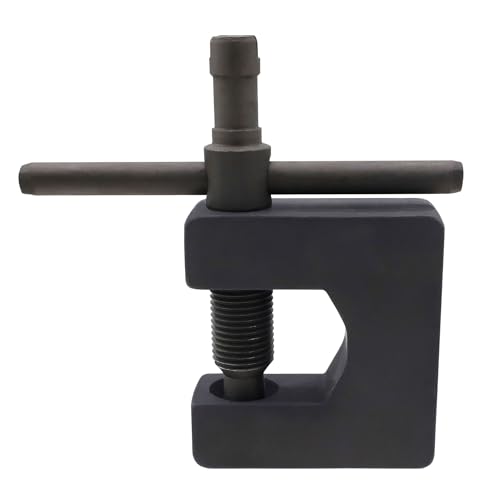
- ARS Mark10.0
ARS Mark is a ranking system developed by bestairriflescopes.com. ARS Mark has no relationship or impact from any manufacturers or sales agent websites. Learn more
- BrandZOEKIM

- ARS Mark9.0
ARS Mark is a ranking system developed by bestairriflescopes.com. ARS Mark has no relationship or impact from any manufacturers or sales agent websites. Learn more
- BrandHamskea

- ARS Mark8.8
ARS Mark is a ranking system developed by bestairriflescopes.com. ARS Mark has no relationship or impact from any manufacturers or sales agent websites. Learn more
- BrandAISUNOUTDOOR

- ARS Mark8.8
ARS Mark is a ranking system developed by bestairriflescopes.com. ARS Mark has no relationship or impact from any manufacturers or sales agent websites. Learn more
- BrandCBE

- ARS Mark8.2
ARS Mark is a ranking system developed by bestairriflescopes.com. ARS Mark has no relationship or impact from any manufacturers or sales agent websites. Learn more
- BrandTACFUN

- ARS Mark7.4
ARS Mark is a ranking system developed by bestairriflescopes.com. ARS Mark has no relationship or impact from any manufacturers or sales agent websites. Learn more
- BrandAolamegs

- ARS Mark7.4
ARS Mark is a ranking system developed by bestairriflescopes.com. ARS Mark has no relationship or impact from any manufacturers or sales agent websites. Learn more
- BrandZOEKIM

- ARS Mark7.2
ARS Mark is a ranking system developed by bestairriflescopes.com. ARS Mark has no relationship or impact from any manufacturers or sales agent websites. Learn more
- BrandSOPOGER

- ARS Mark5.8
ARS Mark is a ranking system developed by bestairriflescopes.com. ARS Mark has no relationship or impact from any manufacturers or sales agent websites. Learn more
- BrandREDLINE
Last update on 2026-09-30 / Affiliate links / Images, Product Titles, and Product Highlights from Amazon Product Advertising API
FAQs
Why do my arrows miss left or right only on steep angles?
When your 3rd axis is crooked, pointing your bow up or down forces the bubble off center. When you tilt the bow sideways to center the bubble, you cant the bow. Leaning the bow causes the arrow to fly off to the side, leading to consistent left or right misses on angled shots.
Do I need to level the 1st and 2nd axis before the 3rd axis?
Yes, you must always square your 1st and 2nd axis beforehand. The 1st axis squares your sight bar to the bowstring, while the 2nd axis centers your bubble for flat-ground shooting. If your flat-ground bubble is crooked, any 3rd axis adjustment will be based on a false starting point.
Can I adjust my 3rd axis without drawing the bow?
Adjusting the 3rd axis off the bow on a flat table rarely produces accurate results. When you draw a bow, hand pressure and cable tension twist the riser. Setting the 3rd axis at full draw accounts for this natural twisting force, ensuring your bubble stays accurate in real shooting conditions.
How often should I recheck my 3rd axis adjustment?
Recheck your 3rd axis at the start of each hunting season, or whenever you change your bow grip, sight bar, or string set. You should also verify the adjustment if your bow takes a hard knock during transport, because heavy vibration can loosen pivot screws.


12 Best 22 Pcp Air Rifle For Hunting of 2026 With Quiet Power

7 Best 22 Pcp Air Rifle Under 300 of 2026 For Backyard Pest Control

10 Best 22 Break Barrel Air Rifles of 2026 For Backyard Pest Control

10 Best 30 Caliber Pcp Air Rifle of 2026 For Medium Game

Top Best 177 Air Rifle Under 100: Budget-Friendly Picks for 2026

How to Safely Reload Shotgun Shells at Home

11 Best Co2 Air Rifle For Pest Control of 2026 To Ensure Humane Dispatch

12 Best Inexpensive Air Rifles of 2026 For Dependable Backyard Accuracy






