
How to Adjust an AR-15 Front Sight to Center Your Shots

Hitting high or low on paper is completely normal, and fixing it takes only a few minutes. Simply push down the small spring-loaded locking pin at the base and turn the front sight post clockwise to raise your hits, or turn it counterclockwise to lower them. Front sights work in reverse compared to rear sights: screwing the post down brings your shots up, while raising the post pushes your shots down.
How far each click moves your bullet depends on your target distance, the distance between your sights, and whether your post has four notches or five. Using a small prong wrench also makes holding that pin down much easier than pressing it with a bullet tip. The steps below walk through each turn so you can center your shots without scratching the rifle.
Which Way Do I Turn the Front Sight Post?
If your shots are hitting low on the target, your natural instinct tells you to push the front sight post up. That instinct is normal, but it actually makes your shots hit even lower. Adjusting a front sight works in the exact opposite direction of adjusting a rear sight or an aiming dot.
When you move a rear sight, your bullet group moves in the same direction you turned the dial. Moving the rear aperture up makes your shots climb higher. The front sight works in reverse. Moving a front sight post moves your point of impact (where the bullet hits the target) in the opposite direction.
Think about how your eye aligns the sights. When looking through the rear peep hole, you balance the tip of the front post in the center of the opening. Screwing the front post down into its base makes the post shorter. To bring that shorter post back to the center of your eye line, you must tilt the front of the rifle upward. That upward tilt lifts your barrel, causing your shots to hit higher on the target.
Unscrewing the post to make it taller does the opposite. A taller post forces you to push the muzzle downward to center the tip, making your shots hit lower on the target.
Here is the rule to remember at the range:
- Turn clockwise (screw down) to raise your bullet group.
- Turn counterclockwise (unscrew up) to lower your bullet group.
Most posts have a tiny arrow stamped near the notches with the word UP. That arrow shows which direction to turn to make your bullet impact climb. Turning toward that arrow screws the post deeper into the base, which lifts your hits.
How Do You Unlock and Turn the Post Step by Step?
Before adjusting your sights, make the rifle completely safe. Drop the magazine, pull the charging handle back, lock the bolt open, and inspect the chamber visually and with your finger to verify it is empty. Keep the muzzle pointed in a safe direction at all times.
Once clear, adjust your elevation (the setting that moves hits up or down) using these steps:
- Locate the spring-loaded locking pin. Look at the round collar directly beneath the post. You will see a small steel pin (called a detent) sitting inside one of the notches. This pin locks the post so rifle recoil does not spin it out of zero.
- Press the locking pin down. Place the tip of your sight tool, a small punch, or a bullet tip against the pin. Push it straight down into the sight base until the top of the pin sits flush beneath the post collar notch.
- Rotate the post collar. While holding the pin down, rotate the post collar. Turn clockwise to lower the post and raise your hits, or counterclockwise to raise the post and lower your hits. Once the post starts turning, the solid rim of the collar keeps the pin depressed.
- Listen for the locking click. Continue turning slowly until the next notch aligns with the pin. You will feel the pin snap upward into the notch. That snap represents one click. Never leave the post resting between notches, as the pin must engage fully to hold your zero.
- Fire a confirmation group. Settle into a steady bench rest and fire three to five shots. Check where the group lands before making any further adjustments.
Should You Use a Sight Tool or a Bullet Tip?
You can adjust an AR-15 front sight with several tools, but your choice changes how easily the post rotates. AR-15 front sights generally come in two styles: the older A1 design and the common A2 design. An A1 post features five notches around the collar, while an A2 post features four notches. Almost every modern rifle uses the four-notch A2 setup.
A dedicated front sight wrench makes this adjustment simple. These compact steel cylinders slide over the post. When you press down, one prong depresses the locking pin while the other prongs grip the notches. This lets you depress the pin and rotate the post in a single smooth motion. Many wrenches feature a dual-ended design with four prongs on one end and five prongs on the other.
A bullet tip works in the field if you have no tools handy. You push the copper nose of a cartridge against the locking pin to press it down, then lever the bullet sideways against a notch to rotate the collar.
Using a cartridge nose works in a pinch, but it has drawbacks:
- The rounded nose can slip off the pin and scratch the finish on your sight base.
- A slipping bullet can cut your fingers or push the bullet deeper into its brass case.
- Applying sideways leverage with a single point of contact is difficult if the threads are stiff.
A small punch or nail can also press the pin down, but you need a second tool to spin the post. Keeping an inexpensive steel wrench in your range bag avoids scratched metal and wasted effort.
How Far Does One Click Move Your Bullet Impact?
The distance your bullet moves with each click depends on your sight radius (the distance between your front sight post and your rear sight aperture). A long rifle barrel creates a wide sight radius, while a compact carbine places the sights closer together.
On a standard 16-inch carbine with roughly a 14.5-inch sight radius, turning the post by one notch (one click) shifts your bullet impact about 1.5 to 1.7 inches at 100 yards. On a 20-inch rifle with a longer 20-inch sight radius, one click moves your impact about 1.25 inches at 100 yards.
Here is a quick reference for zeroing (adjusting your sights so bullets land where you point) on a standard 16-inch carbine:
- At 25 yards: One click moves your bullet impact roughly 3/8 of an inch. If your shots hit two inches low, turn the post clockwise (down) about five clicks to bring your group up.
- At 50 yards: One click shifts your bullet impact about 3/4 of an inch. If you are shooting two inches high, turn the post counterclockwise (up) roughly three clicks to lower your hits.
- At 100 yards: One click shifts your hits about 1.5 inches. A small two-click adjustment moves your bullet group three inches on paper.
Because each click creates a distinct shift, adjust in small steps, count your clicks, and fire a fresh group after every turn.
What Should You Check If the Post Will Not Turn?
Front sight posts occasionally seize up, refuse to depress, or fail to move your group. Before applying heavy force, check these four common issues:
- Trapped carbon and dried oil: The front sight tower sits directly above the barrel gas port. Hot gas and carbon residue blow past the base of the post during firing, baking into the threads. Apply a few drops of penetrating cleaner to the base, wait ten minutes, and tap the pin lightly with a punch to free the spring.
- A pin that is not fully depressed: If the pin is not pushed below the collar rim, the post cannot turn. Forcing the post against a raised steel pin strips the notch edges. Ensure your tool drives the pin straight down before twisting.
- Mechanical travel limits: Sight posts have limited threads. If you screw the post down too far, it bottoms out against the base. If you unscrew it too far, the collar lifts above the locking pin, which can allow the spring to eject. If your post reaches its limit and shots are still off target, inspect your rear sight or barrel alignment.
- Shooting rest stability: If your shots scatter unpredictably, the sight is rarely the problem. Inconsistent cheek placement, breathing, or an unstable rest cause erratic groups. Support the rifle on firm sandbags and fire a steady three-shot group before adjusting the post again.
What Kind of Sight Adjustment Tool Should You Look For?
If you want to adjust your iron sights cleanly without slipping tools or scratched metal, a small front sight wrench is a dependable accessory for your range bag.
Look for a tool made from hardened steel or chromium-vanadium steel. Solid metal construction ensures the prongs will not bend or round off when working against carbon-packed threads or stiff detent springs. Softer metal or plastic tools wear down quickly.
Choose a tool that features textured knurling or a non-slip pattern along its center handle. Depressing the spring pin while rotating the post requires a firm grip, and a textured body gives you control even when wearing shooting gloves.
Dual-ended compatibility is also helpful. Many compact sight wrenches include a four-prong head on one end for A2 sights and a five-prong head on the reverse end for A1 sights.
A dedicated wrench is especially valuable if you plan on lining up your backup iron sights through the optic glass. Dialing in your front post cleanly ensures your iron sights co-witness properly with your dot sight, giving you a dependable secondary aiming point.
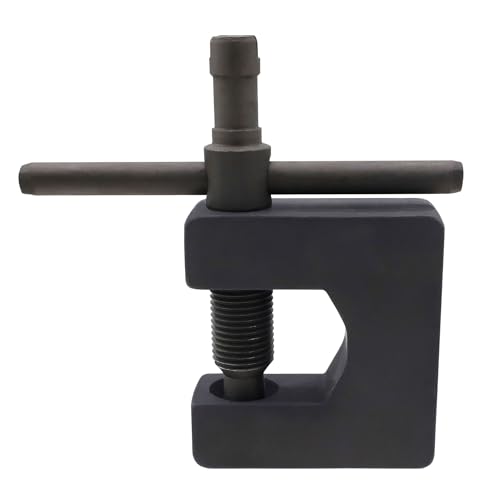
- ARS Mark10.0
ARS Mark is a ranking system developed by bestairriflescopes.com. ARS Mark has no relationship or impact from any manufacturers or sales agent websites. Learn more
- BrandZOEKIM

- ARS Mark8.8
ARS Mark is a ranking system developed by bestairriflescopes.com. ARS Mark has no relationship or impact from any manufacturers or sales agent websites. Learn more
- BrandAISUNOUTDOOR

- ARS Mark8.6
ARS Mark is a ranking system developed by bestairriflescopes.com. ARS Mark has no relationship or impact from any manufacturers or sales agent websites. Learn more
- BrandAISUNOUTDOOR

- ARS Mark8.2
ARS Mark is a ranking system developed by bestairriflescopes.com. ARS Mark has no relationship or impact from any manufacturers or sales agent websites. Learn more
- BrandTACFUN

- ARS Mark8.0
ARS Mark is a ranking system developed by bestairriflescopes.com. ARS Mark has no relationship or impact from any manufacturers or sales agent websites. Learn more
- BrandGeneric

- ARS Mark7.8
ARS Mark is a ranking system developed by bestairriflescopes.com. ARS Mark has no relationship or impact from any manufacturers or sales agent websites. Learn more
- BrandGeneric

- ARS Mark7.8
ARS Mark is a ranking system developed by bestairriflescopes.com. ARS Mark has no relationship or impact from any manufacturers or sales agent websites. Learn more
- BrandBooge

- ARS Mark7.6
ARS Mark is a ranking system developed by bestairriflescopes.com. ARS Mark has no relationship or impact from any manufacturers or sales agent websites. Learn more
- BrandNanchroadly

- ARS Mark7.4
ARS Mark is a ranking system developed by bestairriflescopes.com. ARS Mark has no relationship or impact from any manufacturers or sales agent websites. Learn more
- BrandZOEKIM
Last update on 2026-09-30 / Affiliate links / Images, Product Titles, and Product Highlights from Amazon Product Advertising API
FAQs
Does the front sight adjust left and right?
No, standard AR-15 front sight posts only adjust up and down for elevation. Left-to-right adjustments (windage) are handled exclusively at the rear sight using its click adjustment knob or screw dial. If your shots land to the left or right, leave the front sight alone and adjust your rear sight aperture.
Can you turn the front sight post too far?
Yes, turning the post beyond its intended threads causes mechanical issues. Screwing the post too deep causes it to bottom out against the housing base. Unscrewing it too far lifts the collar above the locking pin, which can allow the pin and spring to launch out. Stop adjusting if the collar drops beneath the base rim or lifts high above it.
Do flip-up front sights adjust the same way as fixed sight bases?
Most folding backup front sights use the same spring-loaded locking pin and threaded post design found on fixed front sight towers. You press the pin and rotate the post in the exact same directions. A few low-profile folding models feature built-in thumb wheels, but the adjustment rule remains identical: lowering the post raises your bullet impact.
How do you know if your rifle has an A1 or A2 front sight?
Count the notches cut into the collar around the post. An A2 sight post features four square notches, while an older A1 sight post features five rounded notches. Modern civilian rifles and folding backup sights almost universally use the four-notch A2 configuration.


12 Best 22 Pcp Air Rifle For Hunting of 2026 With Quiet Power

7 Best 22 Pcp Air Rifle Under 300 of 2026 For Backyard Pest Control

10 Best 22 Break Barrel Air Rifles of 2026 For Backyard Pest Control

10 Best 30 Caliber Pcp Air Rifle of 2026 For Medium Game

Top Best 177 Air Rifle Under 100: Budget-Friendly Picks for 2026

How to Safely Reload Shotgun Shells at Home

11 Best Co2 Air Rifle For Pest Control of 2026 To Ensure Humane Dispatch

12 Best Inexpensive Air Rifles of 2026 For Dependable Backyard Accuracy






