
How to Adjust a Glock Rear Sight to Center Your Shots

Push the rear sight toward your target. Most factory Glock rear notches sit tightly inside a crosswise slot on the slide called a dovetail. If your groups drift to the left of the bullseye, you drift the rear sight right to nudge your impacts back to the middle. Moving the sight in the exact direction you want the bullet to go quickly re-aligns your sight picture.
Before tapping any metal, confirm that your trigger pull is not the true reason your shots stray. The method also changes based on your setup: standard factory sights need gentle sideways pressure across the slot, while adjustable target sights move with a simple turn of a tiny screw. Using a dedicated sight pusher clamp prevents surface scuffs, though a brass punch works if you take your time. Here is how to verify your hold and dial in your aim safely.
The Short Version
- Clear the handgun completely: Remove the magazine, lock the slide open, verify the chamber is empty, and separate the slide from the frame before touching the sights.
- Confirm your shooting form first: Shoot a five-round group from a supported bench rest to make sure an improper trigger pull is not pushing your shots off target.
- Follow the impact rule: Push the rear sight in the direction you want the bullet impact to move; if your shots hit to the left of your aim point, push the rear sight to the right.
- Use a dedicated sight pusher or brass punch: Move standard press-fit sights sideways across the dovetail slot (the mounting groove cut into the slide) using smooth mechanical pressure or gentle taps with a soft brass tool.
Rule Out Shooter Error Before Moving Metal
Before adjusting any iron sights on your Glock, make sure the gun is truly the reason your shots are missing the bullseye. Glock pistols use a striker-fired trigger system with a built-in safety blade on the trigger shoe. This design requires steady, straight-back finger pressure. When right-handed shooters jerk the trigger or squeeze their entire hand while firing, the muzzle dips slightly to the left and down. For left-handed shooters, that same squeeze pushes shots low and right.
If you adjust the metal sight to correct a shooting grip flaw, you simply lock in bad habits. Once your grip improves later, the pistol will start missing in the other direction. To confirm the pistol sights are truly out of alignment, head to the shooting range and set up a stable shooting platform.
Follow this checklist to confirm your point of aim:
- Use a solid bench rest: Sit down at a shooting bench and rest your hands or the dust cover of your pistol frame on a firm sandbag or shooting block. Do not rest the moving slide directly on the bag.
- Slow down your trigger press: Place the center pad of your index finger on the trigger. Press straight back toward your nose slowly until the shot breaks, without anticipating the recoil.
- Fire a slow five-round group: Shoot at a clean target placed 10 to 15 yards away. Take a breath between shots.
- Have a second shooter verify: Ask an experienced shooter at the range to fire a group with your pistol. If their shots land right in the bullseye while yours land wide left, your sights are straight and your trigger grip needs attention. If both of you place tight groups in the exact same off-center spot, your rear sight needs an adjustment.
The Direction Rule for Rear Sights
Knowing which way to move your rear sight can feel confusing, but the mechanical rule is simple: always move the rear sight in the direction you want the bullet hole to go. If your shots land to the left of the bullseye, you need your bullets to move right. That means you must push the rear sight to the right.
Think about how your eyes line up the front post and the rear notch. When you drift (slide sideways) the rear sight to the right, you have to turn the pistol muzzle slightly to the right to line the front sight back up in the center of the rear notch. Because the muzzle now points slightly farther to the right, your fired rounds travel to the right and hit the center of the target.
The opposite is also true. If your pistol consistently shoots to the right of your target, push the rear sight toward the left side of the slide. Remember that front sights and rear sights follow opposite rules, but for standard Glock windage (left or right sideways adjustment), you are moving the rear sight toward the desired impact.
Pushing Standard Glock Sights Step by Step
Standard factory Glock sights are press-fit into a dovetail slot (a triangular mounting groove cut across the rear of the slide). They do not have adjustment screws, so you must physically drift the sight block across the dovetail slot. You can do this with a dedicated mechanical sight pusher clamp or a brass punch and small hammer. A sight pusher tool is the safest method because it applies even, controlled screw pressure without striking your firearm.
Step 1: Clear the Firearm and Disassemble
Remove the magazine and place all live ammunition in another room. Pull the slide back, lock it open, and check the chamber with your eyes and your pinky finger to make certain no round is inside. Point the pistol in a safe direction, pull the trigger to drop the striker, pull down the takedown levers, and slide the slide forward off the polymer frame. Remove the recoil spring assembly and the barrel so you are working only with the bare slide.
Step 2: Protect the Slide Finish
Wrap two layers of blue painter tape around the sides of the slide near the rear sight. This protects the factory finish from accidental tool marks. If you plan to use a vise and punch, clamp the slide into a bench vise fitted with soft nylon or rubber jaw pads. Clamp the slide firmly along its lower rails where the metal is strongest, rather than squeezing the thin upper walls.
Step 3: Mark Your Starting Position
Take a fine pencil or a fine-tip dry-erase marker and draw a thin reference line across the base of the rear sight and onto the top surface of the slide. This line gives you a clear visual starting point. Glock sights sit tightly in the dovetail, and tiny movements make a massive difference downrange. Without a reference mark, it is easy to move the sight too far without realizing it.
Step 4: Drift the Sight
Choose your adjustment method based on the tools you have ready:
- Using a sight pusher tool: Place the slide into the tool cradle. Adjust the bottom supports so the driving block contacts only the base of the rear sight, not the top blade or the slide metal itself. Turn the drive bolt clockwise with your hand wrench. The pusher block will slowly press against the sight and slide it sideways across the dovetail.
- Using a brass punch: Never use a steel punch, as steel will gouge the slide and shatter polymer sights. Place the flat tip of a brass punch against the lower base of the rear sight on the side you need to strike. Keep the punch angled slightly downward into the dovetail. Tap the punch lightly with a small brass or nylon hammer. Use multiple light taps rather than heavy swings.
Step 5: Measure the Adjustment
Stop and check your progress frequently. A movement of just 1/64 of an inch (about the thickness of four sheets of paper) changes your bullet impact by roughly 2 to 3 inches at 25 yards. Look at your pencil mark to confirm the sight moved only a fraction of a millimeter. Wipe away any brass residue left behind by the punch using a drop of gun oil on a cloth patch.
Adjusting Factory Screw-Adjustable Rear Sights
Some competition and target Glock models come with factory screw-adjustable rear sights made of durable polymer. These sights have small slotted adjustment screws on the side and top, so you do not need to drift the sight base through the dovetail slot to make standard corrections.
To adjust windage (left-to-right alignment) on an adjustable Glock sight:
- Locate the small windage screw on the right side of the rear sight body.
- Insert a matching flathead mini-screwdriver into the screw slot.
- Turn the screw clockwise to shift the rear sight blade to the right, which moves your bullet impact to the right.
- Turn the screw counterclockwise to shift the sight blade to the left, which moves your bullet impact to the left.
- Listen and feel for small clicks as the screw turns; each click moves your point of impact roughly one-half inch to an inch at 25 yards.
Standard Glock fixed sights do not have elevation (up and down) adjustments. If your pistol shoots consistently high or low with standard fixed sights, you must change the physical height of the sight. Glock manufactures fixed rear sights in four specific step heights, marked with tiny stamped lines on the side of the sight base (- , standard, +, and ++). Installing a taller rear sight raises your bullet impact, while installing a shorter rear sight lowers it.
Verifying Your Zero at the Range
Once you make your adjustments, reassemble your pistol by sliding the barrel and recoil spring back into the slide, then mounting the slide onto the frame. Always conduct a function check with an empty gun to confirm the slide cycles smoothly and the trigger resets properly.
At the range, verify your work using these steps:
- Set up a bullseye target at your primary shooting distance (usually 15 or 25 yards for defensive handguns).
- Assume a stable, supported rest position over a sandbag to eliminate body sway.
- Fire a fresh three-round group using your standard practice or duty ammunition, since different bullet weights change the point of impact.
- Walk forward and measure the distance from the center of the group to the bullseye.
- If the group remains off-center, make another tiny adjustment in the proper direction. If you shoot with a slide-mounted optic, consider installing dedicated backup iron sights for cowitness with red dot sights in 2026 so your iron sights remain perfectly aligned through the lower third of the glass window.
Choosing a Sight Adjustment Tool
While a brass punch can work in a pinch, owning a mechanical sight adjustment tool is the most reliable way to make micro-adjustments without damaging your Glock. Striking a punch with a hammer delivers sharp, violent impacts that can easily crack plastic factory sights, crush fragile tritium night sight glass vials, or mark slide coatings.
When selecting a sight tool, look for a heavy-duty frame designed specifically for square slide profiles. Glock slides have flat, vertical side walls, so the tool jaws must clamp flat against the metal without wobbling. Seek out models with precise, fine-thread drive screws. A fine thread lets you turn the handle in small quarter-turn increments, giving you pinpoint control over fractions of a millimeter.
Make sure the pusher block inside the tool matches the height of your sight. The driving face must push directly against the solid dovetail base of the sight rather than pushing against the taller rear sight notch. Pushing against the top notch twists the sight sideways in the track, which can bind the metal and strip the tool threads. A quality adjustment tool turns sight adjustments into a quiet, controlled kitchen-table task instead of an aggressive shop project.

- ARS Mark9.2
ARS Mark is a ranking system developed by bestairriflescopes.com. ARS Mark has no relationship or impact from any manufacturers or sales agent websites. Learn more
- BrandPridefend
- ARS Mark9.0
ARS Mark is a ranking system developed by bestairriflescopes.com. ARS Mark has no relationship or impact from any manufacturers or sales agent websites. Learn more
- BrandATG
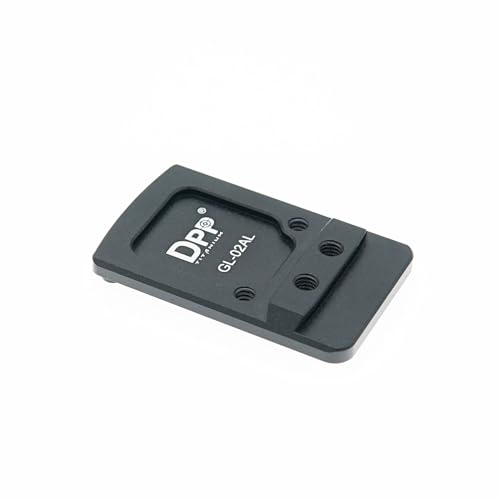
DPP Titanium Mounting kit/Plate/Adapter Compatible with Glock Trijicon RMR/SRO&Holosun 407C507C/508T
View on Amazon- ARS Mark9.0
ARS Mark is a ranking system developed by bestairriflescopes.com. ARS Mark has no relationship or impact from any manufacturers or sales agent websites. Learn more
- BrandDPP Titanium

- ARS Mark8.8
ARS Mark is a ranking system developed by bestairriflescopes.com. ARS Mark has no relationship or impact from any manufacturers or sales agent websites. Learn more
- BrandReal Avid

TRUGLO Sight-Setter Durable Compact Lightweight Easy-to-Use Rear Sight Adjustment Tool
View on Amazon- ARS Mark8.6
ARS Mark is a ranking system developed by bestairriflescopes.com. ARS Mark has no relationship or impact from any manufacturers or sales agent websites. Learn more
- BrandTRUGLO

- ARS Mark7.6
ARS Mark is a ranking system developed by bestairriflescopes.com. ARS Mark has no relationship or impact from any manufacturers or sales agent websites. Learn more
- BrandJMTAAT

- ARS Mark7.4
ARS Mark is a ranking system developed by bestairriflescopes.com. ARS Mark has no relationship or impact from any manufacturers or sales agent websites. Learn more
- BrandGeneric

- ARS Mark6.4
ARS Mark is a ranking system developed by bestairriflescopes.com. ARS Mark has no relationship or impact from any manufacturers or sales agent websites. Learn more
- BrandVAKPAT
Last update on 2026-09-30 / Affiliate links / Images, Product Titles, and Product Highlights from Amazon Product Advertising API
FAQs
Which way do I push the rear sight if my Glock shoots to the left?
Push your rear sight to the right. Moving the rear sight in the direction you want the bullet hole to go forces you to angle the barrel farther right when lining up the sights, centering your shots on the target.
Can I adjust my Glock rear sight with a regular steel punch?
Never use a steel punch on your Glock sights or slide. Steel is harder than the slide coating and the sight metal, meaning it will gouge the finish, mar the dovetail, and easily crack standard plastic or night sight inserts. Always use a dedicated sight pusher clamp tool or a soft brass punch.
Do standard Glock factory sights adjust up and down?
Standard factory Glock sights do not adjust up and down. They are fixed for elevation. If your shots hit too high or too low from a solid bench rest, you must purchase and swap in a taller or shorter Glock factory rear sight, which are marked with small plus or minus symbols on the side.
How far do I need to push the sight to move my group two inches?
At a standard shooting distance of 25 yards, drifting the rear sight just 1/64 of an inch will shift your bullet impact between two and three inches. Always make microscopic adjustments, mark your starting spot with a pencil line, and confirm the new group at the range before pushing it further.


12 Best 22 Pcp Air Rifle For Hunting of 2026 With Quiet Power

7 Best 22 Pcp Air Rifle Under 300 of 2026 For Backyard Pest Control

10 Best 22 Break Barrel Air Rifles of 2026 For Backyard Pest Control

10 Best 30 Caliber Pcp Air Rifle of 2026 For Medium Game
Top Best 177 Air Rifle Under 100: Budget-Friendly Picks for 2026

How to Safely Reload Shotgun Shells at Home

11 Best Co2 Air Rifle For Pest Control of 2026 To Ensure Humane Dispatch

12 Best Inexpensive Air Rifles of 2026 For Dependable Backyard Accuracy






