
How to Adjust a Henry Rifle Sight for Height and Windage

Check where the bullets hit paper before picking up any tools. That grouping tells you whether to slide the stepped wedge under the rear sight to change hit height, or tap the rear sight sideways to fix left-and-right aim. The basic rule is simple: always nudge the rear sight in the direction you want the bullet to move.
How you handle the job depends on the sight style sitting on the barrel. Traditional buckhorn sights use that notched slider, while receiver peep sights turn on fine threaded screws. The tools on hand make a big difference too, since soft brass rods protect the metal finish from ugly scratches that bare steel punches cause. Here is how to line up your aim and keep the rifle looking sharp.
Preparing Your Rifle and Setting Up a Safe Work Area
Before you touch any sight piece on your Henry rifle, you must make sure the firearm is completely unloaded and resting on a steady surface. Lever-action rifles require extra attention during unloading because cartridges feed through a tubular magazine beneath the barrel. Working on a rifle that shifts around or carries live ammunition can cause severe accidents or leave ugly scratches across your barrel finish.
Set up your work area on a sturdy table or workbench with good overhead lighting. You want the rifle held completely still so you can examine the small notches on the sight without the gun rolling over. A padded gun vise or a pair of dense sandbags works best to hold the stock and forearm securely without squeezing the wood too hard.
Gather the right tools before you begin. Never use hardened steel tools like a standard screwdriver, a mechanic chisel, or a steel hammer directly on rifle sights. Steel on steel will gouge the metal, chip your bluing, and mark up the brass or steel receiver. Instead, use a brass drift punch (a soft metal rod used to gently tap parts into place), a small brass or nylon mallet, a wooden pencil, and a bottle of gun oil.
Run through this quick bench checklist before making any physical adjustments to the iron sights:
- Clear the action: Swing the lever open, look inside the open chamber, and confirm no cartridge sits in the barrel or on the feed ramp.
- Empty the tube: Twist and pull out the inner magazine brass tube, tip the rifle downward to slide out any remaining rounds, and check the feed throat with your finger.
- Support the rifle: Clamp the rifle into a padded vise or settle it between heavy bags so both of your hands stay free.
- Tape the barrel: Stick two layers of blue painter tape on the barrel metal right next to the sight base to guard against slipped tools.
- Mark your baseline: Draw a thin pencil line across the joint between the sight base and the barrel slot so you can see how far you move the part.
Taking three minutes to prep your space keeps the rifle looking brand new. Blued steel and polished brass look gorgeous, but their surface protection is thin. Soft brass tools and painter tape give you the freedom to tap the sights firmly without worrying about an accidental slip.
Adjusting Hit Height With the Stepped Rear Elevator
Up-and-down hit height, known by shooters as elevation, controls whether your bullet strikes higher or lower on your target. Most Henry lever-action rifles come from the factory with a traditional semi-buckhorn rear sight. This assembly features a curved metal spring leaf attached to the barrel, with a small stepped metal slider sitting directly underneath it. That stepped slider is your sight elevator, and it does all the heavy lifting when you need to change your vertical point of impact.
The concept behind this design is pure physical leverage. When you push the stepped elevator deeper under the leaf, it forces the rear sight higher into the air. Raising the rear sight forces you to lift the rifle muzzle higher when aligning the front bead inside the rear notch. Lifting the muzzle causes the bullet to travel in a slightly higher arc, which moves your hit higher up on the target board. Dropping the rear sight lowers the muzzle and brings your hits down.
Adjusting the height requires no mechanical tools at all. Follow these steps to adjust your vertical hit placement:
- Point the rifle in a safe direction while it sits supported in your bench rest.
- Pinch the rear sight leaf with your thumb and forefinger, pulling it gently upward against its spring tension just enough to clear the elevator teeth.
- Slide the stepped elevator backward toward the buttstock to raise your bullet impact, or push it forward toward the muzzle to lower your bullet impact.
- Lower the sight leaf back down carefully so its small bottom tooth seats squarely inside one of the triangular notches on the elevator.
- Fire three steady practice shots at your target board to confirm where the new bullet group lands.
Each step on that metal elevator changes your hit height by a noticeable amount. At a distance of 50 yards, moving the slider up or down by one notch usually changes your point of impact by roughly one to two inches. If you shoot at 25 yards, that same notch will shift your hits by about half an inch to one inch. Shorter carbine barrels with shorter distances between the front and rear sights will see a slightly larger shift per notch than long-barreled rifle models.
If you find that your lowest elevator step still shoots too high, or your highest step still shoots too low, your rifle may need a taller or shorter front sight blade. Henry uses standard dovetail cuts for their front sight posts, which allows you to swap the front blade if your ammunition choice shoots outside the range of the factory elevator.
Adjusting Left-and-Right Aim by Drifting the Sight Base
Left-and-right aim, often called windage, determines whether your shots land dead center or drift off toward the edges of the target. Unlike modern target rifles with small adjustment screws or click dials, traditional Henry lever-action sights do not have horizontal knobs. The entire rear sight base sits locked tightly into a dovetail, which is an angled notch cut directly into the steel barrel. To move your shots left or right, you must drift the base, which means gently tapping the metal sideways inside that notch.
Moving a sight wedged tightly into steel requires patience and the right touch. If you strike the sight with an iron hammer or a steel punch, you risk marring the sight leaf, denting the barrel, or stripping away the blue finish. Brass punches are essential here because brass is softer than barrel steel. When brass strikes steel, the brass gives way slightly, transferring kinetic energy without gouging the harder metal underneath.
To drift the sight base sideways without damaging your firearm, use this careful process:
- Stick a strip of blue painter tape along the barrel right beside the dovetail notch to protect the finish if your punch happens to glance off.
- Draw a fine pencil line across the seam where the bottom of the sight base meets the barrel steel, creating an exact starting point.
- Place the flat, square face of your brass punch firmly against the thickest, lower part of the sight base right near the barrel slot. Never place the punch against the thin upper buckhorn leaf, as this will bend or snap the metal.
- Angle the punch slightly outward, keep firm downward pressure against the sight base, and deliver a light, crisp tap with your small brass or nylon mallet.
- Inspect your pencil line to measure how far the sight base moved. A shift of just 1/64 of an inch creates a noticeable change on paper at 50 yards.
- Wipe away the pencil mark and any soft brass marks with a soft cloth moistened with regular gun oil or bore cleaner.
Sometimes a factory sight feels completely frozen in place because of dried grease or tight factory tolerances. If a few moderate taps fail to budge the base, stop hammering immediately. Put a single drop of penetrating gun oil around the edges of the barrel notch and let it soak for fifteen to twenty minutes to loosen up the friction fit. Once the oil creeps underneath the sight base, gentle mallet taps will move the metal smoothly.
The Sight Movement Rule: Following Your Shot
The most common mistake shooters make when sighting in a rifle is drifting the sight the wrong way, which doubles their error on the target. You can avoid this frustration by remembering one simple rule: always move your rear sight in the exact direction you want the bullet hole to go. If you want the bullet to hit further to the right, move the rear sight to the right. If you want the bullet to hit higher up, raise the rear sight.
To understand why this rule works, picture the straight line passing from your eye, through the rear notch, across the front bead, and onto the target. When your rifle consistently hits two inches to the left of the bullseye, you need your barrel to point further right. When you tap the rear sight to the right, you are forced to angle the muzzle of the rifle slightly to the right to line up the front bead in the center of the notch again. That tiny angle shift brings your barrel directly onto the bullseye.
Here is how that rule applies in real shooting conditions:
If your shots land low and to the left, you need the hits to climb up and shift right. To fix this, lift the spring leaf and pull the stepped elevator back one step toward you, which raises the rear sight. Next, place your brass punch on the left side of the rear sight base and tap it toward the right side of the rifle. Take three calm, well-rested shots to confirm that the group walked straight toward the center ring.
Keep in mind that this rule only applies to the rear sight. If you ever adjust or drift a front sight blade, the geometry flips completely, meaning the front sight must move opposite to where you want the bullet to go. Because almost all Henry factory sight adjustments happen at the rear buckhorn assembly, sticking to the rear sight rule prevents confusion and saves expensive ammunition at the range.
When to Consider Optics Rails and High-Visibility Sight Upgrades
While traditional semi-buckhorn iron sights look authentic on a classic lever-action rifle, they can be difficult to use in challenging conditions. The human eye struggles to focus on three separate objects at different distances simultaneously: the rear notch, the front bead, and the target downrange. In dim woods, heavy brush, or as eyes mature over time, the dark metal buckhorn notch often blurs together with the background, making precise shot placement difficult.
Upgrading your sighting system can make shooting your Henry rifle much easier and far more consistent. One popular path is replacing the factory iron sights with a high-visibility fiber-optic sight set. These sights feature bright green or red light-gathering pipes that glow brightly in natural outdoor light. They fit right into the factory barrel dovetail notches, giving you a sharp, glowing aiming point without changing the classic profile of your rifle or requiring batteries.
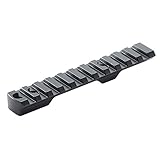
Another popular option is mounting a receiver scope rail across the top of your rifle. Henry drills and taps the top of many of their centerfire rifle receivers at the factory, allowing you to bolt on a standard slotted accessory rail. Once an accessory rail is mounted, you can attach an enclosed tube sight or an open-window dot sight. An aiming dot projects a clear, bright reticle onto a piece of glass, placing your aiming dot and your target on the exact same visual plane. This means you only have to look at the target and place the dot where you want the shot to land. Some shooters who mount rails also look into iron sights for cowitness with red dot sights so they have a reliable backup aiming option ready directly through the lower portion of the optic glass.
Before buying any sight upgrade or mounting rail for your Henry rifle, check a few crucial details:
Verify your specific rifle receiver model and screw-hole pattern. Henry Big Boy centerfire rifles, steel hunting models, and rimfire lever actions have different receiver top shapes and screw spacing. Look up your exact rifle model number in your owner manual to ensure the mounting rail matches your receiver holes. Check the dovetail slot size if you are swapping iron sight blades, as standard barrel notches measure 3/8-inch, but some variations exist across specialty calibers. Finally, always install mounting screws using an inch-pound torque tool and a dab of thread-locking fluid so lever-action vibrations do not loosen your base over time.

- ARS Mark10.0
ARS Mark is a ranking system developed by bestairriflescopes.com. ARS Mark has no relationship or impact from any manufacturers or sales agent websites. Learn more
- BrandZOEKIM

- ARS Mark9.2
ARS Mark is a ranking system developed by bestairriflescopes.com. ARS Mark has no relationship or impact from any manufacturers or sales agent websites. Learn more
- BrandWOSUWENGE
- ARS Mark9.2
ARS Mark is a ranking system developed by bestairriflescopes.com. ARS Mark has no relationship or impact from any manufacturers or sales agent websites. Learn more
- BrandHenry Repeating Arms

- ARS Mark9.2
ARS Mark is a ranking system developed by bestairriflescopes.com. ARS Mark has no relationship or impact from any manufacturers or sales agent websites. Learn more
- BrandHIVIZ

- ARS Mark8.8
ARS Mark is a ranking system developed by bestairriflescopes.com. ARS Mark has no relationship or impact from any manufacturers or sales agent websites. Learn more
- BrandHIVIZ

- ARS Mark8.6
ARS Mark is a ranking system developed by bestairriflescopes.com. ARS Mark has no relationship or impact from any manufacturers or sales agent websites. Learn more
- BrandAISUNOUTDOOR

- ARS Mark8.4
ARS Mark is a ranking system developed by bestairriflescopes.com. ARS Mark has no relationship or impact from any manufacturers or sales agent websites. Learn more
- BrandTRUGLO

- ARS Mark8.0
ARS Mark is a ranking system developed by bestairriflescopes.com. ARS Mark has no relationship or impact from any manufacturers or sales agent websites. Learn more
- BrandHIVIZ
Last update on 2026-09-30 / Affiliate links / Images, Product Titles, and Product Highlights from Amazon Product Advertising API
FAQs
Why is the rear sight on my Henry rifle so hard to tap sideways?
Henry presses their rear sight bases tightly into the barrel dovetail notch at the factory to prevent them from shaking loose under heavy recoil. If the sight will not budge with light taps, apply a drop of penetrating gun oil around the seam and let it sit for twenty minutes. Always use a flat brass drift punch placed at the bottom corner of the base, never tapping on the thin top leaf.
Can I adjust my Henry rifle sights without using a brass punch?
You can adjust vertical height using your fingers to slide the stepped elevator under the rear leaf, but horizontal windage adjustments require tapping the sight base. Never use a steel screwdriver or mechanic chisel, as hardened steel will permanently scratch the blued barrel finish. If you do not own a brass punch, a dense hardwood dowel or a tough nylon rod can work as a safe, non-marring alternative.
How do I know if my shots are off because of the sights or my trigger pull?
To rule out shooter error, shoot your rifle from a steady bench rest with the forearm and stock fully supported by sandbags. Pull the lever-action trigger smoothly with the pad of your index finger without squeezing your whole hand or anticipating the recoil. If three consecutive shots form a tight cluster that sits away from the center mark, your sights need adjustment, whereas scattered, erratic holes usually mean your shooting rest or trigger press needs improvement.


12 Best 22 Pcp Air Rifle For Hunting of 2026 With Quiet Power

7 Best 22 Pcp Air Rifle Under 300 of 2026 For Backyard Pest Control

10 Best 22 Break Barrel Air Rifles of 2026 For Backyard Pest Control

10 Best 30 Caliber Pcp Air Rifle of 2026 For Medium Game

Top Best 177 Air Rifle Under 100: Budget-Friendly Picks for 2026

How to Safely Reload Shotgun Shells at Home

11 Best Co2 Air Rifle For Pest Control of 2026 To Ensure Humane Dispatch

12 Best Inexpensive Air Rifles of 2026 For Dependable Backyard Accuracy






