
How to Adjust a Peep Sight Without a Bow Press?

Adjusting a crooked peep sight at home comes down to twisting the D-loop (the cord loop where your release aid clips) or nudging the peep along the bowstring. That approach changes depending on whether the sight is turning sideways or sitting at the wrong height for your eye. Small height tweaks work best by sliding the sight slightly, while sideways rotation usually requires adjusting the cord tied below it.
What you can safely do without a bow press (the shop clamp that flexes bow limbs) depends on a few clear factors. Tight serving thread, which is the protective wrapping wound around the peep, can keep it from sliding cleanly. Fresh bowstrings also stretch as you shoot, twisting the sight until the fibers settle. Here is how to straighten your view safely without damaging any string fibers.
Check Whether Your Peep Needs a Rotation Fix or a Height Adjustment
Before you touch your bowstring, you need to know exactly what is wrong with your sight picture. When you draw your compound bow back to your anchor point (the spot on your jaw or face where your hand sits every shot), you should see clearly through the peep sight. If you cannot see your sight housing, your peep has either rotated out of alignment or settled at the wrong height. Fixing the wrong issue will waste your time and can make your shooting worse.
Peep rotation means the peep sight (the small round window installed between the bowstring strands) is twisting sideways. Instead of looking through a clean, round circle, you see an angled oval, a dark slit, or the solid side of the peep housing. This rotation happens because bowstrings are made of two separate bundles of synthetic fibers twisted together. As string temperature changes, or as a new string settles after a few hundred shots, those fibers stretch slightly. That tiny stretch causes the string to spin as it reaches full tension, turning the peep away from your eye.
Peep height is different. If your peep is pointing directly at your eye but you have to drop your chin, raise your head, or slouch your shoulders to look through it, the height is off. Peep height controls your natural posture at full draw. If your peep sits even an eighth of an inch too high or too low, your groups will open up and your neck muscles will strain. Learning how to use a bow sight with better accuracy depends entirely on getting your eye, peep sight, and front sight ring aligned in a straight, relaxed line.
Look at your bow while standing relaxed in front of a mirror or have a friend stand next to you. Draw the bow using your normal release aid, close your eyes, settle into your comfortable anchor point, and open your eyes. If you are looking right at the peep hole but it is angled sideways, you have a rotation problem. If the peep is square to your eye but sitting above or below your natural line of sight, you have a height problem. Each issue has its own safe fix that does not require a bow press (a heavy clamp frame that flexes bow limbs to slacken the string).
Steps to Straighten Peep Rotation Using the D-Loop Twist Method
The most common and dependable way to fix peep rotation without a bow press is adjusting your D-loop (the small cord loop tied to the bowstring where your release aid clips on). When you draw your bow, your release aid naturally pulls the D-loop straight back toward your face. Because the D-loop is tied tightly to the string, turning the D-loop knots forces the bowstring to rotate slightly at full draw. Follow these steps to line it up cleanly.
- Check your peep angle at full draw rather than at rest.
Bowstrings twist under tension, which means a peep sight that looks slightly crooked while hanging on a wall rack often straightens out when the bow is fully pulled back. Always verify the peep angle while holding the bow at your anchor point. - Note which direction the peep needs to turn.
Look through the sight and see if the peep needs to rotate clockwise or counter-clockwise to face your eye square. Turning your D-loop in the wrong direction will double the misalignment and completely block your view. - Grip the D-loop firmly near the knots.
Use your fingers or a clean pair of needle-nose pliers wrapped in electrical tape to grab the base of the D-loop knots. Protecting the tool prevents metal edges from scuffing your center serving (the tight protective thread wrapped over the center of the bowstring). - Twist the D-loop slightly in the direction the peep needs to go.
Work the knots around the center serving by a few degrees at a time. Rotating the knots shifts the pulling angle of your release aid, which forces the bowstring strands to turn and face your eye when you reach full draw. - Snug the D-loop knots back down.
Insert needle-nose pliers inside the loop, open the jaws outward, and pull firmly to seat the knots tight against the serving. A loose knot can slip off the string under heavy draw weight, which can cause an accidental release or string damage. - Draw the bow back to verify the new alignment.
Hook your release aid onto the loop, draw safely toward a target, and look through the peep. If the aperture is perfectly round, your adjustment is complete; if it is still slightly off, repeat the twist in small increments until it sits square.
Fine-Tune Peep Angle with String Tuners or Alignment Tubing
Sometimes twisting the D-loop does not quite bring the peep around, especially if the loop is tied so tightly that it will not budge on the center serving. In that situation, you can fine-tune the peep angle using an inline string tuner or a rubber alignment tube.
An inline string tuner spacer is a tiny, lightweight plastic or composite wedge that slips between your bowstring strands, usually an inch or two above or below your peep sight. By sliding this tiny spacer up or down along the string fibers, you change the tension balance between the two string bundles. Sliding the spacer toward the peep forces the strands to twist more tightly, turning the peep sight by several degrees. Sliding it away reduces that twist. This gives you micro-adjustment control over your peep rotation without ever needing to loosen knots or clamp the bow limbs.
Another classic solution is rubber alignment tubing. This method uses a peep sight equipped with an angled barb fitting. One end of a small, flexible silicone or rubber tube pushes onto the peep barb, and the other end anchors to a bow cable or cable slide. When you draw the bow, the rubber tube stretches tight and pulls the peep into a straight line every single time, regardless of string stretch or temperature swings.
Rubber tubing provides total reliability for archers who shoot in extreme weather, but it does carry small trade-offs. The tubing can dry out, crack, and snap after long exposure to sun and weather, so you must inspect the rubber regularly and replace it once or twice a year. It can also produce a faint slapping sound on release and robs about two to four feet per second of arrow speed. Still, for hunters who want guaranteed peep alignment without visiting a pro shop, it remains a simple and proven option.
How to Nudge Peep Height Safely Without Damaging String Fibers
Adjusting peep height without a bow press requires extra patience. The peep sight sits wedged between thousands of microscopic synthetic fibers that are under hundreds of pounds of tension. You can safely nudge a peep up or down by a sixteenth or an eighth of an inch, but you must do it properly so you do not burn or cut the strands.
- Inspect how the peep is tied into the string.
Most peep sights have serving thread wrapped tightly above, below, and around the outer groove of the peep. If the serving wraps around the peep body itself, you cannot slide the peep without cutting those tie-in threads. Only attempt to slide a peep if the string strands can shift through the side grooves. - Nudge the serving knots with your fingernails or a dull plastic edge.
If your peep is held in place by small tied knots above and below it, gently push those serving wraps along the string. Never use razor blades or metal picks near the bowstring strands. Pushing the serving wraps moves the boundary that holds the peep in place. - Apply gentle thumb pressure to the peep body.
Press your thumb against the solid metal frame of the peep and push it slowly along the string bundles in the direction you need it to go. Work slowly so the string fibers slide smoothly through the side channels without gathering into bunched knots. - Warm the bowstring slightly with your fingers if it feels stiff.
Rubbing the string with a clean piece of leather or your bare fingers warms up the bowstring wax. Softened wax lubricates the individual fibers, letting the peep glide smoothly without friction burn. - Re-check your anchor point and sight picture.
Draw the bow and make sure you do not have to move your head up or down to center your front sight pins. A clean peep height is especially critical for specialized setups like the best bow sight for treestand hunting, where shooting downward from an elevated platform already puts awkward angles on your neck and shoulders. - Secure the peep firmly so it cannot shift during shots.
Once the height is set, snug the top and bottom serving wraps tightly against the peep. If the peep feels loose in the string channel, tie a small safety wrap using archery serving thread or unwaxed dental floss to keep it from slipping during heavy vibration.
Costly Mistakes That Can Ruin Your Bowstring
Adjusting a peep sight at home saves money and trips to the pro shop, but bowstrings are delicate under pressure. Avoiding these common mistakes will keep your bow safe to shoot and prevent costly string replacements.
- Prying string strands open with screwdrivers, knives, or keys: Never push sharp metal tools between your bowstring bundles. A bowstring is made of fine polyethylene fibers under intense tension, and a single nick from a metal edge can cut strands. Once fibers are severed, the entire string set must be discarded and replaced for safety.
- Forcing a peep along dry, unlubricated string strands: Sliding a tight peep along dry fibers generates friction heat. This friction burns the protective wax coating and frays outer strands, causing premature string wear right at eye level.
- Twisting the D-loop so hard that the center serving unravels: While the D-loop can rotate over the center serving, using excessive force with bare metal pliers can crush or loosen the serving thread underneath. If the serving separates, the exposed bowstring will wear down quickly from your release aid.
- Moving the peep height more than a quarter of an inch without re-serving: Large vertical shifts alter the string strand balance above and below the peep. Moving a peep too far without a press creates loose slack in the strands, which can cause the peep sight to fling out of the bow during a shot.
- Adjusting your peep before settling your draw length: If your bow draw length is set incorrectly, your anchor point will float around on your face. Make sure your draw length, release aid length, and shooting form are consistent before making fine peep adjustments.
Signs You Need an Archery Shop with a Bow Press
Home adjustments have limits. Recognizing when a problem exceeds simple tweaks will protect your equipment and keep you safe from violent string failures. Visit an archery shop with a commercial bow press if you notice any of the following signs:
- The peep is turned 90 to 180 degrees backwards: Twisting a D-loop can comfortably correct 10 to 30 degrees of rotation. If your peep is pointing sideways or completely facing away from you, twisting the D-loop that far will put severe torque on your release and ruin your arrow flight. A bow press is required so a technician can add or remove full twists from the bowstring itself.
- You notice cut, fuzzy, or frayed strands near the peep groove: Any structural damage to the string fibers under the peep sight is an urgent safety hazard. If strands are broken, stop drawing the bow immediately and have a professional press the bow to install a new string set.
- You need to swap out the peep sight completely: Installing a new peep with a different diameter or groove angle requires completely slackening the bowstring. Never attempt to pry an old peep out and force a new one in while the string is under tension.
- The center serving is loose or unravelling under the D-loop: If your D-loop is spinning freely because the serving thread underneath has broken or come undone, no amount of twisting will fix your rotation. The bow must be pressed to take tension off the string so the center serving can be stripped and rewound.
- The bowstring has stretched past its usable life: If your peep sight turns to a different angle every single time you shoot, your string fibers have lost their internal tension balance. Strings that creep constantly need to be pressed, measured, and replaced.
Helpful Tools for Adjusting and Tuning Peep Sights at Home
When you want to maintain your bow at home without investing in a full bow press, a few inexpensive accessories make peep adjustments much safer and simpler. Having the right tools on hand prevents you from reaching for improvised household items that risk cutting your bowstring.
Look for dedicated string separator tools made from smooth, non-marring polymers such as nylon, Delrin, or molded plastic. These small wedge-shaped tools slip gently between the two string bundles and lock open, giving you just enough clearance to nudge a peep or insert an inline spacer without metal-on-fiber contact. Always check that the separator edges are rounded and smooth to the touch before putting it anywhere near your string.
Inline peep tuner spacers are another excellent accessory to keep in your bow case. These tiny plastic spacers come in multiple thicknesses and weigh almost nothing. Installing one between your string strands allows you to correct stubborn peep rotation in seconds by sliding the spacer up or down. When choosing tuning spacers, verify that they fit securely between standard compound bowstring bundles so they do not vibrate loose during shooting.
If you prefer guaranteed alignment on every draw, consider keeping a spool of flexible silicone or rubber peep tubing in your field kit. Quality tubing resists weather cracking, stays flexible in cold hunting temperatures, and installs quickly onto any tubing-ready peep sight. Combined with a spool of braided serving thread or unwaxed dental floss for locking down knots, these basic accessories let you handle almost any minor peep sight alignment issue at your own workbench.

- ARS Mark10.0
ARS Mark is a ranking system developed by bestairriflescopes.com. ARS Mark has no relationship or impact from any manufacturers or sales agent websites. Learn more
- BrandBohning
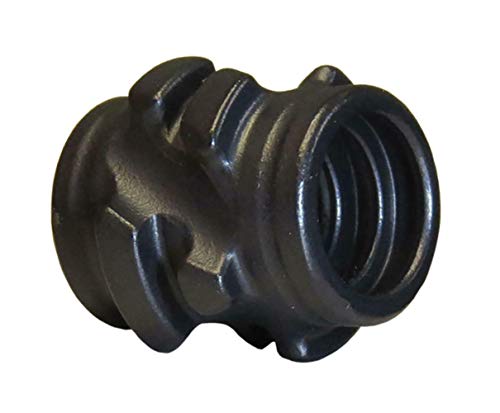
- ARS Mark9.6
ARS Mark is a ranking system developed by bestairriflescopes.com. ARS Mark has no relationship or impact from any manufacturers or sales agent websites. Learn more
- BrandHamskea

- ARS Mark9.4
ARS Mark is a ranking system developed by bestairriflescopes.com. ARS Mark has no relationship or impact from any manufacturers or sales agent websites. Learn more
- BrandQWORK

- ARS Mark9.2
ARS Mark is a ranking system developed by bestairriflescopes.com. ARS Mark has no relationship or impact from any manufacturers or sales agent websites. Learn more
- Brand- QI HUO JU -
- ARS Mark8.8
ARS Mark is a ranking system developed by bestairriflescopes.com. ARS Mark has no relationship or impact from any manufacturers or sales agent websites. Learn more
- BrandVTurboWay

- ARS Mark8.8
ARS Mark is a ranking system developed by bestairriflescopes.com. ARS Mark has no relationship or impact from any manufacturers or sales agent websites. Learn more
- BrandTRUGLO

- ARS Mark8.0
ARS Mark is a ranking system developed by bestairriflescopes.com. ARS Mark has no relationship or impact from any manufacturers or sales agent websites. Learn more
- Brand- QI HUO JU -

- ARS Mark7.4
ARS Mark is a ranking system developed by bestairriflescopes.com. ARS Mark has no relationship or impact from any manufacturers or sales agent websites. Learn more
- BrandHDWGGD
Last update on 2026-09-30 / Affiliate links / Images, Product Titles, and Product Highlights from Amazon Product Advertising API
FAQs
Why does my peep sight turn sideways when I draw back?
Peep sight rotation is usually caused by small amounts of stretch in your bowstring fibers. Synthetic bowstring bundles twist together under tension, and temperature changes or normal string break-in cause those strands to rotate as you pull the bow back. If your D-loop knots have also shifted out of alignment, the release aid will pull the string at an angle, twisting the peep away from your eye.
Can I safely use a screwdriver or butter knife to split bowstring strands?
No, you should never use screwdrivers, knives, or any metal household tools to separate bowstring strands. The sharp corners and hard edges of steel tools can easily nick or sever the fine synthetic fibers inside the string bundle. Severed fibers ruin your bowstring and create a severe risk of the string snapping violently under full draw.
How do I know if my peep sight is at the right height?
Your peep sight sits at the correct height when you can draw your bow, settle comfortably into your anchor point with your eyes closed, and open your eyes to find your sight ring perfectly centered. You should not have to tip your head back, push your chin forward, or scrunch your neck to see through the hole. Your posture should feel completely relaxed and repeatable on every single shot.
Will twisting my D-loop affect arrow flight or bow tune?
Small rotational adjustments to your D-loop will not noticeably affect arrow flight or bow tuning. The D-loop rotates around the center serving, allowing your release aid to pull cleanly straight back toward your face. As long as the D-loop knots remain tight and the loop length does not change, your release aid will trigger smoothly without introducing torque into the arrow release.


12 Best 22 Pcp Air Rifle For Hunting of 2026 With Quiet Power

7 Best 22 Pcp Air Rifle Under 300 of 2026 For Backyard Pest Control

10 Best 22 Break Barrel Air Rifles of 2026 For Backyard Pest Control

10 Best 30 Caliber Pcp Air Rifle of 2026 For Medium Game

Top Best 177 Air Rifle Under 100: Budget-Friendly Picks for 2026

How to Safely Reload Shotgun Shells at Home

11 Best Co2 Air Rifle For Pest Control of 2026 To Ensure Humane Dispatch

12 Best Inexpensive Air Rifles of 2026 For Dependable Backyard Accuracy






