
How Do You Adjust a Rear Sight to Center Your Shots?

Many shooters assume that when shots hit to the left, the sight needs to shift left to compensate. That instinct is backwards. The golden rule is simple: always move the rear sight in the direction you want the bullet to go. Nudging the sight right brings your hits right, steering your group straight back toward the bullseye.
The exact tool and technique you need depend on how your sight is built. Target setups use click-turn screws for windage (horizontal movement) and elevation (vertical height). Most factory pistols seat the metal base in a tight dovetail (a wedge-shaped slot) that must be drifted sideways with gentle, steady pressure. A few straightforward checks will help you dial in your zero without scratching your finish or wasting ammunition.
Move your rear sight toward the desired hit location
The core rule of adjusting a rear sight is simple: always move the rear sight in the exact direction you want your shots to go. If your bullets hit the target to the left of the center ring, you need the point of impact (where the bullet hits the target) to shift to the right. To achieve that, move your rear sight to the right. If your shots land low, you want the hits to rise, so you raise the rear sight.
Understanding why this works eliminates guesswork at the range. Picture a straight sight line running from your eye, through the rear sight notch, across the front sight post, and onto the target center. When you nudge the rear sight notch to the right, your eye follows it. To align the front sight post inside that shifted notch, you must angle the front of the barrel slightly to the right. That small barrel pivot steers your bullet group right into the center ring.
Many shooters get confused because front sights work in reverse. Raising a front sight forces you to point the muzzle down, lowering your hits. Drifting a front sight right pushes your shots left. When adjusting the rear sight, remember this direct connection: the rear sight follows your target goal.
This rule applies to both windage (horizontal left or right movement) and elevation (vertical up or down movement). Whether turning click screws or drifting a dovetail sight sideways, moving the rear sight where you want hits to land centers your groups.
Turn adjustment screws to shift windage and elevation cleanly
Target handguns, revolvers, and many rifles use rear sights with adjustment screws. Before adjusting any screw, make sure your firearm is completely unloaded. Point the muzzle in a safe direction, remove the magazine, lock the action open, and visually inspect the chamber to confirm it is empty. Keep live ammunition away from your workbench while working.
- Identify the adjustment screws: Windage screws control horizontal movement and sit on the side of the sight housing. Elevation screws control vertical movement and sit on the top plate. Most sights feature small directional arrows stamped into the metal, such as an arrow next to "R" for right or "UP" for up. Turning the screw along the arrow moves your bullet impact in that direction.
- Select the correct screwdriver: Always use a flat-ground gunsmith screwdriver that fits the screw slot cleanly. Standard household screwdrivers have tapered blades that slip out of narrow slots, stripping the screw head or scratching your slide. A proper gunsmith bit fills the entire slot from corner to corner, delivering even turning force.
- Count your adjustment clicks: Most adjustable rear sights use internal detents that click as you turn. Rotate the screw slowly and count each click. On typical sights, three to five clicks produce a clear change on paper at standard handgun ranges.
- Record your setting changes: Keep a quick note of your starting point and the number of clicks you made. If your next group overcorrects, you can easily count backwards to find the exact middle ground.
Push or drift dovetailed sights sideways with proper tools
Most defensive handguns use fixed rear sights fitted into a dovetail (a wedge-shaped metal slot cut across the slide). Dovetail sights lack click screws, so adjusting windage requires drifting (tapping or pushing sideways) the sight base through the slot.
- Field-strip the firearm: Clear the chamber, remove the magazine, and separate the slide from the frame. Working on an isolated slide prevents mechanical force from damaging frame rails, trigger components, or internal safety mechanisms.
- Loosen the locking set screw: Check inside the rear sight notch or along the top edge for a tiny hex screw. Many sights use this set screw to lock the base inside the dovetail slot. Loosen it a full turn with the correct hex wrench. Forcing a dovetailed sight while a set screw is tight will gouge the slide.
- Mark your baseline position: Use a pencil or masking tape to draw a fine witness line across the sight base and the slide. This mark shows you how far the sight travels. Without a reference line, judging a shift of a few thousandths of an inch is impossible.
- Push the sight with a dedicated tool: Clamp the slide into a handgun sight pusher. Align the pushing shoe flat against the solid lower base of the sight, right above the dovetail seam. Never push against the thin upper blade, which can bend or snap. Turn the drive screw to press the sight in the direction you want hits to move.
- Tapping with a brass punch: If you lack a pusher, clamp the slide into a bench vise padded with leather or rubber jaws. Place the flat end of a brass or nylon drift punch against the lower sight base. Tap the punch with light, controlled strokes using a brass or nylon hammer. Never strike the sight with a steel hammer, which will dent the metal and ruin the finish.
- Lock the sight in place: Check your witness mark to confirm the movement. Tighten the set screw, adding a tiny drop of medium thread-locking fluid so recoil will not shake it loose.
Confirm three shot groups before moving sights again
Adjusting your sights after a single shot is a common mistake on the range. A flinch, uneven grip pressure, or inconsistent sight alignment can throw an individual shot several inches off target. Base your adjustments on consistent groups rather than single holes.
- Shoot supported groups: Rest your hands or wrists on a firm shooting block or sandbag. Fire three to five deliberate shots using the exact same aiming point. A solid rest eliminates human tremor and reveals where the firearm truly points.
- Measure from the cluster center: Disregard any wild flyer pulled by a bad trigger press. Measure your correction from the center point of the tight cluster to the target bullseye.
- Calculate small movements: Small shifts on the slide produce significant changes downrange. On a handgun with a five-inch sight radius, drifting the rear sight just 0.02 inches moves bullet impact roughly one and a half inches at fifteen yards.
- Correct one direction at a time: If your shots land low and to the left, correct your windage first until groups center along the vertical line. Once windage is locked in, adjust elevation to bring the group up.
- Check co-witness alignment: If your handgun uses backup iron sights for cowitness with red dot sights, always zero your iron sights independently on paper first. Confirming your mechanical sights alone ensures they remain dependable if your electronic aiming dot ever fails.
Stop pushing if screws strip or dovetails refuse movement
Rear sights and dovetail slots fit together under tight mechanical tolerances. Forcing a stuck component can crack a slide or ruin an expensive sight. Recognizing when to stop protects your firearm from costly workshop repairs.
Watch for these clear warning signs:
- The drive bolt on your sight pusher binds tightly, or the tool frame starts flexing under load.
- Your brass punch bends or mushrooms flat against the sight base without moving the dovetail.
- The hex wrench slips or rounds out the socket of your locking set screw.
- The slide begins twisting inside the vise jaws despite firm clamping pressure.
If a dovetail sight refuses to move, factory thread locker or protective finish buildup may be binding the joint. Apply several drops of penetrating oil along the dovetail seams and let the slide sit for an hour so the oil can work into the seam. If high-strength factory thread locker is present, warming the rear sight area gently with an electric heat gun can soften the bond without damaging the slide steel.
If the sight still will not budge, stop immediately and visit a qualified gunsmith. Some manufacturers use tapered dovetails or heavy factory press fits. A qualified gunsmith has hydraulic bench presses and custom slide fixtures that remove stubborn sights safely without warping or cracking the slide rails.
Pick dedicated sight tools that match your slide profile
If you plan to adjust or replace dovetailed rear sights at home, a dedicated handgun sight pusher tool is far safer and more precise than a hammer and punch. A proper tool applies smooth, steady mechanical force directly to the sight base without subjecting your firearm to sharp hammer blows.
Before choosing a sight pusher tool, verify that its frame and base match your slide profile. Handguns with square, flat-sided slides fit standard box frames easily. Slides with angled, stepped, or curved contours require an adjustable disc base or contoured support blocks. Clamping an angled slide in a flat tool allows the slide to tilt, which can bend the tool or scratch the slide finish.
Look for tools built from rigid materials such as hardened steel or thick anodized aluminum alloy. A rigid frame prevents flex under load, directing all turning effort into moving the sight across the dovetail.
Check the pusher shoe design as well. Quality adjustment tools feature reversible pushing blocks that support both flat 90-degree sight bodies and slanted 30-degree profiles. Matching the pusher shoe to your sight profile ensures flat contact against the sight base, preventing slippage and protecting your slide from marks.
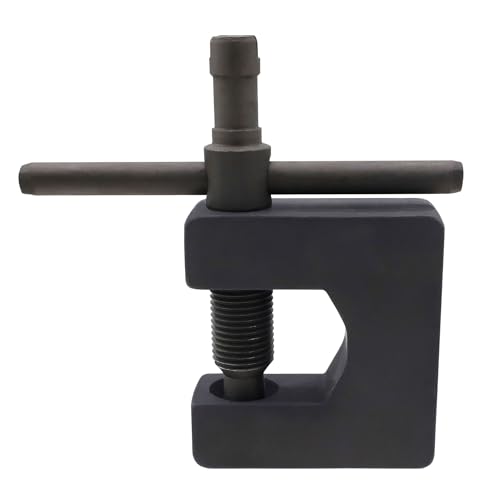
- ARS Mark10.0
ARS Mark is a ranking system developed by bestairriflescopes.com. ARS Mark has no relationship or impact from any manufacturers or sales agent websites. Learn more
- BrandZOEKIM

- ARS Mark9.6
ARS Mark is a ranking system developed by bestairriflescopes.com. ARS Mark has no relationship or impact from any manufacturers or sales agent websites. Learn more
- BrandGUNSUM

- ARS Mark8.8
ARS Mark is a ranking system developed by bestairriflescopes.com. ARS Mark has no relationship or impact from any manufacturers or sales agent websites. Learn more
- BrandSporGain

- ARS Mark8.8
ARS Mark is a ranking system developed by bestairriflescopes.com. ARS Mark has no relationship or impact from any manufacturers or sales agent websites. Learn more
- BrandAISUNOUTDOOR

TRUGLO Sight-Setter Durable Compact Lightweight Easy-to-Use Rear Sight Adjustment Tool
View on Amazon- ARS Mark8.6
ARS Mark is a ranking system developed by bestairriflescopes.com. ARS Mark has no relationship or impact from any manufacturers or sales agent websites. Learn more
- BrandTRUGLO

- ARS Mark8.6
ARS Mark is a ranking system developed by bestairriflescopes.com. ARS Mark has no relationship or impact from any manufacturers or sales agent websites. Learn more
- BrandHiwowSport

- ARS Mark8.4
ARS Mark is a ranking system developed by bestairriflescopes.com. ARS Mark has no relationship or impact from any manufacturers or sales agent websites. Learn more
- BrandSporGain

- ARS Mark8.0
ARS Mark is a ranking system developed by bestairriflescopes.com. ARS Mark has no relationship or impact from any manufacturers or sales agent websites. Learn more
- BrandJL Missouri Parts & Misc.

- ARS Mark7.6
ARS Mark is a ranking system developed by bestairriflescopes.com. ARS Mark has no relationship or impact from any manufacturers or sales agent websites. Learn more
- BrandNanchroadly

- ARS Mark6.8
ARS Mark is a ranking system developed by bestairriflescopes.com. ARS Mark has no relationship or impact from any manufacturers or sales agent websites. Learn more
- BrandWEWEAL
Last update on 2026-09-30 / Affiliate links / Images, Product Titles, and Product Highlights from Amazon Product Advertising API


12 Best 22 Pcp Air Rifle For Hunting of 2026 With Quiet Power

7 Best 22 Pcp Air Rifle Under 300 of 2026 For Backyard Pest Control

10 Best 22 Break Barrel Air Rifles of 2026 For Backyard Pest Control

10 Best 30 Caliber Pcp Air Rifle of 2026 For Medium Game

Top Best 177 Air Rifle Under 100: Budget-Friendly Picks for 2026

How to Safely Reload Shotgun Shells at Home

11 Best Co2 Air Rifle For Pest Control of 2026 To Ensure Humane Dispatch

12 Best Inexpensive Air Rifles of 2026 For Dependable Backyard Accuracy






