
How Do You Adjust a Truglo Bow Sight to Hit Center?

An archer watches three arrows thud into the low right corner of the target foam, well away from the bullseye. Fixing that miss always means you must chase the arrow by moving the sight pin in the exact direction the shafts landed. If the arrows strike low and right, the pin must slide down and right too. Shifting the pin toward the mistake feels backward, but it naturally steers your hands back to the center on your next draw.
How you turn the parts depends on whether the sight uses simple hex screws or toolless dial knobs. It also depends on whether you are shifting the entire round housing for a baseline shot, or nudging a single pin for longer yardages. Here is the simple order to follow so every arrow finds the middle.
Why Do You Move Pins Toward the Arrow?
When your arrows miss the center, your natural instinct is to push the sight pin toward the bullseye. That instinct feels logical, but it causes the exact opposite reaction on the target. If your arrows hit low and you move your pin upward, your next arrow will hit even lower into the dirt.
Bow sights work through body geometry. When you raise a sight pin inside the sight housing (the protective round ring holding the glowing pins), you must lower your bow hand to bring that raised pin back into your line of sight. Lowering your bow hand points the arrow shaft downward. To lift your point of impact, you must lower the pin. When you drop the pin, you are forced to raise your bow hand to center the pin on the bullseye, lifting the arrow path.
The universal rule for any bow sight is simple: always chase the arrow. If your arrows land low and to the right, you must move your sight down and to the right. If your arrows hit high and left, you shift the sight up and to the left. Moving the pin in the exact direction of the mistake brings your arrow flight straight back to the center.
Before touching any screws, confirm that your arrows hit in a clear, consistent group. Never adjust your pins based on a single stray shot. Shoot at least three arrows while aiming at the exact same spot. Once those three arrows form a tight cluster, adjust your sight to move that cluster directly over the bullseye.
How Do You Set the First Twenty-Yard Pin?
You always begin sighting in at twenty yards using your top pin. At this starting distance, you do not move the individual pin inside the ring. Instead, you perform a gang adjustment, which means moving the entire sight housing at once. This keeps your top pin centered near the top of the ring while aligning the whole sight to your eye.
- Set up your shooting lane safely: Stand twenty yards away from a large, solid target block with an open backstop. Clear the range of pets, people, and obstructions. Make sure your bow is in good working order before drawing.
- Shoot a confirmation group: Draw your bow smoothly and settle into your normal anchor point. Look through your peep sight and place your top pin right on the center dot. Release three arrows without rushing.
- Check your point of impact: Walk to the target and find the center of the arrow cluster. Note how many inches high, low, left, or right the arrows sit relative to the bullseye.
- Loosen the main housing bracket: Step back to the shooting line. Use a standard hex wrench to loosen the main elevation bolts for up-and-down adjustment. If your sight has micro-adjust dials (turn dials that make tiny pin shifts without sliding parts by hand), loosen the small locking screw on the bracket first.
- Shift the housing toward the cluster: Move the entire housing in the direction the arrows hit. If your arrows hit two inches low, slide the housing down. If your sight has micro-adjust knobs, turn the elevation dial to lower the ring. Retighten the locking screw firmly so the bracket cannot slip.
- Confirm the change: Shoot another three-arrow group with your top pin. Repeat these small shifts until your top pin consistently drops your arrows into the center of the twenty-yard target.
Taking the time to lock in your twenty-yard zero with the whole housing makes every longer distance easier. If you want to refine your routine further, learning how to use a bow sight with steady shooting form will make this initial setup process much faster.
How Do You Adjust Individual Pins for Distance?
Once your twenty-yard pin hits the bullseye, your main sight housing is locked in place. You should never loosen the main housing screws again during normal yardage tuning. From this point forward, you only adjust the individual pins inside the housing to dial in your longer distances, such as thirty, forty, and fifty yards.
- Step back to thirty yards: Never jump straight to forty or fifty yards. Stepping back in ten-yard increments prevents wild misses that can lose or damage arrows.
- Aim with your second pin: Draw your bow, center the round sight housing in your peep sight, and place your second pin on the bullseye. Release three arrows using the same consistent release form.
- Evaluate elevation only: Because you already squared your side-to-side alignment at twenty yards, your arrows should land centered left-to-right. Look only at whether the arrows hit high or low.
- Loosen the individual pin screw: Find the small hex screw on the side of the sight housing that secures your thirty-yard pin track. Loosen it just enough to let the pin slide along its vertical slot.
- Chase the vertical miss: If your thirty-yard shots hit three inches low, slide that second pin down a fraction of an inch. If the shots land high, push the pin slightly up. Keep the pin perfectly horizontal as you slide it.
- Snug the screw and verify: Tighten the pin screw down firmly. Shoot three more arrows at thirty yards to verify that the group hits dead center.
- Repeat for your remaining pins: Move back to forty yards and repeat the process for your third pin. Follow the same sequence for fifty yards with your fourth pin.
As you step farther back, you will notice that the physical gap between your pins becomes wider. The gap between your twenty and thirty-yard pins is relatively narrow. The gap between your forty and fifty-yard pins is noticeably larger. This happens because air resistance slows the arrow down downrange, causing gravity to pull it toward the earth faster during the second half of its flight.
How Do You Adjust Windage Without Stripping Screws?
Windage is the side-to-side (left and right) adjustment on your bow sight. Adjusting windage requires a gentle touch because bow sight brackets are machined from lightweight aluminum, while the mounting hardware is made of steel. Over-tightening steel screws into soft aluminum brackets will strip the screw threads, ruining the sight mount.
- Back off the locking screw first: Most modern sights feature a windage locking screw that clamps the sliding rail. If your sight has micro-adjust dials, turning the knob while the rail remains locked will strip the internal gear teeth. Always loosen the lock screw one full turn before turning any dial.
- Use the correct hex wrench: Always use the exact imperial hex wrench size designed for your sight screws. Metric wrenches may feel like they fit, but a slightly loose wrench can round out the corners of the screw head, leaving you with a stuck fastener.
- Make hairline moves: Moving your windage bracket just one-sixteenth of an inch creates a noticeable change on the target at twenty yards. Use the laser-etched hash marks on your sight frame as a visual guide to track how far you move the housing.
- Apply thread-locking fluid: Compound bows create heavy vibration on every release. Instead of cranking down on the screws with heavy arm force, add a tiny drop of medium-strength blue thread-locking compound to the screw threads. This keeps the screws firmly seated without risking stripped threads.
- Tighten until snug, not strained: Turn the screw with your fingers on the short end of the Allen wrench. Once the screw stops turning, apply one light quarter-turn of pressure with your wrist. That is all the force required to keep the bracket secure.
If you set up your bow for backcountry trips or spend long hours carrying gear into elevated stands, having secure brackets is critical. Archers shopping for the best bow sight for treestand hunting often prioritize rugged locking systems specifically because vibration and tree branch bumps can nudge loose sight brackets out of alignment.
Why Are Your Arrows Still Scattering on Target?
If your arrows land in wide, unpredictable patterns rather than tight clusters, moving your sight pins will not solve the problem. Sighting in only works when your bow launches arrows consistently. When shots scatter randomly across the target face, check your shooting mechanics and bow setup before adjusting your pins again.
- Peep sight alignment: When you draw your bow, your eye looks through the peep sight, which is the small ring set directly into your bowstring. You must center the round outer edge of the sight housing inside your peep opening like a target ring. If you align only the individual pin inside the peep, your eye angle changes on every shot, causing erratic arrow placement.
- Inconsistent anchor point: Your release hand must touch your face in the exact same spot on every single draw. If your knuckle rests under your jawbone on one shot and against your cheekbone on the next, your arrows will string out vertically. Keep your jaw relaxed and touch the string to the tip of your nose every time.
- Torquing the bow grip: Clenching the bow handle with a tight fist twists the bow riser as the arrow launches. This habit kicks arrows inches to the left or right. Rest the grip against the meaty thumb pad of your hand and keep your fingers relaxed at an open angle throughout the shot.
- Punching the trigger: Slapping the trigger on a mechanical release creates an involuntary flinch that jerks the bow off target right as the string releases. Squeeze the trigger gently using the muscles in your upper back while letting the aiming pin float over the bullseye.
- Bow tuning and cam timing: If your windage bracket must be pushed all the way to the outer edge of the frame just to hit center, your bow setup needs attention. Your arrow rest may be misaligned, or the bow limbs may have uneven cable tension. When adjustments reach their mechanical limits, stop turning screws and visit an archery pro shop to paper-tune your bow.
Proper form and bow tuning work together. Whether you are tuning a standard setup or outfitting one of the best bow sights for Mathews bows, keeping your mechanics consistent ensures your sight adjustments translate into clean center hits every time.
What Sight Accessories Help You See Better?
When you struggle to align your sight pins or lose sight of them in low light, specific accessories can help clarify your sight picture without replacing your entire bow sight. As sights age through seasons of outdoor use, the glowing fiber optic strands running through the pins can collect dust, turn brittle, or snap inside brush. Installing replacement fiber optic spools restores bright, sharp aiming points that gather daylight efficiently.
Before purchasing replacement fibers, verify the diameter of your sight pins. Thicker pins are easy to acquire quickly in dim timber, while ultra-fine pins cover less of the target bullseye for precise long-range shooting. You can also mount a small, battery-operated rheostat sight light directly into the pre-threaded light port on your sight housing. These compact lights illuminate the fiber strands on dark mornings, and the adjustable dial allows you to control brightness so the glowing pins do not wash out your target view.

- ARS Mark9.2
ARS Mark is a ranking system developed by bestairriflescopes.com. ARS Mark has no relationship or impact from any manufacturers or sales agent websites. Learn more
- BrandTRUGLO

- ARS Mark9.2
ARS Mark is a ranking system developed by bestairriflescopes.com. ARS Mark has no relationship or impact from any manufacturers or sales agent websites. Learn more
- BrandTrophy Ridge

- ARS Mark8.8
ARS Mark is a ranking system developed by bestairriflescopes.com. ARS Mark has no relationship or impact from any manufacturers or sales agent websites. Learn more
- BrandTRUGLO

- ARS Mark8.8
ARS Mark is a ranking system developed by bestairriflescopes.com. ARS Mark has no relationship or impact from any manufacturers or sales agent websites. Learn more
- BrandTRUGLO
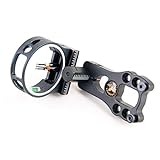
- ARS Mark8.6
ARS Mark is a ranking system developed by bestairriflescopes.com. ARS Mark has no relationship or impact from any manufacturers or sales agent websites. Learn more
- BrandTOPOINT ARCHERY
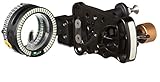
- ARS Mark8.4
ARS Mark is a ranking system developed by bestairriflescopes.com. ARS Mark has no relationship or impact from any manufacturers or sales agent websites. Learn more
- BrandTrophy Ridge

- ARS Mark8.4
ARS Mark is a ranking system developed by bestairriflescopes.com. ARS Mark has no relationship or impact from any manufacturers or sales agent websites. Learn more
- BrandTRUGLO

- ARS Mark6.6
ARS Mark is a ranking system developed by bestairriflescopes.com. ARS Mark has no relationship or impact from any manufacturers or sales agent websites. Learn more
- BrandTRUGLO
Last update on 2026-09-30 / Affiliate links / Images, Product Titles, and Product Highlights from Amazon Product Advertising API
FAQs
Which pin should you sight in first on a Truglo sight?
Always sight in your top pin first at twenty yards. Sighting in the top pin using the main housing bracket establishes your baseline height and left-to-right windage. Once that twenty-yard pin hits center, all your longer pins can be set individually without moving the main housing again.
Can you adjust the left-to-right windage on individual pins?
No, individual pins on multi-pin bow sights only slide up and down along their tracks for elevation. Left-to-right windage adjustments must be made by shifting the entire sight housing. If one individual pin appears off to the side, verify that the pin stem is not bent and confirm that your peep sight aligns squarely with the housing.
How do you adjust a Truglo pendulum or single-pin slider sight?
Single-pin slider and pendulum sights use a single aiming point rather than a stack of pins. You sight in the pin at twenty yards with the elevation slider locked on the twenty-yard indicator. After locking your twenty-yard mark, you move back to a longer distance, dial the slider until the arrow hits center, and apply the matching pre-printed yardage tape to your sight wheel.
How far should you move a sight pin if an arrow misses by two inches?
Move the pin in microscopic increments. At twenty yards, shifting a sight pin by as little as one-thirty-second of an inch moves the arrow impact roughly two to three inches on the target. Make tiny shifts, tighten the hardware, and shoot a group to confirm the move before shifting the pin any further.


12 Best 22 Pcp Air Rifle For Hunting of 2026 With Quiet Power

7 Best 22 Pcp Air Rifle Under 300 of 2026 For Backyard Pest Control

10 Best 22 Break Barrel Air Rifles of 2026 For Backyard Pest Control

10 Best 30 Caliber Pcp Air Rifle of 2026 For Medium Game

Top Best 177 Air Rifle Under 100: Budget-Friendly Picks for 2026

How to Safely Reload Shotgun Shells at Home

11 Best Co2 Air Rifle For Pest Control of 2026 To Ensure Humane Dispatch

12 Best Inexpensive Air Rifles of 2026 For Dependable Backyard Accuracy






