
How To Aim A Compound Bow Without Guesswork

How To Aim A Compound Bow starts with something most people overlook: consistency beats brute strength every single time. Plenty of shots drift left, dip low, or scatter across the target because the anchor point changes by tiny amounts from one release to the next. A shaky grip, rushed breathing, or poor sight alignment can throw arrows off more than many expect. Frustrating? Absolutely. Still, the fix usually comes from tightening small habits instead of chasing expensive upgrades.
Clean form keeps the entire process smoother. The bow hand should stay relaxed instead of clenched like a wrench, because torque sneaks into the shot faster than people realize. Stable posture matters too, especially during longer practice sessions where fatigue quietly creeps in. Once the body settles into a repeatable position, compound bow accuracy starts feeling far less random and a whole lot more dependable.
Sight pins create confidence only when they're adjusted with purpose. Some archers rush through sighting-in and end up compensating with awkward aiming habits later on. That's where things spiral. One bad correction leads to another, and suddenly every shot feels like guesswork. Slowing down and adjusting one pin at a time usually clears up those ugly arrow groups faster than expected.
Target panic also sneaks into the equation more often than people admit. The urge to fire the second the pin floats over the bullseye can wreck otherwise solid technique. Controlled breathing and steady back tension help calm that jittery release instinct. Oddly enough, accepting a little pin movement often improves precision because the body stops fighting itself.
Lighting conditions change aiming behavior too. Bright outdoor ranges can make pins appear sharper, while darker wooded setups tend to expose flaws in focus and alignment. That shift catches many people off guard during hunting practice or low-light shooting. Strong fundamentals keep those changes manageable instead of chaotic.
Bow sight alignment, peep sight positioning, and release timing all work together like gears in a machine. If one element slips, the entire shot cycle feels awkward. Small adjustments usually outperform dramatic overhauls. A tiny peep adjustment or slightly improved anchor position can suddenly tighten groups that looked hopeless the day before.
Practice sessions also need variety. Standing flat on a perfect range feels comfortable, sure, but real shooting situations rarely cooperate that way. Angled shots, uneven footing, and changing distances expose weaknesses quickly. Training under different conditions builds confidence that sticks once pressure kicks in.
Patience carries more value than most gear upgrades. Consistent aiming develops through repetition, awareness, and honest adjustments instead of shortcuts. How To Aim A Compound Bow becomes easier once the process feels controlled rather than rushed. That's when shots begin landing with confidence instead of crossed fingers and blind hope.

- ARS Mark8.6
ARS Mark is a ranking system developed by bestairriflescopes.com. ARS Mark has no relationship or impact from any manufacturers or sales agent websites. Learn more
- BrandDeerseeker Outdoor

- ARS Mark8.6
ARS Mark is a ranking system developed by bestairriflescopes.com. ARS Mark has no relationship or impact from any manufacturers or sales agent websites. Learn more
- BrandSkyhorse
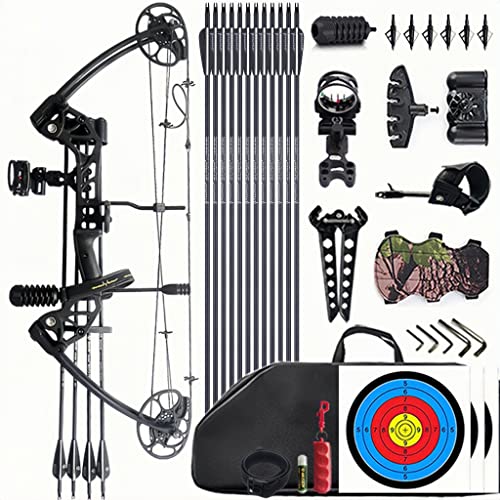
- ARS Mark8.4
ARS Mark is a ranking system developed by bestairriflescopes.com. ARS Mark has no relationship or impact from any manufacturers or sales agent websites. Learn more
- BrandLanneret

- ARS Mark8.2
ARS Mark is a ranking system developed by bestairriflescopes.com. ARS Mark has no relationship or impact from any manufacturers or sales agent websites. Learn more
- BrandIndependently Published

- ARS Mark8.0
ARS Mark is a ranking system developed by bestairriflescopes.com. ARS Mark has no relationship or impact from any manufacturers or sales agent websites. Learn more
- Brande5e10

- ARS Mark7.8
ARS Mark is a ranking system developed by bestairriflescopes.com. ARS Mark has no relationship or impact from any manufacturers or sales agent websites. Learn more
- BrandWUXLISTY

- ARS Mark7.8
ARS Mark is a ranking system developed by bestairriflescopes.com. ARS Mark has no relationship or impact from any manufacturers or sales agent websites. Learn more
- BrandLanneret

- ARS Mark7.8
ARS Mark is a ranking system developed by bestairriflescopes.com. ARS Mark has no relationship or impact from any manufacturers or sales agent websites. Learn more
- Brandmotion zeus

- ARS Mark7.4
ARS Mark is a ranking system developed by bestairriflescopes.com. ARS Mark has no relationship or impact from any manufacturers or sales agent websites. Learn more
- BrandMajosta
Last update on 2026-05-31 / Affiliate links / Images, Product Titles, and Product Highlights from Amazon Product Advertising API
How To Aim A Compound Bow
Missed shots can wreck confidence fast, especially after spending hours dialing in a bow setup that looked perfect on paper. Tiny mistakes tend to stack up without warning. One rushed release, a sloppy anchor point, or a drifting sight picture can send arrows wandering all over the target. How To Aim A Compound Bow gets much easier once the focus shifts toward repeatable habits instead of chasing lucky shots.
Build A Consistent Anchor Point
Anchor points decide whether shots group tightly or scatter like loose change across the range floor. A lot of archers unknowingly shift their hand position by tiny amounts during every draw cycle. That slight inconsistency changes peep alignment, sight picture, and arrow flight all at once. Consistent form matters more than brute strength, especially once distance starts stretching beyond twenty yards.
Jaw pressure often creates trouble. Pressing too hard against the string changes head position and introduces torque that feels invisible during the shot. A lighter touch usually creates a cleaner sight picture and steadier hold. Stable alignment starts feeling natural once the face settles into the same relaxed position every single draw.
Release hand placement deserves just as much attention. Some shooters bury the release hand deep against the neck, while others barely touch the face at all. Neither extreme helps much. A repeatable position behind the jawline tends to create better peep alignment without forcing awkward posture. Muscle memory grows faster once the anchor feels comfortable instead of cramped.
Draw length also plays a huge role here. Bows set too long pull the body forward and force strained posture during aiming. Short setups create cramped form that kills consistency. Small adjustments usually tighten groups faster than swapping expensive accessories. Explore practical tuning ideas through best wood for bow making if bow feel and balance still seem off during practice sessions.
Control Grip Pressure Before The Shot
Death-gripping the riser causes more aiming problems than many people realize. The bow only needs support, not a wrestling match. Tight fingers twist the riser slightly during release, and that tiny movement pushes arrows sideways downrange. Relaxed grip pressure keeps the bow tracking naturally through the shot.
Knuckles should angle around forty-five degrees instead of facing completely sideways or flat toward the target. That positioning helps reduce torque without forcing uncomfortable wrist angles. Also, relaxed hands improve follow-through because the bow can move naturally after release. Cleaner arrow flight often starts with loosening the grip instead of changing sights.
Cold weather exposes grip issues quickly. Stiff fingers tend to clamp harder against the riser without the shooter noticing it. Sweat creates problems too, especially during long outdoor sessions. Textured grip tape or thinner gloves sometimes help maintain steady hand placement during rough conditions. Bow stability becomes easier to manage once the grip stays predictable.
Pressure points matter more than fancy riser designs. Most experienced archers allow the grip to settle naturally into the meaty thumb area rather than squeezing the handle. That setup encourages smoother releases and reduces side-to-side drift. A relaxed bow hand usually produces tighter groups than aggressive grip pressure ever will.
Use Your Peep Sight Correctly
Peep sights look simple until alignment starts shifting between shots. One tiny head movement changes the entire sight picture. That problem frustrates plenty of archers because the bow feels accurate one minute and completely unpredictable the next. Peep alignment creates consistency that keeps aiming controlled instead of chaotic.
Many shooters tilt their head too aggressively just to force alignment. That habit strains the neck and creates awkward posture during longer sessions. A better setup allows the peep to align naturally once the anchor point settles into place. Comfortable head position helps maintain steady focus across repeated shots.
Lighting conditions also affect peep performance. Bright ranges often make alignment easy, while wooded trails or low-light practice sessions expose every inconsistency immediately. Larger peeps gather more light but reduce precision slightly at distance. Smaller peeps sharpen accuracy but can feel restrictive during darker conditions. Balanced visibility matters more than chasing extreme precision.
String rotation occasionally causes peep frustration too. Some strings twist slightly over time, leaving the peep angled awkwardly at full draw. Ignoring that issue forces inconsistent head movement during aiming. Small adjustments by a bow technician usually solve the problem before it snowballs into broader accuracy issues.
Steady Your Sight Picture Naturally
Sight pins are supposed to float a little. That truth surprises newer shooters who expect the pin to stay frozen over the bullseye. Trying to force stillness usually creates tension throughout the shoulders and release hand. Natural pin movement actually helps maintain smoother shot execution.
Breathing affects sight movement more than most people expect. Holding the breath too long creates muscle tension that amplifies shaking. Slow breathing cycles calm the body and help the sight settle naturally into a manageable rhythm. Controlled breathing reduces panic during high-pressure shots.
Target panic tends to creep in quietly. Some archers punch the trigger the instant the pin touches center because they fear missing the moment. That reaction ruins follow-through and often jerks arrows low or sideways. Slower trigger pressure creates cleaner releases and steadier aiming overall. Smooth release timing matters just as much as accurate sight pins.
Visual focus should stay locked on the target instead of bouncing between the pin and bullseye every second. Constant refocusing strains the eyes and disrupts concentration. The pin should float naturally while the eyes remain calm and locked ahead. Explore reliable gear organization through best rifle range bag if range sessions constantly feel cluttered and distracting.
Adjust Sight Pins With Patience
Rushed sight adjustments waste arrows and create frustration fast. Plenty of shooters move multiple pins at once, then lose track of what actually fixed the issue. Slowing down helps isolate problems before they spiral into random guessing. One adjustment at a time keeps sighting sessions far more manageable.
Start at close range before stretching distance. Ten or twenty yards reveal form issues quickly without turning every missed shot into a scavenger hunt. Tight groups matter more than bullseyes during early adjustments. Consistency first creates stronger long-distance accuracy later on.
Wind also changes arrow behavior more than people expect. Light arrows drift noticeably during gusty outdoor sessions, especially past thirty yards. Some archers mistakenly blame their form when weather conditions are actually the problem. Paying attention to environmental changes helps prevent pointless sight adjustments.
Bow vibration sometimes loosens sight hardware too. Loose screws create tiny movement that slowly destroys accuracy over multiple sessions. Regularly checking hardware saves a lot of headaches during practice or hunting season. Reliable equipment setup matters just as much as shooting form.
Improve Follow Through After Release
Shots don't end once the release fires. Plenty of arrows miss because the body collapses immediately after the trigger breaks. Jerking the head downward or dropping the bow arm changes arrow flight before the shaft fully clears the rest. Strong follow-through keeps shots cleaner and more repeatable.
Back tension creates smoother releases than finger punching ever will. Pulling through the shot allows the release to break naturally instead of forcing timing manually. That difference feels awkward at first, but groups usually tighten once the habit develops. Controlled execution beats rushed reactions every single time.
Bow arm stability matters during follow-through too. Some shooters instantly relax the arm after release, which causes inconsistent impacts at longer distances. Keeping steady pressure toward the target for a brief moment improves overall consistency. Small habits often separate frustrating practice days from productive ones.
Mental focus matters more than people admit. Bad shots happen, and chasing perfection usually creates even worse shooting habits. Calm corrections work better than emotional reactions during practice. Explore smarter seasonal preparation through best deer attractant for bow season if hunting setups and shot confidence still feel disconnected in the field.
Best Ways To Aim A Compound Bow Accurately
Long practice sessions can feel brutal when arrow groups still refuse to tighten up. Plenty of shooters hit that wall after tweaking sights over and over without seeing real improvement. Fatigue starts creeping into the shoulders, confidence drops, and every missed shot suddenly feels personal. Better compound bow accuracy usually comes from cleaning up small habits instead of chasing dramatic equipment changes.
Train Your Eyes To Focus Correctly
Eye focus controls more of the shot process than many archers expect. Some shooters stare hard at the sight pin while the target turns blurry in the background. Others lock onto the bullseye and lose awareness of pin movement completely. Balanced visual focus keeps both elements working together instead of fighting for attention.
Target panic often starts with visual overload. Rapidly shifting attention between the pin, peep, and target creates tension that spreads through the shoulders and release hand. Slowing the eyes down usually calms the entire shot cycle. Relaxed aiming rhythm makes pin float feel manageable instead of terrifying.
Low-light practice sessions expose focus problems fast. Pins glow differently near sunset, and blurred sight pictures become frustrating in wooded terrain. Some archers compensate by forcing harder focus, but that usually creates headaches and inconsistent releases. Softer visual concentration helps maintain smoother shots during changing light conditions.
Eye dominance matters too. Cross-dominant shooters sometimes struggle with peep alignment and drifting sight pictures without realizing why. Minor stance adjustments or sight changes can clean up those issues quickly. Clear sight alignment creates more confidence than constantly second-guessing every shot.
Strengthen Your Shooting Posture
Weak posture quietly destroys accuracy over time. The body starts leaning backward, shoulders rise too high, and aiming stability disappears halfway through the draw cycle. A balanced stance keeps weight centered and reduces unnecessary movement during release. Solid body alignment helps the bow settle naturally on target.
Knees should stay slightly flexible instead of locked stiff. Rigid posture creates tension that spreads upward into the torso and arms. Small posture adjustments often improve accuracy faster than expensive stabilizers. Relaxed balance keeps movement smoother throughout the shot process.
Uneven terrain creates another layer of frustration. Flat indoor ranges feel comfortable, but hunting situations rarely cooperate that way. Practicing uphill, downhill, or from awkward positions prepares the body for real-world shots instead of perfect-range conditions. Adaptable shooting mechanics help maintain consistency when footing gets rough.
Back muscles deserve more attention than arm strength. Pulling through the shot with the upper back creates cleaner releases and steadier aiming. Arm-heavy shooting usually causes faster fatigue and shaky sight pictures after multiple arrows. Explore reliable field setups through best compound bow for self defense if bow handling and shooting control still feel awkward during stressful situations.
Handle Long Distance Shots Better
Distance exaggerates every little mistake. Shots that look fine at twenty yards can drift badly once targets move farther out. Tiny grip pressure changes, weak follow-through, or inconsistent anchor points become painfully obvious at forty yards and beyond. Long-range consistency depends heavily on disciplined fundamentals.
Arrow speed tricks many shooters into rushing their timing. Fast bows still require calm execution. Jerking the trigger because the bow shoots “fast enough” usually leads to wider groups instead of tighter ones. Smooth releases matter at every distance.
Wind becomes far more noticeable on longer shots too. Crosswinds push lighter arrows harder than people expect, especially with broadheads attached. Some days require aiming adjustments instead of form corrections. Environmental awareness keeps archers from chasing problems that don't actually exist.
Patience matters more than ego during distance practice. Stretching range too early often creates bad habits that stick around for months. Tight groups at moderate distances build confidence far better than scattered arrows at unrealistic ranges. Controlled progression leads to steadier improvement over time.
Reduce Mental Pressure During Aiming
Mental tension wrecks shots faster than most equipment problems ever could. The second anxiety creeps in, breathing changes and sight movement suddenly feels uncontrollable. Plenty of archers panic the moment the pin drifts away from center for half a second. Calm execution matters more than forcing perfect stillness.
Shot timing creates pressure too. Holding at full draw too long causes fatigue and shaky pins, but rushing shots creates even bigger issues. A smooth shooting rhythm helps the body settle naturally into the target. Balanced timing keeps the shot process from feeling frantic.
Bad arrows shouldn't spiral into emotional shooting sessions. One ugly miss often triggers aggressive corrections that make everything worse. Experienced archers usually pause, reset mentally, and focus on one clean shot instead of chasing redemption immediately. That slower mindset protects consistency.
Background distractions matter more than many admit. Loud ranges, crowded shooting lanes, or unpredictable movement nearby can pull attention away from the target instantly. Practicing under varied conditions helps strengthen concentration before pressure-heavy situations arrive.
Fine Tune Release Technique
Release aids can improve accuracy dramatically, but sloppy trigger habits still ruin shots. Punching the trigger creates jerky movement that sends arrows low or sideways. Slow trigger pressure allows the release to fire naturally instead of feeling forced. Smooth release control keeps arrow flight more predictable.
Finger placement changes trigger feel more than expected. Too much fingertip pressure creates sudden punching motions, while deep finger placement sometimes slows reaction too much. Small adjustments usually improve consistency quickly. Comfortable trigger contact helps maintain cleaner execution.
Release length matters too. Long release setups can create awkward hand positioning behind the jawline, while overly short releases crowd the anchor point. Tiny setup changes often improve comfort and accuracy at the same time. Consistent hand placement supports steadier aiming.
Equipment maintenance also affects release quality. Dirt buildup, worn straps, or sticky trigger mechanisms create inconsistent firing pressure over time. Clean gear helps shots break predictably instead of surprisingly. Compare practical aiming accessories through best laser sight for glock 19 if sight visibility and fast target acquisition still feel inconsistent during practice.
Practice With Realistic Shooting Scenarios
Perfect range conditions don't prepare shooters for unpredictable environments. Calm weather, flat ground, and stationary targets create comfort, but real pressure changes everything. Practicing under varied conditions builds confidence that holds together when situations become less controlled. Realistic repetition sharpens both aiming and decision-making.
Timed shooting drills expose weaknesses quickly. Slow setups sometimes hide hesitation problems that appear once pressure increases. Controlled time limits encourage faster focus without turning practice into chaos. Efficient shot routines improve confidence during stressful moments.
Moving between shooting positions also matters. Standing still at one distance only develops part of the skill set. Kneeling shots, seated positions, or awkward side angles reveal balance problems many archers never notice otherwise. Flexibility in practice creates stronger consistency later on.
Cold mornings, humid afternoons, and windy evenings all affect shooting differently. Equipment reacts differently, muscles tighten faster, and concentration shifts with the environment. Regular practice across changing conditions creates steadier results than relying only on comfortable indoor sessions. Adaptable shooting habits help accuracy survive outside perfect range conditions.


12 Best 22 Pcp Air Rifle For Hunting of 2026 With Quiet Power

7 Best 22 Pcp Air Rifle Under 300 of 2026 For Backyard Pest Control

10 Best 22 Break Barrel Air Rifles of 2026 For Backyard Pest Control

10 Best 30 Caliber Pcp Air Rifle of 2026 For Medium Game

Top Best 177 Air Rifle Under 100: Budget-Friendly Picks for 2026

How to Safely Reload Shotgun Shells at Home

11 Best Co2 Air Rifle For Pest Control of 2026 To Ensure Humane Dispatch

12 Best Inexpensive Air Rifles of 2026 For Dependable Backyard Accuracy






