
How To Aim A Recurve Bow Without Sights Naturally

How To Aim A Recurve Bow Without Sights trips up plenty of archers at first because there’s no glowing pin, no built-in reference point, and honestly, no shortcut hiding around the corner. The arrow feels unpredictable. Tiny mistakes suddenly look massive once the shot lands somewhere way off target. Still, that stripped-down style is exactly why traditional archery keeps pulling people back in. Every clean hit feels earned instead of handed over by equipment.
Anchor consistency changes everything. A slightly different hand position, jaw contact, or string placement can throw the arrow farther than most beginners expect. Muscle memory slowly takes over once the same draw cycle repeats again and again. That’s where instinctive shooting starts clicking. The body begins reacting naturally instead of forcing awkward corrections at full draw.
Target panic sneaks in fast when archers overthink the shot. One second the draw feels smooth, then boom, the brain starts wrestling with aim, release timing, and arrow flight all at once. A calmer shooting rhythm usually produces tighter groups than aggressive corrections ever will. Slowing down helps the eyes lock onto a single point instead of chasing the entire target face. Funny enough, relaxed shots often land cleaner than tense ones.
Arrow tuning matters more than people realize. Poorly matched arrows can create frustrating inconsistencies that feel like aiming problems even when form looks solid. Spine stiffness, point weight, and draw length all influence how forgiving the setup feels. A balanced setup supports clean arrow flight, which makes aiming adjustments easier to understand. Otherwise, every session turns into guesswork.
Lighting conditions also mess with perception. Bright outdoor ranges, shaded woods, or low evening light can alter depth judgment and target focus in weird ways. Experienced archers adapt by trusting their anchor point and shot sequence instead of relying solely on visual estimation. That habit keeps form steady even when visibility changes. Small environmental shifts stop feeling like major obstacles.
Grip pressure causes trouble more often than most admit. Squeezing the bow too tightly creates torque, and torque pushes arrows sideways without warning. A relaxed bow hand allows the riser to settle naturally during release. That tiny adjustment can tighten groups surprisingly fast. Sometimes the biggest breakthrough comes from backing off instead of trying harder.
How To Aim A Recurve Bow Without Sights eventually becomes less about aiming and more about repeatable movement. Smooth posture, controlled breathing, and steady release timing build confidence shot after shot. Archers who stay patient usually notice the shift gradually rather than all at once. One day the arrows simply start landing where the eyes expect them to go, and man, that feeling sticks with you.

- ARS Mark10.0
ARS Mark is a ranking system developed by bestairriflescopes.com. ARS Mark has no relationship or impact from any manufacturers or sales agent websites. Learn more
- BrandKURUGEILI
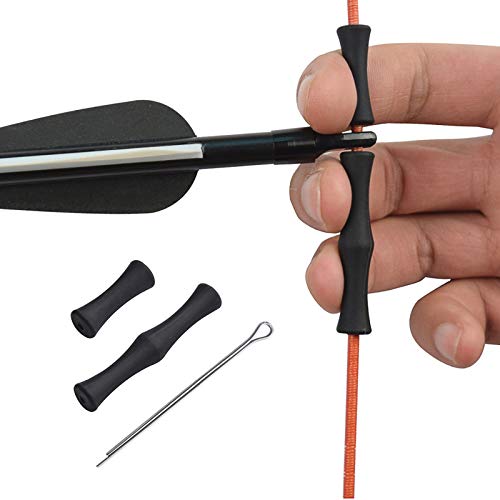
- ARS Mark8.8
ARS Mark is a ranking system developed by bestairriflescopes.com. ARS Mark has no relationship or impact from any manufacturers or sales agent websites. Learn more
- BrandEOUS
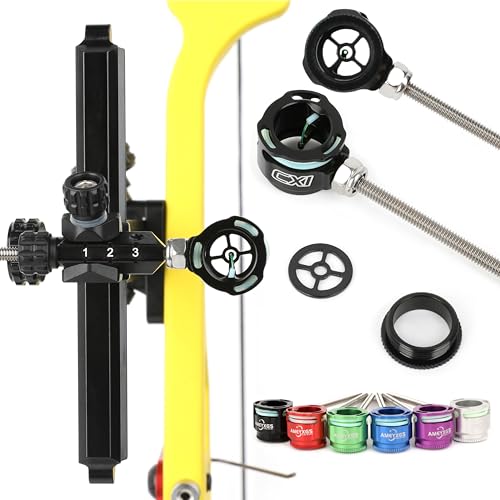
- ARS Mark8.2
ARS Mark is a ranking system developed by bestairriflescopes.com. ARS Mark has no relationship or impact from any manufacturers or sales agent websites. Learn more
- BrandZSHJGJR
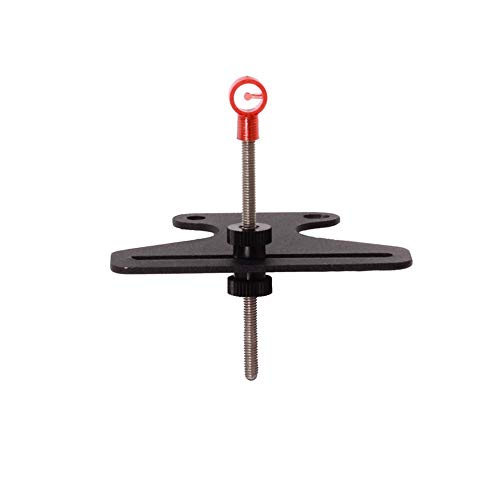
- ARS Mark8.2
ARS Mark is a ranking system developed by bestairriflescopes.com. ARS Mark has no relationship or impact from any manufacturers or sales agent websites. Learn more
- BrandDarkForest

- ARS Mark8.0
ARS Mark is a ranking system developed by bestairriflescopes.com. ARS Mark has no relationship or impact from any manufacturers or sales agent websites. Learn more
- BrandI-Sport
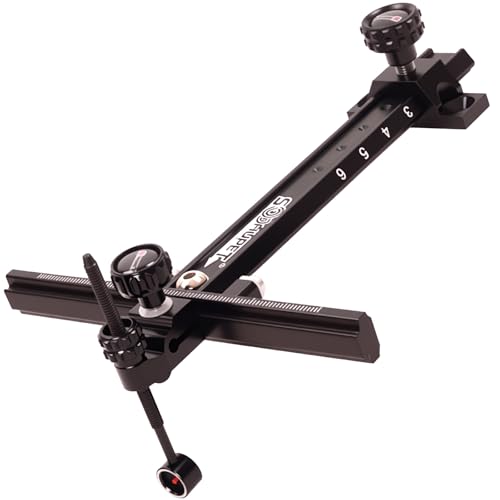
- ARS Mark7.8
ARS Mark is a ranking system developed by bestairriflescopes.com. ARS Mark has no relationship or impact from any manufacturers or sales agent websites. Learn more
- Brandsntxmy

- ARS Mark7.8
ARS Mark is a ranking system developed by bestairriflescopes.com. ARS Mark has no relationship or impact from any manufacturers or sales agent websites. Learn more
- BrandZSHJGJR

- ARS Mark7.6
ARS Mark is a ranking system developed by bestairriflescopes.com. ARS Mark has no relationship or impact from any manufacturers or sales agent websites. Learn more
- BrandSOPOGER
Last update on 2026-05-31 / Affiliate links / Images, Product Titles, and Product Highlights from Amazon Product Advertising API
How To Aim A Recurve Bow Without Sights
Missing the target by a foot feels brutal after a smooth draw and clean release. Plenty of archers hit that wall early, especially after switching from compound bows packed with aiming aids. How to aim a recurve bow without sights demands patience, repetition, and a steady routine that actually holds together under pressure. Tiny mistakes suddenly matter more, and honestly, that’s what makes traditional archery so addictive.
Why Instinctive Shooting Feels So Hard
Most beginners expect aiming to work like tossing a baseball. The eyes lock on target, the body reacts, and the arrow should magically follow. Reality hits differently. Instinctive shooting relies on repeated body positioning, clean release habits, and distance awareness built over time instead of instant visual references.
Frustration usually starts after inconsistent groups. One arrow lands dead center, then the next flies wide left without warning. That inconsistency makes people question everything from grip pressure to anchor placement. A shaky mental approach often causes more problems than weak technique.
Distance judgment creates another headache. Targets at fifteen yards can suddenly feel completely different from twenty. Traditional archers gradually train their eyes and muscles together until the body reacts naturally without conscious math. That process takes repetition, but it also builds better shooting confidence than relying entirely on accessories.
Breathing matters more than most people expect. Tight shoulders and rushed releases throw arrows off line fast. Calm breathing slows the shot cycle and keeps body tension from creeping into the release. A smoother rhythm usually creates tighter groups than aggressive aiming corrections.
Anchor Points Change Everything
A solid anchor point acts like a built-in sight system for traditional archery. Without one, every draw length shifts slightly, and those tiny inconsistencies stack up fast. Touching the same spot on the face every single shot creates repeatable alignment. That repeatability becomes the backbone of accurate shooting.
Some archers anchor near the corner of the mouth. Others prefer cheekbone contact or a thumb tucked behind the jawline. None of those positions are universally perfect. Comfort matters, but consistency matters even more.
String placement also affects arrow flight. A string brushing the nose lightly creates another reliable reference point during full draw. That little contact cue helps stabilize head positioning and reduces random form drift. Small details like this separate scattered groups from controlled ones.
Changing anchor points too often slows progress badly. Archers sometimes panic after a rough session and overhaul everything at once. That usually creates more confusion than improvement. Stick with one repeatable anchor long enough for muscle memory to settle in naturally.
Target Focus Beats Arrow Watching
New shooters constantly peek at the arrow tip during full draw. That habit pulls visual attention away from the target and creates hesitation during release. Strong instinctive shooting depends on hard target focus instead of obsessing over equipment alignment. The eyes should stay committed to one tiny aiming spot.
Picking a precise aiming point matters more than aiming at the entire target face. A tiny leaf, dark stain, or painted dot gives the brain something specific to process. Broad focus creates vague results. Sharp visual commitment improves shot consistency surprisingly fast.
Some archers use split vision instead of pure instinctive aiming. The target stays dominant, but peripheral awareness still tracks the arrow position slightly. That approach often helps newer shooters transition into traditional archery without feeling completely lost. It creates structure without relying heavily on sights.
Visual patience matters too. Rushed releases often happen because the brain panics during full draw. Holding target focus calmly for an extra second helps the body settle naturally. Clean shots usually happen during relaxed execution rather than forced timing.
Grip Pressure Causes Hidden Problems
Death-gripping the bow ruins accuracy faster than most beginners realize. Tight fingers create torque, and torque pushes arrows unpredictably across the target. A relaxed bow hand allows the riser to settle naturally during release. That tiny adjustment alone can improve arrow consistency dramatically.
Finger pressure should stay light enough that the bow almost feels balanced instead of squeezed. Some traditional archers use a finger sling specifically to avoid gripping too tightly. The goal isn’t losing control of the bow. The goal is preventing unnecessary side pressure.
Cold weather makes grip tension worse. Stiff fingers and tense shoulders sneak into shooting form without warning. Archers often blame their arrows or aiming technique when the real issue comes from body tension. Staying loose helps preserve cleaner release mechanics.
Bow weight changes grip behavior too. Heavier recurves sometimes encourage overcompensation through stronger hand pressure. Lighter setups usually feel easier to manage during long practice sessions. Balance matters more than brute draw weight for improving traditional accuracy.
Explore smoother release mechanics with best thumb release for compound bow options that improve hand control and shot rhythm.
Arrow Spine Can Ruin Good Form
Bad arrow tuning creates confusion because missed shots look identical to aiming mistakes. Weak arrows flex excessively during release, while overly stiff arrows resist clean flight. Both problems create inconsistent impact patterns that frustrate even experienced archers. Proper arrow matching supports cleaner flight paths and more predictable aiming feedback.
Draw length influences arrow behavior heavily. Two archers shooting the same bow may still require different spine ratings because release force and draw style vary. Tiny setup mismatches become obvious once shooting distances increase. Short-range accuracy can hide tuning problems for a while.
Point weight changes dynamic spine behavior too. Heavier field points soften arrow reaction during release, while lighter tips stiffen overall flight response. Small adjustments sometimes tighten groups faster than rebuilding shooting form from scratch. Equipment tuning supports technique instead of replacing it.
Feather clearance issues create another sneaky problem. Arrows clipping the shelf or rest can kick sideways immediately after release. Many archers chase aiming fixes for weeks before spotting the actual cause. Clean clearance preserves stable arrow rotation and tighter impact patterns.
Distance Estimation Takes Real Practice
Judging yardage without sights feels awkward early on because the brain lacks reliable reference points. Ten yards and twenty yards can blur together until repeated shooting builds visual familiarity. Traditional archers gradually learn how different distances “feel” during full draw. That awareness becomes part of natural aiming rhythm.
Practicing at random distances speeds up that learning process. Shooting only from fixed yardages creates dependency on memorized gaps instead of flexible visual judgment. Mixed distances force the eyes and body to adapt together. That adaptability helps tremendously during hunting or field archery situations.
Terrain changes perception more than expected. Uphill shots, downhill angles, and uneven lighting distort depth judgment fast. Forest backgrounds especially make targets appear farther away than they actually are. Experienced shooters compensate by trusting anchor consistency instead of visual panic.
Quick shooting drills help sharpen instinctive reactions. Drawing and releasing smoothly within a few seconds teaches the body to rely less on over-analysis. Hesitation often creates worse results than decisive execution. Fast practice doesn’t mean careless shooting. It means reducing mental clutter.
Mental Pressure Wrecks Clean Shots
Target panic sneaks up quietly. One rough session turns into hesitation, freezing at full draw, or snapping releases before alignment settles properly. Archers often blame poor aim when the bigger issue comes from mental tension. Building shot confidence takes deliberate repetition under relaxed conditions.
Over-aiming creates problems fast. Staring too intensely at tiny movements during full draw causes the release hand to tense up. The body starts fighting itself instead of flowing naturally through the shot cycle. Smooth execution matters more than chasing absolute stillness.
Practice volume matters less than practice quality. Launching hundreds of rushed arrows builds bad habits faster than careful repetition builds good ones. Short focused sessions usually produce cleaner progress than marathon shooting days filled with fatigue. Consistency beats exhaustion every time.
Some archers benefit from blank bale shooting during frustrating stretches. Shooting at close range without worrying about aiming strips away mental pressure and rebuilds release confidence. That reset helps restore smoother mechanics before returning to longer distances.
Body Alignment Keeps Arrows Consistent
Good alignment makes aiming feel easier because the skeleton supports the shot instead of relying entirely on muscle tension. Shoulders, hips, and feet should settle into a repeatable position before the draw even begins. Strong alignment improves stability during release and reduces unnecessary movement.
Open stances work well for some archers because they create better visibility toward the target. Others prefer square stances for simpler body positioning. Neither approach guarantees accuracy automatically. Comfort and repeatability matter far more than copying another shooter’s style exactly.
Collapsing during release ruins arrow flight quickly. The draw shoulder drifts forward, tension disappears too early, and the arrow loses consistent direction. Keeping back tension engaged through release preserves cleaner follow-through. That small detail tightens groups over time.
Head movement creates another common issue. Lifting the chin slightly or leaning toward the string changes anchor position instantly. Stable head posture keeps visual alignment predictable from shot to shot. Quiet body movement supports more reliable instinctive aiming.
Practice Routines That Build Accuracy
Mindless repetition wastes time. Effective traditional archery practice isolates specific weaknesses instead of spraying arrows endlessly. One session might focus entirely on release timing, while another targets anchor consistency. Breaking practice into smaller goals improves long-term shooting progress.
Close-range shooting builds confidence faster than constantly struggling at long distances. Starting around ten yards allows archers to reinforce clean mechanics before stretching farther back. Longer shots expose flaws quickly, but they shouldn’t dominate every session. Confidence matters.
Video analysis helps spot hidden habits. Tiny shoulder lifts, collapsing releases, or inconsistent grip pressure often become obvious on playback. Many archers feel surprised by how different their form looks compared to how it feels. Honest feedback accelerates improvement.
Fatigue changes shooting mechanics more than people realize. Tired shoulders and sore fingers create inconsistent release patterns fast. Stopping practice before form completely breaks down protects muscle memory from sloppy repetitions. Quality arrows beat quantity every single time.
Traditional Hunting Changes Aiming Habits
Hunting with a recurve creates completely different pressure compared to target shooting. Adrenaline spikes hard once an animal steps into range. Fine motor control shrinks, breathing speeds up, and rushed releases become tempting. Strong instinctive shooting habits help simplify decisions during tense moments.
Closer shots usually produce cleaner results for traditional hunters. Ethical range limits matter more with instinctive equipment than heavily sighted setups. Practicing realistic hunting positions helps bridge the gap between range confidence and field performance. Kneeling shots and angled body positions deserve attention too.
Arrow weight matters heavily during hunting setups. Heavier arrows generally create deeper penetration and quieter bow performance, though they also arc more noticeably at longer distances. Balancing trajectory with penetration becomes part of the tuning process. Tradeoffs exist everywhere in traditional archery.
Upgrade your field setup with best long bow for deer hunting ideas that suit tighter woodland shots and smoother instinctive aiming.
Breathing Control Stabilizes The Shot
Heavy breathing creates movement throughout the entire upper body. Tiny chest expansion during full draw can shift aim more than expected, especially at longer distances. Controlled breathing keeps the body calmer and preserves steadier release timing. Quiet rhythm matters.
Some archers inhale during the draw and exhale slightly before release. Others hold briefly during anchor before relaxing into the shot. The exact method varies, but rushed breathing almost always hurts consistency. Calm breathing supports calmer decisions.
Cold weather changes breathing patterns too. Fast shallow breaths often appear without the shooter realizing it. That tension spreads into the shoulders and release hand quickly. Conscious breathing resets the body before those bad habits spiral.
Breath timing also affects focus. A relaxed exhale naturally slows visual panic and reduces target fixation stress. Smooth breathing supports smooth execution. The body tends to follow whatever rhythm the lungs establish during the shot cycle.
Learning Patience Through Traditional Archery
Progress with a recurve rarely happens in a straight line. One week feels incredible, then suddenly every group opens up again for no obvious reason. That inconsistency frustrates people used to quick technical fixes. Traditional shooting rewards long-term discipline instead of instant correction.
Small improvements matter more than perfect sessions. Tighter groups, cleaner releases, or steadier anchor positioning all count as progress even before scores improve dramatically. Most experienced archers build accuracy gradually through thousands of small repetitions. There’s no magic shortcut hiding somewhere.
Outdoor conditions constantly force adaptation. Wind drift, uneven footing, low light, and awkward shooting angles challenge instinctive aim differently every day. Those variables eventually sharpen awareness instead of creating panic. Adaptability becomes part of the skill itself.
Switching between different outdoor hobbies can sharpen focus and patience in unexpected ways. Explore better field awareness and timing through how to call a goose techniques that rely heavily on rhythm, observation, and controlled movement.
Best Techniques To Aim A Recurve Bow Naturally
Arrows start grouping tighter once the body stops fighting itself during the shot cycle. Most traditional archers eventually realize accuracy depends less on raw strength and more on repeatable movement, relaxed timing, and steady visual focus. A smoother approach to how to aim a recurve bow without sights often produces better results than endlessly forcing corrections at full draw. Tiny habits stack together fast, both good and bad.
Shot Timing Changes Arrow Flight
Holding too long at full draw creates fatigue quickly. Shoulders tighten, fingers lose sensitivity, and the release starts feeling jerky instead of controlled. Most experienced recurve shooters settle into a comfortable rhythm where the shot breaks naturally after anchor settles. That balance helps preserve clean release mechanics without rushed panic.
Fast shooting can become sloppy if the body outruns the mind. Slow shooting creates different problems because hesitation builds tension and overthinking. The sweet spot usually feels smooth rather than fast or slow. Consistent timing helps arrows leave the string with better stability and cleaner follow-through.
Indoor ranges often expose timing flaws clearly because there’s less wind or environmental distraction masking mistakes. Tight groups indoors sometimes disappear outdoors once pressure and uneven terrain enter the picture. Practicing under mixed conditions helps stabilize shooting rhythm across different situations. Adaptability matters.
Warm-up routines also influence shot timing more than people expect. Cold shoulders and stiff fingers often create ugly releases during the first dozen arrows. Light stretching and short-distance shooting help settle body mechanics before serious practice begins. Small preparation habits support steadier performance.
Finger Placement Impacts Consistency
String pressure across the fingers changes arrow reaction immediately. Too much tension on the bottom finger can force the arrow upward, while uneven pressure creates sideways drift. Clean finger placement encourages smoother string release and more predictable flight patterns. Tiny adjustments matter here.
Split-finger shooting remains popular because it balances pressure above and below the arrow naturally. Three-under setups create a different sight picture and often help closer-range aiming feel simpler. Both methods work well once consistency develops. Switching constantly between them usually slows progress.
Finger tabs improve release smoothness compared to bare fingers for many archers. Leather surfaces reduce friction and help the string slip away cleaner during release. Some shooters still prefer gloves because they feel more natural during long outdoor sessions. Comfort influences consistency more than trends do.
Sore fingers create hidden form issues too. Pain encourages subtle movement changes without the archer realizing it. Relaxed hands support calmer releases and steadier follow-through. Strong technique falls apart quickly once physical discomfort takes over.
Bow Weight Affects Aiming Control
Heavy draw weights tempt people because they look impressive on paper. Reality feels different after thirty or forty arrows. Fatigue builds quickly, anchor consistency fades, and groups start opening up everywhere. Moderate draw weights usually create better long-term shooting form than forcing extra poundage too early.
Lighter recurves help newer archers develop cleaner mechanics without fighting excessive strain. Stable posture and repeatable releases matter far more than raw pulling power during the learning stage. Strength develops naturally through repetition over time. Rushing heavier bows often creates stubborn bad habits.
Hunting setups create a different balancing act. Enough draw weight is needed for ethical penetration, but too much weight destroys shot control under pressure. Efficient arrow setups help bridge that gap. Explore better arrow balance through best arrows for 50 lb compound bow setups that improve stability and penetration without sacrificing consistency.
Shoulder health deserves attention too. Overbowing strains joints and encourages collapsing during release. Smooth shooting sessions usually produce more improvement than exhausting strength battles. Sustainable practice matters for traditional archery because repetition drives everything.
Eye Dominance Influences Accuracy
Cross-dominance confuses many archers during early practice. A right-handed shooter with dominant left-eye focus may struggle with alignment constantly without knowing why. Eye dominance affects visual tracking, target focus, and aiming comfort more than expected. Ignoring it creates unnecessary frustration.
Simple dominance tests help reveal the issue quickly. Forming a small opening with both hands and centering a distant object usually exposes which eye naturally controls alignment. Once identified, adjustments become easier. Some archers switch shooting sides completely. Others adapt through head positioning.
Squinting the non-dominant eye works for certain shooters but creates facial tension for others. Relaxed visual focus generally produces smoother shooting rhythm than forcing uncomfortable eye control. The goal is clarity and repeatability, not rigid rules.
Lighting conditions can strengthen dominance confusion outdoors. Bright sunlight from one side sometimes changes visual comfort and aiming perception unexpectedly. Stable anchor points help offset those distractions. Reliable body alignment reduces visual inconsistency.
Weather Conditions Shift Arrow Behavior
Wind changes traditional shooting fast, especially with lighter arrows. Crosswinds push broad feather fletching more aggressively than many beginners expect. Stronger gusts expose weak follow-through and inconsistent release mechanics immediately. Outdoor shooting demands constant adaptation.
Cold weather stiffens muscles and slows reaction time. Finger sensitivity drops, release smoothness suffers, and body tension increases without warning. Archers often mistake those issues for aiming failures instead of environmental effects. Warm-up shots become even more important during winter practice.
Rain creates grip problems too. Slippery risers encourage over-gripping, which introduces torque and unpredictable arrow flight. Textured grip tape or properly fitted bow wraps help preserve control in wet conditions. Tiny equipment tweaks improve consistency outdoors.
Humidity affects wooden equipment more than some people realize. Wooden bow limbs and natural feather fletching react differently depending on moisture levels. Proper gear storage prevents unnecessary tuning issues between sessions. Stable equipment supports more reliable instinctive shooting.
Muscle Memory Builds Faster With Structure
Random practice rarely produces consistent results. Focused repetition teaches the body what correct movement actually feels like. Short drills targeting one skill at a time usually improve shooting precision faster than endless unsupervised arrow dumping. Structure creates better feedback loops.
Blank bale shooting remains one of the strongest tools for improving release quality. Removing target pressure lets archers focus entirely on form and follow-through. Distance becomes irrelevant during those drills. Clean mechanics take priority.
Counting arrows mindlessly often backfires. Fatigue sneaks into the shoulders, posture collapses, and sloppy habits replace clean repetitions. Thirty focused shots typically outperform a hundred rushed ones. Quality matters more than volume.
Daily consistency beats occasional marathon sessions. Even fifteen minutes of clean shooting reinforces movement patterns more effectively than practicing once every couple weeks. The brain learns faster through repetition spaced over time. Traditional archery rewards patience heavily.
Follow Through Reveals Hidden Mistakes
Good follow-through looks relaxed rather than forced. The release hand should move naturally backward while the bow arm stays steady toward the target. Sudden collapsing or exaggerated movement usually signals underlying tension problems. Follow-through exposes shot execution quality clearly.
Watching the arrow too early creates issues fast. Many archers drop the bow arm instantly after release because they want immediate feedback. That movement disrupts alignment before the arrow fully clears the bow. Staying committed through follow-through supports cleaner shots.
Video recordings help identify follow-through problems easily. Tiny shoulder flinches and collapsing posture become obvious on playback even when they feel invisible during shooting. Honest visual feedback accelerates correction. Sometimes the smallest movement creates the biggest inconsistency.
Strong follow-through also improves mental discipline. Holding posture briefly after release reinforces confidence and prevents rushed recovery movements. Calm execution creates calmer shooting habits over time. The body tends to repeat whatever rhythm feels familiar.
Equipment Noise Can Distract Focus
Loud recurves create mental distraction during practice and hunting situations. String slap, loose accessories, or poorly fitted limb components pull attention away from clean execution. Quiet equipment encourages better concentration during difficult shots. Small tuning fixes make a noticeable difference.
Brace height adjustments affect noise levels heavily. Incorrect brace height often creates harsh vibration and unstable arrow flight. Tiny string twists can soften the shot dramatically. Smooth shooting setups feel calmer and more predictable.
Loose quivers or rattling accessories create another issue during outdoor shooting. Sudden movement noise breaks concentration and encourages rushed releases. Tight gear organization improves confidence in the field. Reliable setups remove unnecessary distractions.
Foam-lined storage protects equipment during travel too. Hard impacts and vibration slowly affect bow condition over time. Improve gear protection with best glue for gun case foam solutions that help secure custom storage layouts for bows and accessories.
Patience Separates Consistent Archers
Traditional archery exposes impatience brutally. One rushed adjustment after a rough shooting day can unravel weeks of progress. Strong instinctive shooters usually improve through steady repetition rather than dramatic equipment changes. Consistency beats constant experimentation.
Bad sessions happen to everyone. Wind, fatigue, frustration, or mental distraction can wreck groups unexpectedly. Chasing perfection every single day creates unnecessary pressure. Reliable shooting develops gradually through realistic expectations and disciplined habits.
Comparing progress to other archers also creates frustration fast. Different draw lengths, body structures, and practice routines produce different learning speeds. Personal consistency matters more than competing with someone else’s timeline. Progress should feel sustainable instead of forced.
Confidence grows quietly in traditional archery. One day the anchor settles naturally, the release feels smooth, and the arrow lands exactly where the eyes expected. Those moments rarely arrive through shortcuts. They come from repetition, patience, and trust in simple repeatable form.


12 Best 22 Pcp Air Rifle For Hunting of 2026 With Quiet Power

7 Best 22 Pcp Air Rifle Under 300 of 2026 For Backyard Pest Control

10 Best 22 Break Barrel Air Rifles of 2026 For Backyard Pest Control

10 Best 30 Caliber Pcp Air Rifle of 2026 For Medium Game

Top Best 177 Air Rifle Under 100: Budget-Friendly Picks for 2026

How to Safely Reload Shotgun Shells at Home

11 Best Co2 Air Rifle For Pest Control of 2026 To Ensure Humane Dispatch

12 Best Inexpensive Air Rifles of 2026 For Dependable Backyard Accuracy






