
How To Attach Bipod To Sling Stud Without Hassle

How To Attach Bipod To Sling Stud sounds simple until the hardware refuses to line up, the rifle starts wobbling, or the sling suddenly feels awkward after installation. Plenty of rifle owners hit that same wall. One loose mount can throw off stability during prone shots, and honestly, that tiny bit of movement gets irritating fast. A secure setup changes the whole shooting experience, especially when consistency matters more than flashy gear.
Rifles equipped with sling studs already provide a convenient mounting point, but attaching a bipod correctly takes more than tightening a screw and hoping for the best. The pressure from recoil, uneven terrain, and repeated movement can gradually loosen poorly installed mounts. That’s why understanding the mounting style, adapter fitment, and sling compatibility makes a real difference. Small details often separate a stable rifle from one that constantly shifts under pressure.
Proper bipod positioning also affects balance more than many expect. Mounting too far forward can make the rifle nose-heavy, while poor alignment may create uneven pressure against the stock. Nobody enjoys fighting against awkward rifle movement during target transitions. A carefully mounted bipod keeps the rifle predictable and easier to manage whether shooting from dirt, benches, or rough outdoor terrain.
Different bipod brands use slightly different attachment systems, and that’s where confusion usually sneaks in. Some models clamp directly onto the sling stud, while others rely on adapters or quick-detach systems. Frustration kicks in when parts appear compatible but don’t seat properly against the stock. Understanding how these mounting systems interact helps avoid stripped screws, damaged studs, or unnecessary returns.
Stability and durability matter just as much as convenience. Cheap mounting hardware may flex under pressure or loosen after repeated use, especially during longer range sessions. A more dependable setup keeps tension evenly distributed across the stock while maintaining solid contact with the sling stud. That consistency improves comfort and reduces the annoying need for constant adjustments.
Outdoor conditions complicate things even further. Mud, dust, moisture, and cold temperatures can expose weak installation points pretty quickly. A properly attached bipod stays secure despite changing terrain and rough handling. Reliable hardware paired with careful installation prevents rattling, shifting, and uneven leg deployment once conditions get messy.
Maintenance often gets overlooked too. Threads should stay clean, mounting tension should be checked periodically, and sling clearance matters more than people realize. A bipod that interferes with sling movement can become irritating during long carries or quick repositioning. Keeping everything aligned properly helps maintain comfort while protecting the rifle stock from unnecessary stress.
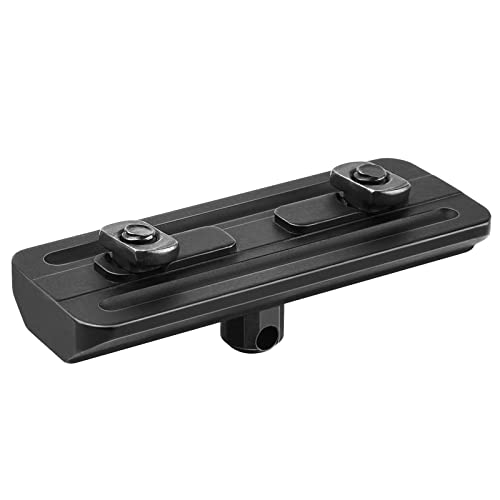
- ARS Mark9.2
ARS Mark is a ranking system developed by bestairriflescopes.com. ARS Mark has no relationship or impact from any manufacturers or sales agent websites. Learn more
- BrandCVLIFE
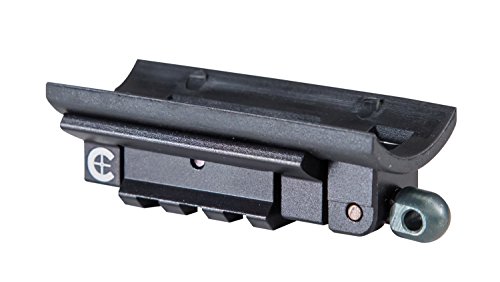
- ARS Mark9.0
ARS Mark is a ranking system developed by bestairriflescopes.com. ARS Mark has no relationship or impact from any manufacturers or sales agent websites. Learn more
- BrandCaldwell

- ARS Mark9.0
ARS Mark is a ranking system developed by bestairriflescopes.com. ARS Mark has no relationship or impact from any manufacturers or sales agent websites. Learn more
- BrandMidTen

- ARS Mark9.0
ARS Mark is a ranking system developed by bestairriflescopes.com. ARS Mark has no relationship or impact from any manufacturers or sales agent websites. Learn more
- BrandGogoku
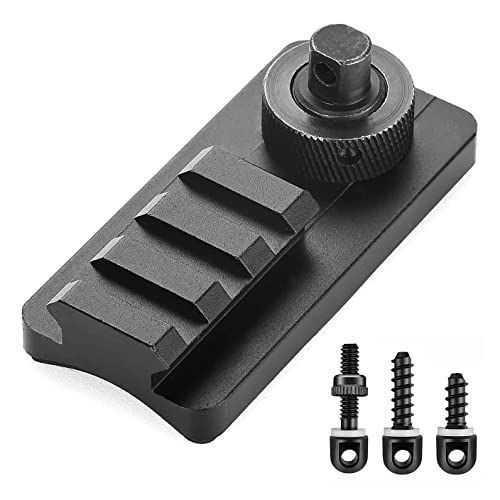
- ARS Mark8.8
ARS Mark is a ranking system developed by bestairriflescopes.com. ARS Mark has no relationship or impact from any manufacturers or sales agent websites. Learn more
- BrandHUNTPAL

- ARS Mark8.8
ARS Mark is a ranking system developed by bestairriflescopes.com. ARS Mark has no relationship or impact from any manufacturers or sales agent websites. Learn more
- BrandYUANHONGJIAN

- ARS Mark8.8
ARS Mark is a ranking system developed by bestairriflescopes.com. ARS Mark has no relationship or impact from any manufacturers or sales agent websites. Learn more
- BrandYUANHONGJIAN

- ARS Mark8.2
ARS Mark is a ranking system developed by bestairriflescopes.com. ARS Mark has no relationship or impact from any manufacturers or sales agent websites. Learn more
- BrandCalitte
Last update on 2026-05-31 / Affiliate links / Images, Product Titles, and Product Highlights from Amazon Product Advertising API
How To Attach Bipod To Sling Stud
Loose rifle support can ruin a solid shooting session faster than most people expect. One minute the rifle feels stable, then suddenly the bipod shifts sideways or the sling stud starts digging awkwardly into the stock. Plenty of shooters run into that annoying problem after rushing the setup or using mismatched hardware. A properly mounted how to attach bipod to sling stud setup creates better balance, steadier aim, and far less frustration during prone shooting or bench work.
Why Sling Stud Mounting Feels Confusing
Most rifle owners assume bipod installation should take five minutes and a screwdriver. Then the mounting hardware arrives with unfamiliar clamps, odd tension knobs, and tiny parts that don’t seem to line up with the sling stud correctly. That confusion usually starts because sling studs vary slightly between rifle brands and stock materials. A bipod designed for synthetic stocks may feel tighter or less stable on wood stocks with thinner stud spacing.
Mounting pressure also matters more than many people realize. Over-tightening can strip threads or crack weaker stock material around the sling stud area. Too little pressure creates movement during recoil, especially with heavier calibers. That tiny wobble becomes painfully obvious during precision shots where consistency matters.
Some shooters get frustrated because the sling suddenly becomes unusable after the bipod installation. Older bipod designs often block the sling attachment point completely, which creates a clumsy carrying experience. Modern bipods usually include a secondary sling loop underneath the mount. That little feature keeps the rifle functional without sacrificing mobility or comfort.
Rushed installation causes plenty of problems too. Dirt trapped around the sling stud threads can prevent a flush mount, and uneven pressure may tilt the bipod slightly off-center. The rifle still looks mounted correctly at first glance, but prone shooting quickly exposes the imbalance. Careful alignment saves a lot of irritation later.
Checking Sling Stud Compatibility First
Not every sling stud handles bipod pressure equally well. Lightweight factory studs sometimes loosen over time because they were originally designed only for carrying slings rather than supporting rifle weight against the ground. A heavier bipod combined with aggressive loading pressure can stress weaker hardware pretty quickly. Checking stud stability before mounting anything prevents headaches later.
Thread condition deserves attention before installation starts. Worn threads create weak contact between the bipod mount and sling stud, especially after repeated recoil cycles. A slightly damaged stud might still hold a sling securely but fail once bipod pressure increases. That difference catches many shooters off guard.
Wood stocks deserve extra caution because softer material compresses around the sling stud over time. Repeated tension and recoil can slowly widen the mounting hole, causing the stud to rotate or shift under pressure. Synthetic stocks generally resist that problem better, though cheaper polymer stocks can flex during prone loading. Stability always depends on the entire mounting system, not just the bipod itself.
Carefully inspect the mounting area before buying accessories. Some rifles use recessed sling studs or unique spacing that limits bipod compatibility. To improve long-range setup decisions, explore best bow sight for aging eyes for examples of how mounting alignment affects accuracy and visual consistency across shooting platforms.
Tools That Make Installation Easier
Most bipod installations don’t require a massive tool kit, thankfully. A properly sized flathead screwdriver, small torque driver, and thread-safe cloth handle most setups without much trouble. Cheap tools with worn edges often slip during tightening and scratch the stock around the sling stud area. That cosmetic damage annoys people far longer than expected.
Torque control matters because sling studs aren’t designed for excessive force. Tightening by feel alone sometimes leads to overtightened clamps that stress the mounting hardware. Small torque drivers help maintain even pressure while preventing unnecessary stock damage. Consistent tension keeps the bipod stable without crushing the mounting point.
Thread locker creates mixed opinions among shooters. Medium-strength thread locker helps prevent vibration loosening during repeated firing sessions, especially on harder recoiling rifles. Permanent compounds cause problems later when maintenance or hardware replacement becomes necessary. A removable formula usually provides enough security without turning future adjustments into a nightmare.
Lighting helps more than expected during installation. Small mounting grooves and recessed sling studs become surprisingly hard to inspect in poor lighting conditions. A focused work light makes it easier to confirm proper seating and alignment before tightening everything down. Tiny gaps often reveal mounting mistakes before range time exposes them.
Correct Bipod Positioning On The Rifle
Mounting position affects rifle handling almost immediately. Bipods installed too far forward can make the front end feel heavy during transitions or offhand movement. Mounting too far back reduces stability during prone shooting because the support footprint becomes narrower. Finding the right balance takes a little experimentation.
Weight distribution changes the rifle’s natural feel more than many shooters expect. Heavier steel bipods increase front-end mass noticeably, especially on lightweight hunting rifles. Aluminum models reduce that effect but sometimes sacrifice rigidity under rough use. The ideal setup depends heavily on shooting style and terrain.
Prone shooters often prefer slightly forward positioning because it helps stabilize recoil movement and reduces muzzle bounce. Bench shooters sometimes favor a more centered setup for easier balance during long sessions. Neither approach is universally right or wrong. Rifle ergonomics and intended use should guide the decision instead of internet arguments.
Carry comfort matters too. A badly positioned bipod can snag on slings, brush against packs, or create awkward pressure points during long hikes. Rifles used for field movement benefit from cleaner mounting profiles with fewer protruding edges. A comfortable setup encourages consistent use instead of constant adjustment.
Step By Step Sling Stud Installation Process
Start by unloading the rifle completely and placing it on a stable work surface. That sounds obvious, sure, but rushed setups often happen during busy range sessions or late-night garage tinkering. Stable positioning prevents slipping tools and uneven mounting pressure. Good habits matter even during simple accessory installation.
Loosen the bipod clamp enough to clear the sling stud without forcing the mount sideways. Some shooters try muscling the mount into place, which scratches finishes and stresses the stud threads unnecessarily. A properly adjusted clamp should slide onto the stud smoothly. Resistance usually signals incorrect alignment rather than tight tolerances.
Center alignment becomes critical before tightening begins. The bipod should sit evenly against the stock without leaning left or right. Uneven positioning creates awkward recoil movement and inconsistent leg pressure during prone loading. Taking thirty extra seconds here prevents a lot of future irritation.
Tighten gradually instead of cranking the knob immediately to full tension. Incremental pressure helps the mount seat evenly against the stock surface. Once secure, test the bipod by applying forward pressure similar to actual shooting conditions. Any shifting or rotation means the mount needs adjustment before live fire.
Common Mistakes That Cause Wobble
One of the biggest installation mistakes involves assuming tighter automatically means better. Excessive force can damage the sling stud or compress softer stock material unevenly. That weakens long-term stability instead of improving it. Controlled tension almost always performs better than brute force.
Another common problem appears when shooters ignore stock curvature. Some bipod mounts sit perfectly flat on synthetic stocks but leave tiny gaps against curved wood surfaces. Those gaps create pressure points that loosen gradually during recoil. Proper seating across the entire contact area matters for consistent support.
Cheap aftermarket adapters create plenty of headaches too. Poor machining tolerances lead to uneven clamp engagement and unpredictable movement under recoil. A slightly cheaper mount may save money upfront but often creates constant readjustment later. Stable support depends heavily on solid hardware fitment.
Loose sling studs frequently get overlooked during troubleshooting. Shooters blame the bipod itself while the actual movement comes from the stud rotating inside the stock. Carefully inspect every mounting point before replacing perfectly functional bipods. Tiny hardware failures often masquerade as bigger equipment issues.
Choosing Between Fixed And Swivel Bipods
Fixed bipods appeal to shooters who value simplicity and rigid support. Fewer moving parts usually means less maintenance and fewer opportunities for unwanted movement. Bench shooters often prefer that locked-in feeling because it keeps the rifle planted consistently between shots. Stability becomes predictable and repeatable.
Swivel bipods handle uneven terrain much better, especially during outdoor shooting sessions. Rocky ground, hillsides, or rough field positions rarely provide perfectly level surfaces. Swivel capability allows the rifle to remain level even when the bipod legs rest at different heights. That flexibility improves comfort significantly.
Some shooters dislike swivel tension because poorly adjusted systems can feel loose or unstable during recoil. Quality bipods usually include adjustable tension controls that fine-tune movement resistance. Properly tuned swivel systems maintain flexibility without feeling sloppy. Cheap designs often struggle with that balance.
Weight differences also influence the decision. Fixed bipods generally weigh slightly less because they contain fewer moving parts. Hunters carrying rifles across longer distances may appreciate the lighter setup. Meanwhile, prone precision shooters often accept extra weight in exchange for terrain adaptability.
Managing Sling Clearance After Installation
Plenty of bipod owners forget about sling function until carrying the rifle suddenly feels awkward. Some mounts partially block the sling swivel or force the sling into uncomfortable angles against the stock. That constant twisting pressure becomes irritating during long hikes or repeated shoulder transitions. Good sling clearance keeps the rifle manageable outside shooting positions.
Integrated sling loops solve that issue on many modern bipods. These built-in attachment points preserve normal sling use while keeping the bipod securely mounted. Older bipods without secondary sling loops sometimes require separate adapters to restore carry functionality. That extra hardware adds bulk and occasionally rattles during movement.
Sling width matters too. Wider padded slings may rub against certain bipod legs depending on mounting position. Testing rifle carry positions after installation helps identify interference before heading into the field. Small adjustments often improve comfort dramatically.
Field shooters especially benefit from cleaner sling routing. Tight vegetation, packs, and shooting bags love snagging exposed straps or awkwardly mounted hardware. Explore best left handed compound bow for more examples of how gear balance and carry ergonomics influence shooting comfort during extended outdoor use.
Best Way To Mount A Bipod On Sling Stud
Even after the bipod feels secure, small problems tend to show up once real shooting starts. Legs shift slightly in soft dirt, tension loosens after several rounds, or the rifle starts leaning awkwardly during recoil. Those issues usually trace back to mounting habits rather than the bipod itself. A cleaner best way to mount a bipod on sling stud setup improves stability, comfort, and overall rifle control without turning the rifle into a bulky mess.
How Different Rifle Stocks Affect Stability
Rifle stocks behave differently once pressure gets applied through a mounted bipod. Lightweight polymer stocks flex more than many shooters expect, especially near the front sling stud area. That flex changes how recoil transfers through the rifle during prone shooting. Tiny movement may not matter for casual plinking, but precision shooters usually notice it immediately.
Laminated wood stocks tend to feel more rigid under pressure, though they carry extra weight during field movement. Traditional hardwood stocks sometimes compress slowly around the sling stud after years of repeated use. That compression can create subtle mounting looseness that becomes harder to diagnose over time. Tight groups become inconsistent even though optics and ammunition remain unchanged.
Aluminum chassis systems solve many flex problems but introduce a different tradeoff. Metal chassis rifles feel more stable against loaded bipods, yet the extra front-end weight becomes tiring during long hikes or unsupported shooting positions. Balance matters just as much as raw rigidity. Rifles that feel awkward to carry often spend less time being used properly.
Smaller hunting rifles especially benefit from lightweight mounting setups. Heavy bipods attached to slim sporter stocks can throw off handling dramatically. Explore best target bow for beginners to see how equipment balance and support positioning influence accuracy across different shooting platforms.
Loading The Bipod Without Losing Control
Many shooters attach a bipod correctly but still struggle with inconsistent recoil control because the rifle isn’t loaded properly. Bipod loading means applying gentle forward pressure into the legs before firing. That pressure helps stabilize recoil movement and keeps the rifle tracking more predictably after each shot. Too much force, though, creates its own problems.
Overloading pressure can cause weaker bipod mounts to shift against the sling stud. Soft ground may also force the legs backward unevenly during recoil. The rifle suddenly hops sideways instead of returning naturally to target. Smooth, controlled pressure works far better than aggressively driving the rifle forward.
Body position affects bipod performance more than the hardware itself sometimes. Crooked shoulder alignment creates uneven tension across the rifle stock, which transfers inconsistent pressure into the bipod mount. Shooters often blame loose equipment when posture actually causes the instability. A straight spine and relaxed shoulder position usually improve tracking quickly.
Surface conditions matter too. Concrete benches, dirt, gravel, and grass all change how bipod feet react under recoil. Rubber feet grip hard surfaces well but may slide slightly on dusty benches. Spiked feet handle outdoor terrain better but can feel unstable indoors. Matching the foot style to shooting conditions keeps the rifle steadier overall.
Signs Your Bipod Mount Needs Adjustment
Small warning signs usually appear before a bipod setup fails completely. The rifle may start creaking during loading pressure, or the bipod legs might rotate slightly after each shot. Some shooters ignore those early symptoms until the sling stud loosens enough to damage the stock. Paying attention early prevents expensive repairs later.
Uneven recoil movement often points toward mounting tension problems. If the rifle consistently jumps left or right despite solid shooting fundamentals, the bipod mount could be sitting unevenly against the stock. Tiny alignment issues become amplified during recoil. Stable mounting should produce consistent movement patterns shot after shot.
Check for visible gaps between the bipod mount and stock surface occasionally. Dirt buildup or shifting pressure can slowly create separation points that weaken overall stability. Those tiny gaps rarely improve on their own. Re-tightening without cleaning the mount first usually masks the problem temporarily instead of fixing it properly.
Sling stud rotation also deserves immediate attention. A rotating stud means the stock material or mounting threads are no longer holding tension correctly. Continued shooting may widen the mounting hole permanently. Repairing that damage later becomes far more frustrating than tightening or replacing the hardware early.
Swivel Tension And Terrain Control
Swivel bipods feel awkward at first for shooters used to rigid fixed models. The rifle moves slightly side to side, which can create the impression that something isn’t tightened correctly. Proper tension adjustment changes that experience completely. A balanced swivel system provides movement control without feeling loose.
Tension knobs should allow smooth leveling adjustments while still resisting accidental tilt during recoil. Loose settings may feel unstable on concrete benches or flat range surfaces. Over-tightened systems defeat the purpose of swivel functionality entirely. The sweet spot usually feels firm but still responsive during small terrain corrections.
Outdoor shooting conditions expose swivel advantages quickly. Uneven hillsides, rocks, and rough dirt rarely provide perfectly level support points. Fixed bipods force awkward body positioning in those situations, while swivel models keep the optic level with less strain. Comfort improves substantially during longer sessions.
Some shooters leave swivel tension permanently maxed out because they dislike movement during target acquisition. That approach works temporarily but reduces adaptability once terrain changes. Learning how to adjust tension properly creates a more flexible shooting setup overall. Small equipment adjustments often produce bigger gains than expensive upgrades.
Protecting The Sling Stud From Long-Term Wear
Sling studs take more abuse than many rifle owners realize. Recoil pressure, bipod loading, sling tension, and rough field handling all stress that tiny mounting point repeatedly. Over time, weaker hardware begins loosening or shifting inside the stock. Preventive maintenance helps avoid expensive stock repairs later.
Thread inspection should happen periodically, especially on rifles used heavily from prone positions. Dust, moisture, and old thread locker residue gradually reduce thread engagement quality. Clean hardware maintains stronger contact and more consistent mounting pressure. Neglected threads often loosen at the worst possible moment.
Wood stocks benefit from occasional mounting checks because natural material expansion changes with humidity and temperature. A sling stud that felt rock solid during dry weather might loosen slightly during damp hunting conditions. Synthetic stocks handle moisture changes better but still require inspection after hard use or accidental impacts.
Heavy bipod users sometimes upgrade to reinforced sling stud systems for extra durability. Steel-backed mounting hardware distributes pressure more evenly through the stock material. That reinforcement helps prevent cracking or widening around the mounting hole. Rifles carried through rough terrain usually benefit most from the extra support.
Field Carry Problems After Bipod Installation
Rifles behave differently once a bipod gets attached permanently. The extra front-end width catches brush more easily, and folded legs occasionally snag against packs or slings during movement. Those annoyances seem minor indoors but become frustrating during long outdoor sessions. Carry comfort matters just as much as shooting stability.
Leg deployment mechanisms vary dramatically between bipod models. Some release smoothly with one hand, while others require awkward pressure or careful alignment. Cheap locking systems sometimes rattle during movement too. Constant noise becomes irritating fast during hunting or quiet range sessions.
Sling placement also changes rifle balance while walking. A bipod mounted too close to the sling attachment point can create uneven carry angles against the shoulder. Small position adjustments often improve comfort immediately. Testing carry positions before field use helps avoid surprises later.
Outdoor rifles usually benefit from slimmer bipod profiles that fold tightly against the stock. Wide folded legs may stabilize well during shooting but become awkward while navigating dense brush or climbing rough terrain. Explore best air rifle for skunks for more examples of how field-ready shooting setups balance portability with stable support.
Cleaning And Maintaining Bipod Hardware
Dirt and grit slowly wear down moving bipod parts even if the rifle itself stays clean. Sand trapped inside pivot points creates rough movement and inconsistent leg deployment. Mud buildup around tension knobs often causes uneven locking pressure too. Basic maintenance keeps the entire setup functioning smoothly.
Dry lubrication usually works better than heavy oils for bipod joints and hinges. Thick lubricants attract dust and debris quickly, especially during outdoor shooting sessions. Dry-film products reduce friction without turning the hardware into a dirt magnet. Cleaner moving parts maintain more consistent performance.
Inspect mounting screws regularly after range sessions involving heavier recoil. Repeated vibration gradually loosens even properly installed hardware over time. Tiny shifts in mounting tension affect bipod stability more than many shooters expect. Periodic checks prevent sudden movement during important shots.
Storage conditions matter too. Leaving wet bipods folded tightly after rain exposure encourages corrosion around adjustment points and mounting screws. Air-drying the setup before long-term storage helps protect both the bipod and sling stud hardware. Reliable gear usually comes from boring maintenance habits repeated consistently.


12 Best 22 Pcp Air Rifle For Hunting of 2026 With Quiet Power

7 Best 22 Pcp Air Rifle Under 300 of 2026 For Backyard Pest Control

10 Best 22 Break Barrel Air Rifles of 2026 For Backyard Pest Control

10 Best 30 Caliber Pcp Air Rifle of 2026 For Medium Game

Top Best 177 Air Rifle Under 100: Budget-Friendly Picks for 2026

How to Safely Reload Shotgun Shells at Home

11 Best Co2 Air Rifle For Pest Control of 2026 To Ensure Humane Dispatch

12 Best Inexpensive Air Rifles of 2026 For Dependable Backyard Accuracy






