
How to Become a Certified Archery Instructor

Getting certified to teach archery usually means completing an entry-level safety course and showing that you can run a shooting line safely. The specific credential required shifts depending on the organization running the range. Nobody expects an Olympic-level shot to step onto the line. Teaching beginners requires a sharp eye for range rules, clear whistle commands, and simple setup steps rather than personal pinpoint accuracy.
A few factors decide which path to take. Summer camps, school gyms, and independent ranges often require different programs, such as NASP for schools or USA Archery for local clubs. Age matters as well, because most sanctioning groups ask candidates to be at least 15 or 18 years old alongside a routine background check. Here is how each program works and how to finish your training without any wasted effort.
Pick the certification that matches where you want to teach
Picking your certification depends on where you plan to teach. Archery programs in the United States rely on specific governing groups to set safety rules and provide liability coverage. If you hold the wrong credential, your target facility cannot legally permit you to run the range.
USA Archery Level 1 is the most widely recognized credential in the country. It is accepted by summer camps, commercial archery pro shops, town recreation departments, and youth organizations like the Girl Scouts and Boy Scouts. If you want to teach beginner recurve or compound archery in varied community settings, USA Archery Level 1 is the standard choice.
The National Archery in the Schools Program (NASP) uses its own Basic Archery Instructor credential. NASP operates directly inside elementary, middle, and high school gym classes. Their training focuses strictly on indoor gymnasium setups using standardized compound bows. If you plan to coach a school team or teach during physical education classes, you must take the NASP course.
4-H Shooting Sports provides certification tailored to county extension programs and rural clubs. Each state extension office coordinates its own workshops. If you want to volunteer with local 4-H youth clubs, contact your county extension agent to find their next workshop date.
Many people hesitate to sign up because they fear their shooting skills are not advanced enough. You do not need to be a tournament champion or an Olympic archer to teach beginners. Level 1 certification focuses on range safety, basic equipment handling, and clear group communication. Your patience and focus on safe habits matter far more than your personal score.
Meet the age limits and background checks before signing up
Every reputable archery organization requires screening before you step in front of students. Because instructors often work with children, background clearances protect both young archers and host organizations. Confirm that you satisfy these baseline requirements before purchasing your course:
- Minimum age requirements: Most programs require candidates to be at least 15 years old. Instructors aged 15 to 17 typically receive a junior instructor rating and must teach under adult supervision. To lead an independent range on your own, you must be at least 18 years old.
- SafeSport training: SafeSport is youth safety and abuse prevention training. This required online course teaches you how to recognize misconduct, prevent unsafe situations, and report issues to official authorities. You must complete this training to activate your credential.
- Criminal background check: Organizations run an identity check and criminal history screening through an approved national screening partner. Candidates with disqualifying offenses involving violence, weapons, or child endangerment cannot earn a credential. Screening usually takes three to ten business days.
- Organizational membership: You must purchase an active membership with your chosen governing body. For example, USA Archery requires an active recreational or coach membership before they can issue your certificate.
Complete the online lessons and the practical class in order
Getting certified is straightforward once you know the required sequence. Most candidates complete their certification within one to three weeks. Follow these numbered steps to earn your USA Archery Level 1 credential:
- Create your member account online: Visit the USA Archery website and set up your member profile. Verify that your legal name matches your government identification card.
- Finish the online educational course: Purchase and launch the Level 1 online module. This self-paced course takes about three to four hours. It covers range design, basic bow parts, whistle commands, shooting steps, and how to correct beginner errors. You must pass the online quiz to move forward.
- Complete your background screening and youth safety course: Submit your background check application through your member dashboard. Then, log into the youth safety portal to complete your SafeSport course. Both items must clear before your certificate becomes official.
- Register for a practical session: A practical session is an in-person class showing you can run a safe range. Use the course locator to find an upcoming clinic taught by a certified Level 2 or higher coach. These clinics typically run four to eight hours at a local range or club.
- Demonstrate range control in person: During your practical class, you will practice teaching real people. You will set up target mats, mark safety lines, call out whistle commands, inspect equipment, and guide a peer through basic shooting steps.
- Download your digital instructor credentials: Once your instructor logs your passing score, your online dashboard updates. You can download and print your official certificate immediately.
Master simple whistle signals and standard shooting form steps
Range safety rests on predictable commands and strict physical control. When students step onto an archery range, they must know exactly what to do at every moment. You will act as the range captain, which is the leader running whistle commands and the shooting line.
Whistle blasts cut through ambient noise better than spoken words. Always teach your archers the four standard whistle commands before letting anyone handle equipment:
- Two whistle blasts: Walk from the waiting line to the shooting line. Archers may pick up bows, but arrows must remain in quivers.
- One whistle blast: You may load an arrow and begin shooting.
- Three whistle blasts: Hang your bow on the rack and walk forward to score and retrieve arrows.
- Four or more rapid blasts (or shouting "Stop!"): Immediate emergency ceasefire. Stop drawing immediately, let down without firing, return arrows to quivers, and step behind the waiting line.
Teaching proper physical form helps beginners shoot accurately without straining their bodies. Walk your students through these fundamental shooting steps:
Have each archer straddle the shooting line with feet shoulder-width apart, standing sideways to the target. Their bow hand grips the riser, which is the central bow handle or rigid frame. The flexible upper and lower arms that bend to store energy are the limbs. Check their draw weight, which is the pull resistance or effort needed to pull the string back, measured in pounds (lbs). Beginners should start on light draw weights between 15 and 20 lbs so they can build form without fatiguing.
Next, demonstrate proper nocking. Have the archer lay the arrow shaft (the main carbon, aluminum, or wooden arrow tube) across the arrow rest. Clip the nock, which is the notched plastic cap at the arrow tail that clips to the string, directly beneath the nocking point. The nocking point is the small brass bead or tied thread marking where your arrow clips onto the string. Keep the arrow pointed downrange toward the target during this entire step.
Show archers how to place their fingers on the bowstring using a finger tab, which is a protective leather pad shielding fingers from string pressure. Ensure every archer wears an arm guard, which is a protective forearm pad or sleeve. The arm guard shields skin from painful string slap, which happens when the string hits the forearm upon release.
Guide the student through drawing the bow back. Draw length measures how far back you pull the string to reach your anchor point, measured in inches. At full draw (the position when the string is pulled all the way back to your face anchor point), the archer rests their index finger or thumb firmly against their jawline or mouth corner. Recurve bows, which feature limb tips curving away from the archer for extra speed, require steady back muscle tension at full draw. Compound bows use mechanical wheels or pulleys on the bow tips called cams to provide let-off, which reduces holding effort once the bow reaches full draw.
When teaching archers to aim, eye dominance is a major factor. Beginners often squint or squeeze one eye shut, which creates facial tension and reduces balance on the line. Helping new archers by mastering archery with both eyes open lets them keep full depth perception, stay relaxed, and see the target clearly.
Instruct the student to release by relaxing their fingers cleanly. Warn them against plucking the string, which is the common error of jerking your fingers away from your face on release instead of letting the string roll off cleanly. After release, archers should hold their stance until the arrow hits the target.
Always enforce strict equipment safety. Never allow an archer to dry fire. A dry fire means releasing a drawn bowstring without an arrow, which is a dangerous error that can instantly splinter limbs, snap strings, and cause severe personal injury. Show archers how to flex carbon arrow shafts between their fingers before shooting to catch hairline cracks before an arrow breaks.
Look for open coaching roles at camps and local clubs
Once your certification is active, several clear opportunities exist to start teaching beginner archers.
Summer camps hire thousands of entry-level instructors every year. Camps must satisfy strict safety accreditation standards, so having your certificate card puts your resume at the top of the pile. Most camps provide all gear and target mats, allowing you to focus on group leadership and range supervision.
Parks and recreation departments regularly run seasonal youth clinics and weekend workshops. These community programs supply the equipment and pay instructors an hourly rate to teach basic archery classes. Contact your local municipal recreation director in early spring to ask about upcoming coaching openings.
Archery pro shops and target clubs need entry-level staff to run weekend birthday parties, youth leagues, and introductory lessons. Working alongside an experienced Level 2 or Level 3 coach gives you real-world coaching experience while building your confidence on the line.
Youth groups like the Scouts or local 4-H clubs frequently look for certified volunteers. Many clubs own archery equipment but cannot use it without a certified adult range captain. Volunteering helps you build teaching hours while serving your local community.
Remember to keep your credentials current once you begin coaching. USA Archery Level 1 certifications remain valid for three years. However, your SafeSport youth safety training requires an annual online refresher, and your background check must be renewed every two years. Keep copies of your certificates saved on your phone so you can verify your active status whenever a range operator asks.
Study coaching books to build clear lesson plans for beginners
A certification card gives you permission to teach, but clear lesson plans give you real confidence on the range. Beginners learn best when lessons follow a steady, logical sequence. Quality archery coaching handbooks and training guides help you explain shooting mechanics in simple, memorable terms.
When choosing instructional books, look for guides with clear illustrations of basic recurve and compound bow setups. High-quality coaching manuals include helpful diagrams of finger tabs, anchor points, and range layouts. They also offer quick troubleshooting checklists that explain why an archer is hitting low, spraying arrows wide, or suffering from string slap.
Archery training journals are another practical tool for new instructors. These logbooks help archers track their shooting distances, arrow positions, and weekly progress. Review the table of contents before buying to make sure a guide focuses on beginner fundamentals rather than complex tournament tuning.

- ARS Mark10.0
ARS Mark is a ranking system developed by bestairriflescopes.com. ARS Mark has no relationship or impact from any manufacturers or sales agent websites. Learn more
- BrandMajosta

- ARS Mark10.0
ARS Mark is a ranking system developed by bestairriflescopes.com. ARS Mark has no relationship or impact from any manufacturers or sales agent websites. Learn more
- BrandMajosta

- ARS Mark9.4
ARS Mark is a ranking system developed by bestairriflescopes.com. ARS Mark has no relationship or impact from any manufacturers or sales agent websites. Learn more
- BrandCREATESPACE
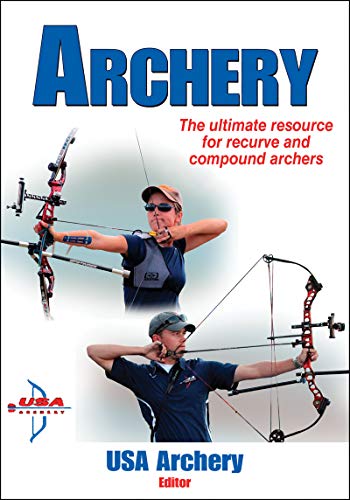
- ARS Mark9.2
ARS Mark is a ranking system developed by bestairriflescopes.com. ARS Mark has no relationship or impact from any manufacturers or sales agent websites. Learn more
- BrandHuman Kinetics

- ARS Mark9.0
ARS Mark is a ranking system developed by bestairriflescopes.com. ARS Mark has no relationship or impact from any manufacturers or sales agent websites. Learn more
- BrandStackpole Books
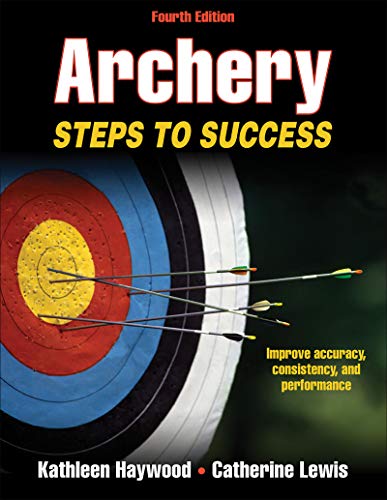
- ARS Mark9.0
ARS Mark is a ranking system developed by bestairriflescopes.com. ARS Mark has no relationship or impact from any manufacturers or sales agent websites. Learn more
- BrandHuman Kinetics

- ARS Mark8.8
ARS Mark is a ranking system developed by bestairriflescopes.com. ARS Mark has no relationship or impact from any manufacturers or sales agent websites. Learn more
- BrandTuttle Publishing

- ARS Mark8.8
ARS Mark is a ranking system developed by bestairriflescopes.com. ARS Mark has no relationship or impact from any manufacturers or sales agent websites. Learn more
- BrandHuman Kinetics

- ARS Mark8.6
ARS Mark is a ranking system developed by bestairriflescopes.com. ARS Mark has no relationship or impact from any manufacturers or sales agent websites. Learn more
- BrandWatching Arrows Fly LLC

- ARS Mark8.2
ARS Mark is a ranking system developed by bestairriflescopes.com. ARS Mark has no relationship or impact from any manufacturers or sales agent websites. Learn more
- BrandIndependently Published
Last update on 2026-09-29 / Affiliate links / Images, Product Titles, and Product Highlights from Amazon Product Advertising API


12 Best 22 Pcp Air Rifle For Hunting of 2026 With Quiet Power

7 Best 22 Pcp Air Rifle Under 300 of 2026 For Backyard Pest Control

10 Best 22 Break Barrel Air Rifles of 2026 For Backyard Pest Control

10 Best 30 Caliber Pcp Air Rifle of 2026 For Medium Game

Top Best 177 Air Rifle Under 100: Budget-Friendly Picks for 2026

How to Safely Reload Shotgun Shells at Home

11 Best Co2 Air Rifle For Pest Control of 2026 To Ensure Humane Dispatch

12 Best Inexpensive Air Rifles of 2026 For Dependable Backyard Accuracy






