
How to Clean a Gun With Household Items Safely

How to clean a gun with household items sounds simple at first, yet a lot of people end up frustrated halfway through the process. Grease sticks inside tight corners, powder residue keeps showing up on cleaning patches, and suddenly the whole thing feels messier than expected. A kitchen cabinet or bathroom shelf usually holds more useful cleaning supplies than most folks realize, though. Cotton swabs, microfiber cloths, old toothbrushes, rubbing alcohol, and mild soap can handle plenty of routine firearm maintenance without turning the room into a chemical-smelling disaster.
Skipping regular cleaning often leads to sluggish moving parts, stubborn buildup, and tiny rust spots that creep in quietly. That’s the part many people don’t notice until the slide feels gritty or the action stops cycling smoothly. Gun maintenance doesn’t have to involve expensive specialty kits every single time. Household supplies can help loosen grime, wipe away carbon fouling, and keep metal surfaces cleaner between deeper maintenance sessions.
Old T-shirts usually work surprisingly well for wiping down external surfaces because softer fabric helps reduce accidental scratching. Cotton patches cut from worn clothing can also reach tight areas inside the firearm without falling apart instantly. Meanwhile, a basic toothbrush becomes handy for scrubbing around rails, trigger assemblies, or textured grips where dirt loves to settle. Little tricks like these save time and help avoid the “Well, now what?” moment during cleanup.
Moisture control matters more than people expect. Too much liquid inside a firearm creates problems fast, especially around springs and internal metal components. A lightly dampened cloth works better than soaking parts completely, and that small detail can make a huge difference over time. Rust prevention often depends more on careful drying and proper wiping than flooding everything with oil.
Ventilation also gets overlooked all the time. Rubbing alcohol and common cleaners may seem harmless, but closed rooms trap odors quickly. Opening a window or using a fan helps keep the cleaning process comfortable instead of headache-inducing. Nobody wants to spend the evening scrubbing parts while breathing in strong fumes.
Some household products should stay far away from firearms, honestly. Bleach, abrasive scrub pads, and harsh degreasers can damage finishes or strip protective coatings faster than expected. Gentle cleaning usually wins the race here. Slow, careful wiping and brushing often remove more buildup than aggressive scrubbing ever could.
How to clean a gun with household items becomes much easier once the process feels practical instead of overly technical. Small routines done consistently help reduce stubborn fouling and keep firearm parts functioning more reliably. A few common supplies, a steady hand, and patience go a long way. Funny enough, the simplest methods are often the ones people stick with long term.

- ARS Mark9.6
ARS Mark is a ranking system developed by bestairriflescopes.com. ARS Mark has no relationship or impact from any manufacturers or sales agent websites. Learn more
- BrandPINGMIC

- ARS Mark9.6
ARS Mark is a ranking system developed by bestairriflescopes.com. ARS Mark has no relationship or impact from any manufacturers or sales agent websites. Learn more
- BrandKeze
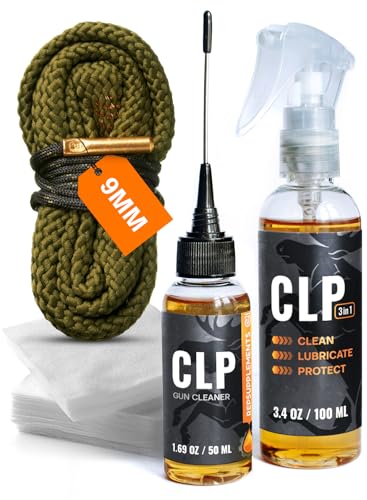
- ARS Mark9.6
ARS Mark is a ranking system developed by bestairriflescopes.com. ARS Mark has no relationship or impact from any manufacturers or sales agent websites. Learn more
- BrandREPSUPPLEMENTS

- ARS Mark9.6
ARS Mark is a ranking system developed by bestairriflescopes.com. ARS Mark has no relationship or impact from any manufacturers or sales agent websites. Learn more
- BrandOtis Technology

- ARS Mark9.6
ARS Mark is a ranking system developed by bestairriflescopes.com. ARS Mark has no relationship or impact from any manufacturers or sales agent websites. Learn more
- BrandROIKETU

- ARS Mark9.4
ARS Mark is a ranking system developed by bestairriflescopes.com. ARS Mark has no relationship or impact from any manufacturers or sales agent websites. Learn more
- BrandMiaozhun
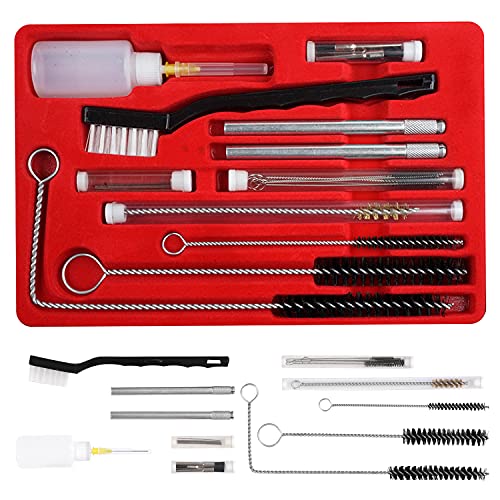
- ARS Mark9.2
ARS Mark is a ranking system developed by bestairriflescopes.com. ARS Mark has no relationship or impact from any manufacturers or sales agent websites. Learn more
- BrandCANOPUS

- ARS Mark9.2
ARS Mark is a ranking system developed by bestairriflescopes.com. ARS Mark has no relationship or impact from any manufacturers or sales agent websites. Learn more
- BrandAccmor
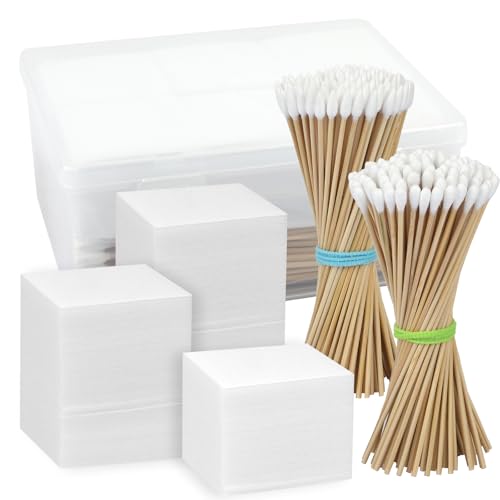
- ARS Mark9.0
ARS Mark is a ranking system developed by bestairriflescopes.com. ARS Mark has no relationship or impact from any manufacturers or sales agent websites. Learn more
- BrandOkxiri
Last update on 2026-07-27 / Affiliate links / Images, Product Titles, and Product Highlights from Amazon Product Advertising API
How to Clean a Gun With Household Items
Grease, residue, and stubborn grime lurking in tight corners of a firearm can turn a quick cleanup into a frustrating ordeal. Even seasoned gun owners sometimes face the annoyance of parts that just won’t slide smoothly or barrels that feel sticky. Household items offer surprisingly practical solutions, helping keep firearms functional and safe without splurging on specialized kits.
Simple Tools That Work Wonders
Old toothbrushes, cotton swabs, and microfiber cloths often outperform more expensive brushes for delicate areas. They reach small nooks and grooves where residue loves to accumulate. Using these simple tools minimizes the risk of scratching finishes while removing powder buildup effectively.
Lightly dampened cloths with a small amount of rubbing alcohol can dissolve oils and grime without soaking internal components. This helps preserve the key factor of moisture control, preventing rust before it even starts. The combination of soft brushes and cloths creates a maintenance routine that’s both efficient and gentle.
Cotton patches or pieces of an old T-shirt can be cut to size for chambers or barrel ends. These patches adapt to tight spaces and don’t fall apart easily. They serve as a practical alternative when dedicated patches are unavailable.
Even a simple plastic container or tray keeps all these small items organized during cleaning. It’s a minor adjustment that reduces stress, letting you focus on the firearm instead of scrambling for tools mid-session.
Household Liquids That Clean Effectively
Rubbing alcohol, mild dish soap, and white vinegar can tackle different types of residue. Alcohol cuts through oils, while soap emulsifies carbon and dirt. Vinegar works on light rust, though it requires careful application and thorough drying afterward.
Proper dilution and cautious application matter because excess liquid can harm springs or other sensitive components. A tiny amount on a cloth or swab is often more effective than soaking. Maintaining strength and control over the process reduces risk.
Spraying alcohol into a barrel to loosen fouling and then wiping with a patch provides noticeable improvement. Users often notice smoother cycling and easier slide operation after a single session. It’s a low-cost but high-impact approach.
Moisture management is reinforced by immediately drying surfaces with clean, absorbent materials. Drying ensures that the benefit of household cleaning translates into longevity rather than accidental corrosion.
Breaking Down the Barrel Safely
Barrels accumulate powder residue that can impede performance. Running a cotton swab dipped in alcohol through the barrel removes carbon buildup without causing scratches. Repeating with dry patches ensures the area is fully clean and moisture-free.
Visual inspection helps identify stubborn spots. Applying gentle pressure with a small brush can dislodge particles, keeping the strength of your firearm intact. Users notice smoother operation when small details like these are addressed consistently.
Patience in cleaning each section prevents accidental wear. A rushed process often leads to missed residue or scratched surfaces. Taking time ensures the firearm remains both functional and visually intact.
Light oiling afterward protects the metal surfaces without over-lubrication. Over-oiling can attract dust and dirt, negating the cleaning efforts. The balance between clean and protected is crucial for long-term reliability.
Handling Springs and Internal Components
Small springs and pins inside firearms can hold hidden debris. A microfiber cloth or a lightly dampened swab can reach these areas without dislodging components. Maintaining control over sensitive parts ensures safety and effectiveness.
Tweezers or small pliers help maneuver stubborn debris but must be used carefully. Overzealous handling can bend or misalign parts, reducing performance. The emphasis on gentle care preserves the firearm’s operational integrity.
Frequent inspections during cleaning allow spotting minor issues before they escalate. Detecting a slightly bent pin or loose screw early prevents more significant problems later. This approach highlights the importance of proactive maintenance.
Keeping components organized during disassembly also avoids accidental loss. Small containers or labeled trays make reassembly straightforward and stress-free, keeping the process efficient.
Dealing With Rust With Household Solutions
Light rust can appear even in well-stored firearms. White vinegar applied with a cloth or swab removes oxidation gently. Followed by drying and a thin coat of oil, this method preserves the strength and longevity of the metal.
Baking soda paste works for more localized rust spots. Applying carefully and then wiping ensures corrosion doesn’t spread. Users often notice a dramatic difference in surface finish after treatment.
Preventive strategies like wiping down the firearm after every session and storing it in low-humidity conditions reduce rust formation. Consistency enhances the benefits of household maintenance long term.
Even small steps, such as avoiding prolonged exposure to moisture or handling with wet hands, reinforce cleaning efforts. Prevention complements reactive measures, maintaining overall firearm integrity.
Maintaining Grips and External Surfaces
Handles and external metal surfaces collect oils from hands, dust, and environmental residue. Wiping with a microfiber cloth dampened with mild soap removes buildup while preserving finish. Regular attention keeps the firearm looking sharp and functional.
Rubber or synthetic grips benefit from gentle cleaning to avoid deterioration. Mild soap and water work better than harsh chemicals, maintaining strength and texture without compromising material integrity.
For wooden components, a lightly damp cloth followed by a dry wipe keeps moisture under control. Over-saturating wood can warp or crack, undermining both aesthetics and usability.
Small brushes or cloth strips can reach textured surfaces or grooves. Addressing these areas ensures no hidden residue accumulates, contributing to smoother handling over time.
Optimizing Trigger and Action Areas
Residue around the trigger and action can affect cycling. Carefully cleaning these regions with cotton swabs or small brushes removes grime without altering alignment. The focus on precision cleaning maintains functionality.
Light lubrication applied only to moving surfaces prevents sticking. Over-oiling attracts dust, so moderation is key. The goal is smooth operation, not a slippery mess.
Regular observation identifies when components need attention. Spotting minor friction points early reduces long-term wear and preserves the firearm’s operational integrity.
Disassembly may be needed for stubborn buildup. Keeping parts organized and labeled ensures a hassle-free reassembly process, highlighting the importance of methodical maintenance.
Leveraging Common Household Items Efficiently
Cotton swabs, toothbrushes, and old T-shirts become essential tools when used strategically. They are versatile, affordable, and gentle, which helps maintain the benefit of consistent upkeep. Small adjustments in approach maximize their efficiency.
Even items like coffee filters can serve as lint-free patches for barrels. Creativity with household supplies often produces results comparable to specialty tools, especially for routine cleaning.
Storing these items near the cleaning area reduces friction in the process. Convenience reinforces consistency, ensuring the firearm remains in top shape over time.
Pairing these items with proper technique prevents unnecessary wear or scratches. The emphasis on care preserves both functionality and appearance, strengthening long-term performance.
Creating a Simple Cleaning Routine
Developing a regular schedule ensures residue doesn’t accumulate excessively. Weekly or monthly sessions using household items keep the firearm responsive and reliable. The routine emphasizes the importance of proactive maintenance.
Starting with visual inspection, followed by targeted cleaning of barrel, action, and external surfaces, streamlines the process. Organization minimizes missed areas and overlooked components.
Documentation of cleaning frequency and any observations helps track trends. Users often spot early signs of wear or rust before serious damage occurs. This attention to detail reinforces the benefits of consistent care.
Even a 15–20 minute session is sufficient if performed correctly. Efficiency combined with thoroughness maximizes the positive impact of household cleaning solutions.
Safe Storage Post-Cleaning
Proper storage complements cleaning efforts by preventing environmental damage. Dry, low-humidity conditions reduce rust and degradation. Protective cases or covers enhance safety while keeping the firearm ready for use.
Ensuring no residual moisture remains in the firearm before storage is critical. Drying with a clean cloth or air-drying briefly prevents corrosion. The key factor of moisture control sustains the benefits gained from cleaning.
Separating cleaning tools and chemicals from stored firearms avoids accidental contamination. Safe organization is part of a responsible routine, enhancing overall firearm longevity.
Routine inspection during storage, such as monthly checks, identifies early signs of rust or residue. Small proactive steps maintain the firearm’s strength and reliability effectively over time.
Best Ways To Clean A Gun With Common Household Supplies
Sticky residue inside a firearm rarely shows up all at once. It builds slowly, then suddenly the slide feels rough, the trigger response changes, or the barrel starts looking dull and dirty under direct light. That creeping buildup frustrates plenty of gun owners because routine maintenance often feels more complicated than it should. Simple household supplies can handle a large portion of regular firearm cleaning while helping reduce rust, grime, and long-term wear.
Keeping Carbon Buildup Under Control
Carbon fouling settles fast after repeated use, especially around the chamber and muzzle area. Thick residue can make parts feel sluggish and harder to cycle smoothly. A soft toothbrush paired with rubbing alcohol helps loosen stubborn debris without damaging finishes. Controlled cleaning pressure matters because aggressive scrubbing can leave scratches on sensitive surfaces.
Paper towels seem convenient at first, but they often leave lint behind in tiny crevices. Microfiber cloths handle residue more effectively while reducing the chance of leftover fibers sticking near moving parts. Small details like that make regular maintenance feel less frustrating over time. Consistency matters more than using expensive cleaning gear every single session.
Some firearm owners ignore buildup until performance noticeably changes. That habit usually backfires because hardened residue becomes tougher to remove later. Running a lightly dampened patch through the barrel after each range visit helps prevent thick carbon layers from settling in permanently. Preventive maintenance almost always saves time in the long run.
People who spend time dialing in optics often appreciate how much reliability matters during shooting sessions. To improve overall firearm accuracy and handling habits, explore best laser scope for ar 15 setups that support faster alignment and steadier target tracking.
Reducing Moisture Before Rust Starts
Humidity quietly damages firearms even inside storage cases or safes. Tiny moisture pockets settle into metal surfaces, then rust starts forming where it’s least expected. A dry cloth alone sometimes misses hidden moisture around screws, rails, or spring areas. Careful drying routines protect firearms far better than heavy oil application.
Hair dryers on low heat can help remove trapped moisture after cleaning sessions. The key is using moderate airflow instead of blasting heat directly onto delicate components. Gentle warmth helps evaporate lingering dampness tucked into tight corners. That extra minute of drying prevents a surprising amount of corrosion over time.
White vinegar works for light rust spots, but leaving it too long can dull finishes. A quick wipe followed by immediate drying and light oil application produces safer results. Some people rush through this step and end up dealing with discoloration later. Slower cleaning usually delivers cleaner surfaces and fewer regrets.
Storage habits also shape long-term firearm condition. Foam-lined cases sometimes trap moisture rather than protect against it, especially in humid environments. Keeping firearms in dry spaces with periodic wipe-downs helps preserve metal strength and overall appearance.
Cleaning Tight Areas Without Damage
Trigger assemblies, slide rails, and small crevices collect grime that ordinary cloths can’t easily reach. Cotton swabs help target these areas without forcing debris deeper inside. A slightly damp swab removes buildup while maintaining control around delicate components. Precision cleaning prevents unnecessary wear inside critical mechanisms.
Old toothbrushes remain surprisingly effective for textured grips and slide grooves. Soft bristles loosen residue while protecting coatings from damage. Hard brushes might seem faster, but they often leave fine scratches across sensitive finishes. That rough handling becomes visible sooner than many people expect.
Compressed air can help clear loose particles after brushing tight areas. Short bursts work better than prolonged spraying because excessive pressure can scatter debris into unwanted spots. Careful cleaning keeps the firearm functional without turning maintenance into a full disassembly project every time.
Shooting accessories also require careful setup and calibration. For archery gear that needs reliable alignment in changing conditions, review how to sight in a compound bow techniques that improve consistency during practice sessions.
Balancing Lubrication Without Overdoing It
Excess oil creates its own set of problems. Thick lubrication attracts dust, carbon residue, and lint, eventually creating sticky buildup around moving parts. Firearms generally perform better with a thin protective layer instead of heavy coating. Balanced lubrication keeps actions smooth without creating unnecessary grime.
Q-tips help apply tiny amounts of oil directly onto rails, springs, or contact points. Precision matters because oversaturation can seep into areas where lubrication isn’t needed. Some firearm owners mistake extra oil for extra protection, though too much often reduces reliability instead.
Slides and bolts should move smoothly after lubrication, not feel slippery or wet. Wiping away visible excess keeps residue from collecting during storage or transport. Controlled application improves long-term cleanliness while preserving metal surfaces from friction damage.
Environmental conditions also affect lubrication needs. Colder climates may thicken certain oils, while dusty areas demand lighter application to avoid buildup. Adjusting maintenance routines around storage and weather conditions protects overall firearm reliability more effectively.
Protecting Wooden And Synthetic Components
Wooden stocks react differently to moisture than synthetic grips. Excess water exposure can warp wood or create surface cracks over time. Slightly damp cloths followed by immediate drying help preserve appearance without oversaturating the material. Gentle cleaning methods maintain both function and aesthetics.
Synthetic grips handle moisture better but still attract sweat, dirt, and oils from regular handling. Mild dish soap diluted with warm water removes residue without weakening textured surfaces. Harsh household chemicals often dry out synthetic materials, making them feel brittle after repeated exposure.
People sometimes forget how much hand oils affect firearm appearance over time. Regular wipe-downs after handling reduce fingerprint marks and surface grime before buildup becomes obvious. Small habits like that extend the lifespan of both grips and exposed metal sections.
Storage conditions matter here too. Direct sunlight or excessive heat can fade synthetic finishes and dry out wooden components. Maintaining moderate storage temperatures supports long-term durability across all firearm materials.
Building A Cleaning Routine That Actually Sticks
Complicated maintenance routines usually fall apart after a few weeks. Most people stick with habits that feel simple, repeatable, and realistic after long range sessions or busy weekends. Keeping cleaning supplies organized in one container reduces setup frustration and encourages consistency. Practical routines outperform complicated systems that rarely get followed.
Quick wipe-downs after every use help prevent large cleaning sessions later. That small investment of time reduces stubborn fouling and keeps moving parts functioning smoothly. Firearm maintenance becomes less overwhelming when handled gradually instead of waiting until grime becomes severe.
Visual inspection also matters during routine cleaning. Tiny rust spots, unusual wear marks, or loose screws often show up early if someone takes a careful look during maintenance. Spotting those issues quickly prevents larger mechanical headaches down the road.
Some firearm owners pair maintenance sessions with gear inspections or range prep. That combined routine keeps equipment ready without adding extra workdays to the schedule. Consistency supports safe handling, smoother operation, and better long-term firearm condition.
Common Cleaning Mistakes That Cause Problems
Bleach, abrasive scrub pads, and harsh industrial cleaners should stay far away from firearms. Those products may strip finishes, weaken coatings, or damage sensitive surfaces permanently. Softer cleaning methods almost always produce safer long-term results. Controlled cleaning choices preserve firearm appearance and reliability.
Over-disassembly creates another common headache. Pulling apart every internal component during basic cleaning raises the risk of misplaced springs or incorrect reassembly. Most routine maintenance only requires partial breakdown and focused cleaning around high-contact areas.
People also rush drying steps more often than they realize. Moisture hidden beneath grips or inside rails quietly creates corrosion over time. Thorough drying remains one of the most overlooked yet effective parts of firearm maintenance.
Cheap cloth materials can leave fibers inside chambers or around bolts. Those fibers collect oil and residue surprisingly fast. Using lint-free materials improves cleaning efficiency while helping internal components stay cleaner between sessions.
Making Household Cleaning Supplies Last Longer
Cleaning supplies wear out faster if they stay dirty between sessions. Rinsing brushes, washing microfiber cloths, and replacing heavily stained patches keeps maintenance more effective over time. Reusing filthy cloths simply spreads grime around instead of removing it. Clean tools support cleaner firearms.
Plastic containers help organize cotton swabs, cloths, brushes, and oil applicators in one place. Organized supplies reduce wasted time during maintenance sessions. That convenience makes routine upkeep feel less like a chore and more like a quick habit.
Old toothbrushes should eventually be replaced once bristles become stiff or bent. Worn brushes lose flexibility and increase the chance of surface scratches. Small tool upgrades improve cleaning precision without increasing costs significantly.
Household firearm cleaning works best with patience, moderation, and realistic expectations. Simple supplies often handle regular maintenance surprisingly well if used carefully. Consistent care protects performance, reduces buildup, and keeps firearms operating smoothly without turning maintenance into an exhausting process.


12 Best 22 Pcp Air Rifle For Hunting of 2026 With Quiet Power

7 Best 22 Pcp Air Rifle Under 300 of 2026 For Backyard Pest Control

10 Best 22 Break Barrel Air Rifles of 2026 For Backyard Pest Control

10 Best 30 Caliber Pcp Air Rifle of 2026 For Medium Game

Top Best 177 Air Rifle Under 100: Budget-Friendly Picks for 2026

How to Safely Reload Shotgun Shells at Home

11 Best Co2 Air Rifle For Pest Control of 2026 To Ensure Humane Dispatch

12 Best Inexpensive Air Rifles of 2026 For Dependable Backyard Accuracy






