
How to Clean a Gun Safely Without Damaging It?

Cleaning a barrel and action is not nearly as difficult or dangerous as it feels the first time. The entire process comes down to taking your time to confirm the chamber is completely empty, pushing soft cotton patches through the bore (the inside of the barrel), and making sure you lightly lubricate moving metal. Taking a slow, steady approach protects the delicate rifling and removes any risk of an accident.
A few details change the job depending on your setup. Powder firearms need carbon cleaners, but air rifles require dry patches and pure silicone so regular oils do not ignite under high air pressure. How much shooting took place also decides whether a quick wipe or a deeper scrub is needed, and frame design dictates whether tools enter from the back or the front tip. Here is how to complete the job safely without scratching a thing.
Clear the Chamber and Remove All Ammunition First
Before reaching for cleaning tools, confirm the gun is completely unloaded. Accidental discharges happen when someone assumes a gun is empty without checking. Treat every firearm and air rifle as if it holds live ammunition.
Follow this safety checklist at your workbench before touching any cleaning gear:
- Point the muzzle (the front tip of the barrel where ammo exits) in a safe direction away from people, pets, and hard walls that could cause a ricochet.
- Remove any feeding device, such as a firearm magazine or a multi-shot revolving pellet wheel.
- Open the action and inspect the breech (the rear opening where ammo is loaded). Look directly inside to confirm no bullet or pellet sits in the chamber.
- Touch the chamber opening with your pinky finger to confirm by feel that no round remains.
- Move all loose pellets, cartridges, and magazines to another room before opening your cleaning supplies.
If you own a break-barrel air rifle (a rifle cocked by pivoting the barrel down to compress an internal spring or gas piston), keep a firm hand on the barrel while inspecting the breech. Never release the barrel while it is bent open, because a slipping latch can snap the barrel shut violently and crush fingers. For air rifles filled with high-pressure air from a special hand pump, compressor, or scuba tank, verify the bolt stays open and the safety is engaged.
Pick the Right Cleaning Tools and Avoid Harsh Wire Brushes
Cleaning a gun does not require complex gear, but using the wrong supplies can permanently ruin accuracy. A rifle barrel contains rifling, which is a pattern of fine spiral grooves cut inside the steel to spin the projectile. Gouging these delicate grooves destroys your shot consistency.
Set up your work area with these core supplies:
- A sturdy cleaning rod or pull cord: Choose a rod made from brass, coated carbon fiber, or stainless steel. Soft brass and coated rods protect barrel steel, while cheap aluminum rods can bend and scrape the bore (the inside of the barrel). For airguns with limited rear access, use a flexible nylon-coated pull cord.
- A caliber-matched brass jag: A jag is a pointed metal tip that screws onto your cleaning rod. It holds a cloth patch flat against the bore walls so the cloth cleans the grooves evenly.
- Pre-cut cotton patches: Choose lint-free natural cotton wipes that absorb fouling (lead, carbon, or dirt buildup) without leaving loose fibers behind inside the action.
- Soft bore brushes: Use a nylon or soft bronze brush sized to your caliber. Avoid stiff stainless steel brushes, which scrape delicate rifling edges.
- Safe cleaners: Regular firearms need carbon solvents or clean-lubricate-protect spray to break down powder crust. Airguns require mild cleaners, pure isopropyl alcohol, or dry patches, because harsh firearm chemicals quickly dissolve synthetic rubber O-rings.
Clean the Barrel from the Breech Toward the Muzzle
Always push dirt forward and out of the barrel, never back into the firing mechanism. Insert your tools from the breech and push toward the muzzle. The muzzle features the barrel crown, which is the precise, tapered rim at the exit hole. If a cleaning rod rubs and nicks this rim, exiting air or gas pushes the projectile sideways, ruining your accuracy.
Follow these numbered steps to clean the bore safely:
- Rest the gun on a padded mat: Keep the unloaded gun steady on a bench mat or padded rest so it cannot slip under pressure.
- Dampen a cotton patch: Place a lint-free patch over your brass jag and add a few drops of safe cleaner. The patch should be damp, not dripping wet.
- Push through from breech to muzzle: Guide the rod through the breech opening, down the bore, and straight out the muzzle tip. Remove the dirty patch at the front and discard it. Never pull a dirty patch backward through the barrel, as that drags abrasive grit back into the action.
- Brush stubborn fouling: If the barrel holds heavy fouling, push a soft bronze or nylon brush completely through the muzzle until the bristles exit, then pull it back. Make three to five gentle passes to loosen caked residue.
- Dry the bore: Push clean, dry cotton patches through the bore using your brass jag until a patch emerges with no dark streaks.
Lead buildup behaves differently across guns. In firearms, burning gunpowder creates carbon alongside metal fouling. In air rifles, there is no combustion, so buildup comes strictly from lead pellets rubbing against the steel. Choosing top ammo choices for air-powered rifles made of clean lead or quality alloys keeps this bore buildup to a minimum.
Wipe Down the Action and Remove Grime from Moving Parts
Once the barrel is clean, turn your attention to the action. The action contains the mechanical parts that load, lock, fire, and extract ammunition. Dirt, dried grease, and unburnt powder gather in the corners of the bolt face, feed ramp, and slide rails, causing cycling jams if neglected.
Follow these steps to clean the action without taking apart small springs:
- Brush away loose debris: Use a dry nylon brush to sweep away loose particles from the receiver opening, bolt face, and cartridge feed ramp. Hold the gun with the opening facing downward so dislodged dirt falls onto your work table instead of tumbling deeper into the trigger group.
- Wipe sliding tracks with cotton swabs: Moisten a cotton swab or folded patch with cleaner. Carefully trace along the bolt tracks, cocking slide slots, and magazine well walls. Swap out dirty swabs until the cotton stops picking up dark residue.
- Inspect rubber O-rings and breech seals: In airguns, check the small rubber seal located at the breech opening or around the bolt probe. If you shoot budget PCP air rifles or break-barrel guns, this rubber ring seals high-pressure air during firing. Wipe it gently with a dry cloth. If you see cracks or flattening in the rubber, replace the seal so air does not blast out of the breech when firing.
- Dry all surfaces: Never leave wet pools of solvent sitting in the action. Wipe every crevice with a clean microfiber cloth until the metal feels dry to the touch.
Apply the Right Lubricant and Keep Petroleum Out of Air Chambers
Lubrication reduces friction and stops rust from forming, but putting the wrong oil in the wrong place can destroy your gun. This is where firearm maintenance and airgun care split sharply.
Standard firearms rely on petroleum-based gun oils or clean-lubricate-protect fluids. These oils coat sliding steel bolts and frame rails, preventing wear from metal-on-metal friction. However, you only need a microscopic film of oil. A gun dripping with oil attracts dust and sand, forming a gritty sludge that causes jams.
Air rifles require extreme caution with petroleum lubricants due to a dangerous reaction called dieseling. Dieseling is the dangerous ignition of oil under air compression. In a spring-piston or gas-piston airgun, the internal piston moves forward with extreme speed when you pull the trigger. This piston violently compresses the trapped air inside the compression tube, causing the temperature inside the chamber to skyrocket past several hundred degrees in a fraction of a second.
If petroleum oil enters the compression chamber or sits behind the pellet, that oil vapor ignites instantly under the heat and pressure, just like fuel in a diesel truck engine. Dieseling creates a loud explosion, thick smoke, and erratic pellet flight. More seriously, dieseling can melt synthetic piston seals, shatter mainsprings, and bulge or crack the barrel.
To lubricate safely, follow these rules:
- For airgun compression tubes and seals: Use only pure, 100 percent silicone oil made specifically for airguns. Apply no more than one or two drops to the chamber once or twice a year, or follow your manufacturer manual. Pure silicone oil does not ignite under high pressure.
- For firearm slide rails and pivot pins: Place one tiny drop of quality gun oil on each friction point, cycle the action by hand to spread it evenly, and wipe away all visible excess with a dry cloth.
- For exterior blued steel: Human skin transfers salty sweat and acid to metal whenever you hold a gun. Put two drops of gun oil or silicone oil onto a soft cloth and wipe down the exterior barrel and receiver before storing the gun to prevent rust spots.
Match Your Cleaning Schedule to How Often You Shoot
You do not need to scrub your gun down to bare metal after every single target session. The right schedule depends on the gun design, the weather, and your shot count.
Powder firearms demand prompt cleaning. Gunpowder combustion leaves behind corrosive salts, moisture-trapping carbon, and acidic residue. If you shoot a firearm in humid weather or leave it in a cold vehicle, condensation and carbon can start pitting the steel bore within a few days. Giving a firearm a quick bore pull and an exterior wipe-down after every trip to the range keeps rust from gaining a foothold.
Airguns do not need frequent barrel scrubbing. Airgun barrels actually perform best when they are lightly seasoned. When lead pellets travel down the rifling, they leave a microscopic, smooth film of lead in the steel pores, which helps consistent air sealing and accuracy. If you scrub an airgun barrel with brass brushes every weekend, you strip away that seasoning, and you will notice your target groups opening up until the barrel settles down again after another fifty shots.
Follow this sensible schedule for regular care:
- Every session: Wipe down exterior steel with an oily cloth to erase hand oils and finger marks. Check that the chamber and magazine are completely empty.
- Every 500 to 1,000 shots: Clean the airgun barrel with dry cotton patches or a soft pull cord if you notice your accuracy dropping or pellets flying erratically.
- When to call a professional gunsmith: Stop and seek qualified help if you have a pellet or bullet lodged firmly in the barrel, if an internal trigger spring pops loose, or if a high-pressure air tank begins hissing and leaking air. Never take apart high-pressure valves or pressurized air cylinders without professional training, because pressurized air cylinders can cause severe injury if dismantled under tension.
Choose Cleaning Kits with Soft Metal Rods and Caliber-Matched Patches
Investing in a dedicated cleaning kit saves time and protects your gun from accidental scratches. When shopping for maintenance supplies, look for kits that prioritize soft metals over hard steel or flimsy plastic parts.
Look for a kit that includes one-piece or reinforced multi-piece rods made of brass, carbon fiber, or coated stainless steel. A good rod rotates smoothly in its handle so the cleaning patch can naturally follow the spiral rifling inside your barrel without forcing the grooves. Verify that the kit supplies solid brass jags and slotted tips clearly marked for your exact calibers, whether you shoot small .177 and .22 pellets or larger firearm calibers.
Stock up on thick, pre-cut natural cotton patches that will not fray or leave loose threads inside the action. Having dedicated squeeze bottles or needle oilers allows you to place a single tiny drop of lubricant directly on pivot pins without making an oily mess. If your rifle has a closed action that prevents you from inserting a straight rod from the breech, make sure your kit includes a flexible nylon-coated pull cord to protect your barrel crown.
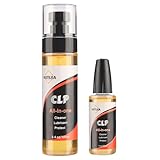
- ARS Mark9.8
ARS Mark is a ranking system developed by bestairriflescopes.com. ARS Mark has no relationship or impact from any manufacturers or sales agent websites. Learn more
- BrandNetLea

- ARS Mark9.6
ARS Mark is a ranking system developed by bestairriflescopes.com. ARS Mark has no relationship or impact from any manufacturers or sales agent websites. Learn more
- BrandPINGMIC

- ARS Mark9.6
ARS Mark is a ranking system developed by bestairriflescopes.com. ARS Mark has no relationship or impact from any manufacturers or sales agent websites. Learn more
- BrandErez Tactical

- ARS Mark9.6
ARS Mark is a ranking system developed by bestairriflescopes.com. ARS Mark has no relationship or impact from any manufacturers or sales agent websites. Learn more
- BrandILANSIN

BOOSTEADY Universal Handgun Cleaning kit .22,.357,.38,9mm,.45 Caliber Pistol Cleaning Kit
View on Amazon- ARS Mark9.4
ARS Mark is a ranking system developed by bestairriflescopes.com. ARS Mark has no relationship or impact from any manufacturers or sales agent websites. Learn more
- BrandBOOSTEADY

- ARS Mark9.4
ARS Mark is a ranking system developed by bestairriflescopes.com. ARS Mark has no relationship or impact from any manufacturers or sales agent websites. Learn more
- BrandREPSUPPLEMENTS

- ARS Mark9.4
ARS Mark is a ranking system developed by bestairriflescopes.com. ARS Mark has no relationship or impact from any manufacturers or sales agent websites. Learn more
- BrandBOVPCAO
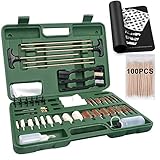
- ARS Mark9.2
ARS Mark is a ranking system developed by bestairriflescopes.com. ARS Mark has no relationship or impact from any manufacturers or sales agent websites. Learn more
- Brandiunio

- ARS Mark9.2
ARS Mark is a ranking system developed by bestairriflescopes.com. ARS Mark has no relationship or impact from any manufacturers or sales agent websites. Learn more
- BrandGLORYFIRE

- ARS Mark9.0
ARS Mark is a ranking system developed by bestairriflescopes.com. ARS Mark has no relationship or impact from any manufacturers or sales agent websites. Learn more
- BrandSkyhorse
Last update on 2026-09-29 / Affiliate links / Images, Product Titles, and Product Highlights from Amazon Product Advertising API
FAQs
Can I use household WD-40 to clean or lubricate my gun?
No, household WD-40 is a water dispersant and light solvent, not a proper gun lubricant. While it can loosen rusted bolts, it leaves behind a sticky film as it evaporates, which attracts dirt and jams trigger mechanisms. In airguns, standard WD-40 contains petroleum distillates that dissolve rubber seals and cause violent, dangerous dieseling inside compression tubes.
Should I run a cleaning rod through the muzzle if I cannot reach the breech?
Pushing a rod through the muzzle should always be your last resort. If your rifle design forces you to clean from the front, use a brass muzzle guide cone that slips over the rod to keep the shaft centered and prevent it from scraping against the barrel crown. Alternatively, use a flexible pull-through cord that drops through the muzzle and pulls a patch out from the breech toward the front.
What happens if I shoot a gun while the bore still has heavy oil in it?
Shooting a barrel that is wet with heavy oil can cause dangerous pressure spikes. In firearms, excess oil creates hydraulic resistance against the bullet, which can bulge or ring the steel barrel. In airguns, firing through heavy oil sparks dieseling, leading to blown seals, smoke, and cracked parts. Always run a completely dry cotton patch through the bore to wipe out leftover oil before you shoot.
Do air rifles need a brass bore brush every time I clean them?
No, air rifles rarely need aggressive brushing because they do not accumulate stubborn carbon or copper fouling. Running dry or lightly dampened cotton patches through the bore is usually all that is required to sweep away loose lead dust. Reserve soft bronze or nylon brushes for old barrels that have sat neglected for years with heavy dirt buildup.


12 Best 22 Pcp Air Rifle For Hunting of 2026 With Quiet Power

7 Best 22 Pcp Air Rifle Under 300 of 2026 For Backyard Pest Control

10 Best 22 Break Barrel Air Rifles of 2026 For Backyard Pest Control

10 Best 30 Caliber Pcp Air Rifle of 2026 For Medium Game

Top Best 177 Air Rifle Under 100: Budget-Friendly Picks for 2026

How to Safely Reload Shotgun Shells at Home

11 Best Co2 Air Rifle For Pest Control of 2026 To Ensure Humane Dispatch

12 Best Inexpensive Air Rifles of 2026 For Dependable Backyard Accuracy






