
How to Clean Binocular Lenses Without Damage

Keeping your optics clear is not just about appearances—it’s about performance. How to clean binocular lenses is one of those skills that separates the casual user from someone who truly values crisp, detailed views. Dust, fingerprints, and smudges may look harmless, but they can rob your binoculars of clarity, causing blur and eye strain when you least expect it. Worse yet, improper cleaning can scratch delicate coatings, leaving permanent marks. That’s why knowing the right way to care for your lenses is a game-changer. Many users try quick fixes—like wiping with a shirt sleeve or tissue—but those shortcuts often cause more harm than good. What you really need is a simple, step-by-step routine using the right tools: a blower to remove grit, a microfiber cloth for gentle wiping, and lens solution made specifically for optics. With these essentials, you’ll safeguard both the glass and its coatings. Imagine spotting a bird’s vibrant feathers or catching a stunning view across the valley without haze or distortion. That clarity comes from thoughtful care. How to clean binocular lenses isn’t about adding chores; it’s about enhancing every outdoor experience. Whether you’re into birdwatching, stargazing, or hunting, maintaining spotless lenses ensures that you see every detail in high definition. The payoff goes beyond clearer visuals—it also means extending the life of your binoculars, saving money in the long run. With consistent care, you’ll protect your investment and avoid costly replacements. Plus, clean optics make every adventure more enjoyable, whether you’re watching wildlife in the woods or scanning horizons at sea. In short, lens care is an easy, powerful way to get the most out of your gear.
Smudged glass, streaks, or tiny dust specks—nothing ruins a perfect view faster than dirty lenses. For outdoor enthusiasts, photographers, or anyone who relies on precision optics, knowing how to clean binocular lenses can be the difference between frustration and awe. The truth is, many people unintentionally damage their gear because they think any wipe will do. But binocular lenses are delicate, layered with protective coatings that need careful handling. Learning the right technique isn’t complicated; it’s about respecting the tools that bring your world into focus. With a few mindful steps, you can keep your lenses crystal clear without risking scratches or wear. Think of it as part of the adventure—just like packing water or checking the weather before you head out. Clean lenses mean sharper views, richer details, and zero distractions. Whether you’re scanning the night sky, tracking wildlife, or simply admiring a distant landscape, spotless lenses elevate the experience. So, if you’ve ever sighed in frustration at a hazy image or blurred target, it’s time to give your optics the care they deserve. The art of keeping binocular lenses pristine is simple, rewarding, and a habit worth embracing.

- ARS Mark9.4
ARS Mark is a ranking system developed by bestairriflescopes.com. ARS Mark has no relationship or impact from any manufacturers or sales agent websites. Learn more
- BrandAltura Photo

- ARS Mark9.4
ARS Mark is a ranking system developed by bestairriflescopes.com. ARS Mark has no relationship or impact from any manufacturers or sales agent websites. Learn more
- BrandSPUDZ

- ARS Mark9.2
ARS Mark is a ranking system developed by bestairriflescopes.com. ARS Mark has no relationship or impact from any manufacturers or sales agent websites. Learn more
- BrandNikon
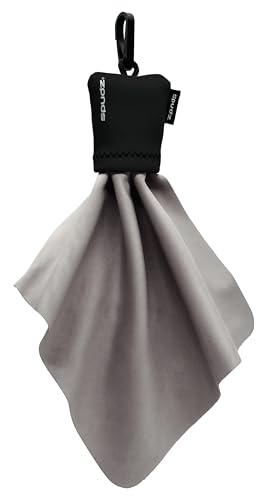
- ARS Mark9.2
ARS Mark is a ranking system developed by bestairriflescopes.com. ARS Mark has no relationship or impact from any manufacturers or sales agent websites. Learn more
- BrandSPUDZ
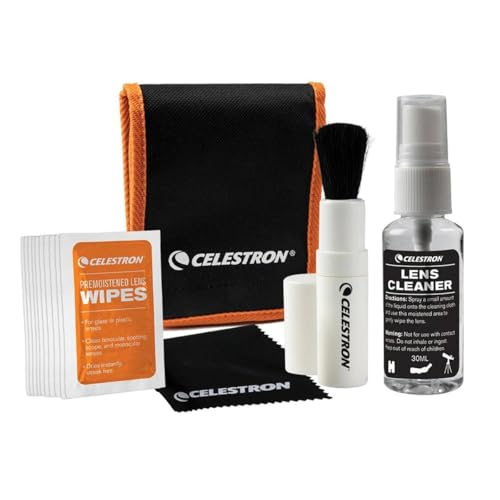
- ARS Mark9.2
ARS Mark is a ranking system developed by bestairriflescopes.com. ARS Mark has no relationship or impact from any manufacturers or sales agent websites. Learn more
- BrandCelestron

- ARS Mark9.2
ARS Mark is a ranking system developed by bestairriflescopes.com. ARS Mark has no relationship or impact from any manufacturers or sales agent websites. Learn more
- BrandVortex

- ARS Mark9.2
ARS Mark is a ranking system developed by bestairriflescopes.com. ARS Mark has no relationship or impact from any manufacturers or sales agent websites. Learn more
- BrandK&F CONCEPT

- ARS Mark9.0
ARS Mark is a ranking system developed by bestairriflescopes.com. ARS Mark has no relationship or impact from any manufacturers or sales agent websites. Learn more
- BrandVortex

- ARS Mark8.8
ARS Mark is a ranking system developed by bestairriflescopes.com. ARS Mark has no relationship or impact from any manufacturers or sales agent websites. Learn more
- BrandVortex

- ARS Mark8.8
ARS Mark is a ranking system developed by bestairriflescopes.com. ARS Mark has no relationship or impact from any manufacturers or sales agent websites. Learn more
- BrandNice 'N Clean
Last update on 2025-10-15 / Affiliate links / Images, Product Titles, and Product Highlights from Amazon Product Advertising API
Most people grab a cloth and give their binoculars a quick wipe, but that simple act can cause permanent damage. How to clean binocular lenses is not just about wiping away smudges; it’s about protecting delicate coatings that ensure crystal-clear vision. A single scratch can distort light and ruin your view for good. According to optics experts, more than 40% of warranty claims on binoculars come from careless cleaning, not manufacturing defects.
Keeping your lenses spotless improves both clarity and comfort. Dust, fingerprints, and smears scatter light, causing blurry images and eye strain. For birdwatchers or hunters, that haze could mean missing a rare sight or an important shot. Even casual stargazers know that dirty optics steal away the magic of a star-filled night. By adopting the right habits, you can prevent those frustrations and enjoy sharper images every single time.
Another hidden benefit is longevity. Binoculars are not cheap, and proper cleaning extends their lifespan. Think of it like car maintenance—skip the oil change, and you’ll pay later. The same goes for optics. Regular, careful cleaning keeps performance at its peak while protecting your investment.
Finally, clean lenses make adventures more rewarding. Imagine spotting a hawk gliding overhead or watching a sunset through spotless glass. The colors pop, the details shine, and the experience feels richer. That’s the payoff of treating your optics with care.
One of the biggest errors is wiping lenses with clothing or tissues. Fabric fibers and paper dust may look soft, but they’re abrasive and leave micro-scratches that pile up over time. Another mistake is breathing on the lens before wiping. While it feels natural, moisture from your breath contains acids and salts that can corrode lens coatings.
Many users also rely on household cleaners, thinking glass cleaner is harmless. In reality, harsh chemicals strip away protective layers designed to improve light transmission. Once those coatings are gone, image quality drops and repairs become impossible. Improper tools are often the downfall. Using anything other than microfiber cloths, lens pens, or specialized solutions risks damaging the optics.
A less obvious mistake is skipping the initial dust removal. If you don’t blow away grit before wiping, those tiny particles act like sandpaper against the glass. Over time, this erodes the clarity that makes high-quality binoculars stand out.
Even how you store your binoculars plays a role. Tossing them in a dusty bag without lens caps guarantees you’ll be cleaning them more often—and each cleaning carries the risk of accidental scratches. Smart storage is part of smart care.
To master how to clean binocular lenses, you need the proper kit. First on the list is a lens blower or soft brush to remove loose dust. These tools prevent debris from grinding into the surface during cleaning. Without them, even the softest cloth can scratch.
Next is a microfiber cloth—the gold standard for optics. Unlike tissues or cotton, microfiber traps particles instead of dragging them across the glass. A lens pen is another excellent tool, featuring a carbon tip that gently removes oils and smudges. Many professionals swear by it for field cleaning.
For liquid cleaning, a lens-safe solution designed for cameras and optics is essential. Never substitute with household sprays. A drop or two applied to a microfiber cloth—not directly on the lens—dissolves oils without harming coatings. Finally, keep lens caps and a protective case handy. Prevention is better than any cure, and protecting lenses from dirt means you’ll clean less often.
Having these tools ready transforms cleaning from a risky chore into a quick, safe routine. With the right gear, your lenses will always perform at their best.
Start by using a blower or soft brush to gently remove dust. Never skip this step—dust particles are the main culprits behind scratches. Hold your binoculars upside down while blowing so debris falls away instead of settling back onto the glass.
Next, lightly moisten a corner of your microfiber cloth with lens solution. Avoid spraying directly on the lens; excess liquid can seep into the housing and cause internal fogging. Using gentle, circular motions, wipe the lens from the center outward. This reduces streaking and prevents dragging dirt across the surface.
For stubborn smudges, a lens pen works wonders. Its carbon tip lifts oils without pressure, making it safer than repeated wiping. Afterward, use a dry section of the microfiber cloth to finish the cleaning, leaving the glass spotless and streak-free.
Finally, replace your lens caps immediately. Many people forget this step, but it’s the simplest way to keep your optics clean longer. By following this order—dust removal, gentle wipe, final polish, and storage—you’ll protect your investment and ensure flawless performance.
Dirty lenses don’t just reduce clarity—they also affect how long you can comfortably use binoculars. Strained eyes tire quickly, especially during long sessions of birdwatching or stargazing. Clean optics deliver bright, sharp images, reducing fatigue and letting you enjoy the view longer.
Consistent cleaning also maintains the resale value of your binoculars. Collectors and buyers look closely at lens condition, and scratched glass drops the price dramatically. Proper care means your gear holds value over time, making upgrades easier and more affordable.
Think of lens maintenance as an investment in peak performance. High-quality binoculars are built for decades of use, but only if treated with respect. Regular cleaning keeps coatings intact, ensures smooth light transmission, and preserves that crisp edge-to-edge clarity.
Beyond performance, there’s the simple joy of clear vision. Clean lenses reveal more details in feathers, landscapes, or star fields. They enhance every outdoor experience, transforming “good enough” views into breathtaking moments. That’s the hidden magic of consistent care.
Many people wonder if frequent cleaning is harmful. The truth is, how often you clean binocular lenses depends on usage. If you’re outdoors daily—tracking wildlife, sailing, or hiking—you’ll likely need to clean them more often than someone who uses them a few times a year. But there’s a balance. Over-cleaning can be just as harmful as neglect. Every wipe, no matter how gentle, risks introducing micro-scratches if dust isn’t removed first.
Experts recommend a “clean only when necessary” approach. That means inspecting your lenses before every trip but resisting the urge to wipe unless you see visible smudges, dust, or streaks. Most of the time, a quick puff with a blower is enough. Save the microfiber cloth and solution for those stubborn marks.
Season also plays a role. In dry, dusty environments, more cleaning will be necessary. In humid climates, the focus shifts to preventing mold or fungus, which thrive on dirt and moisture. Recognizing your environment helps you make smarter decisions about when and how often to clean.
Ultimately, think of cleaning like brushing teeth: consistent but gentle. It’s not about polishing lenses every day—it’s about maintaining a healthy routine that preserves clarity and prevents long-term damage.
Even the best cleaning routine won’t save your optics if you’re careless with storage. One important factor is always keeping the lens caps on when binoculars aren’t in use. Those small covers are your first defense against scratches and dust.
A protective case is another non-negotiable. Whether you’re storing binoculars on a shelf or tossing them into a backpack, a padded case prevents bumps and keeps dirt out. Moisture is another silent threat. Leaving binoculars in damp environments, like a basement or car trunk, invites fungus that can permanently ruin lenses.
For added protection, use silica gel packs inside your case. They absorb excess humidity, keeping your optics safe in all weather conditions. Many professionals also recommend avoiding leather cases for long-term storage because leather can trap moisture.
By combining these simple habits—caps on, case closed, moisture controlled—you drastically reduce the need for cleaning and extend the life of your binoculars. It’s not just about having clean lenses; it’s about preventing them from getting dirty in the first place.
Sometimes, despite your best efforts, lenses need more than a quick wipe. If you notice fungus, deep scratches, or internal fogging, it’s time to consider professional cleaning. Attempting to fix these issues at home often makes things worse.
Professional services have the right tools and controlled environments to restore lenses safely. They use specialized solvents and equipment that the average user simply can’t replicate. For high-end binoculars, the cost of professional cleaning is minor compared to the price of replacing them.
Another reason to seek help is mechanical issues. If dirt has worked its way inside the focusing mechanism or prism housing, DIY cleaning won’t solve the problem. Professionals can disassemble, clean, and reassemble without compromising alignment.
Think of professional cleaning as an occasional check-up for your optics. You don’t need it often, but when the situation calls for it, it can save your binoculars from permanent damage.
You won’t always have a full cleaning kit handy during outdoor adventures. That’s why knowing a few field tips is crucial. First, always carry a compact lens pen or a small microfiber cloth sealed in a pouch. These tools fit easily in a pocket and prevent you from reaching for a shirt sleeve in desperation.
If your binoculars get dusty, resist the urge to wipe immediately. Instead, gently tap or blow across the lenses to dislodge loose particles. If water spots or smudges appear, a lens pen can handle them quickly without adding scratches.
Avoid using bottled water or spit as makeshift solutions. They may contain minerals or acids that damage coatings. Instead, rely on dry cleaning methods until you return home to your full kit. Even in the field, prevention is your best ally—keeping lens caps on when you’re not actively viewing makes a huge difference.
These practical habits let you enjoy your adventures without worrying about permanent damage. Clean views and protected optics mean you can focus on the experience, not the equipment.
Caring for your optics isn’t just about today’s hike or tomorrow’s stargazing. It’s about years of reliable use and countless memories seen in sharp detail. Clean binocular lenses ensure you experience the world in vibrant color and crisp resolution.
Financially, proper care saves you money. Instead of replacing scratched or fogged binoculars every few years, you preserve performance for decades. Think of it as maximizing your return on investment.
There’s also an emotional side. Imagine passing down a pair of pristine binoculars to a child or grandchild. Each scratch-free lens tells a story of adventures shared and views captured. That’s the legacy of thoughtful maintenance.
In the end, keeping your binocular lenses spotless isn’t a chore—it’s a small ritual that enriches every adventure. From the tiniest bird in the canopy to the vast expanse of a night sky, clean optics give you a front-row seat to the world’s wonders.


12 Best 22 Pcp Air Rifle For Hunting of 2026 With Quiet Power

7 Best 22 Pcp Air Rifle Under 300 of 2026 For Backyard Pest Control

10 Best 22 Break Barrel Air Rifles of 2026 For Backyard Pest Control

10 Best 30 Caliber Pcp Air Rifle of 2026 For Medium Game

Top Best 177 Air Rifle Under 100: Budget-Friendly Picks for 2026

How to Safely Reload Shotgun Shells at Home

11 Best Co2 Air Rifle For Pest Control of 2026 To Ensure Humane Dispatch

12 Best Inexpensive Air Rifles of 2026 For Dependable Backyard Accuracy






